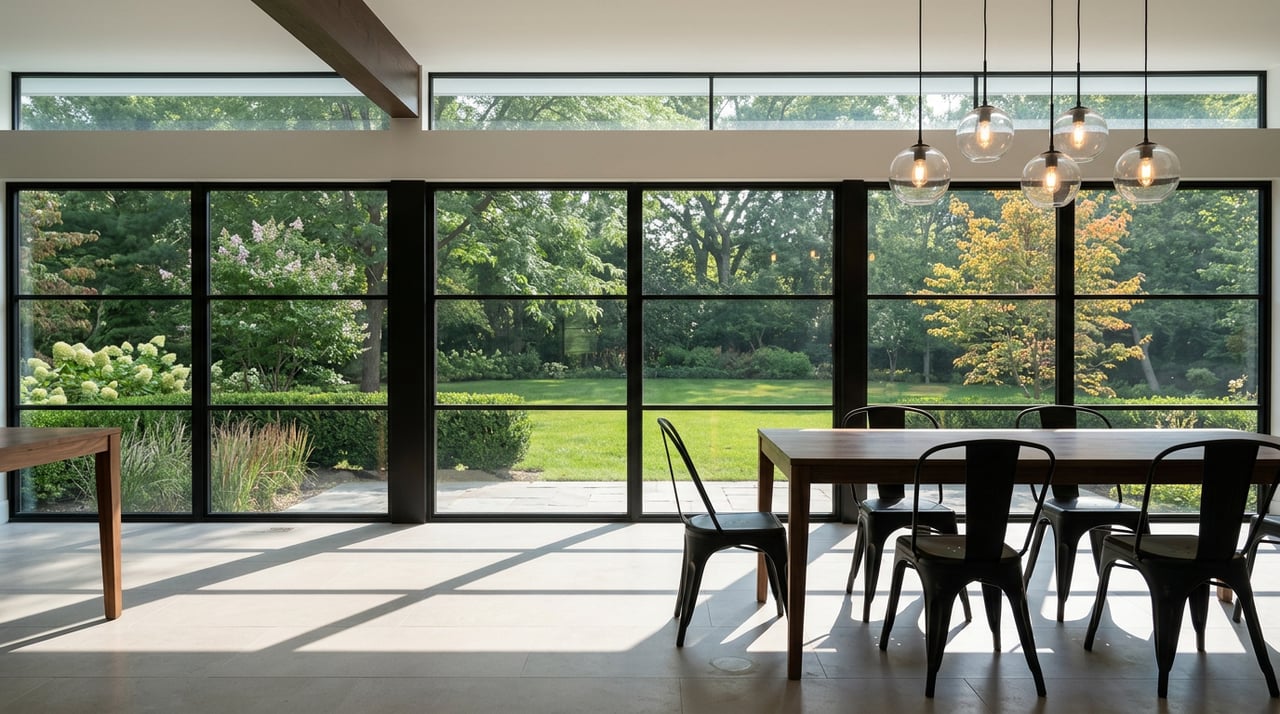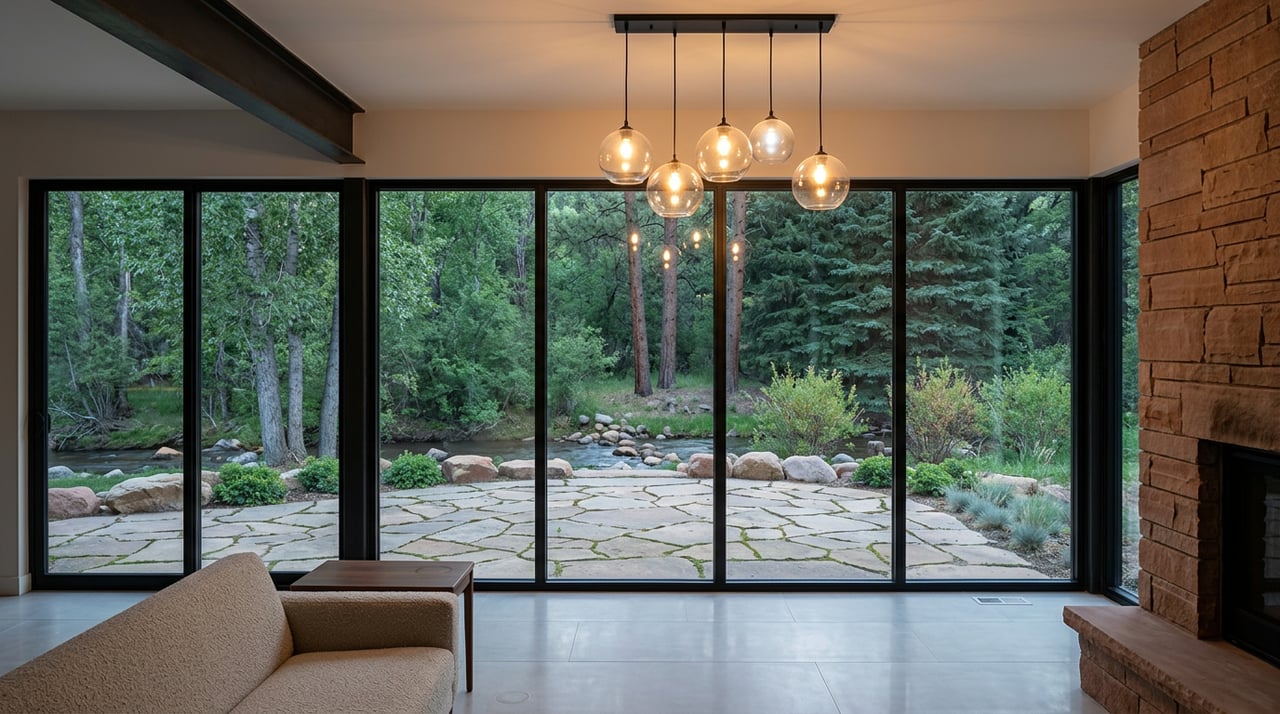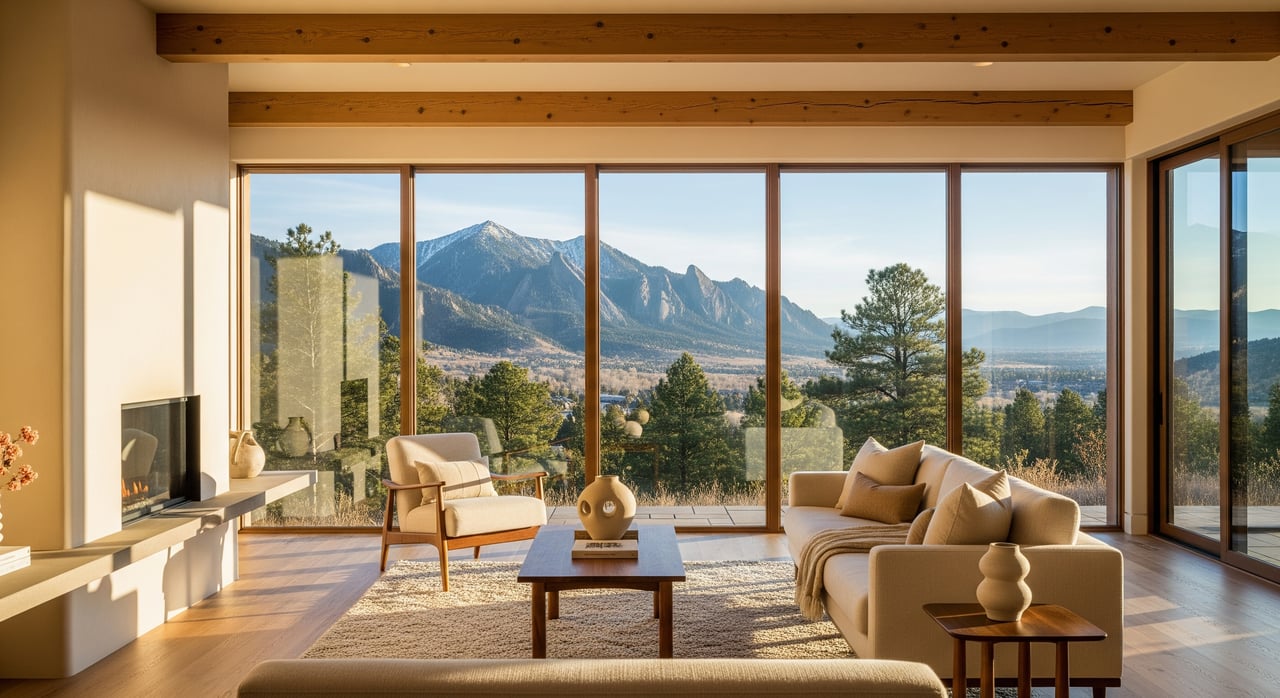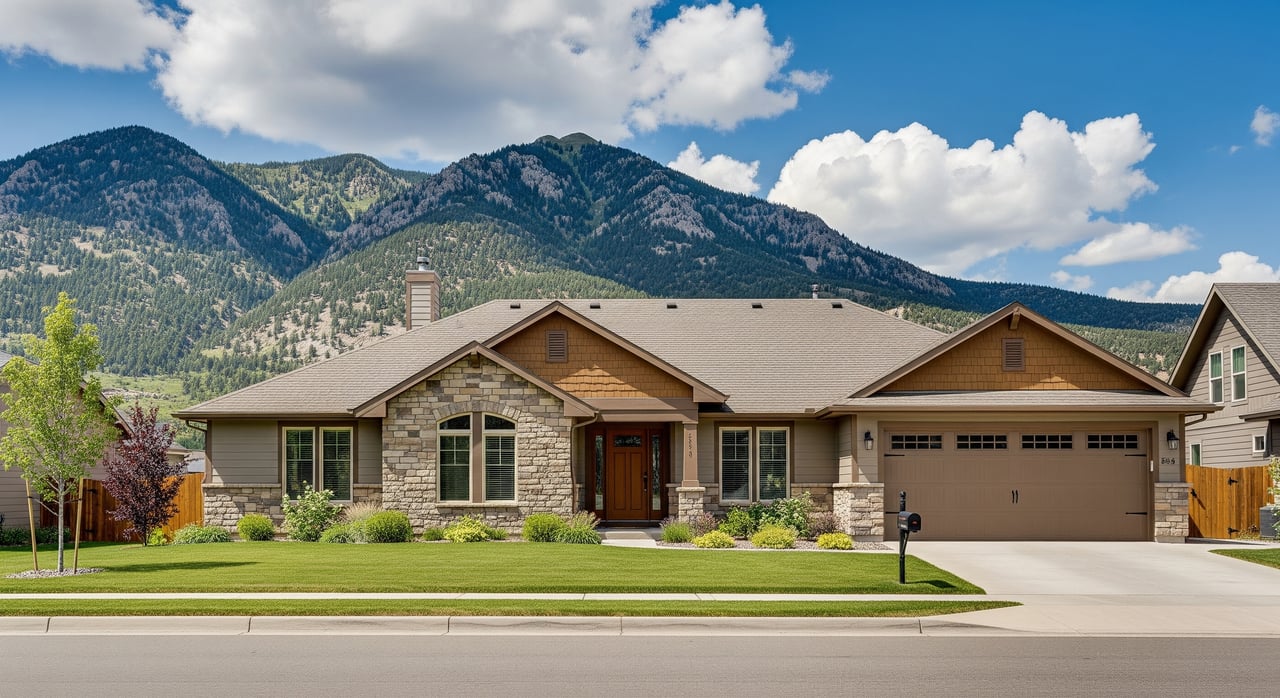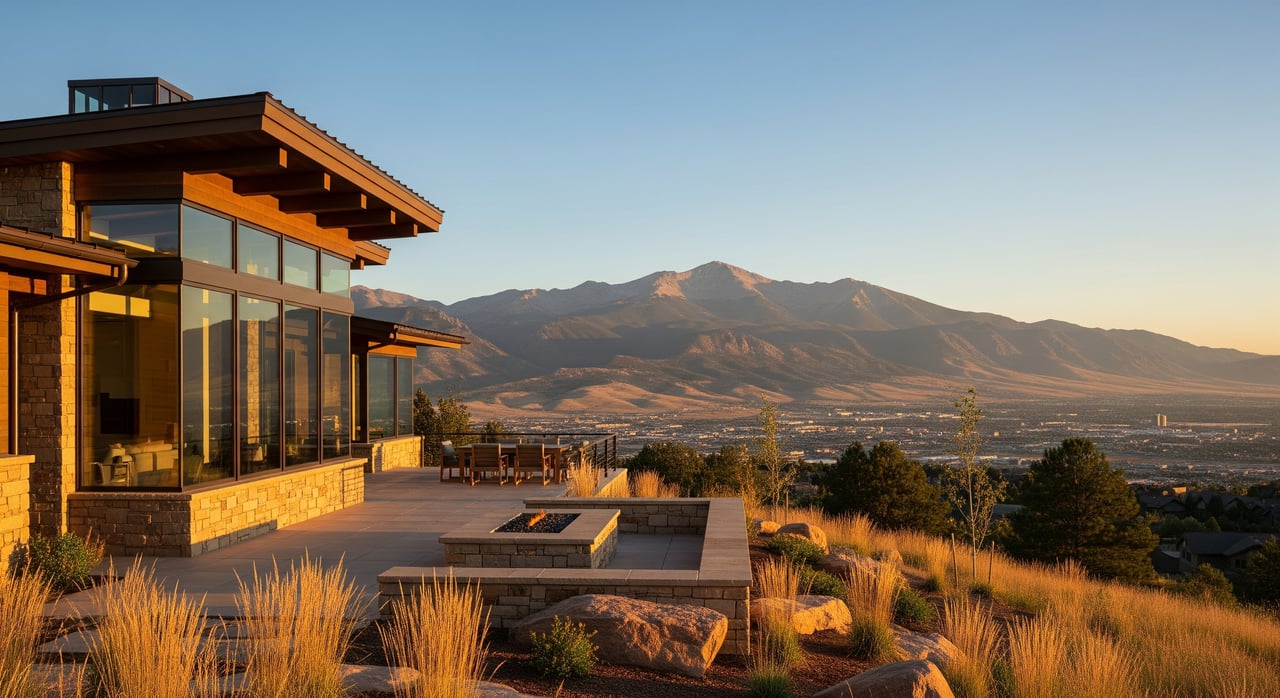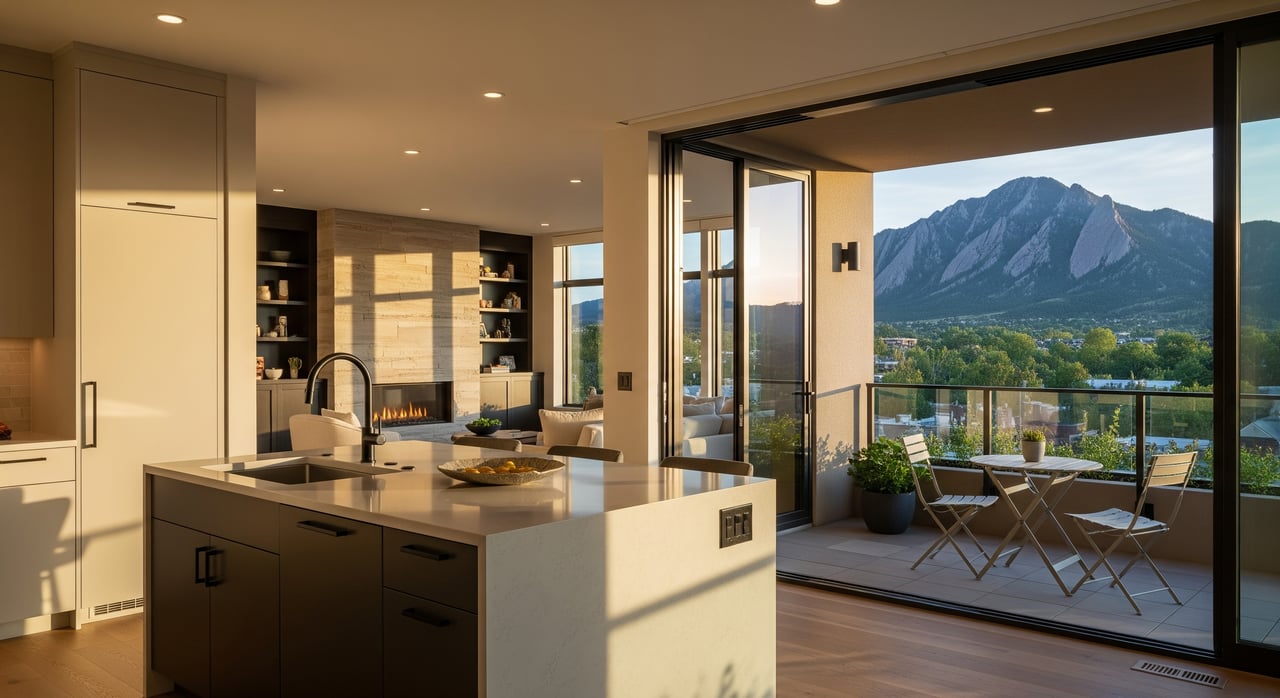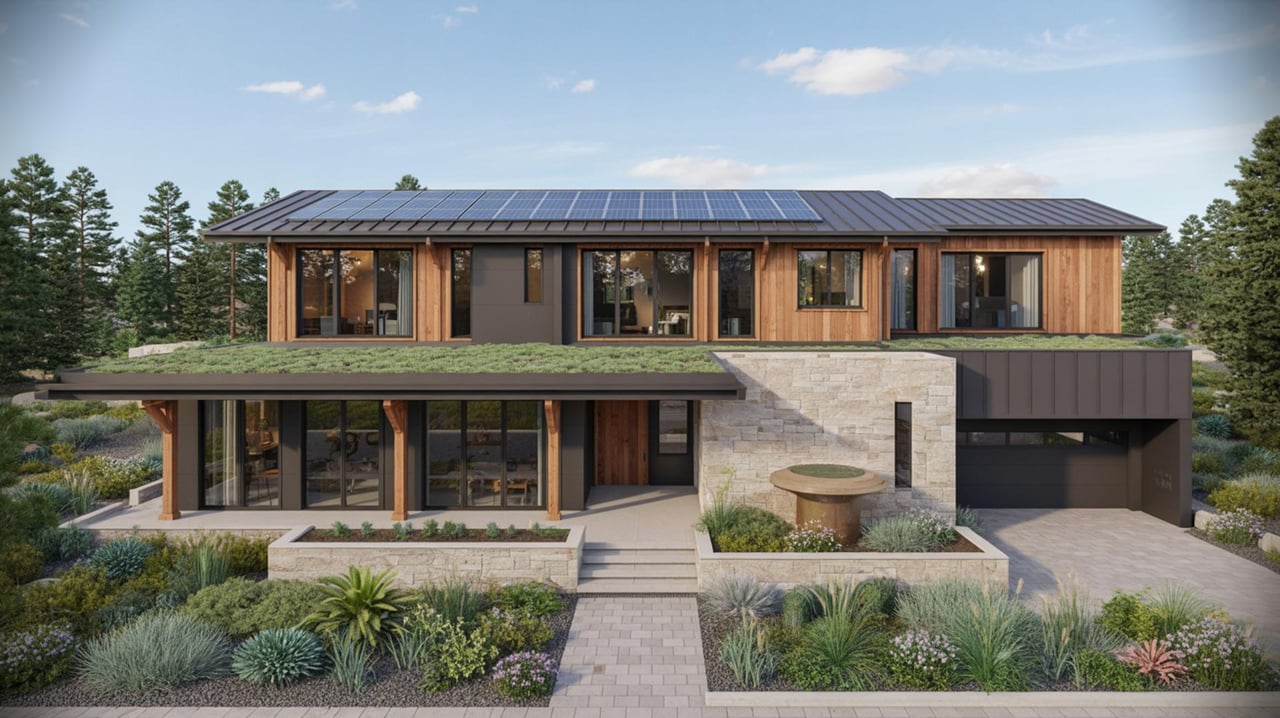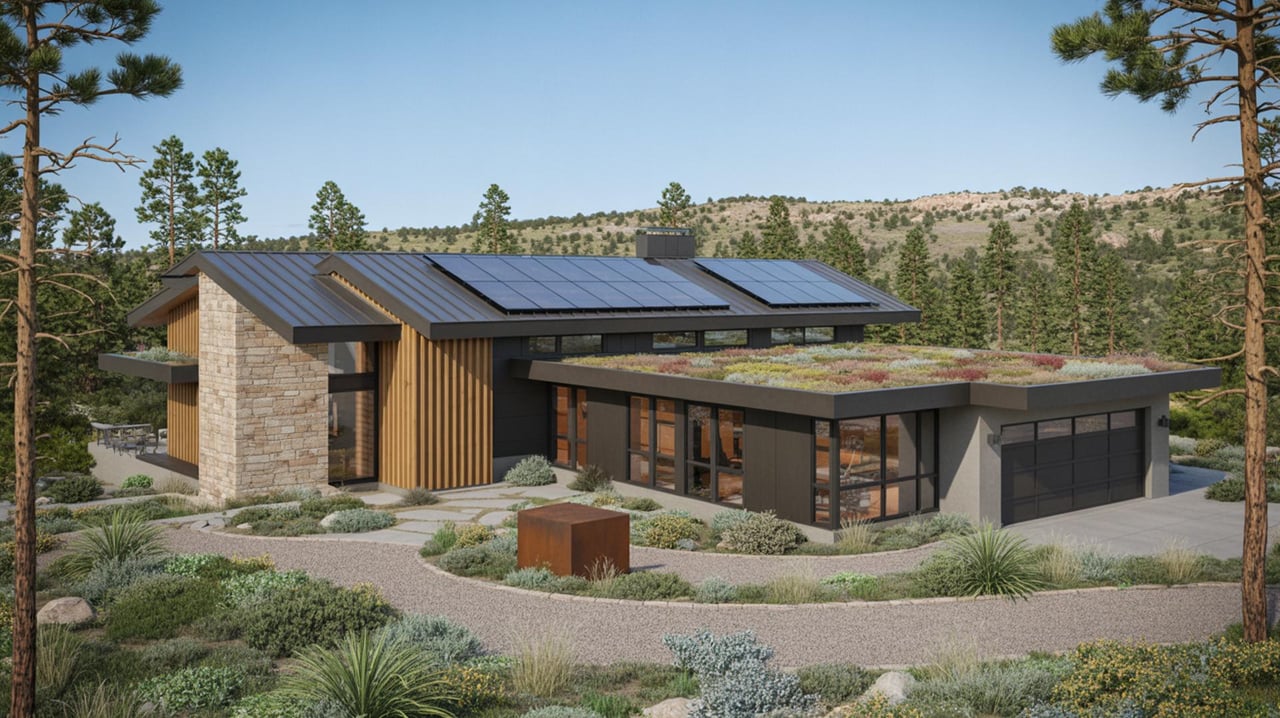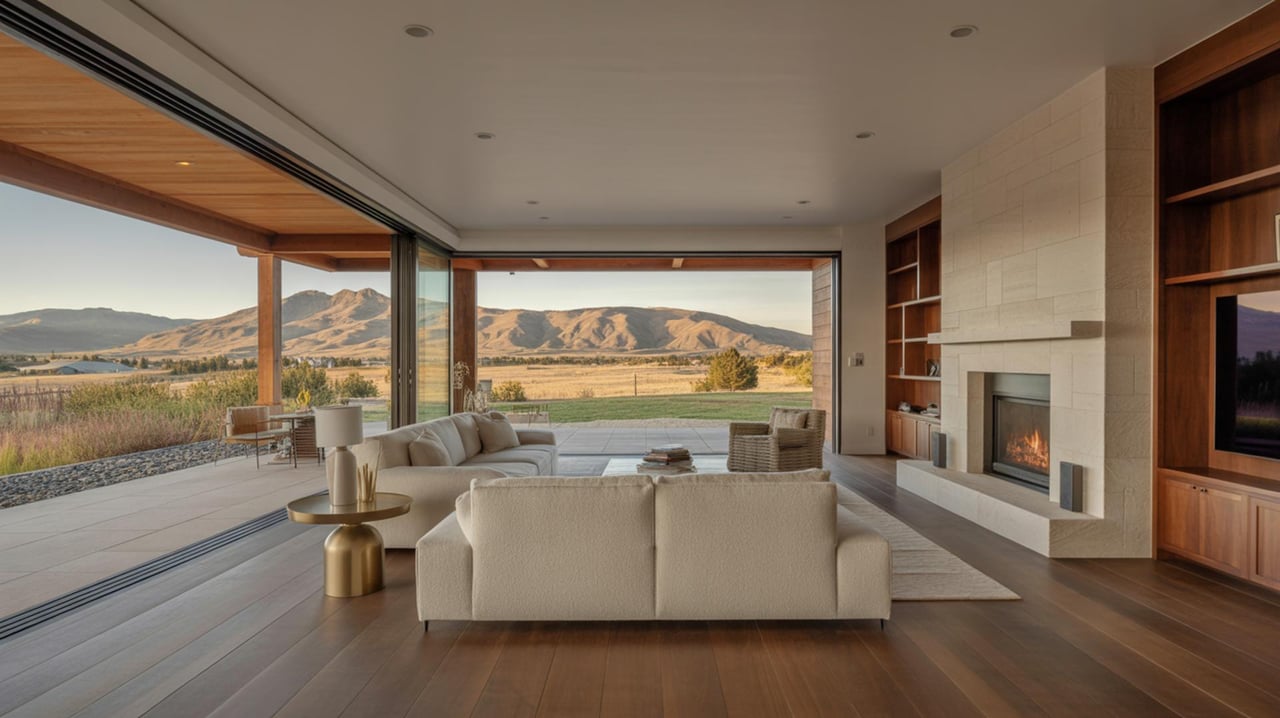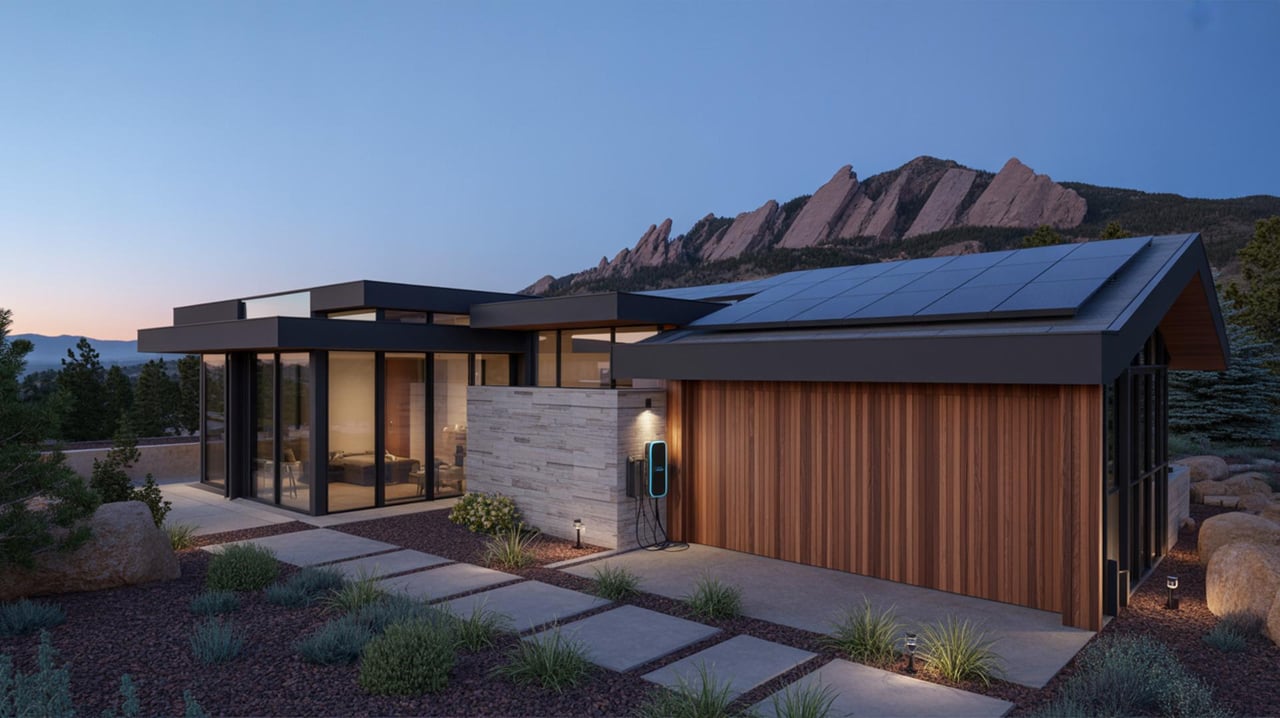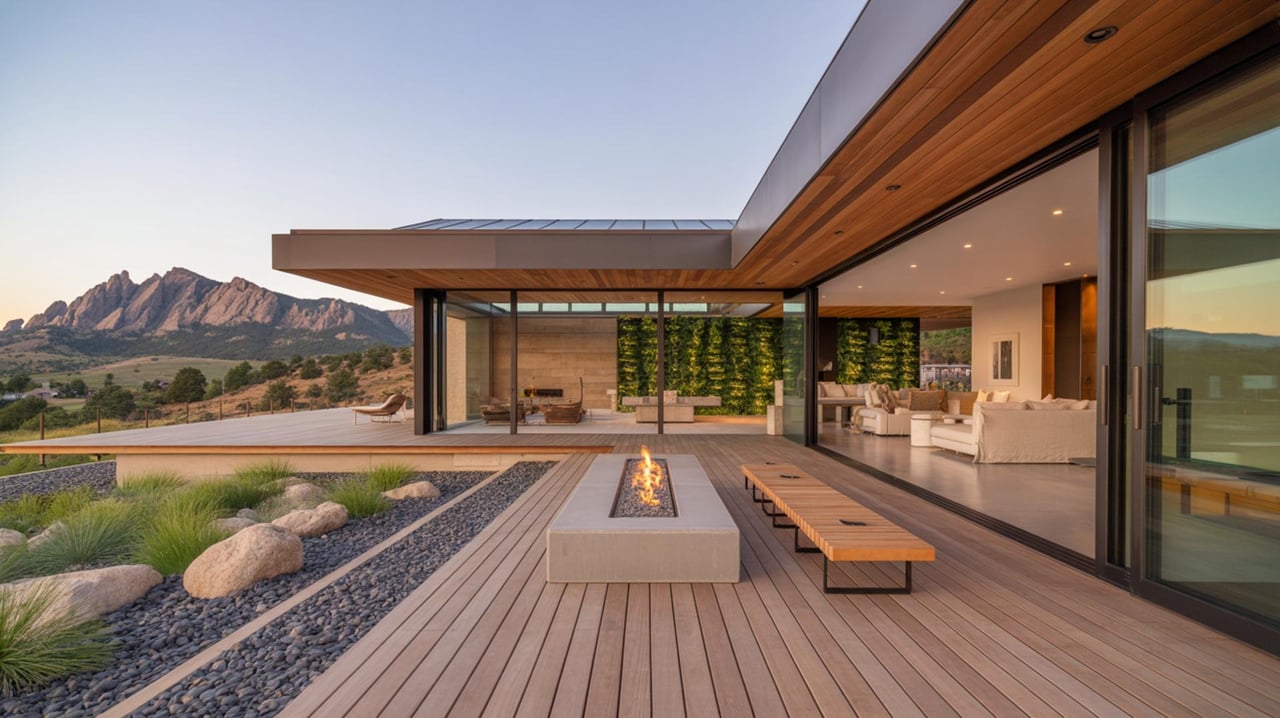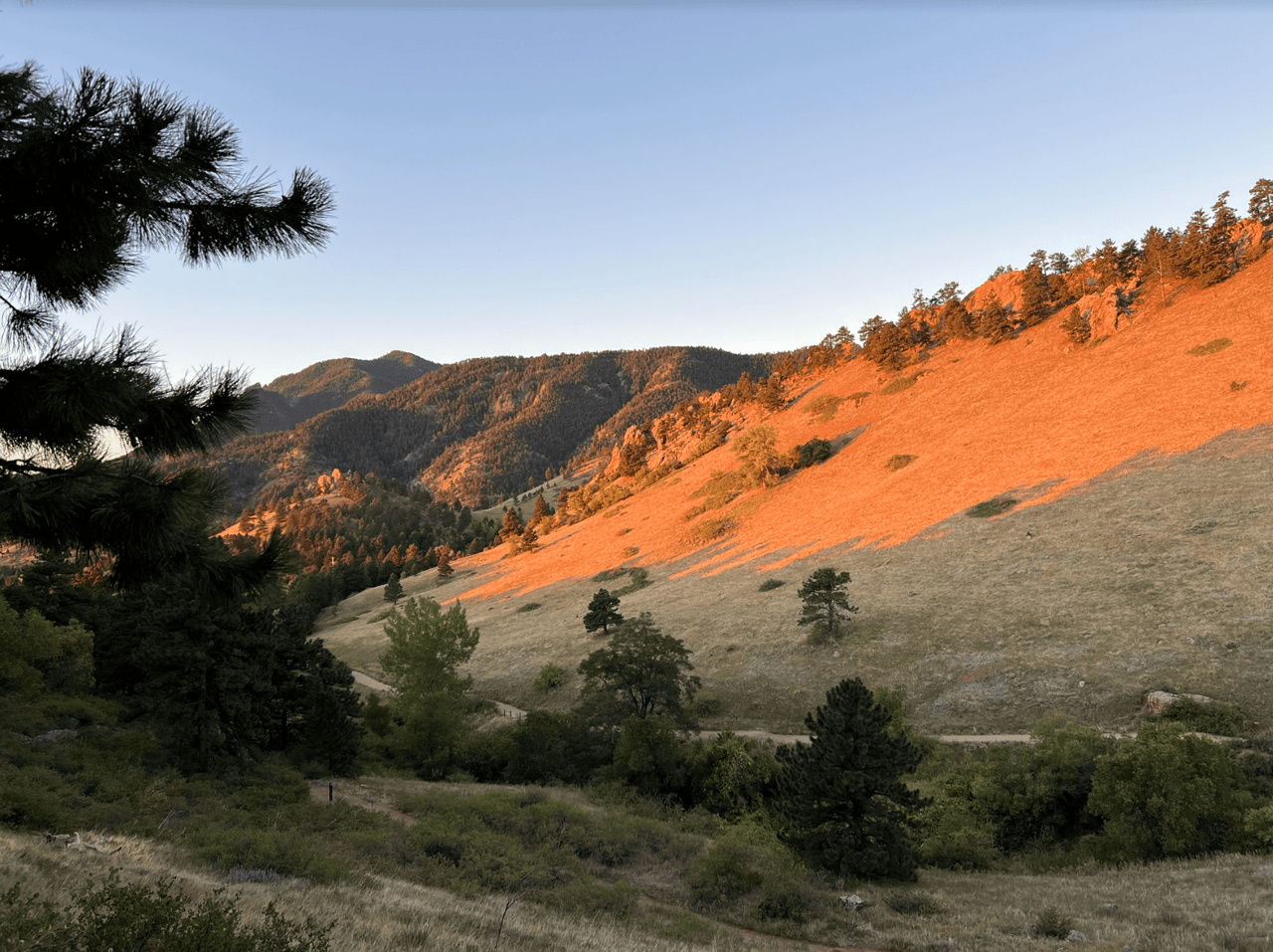
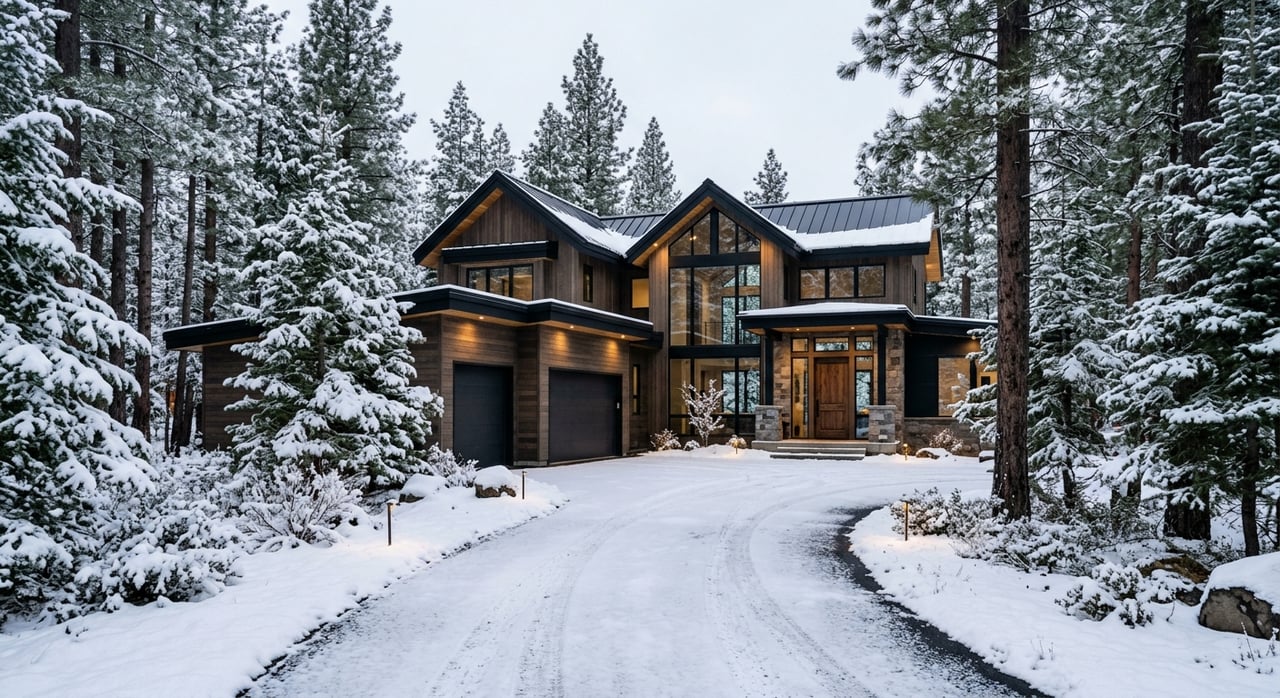
If you picture mountain living as a peaceful cabin with quick access to town, you are not wrong, but you are only seeing part of the story. In Boulder County’s close-in foothill areas, the appeal is real, yet daily life works differently than it does in a typical in-town neighborhood. Before you fall for the views alone, it helps to understand how roads, utilities, access, and seasonal routines can shape your experience. Let’s dive in.
Close-In Mountain Living Defined
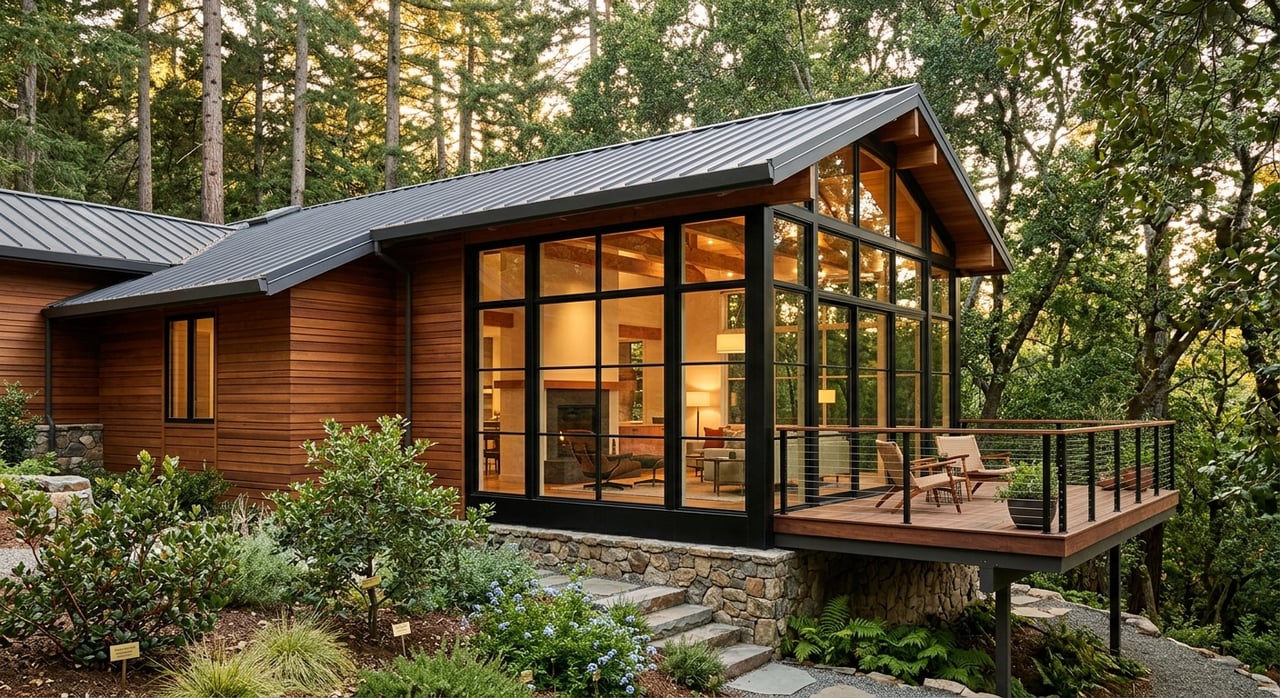
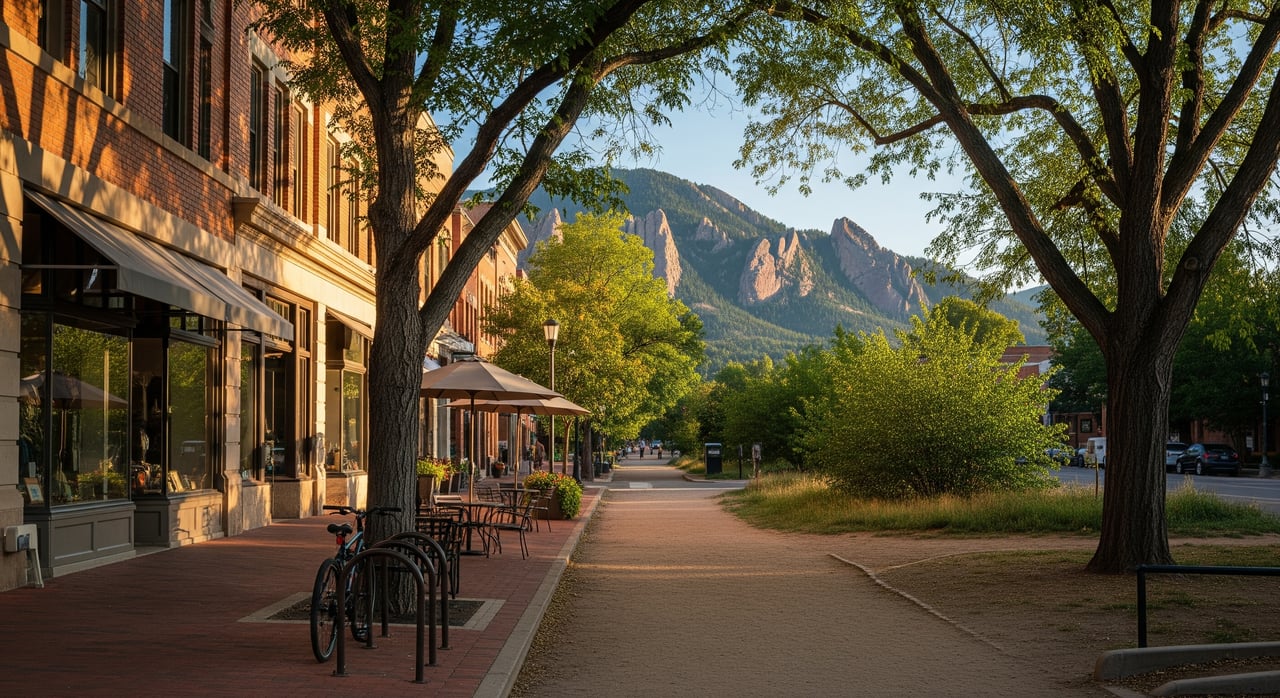
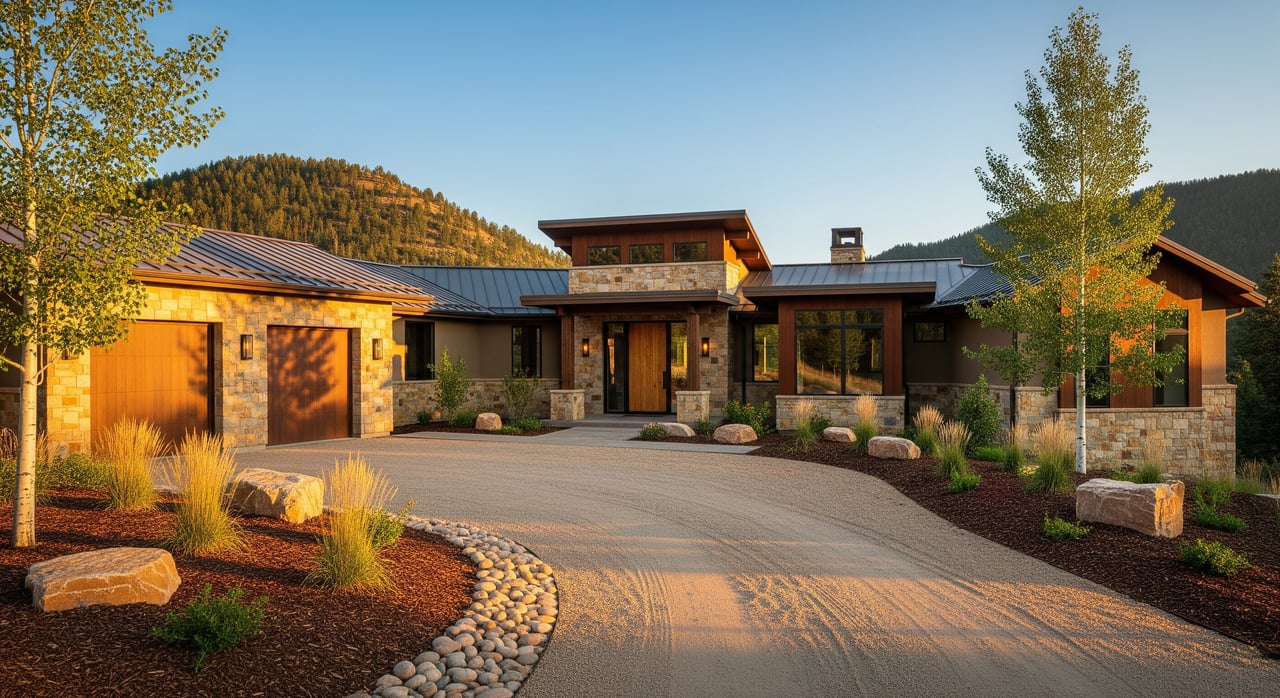
In Boulder County, close-in mountain living usually means you are tucked into the foothills near town, but still dealing with many of the realities of rural mountain property. Places such as Sunshine Canyon, Lee Hill, Boulder Heights, and nearby foothill pockets may feel close to Boulder, yet access and services often function very differently from what you would expect in the city.
That hybrid lifestyle is the key idea. You may be able to reach downtown Boulder in roughly 10 to 25 minutes depending on the area and conditions, but those estimates can shift with weather, plowing, and road work. On a clear day, the drive can feel surprisingly easy. In winter or during a storm, it may feel like a very different equation.
Roads Matter More Than You Think
One of the biggest adjustments in close-in mountain living is how much the road itself affects your day. In Boulder County, roads are not all maintained the same way, and some mountain and subdivision roads have seasonal or limited winter access.
The county maintains about 700 miles of road, with nearly half gravel and half asphalt. On subdivision or local-access roads, the county can handle things like snow removal, pothole patching, ditch and culvert clearing, and crack sealing. Major resurfacing is not part of that scope for those roads, which is an important distinction when you are evaluating a property.
Snow Removal Is Priority-Based
Snow removal in the foothills is not one-size-fits-all. Boulder County uses a priority system, which means lower-priority mountain and subdivision roads may be plowed only after the main routes are open.
That can affect your timing in a very real way. If a storm hits overnight, you may need to wait longer than someone living in town before the road is fully cleared. The county also notes that plows can be delayed by staffing, equipment, road conditions, or severe weather.
Your Driveway Is Part of the Lifestyle
Mountain living often comes with more owner responsibility right outside your door. Windrows, or piles of snow pushed up by plows, commonly build up at driveway entrances, and the county cannot practically clear every driveway. Mailbox clearing is also the owner’s responsibility.
That means winter routines may include clearing your own driveway entrance, keeping access open, and allowing extra time before you head out. For many buyers, this is manageable. The important part is knowing that it comes with the property.
Driveway Access Can Be a Deal Factor
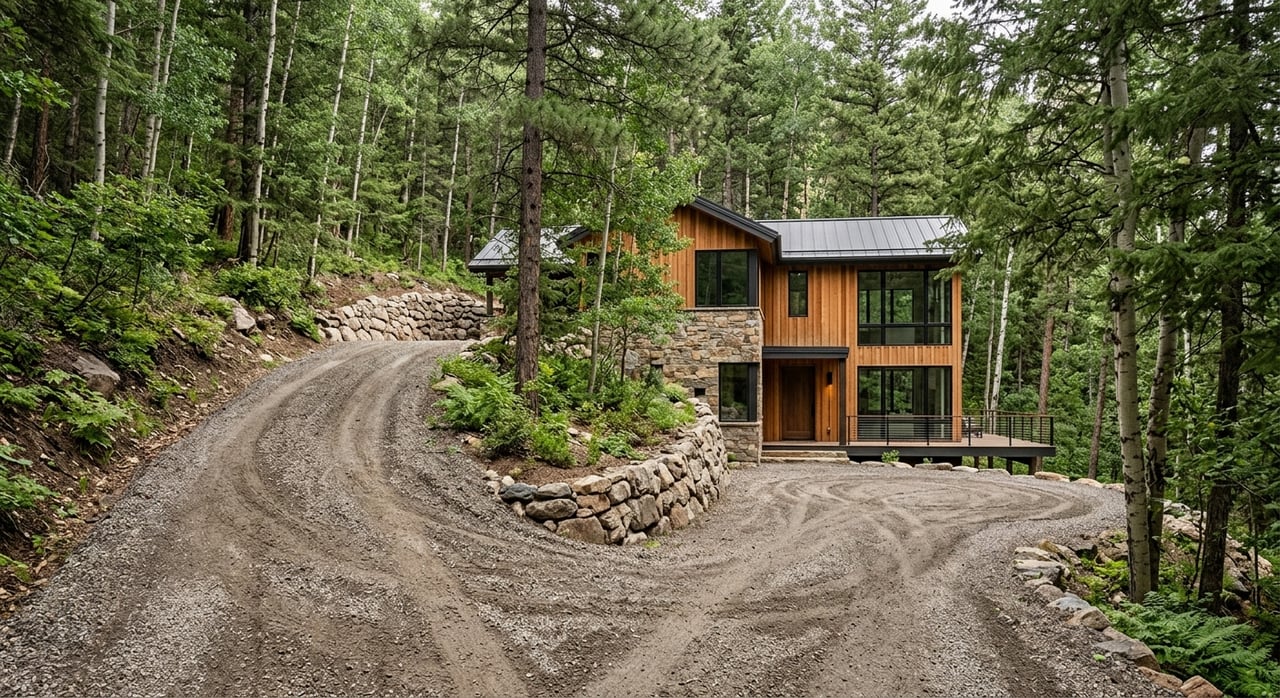
In close-in mountain areas, the driveway matters almost as much as the house. Boulder County’s emergency-access guidance calls for a 12-foot drivable width in the mountains and 13 feet 6 inches of vertical clearance. Grade limits, pullouts, and turnarounds may also be required depending on the setup.
If a structure sits more than 150 feet from a public or private road, a turnaround is required. That can matter for safety, for emergency response, and for future property improvements. If the driveway connects to a county right-of-way, new vehicular access also requires an access permit.
Some Roads Need More Than a Standard Car
Not every mountain road is passenger-car friendly. Boulder County notes that J-class roads are not maintained for passenger cars and may require four-wheel drive or high-clearance vehicles.
This is why a scenic approach should always be viewed through a practical lens. A road that feels charming in July may feel very different in January. If you are considering a foothills home, road classification and access are essential due diligence items.
Utilities Often Shift to the Owner
Another major difference between in-town and close-in mountain living is how utilities are handled. Inside the City of Boulder, core utilities like drinking water, wastewater, and stormwater are city-operated. In many unincorporated foothill areas, that convenience changes.
Many homes rely on private wells and onsite wastewater treatment systems, often called OWTS or septic systems. That means more direct owner responsibility and more property-specific questions before you buy.
Well Water Needs Active Oversight
Private well water is not regulated, treated, or monitored by public health officials in Boulder County. The owner is responsible for water safety and routine testing.
That is not necessarily a problem, but it is a different ownership mindset. If you are used to city utilities, this shift can feel significant. You want to understand the system, maintenance needs, and testing history before moving forward.
Septic and OWTS Are Not Background Details
For homes with onsite wastewater treatment, permits and property-transfer certificates run through Boulder County Public Health. This makes septic status more than a simple checkbox.
A beautiful mountain property may still require careful review of system records and compliance. Buyers should verify whether the home is on sewer or OWTS and confirm that permits are current. It is one of the most practical questions you can ask before you get swept up in the setting.
Internet Service Is Address-Specific
If you work from home, stream often, or simply expect reliable connectivity, internet should be an early check. In close-in mountain areas, broadband is not something you should assume based on the neighborhood name alone.
Boulder County says broadband may be delivered through fiber, wireless, satellite, cable, microwave, or DSL. The county also provides an address-level mapping tool showing coverage, speeds, and providers. In other words, service can vary from parcel to parcel, even within the same general area.
Wildfire Planning Is Part of Ownership
Wildfire preparedness is a real part of mountain and foothill living in western unincorporated Boulder County. It is not just a seasonal concern. It is part of how homes are built, maintained, and evaluated.
Boulder County’s wildfire mitigation code requires ignition-resistant construction and defensible space in applicable areas. For new residences, the county may also require firefighting water supply solutions such as an approved cistern or another fire-district-approved water source.
Preparedness Is Ongoing
The county’s Wildfire Mitigation division supports residents with home hardening guidance, defensible-space education, forest and fuels management, and broader mitigation programs. That tells you a lot about the ownership mindset in these areas.
Close-in mountain living asks you to be proactive. You are not just buying a home with views. You are buying into a set of routines and responsibilities that support safety and access over time.
Emergency Access Is Built Into the System
One practical but often overlooked detail is mountain addressing. Boulder County uses a mountain addressing system in foothill and mountain areas to help emergency responders and service providers find homes more efficiently.
The system uses mile-point-based addresses and requires visible address plates at the driveway entrance. For buyers, this is another sign that close-in mountain living is designed around access realities that differ from a standard subdivision.
What Daily Life Really Feels Like
The best way to think about close-in mountain living is not as harder or better than in-town life. It is simply more intentional. Your routines may include checking the forecast more closely, planning around road conditions, clearing your driveway entrance after a storm, and verifying services on a property-by-property basis.
For many people, that tradeoff is worth it. You get space, setting, and a foothills lifestyle that feels connected to nature while staying relatively close to Boulder. The question is whether the logistics match the way you actually live.
What to Verify Before You Tour
Before you tour a close-in mountain home, keep your questions practical and specific. A smart home search in the foothills starts with function, not just aesthetics.
- Who maintains the road?
- What is the snow-removal priority for that road?
- Does the driveway appear to meet emergency-access guidance?
- Is the water source city, shared, or a private well?
- Is the wastewater system sewer or OWTS septic?
- Are relevant permits or property-transfer records current?
- What internet providers actually serve the address?
- Which fire district serves the property?
- Are wildfire mitigation requirements likely to apply?
These answers can tell you more about fit than the finishes ever will. In this market, beautiful and practical need to work together.
If you are considering a foothills or mountain property near Boulder, having the right local guidance makes a real difference. Emelie S Griffith can help you look beyond the views and evaluate how a home will function in daily life, so you can move forward with clarity and confidence.
FAQs
What does close-in mountain living near Boulder usually mean?
- It usually means living in foothill or mountain-adjacent areas that are relatively close to Boulder, while still dealing with rural-style realities like weather-sensitive roads, property-specific utilities, and more owner responsibility.
What should buyers know about snow removal in Boulder County foothill areas?
- Boulder County uses a priority-based snow-removal system, so lower-priority mountain and subdivision roads may be plowed after main routes, and driveway entrances often still need owner clearing.
What should buyers ask about utilities at a Boulder County mountain home?
- You should ask whether the home uses city water or a private well, whether wastewater is sewer or OWTS septic, and what internet providers and speeds are actually available at the specific address.
What should buyers know about driveway access for foothill properties?
- Driveways can affect safety and usability because Boulder County has emergency-access standards related to width, clearance, grade, and turnarounds, and some roads may require four-wheel drive or high-clearance vehicles.
What should buyers know about wildfire planning in Boulder County mountain areas?
- Buyers should know that wildfire mitigation is an active part of ownership in applicable western unincorporated areas, including defensible space, ignition-resistant construction standards, and in some cases additional firefighting water supply requirements.