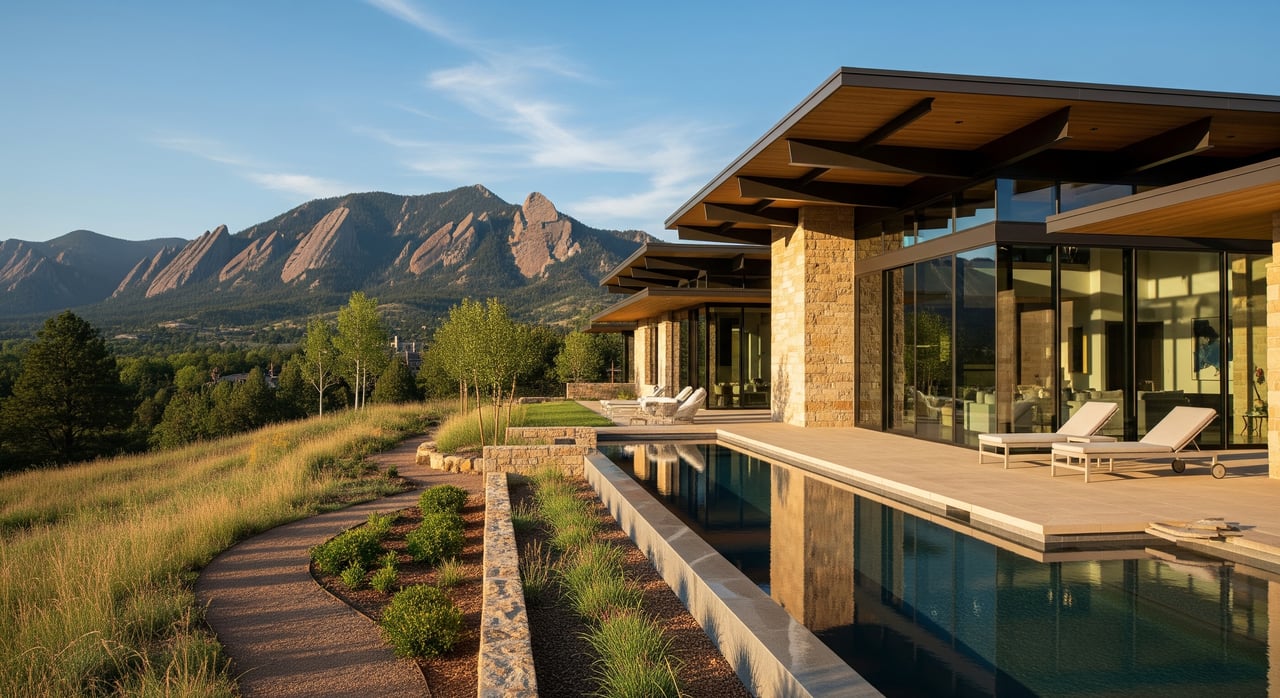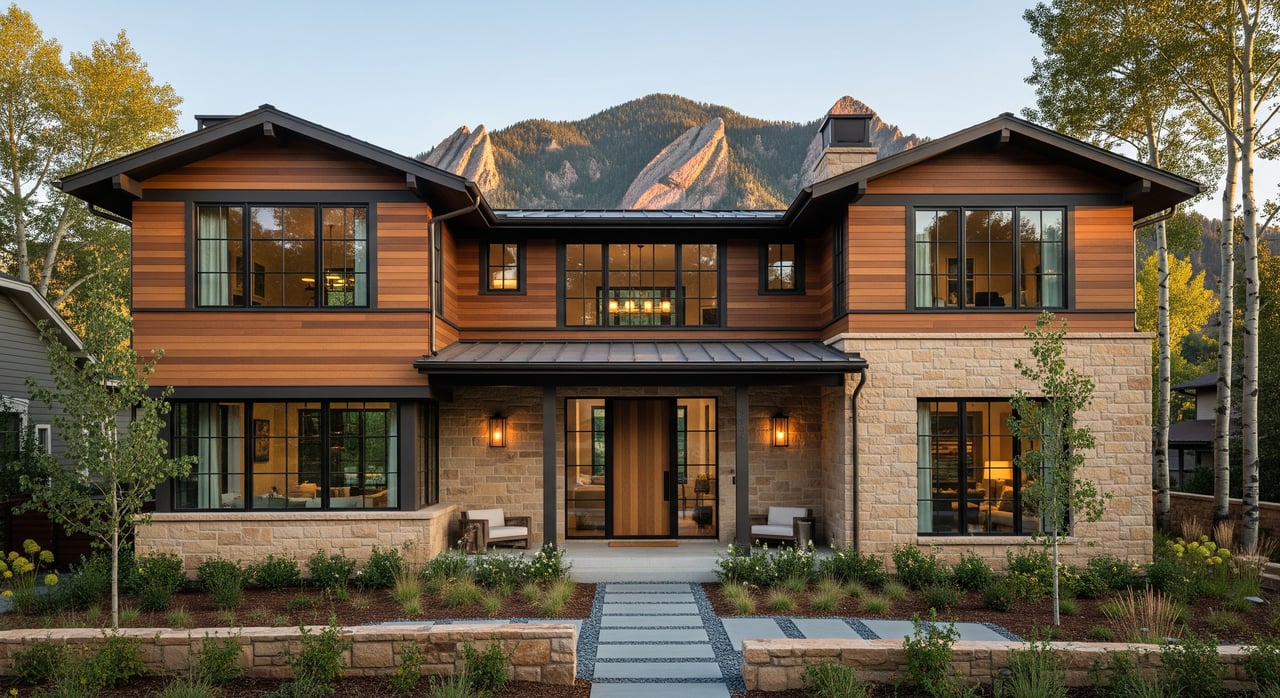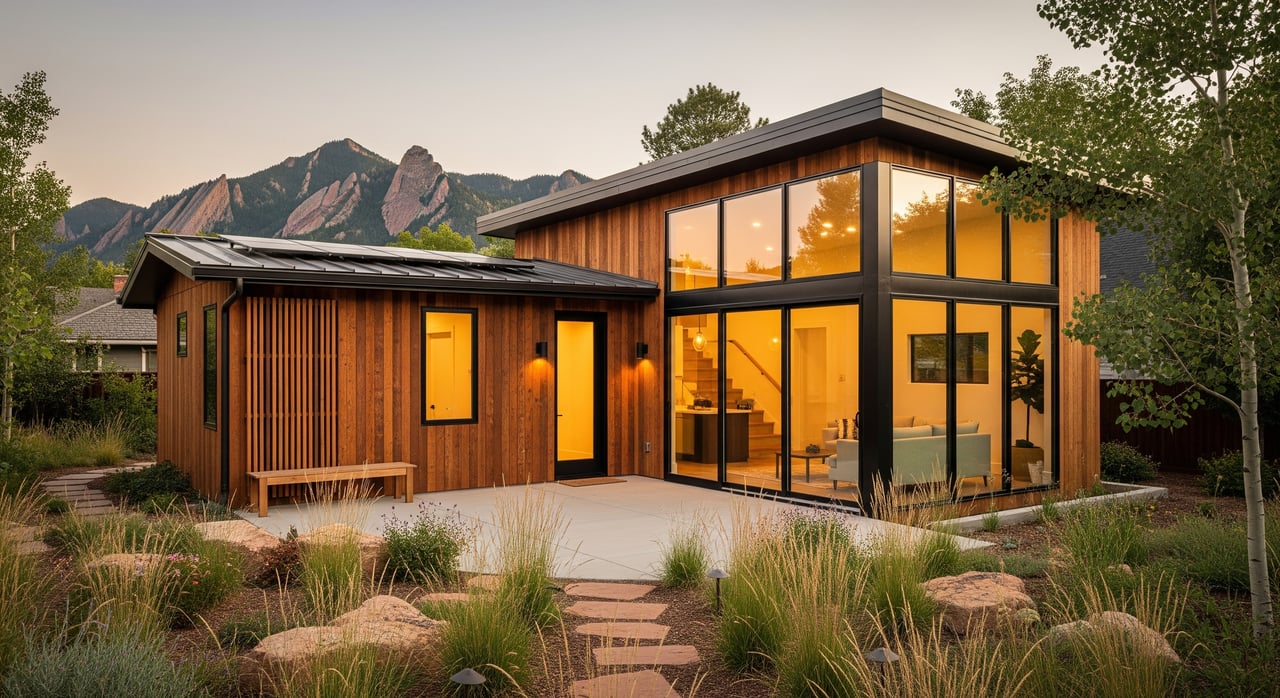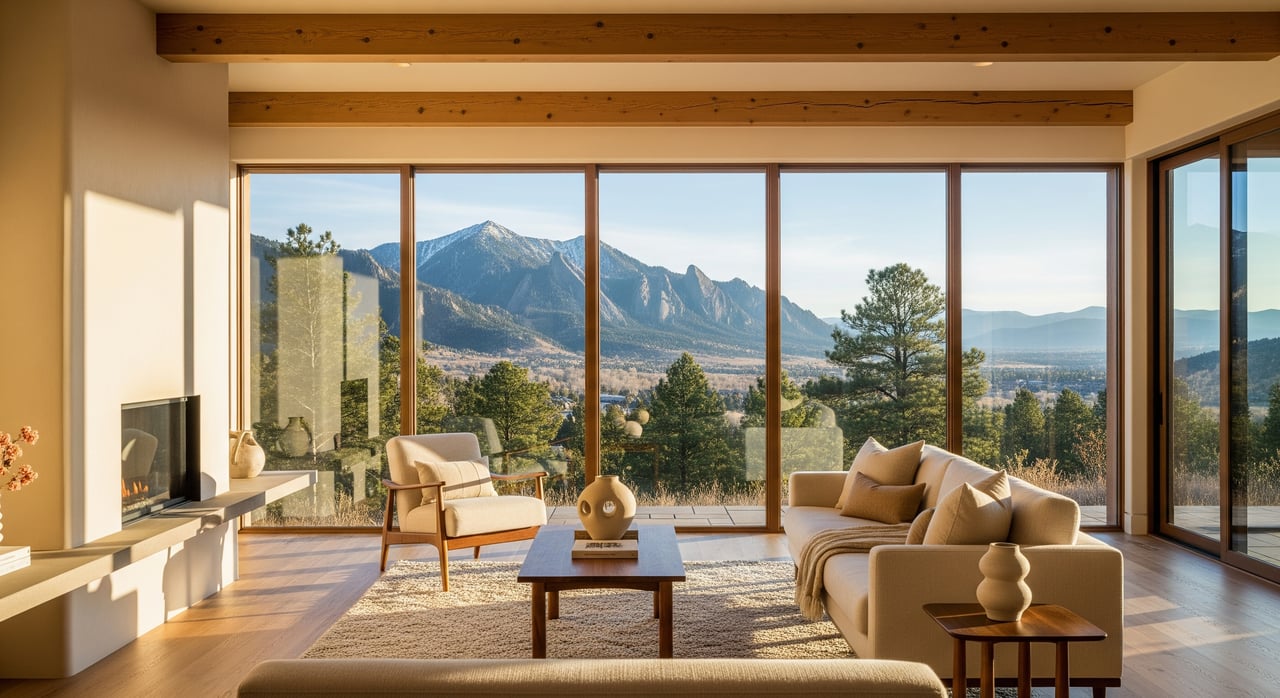
Craving piney air, sweeping views, and quick access to Pearl Street without moving deep into the mountains? You’re not alone. Many Boulder buyers want the foothills lifestyle with a short, scenic drive to town. In this guide, you’ll learn how close-in mountain living actually works, from utilities and winter access to wildfire readiness and smart contract protections. Let’s dive in.
What “close‑in mountains” means near Boulder
When people say “close‑in,” they usually mean the foothills and immediate mountain corridors west and northwest of central Boulder. Think the city’s edge at Mapleton and Flagstaff-adjacent properties, then up into Sunshine Canyon, Pine Brook Hills, Lee Hill and Boulder Heights, Eldorado Springs, Gold Hill, and the nearby canyon corridors.
These areas form a spectrum. City-edge lots offer a more urban feel and faster access, while upper Sunshine or Gold Hill feel more rural with bigger parcels and darker night skies. As you shop, be clear which part of the spectrum you prefer because daily life and maintenance needs vary by elevation and exposure.
How life differs from in‑town Boulder
Homes and lots
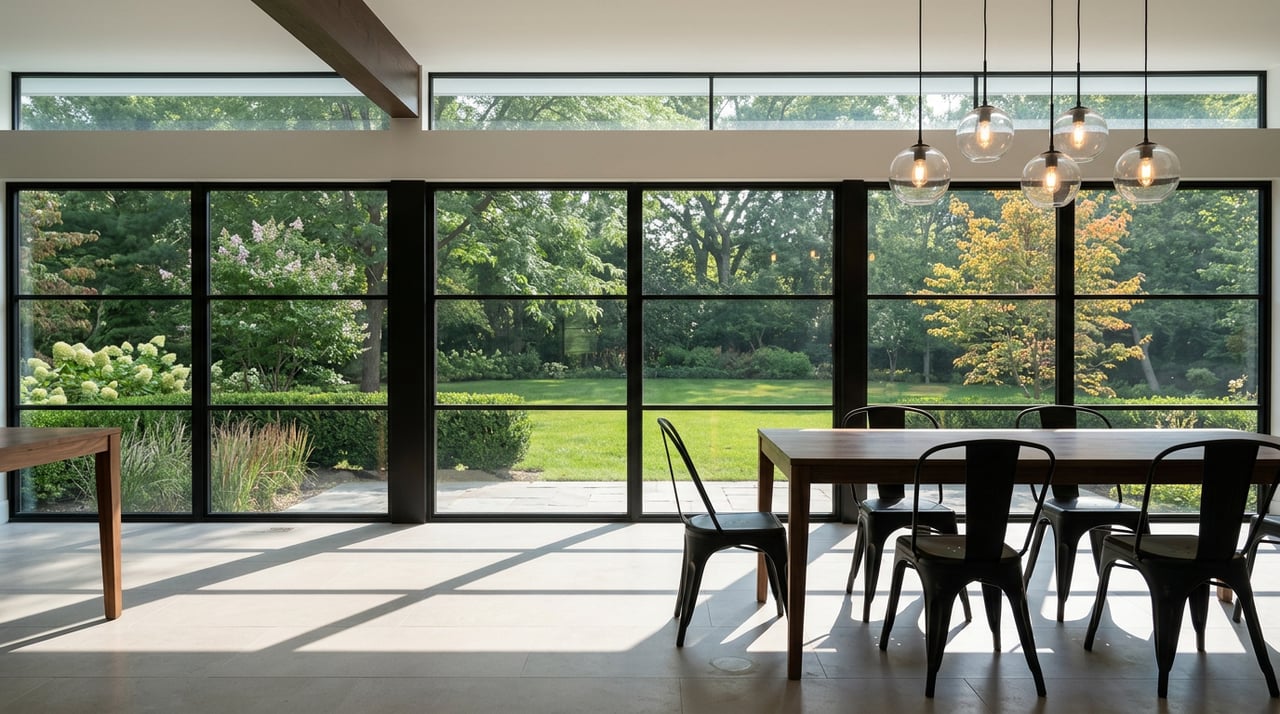
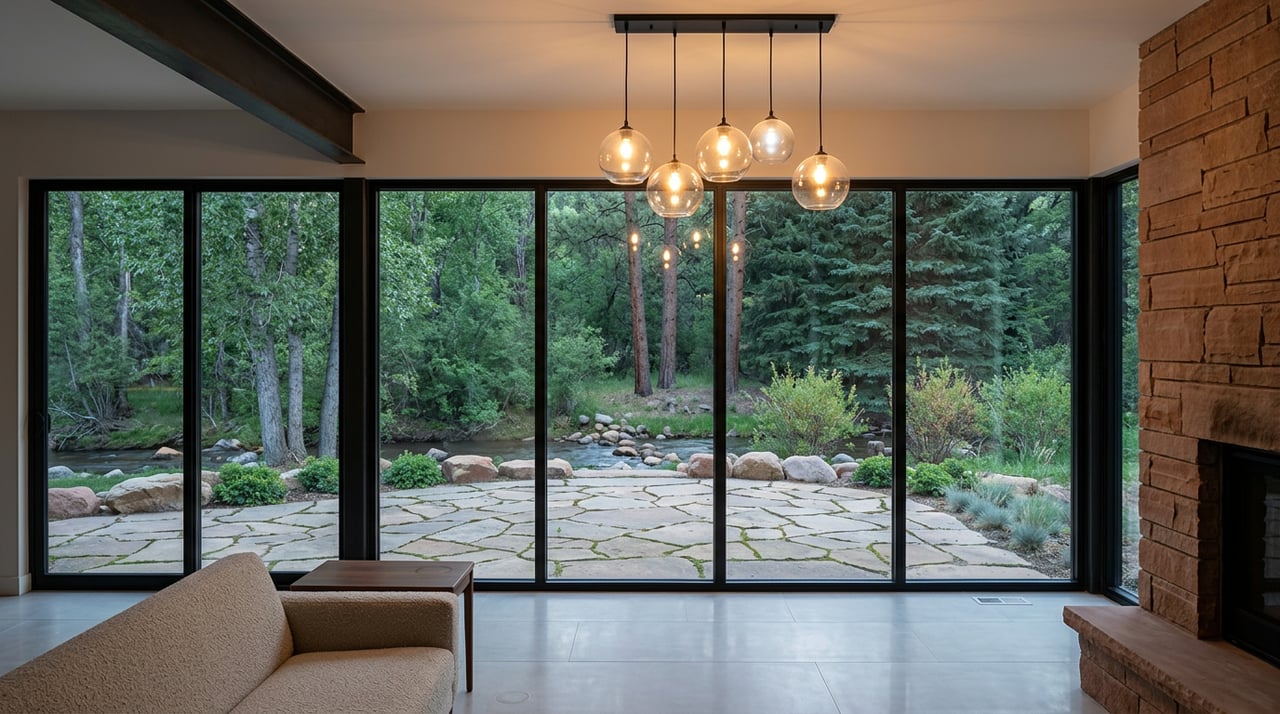
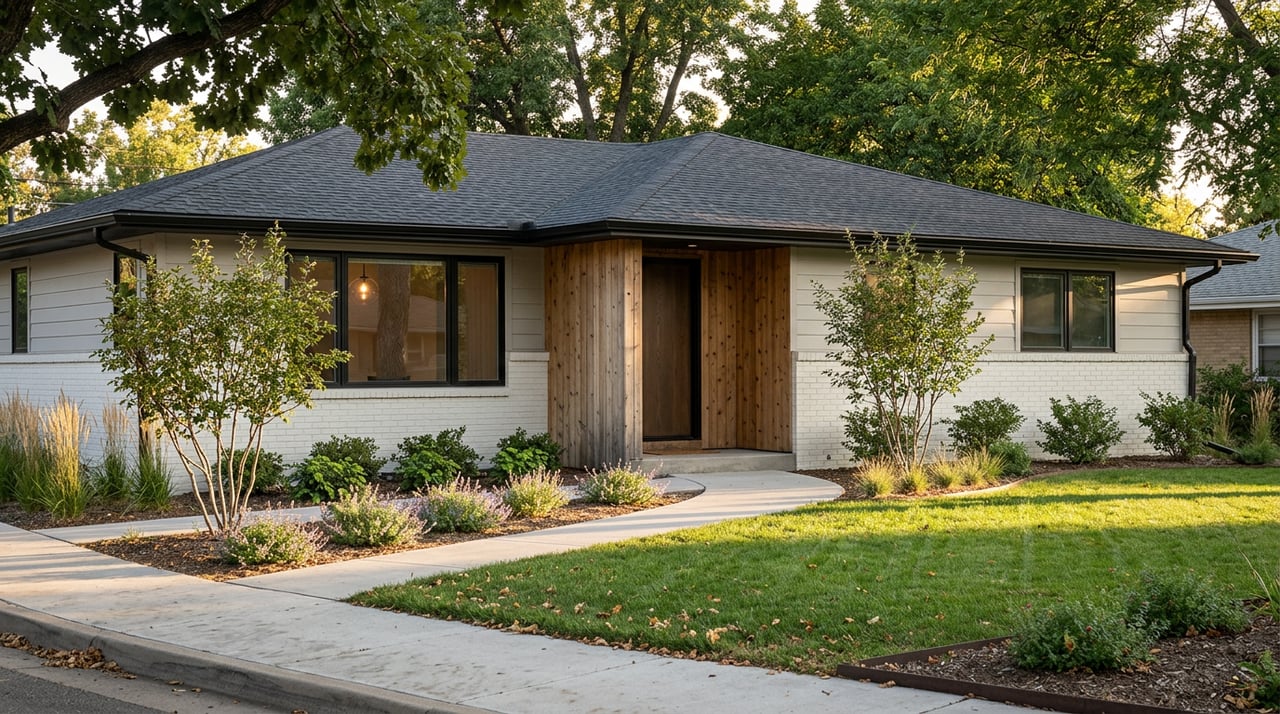
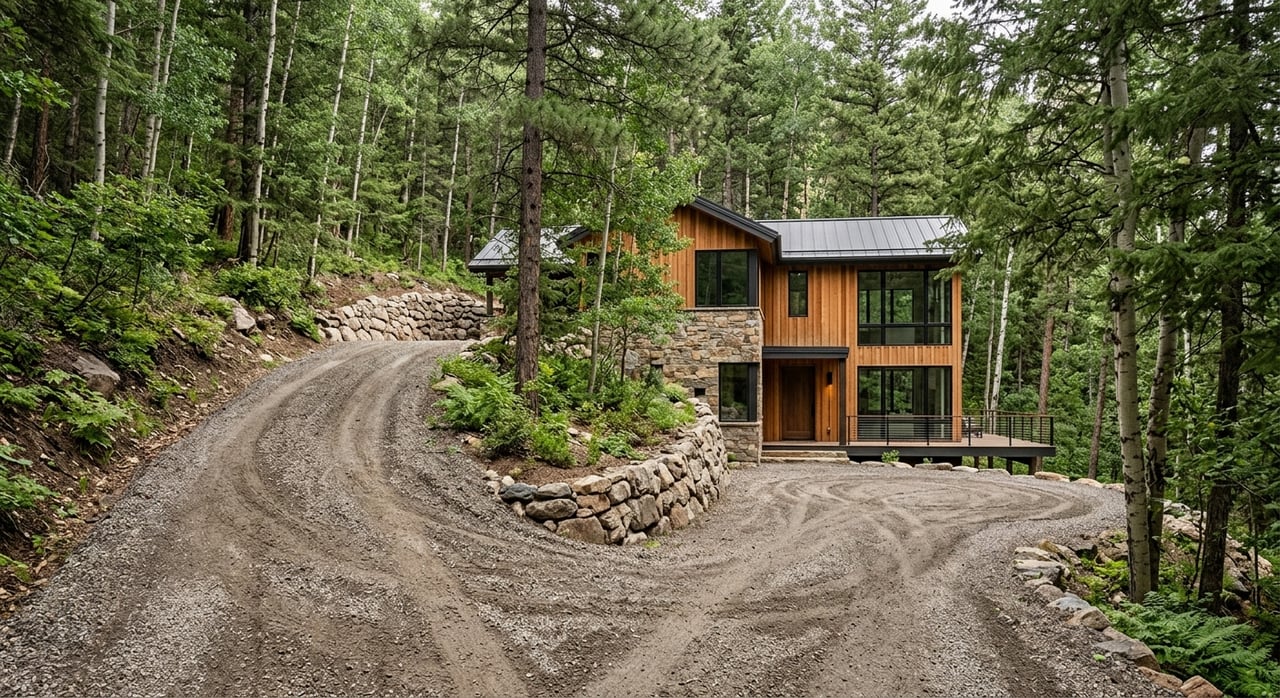
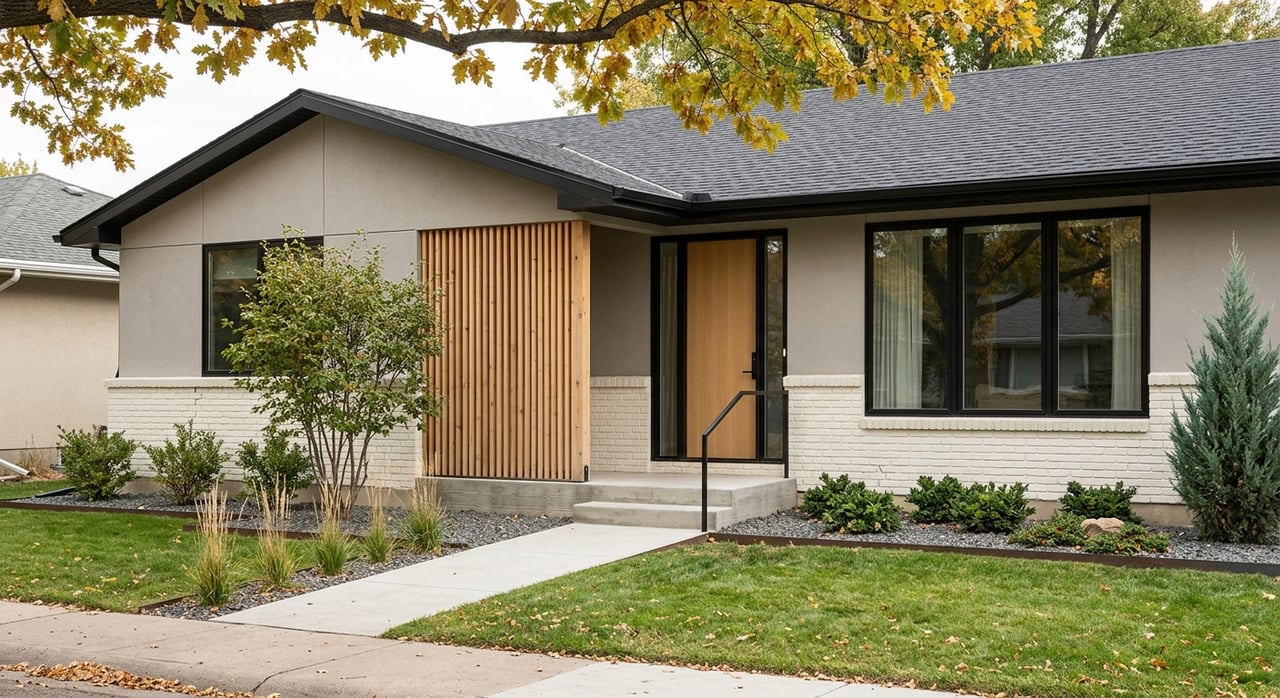
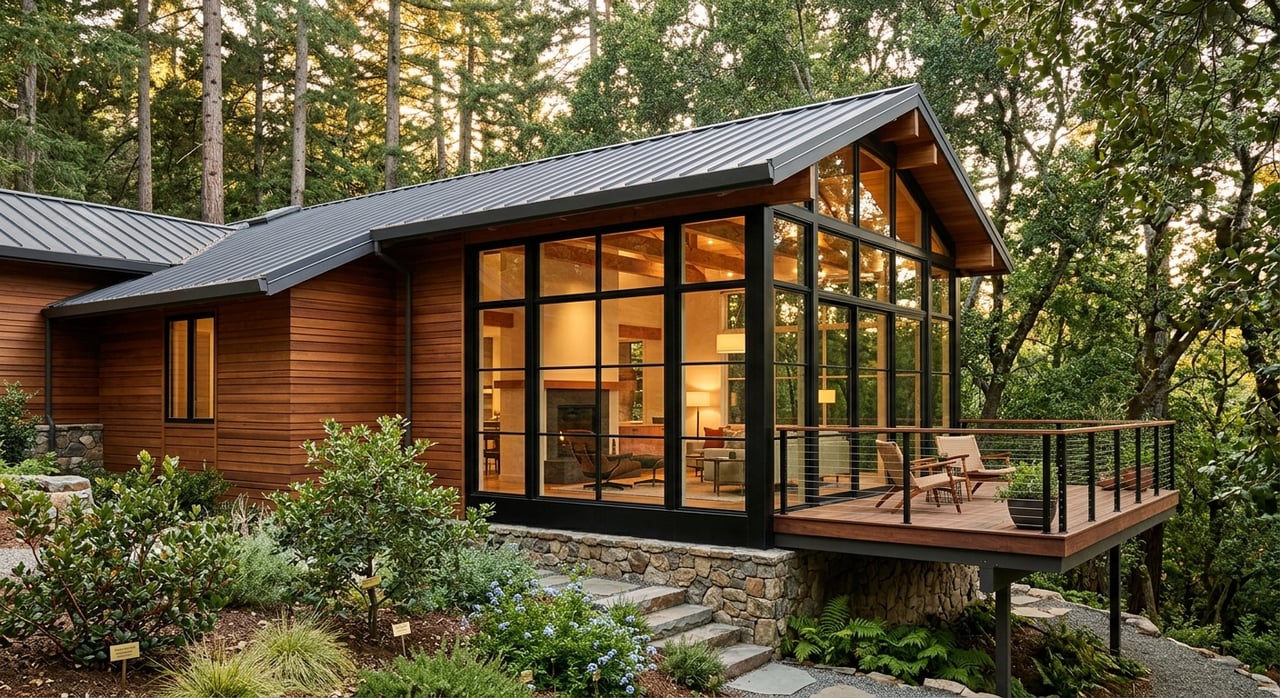
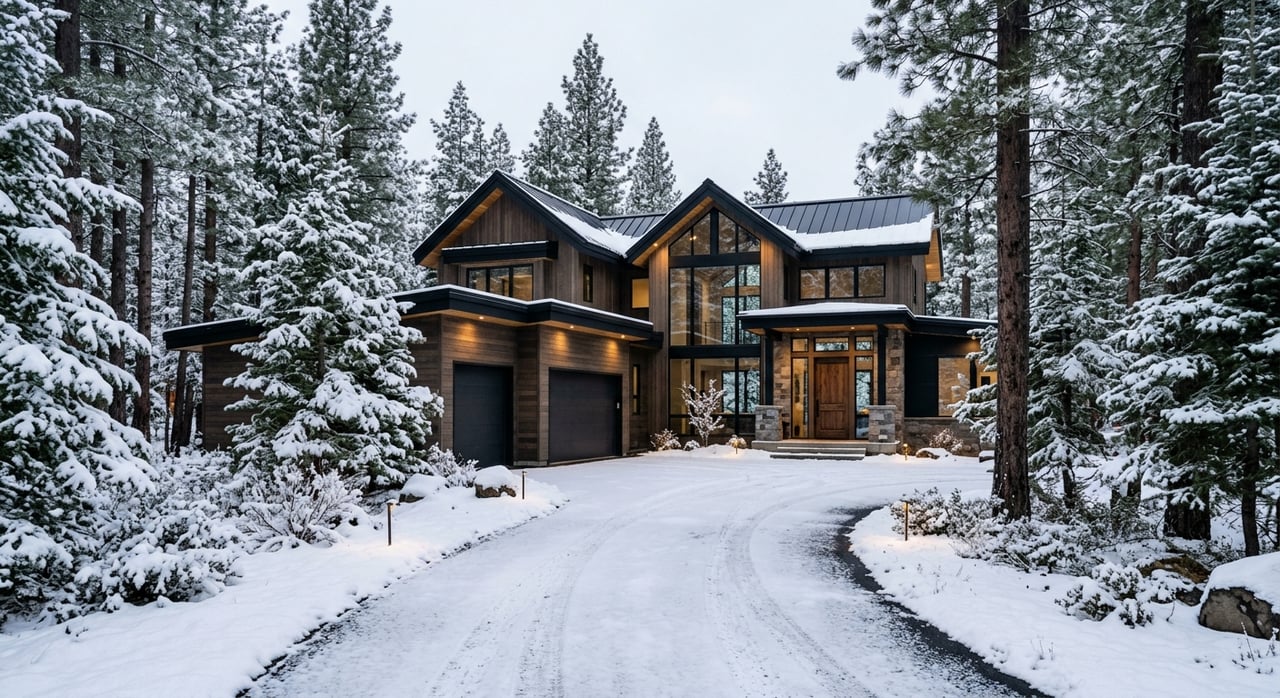
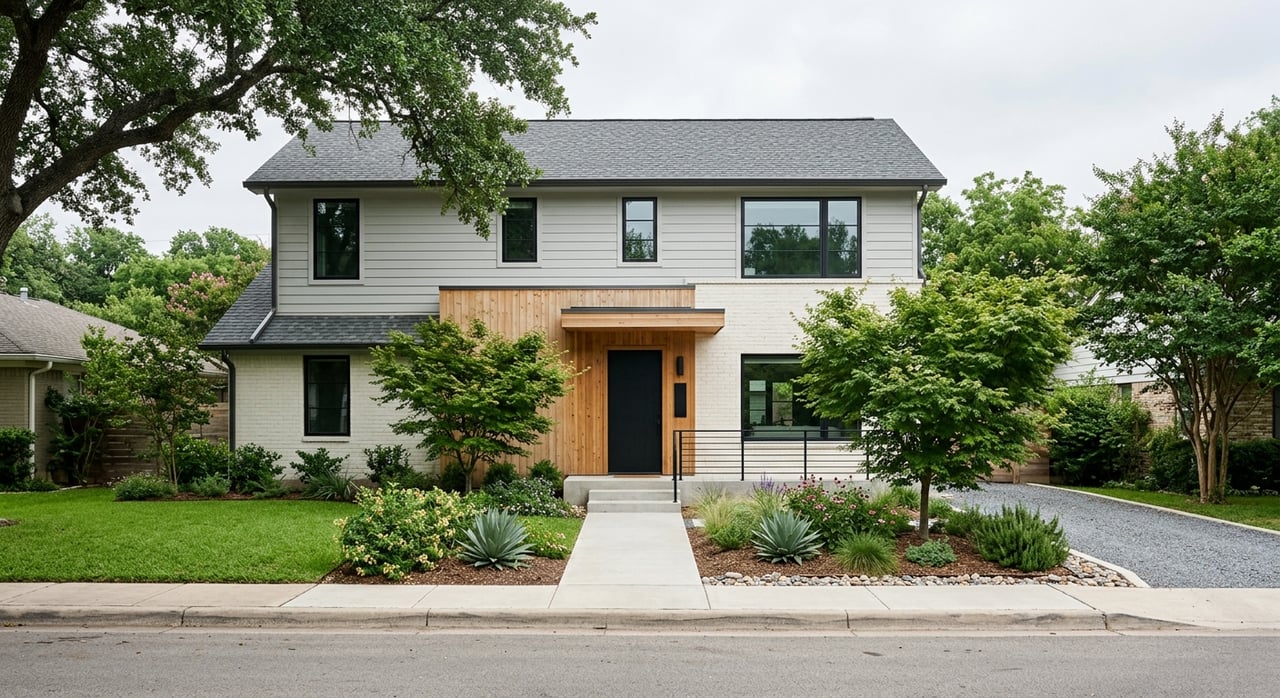
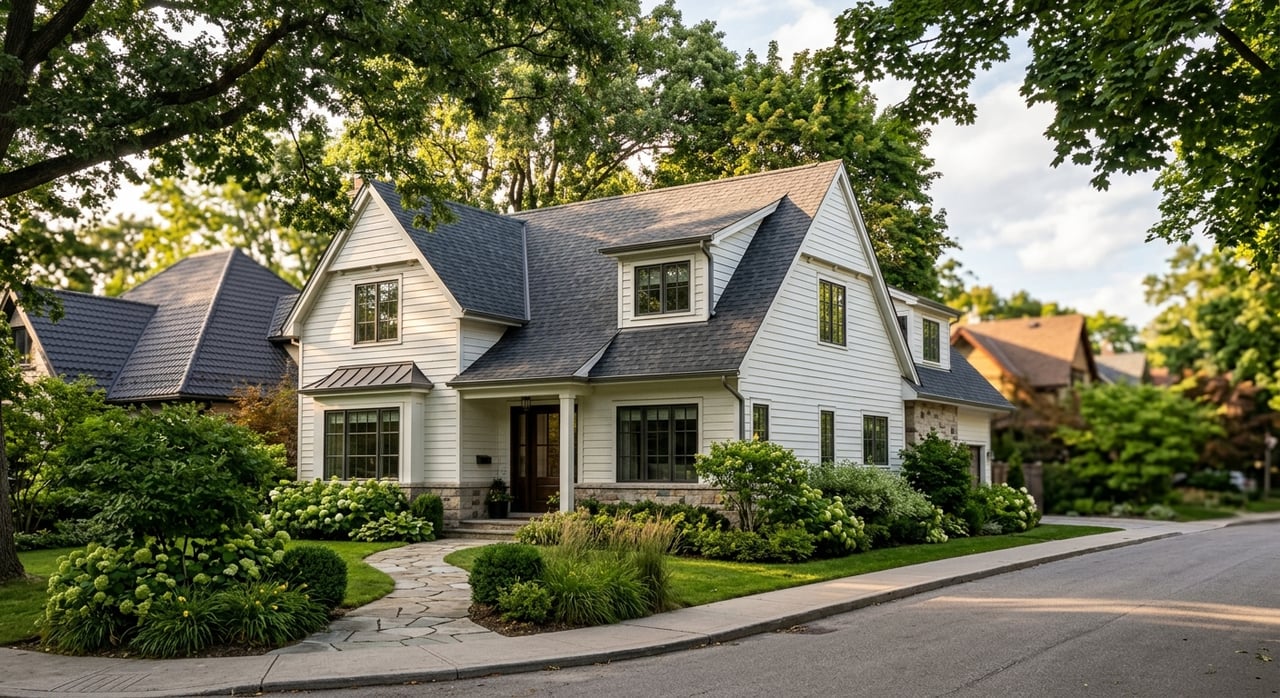
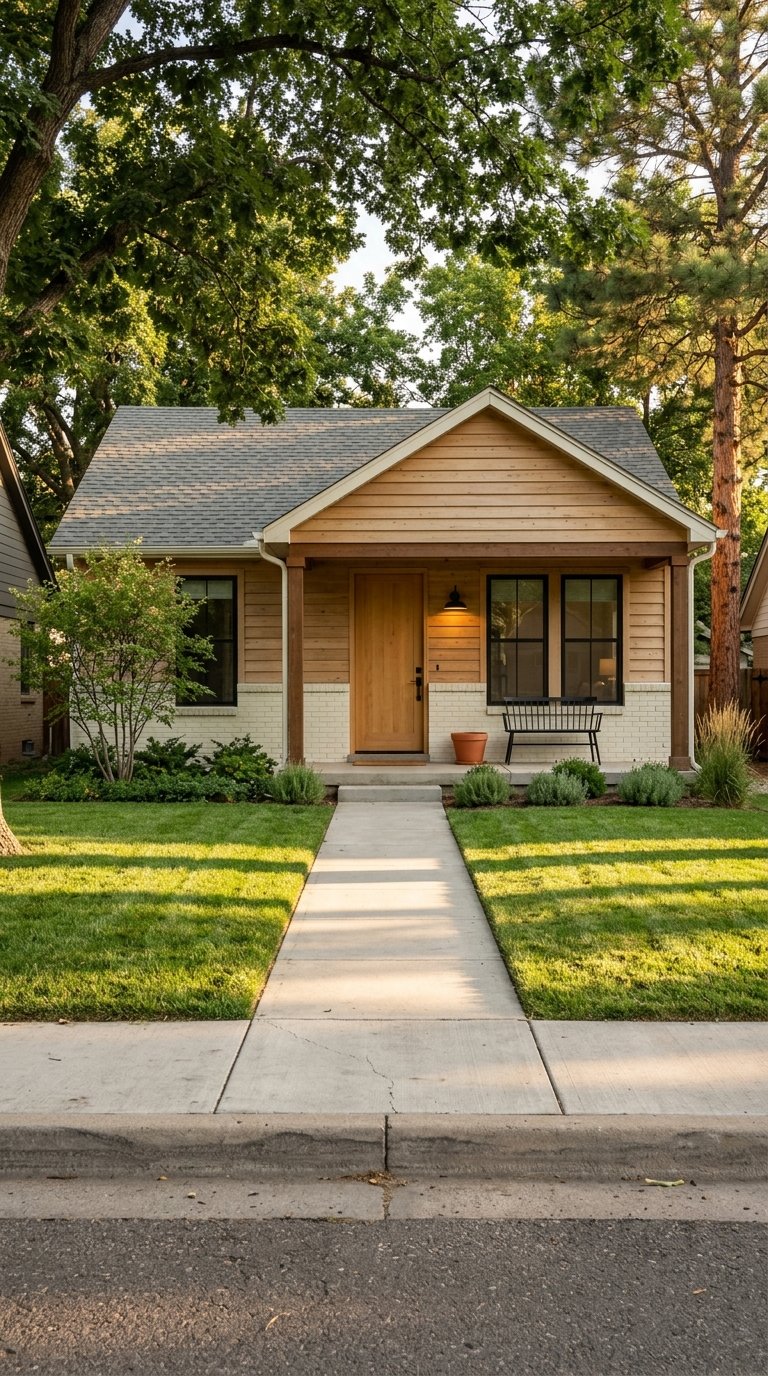
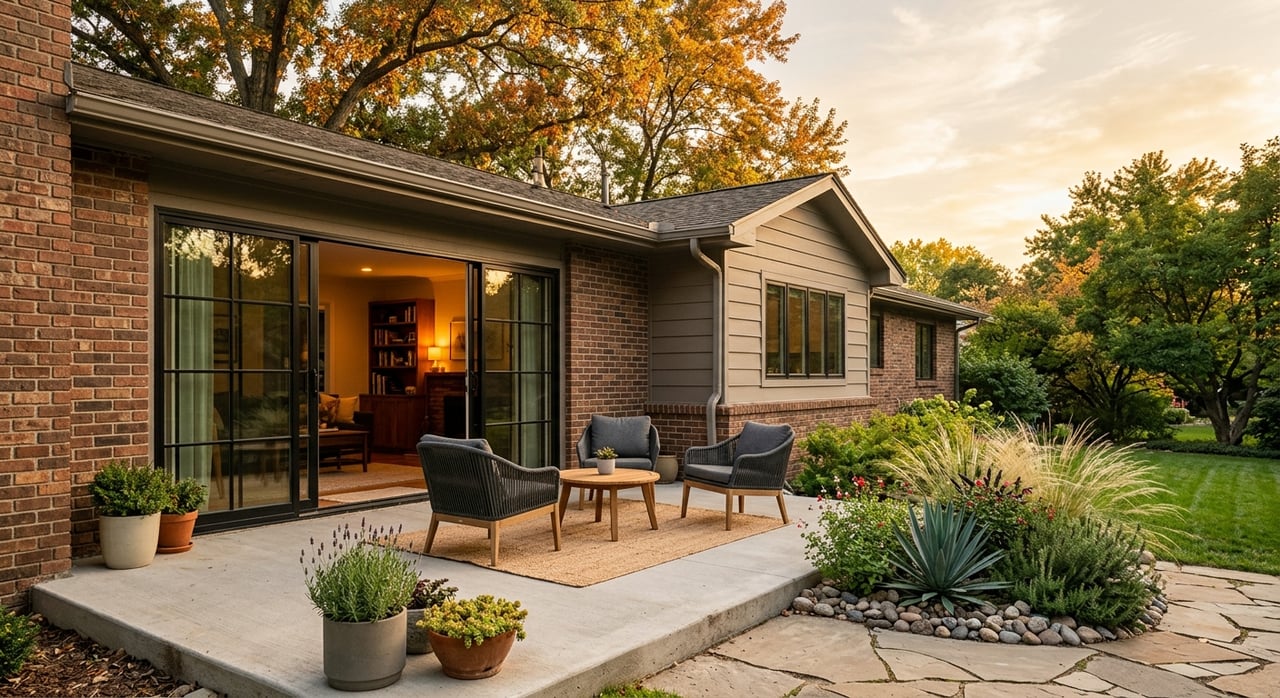
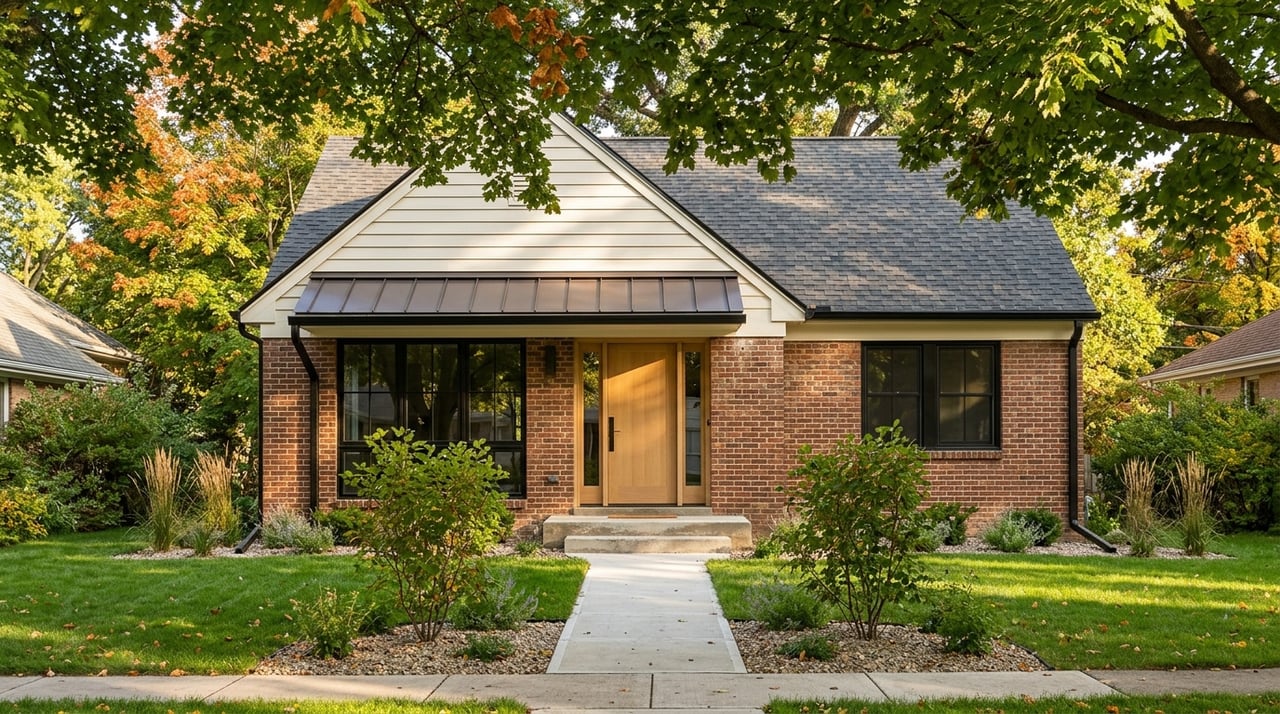
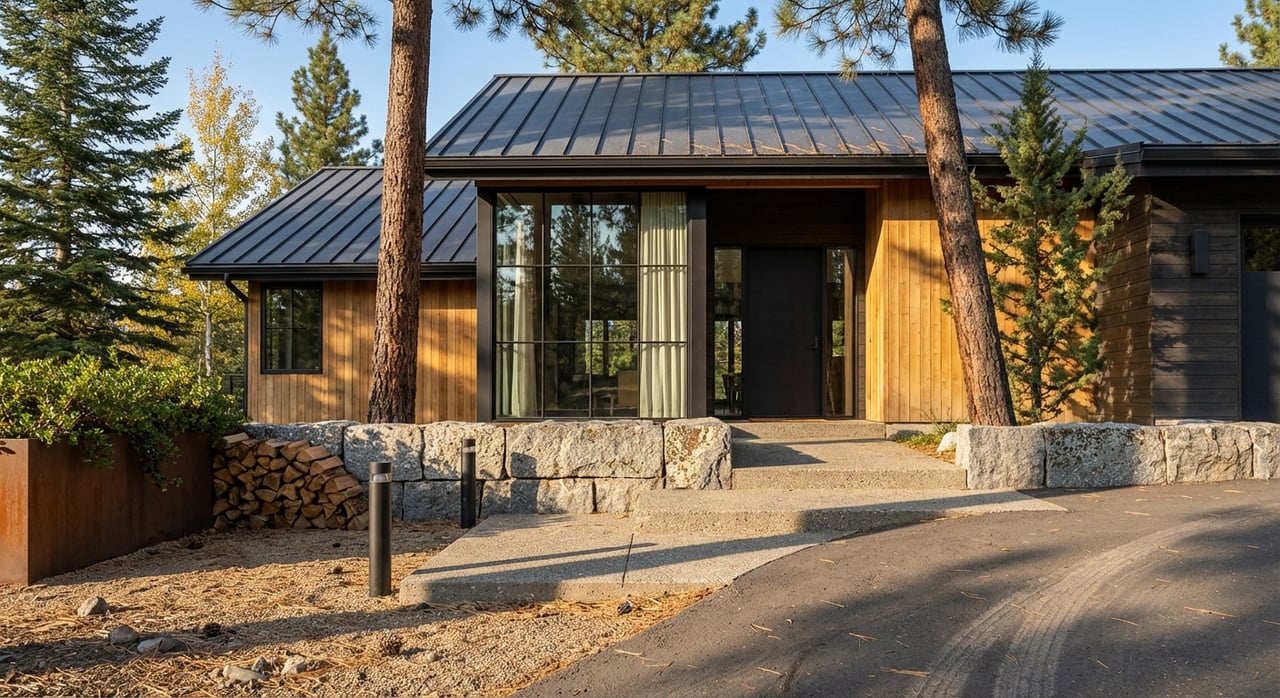
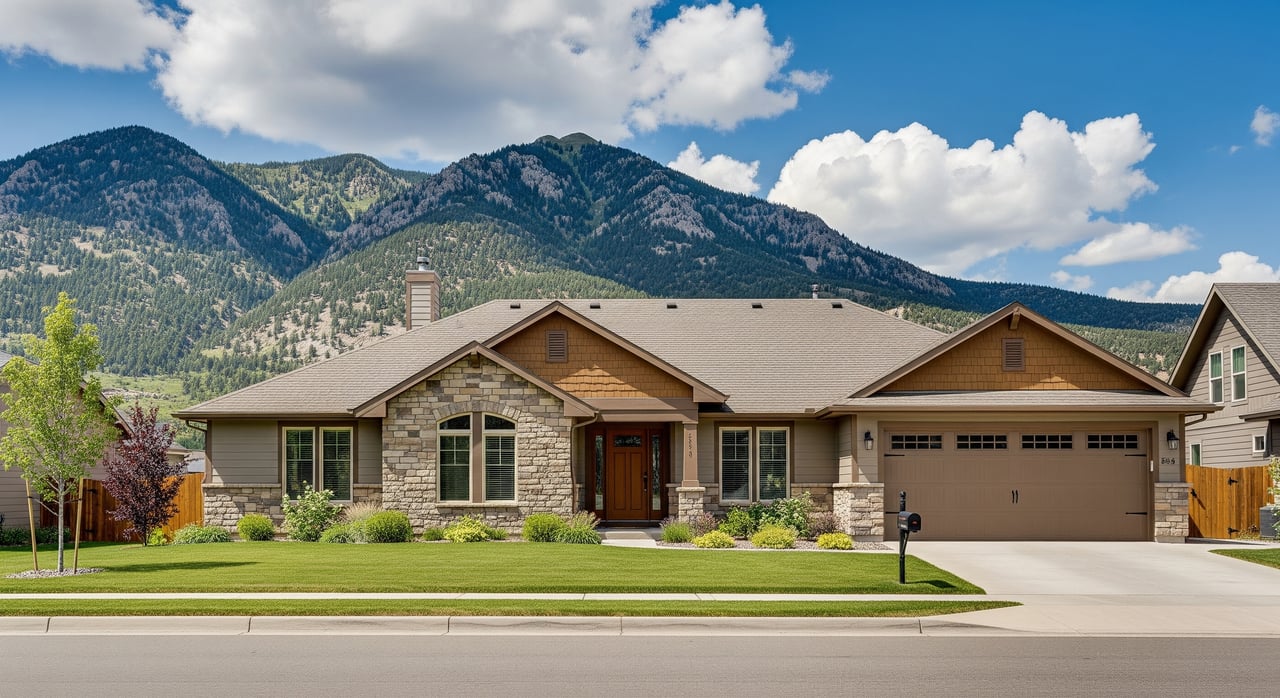
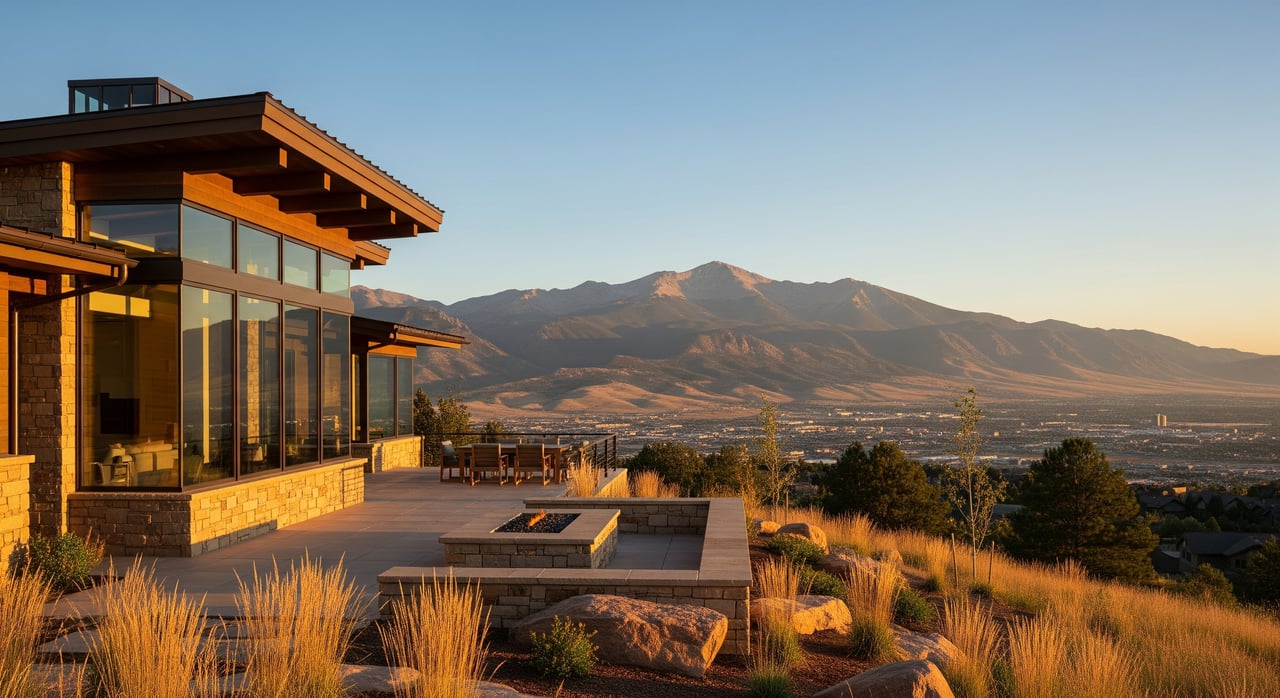
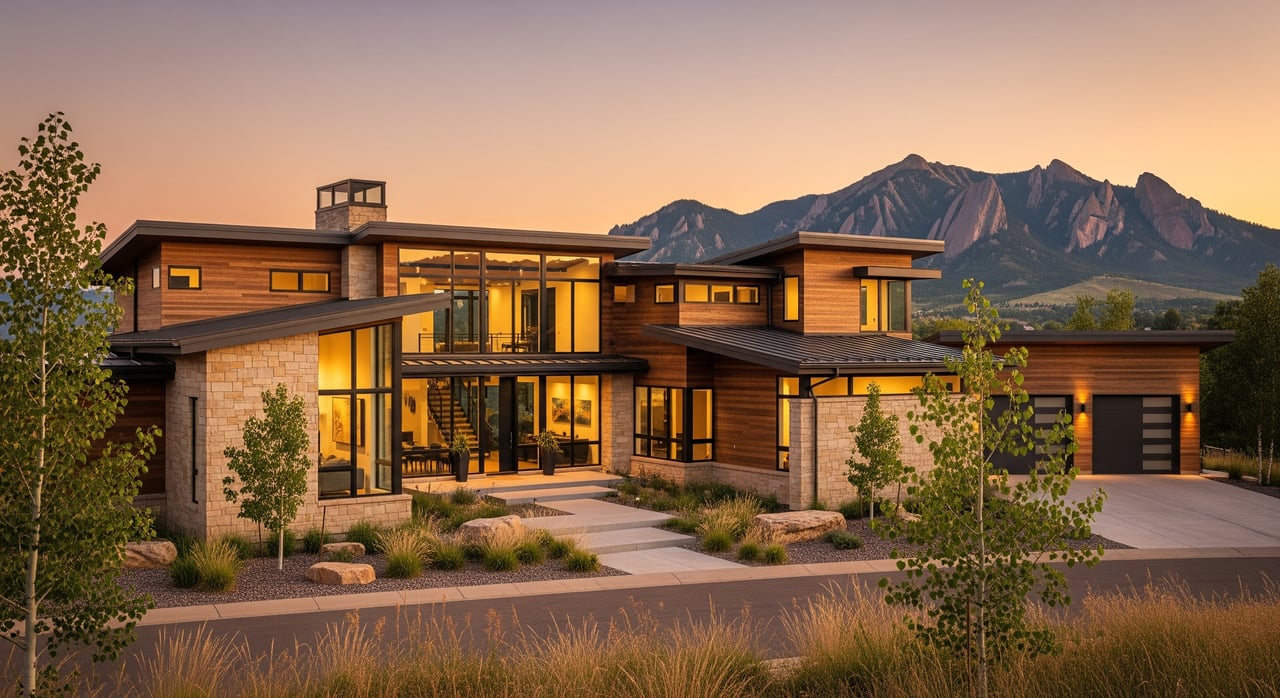
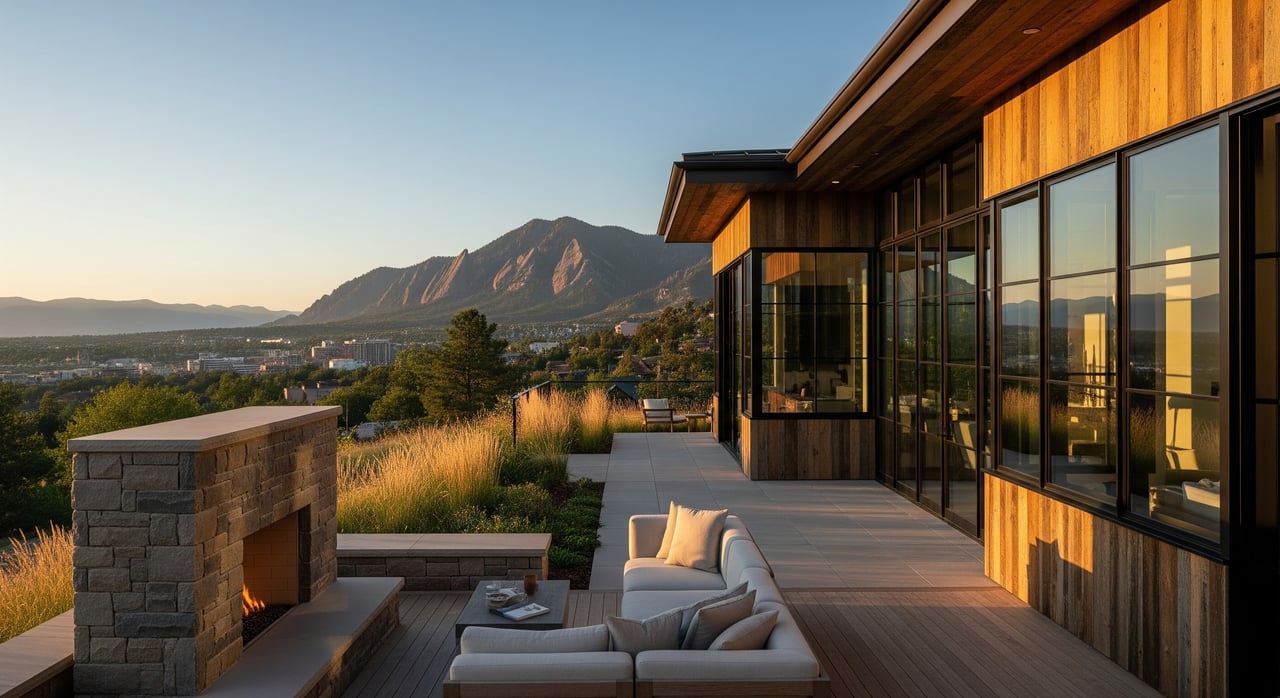
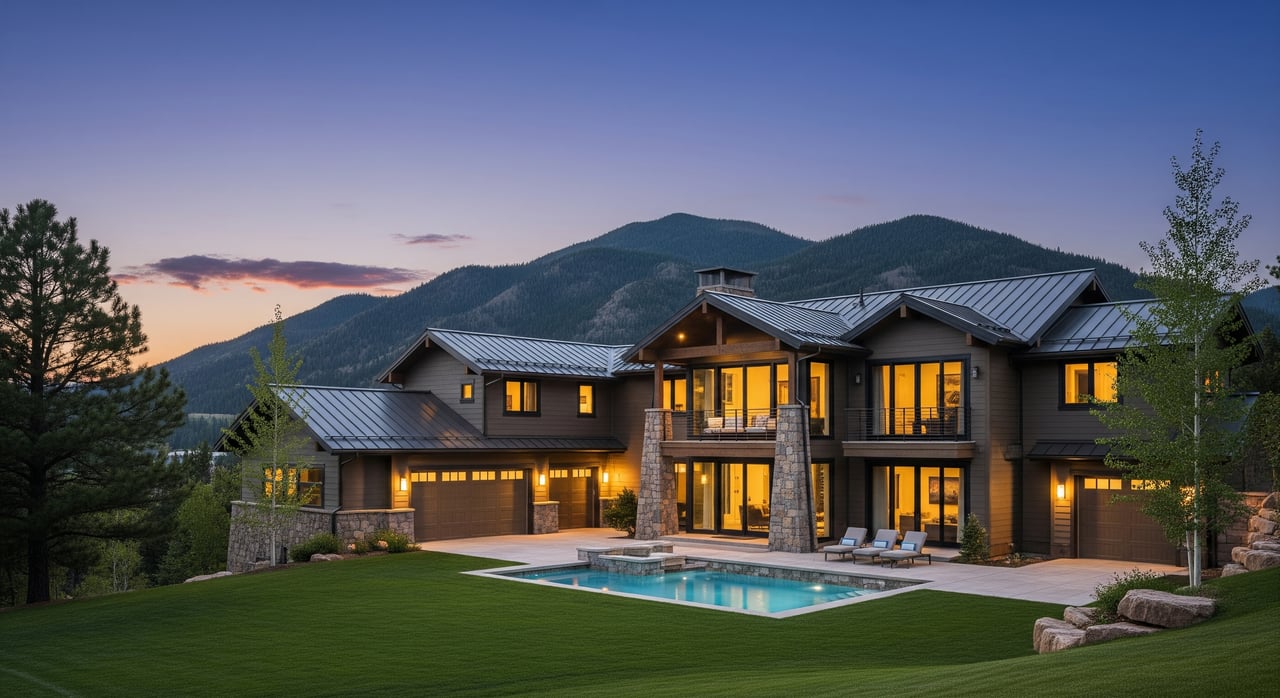
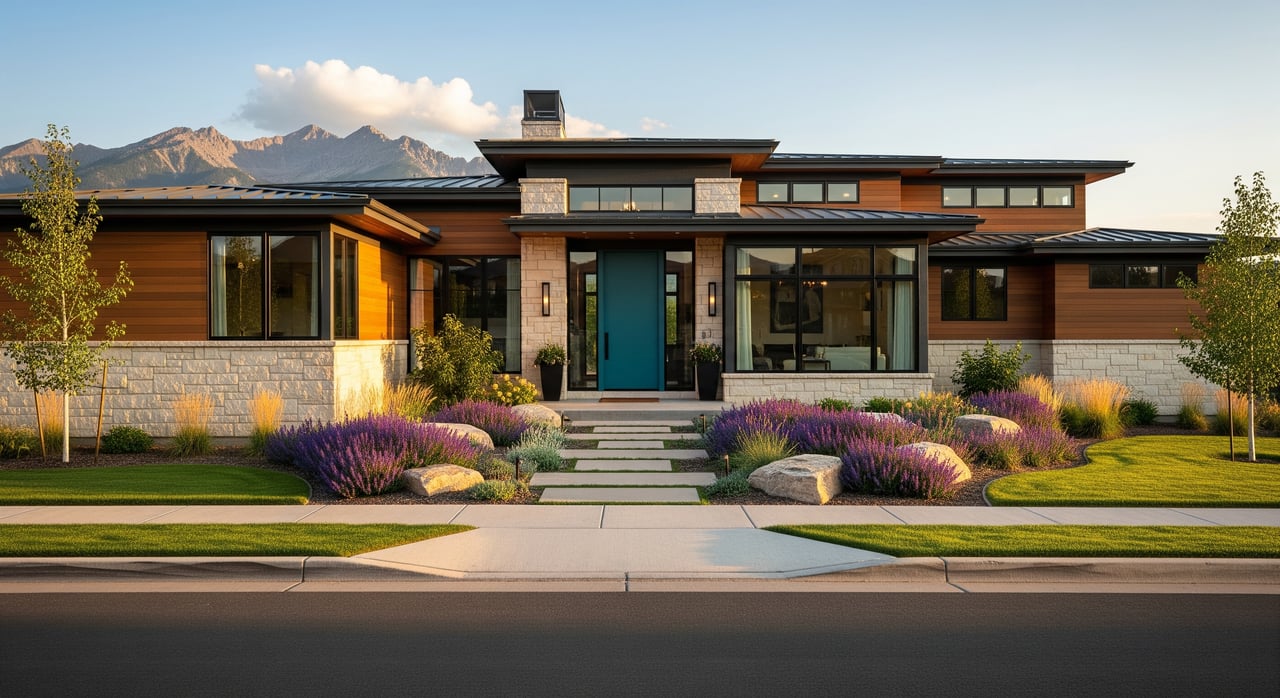
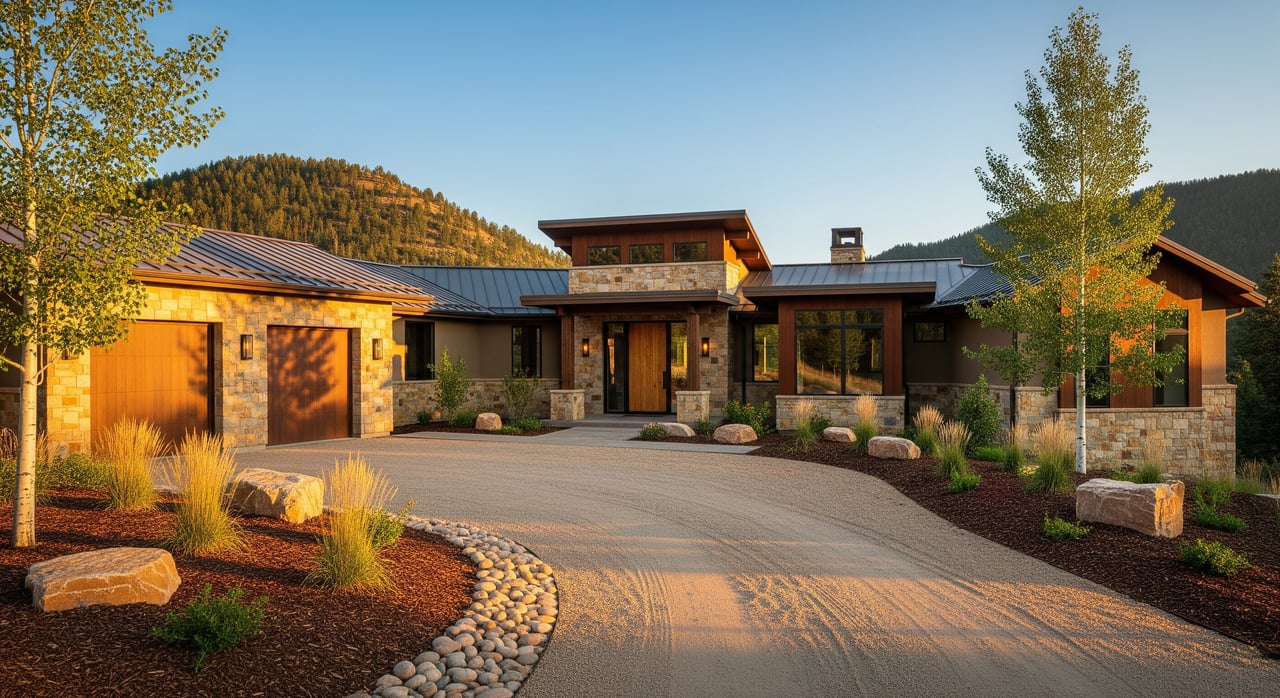
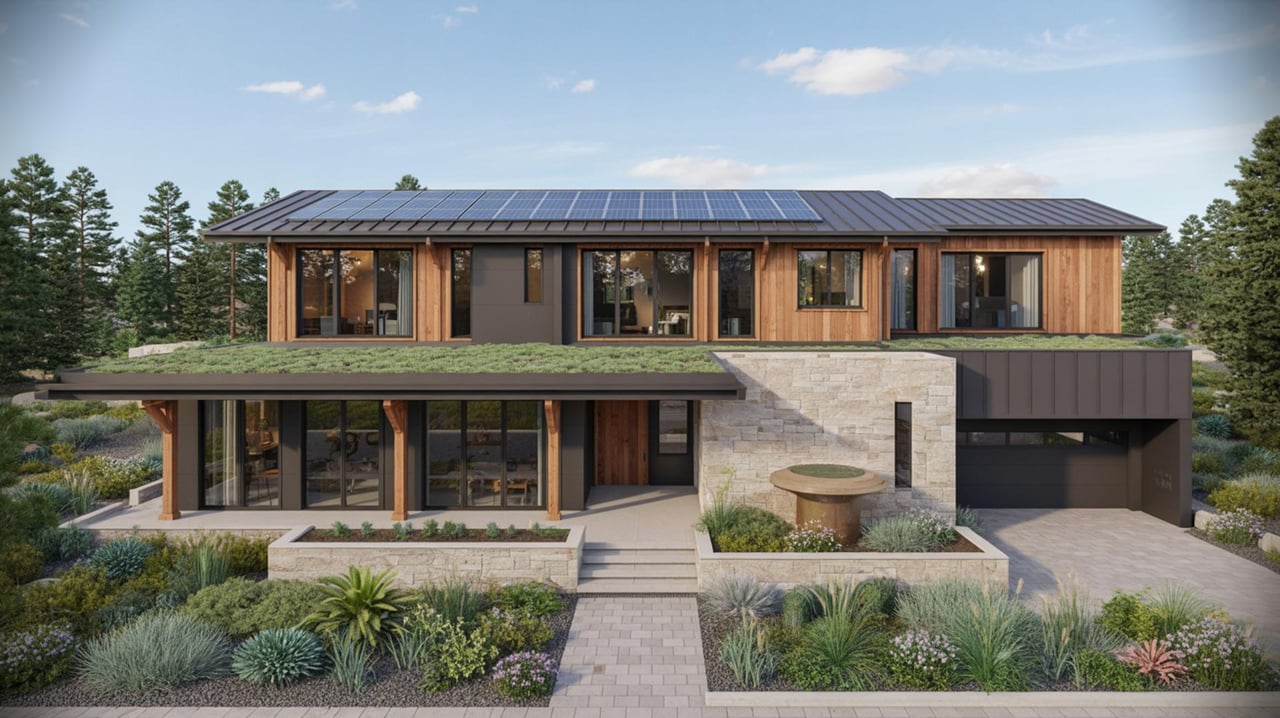
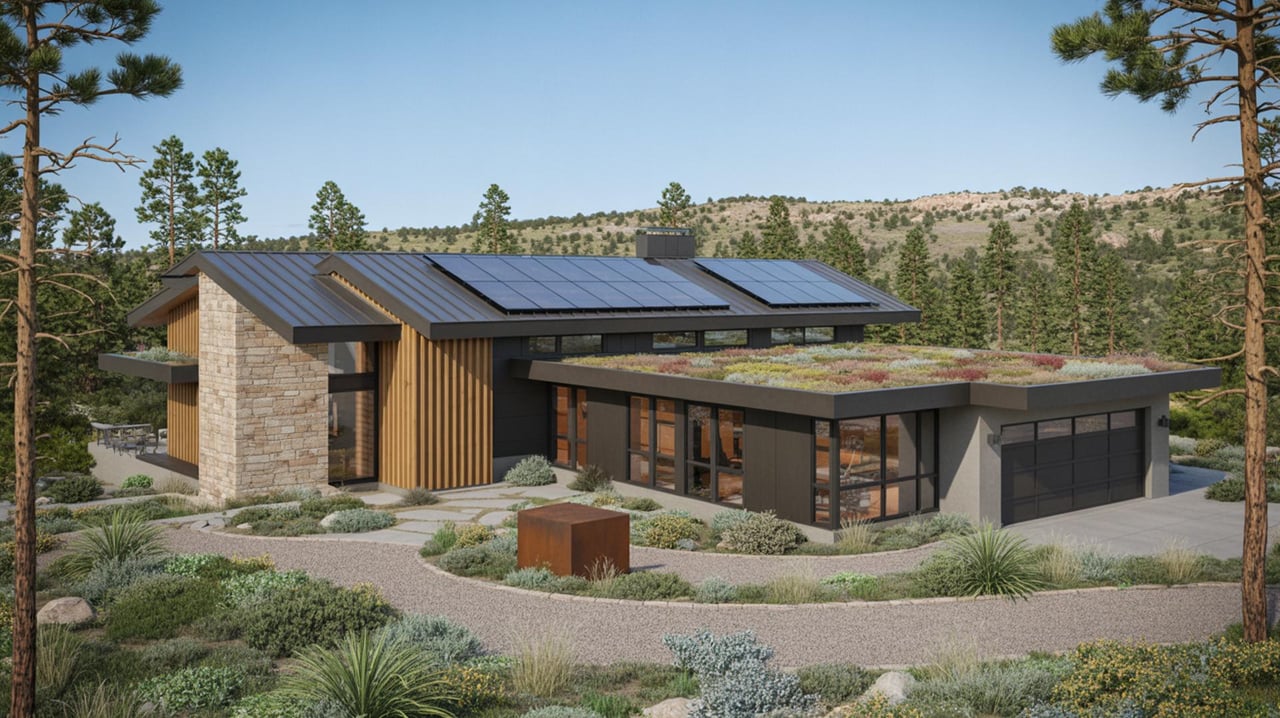
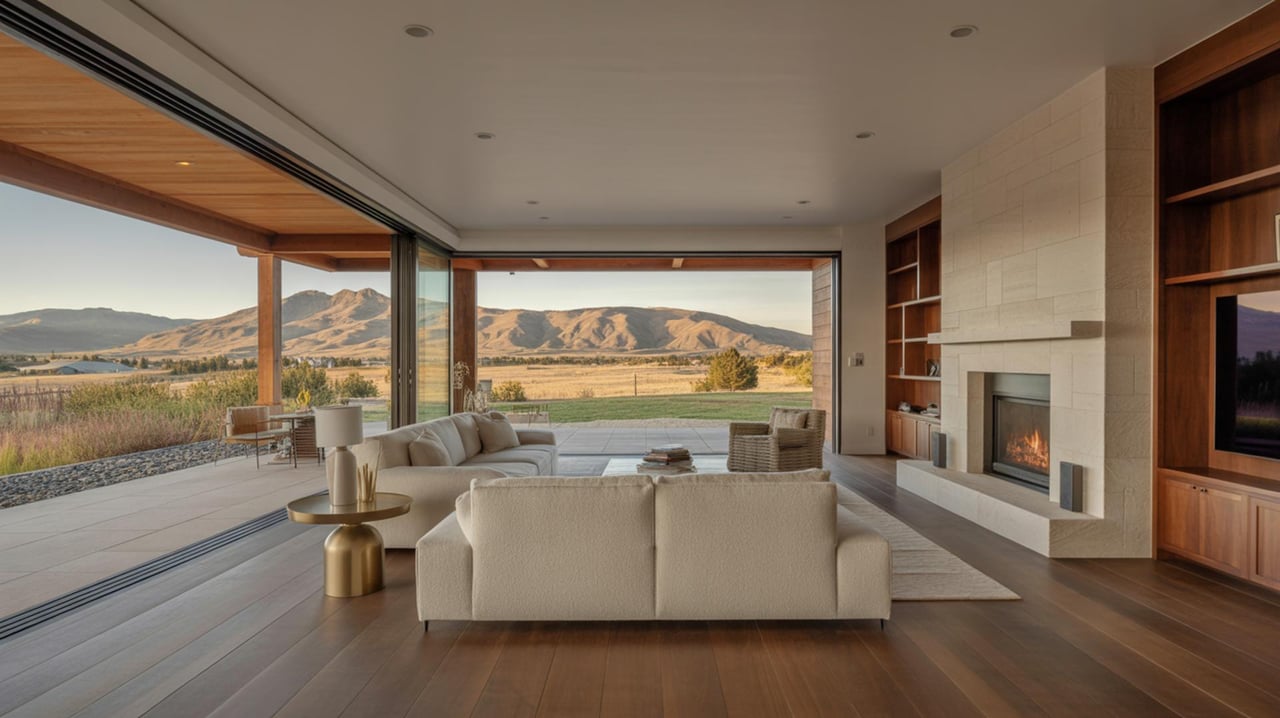
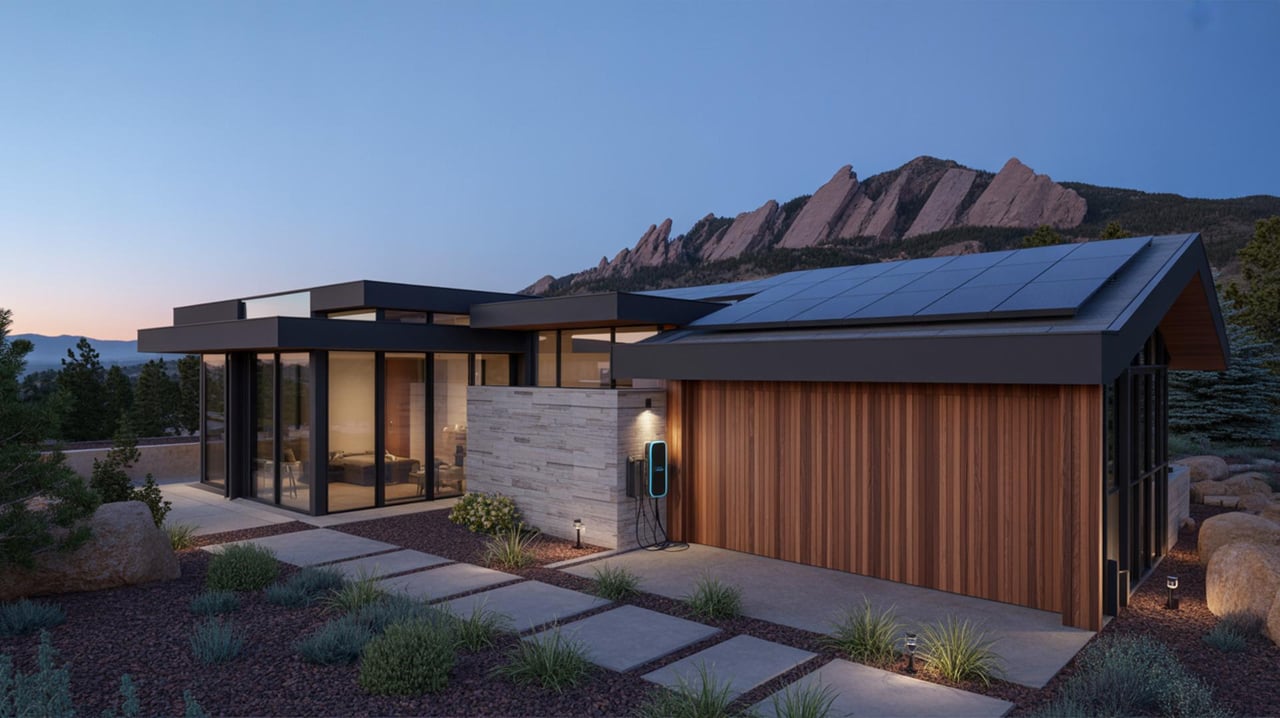
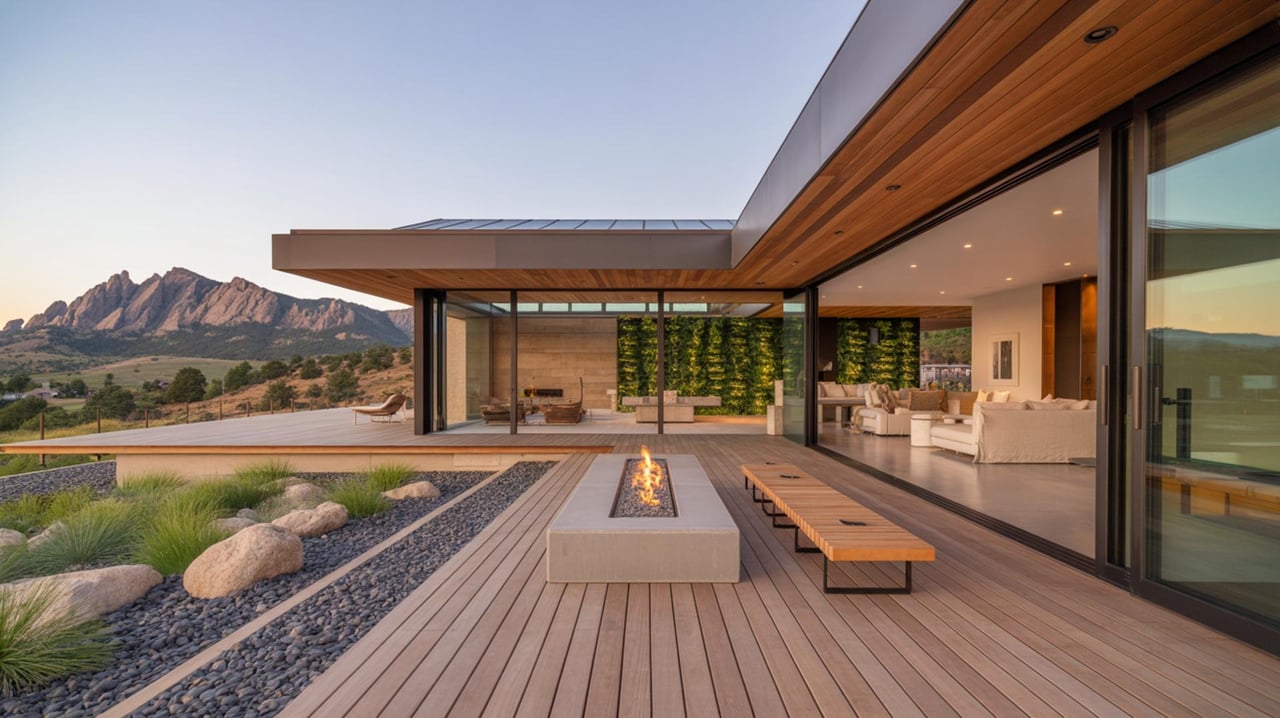
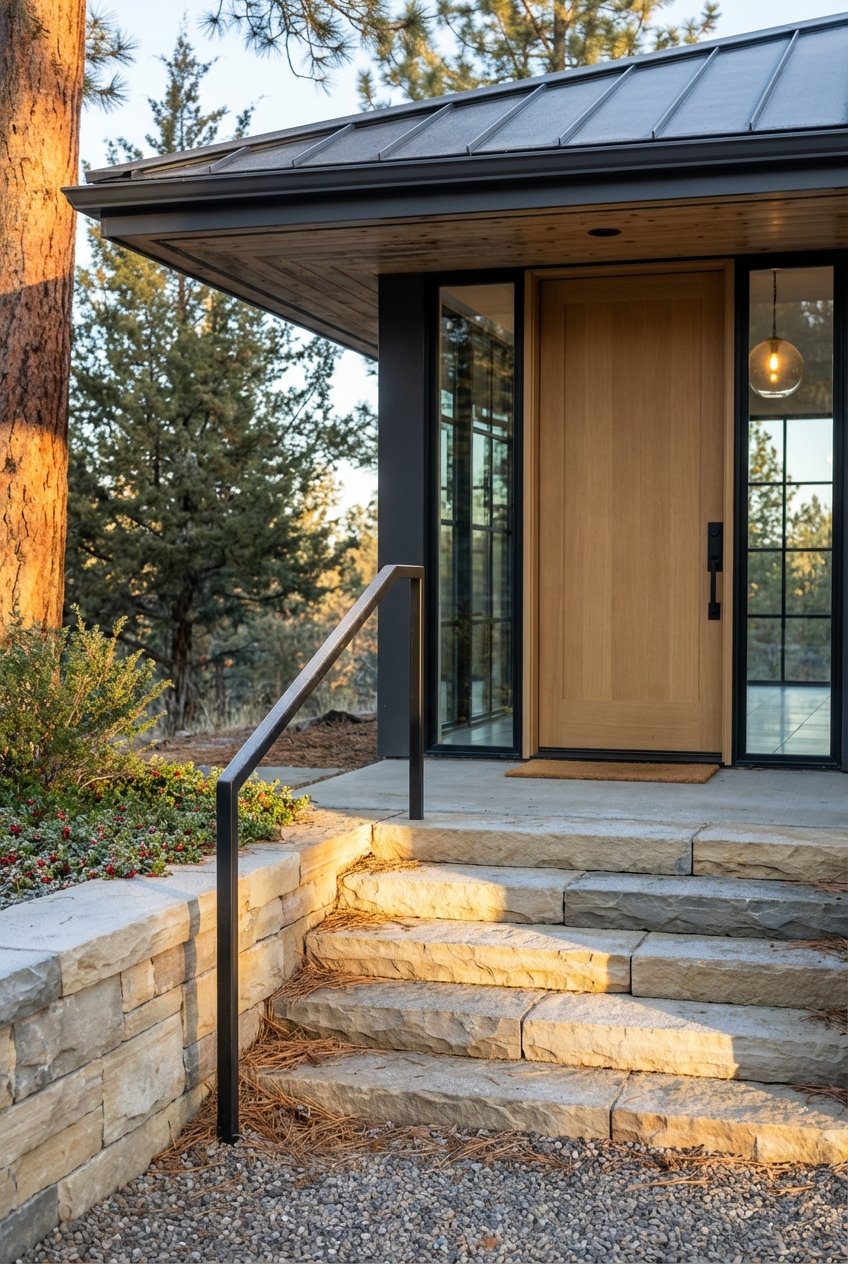
You’ll see a wide range of homes, from updated cabins and mid-century foothills houses to contemporary custom builds on ridgetops. Lots are often larger and sloped, with decks that chase the views. Wood and stone exteriors, big windows, propane service, woodstoves, and detached garages are common.
Sloped sites also drive construction choices. Retaining walls, stepped foundations, and engineered piers show up often. For remodels or additions on steep or geologically sensitive sites, the City’s permit process typically requires soils or geotechnical review, which affects design, timeline, and budget. Review the City’s residential permit guidance on building permits and inspections early in your planning.
Utilities, water, and septic
Some close-in properties are on City of Boulder water, while many mountain parcels depend on private wells or small water providers. Always verify the service map and who supplies your water through the City’s water supply and planning resources.
Many foothills homes rely on onsite wastewater systems (septic/OWTS). Boulder County regulates permitting, transfer checks, and upgrades, so request records, confirm system age and capacity, and budget for improvements if needed. Start with the County’s SepticSmart (OWTS) guidance.
Internet and cell service
Coverage can vary by canyon, slope, and tree cover. Where wired fiber or cable is limited, residents often use fixed‑wireless or satellite options. National data show gaps in rural wired broadband availability, so remote workers should confirm options before writing an offer and consider alternatives noted in this broadband access overview.
Commute and access realities
Typical drive times
In good weather, many close‑in foothills homes are a short drive to downtown, often measured in minutes rather than miles. Sunshine Canyon, Pine Brook Hills, and parts of Lee Hill can feel surprisingly convenient compared with more distant mountain towns. In storms, expect variability. Test the drive at different times of day and in different seasons to set realistic expectations.
Canyon corridor reliability
Boulder Canyon (CO‑119) is the main state highway up toward Nederland. It has a history of rockfall, slides, and past flood impacts, with improvements and repairs handled by CDOT over multiple years. Keep an eye on the latest work and closure history through CDOT’s Boulder Canyon project page. Reliability is generally good, but it is more variable than an in‑town commute.
Seasonal and safety considerations
Winter and microclimates
Higher or more exposed foothill spots see more snow and wind than downtown. Upper canyon homes often require AWD or 4WD in winter, and plowing cadence can differ between county‑maintained roads and private spurs. Plan for occasional delays and prepare your vehicle for winter conditions. For a feel of winter patterns in one popular corridor, see this practical look at Sunshine Canyon living.
Wildfire readiness and insurance
Wildfire risk is a year‑round reality in the foothills. Boulder County supports community planning and mitigation, and the Wildfire Partners program provides individualized assessments, grants, and a certification that some insurers accept. Documented mitigation and a Wildfire Partners certificate can improve insurability and peace of mind. Learn how the program works at Wildfire Partners.
Flood, debris flows, and drainage
Some canyon and drainage‑adjacent properties carry elevated debris‑flow or flood exposure during high‑intensity storms. After the 2013 floods, long-running repairs and mitigation projects improved conditions along key corridors. If you are considering a streamside or lower‑canyon home, review recent flood maps and ask for drainage details during inspections. CDOT’s Boulder Canyon improvements provide useful context.
Radon and private wells
Radon is common in Colorado and easy to test during your inspection window. Boulder County recommends testing and provides guidance and, at times, free kits. Start here: Boulder County radon testing. For reference, many contracts use the EPA action level of 4.0 pCi/L, outlined on the EPA radon zones map.
If the property has a private well, ask for recent lab results and a pump test, or include dedicated water‑quality testing in your contract. The County recommends baseline testing for locally relevant analytes, with annual follow‑ups for microbial contaminants. Review the County’s private wells and water quality guidance.
Design and permitting notes
Steep slopes and geologic conditions influence what you can build or remodel. Expect soils and geotechnical reports for additions or new work on many foothill sites, along with engineered grading and drainage plans where required. The City outlines these triggers on its building permits and inspections page.
If you are considering a home in Mapleton Hill or another historic district, exterior changes need Landmark review and approval. Timelines and allowable alterations can differ from typical in‑town projects, and some projects may qualify for historic rehabilitation incentives. Review the City’s historic guidance before you design.
Buyer due diligence checklist
Use this checklist to bring the right experts into your process:
- Experienced local real estate agent with foothills experience. Local knowledge reduces surprises around private roads, plowing, and seasonal access.
- Licensed home inspector with mountain expertise. Ask them to focus on roof, chimney, heating, drainage, retaining walls, and ember‑resistant vents.
- Geotechnical/soils engineer. Many steep or mapped hazard sites require reports at permitting. Confirm feasibility and costs early using the City’s permit guidance.
- Structural engineer. Bring one in if the inspector or geotechnical review flags foundations, retaining walls, or unusual framing.
- Septic professional (OWTS engineer and licensed inspector). Verify permits, capacity, and upgrade needs with Boulder County’s SepticSmart.
- Well contractor and certified water lab. Include a water‑quality contingency aligned with the County’s private wells guidance.
- Wildfire mitigation specialist or Wildfire Partners assessment. Certification can help with safety and insurance. See Wildfire Partners.
- Certified radon tester. Follow Boulder County guidance and set a clear action threshold informed by the EPA radon zones.
- Licensed surveyor and thorough title review. Confirm boundaries, shared driveways, and private road maintenance agreements.
- Historic preservation contact, if applicable. Understand approval steps and timelines before you plan exterior changes.
- Insurance broker experienced in wildfire‑exposed areas. Ask how mitigation, roofing, and defensible space affect underwriting.
Smart contract contingencies
Build protection into your offer with clear contingencies and disclosures:
- Utility verification. Confirm water source, meter locations, and any small private provider details using City water planning resources.
- Septic/OWTS inspection contingency with permit history. Use SepticSmart as your reference.
- Well‑water test contingency with acceptable lab thresholds. Follow County private wells guidance.
- Geotechnical/soils contingency for steep or mapped hazard sites. See City permits and inspections.
- Radon test contingency with a clear action level informed by the EPA 4.0 pCi/L guidance and County testing protocols.
- Wildfire mitigation disclosure. Ask whether a Wildfire Partners certificate exists or will be completed. Learn more at Wildfire Partners.
- Access and road‑maintenance clause. Confirm whether the main access road is public or private and who funds plowing and repairs.
Pros and tradeoffs at a glance
- Pros: Big views, trail access, privacy, larger lots, and a short drive to Boulder in fair weather. Outdoor living shines here.
- Tradeoffs: More specialized maintenance for septic and wells, driveway and vegetation management, variable internet, evolving insurance requirements, and storm‑related commute variability.
Is close‑in mountain living right for you?
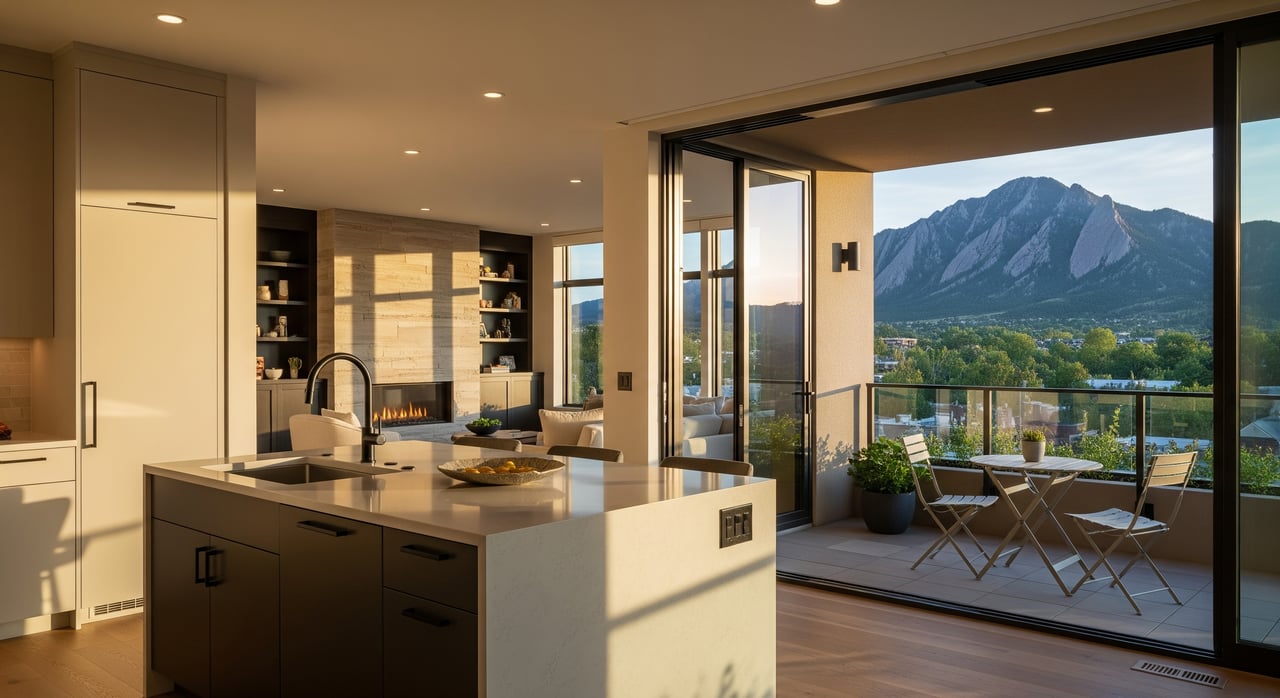
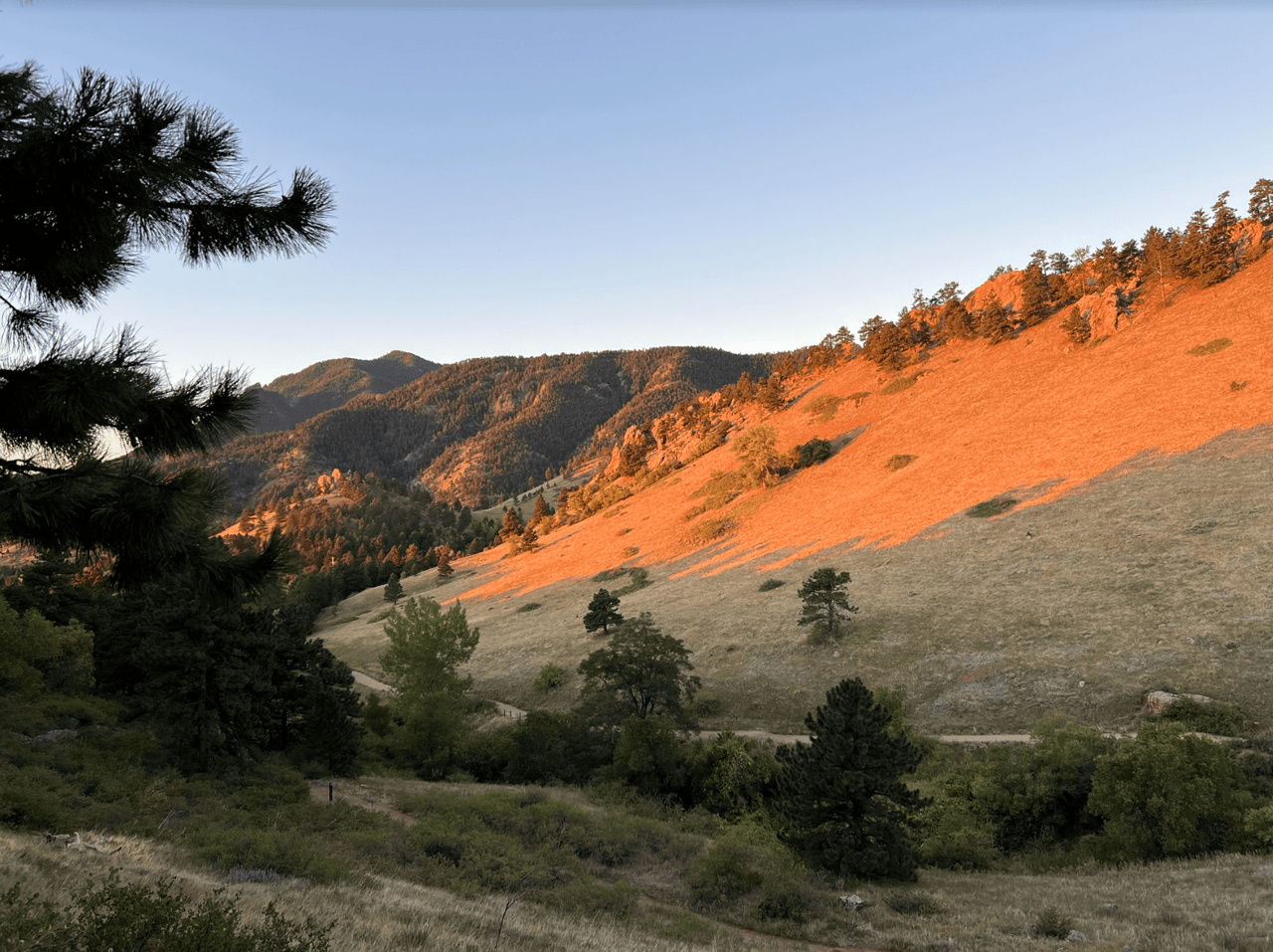
Walk the property at different times of day, test your cell signal, drive the route after a dusting of snow, and talk through utility and mitigation details with your inspector team. If you love sunrise over the Flatirons, the scent of ponderosa, and starry nights, the foothills might be your perfect fit. When you are ready to explore homes and tailor a due diligence plan, connect with Emelie S Griffith for one‑on‑one guidance.
FAQs
What areas count as “close‑in” mountains near Boulder?
- Generally the foothills and nearby mountain corridors just west and northwest of town, including Mapleton’s edge, Sunshine Canyon, Pine Brook Hills, Lee Hill/Boulder Heights, Eldorado Springs, and Gold Hill.
How reliable is the commute from Boulder’s foothills?
- In clear weather, many drives are short, but canyon routes can see rockfall or storm delays. Check CDOT’s updates for Boulder Canyon improvements and closures.
Will I have city water or a private well in the foothills?
- It depends on the property. Verify the service map through City water planning, and include a well‑water test contingency when applicable.
What should I know about septic systems before I buy?
- Many mountain homes use OWTS. Confirm permits, capacity, and condition, and plan for upgrades if needed. Start with County SepticSmart.
How do I handle wildfire risk and insurance in the foothills?
- Complete a Wildfire Partners assessment and document mitigation. A program certificate can support insurability and discounts. Learn more at Wildfire Partners.
Is radon common in Boulder’s foothills?
- Yes. Test during inspections and negotiate mitigation if results exceed your threshold. See County radon testing guidance and the EPA radon zones.