
Thinking about a move in Superior and trying to read the market? You are not alone. Between shifting interest rates, limited land, and post‑Marshall Fire rebuilding, it can be hard to know when to list or how to write a winning offer. This guide breaks down what truly drives prices here, the risks and checks that matter, and smart steps for both buyers and sellers so you can act with confidence. Let’s dive in.
Quick read of Superior’s market today
Superior is a small, high-demand town in Boulder County, which means supply is often tight. To get a clear snapshot, check a few core metrics before you act.
- Median sale price and trend year over year
- New, active, and pending listings, plus months of supply
- Median days on market and list-to-sale price ratio
- Price per square foot by property type
- Share of sales by single family, townhome, and condo
For fresh, local numbers, review the latest stats from the MLS using the market resources provided by REcolorado. These indicators tell you who has the edge. Low months of supply with short days on market typically favor sellers. Rising inventory with longer days on market can give buyers more room to negotiate. Superior and nearby Boulder-area suburbs often command a premium compared to broader Colorado due to location, amenities, and sustained demand.
If you are buying
- Expect more competition when inventory is tight. Come in pre-approved and ready to move quickly.
- In a softer month with more listings, you may be able to negotiate on price, credits, or inspection items.
- Watch new construction and rebuilds. They can shift comparable pricing and add desirable features, which may affect what you pursue and how you structure your offer.
If you are selling
- When months of supply is low, you can price confidently if recent comps support it. Presentation still matters to achieve top-of-market results.
- If inventory rises, aim for accurate pricing tied to 90‑day comps and standout marketing to capture early momentum.
- Be prepared to navigate appraisal gaps if offers stretch above recent sales. Strong documentation and negotiation strategy are essential.
Why Superior stays in demand
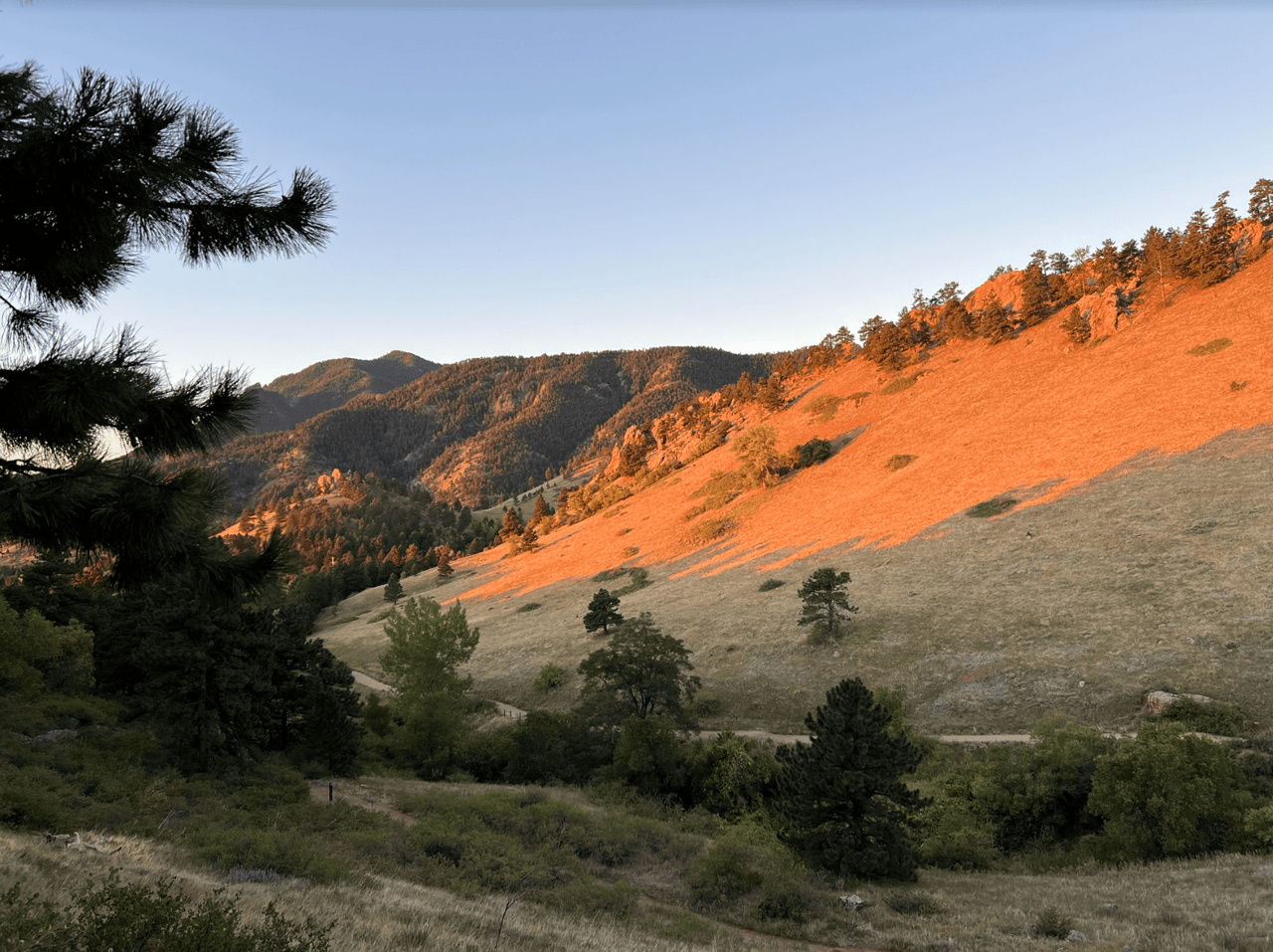
Superior sits between Boulder and Denver, with quick access to CO‑36 and trail-rich open space. For many buyers, it blends a suburban feel with easy commutes, outdoor recreation, and a small-town center. Explore town services, events, and amenities on the Town of Superior official site.
Families often look at school assignments alongside commute times and parks. You can review boundaries and district resources through the Boulder Valley School District. Use neutral, fact-based resources and verify details that matter to you during your search.
Limited developable land, careful local planning, and steady demand tend to keep supply tight. Remote and hybrid work patterns continue to support interest in homes with flexible spaces, yards, and nearby trails. Peak-hour congestion can influence neighborhood choices, so factor that into your tours if commute time is important.
Risks and due diligence that matter
Superior’s market rewards buyers and sellers who address risk head‑on and document it clearly. Here is what to review early.
Marshall Fire and rebuilding
Parts of Superior were significantly affected by the Marshall Fire in late 2021. Recovery and rebuilding continue to shape local supply, pricing, and insurance. For official updates, maps, and guidance, use Boulder County’s Marshall Fire recovery resources. If you are considering a home in or near an impacted area, review permits, rebuild documentation, and inspection records with your agent.
Wildfire risk and mitigation
Much of Boulder County sits near the wildland–urban interface. Buyers often evaluate roofing, vents, vegetation, and defensible space. Sellers who can document mitigation work help protect value and ease insurance concerns. The Colorado State Forest Service provides practical defensible-space guidance that is useful during inspections and prep.
Flood risk and drainage
Parcel-level flood status can affect insurance, lending, and resale. Verify zones using the FEMA Flood Map Service Center. For hillside or drainage-prone lots, consider a drainage or foundation inspection in addition to a general home inspection.
Insurance availability and cost
After major fire events, insurers may adjust guidelines, pricing, or required mitigation. Buyers should check insurability and premium estimates early, and sellers can help by compiling documentation of upgrades and permits. For consumer guidance and market updates, visit the Colorado Division of Insurance.
Smart steps for Superior buyers
Buying in a desirable, low-supply market takes planning. A focused approach helps you move quickly without skipping critical protections.
- Get underwritten pre-approval and confirm your comfort level with monthly payments at current rates.
- Ask your lender and insurance agent about underwriting and coverage for homes in wildfire or flood-affected areas.
- Narrow your target neighborhoods and home types. Consider townhomes or condos for value, and confirm HOA rules, fees, and any pending assessments.
- Build a thorough inspection plan: general inspection, radon test, roof and wildfire-hardening review, and drainage or foundation evaluation where topography suggests risk.
- Verify flood status through FEMA maps and review any past permits or rebuild documentation if the home is near previously impacted areas.
- In competitive situations, consider an escalation clause or higher earnest money. Balance strength with protection by keeping key contingencies, and consider a short insurance bindability contingency when risk is a concern.
Listing playbook for Superior sellers
Well-presented homes that are priced on current data move faster and command stronger terms. Focus on clarity, documentation, and standout marketing.
- Price to the last 90 days of comparable sales, adjusting for upgrades, lot, and micro-location. Revisit pricing if the market shifts mid-listing.
- Prepare documentation up front. Include permits, repair invoices, mitigation steps, and any rebuild or insurance records that apply.
- Consider a pre-listing inspection. Address simple fixes before launch and decide in advance how you will handle bigger items.
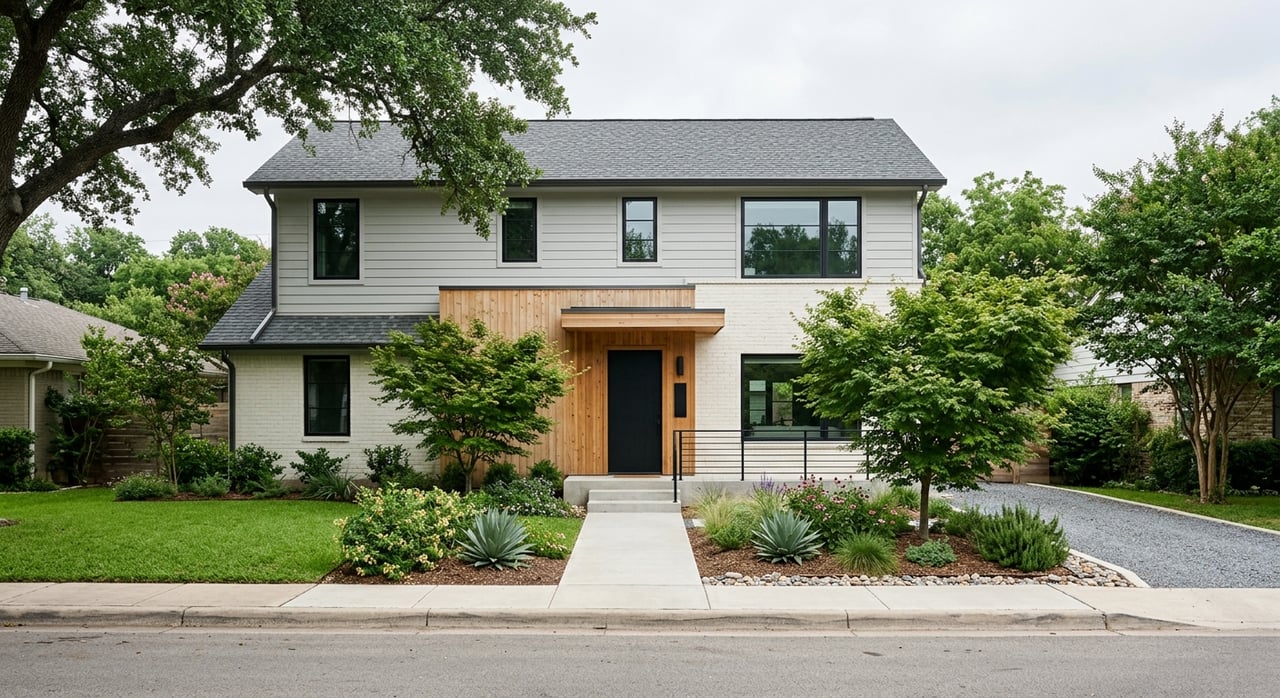
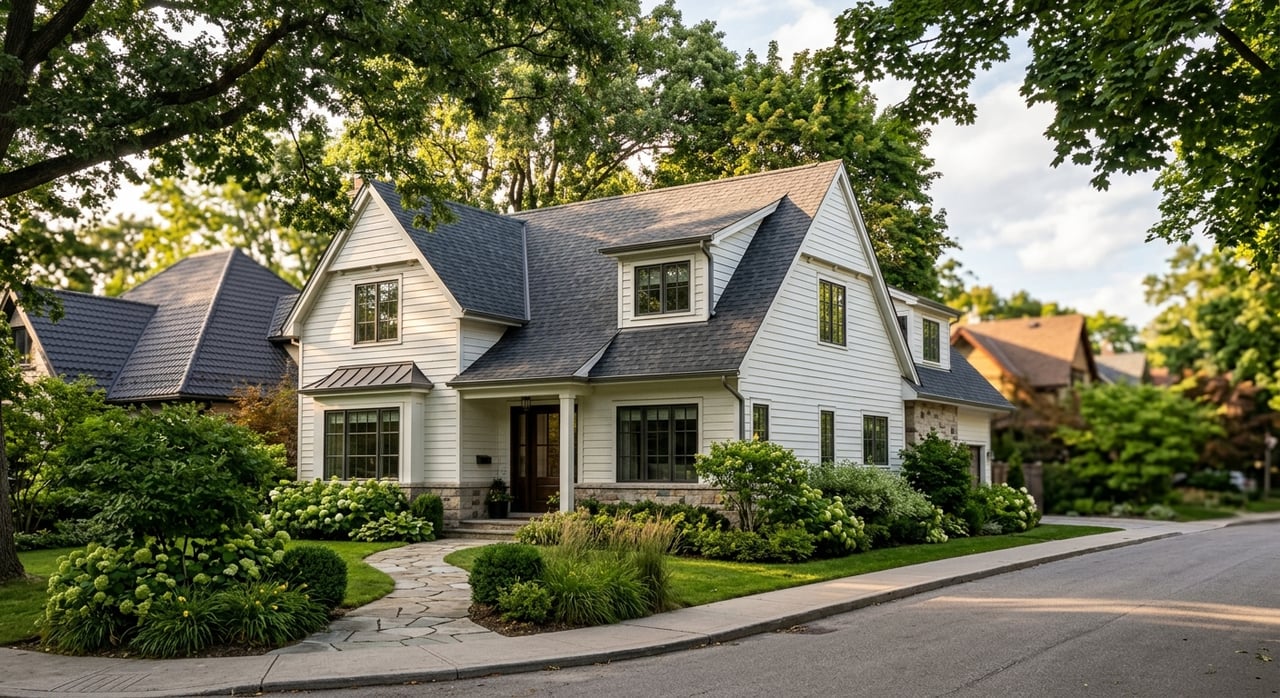
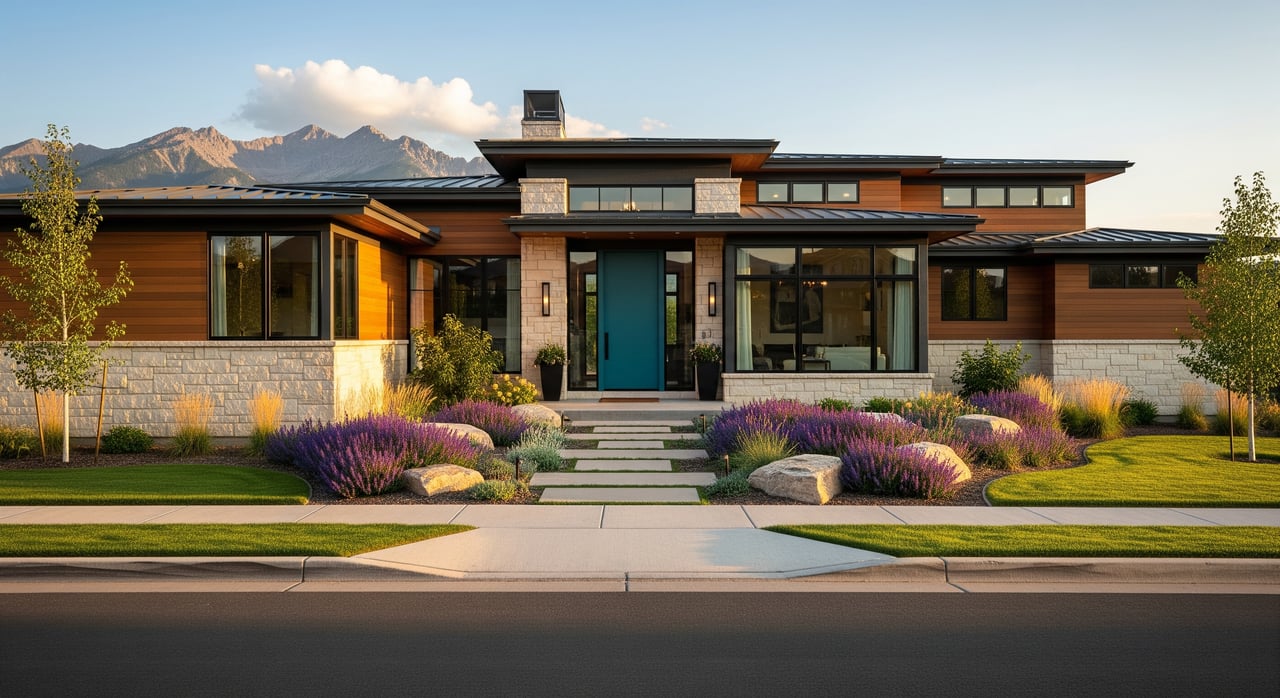
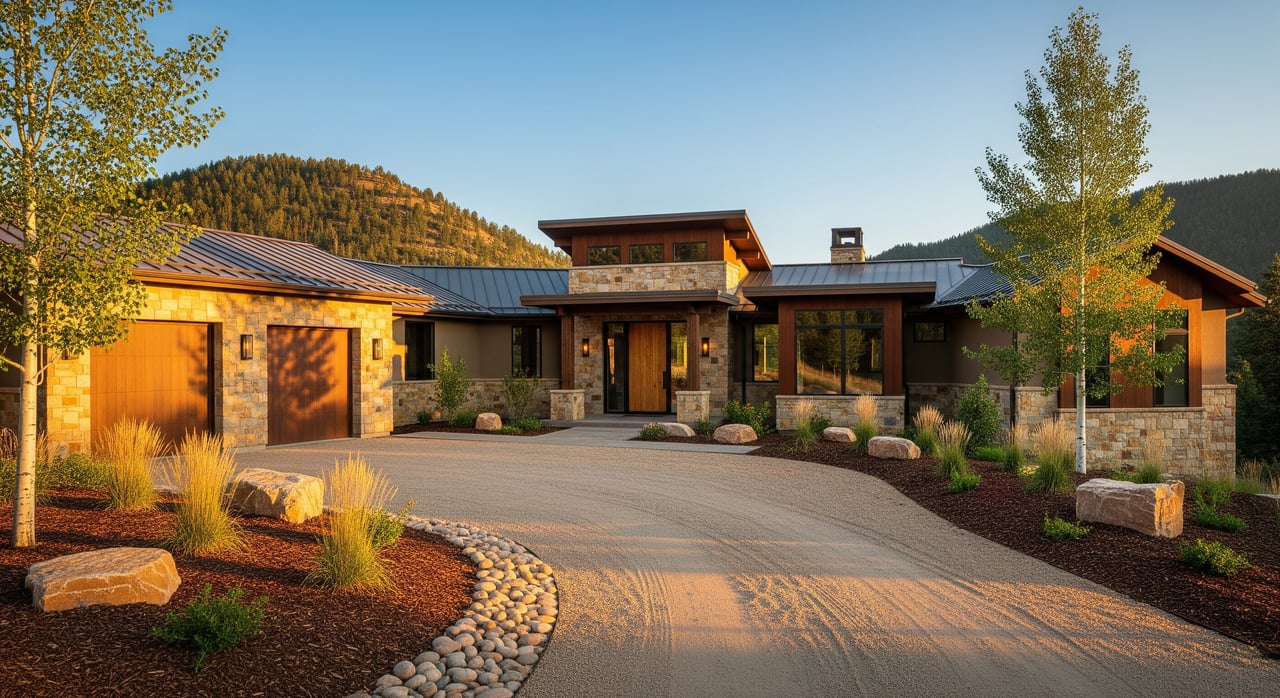
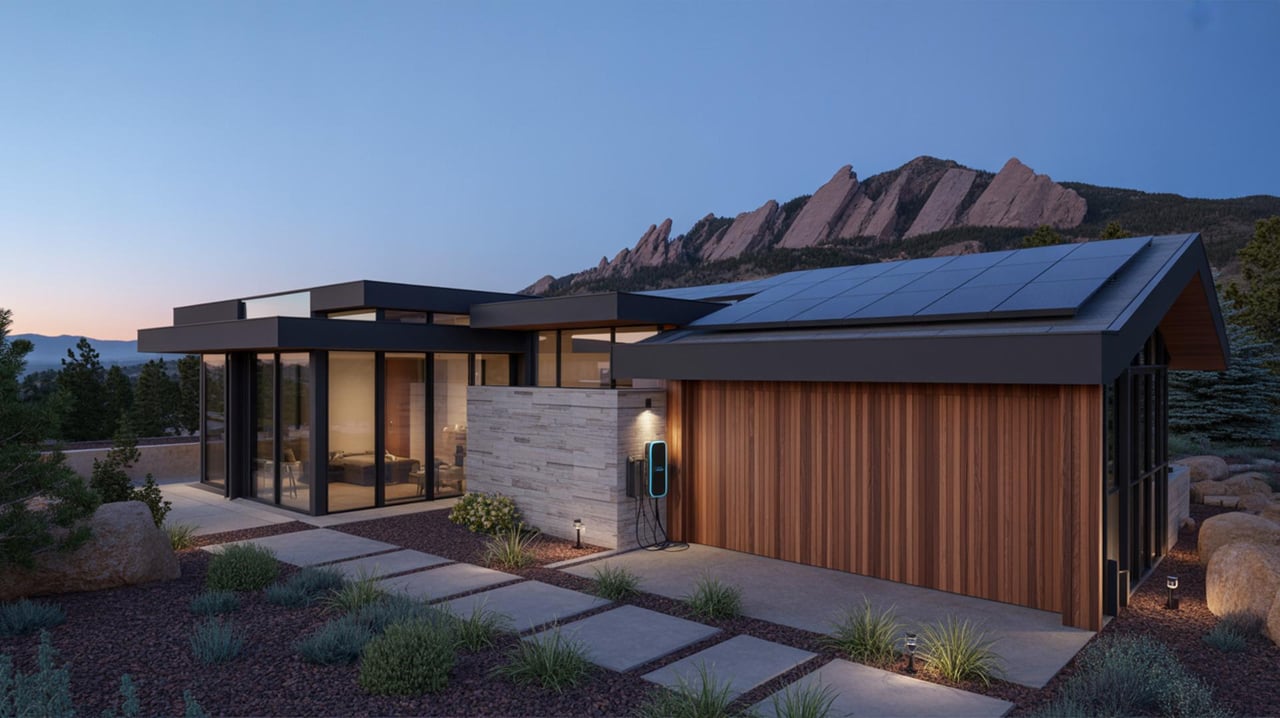
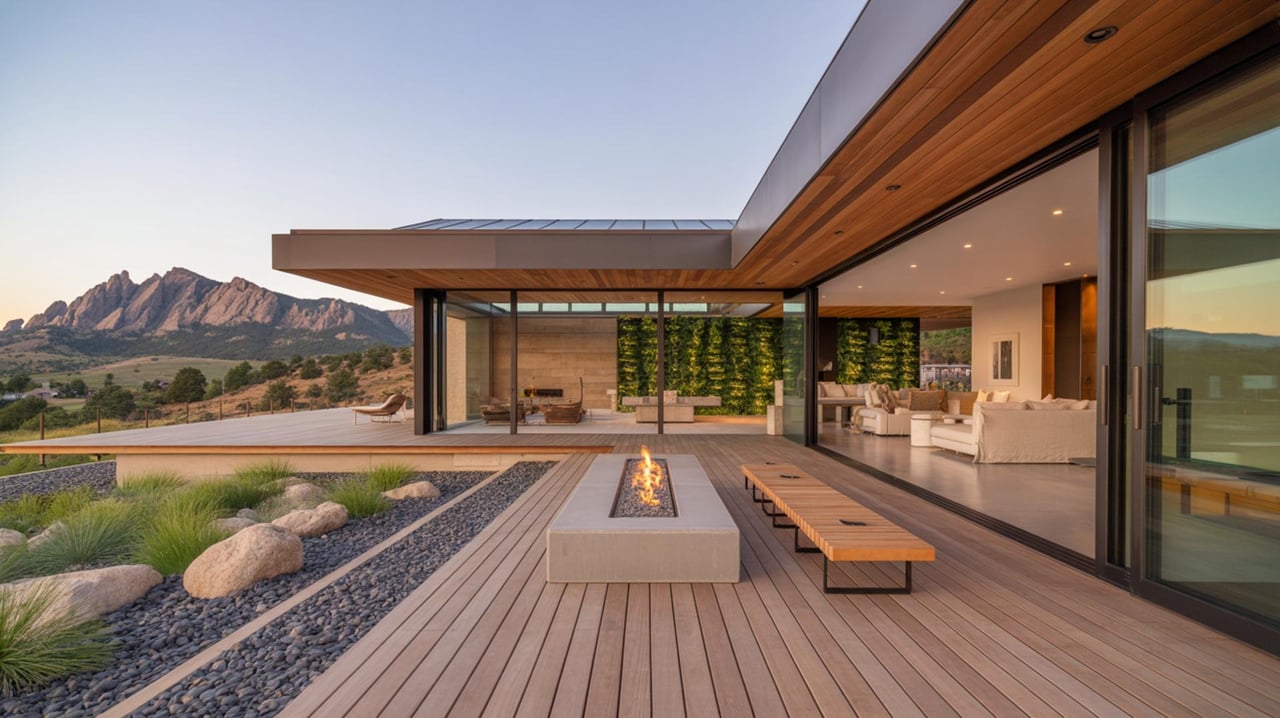
- Elevate presentation. Professional photography, virtual tours, floor plans, and thoughtful staging highlight design, light, and outdoor spaces. Call out nearby trails, energy-efficient upgrades, and flexible floor plans buyers want.
- Time your launch. Spring through early summer is often strong, but limited inventory can create demand year-round. Watch weekly new listings and pendings with your agent to pick the best window.
- Negotiate with purpose. In tight months, you can often secure shorter inspection periods or fewer concessions. In softer months, be ready to offer credits or adjust price. Plan for appraisal scenarios if offers stretch above comps.
- Disclose completely and early. Provide HOA documents, bylaws, meeting minutes, and any known or pending assessments. Federal lead-based paint disclosures apply for homes built before 1978.
Neighborhoods and home types at a glance
Superior offers a mix of home styles and price points, with options for a range of needs.
- Single-family homes. Larger lots and flexible layouts appeal to many buyers. Age and maintenance vary, so focus inspections on roofs, systems, and drainage.
- Townhomes and attached homes. Often a more affordable entry point, with HOA fees that may cover exterior maintenance or snow removal. Review the rules and budget.
- Condos. Smaller share of the market and a good option for lock-and-leave living. Confirm pet policies and any rental caps with the HOA.
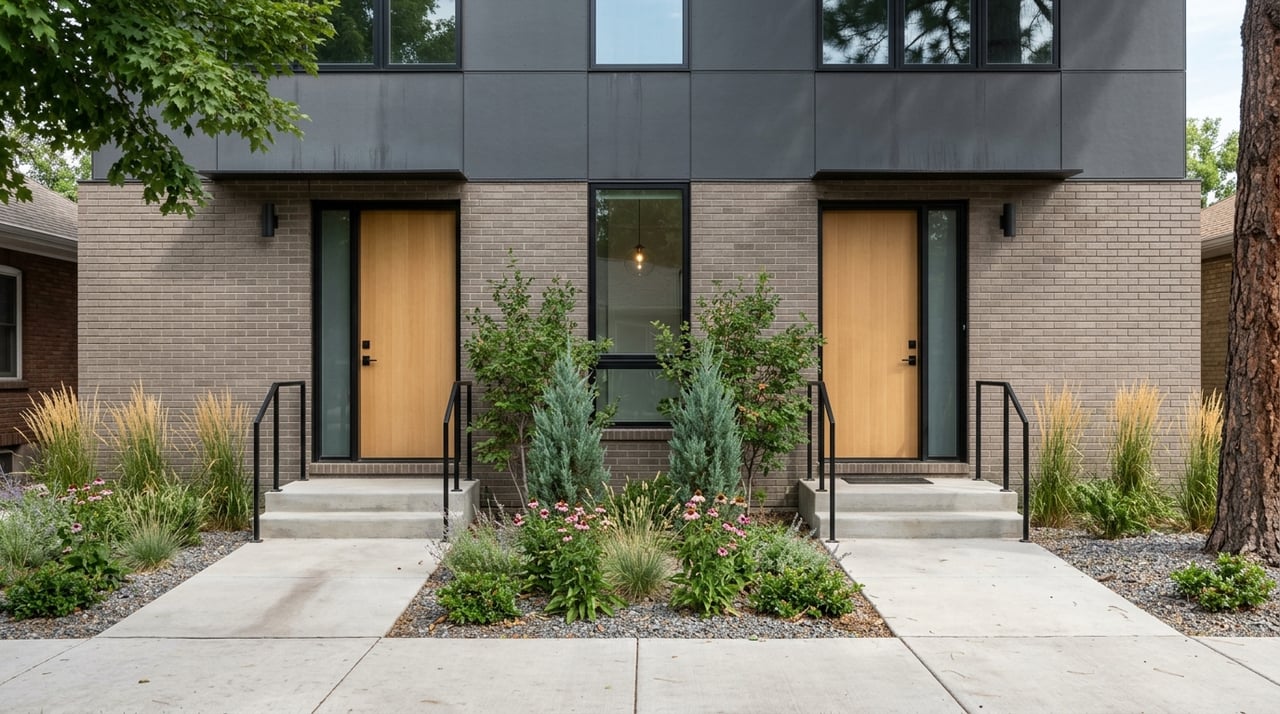
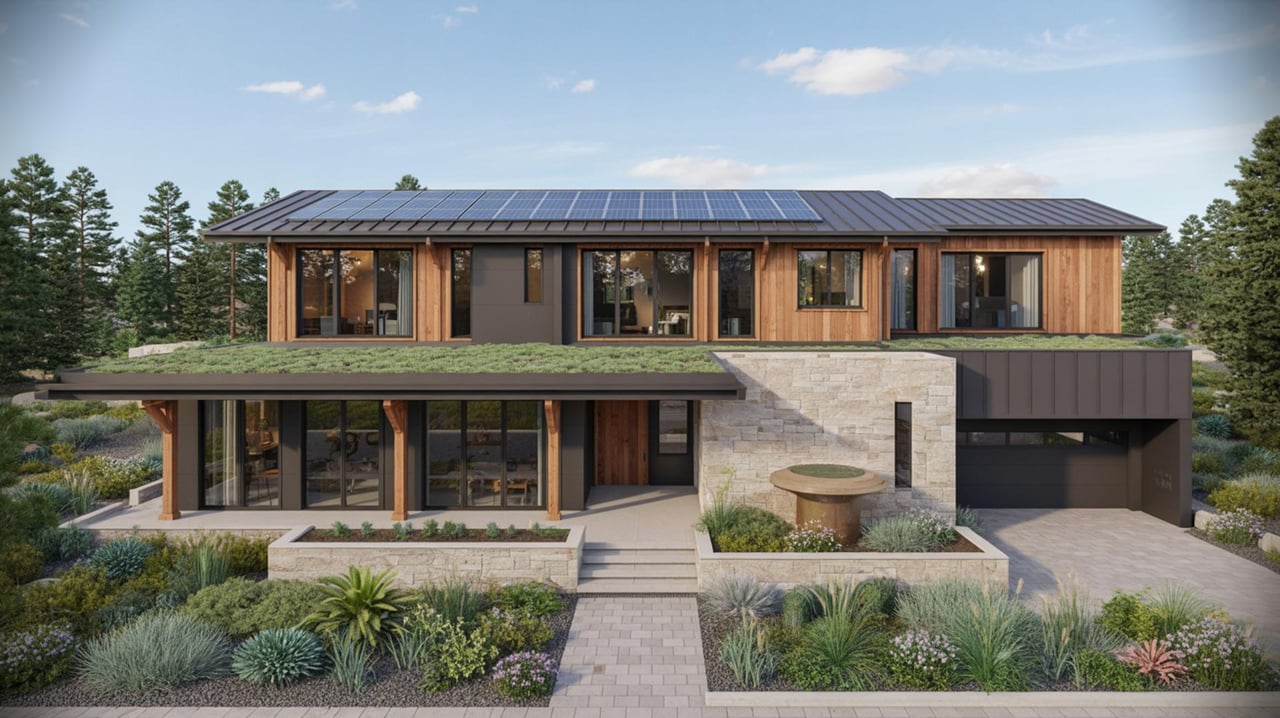
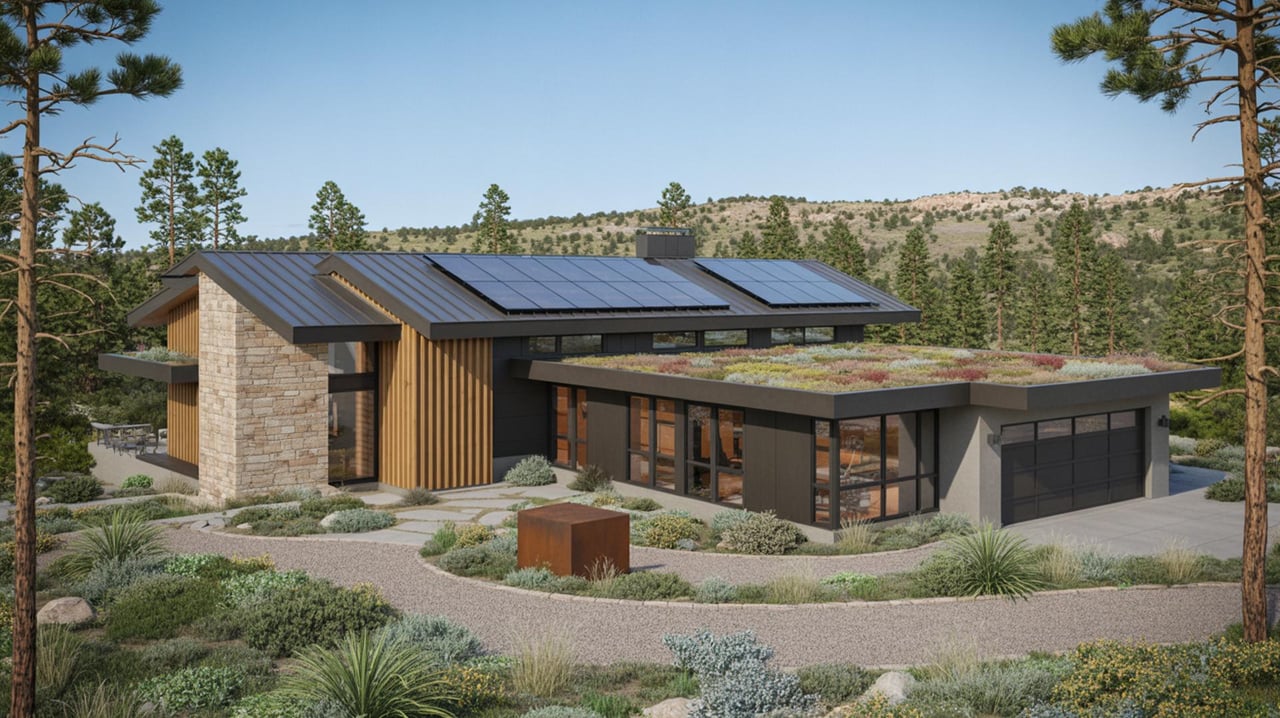
- New construction and rebuilds. Expect modern systems and energy features, plus new-home warranties. These homes can reset local comps and influence nearby pricing.
Where to find trustworthy local data
Build your decisions on official records and current market feeds.
- Market activity and pricing. Use the MLS data available through REcolorado to monitor active, pending, and sold listings.
- Property records and taxes. Confirm ownership history, assessed values, and mill levies with the Boulder County Assessor.
- Recovery, permits, and hazard mapping. Review Boulder County and Town resources for building and post‑fire updates. Start with the county’s Marshall Fire page listed above and coordinate specifics with your agent and the town.
Ready to move with clarity?
You deserve a plan that blends design-forward presentation with hard data. Whether you are prepping a listing or zeroing in on the right neighborhood, we will help you price, position, and negotiate with confidence. To get started, request a current market read or a custom prep plan for your home. Get your personalized home valuation and connect with Emelie S Griffith for a tailored strategy.
FAQs
Is Superior a buyer’s or seller’s market right now?
- It depends on months of supply, days on market, and list-to-sale ratios; check current MLS trends via REcolorado and adjust your strategy accordingly.
How did the Marshall Fire affect pricing and insurance?
- Recovery and rebuilding have influenced local supply, comps, and insurance guidelines; verify parcel details and review official county recovery updates before you buy or sell.
What inspections should buyers prioritize in Superior?
- Plan for a general inspection, radon test, wildfire-hardening and roof review, and drainage or foundation check, plus permit history and flood status where relevant.
What should sellers disclose in Colorado?
- Provide the state Seller’s Property Disclosure, federal lead-based paint disclosure if the home was built before 1978, HOA documents, and any known prior fire, flood, or structural repairs.
How can I verify flood risk for a specific property?
- Look up the address in the FEMA Flood Map Service Center and pair that with local records and inspector recommendations during your due diligence.
Where can I see property taxes and parcel records?
- Search the Boulder County Assessor website for ownership history, assessments, and mill levy details to understand taxes and comparable values.