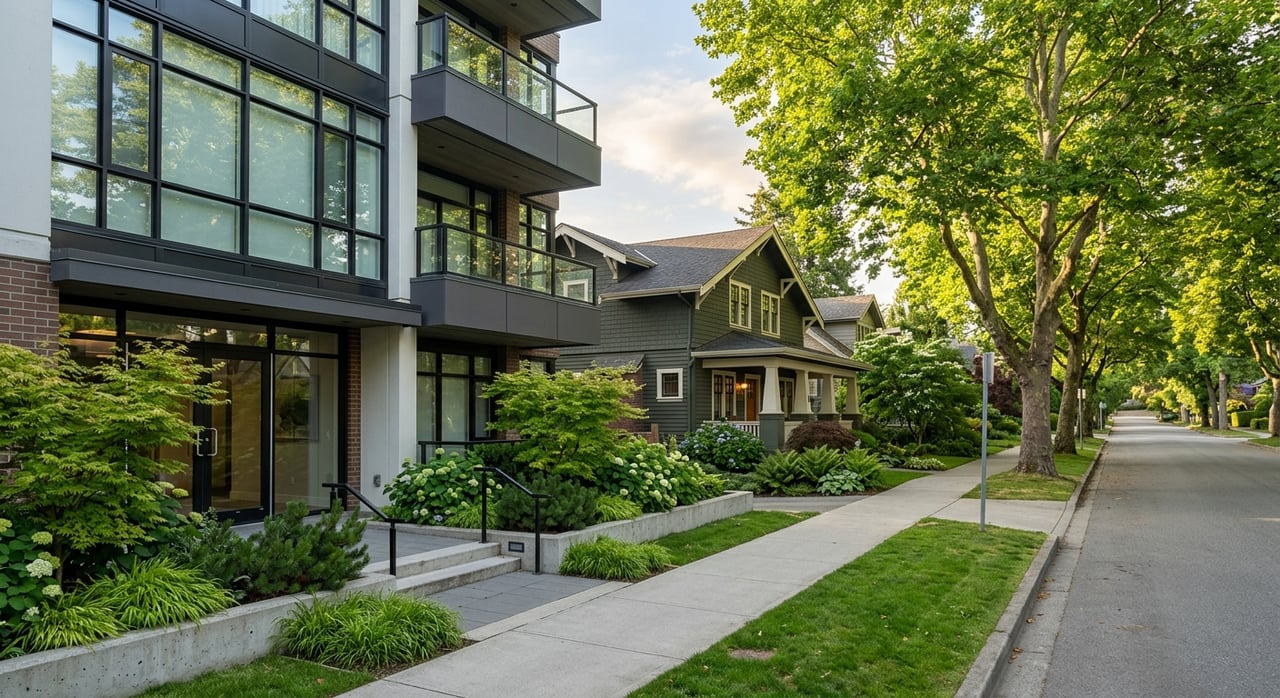
If you are deciding between a single-family home and a condo in Central Boulder, you are really deciding how you want to live day to day. In this part of Boulder, location convenience is often a given, so the real question becomes how much privacy, upkeep, and parking flexibility you want in exchange for being close to downtown, transit, and everyday amenities. This guide will help you compare the tradeoffs in East Central Boulder so you can make a more confident move. Let’s dive in.
Why Central Boulder Feels Different
Central Boulder is not a typical spread-out neighborhood pattern. It includes the city core and nearby inner neighborhoods around Downtown and Pearl Street, plus areas such as University Hill, Whittier, Mapleton Hill, and Goss Grove.
This part of Boulder is shaped by walkability and access. City planning materials describe it as a compact, amenity-rich subcommunity, with 17 parks and one pedestrian mall, and the Central Boulder factsheet reports that 84% of the subcommunity is within a quarter mile of transit.
That context matters when you compare housing types. In many markets, buyers choose between a house and a condo based on commute distance or neighborhood convenience. In Central Boulder, both options can place you close to restaurants, services, parks, transit, and daily errands.
Walkability Changes the Decision
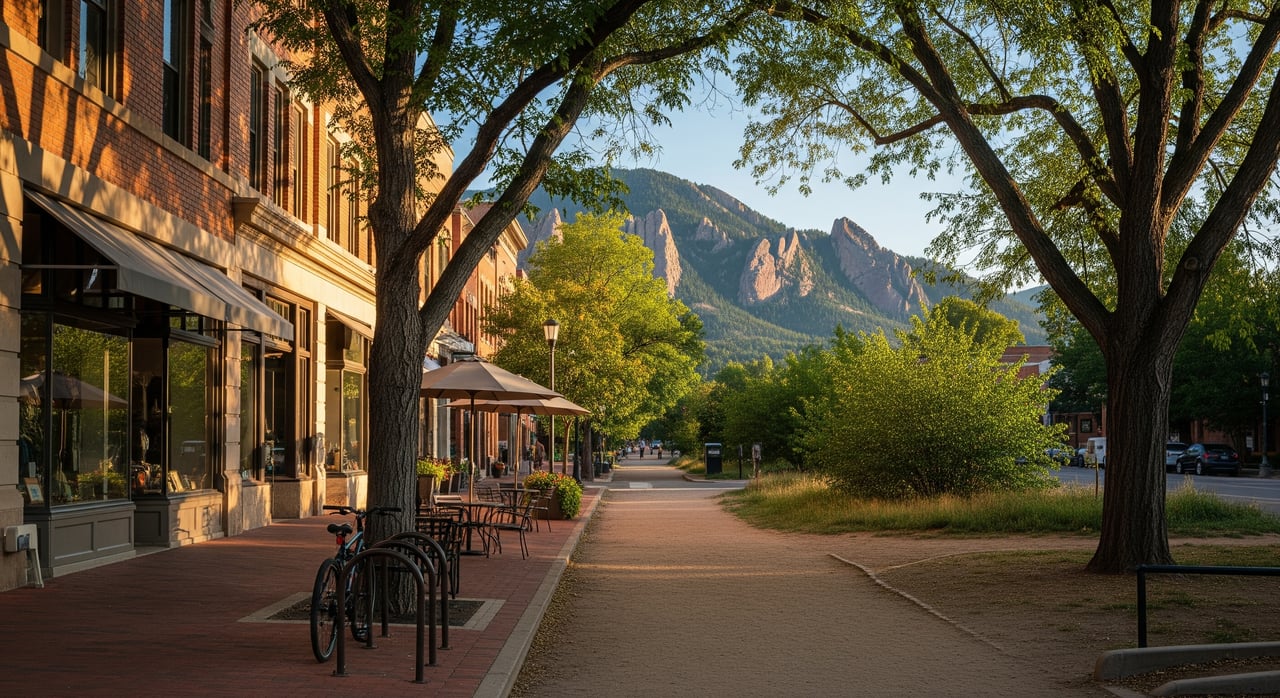
One of the biggest lifestyle advantages in Central Boulder is how easy it can be to get around without relying on your car for every trip. Pearl Street Mall is a four-block pedestrian destination where cars have been prohibited since 1977, and the broader downtown area includes shops, restaurants, entertainment, services, parking garages, parking lots, and on-street pay parking.
Transit also supports a car-light lifestyle. The HOP bus runs every 12 minutes on weekdays during the day, every 15 minutes on Saturdays during the day, and every 23 minutes on Sundays and holidays.
For many buyers, this means a condo or townhome can feel especially practical in Central Boulder. If your priority is being able to walk, bike, or use transit for much of your routine, attached housing may align well with how the area already functions.
Parking Is a Real Consideration
Central Boulder parking is more managed than in many outer neighborhoods. The city's Neighborhood Parking Program includes central areas such as Goss Grove, Mapleton, University Hill, Whittier, and West Pearl, each with specific permit rules and enforcement hours.
That does not make a single-family home the automatic winner, but it does make parking part of the decision. If you want more control over where you park and how often you think about permits or regulated street parking, a detached home may offer advantages depending on the property.
Single-Family Homes in Central Boulder
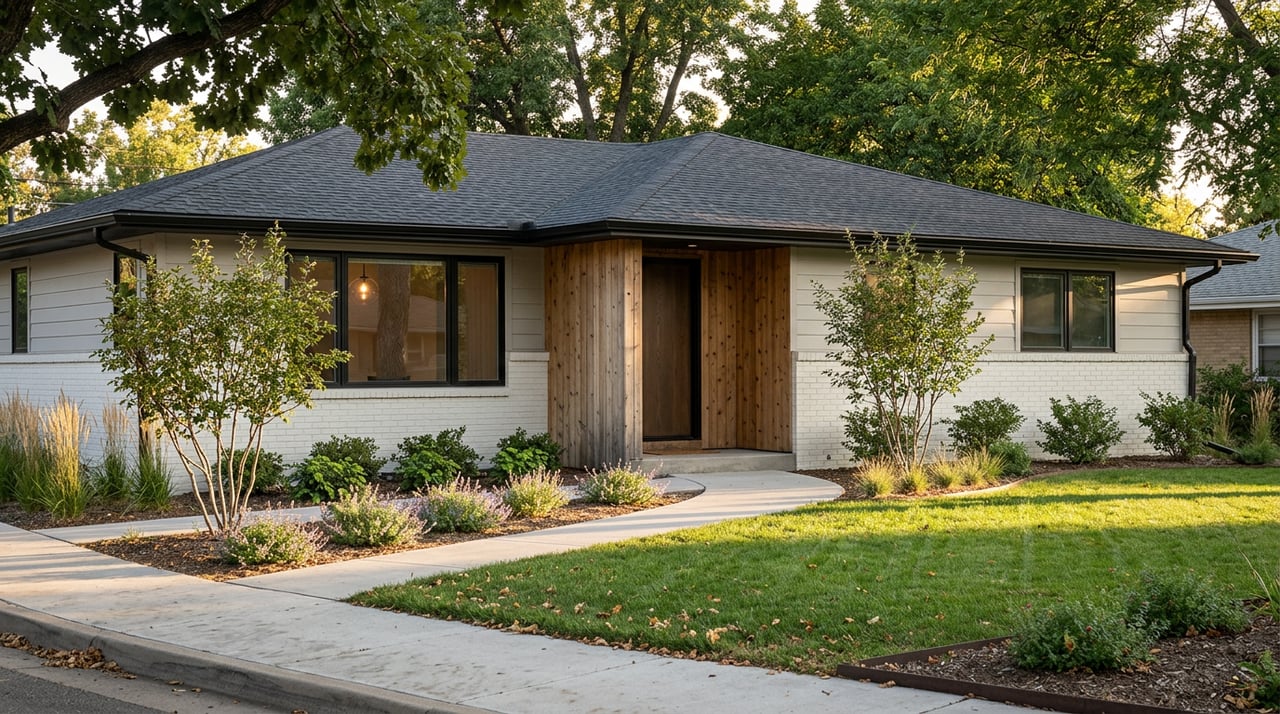
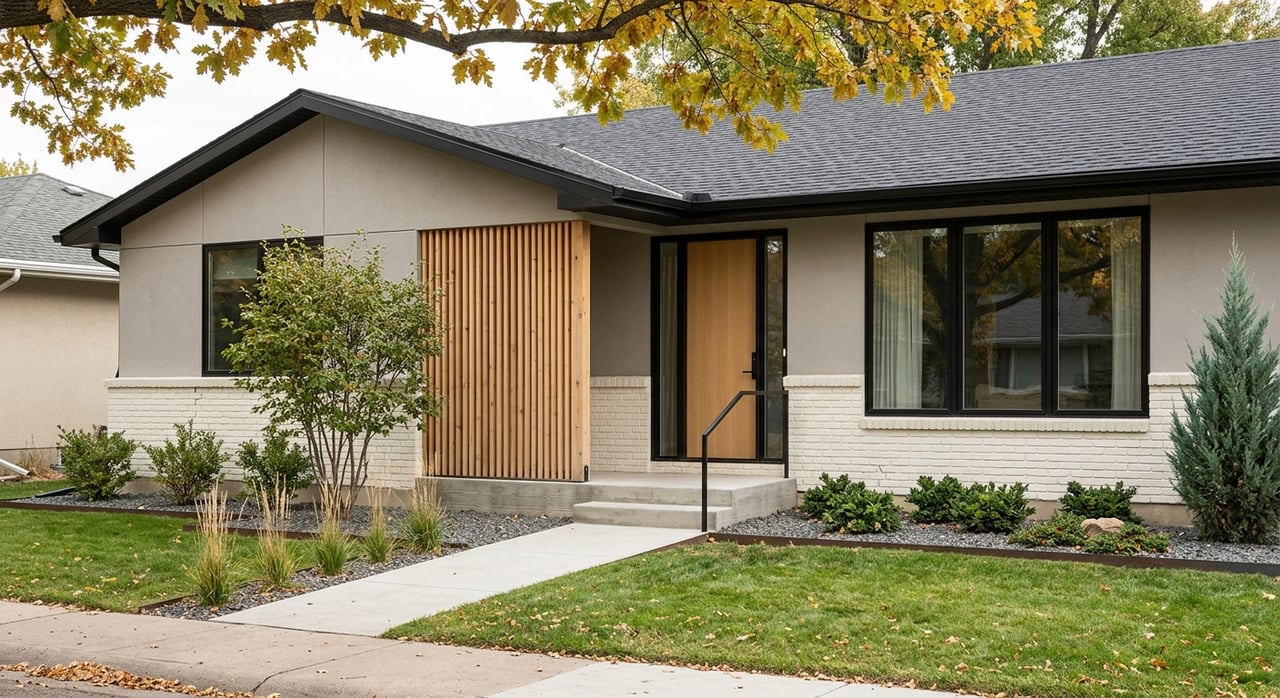
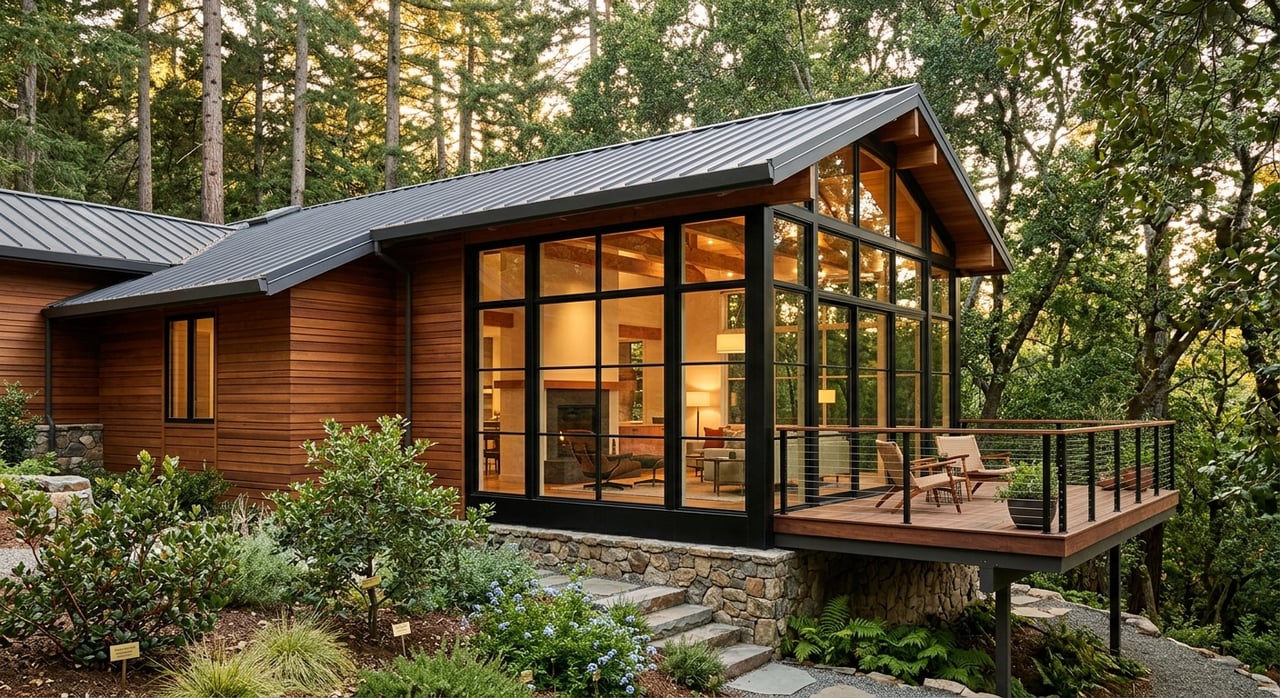
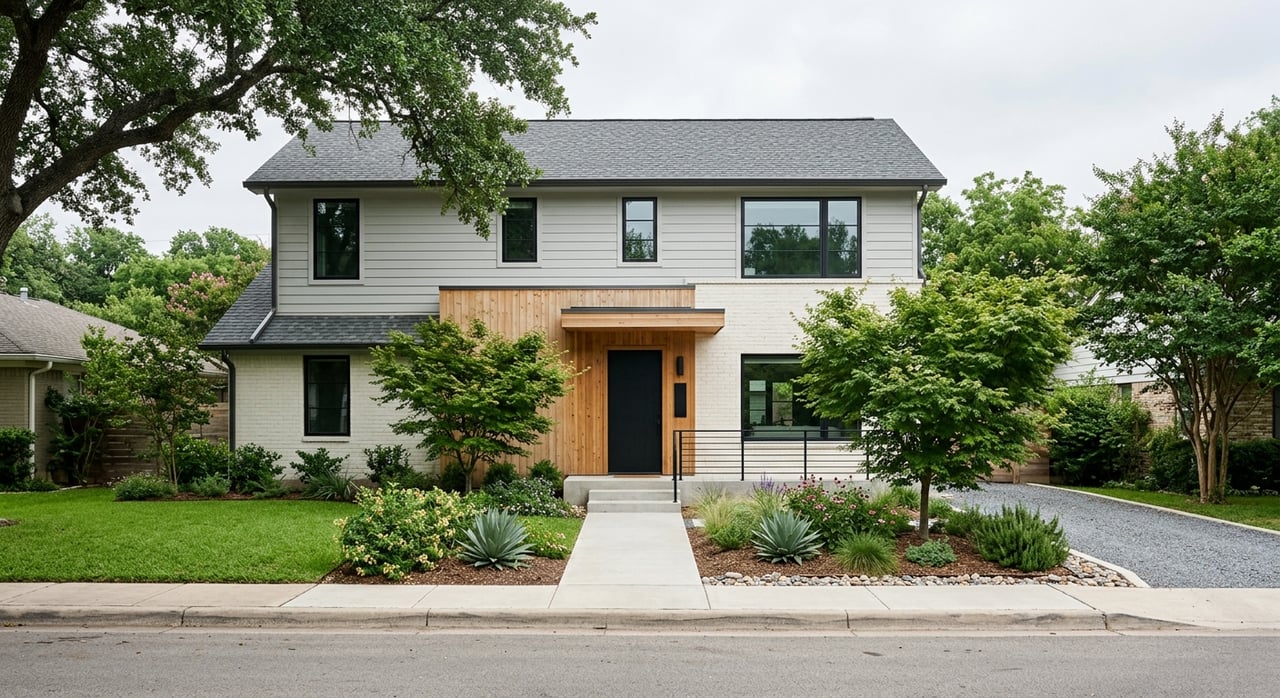
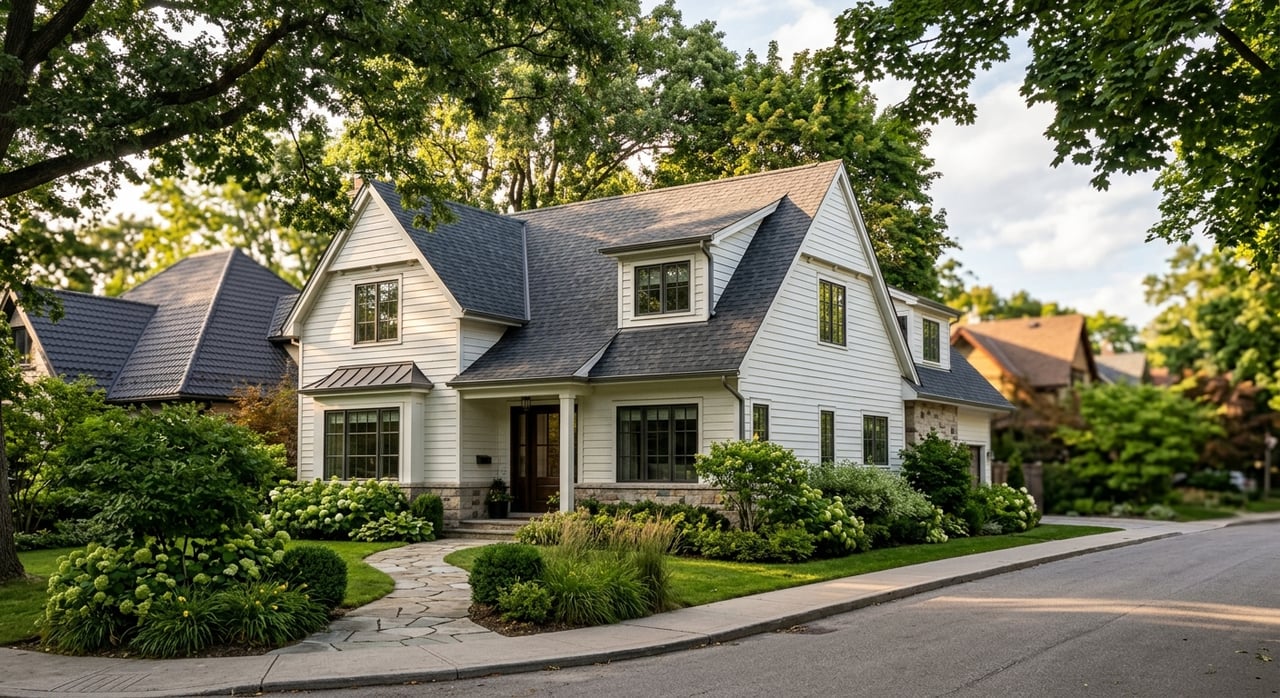
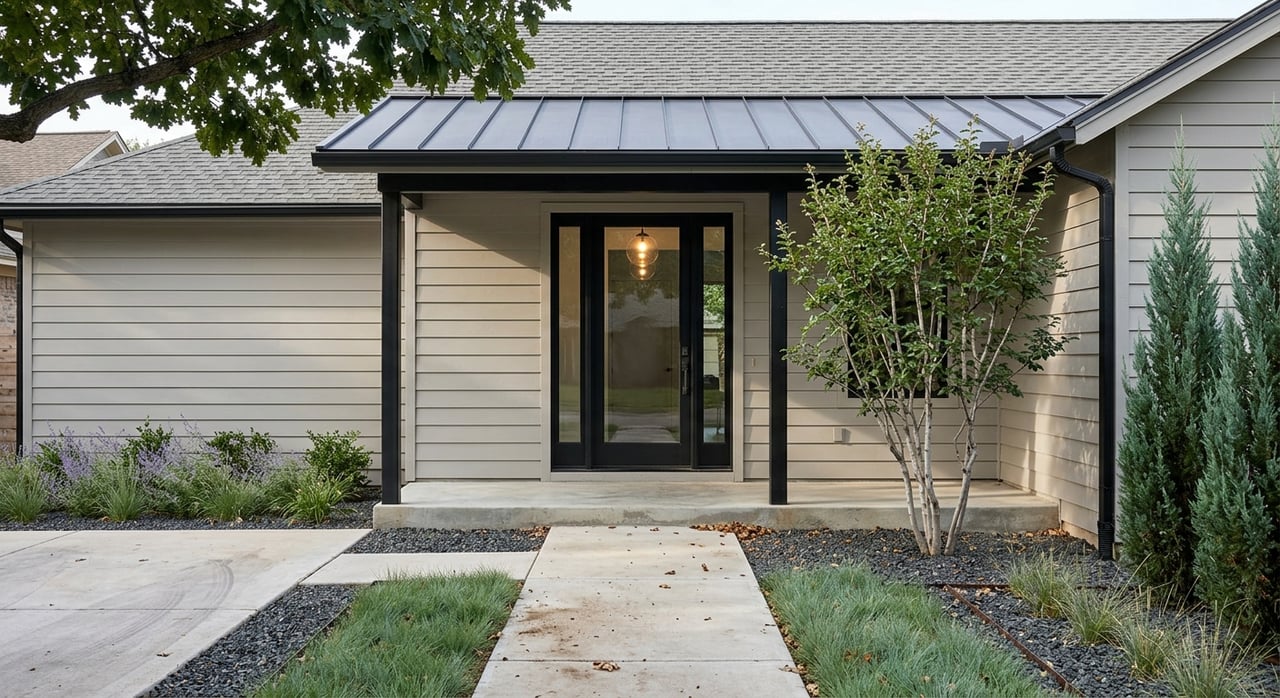
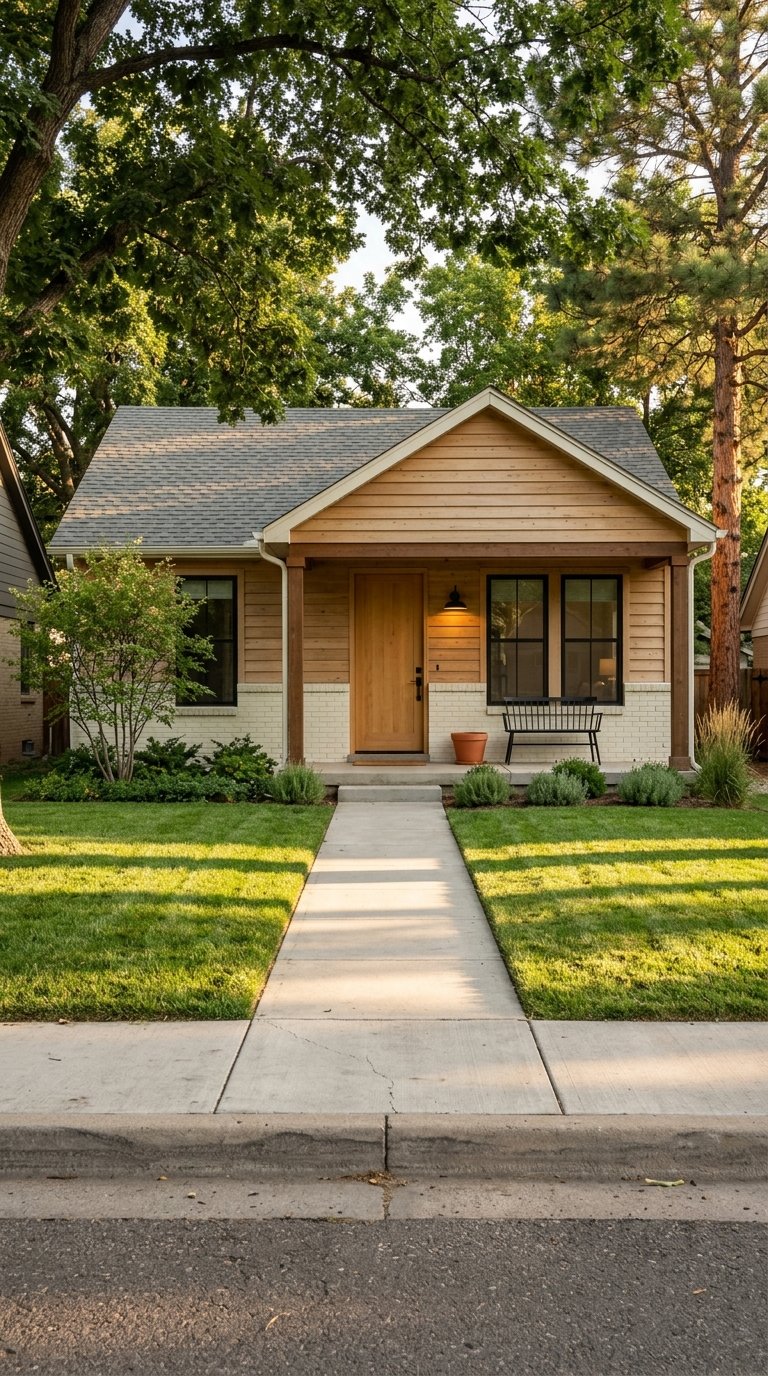
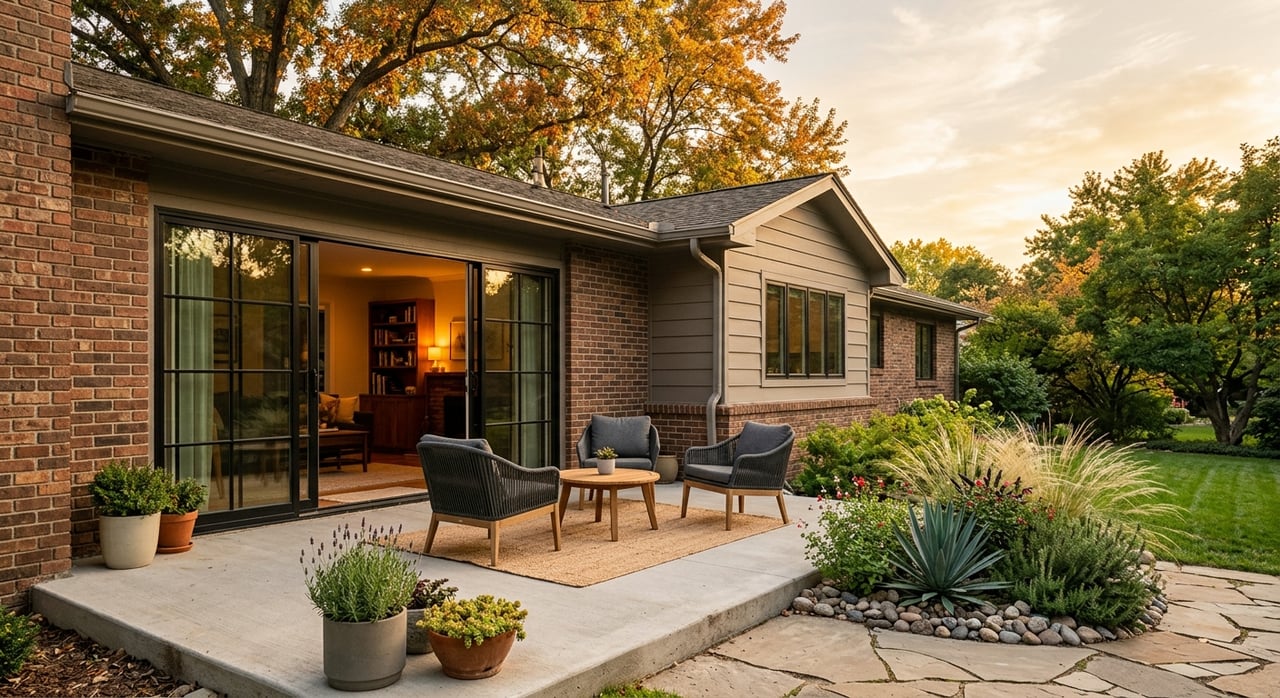
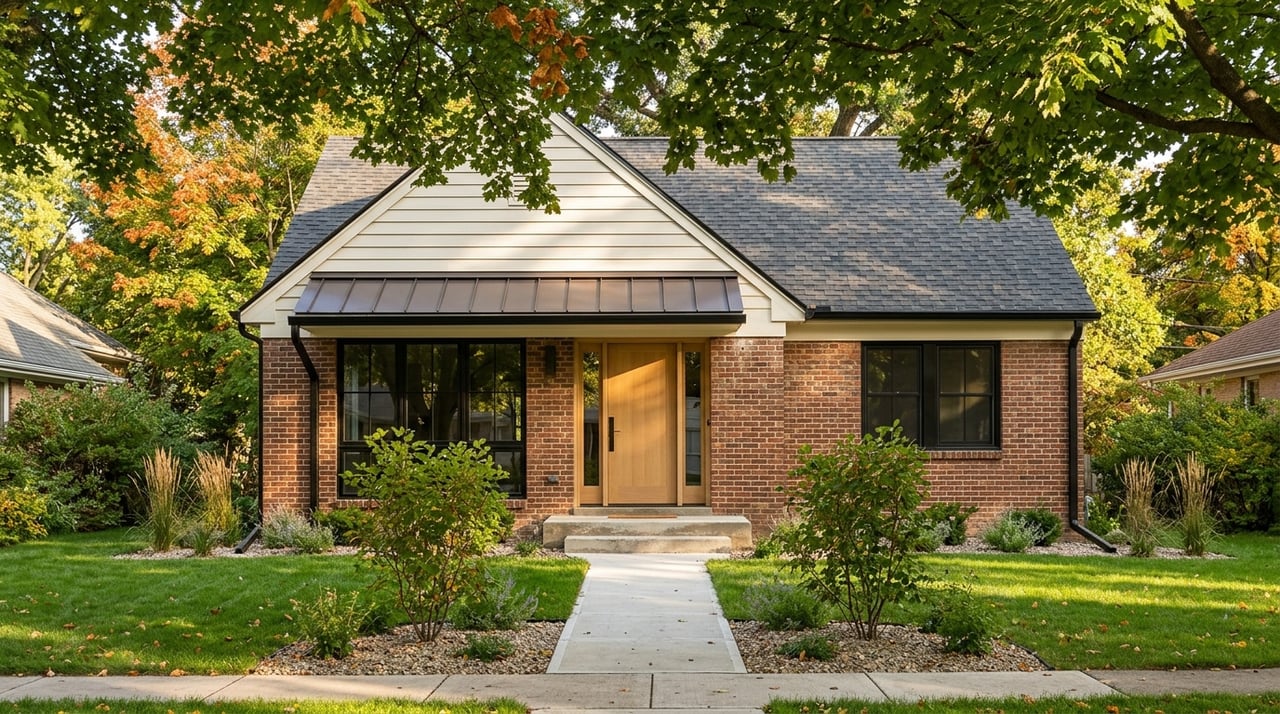
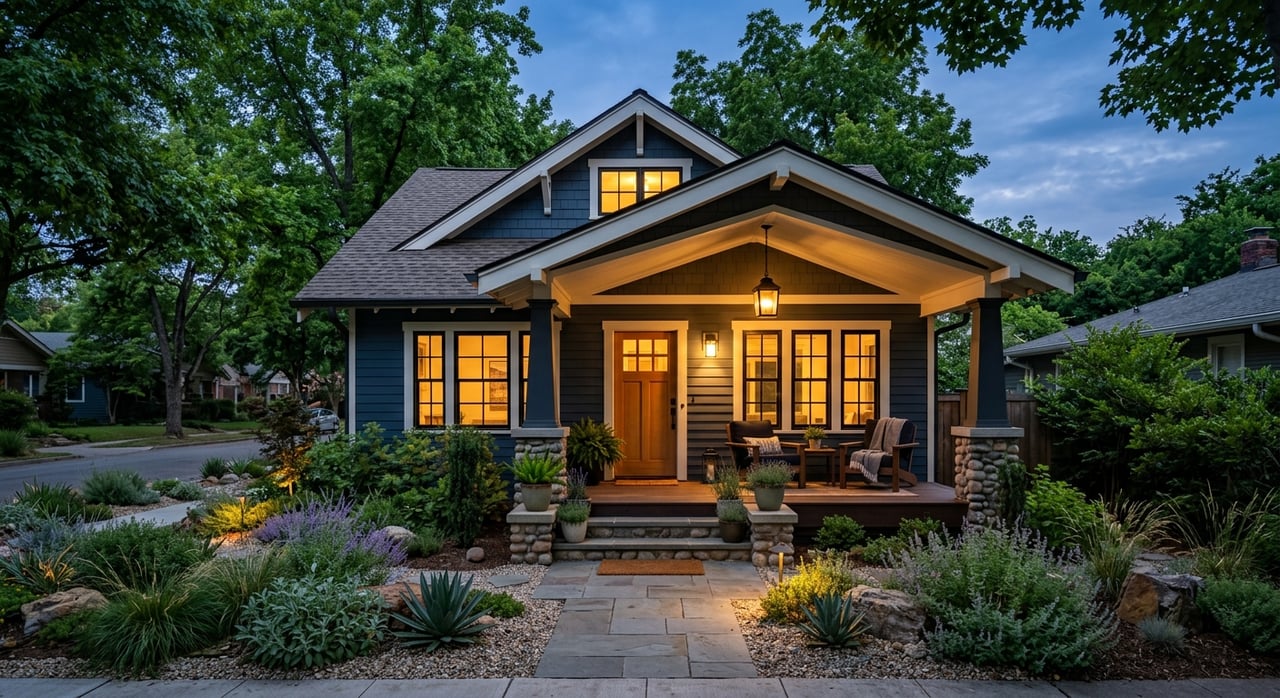
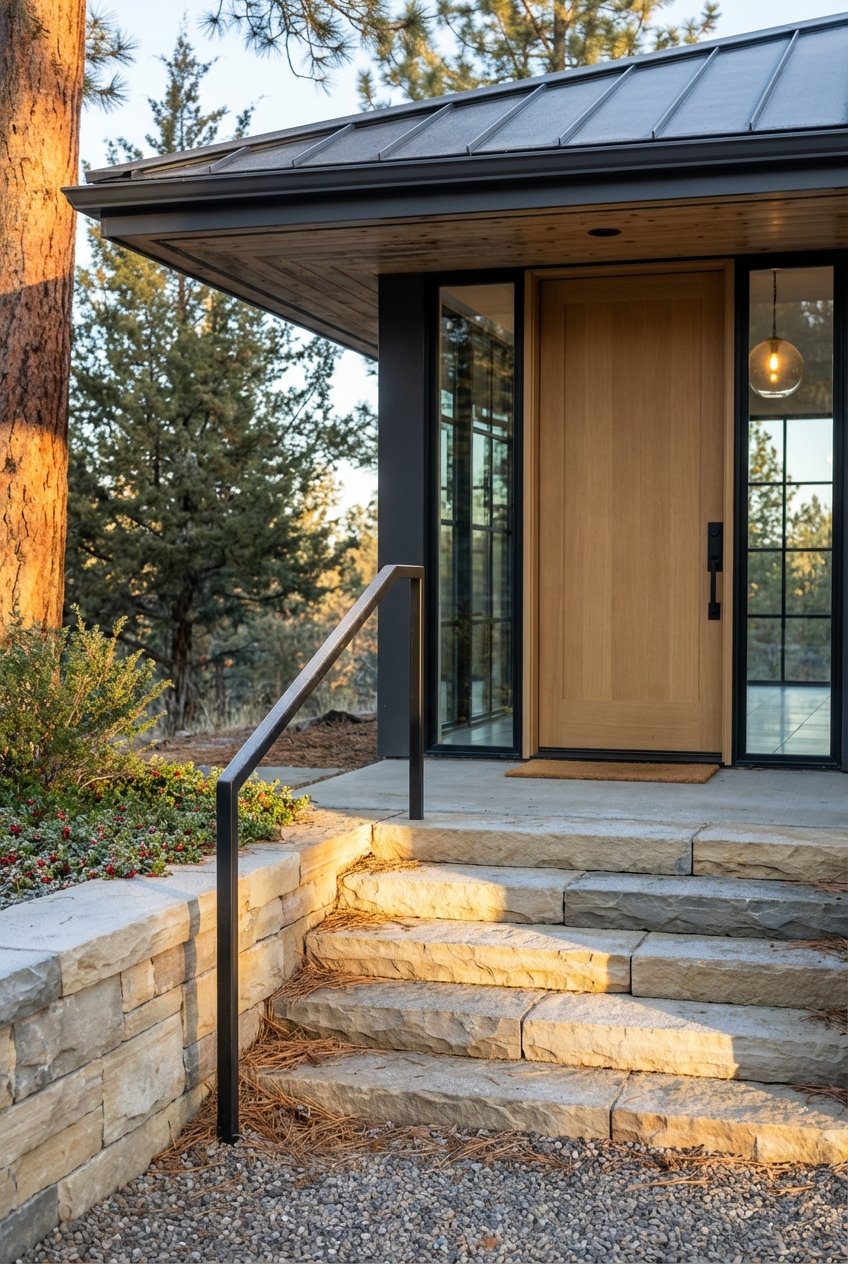
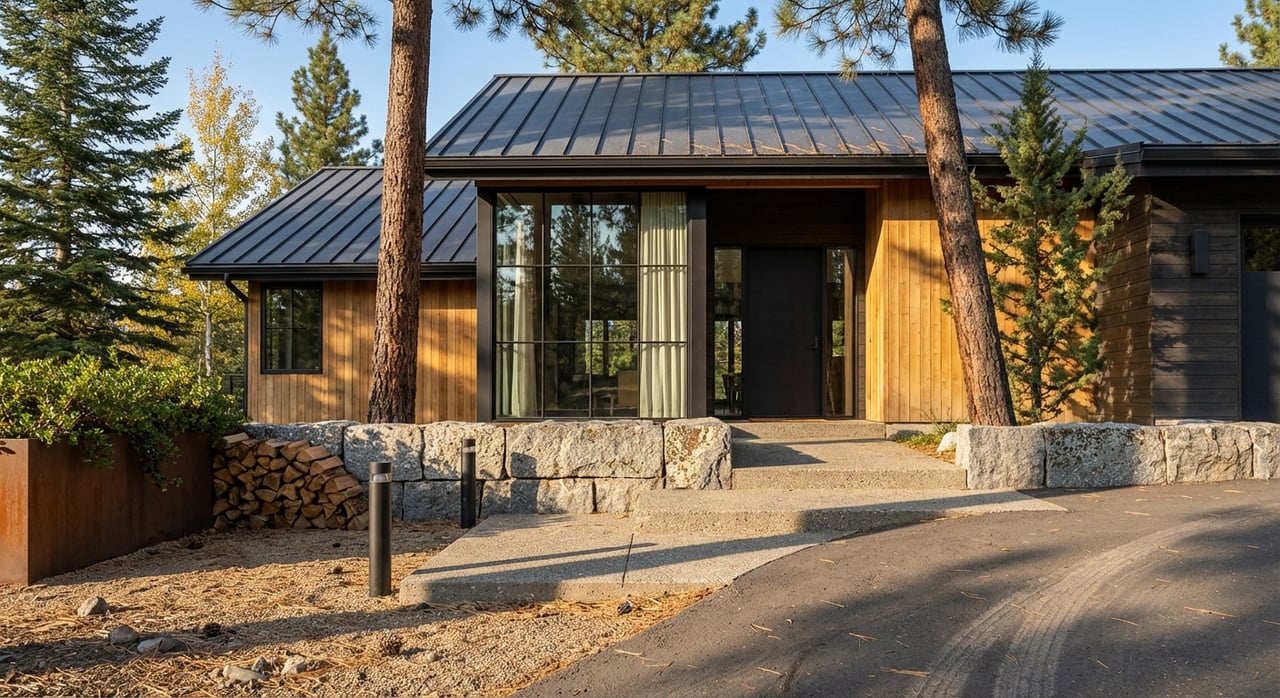
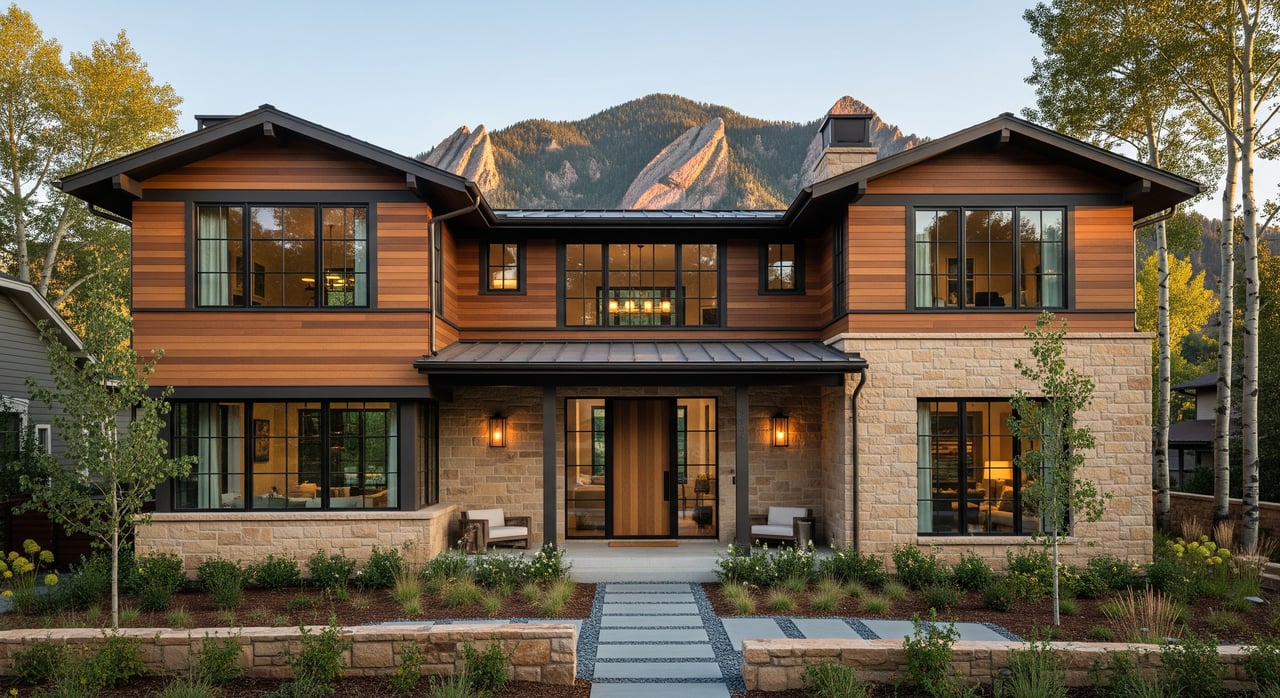
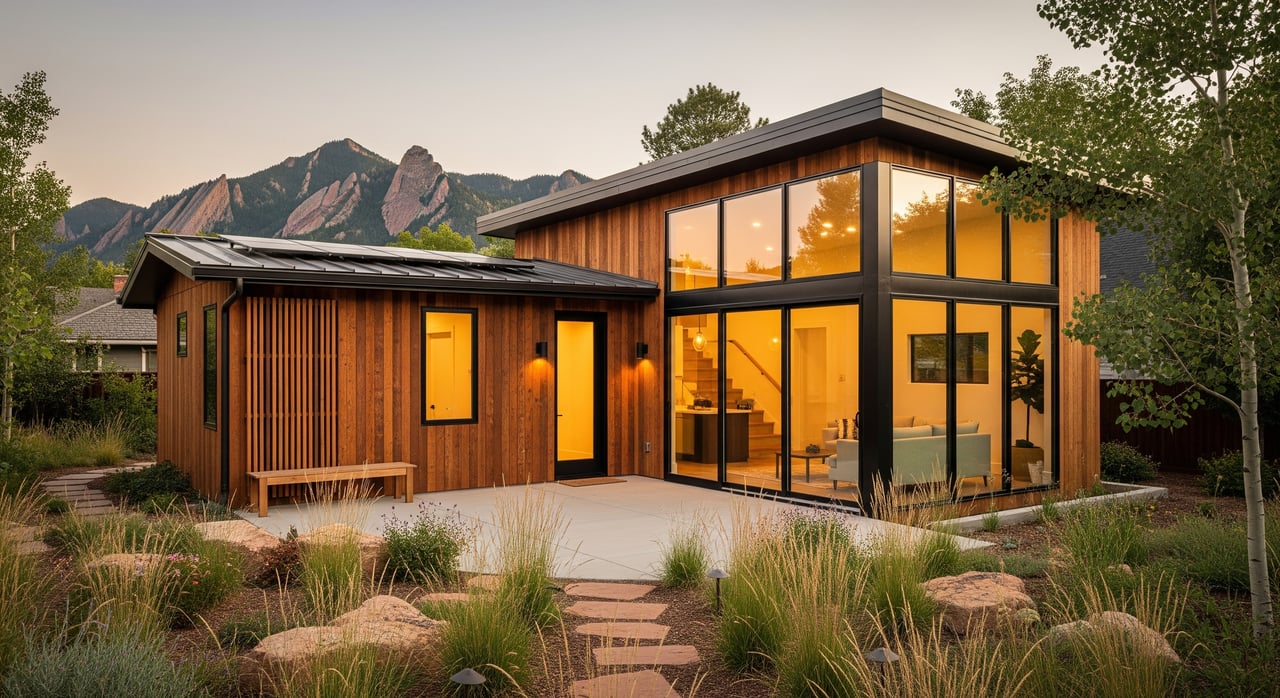
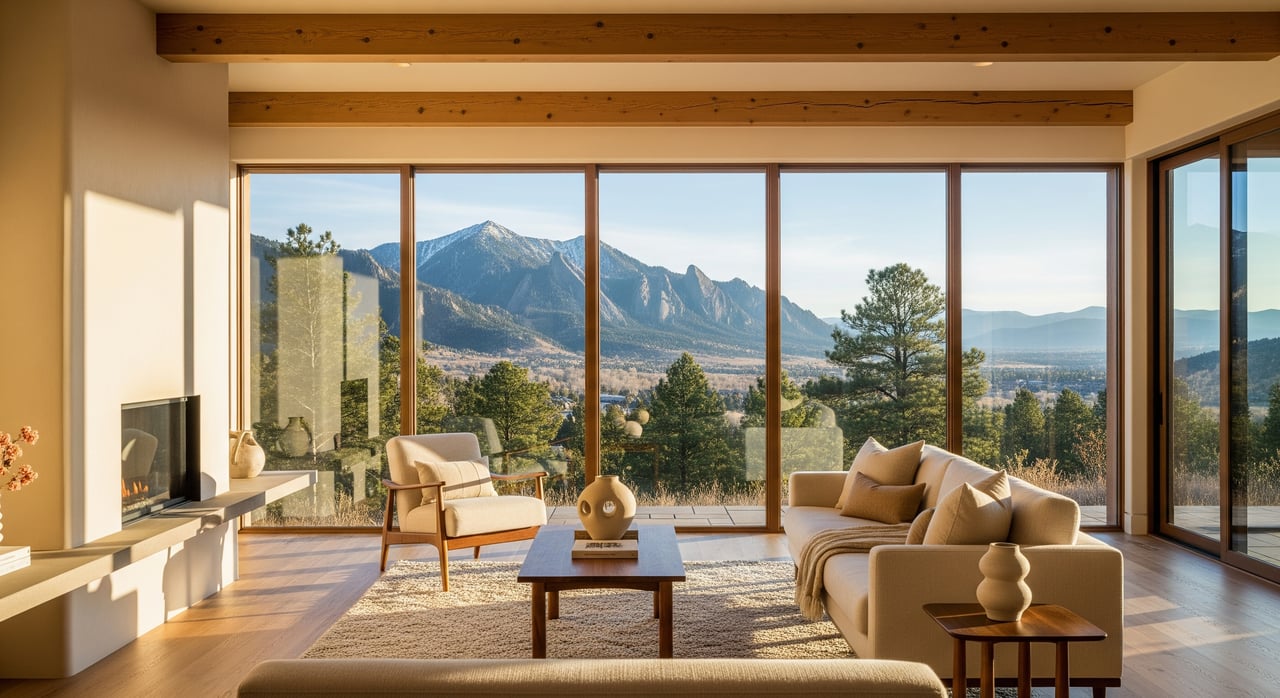
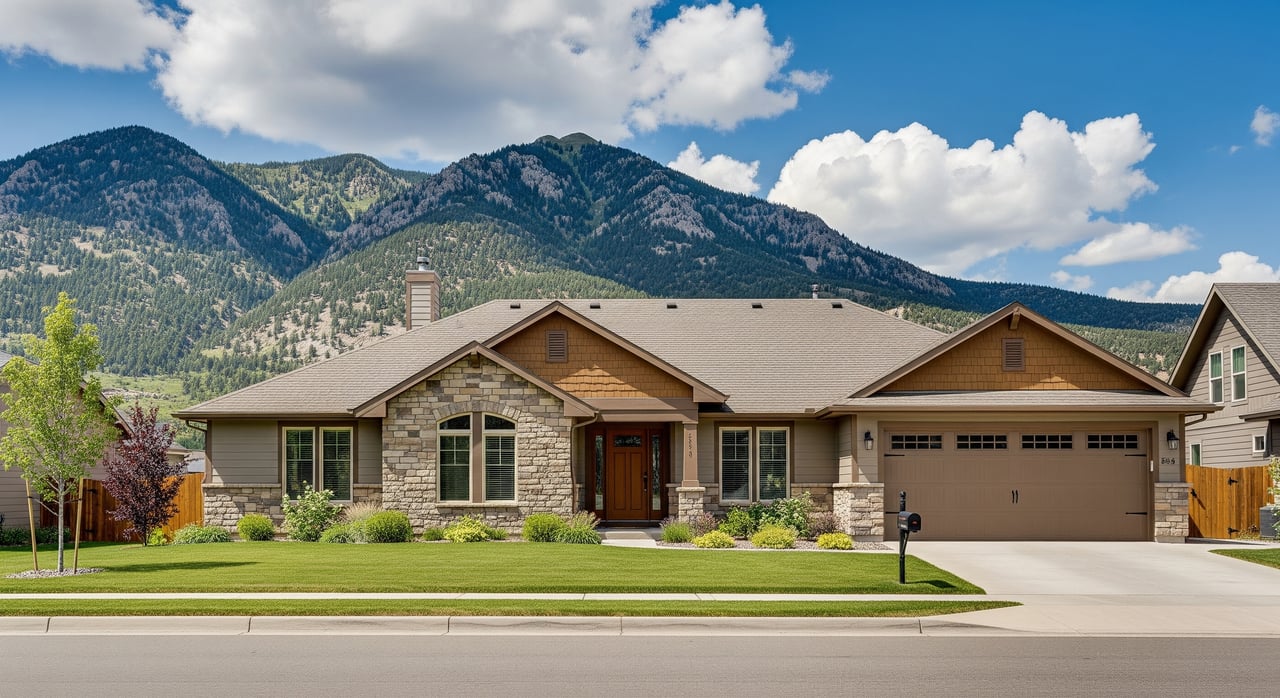
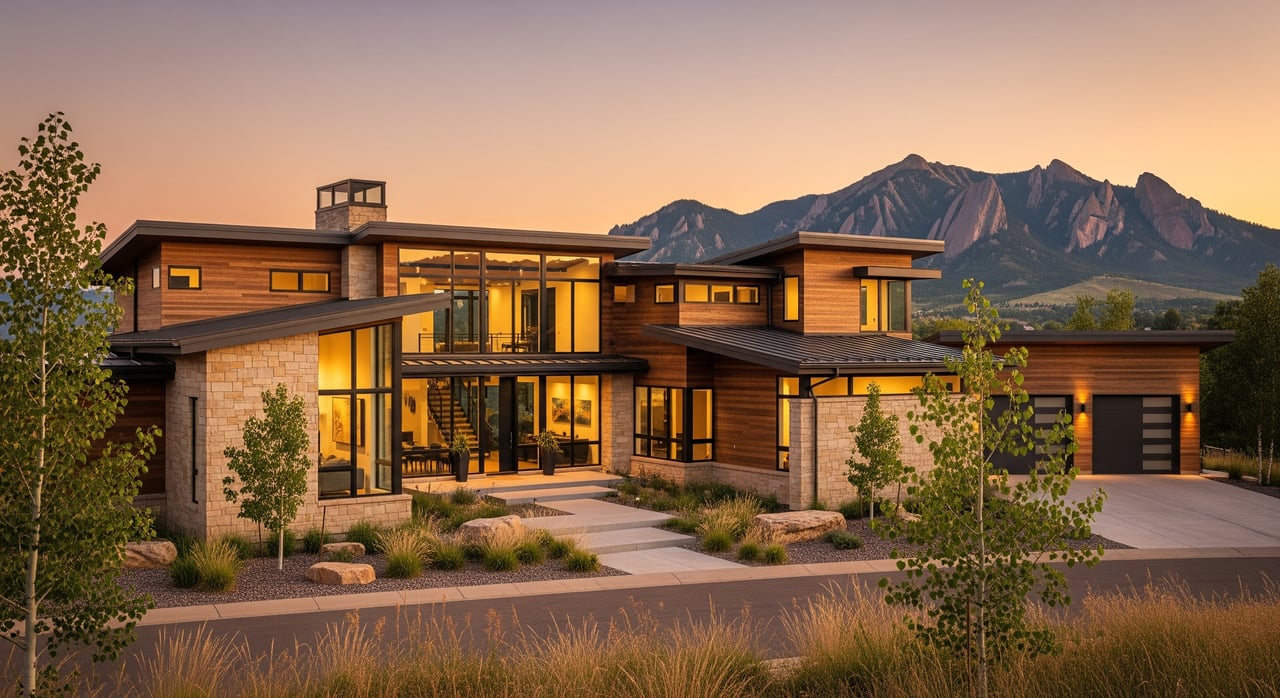
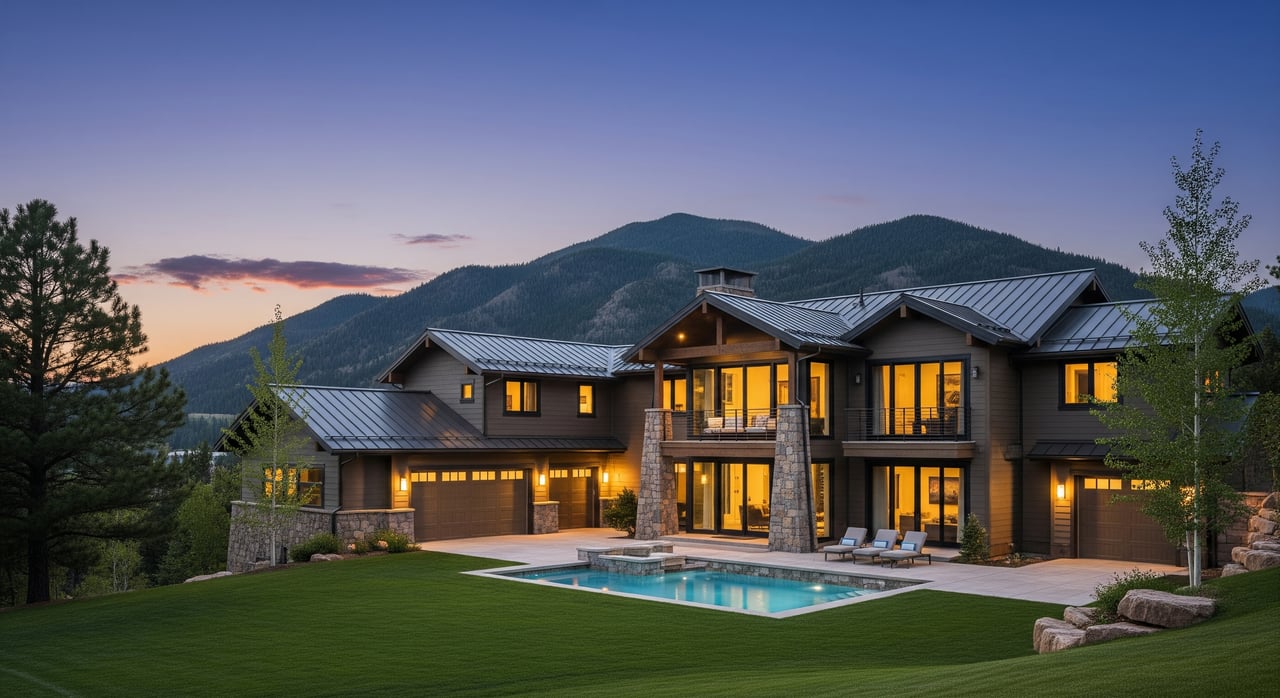
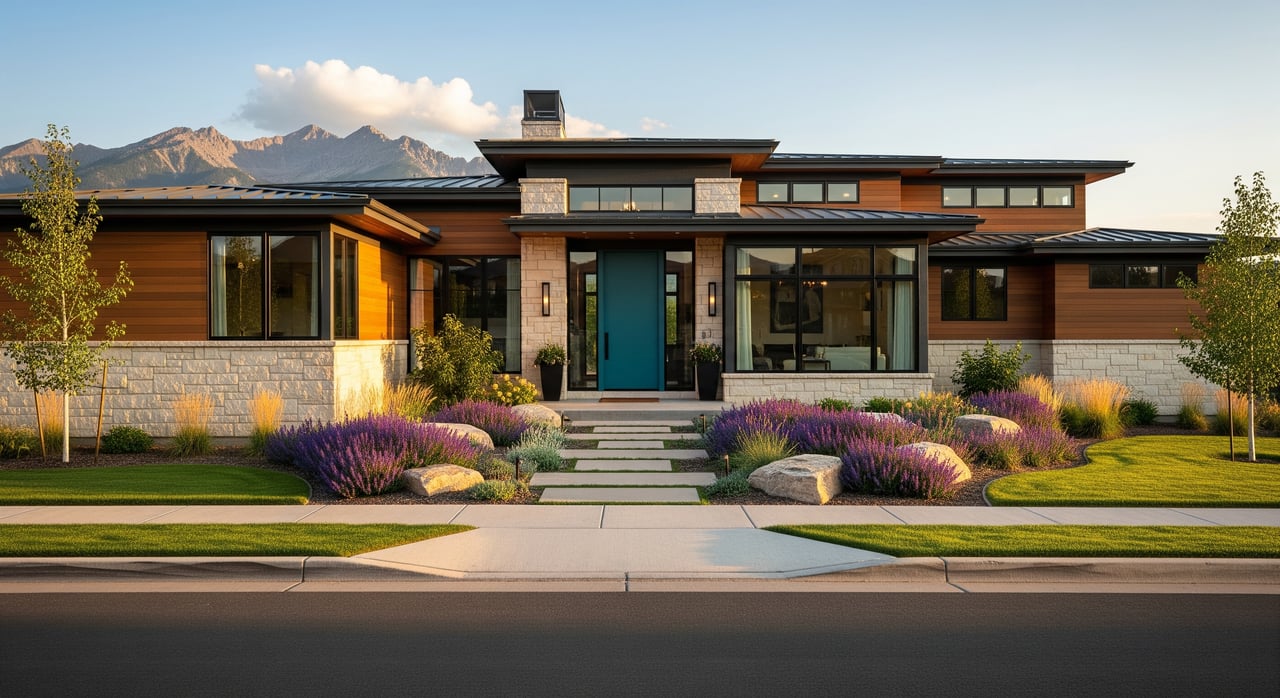
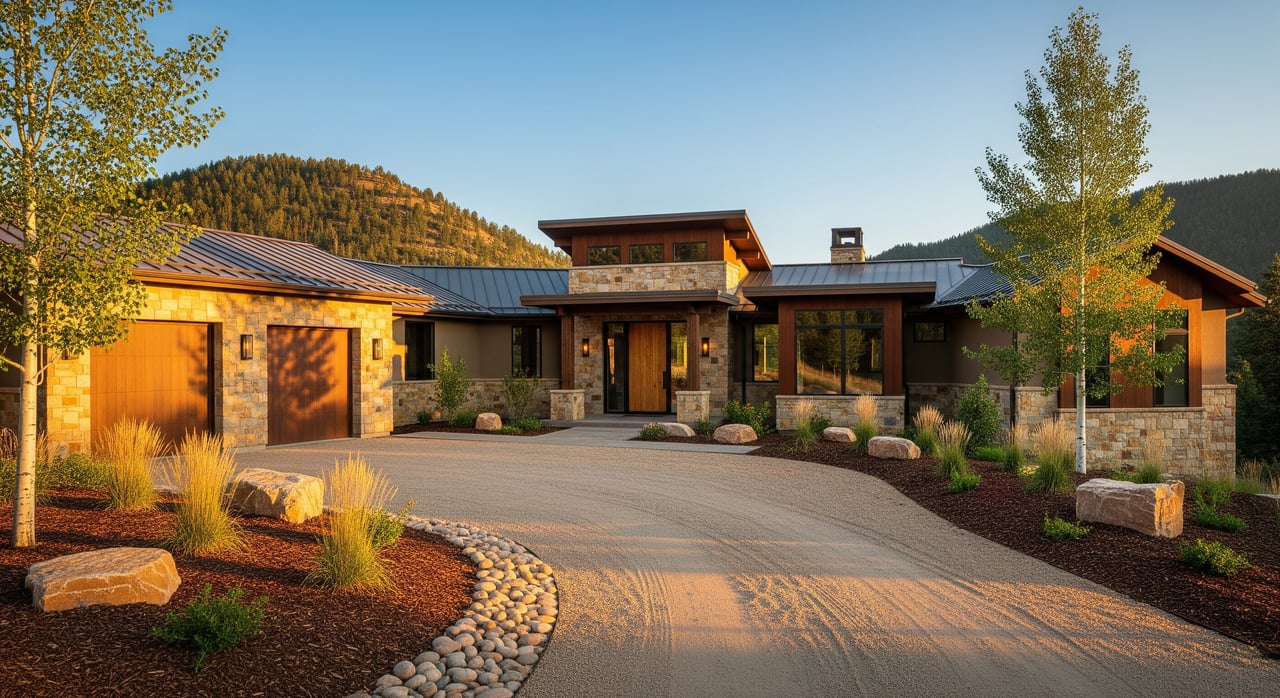
A single-family home usually offers more separation from neighbors and more direct control over the property. If you value private outdoor space, a yard or patio, or simply a bit more breathing room, that can be a meaningful benefit in a compact part of the city.
Detached homes also tend to give you more autonomy over day-to-day decisions. You are not typically working within the same shared-building structure as a condo association, and that can appeal to buyers who want fewer community rules tied to the property itself.
The tradeoff is maintenance. Exterior upkeep, repairs, and ongoing care generally fall more directly on you as the owner.
When a House May Fit You Better
A single-family home may be the better choice if you are looking for:
- More privacy
- More private outdoor space
- More direct control over upkeep and property decisions
- Potentially better parking autonomy, depending on the home
- A housing style that feels less shared and more self-directed
In Central Boulder, these benefits can come at a premium. Detached homes in the core can also command higher prices when they include rare parking, updated interiors, or historic charm.
Condos and Townhomes in Central Boulder
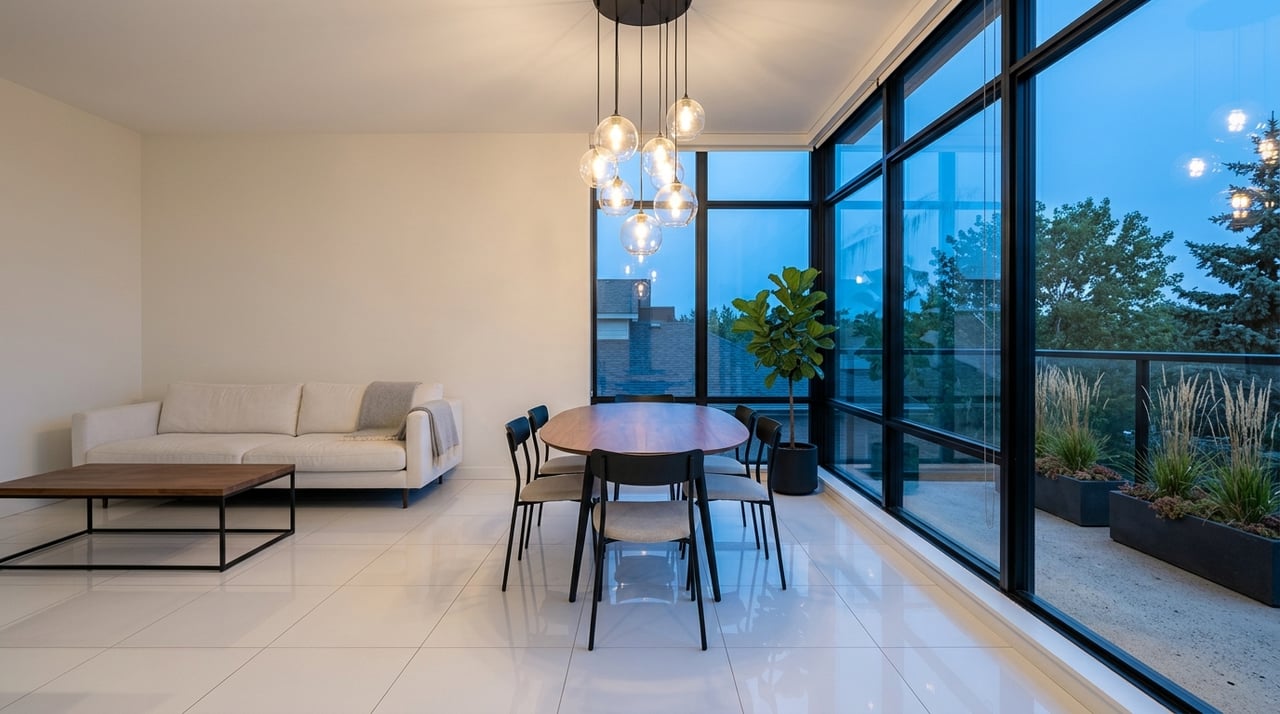
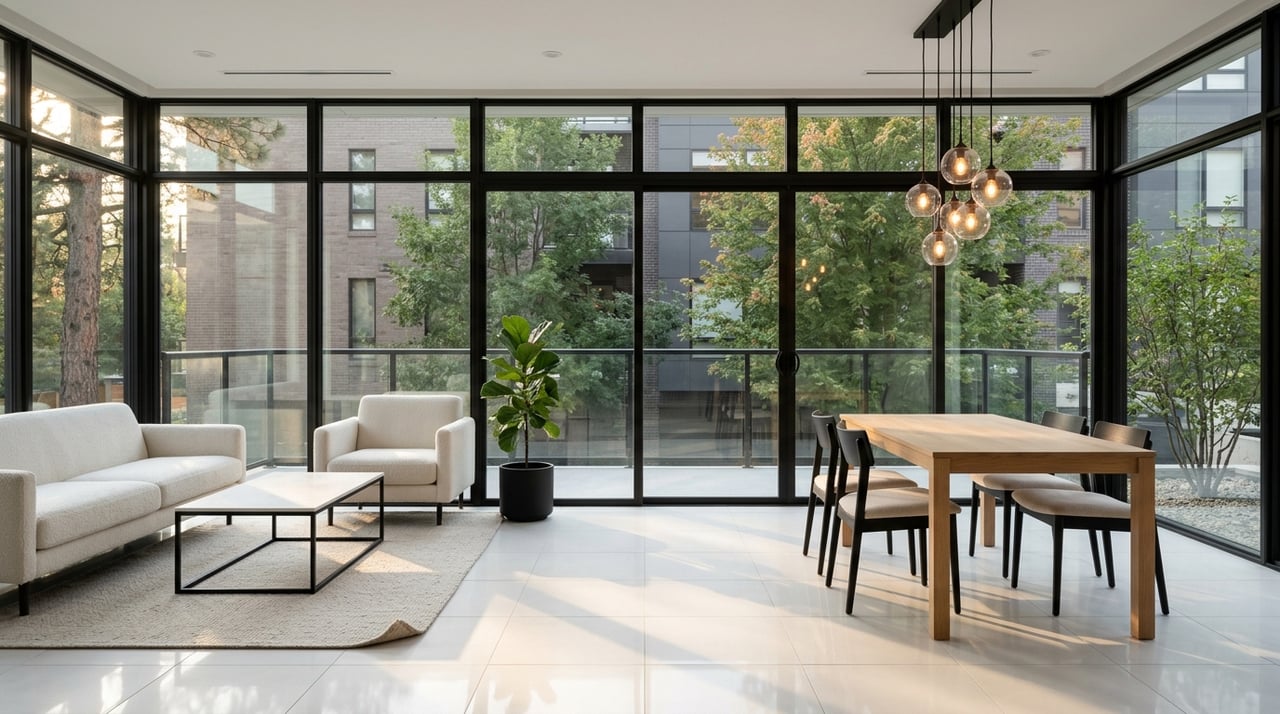
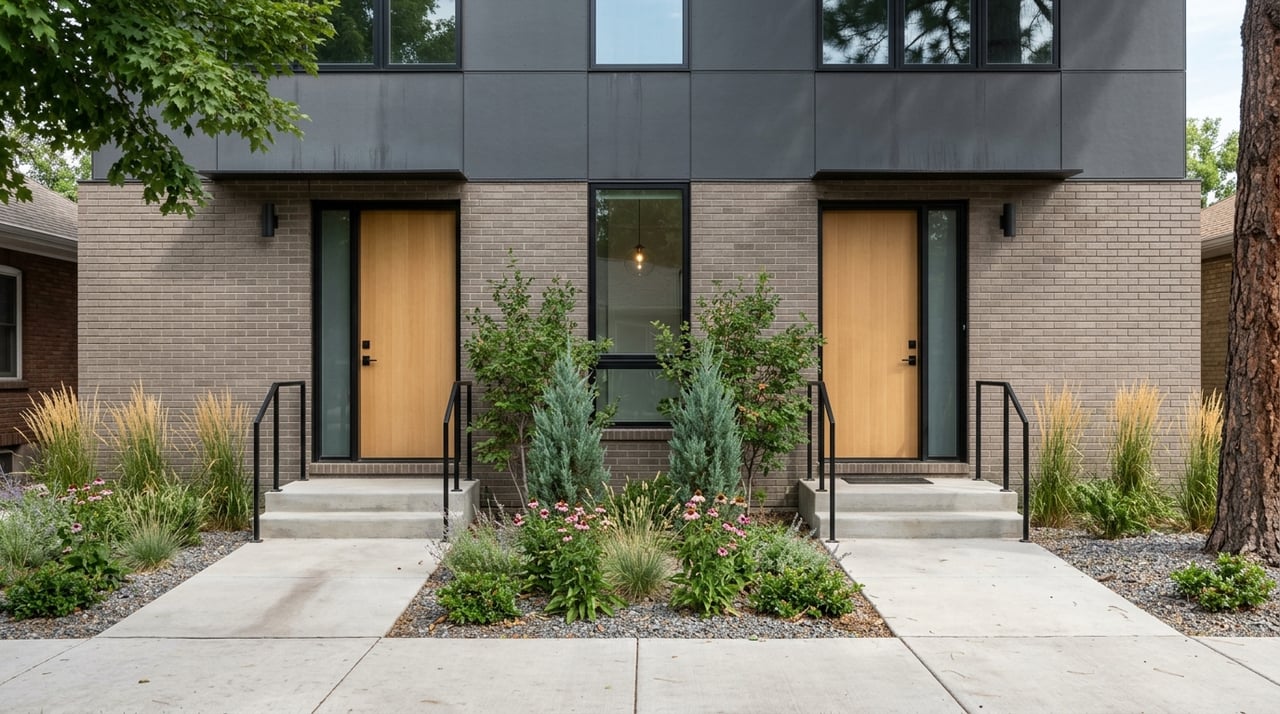
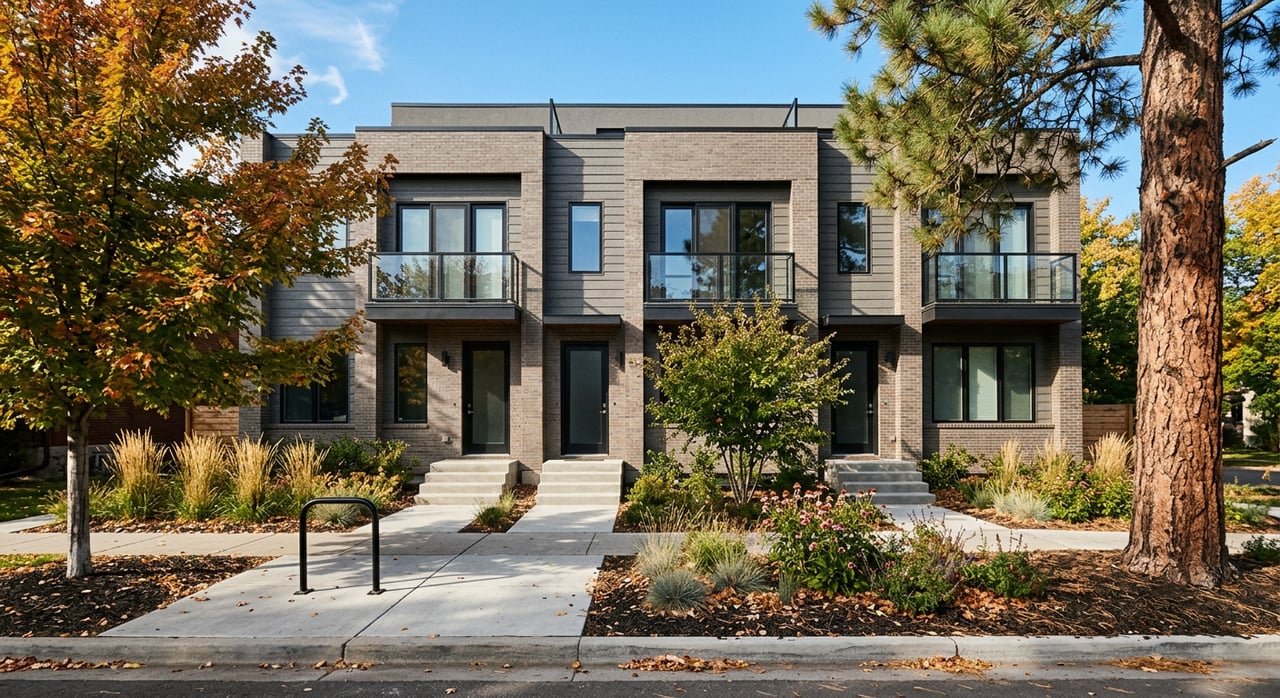
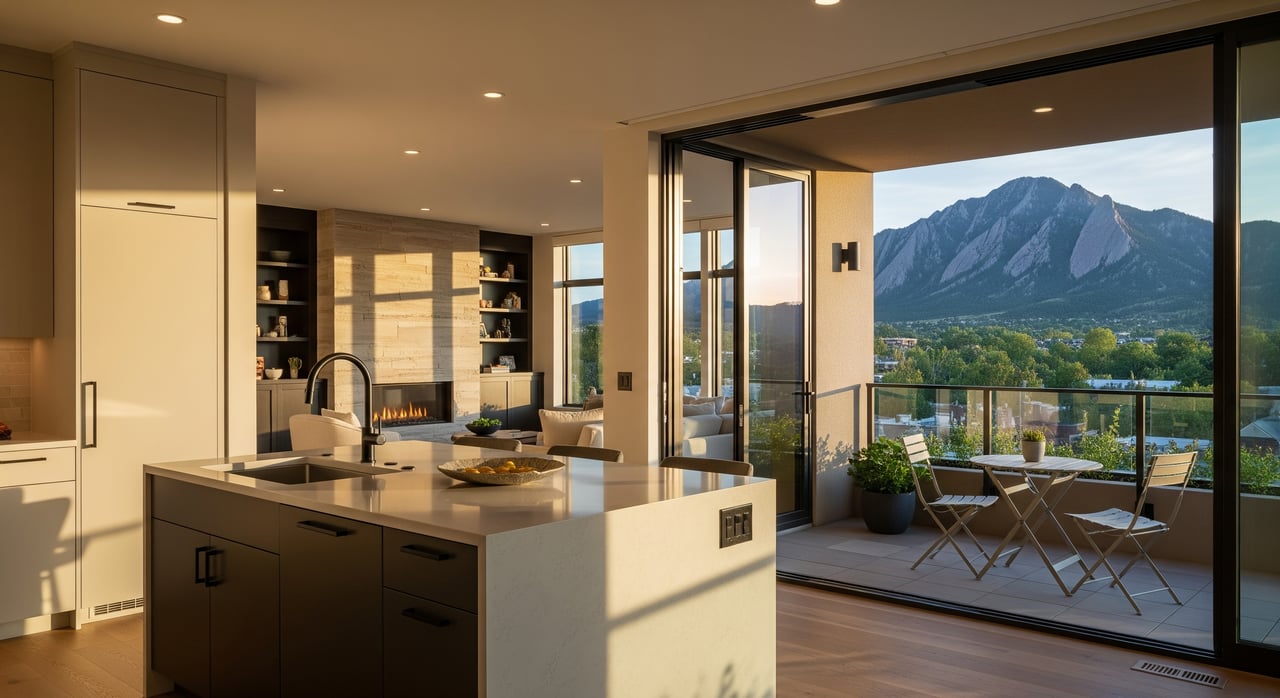
Condos and townhome-style properties often appeal to buyers who want a lower entry price and less day-to-day exterior maintenance. In a location where so much is already close by, that combination can be compelling.
Colorado's Common Interest Ownership Act treats condos, townhouse-style common-interest communities, and many attached communities as association-governed properties. In general, the association is responsible for maintenance, repair, and replacement of common elements, while each owner is responsible for the unit itself.
That setup can simplify some aspects of ownership. Shared-area upkeep is handled through the association, which may help if you prefer a more streamlined ownership experience.
The HOA Tradeoff
The convenience of attached housing comes with structure. Regular assessments can fund maintenance, landscaping, insurance, legal fees, registration fees, and other operating costs, and special assessments can be used for major repairs or replacement of common elements.
That means a condo is not just about the purchase price. You also need to be comfortable with monthly dues, community rules, and the possibility of added costs if major shared repairs arise.
When a Condo May Fit You Better
A condo or townhome may be the better choice if you are looking for:
- A lower entry point compared with many detached homes
- Less exterior maintenance day to day
- Strong walkability and transit access
- A home base that supports a car-light lifestyle
- A location-first purchase strategy
In Central Boulder, that location-first mindset is common. Buyers often decide that being close to downtown activity, transit, and amenities matters more than having the extra space or separation that a detached home may provide.
The Price Gap Is Significant
Boulder's March 2026 year-to-date market report shows a wide citywide gap between property types. The median sales price was $1,299,950 for single-family homes and $520,000 for townhouse and condo properties.
That is a difference of $770,000. Put another way, the attached median was about 40.3% of the detached median citywide.
For your Central Boulder search, it helps to treat that number as a baseline, not a precise quote for every block or building. In the city core, actual pricing can vary based on location, condition, parking, views, building age, and historic status.
Why Central Boulder Prices Vary So Much
Central Boulder includes historic districts and downtown-adjacent areas with distinct character. City materials identify Pearl Street Mall and Mapleton Hill as historic districts, and some older central blocks may be subject to design review for exterior changes that affect historic character.
That can influence value in different ways. A well-located condo may command a stronger price because of convenience, while a detached home may earn a premium for parking, updates, or architectural appeal.
A Simple Decision Framework
If you feel stuck between the two, try narrowing the choice to the lifestyle tradeoffs that matter most to you. In Central Boulder, the decision is often less about access to amenities and more about what you want to trade for that access.
Ask yourself these questions:
- Do you want more privacy or more convenience?
- Would you rather handle your own maintenance or share it through an HOA structure?
- How important is private outdoor space?
- How often will you use a car, and how important is parking flexibility?
- Is a lower purchase price more important than having more autonomy over the property?
Your answers usually point to the right property type faster than a broad online search ever will.
What Buyers Often Miss
Many buyers focus first on bedroom count or square footage. In Central Boulder, those matter, but the better long-term question is how the property supports your routine.
A condo may be the smarter choice if you want to step outside and be close to the pedestrian core, transit, and daily amenities with less exterior responsibility. A single-family home may be the smarter choice if you want more control, more separation, and space that feels more distinctly your own.
Neither option is universally better. The right answer depends on how you want to balance price, privacy, upkeep, and the benefits of living in one of Boulder's most connected areas.
If you want help weighing specific buildings, blocks, parking realities, or the price spread between attached and detached options in East Central Boulder, Emelie S Griffith can help you compare the details and make a move with clarity.
FAQs
What is the main difference between a Central Boulder single-family home and condo?
- In Central Boulder, the main difference is usually not access to amenities but how much privacy, maintenance responsibility, and parking autonomy you want in exchange for a walkable, convenient location.
How does parking work in Central Boulder neighborhoods?
- Parking is more regulated in central neighborhoods such as Goss Grove, Mapleton, University Hill, Whittier, and West Pearl, with permit rules and enforcement hours set by the city's Neighborhood Parking Program.
Are condos in Central Boulder easier to maintain than houses?
- Often, yes. In association-governed properties, the association is generally responsible for common elements, while you are responsible for the unit itself, which can reduce day-to-day exterior maintenance compared with a detached home.
How much cheaper are condos than single-family homes in Boulder?
- Boulder's March 2026 year-to-date report shows a median sales price of $520,000 for townhouse and condo properties versus $1,299,950 for single-family homes citywide, though Central Boulder pricing can vary widely by property and location.
Is Central Boulder a good fit for a car-light lifestyle?
- Central Boulder strongly supports a car-light lifestyle, with 84% of the subcommunity within a quarter mile of transit, a pedestrian mall downtown, and local bus service that includes the HOP route.
Do historic districts affect Central Boulder homes?
- They can. City materials identify Pearl Street Mall and Mapleton Hill as historic districts, and some older central blocks may have design review considerations for exterior changes tied to historic character.