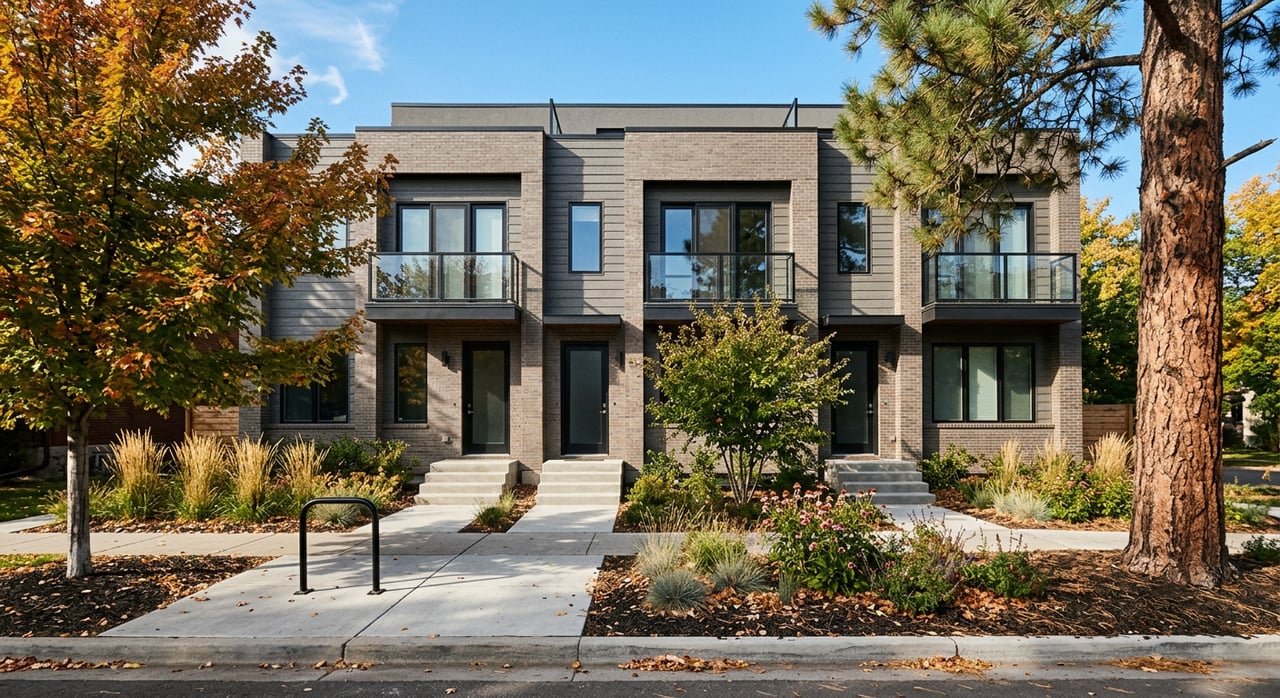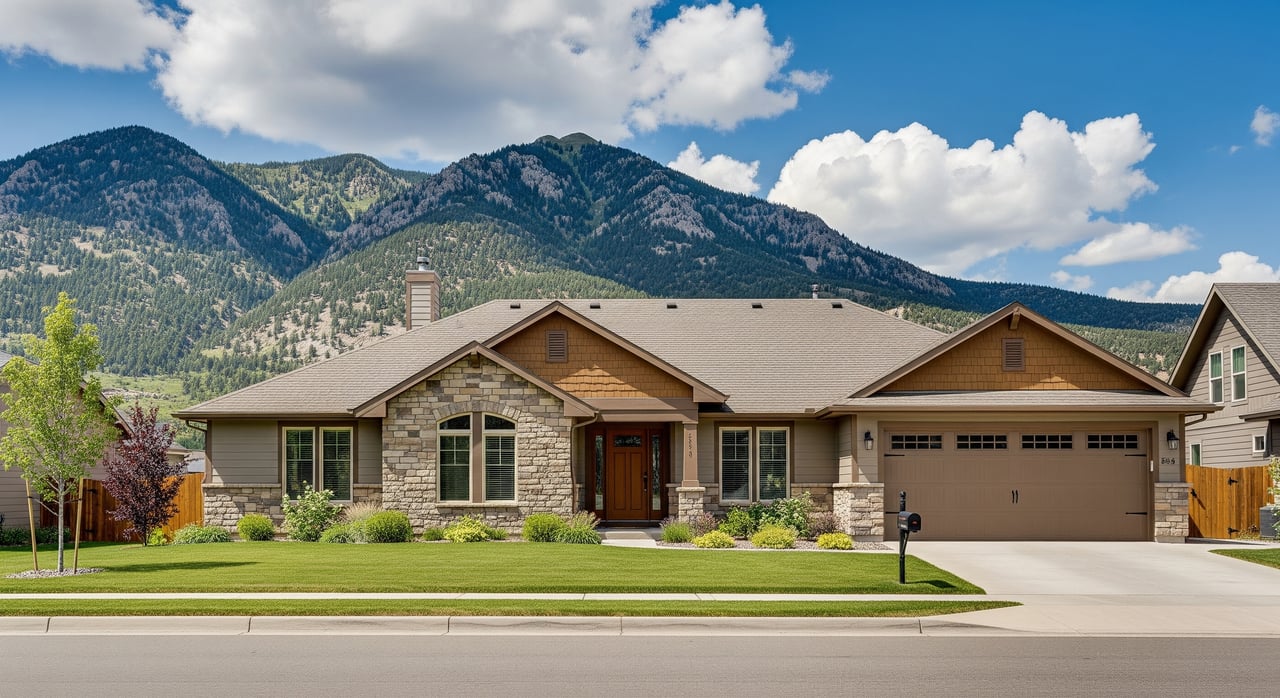

Thinking about leaving Denver for Boulder? You are not alone, but this move is often more complex than it looks at first glance. Selling in one market and buying in another means balancing timing, pricing, and a meaningful budget jump, so understanding the numbers before you make a move can save you stress and help you plan with confidence. Let’s dive in.
Denver to Boulder Is a Price Shift
If you are selling a home in Denver to move closer to Boulder, the biggest surprise is often not the logistics. It is the price gap. This is less of a simple move across town and more of a transition into a different pricing tier.
Denver metro was relatively steady in April 2026, with a median close price of $605,000, 11,539 active listings, 14 median days in MLS, and a 99.44% close-price-to-list-price ratio. At the same time, Boulder County had a median sale price of $745,000, while Boulder city reached $819,175 in March 2026.
That means Boulder County is roughly $140,000 higher than Denver metro, or about 23% more. Boulder city is about $214,175 higher, or roughly 35% more. If you are planning this move, your Denver sale should help define your Boulder budget, not the other way around.
Denver Market Conditions for Sellers
Denver is active, but it is not behaving like an overheated market. Prices have been essentially unchanged from April 2024 through April 2026, which points to a stable environment rather than a dramatic seller frenzy.
That stability can work in your favor. Homes are still moving quickly, with a median of 14 days in MLS and about 12 weeks of inventory reported in April 2026, but buyers are also watching value closely.
For you as a seller, this means pricing and presentation matter. A strong launch, clean preparation, and a clear pricing strategy can help you capture serious attention without relying on unrealistic expectations.
Boulder Market Conditions for Buyers
On the Boulder side, the pace is slower and the cost is higher. In March 2026, Boulder city homes averaged 52 days on market, with about two offers on average and sales around 2% below list price.
Boulder County showed a similar pattern, also averaging 52 days on market and selling at 98.2% of list price. Compared with Denver’s much faster median timeline, this gives you a different buying environment to prepare for.
That slower pace can create room for more deliberate decision-making. It does not mean every home will be easy to buy, but it does mean you should expect a different rhythm once you begin shopping closer to Boulder.
Compare Nearby Boulder-Area Options
If Boulder proper stretches the budget too far, nearby towns may offer a better fit while still bringing you closer to Boulder. Prices can vary sharply from one town to the next, so it helps to compare them early.
| Area | Median Sale Price |
|---|---|
| Denver metro | $605,000 |
| Longmont | $575,000 |
| Broomfield | $622,000 |
| Boulder County | $745,000 |
| Boulder city | $819,175 |
| Louisville | $878,000 |
Longmont and Broomfield sit closer to Denver’s price range. Louisville is priced well above Denver metro and even above Boulder city’s median in this data set, so your target area can dramatically change what is realistic.
Sell First to Set Your Budget
For most homeowners making this move, selling first is the clearest path. Your Denver home sale creates the financial anchor for your next purchase and gives you a more accurate picture of down payment funds, monthly payment comfort, and closing costs.
This matters even more when moving into a higher-priced market. If you start shopping in Boulder before you know your Denver sale numbers, it is easy to fall in love with homes that do not fit the final budget.
A sell-first strategy can also reduce pressure during negotiations. You are making decisions from a position of clearer information, which usually leads to stronger choices.
Buy First Only With a Plan
Sometimes you may need to shop before your Denver home closes. If that is the case, treat it as a strategic exception, not the default path.
Start by reviewing loan options early and comparing affordability carefully. If you make an offer before your sale is complete, financing and inspection contingencies can provide important protection if the numbers shift or issues appear during the transaction.
The goal is not just to win a home. It is to avoid being pushed into a purchase that no longer feels comfortable once all the numbers are final.
Plan for the Timing Gap
Even a well-managed move can come with a gap between closings. If your Denver sale and Boulder purchase do not line up perfectly, the final week before closing is not the time to discover you need extra flexibility.
A backup housing plan can make the transition much smoother. Depending on your situation, that could include temporary housing, short-term storage, or negotiated move-out timing that gives you breathing room.
The closing process also involves fixed timelines, including the requirement that buyers receive the Closing Disclosure three business days before closing. That is one more reason to think through your move plan well before the finish line.
Prep Early Before You List
If you are serious about moving closer to Boulder, your prep work should begin before your Denver home hits the market. Many sellers take one month or less to get ready, but that time can go quickly.
Focus first on the basics:
- Decluttering and simplifying each room
- Completing needed repairs
- Reviewing Denver pricing trends
- Talking through financing early
- Building a moving and storage plan
This is also where strong presentation can make a real difference. Thoughtful staging, professional photography, and a listing strategy that tells a clear story can help your Denver home stand out and support your pricing position.
Timing Matters, but Readiness Matters More
National headlines often talk about the best week of the year to sell, but local timing is what matters most. In 2026, Denver-Aurora-Centennial had a best listing start date of March 8, while broader national timing pointed later in April.
At the same time, Denver’s spring seasonality has flattened. With prices relatively unchanged year over year and homes still moving, the better question is not just when is the perfect week to list? It is when will your home be fully ready to launch well?
For many sellers, readiness beats chasing a calendar headline. A well-prepared home with smart pricing is often in a stronger position than a rushed listing that hits the market on a so-called ideal date.
A Smarter Way to Approach the Move
Selling a Denver home to move closer to Boulder works best when you treat it as a cross-market transition, not a simple move-up purchase. You are navigating different price points, different market speeds, and a sequence that needs to be planned carefully.
That is why the most effective strategy usually starts with your Denver sale, then builds a Boulder-area search around clear numbers and realistic options. When your presentation, pricing, and purchase plan all work together, the move feels a lot more manageable.
If you are thinking about making this transition, the right guidance can help you see both sides clearly, from how to position your Denver home to how to evaluate Boulder, Longmont, Broomfield, or Louisville with confidence. For tailored advice and a polished, data-driven plan, connect with Emelie S Griffith.
FAQs
How much more expensive is Boulder than Denver for homebuyers?
- Based on 2026 market data, Boulder County is about $140,000 higher than Denver metro, and Boulder city is about $214,175 higher.
Should you sell your Denver home before buying near Boulder?
- In most cases, yes. Selling first helps set your real budget and reduces the risk of overcommitting in a more expensive market.
How long do homes take to sell in Boulder compared with Denver?
- Denver metro reported a median of 14 days in MLS in April 2026, while Boulder city and Boulder County both averaged about 52 days on market in March 2026.
Which towns near Boulder may fit a Denver seller’s budget better?
- Longmont and Broomfield are closer to Denver’s price range than Boulder city, while Louisville is generally priced much higher.
What can protect you if your Denver sale and Boulder purchase do not line up?
- A strong plan may include financing and inspection contingencies, plus backup options like temporary housing, storage, or flexible move-out timing.