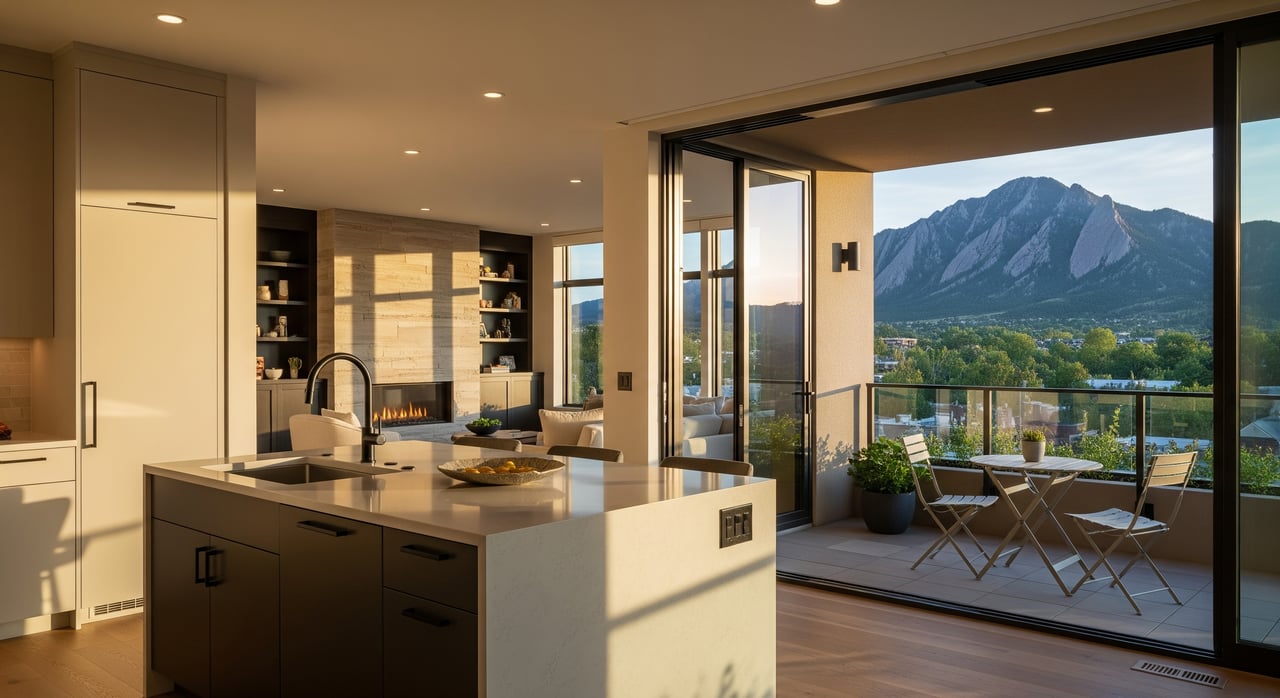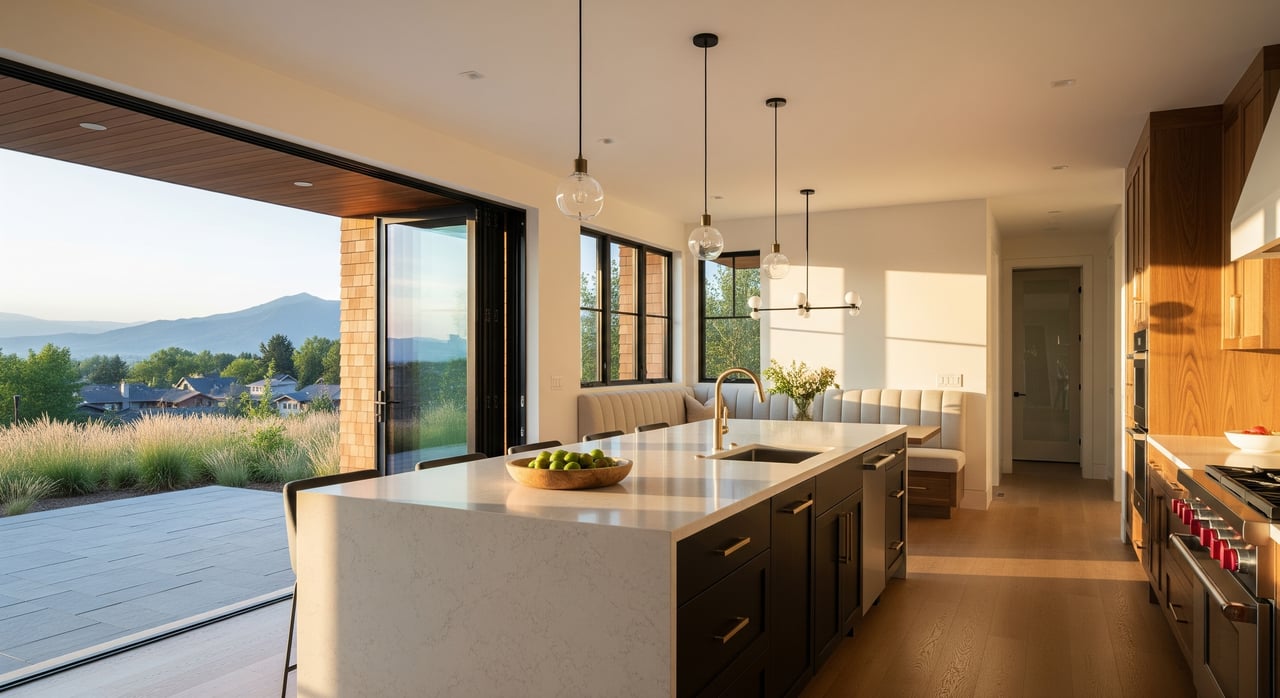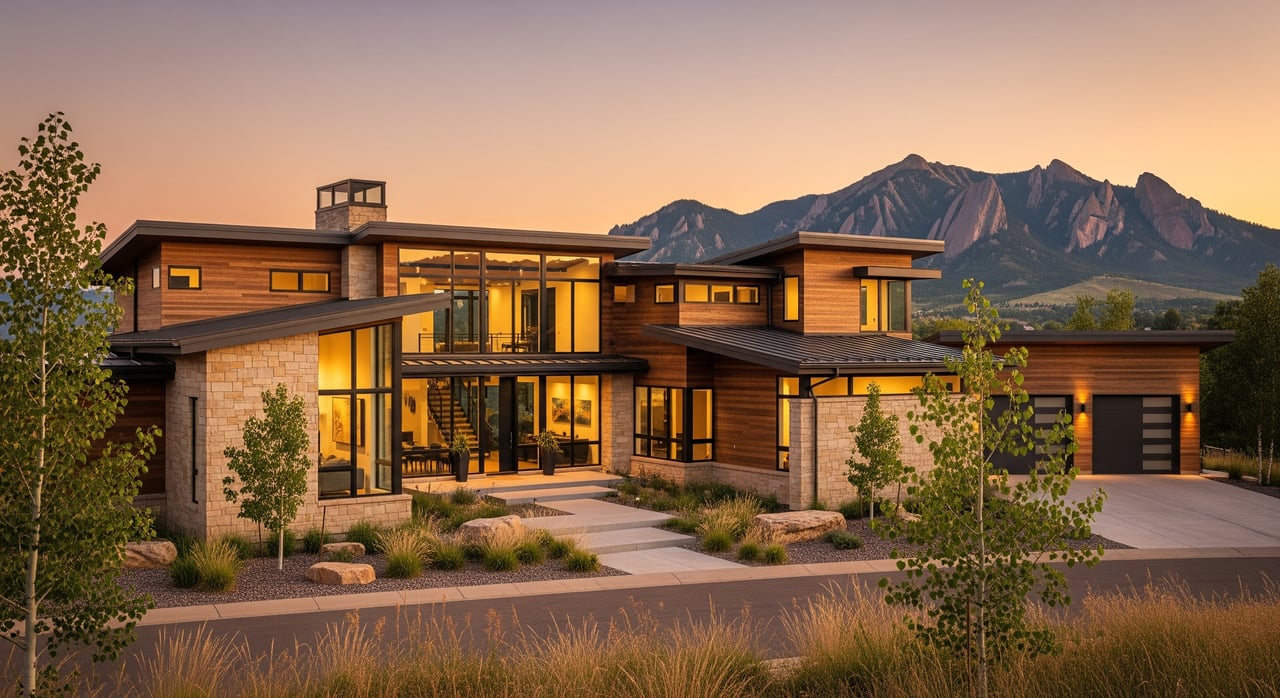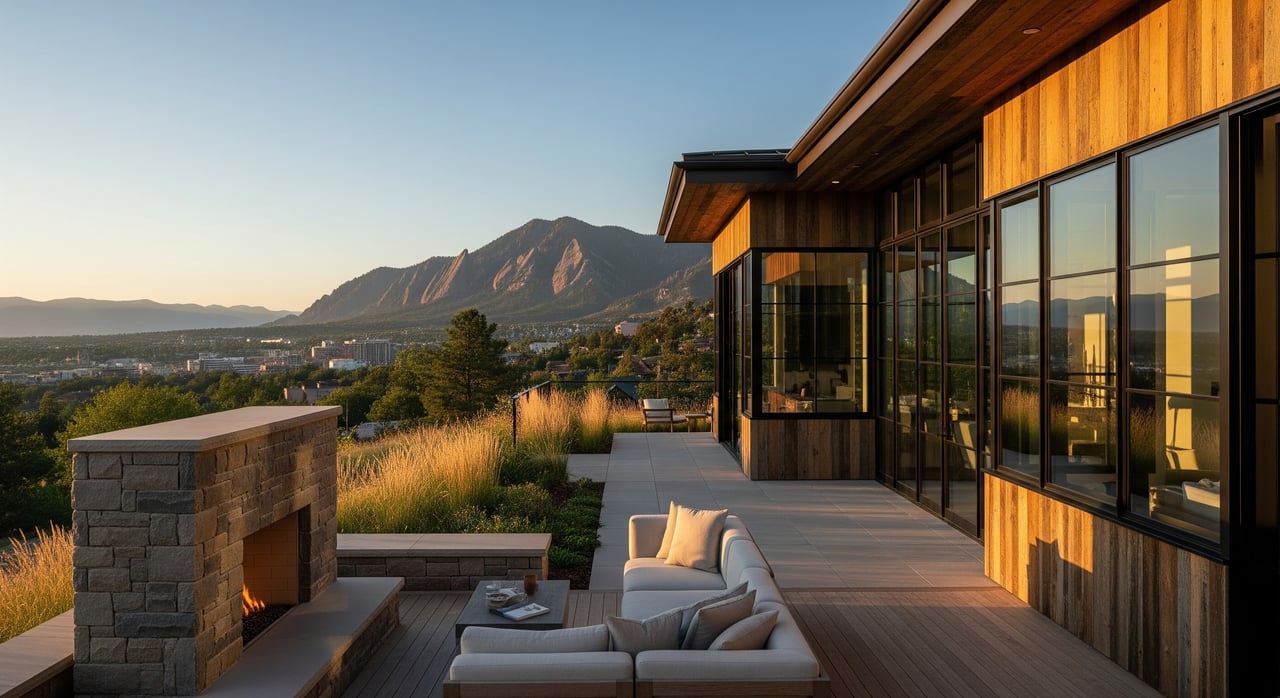
If you are drawn to big views, more privacy, and a little breathing room outside the city grid, Boulder Heights probably already has your attention. It offers a very different living experience from in-town Boulder, but that difference comes with tradeoffs you need to understand before you buy. The good news is that with the right parcel-level research, Boulder Heights can deliver a compelling mix of access, land, and long-term value. Let’s dive in.
Why Boulder Heights Stands Out
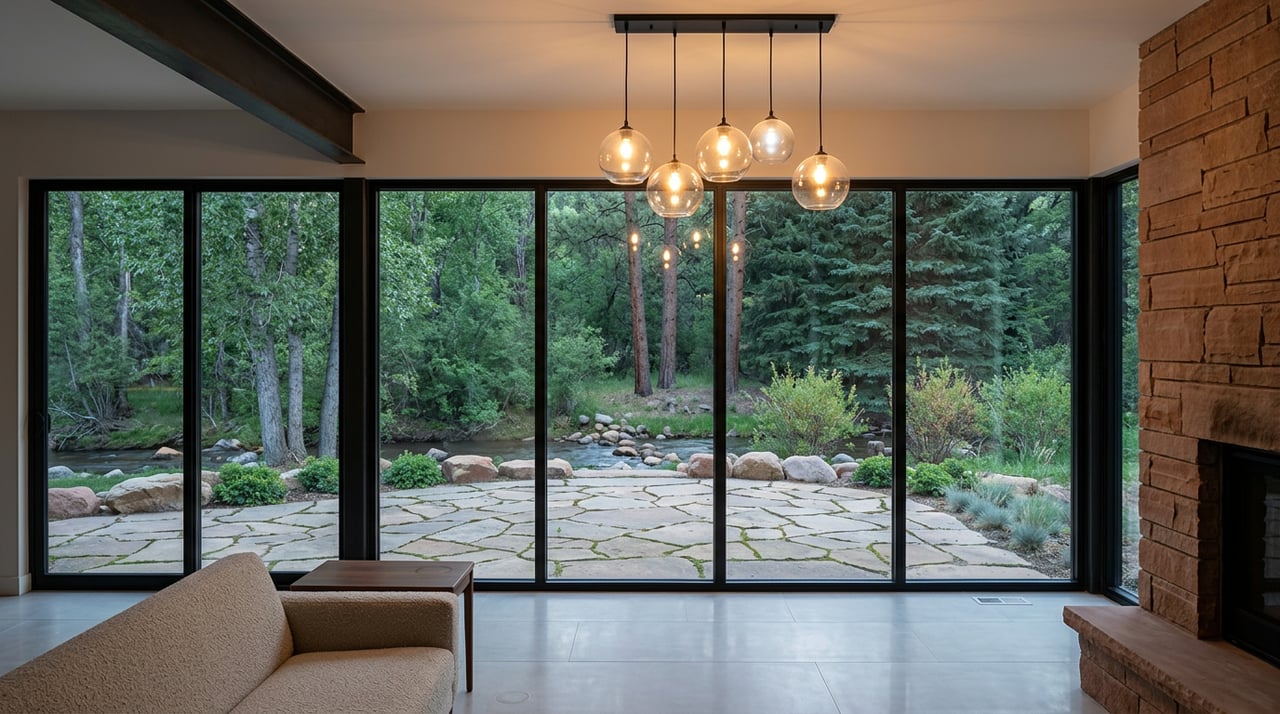
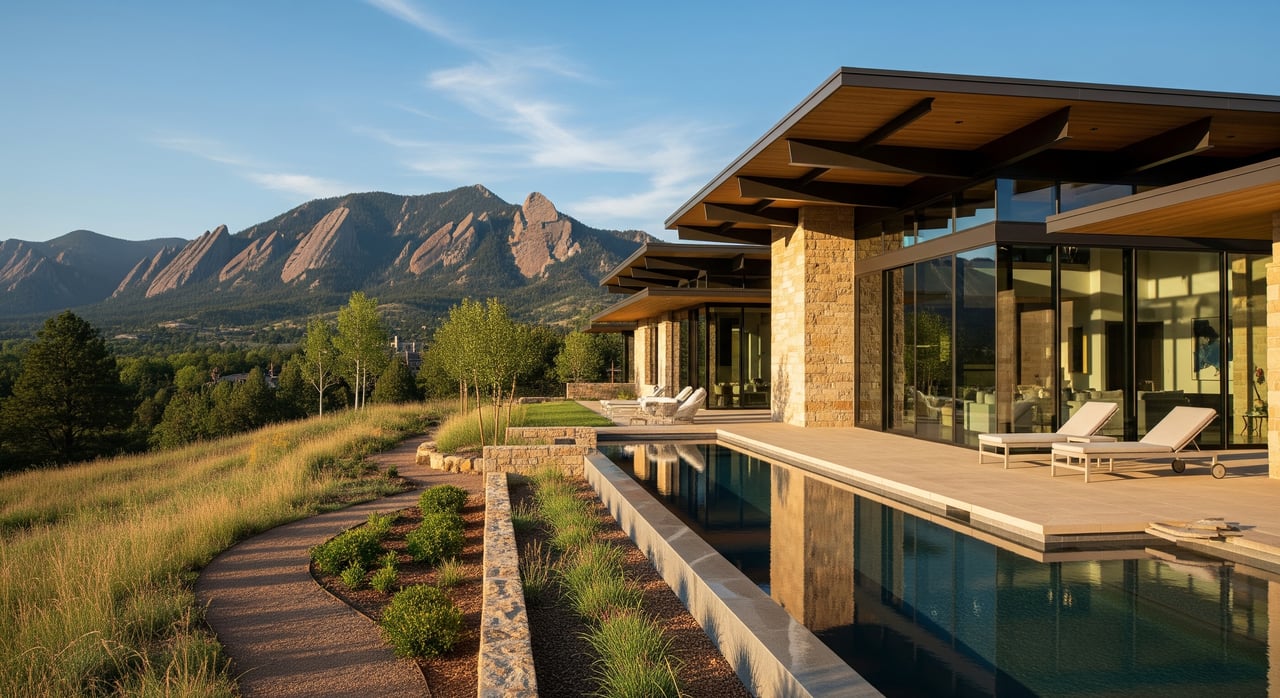
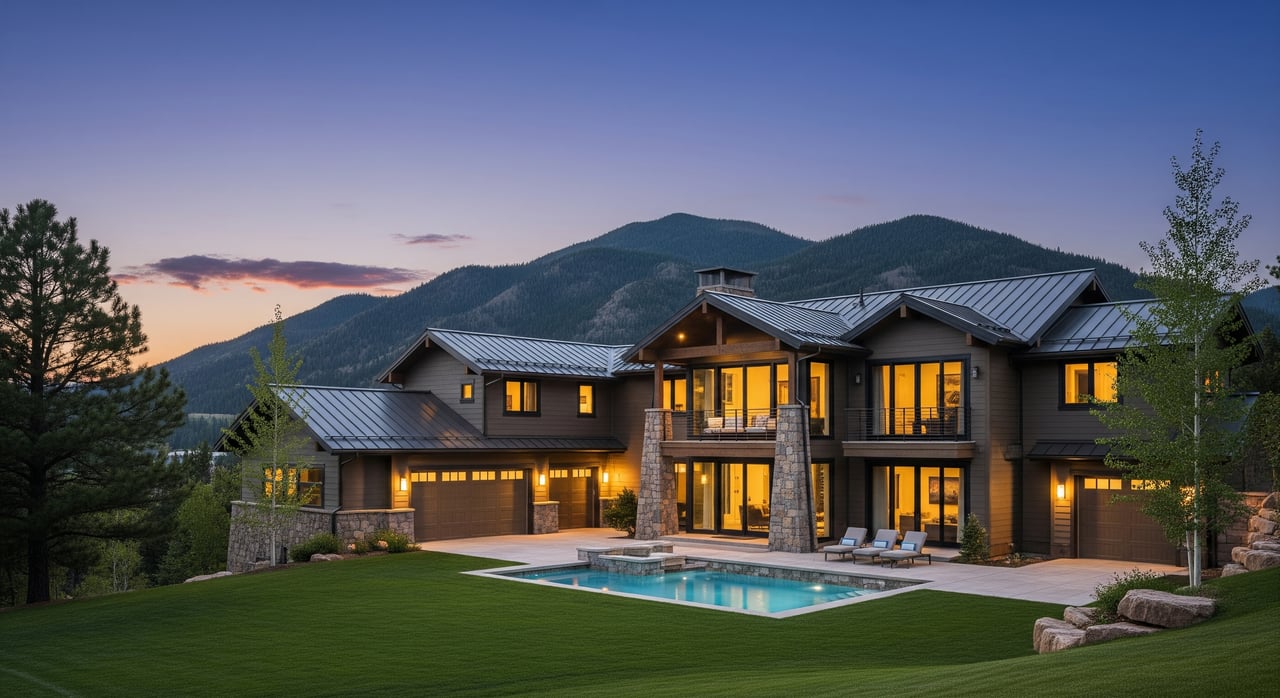
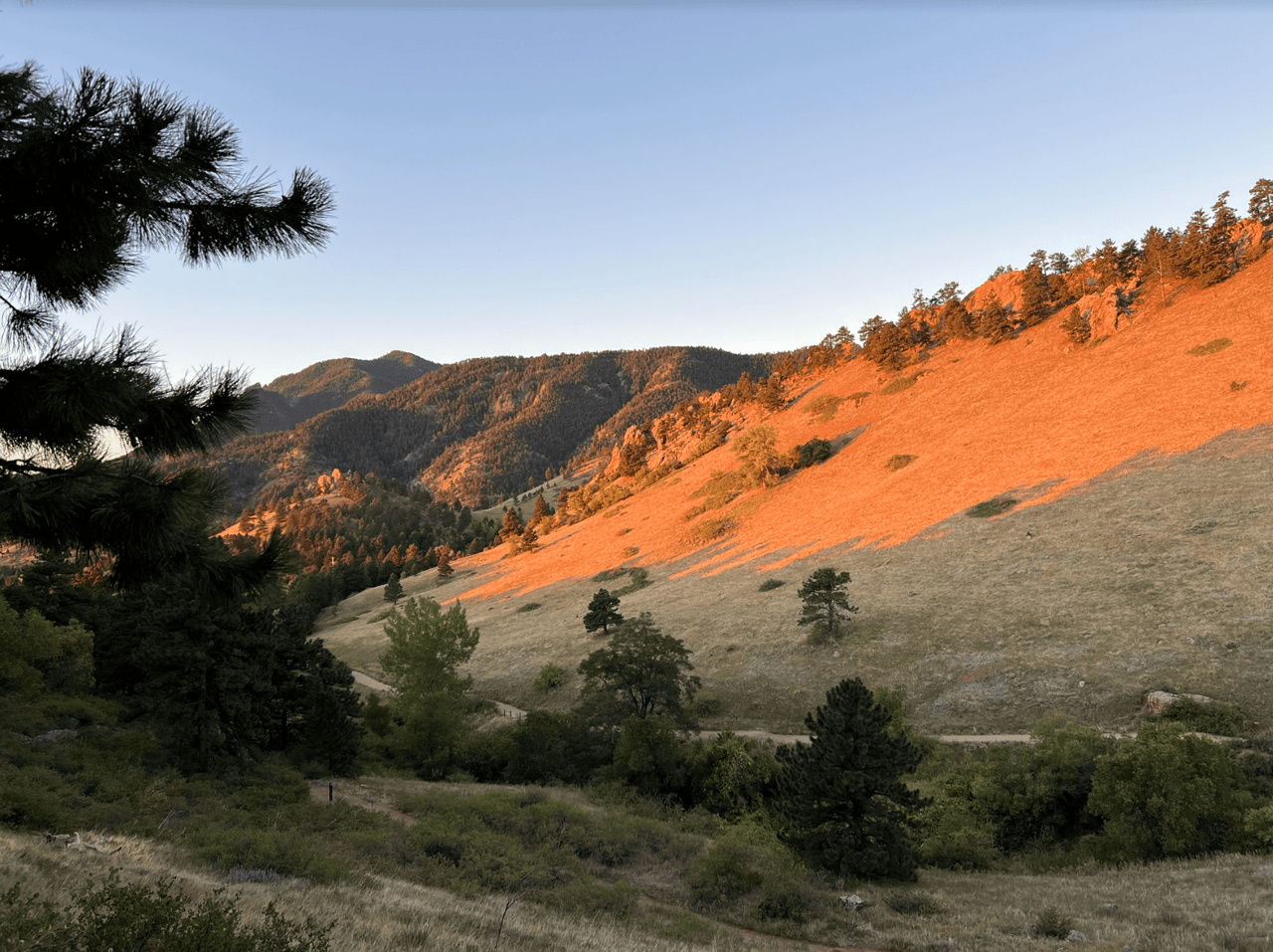
Boulder Heights sits in the foothills west of Boulder along the Lee Hill corridor. It is often described as roughly 8 miles west of town, with winding roads, forested surroundings, open space, and larger lots that support a more private mountain setting.
That setting is a big part of the appeal. Instead of a compact neighborhood feel, you get a parcel-based market where the land, views, and site conditions often shape both lifestyle and price as much as the house itself.
A Different Kind of Boulder Lifestyle
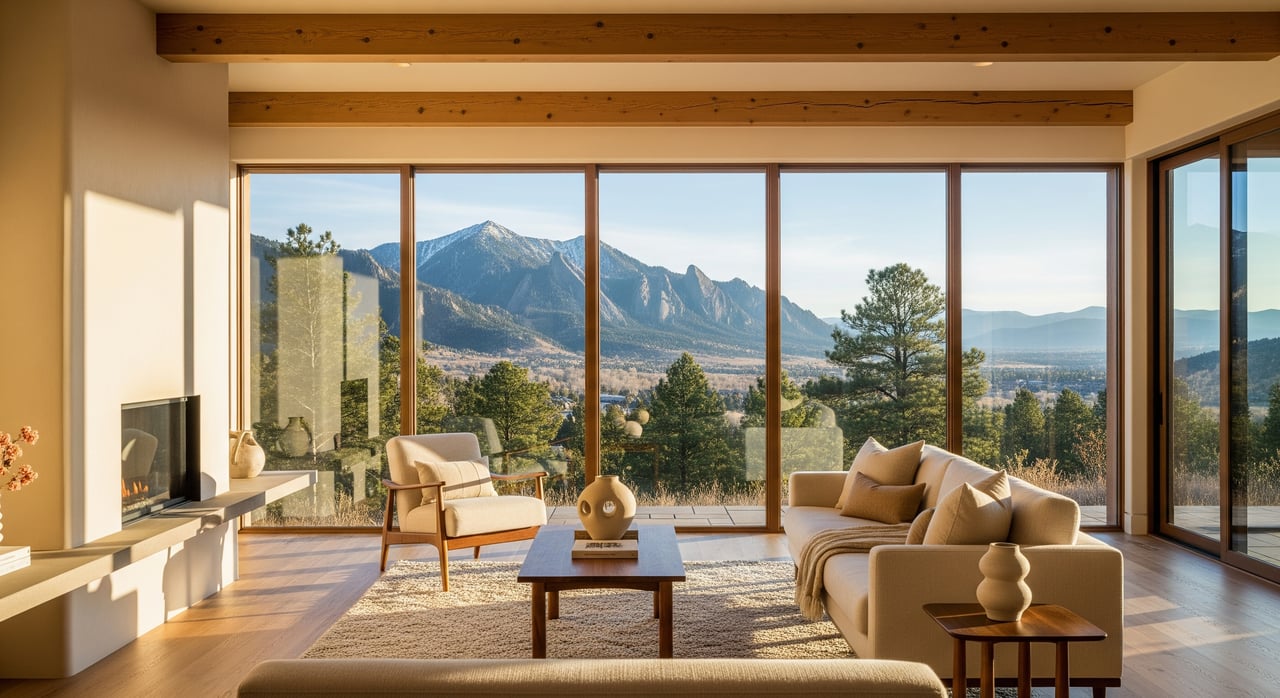
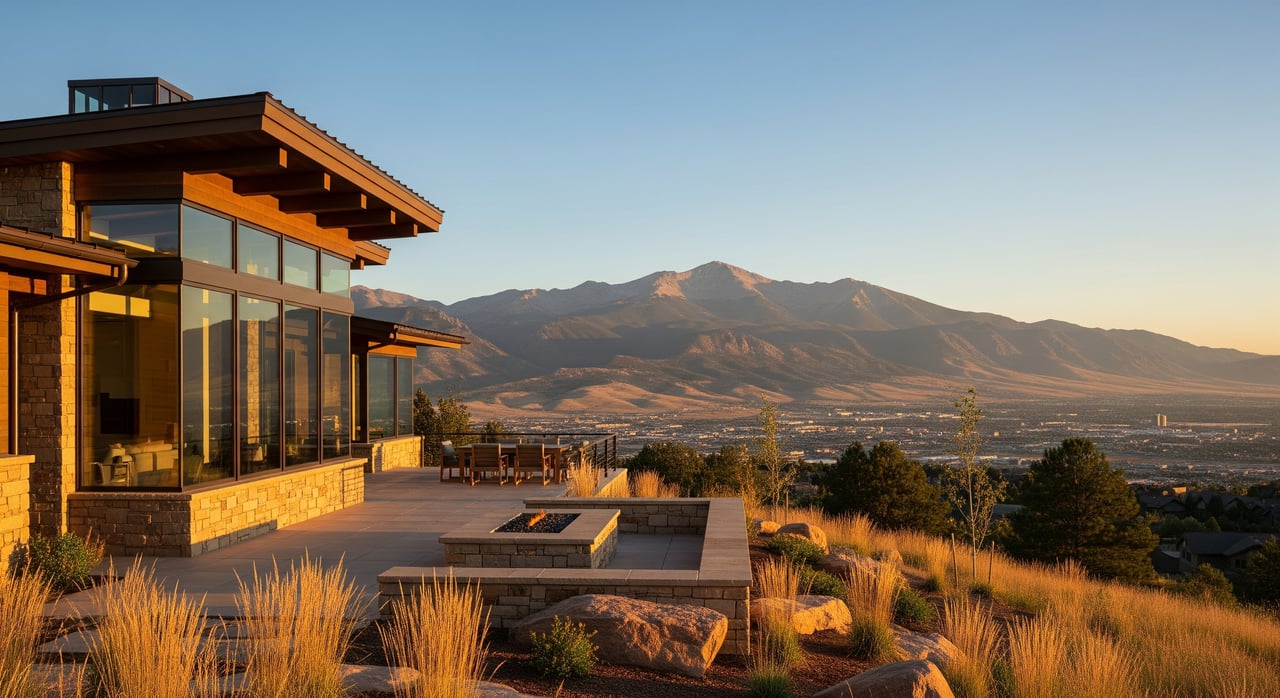
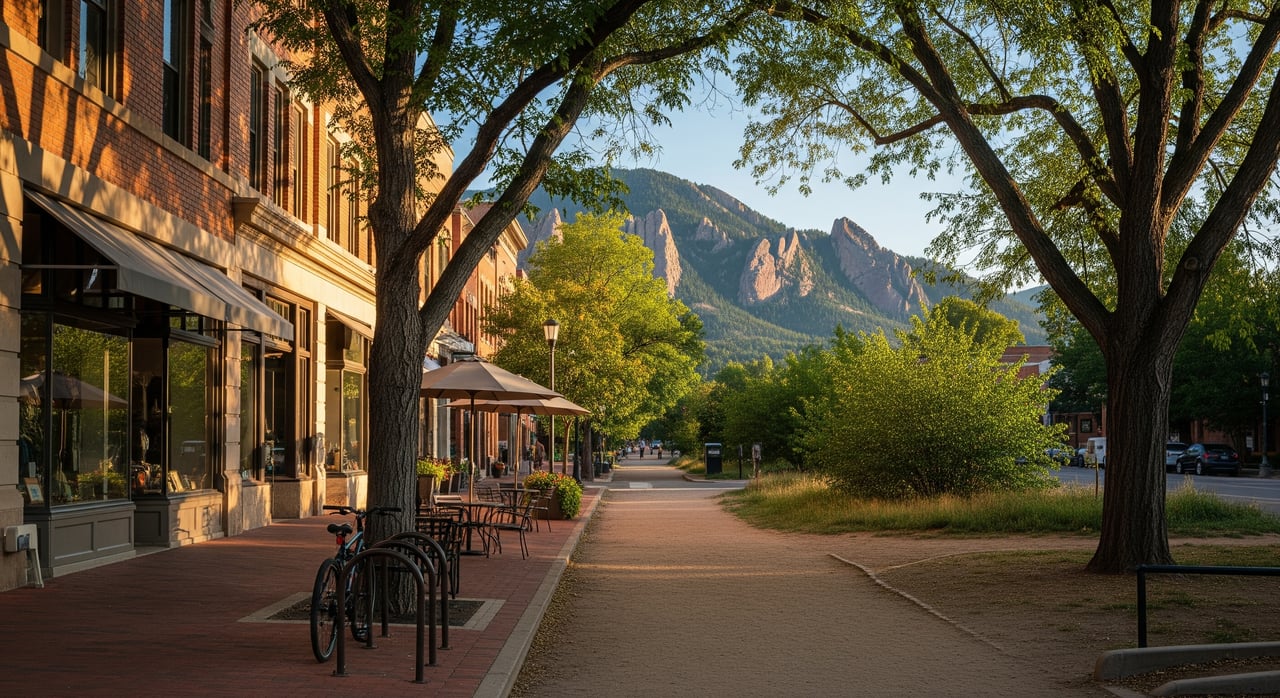
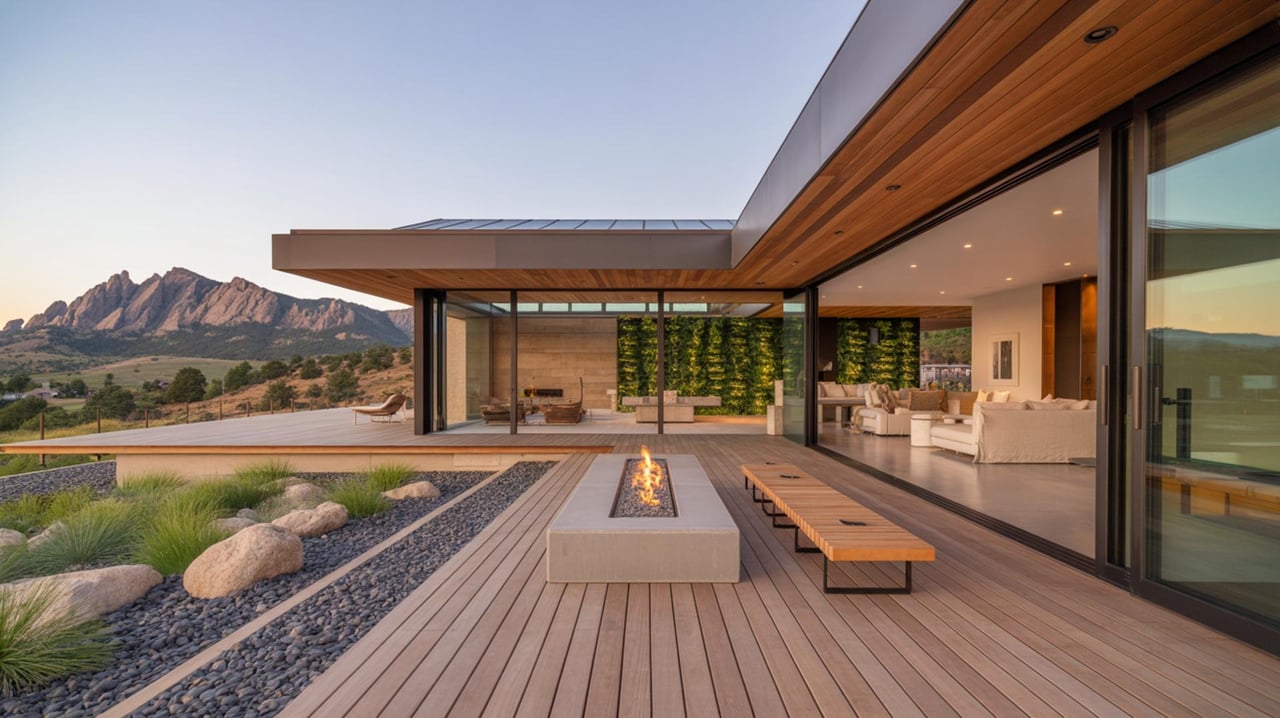
If you are comparing Boulder Heights to neighborhoods closer to downtown, the daily experience is simply different. You are not buying walkability first. You are buying scenery, separation, and a foothills environment that can feel tucked away while still keeping Boulder within reach.
That tradeoff is exactly why some buyers love it. If your priorities include privacy, outdoor space, and a home that feels connected to the landscape, Boulder Heights may check boxes that in-town options cannot.
What Homes Look Like Here
Boulder Heights is primarily a single-family home neighborhood. Available neighborhood data points to homes built roughly between 1958 and 1996, with a median year built of 1976 and an average home size of about 2,596 square feet.
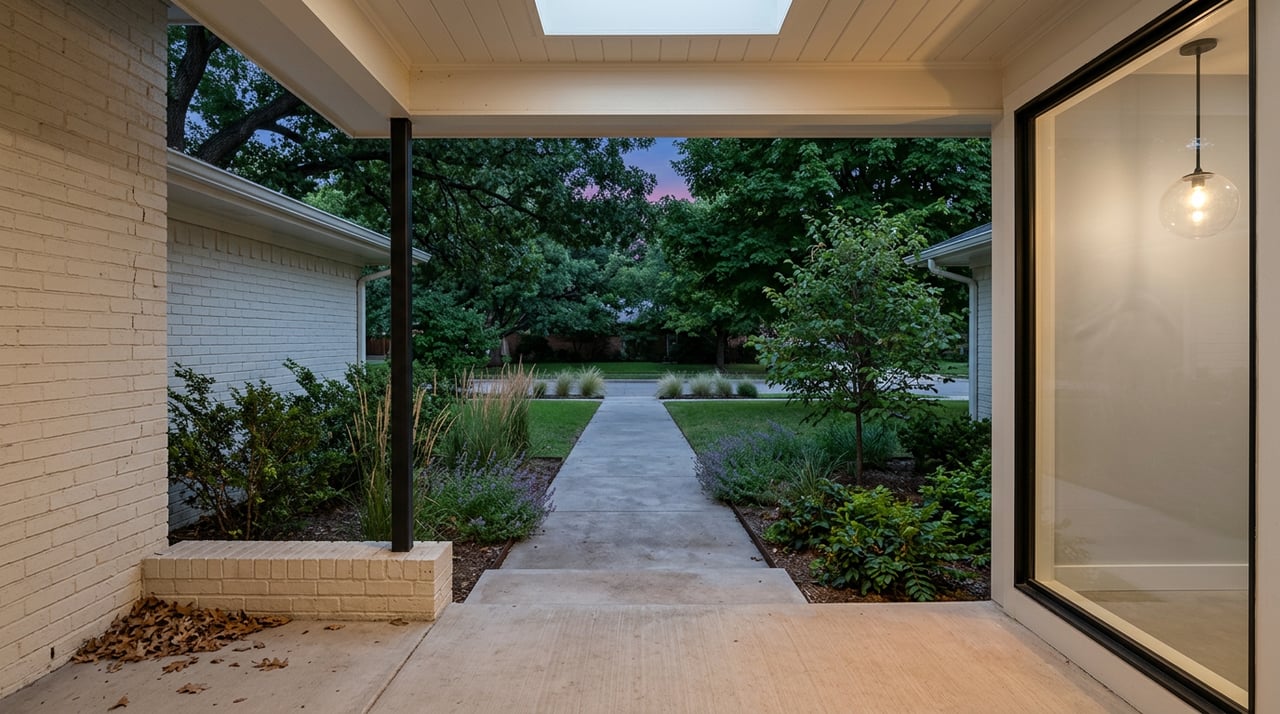
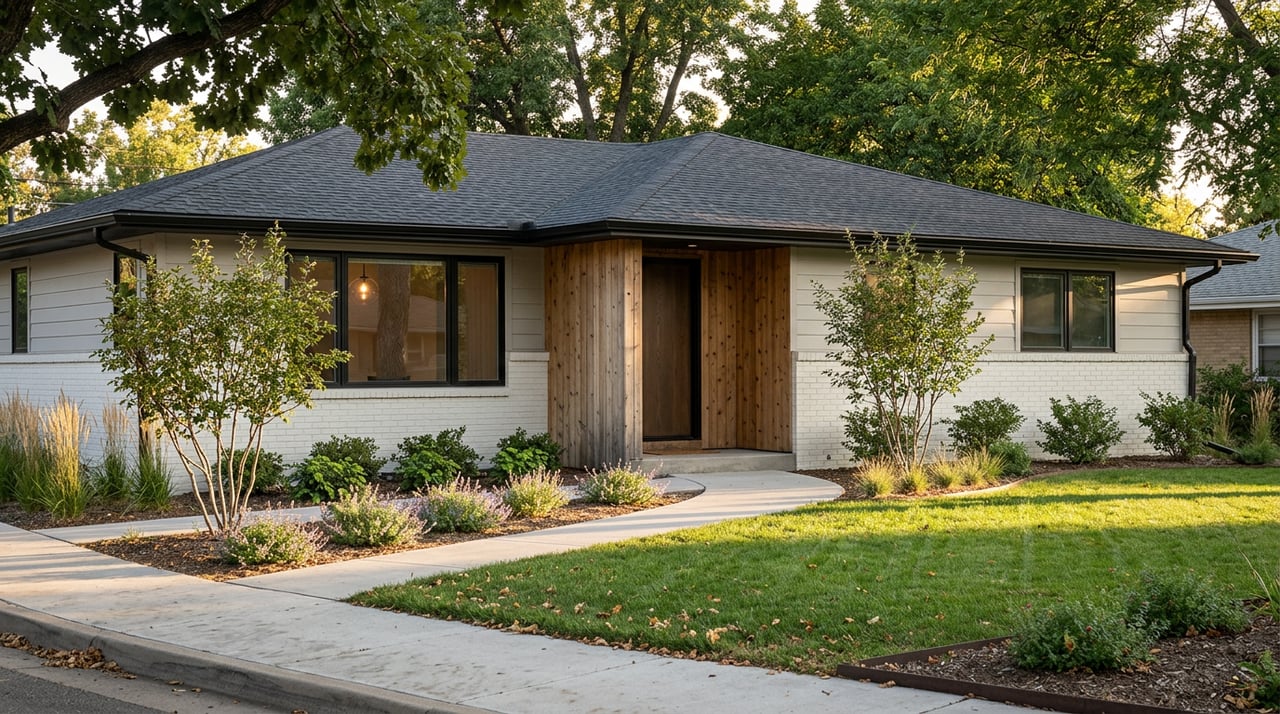
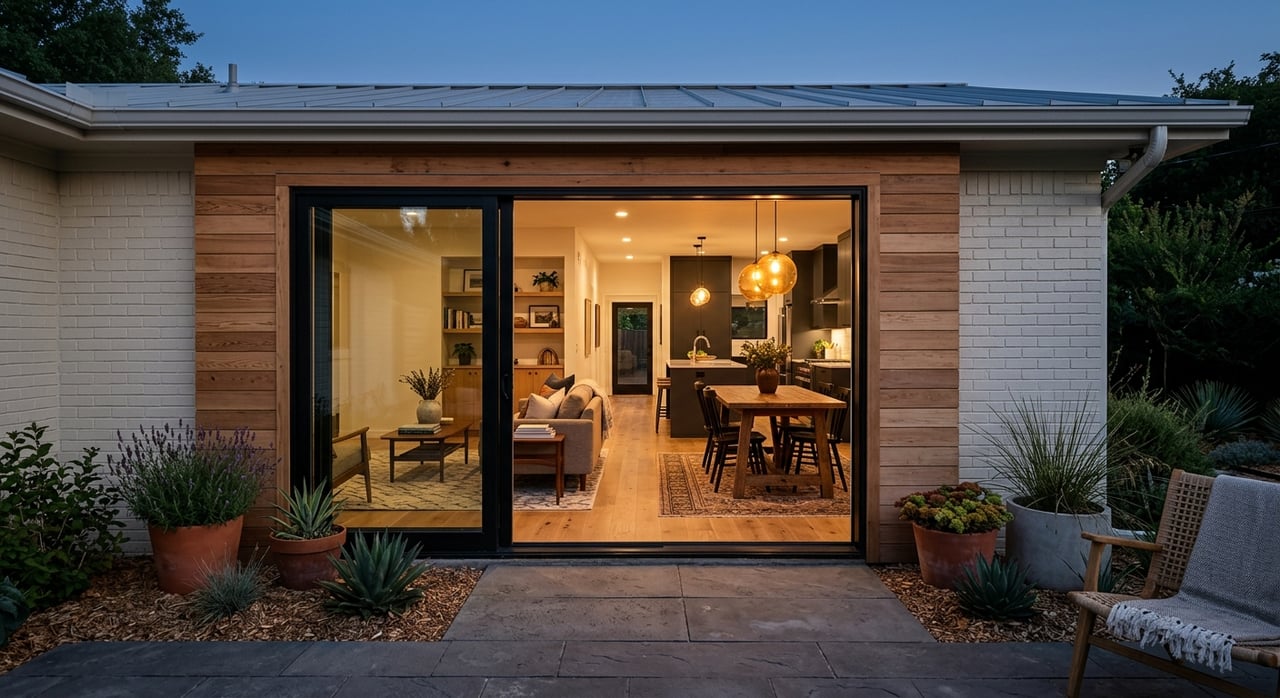
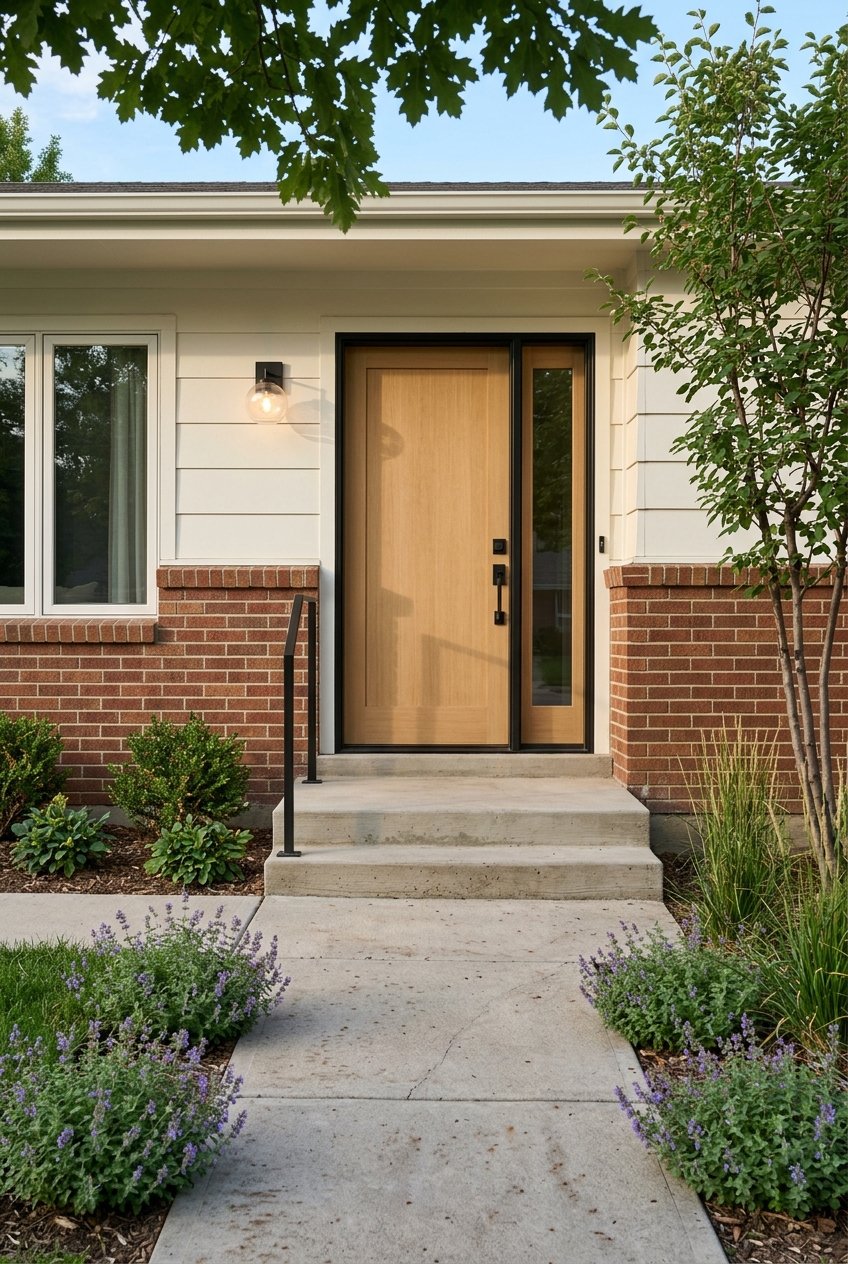
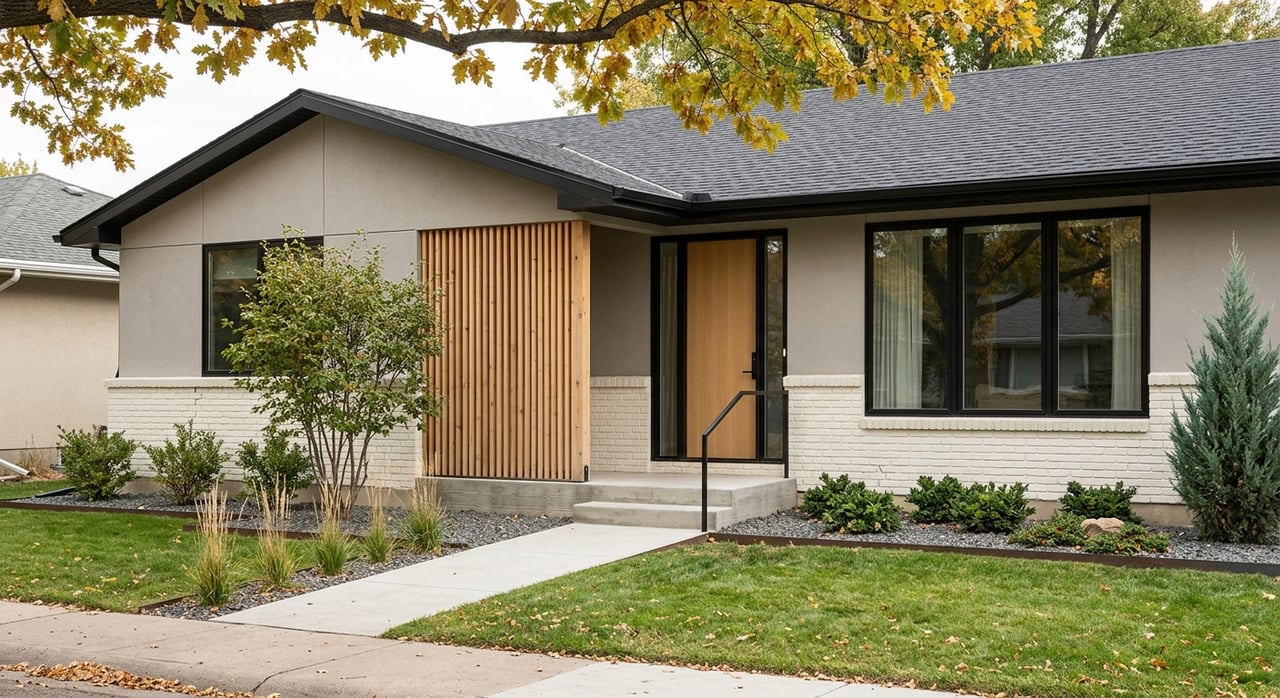
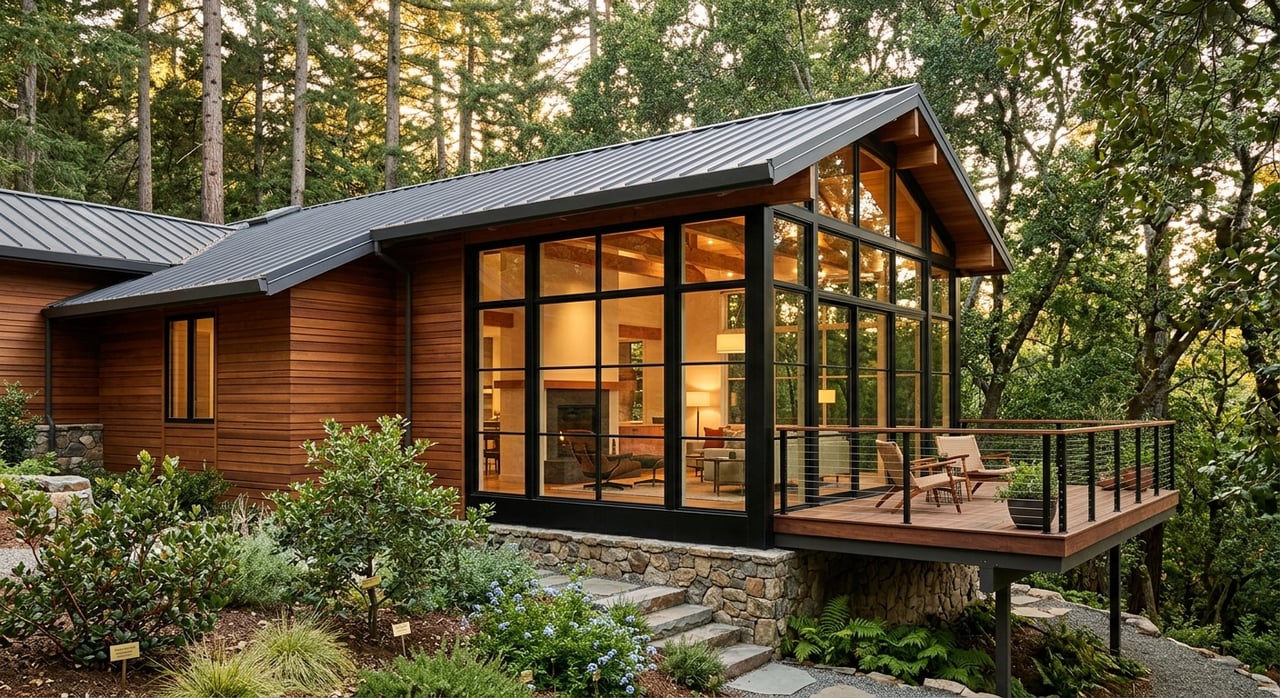
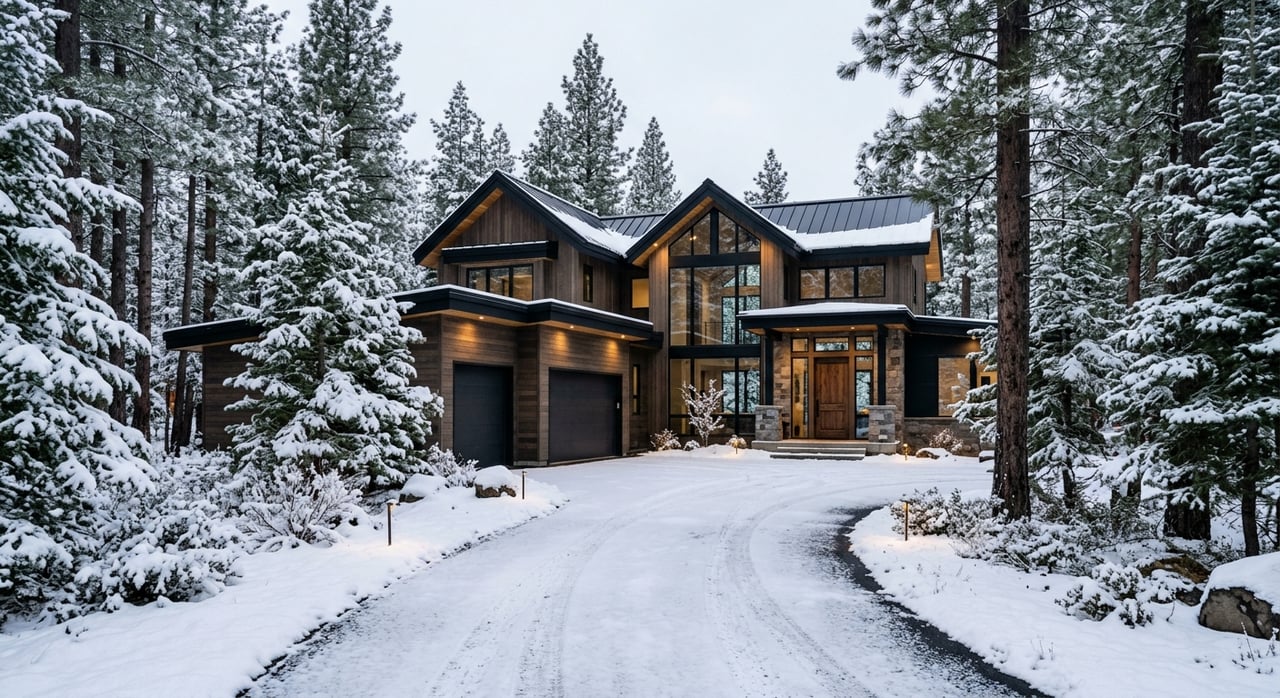
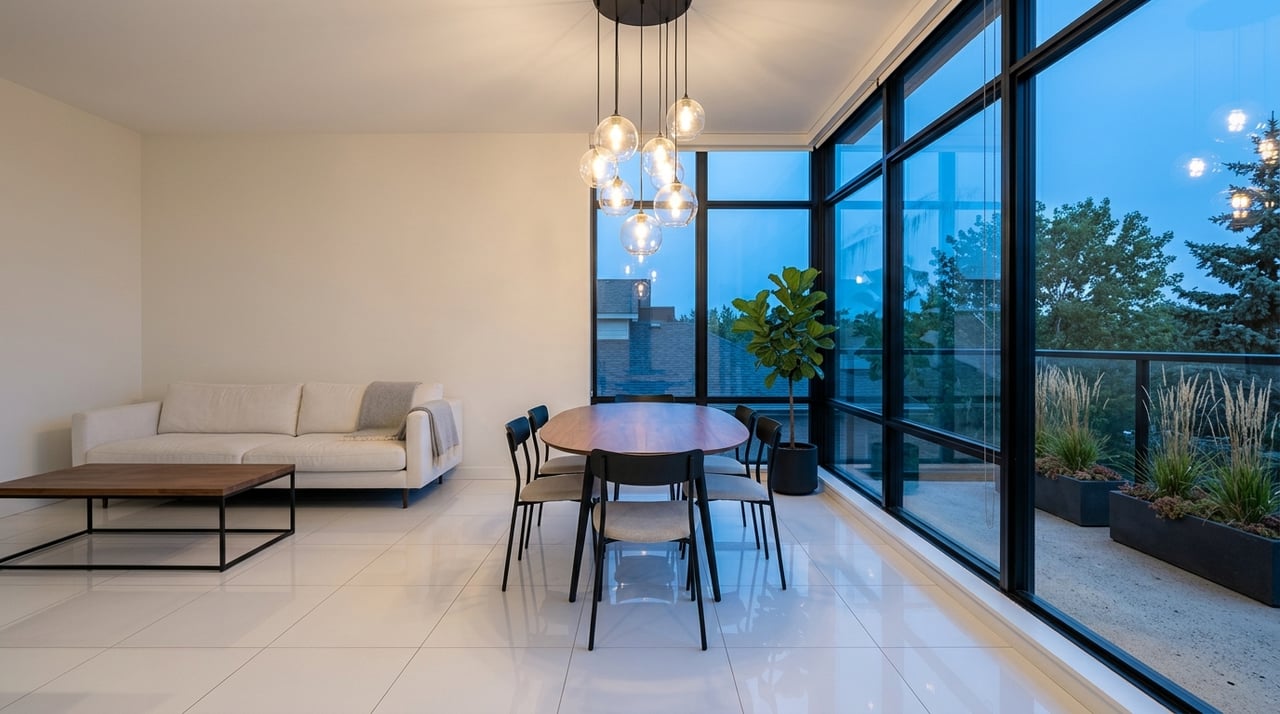
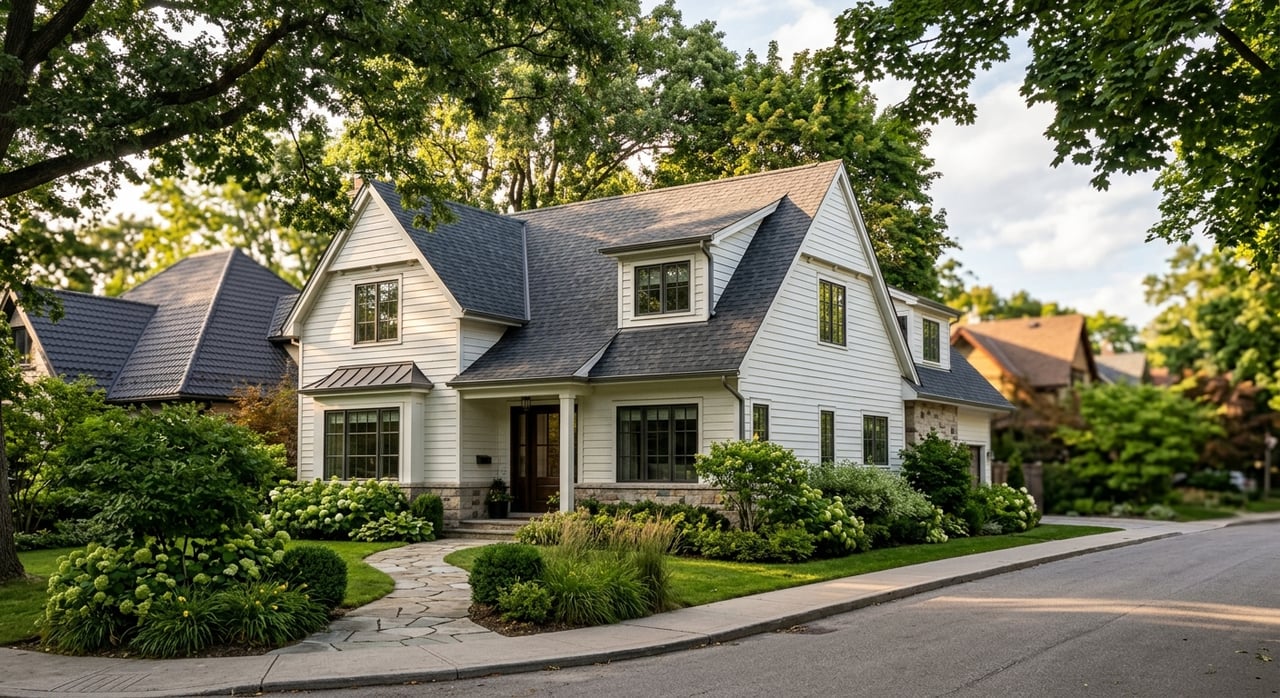
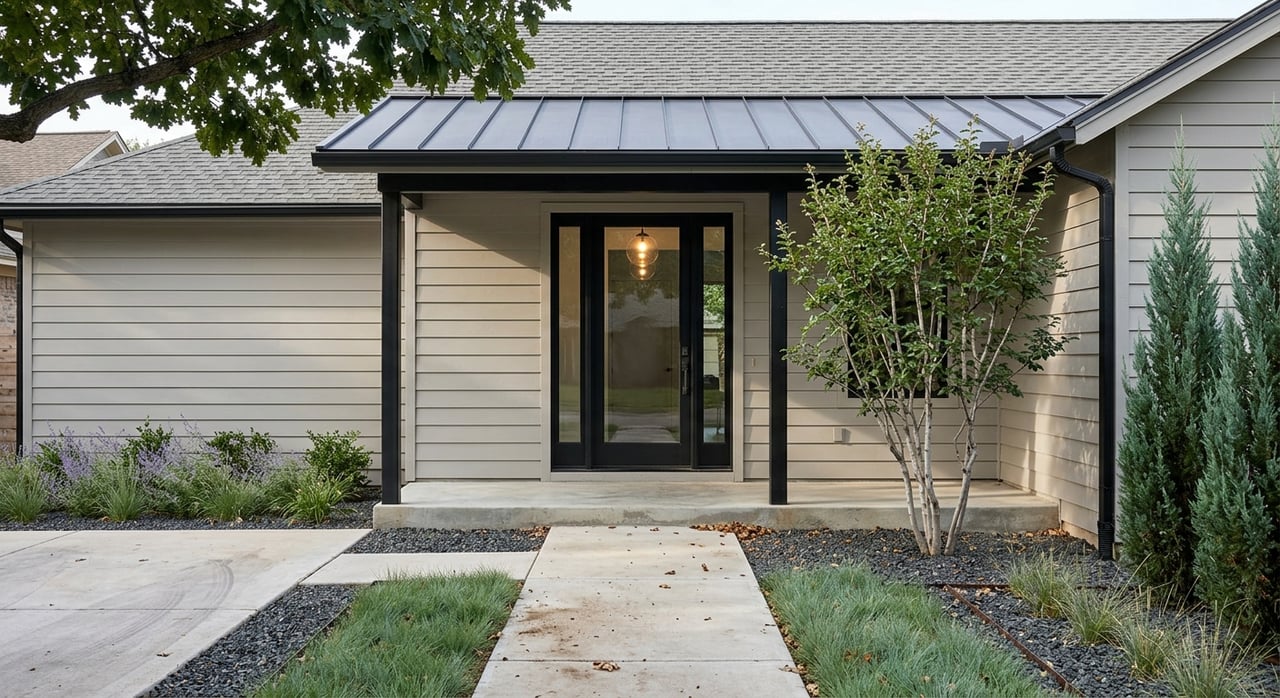
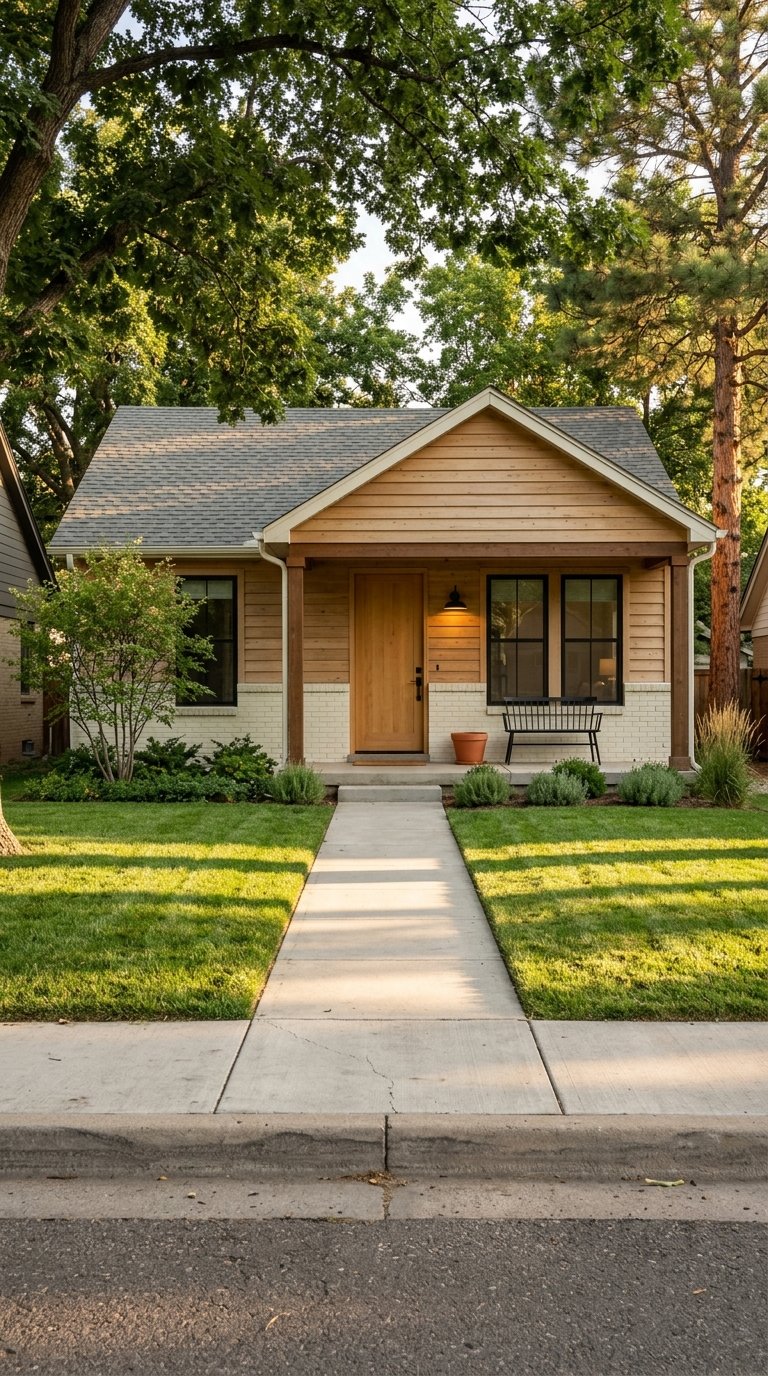
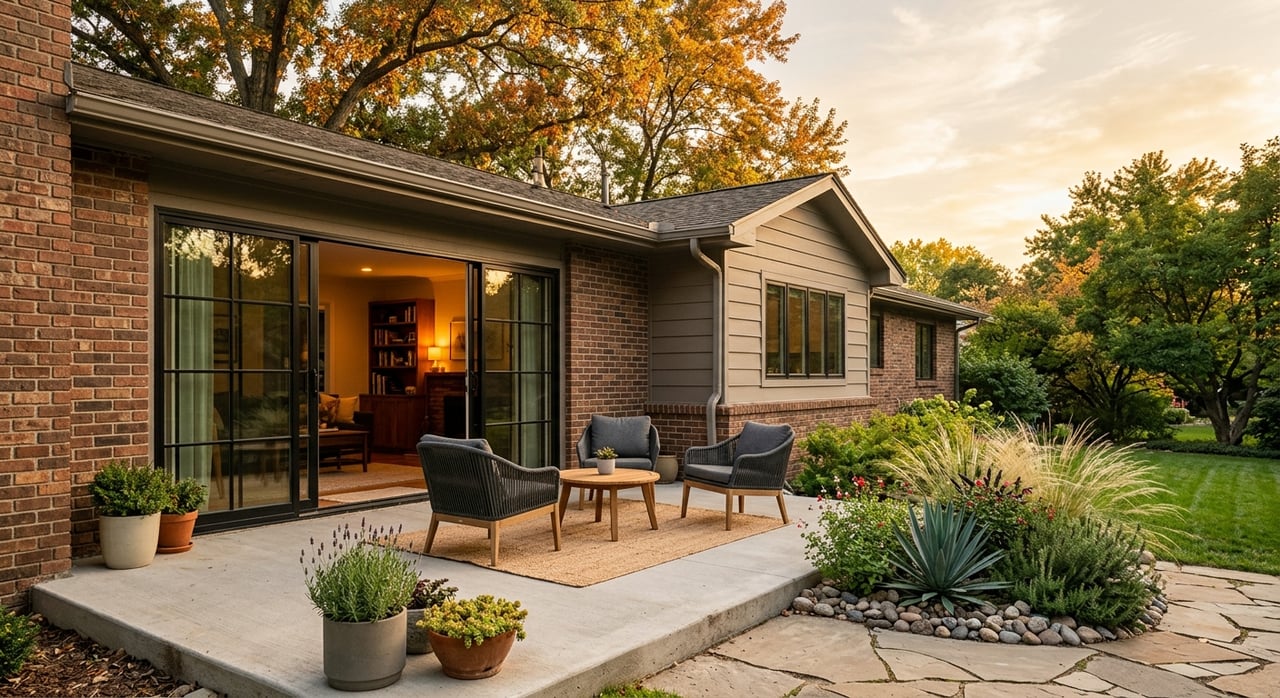
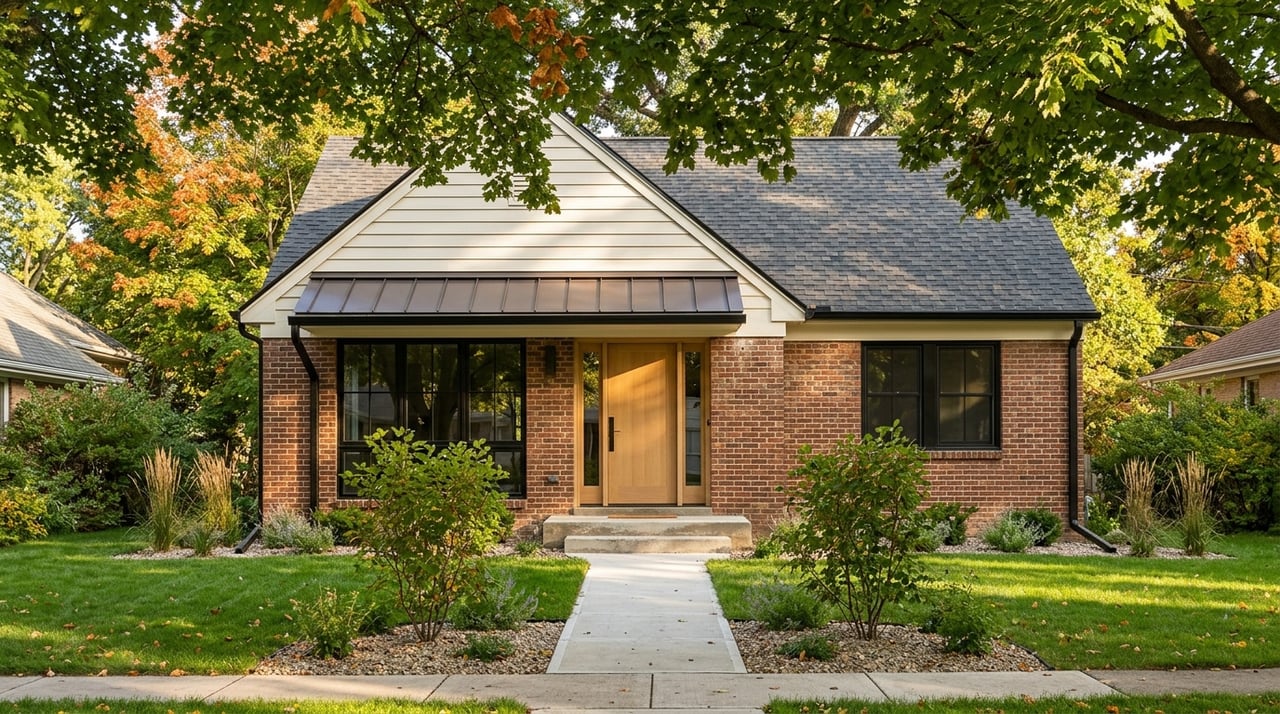
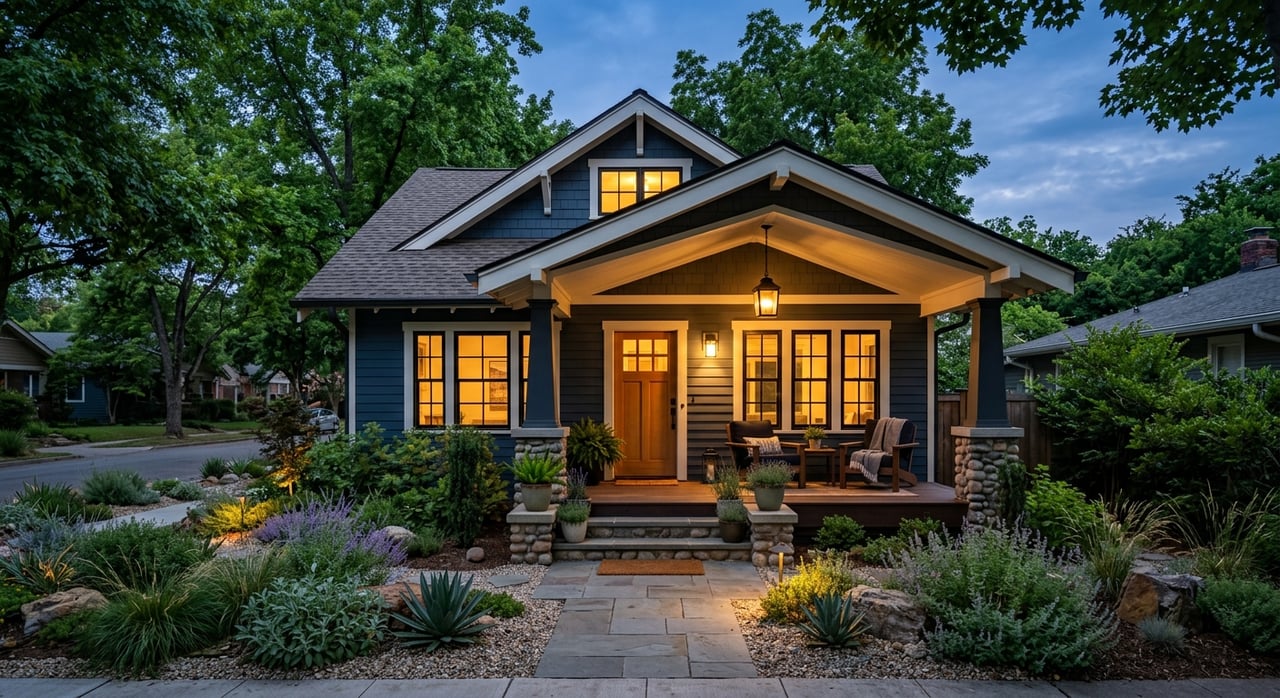
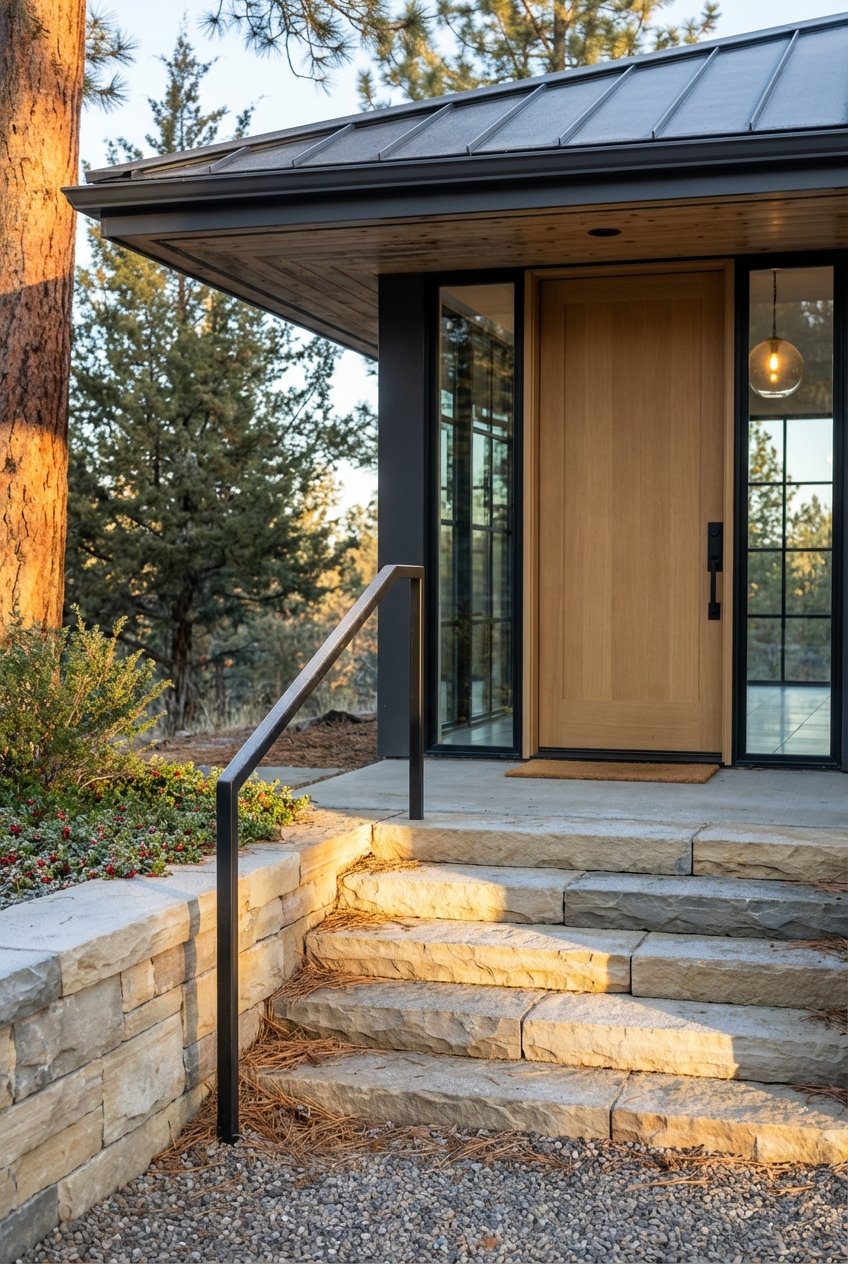
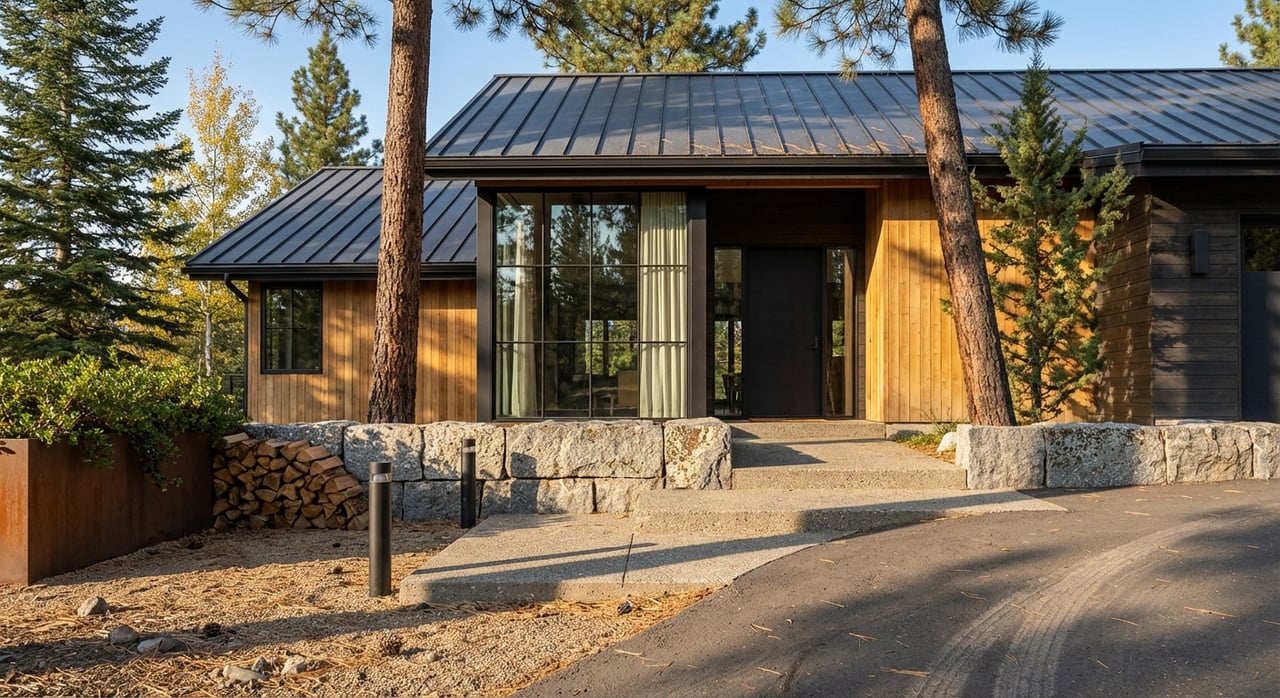
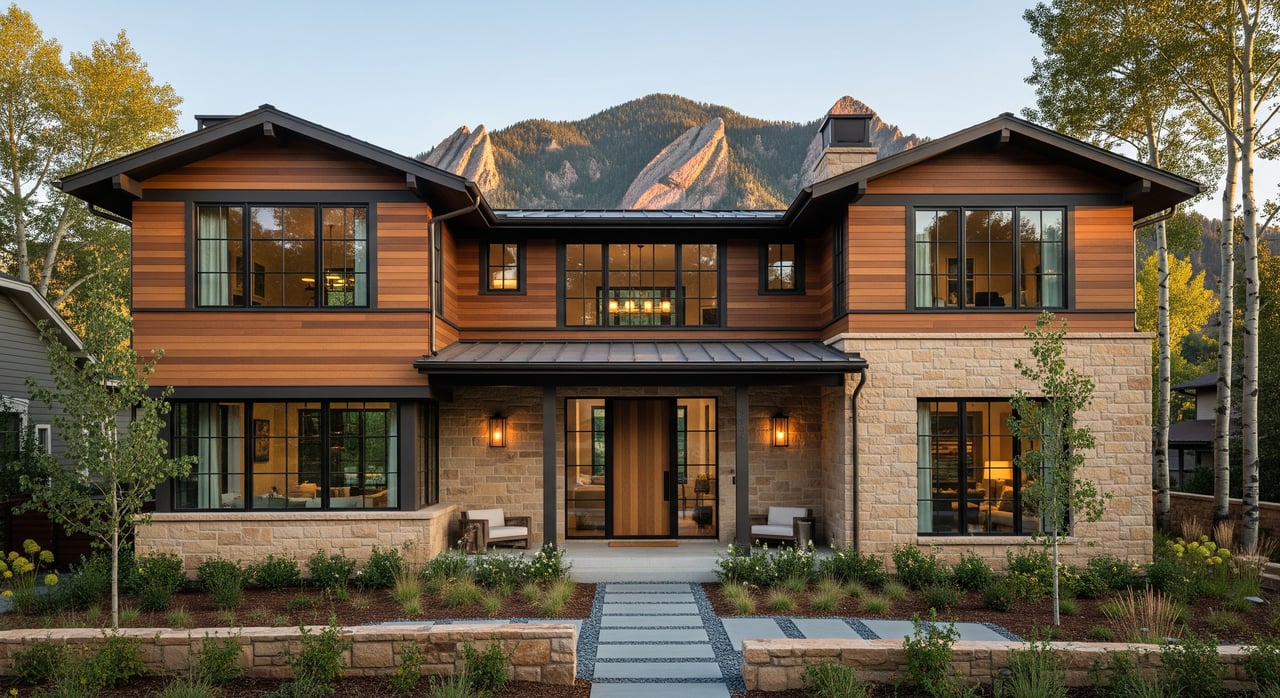
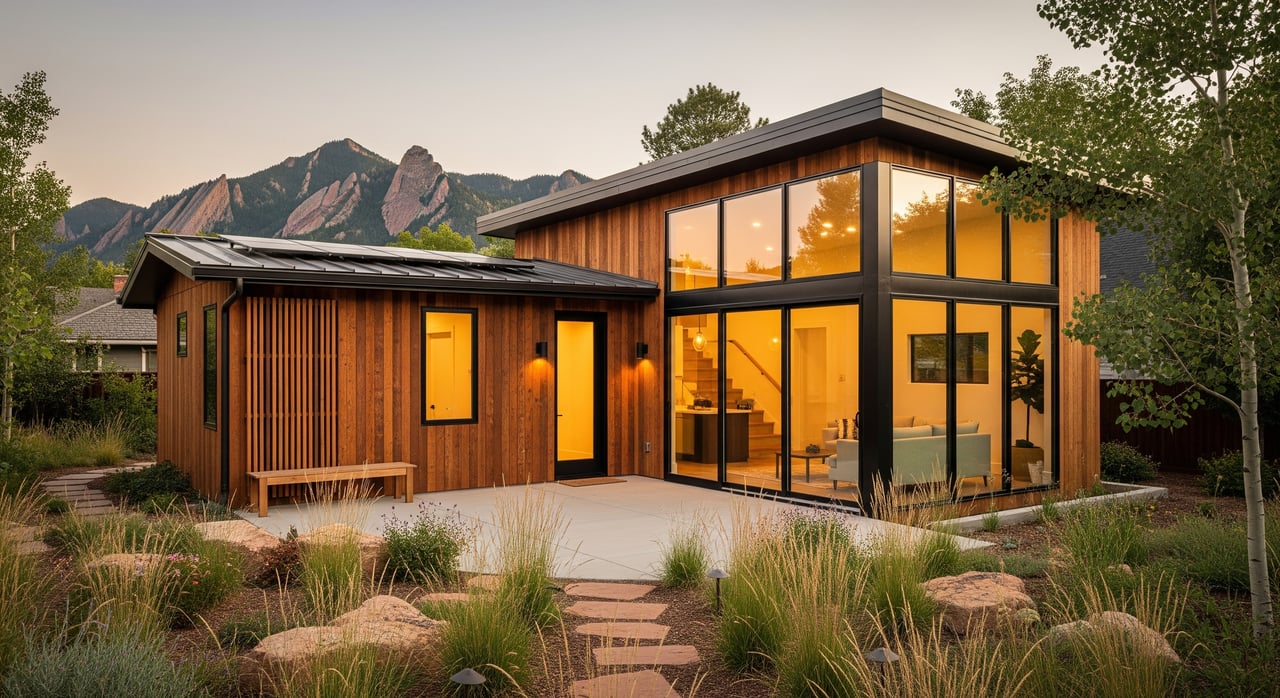
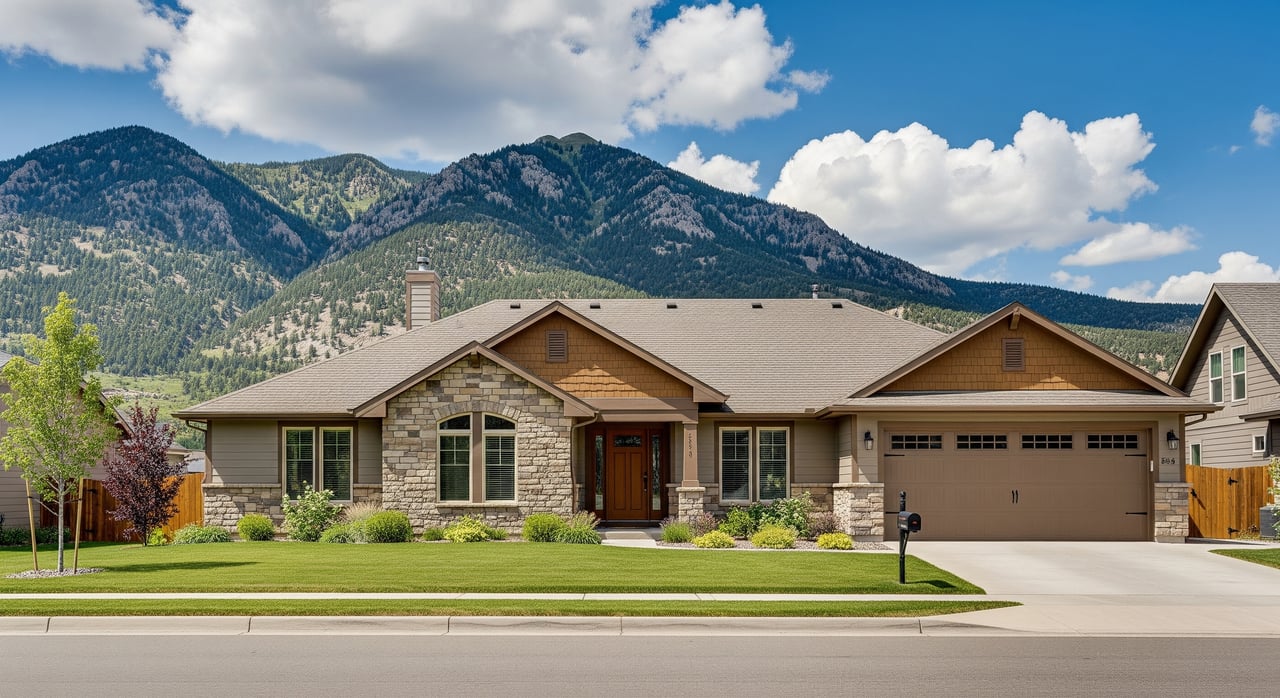
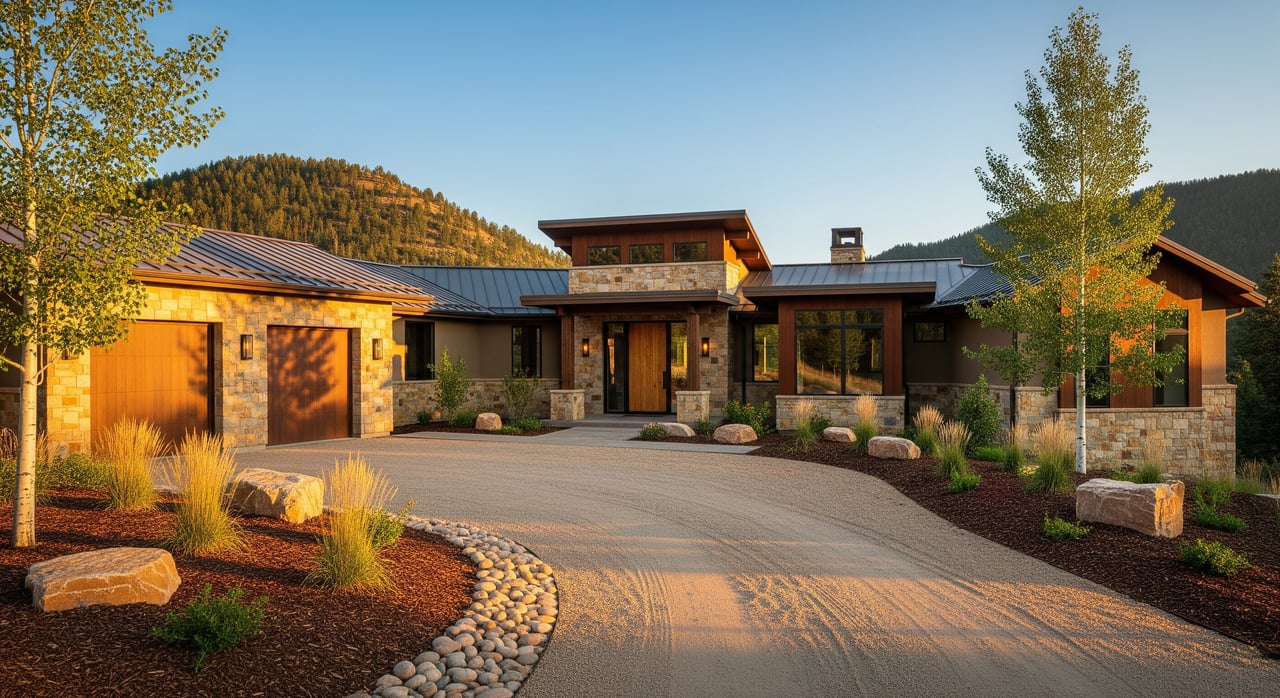
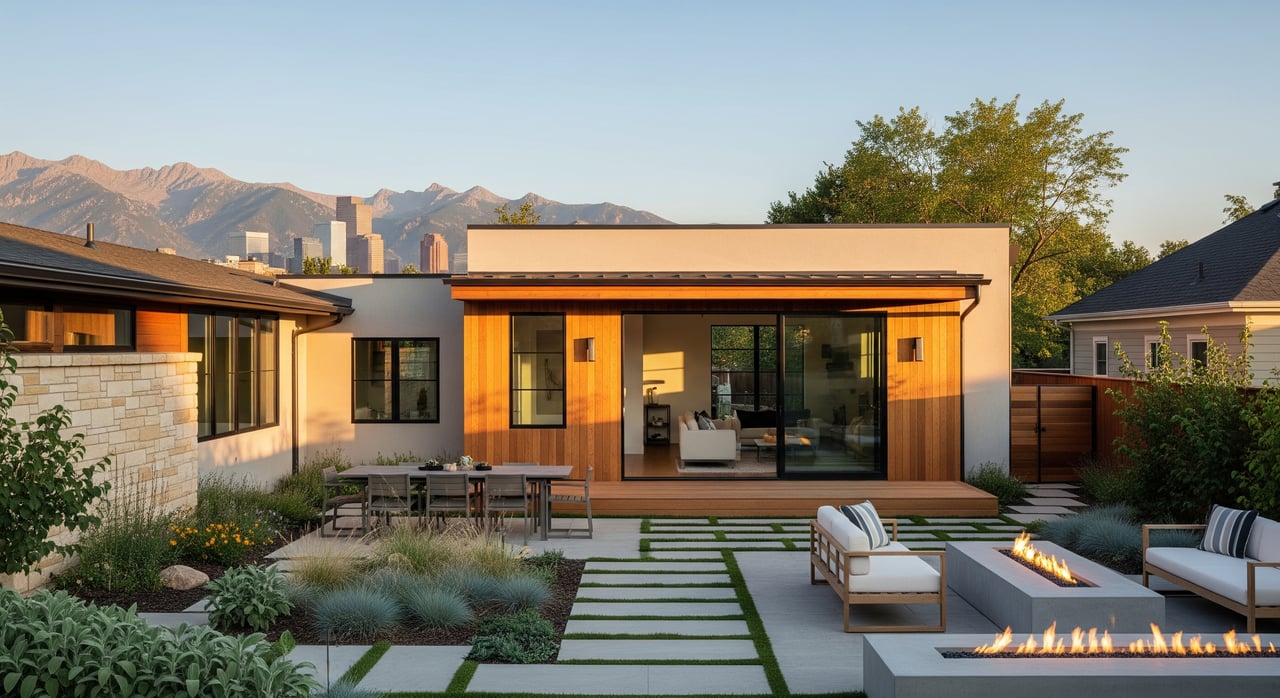
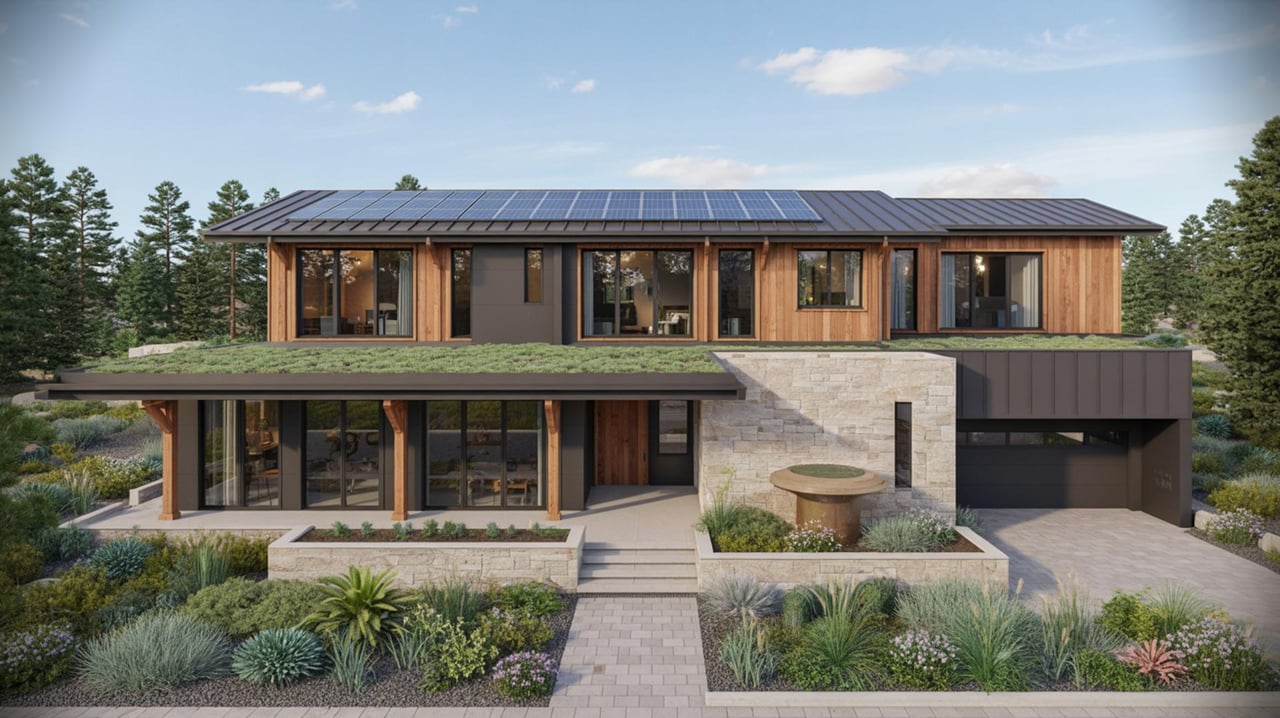
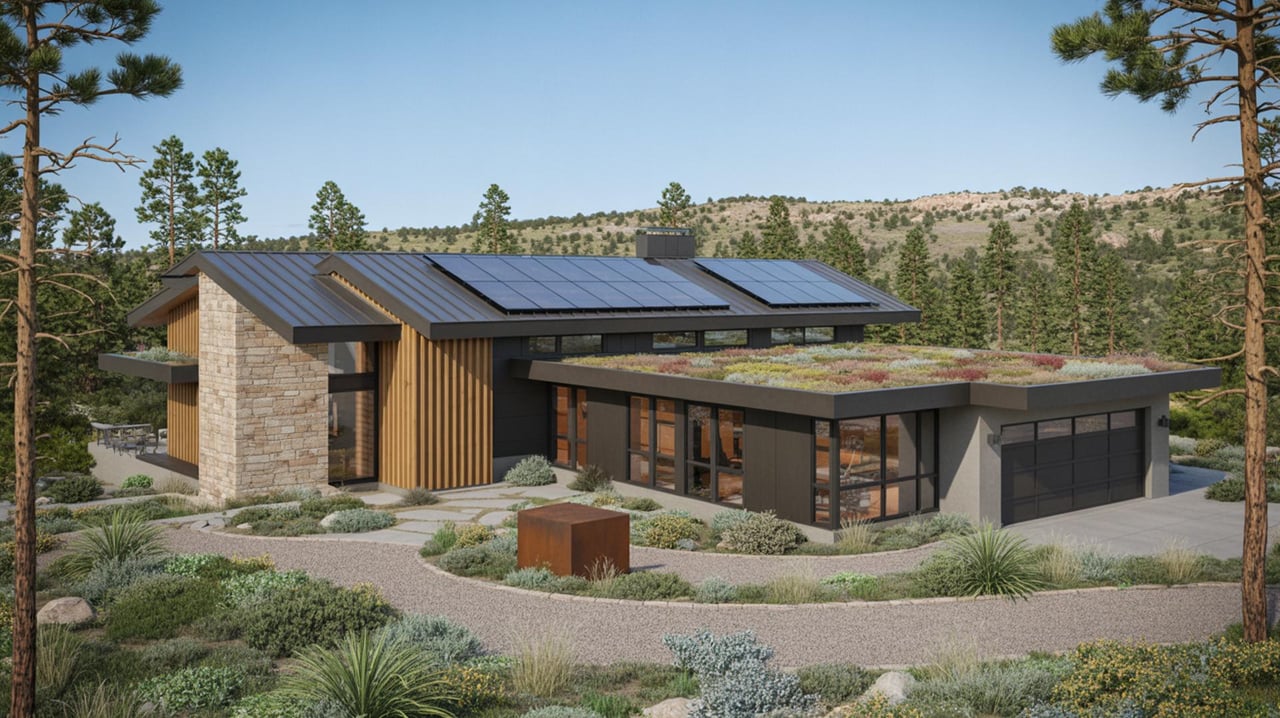
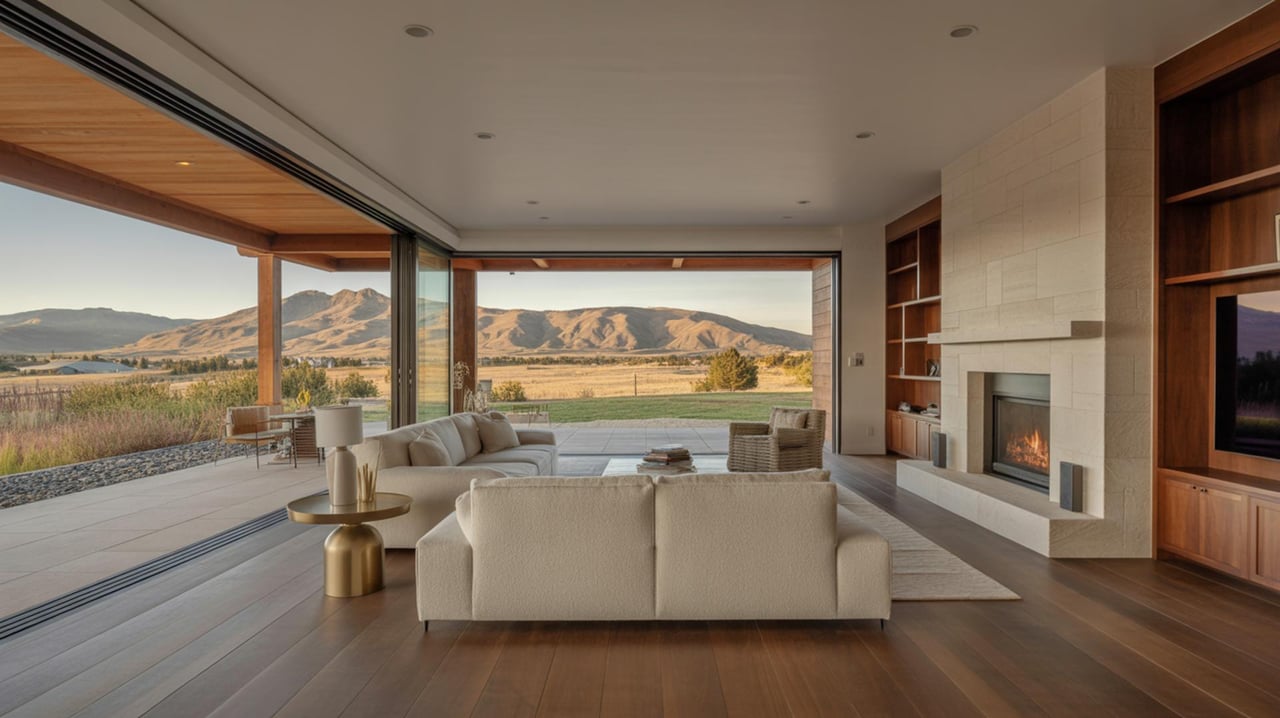
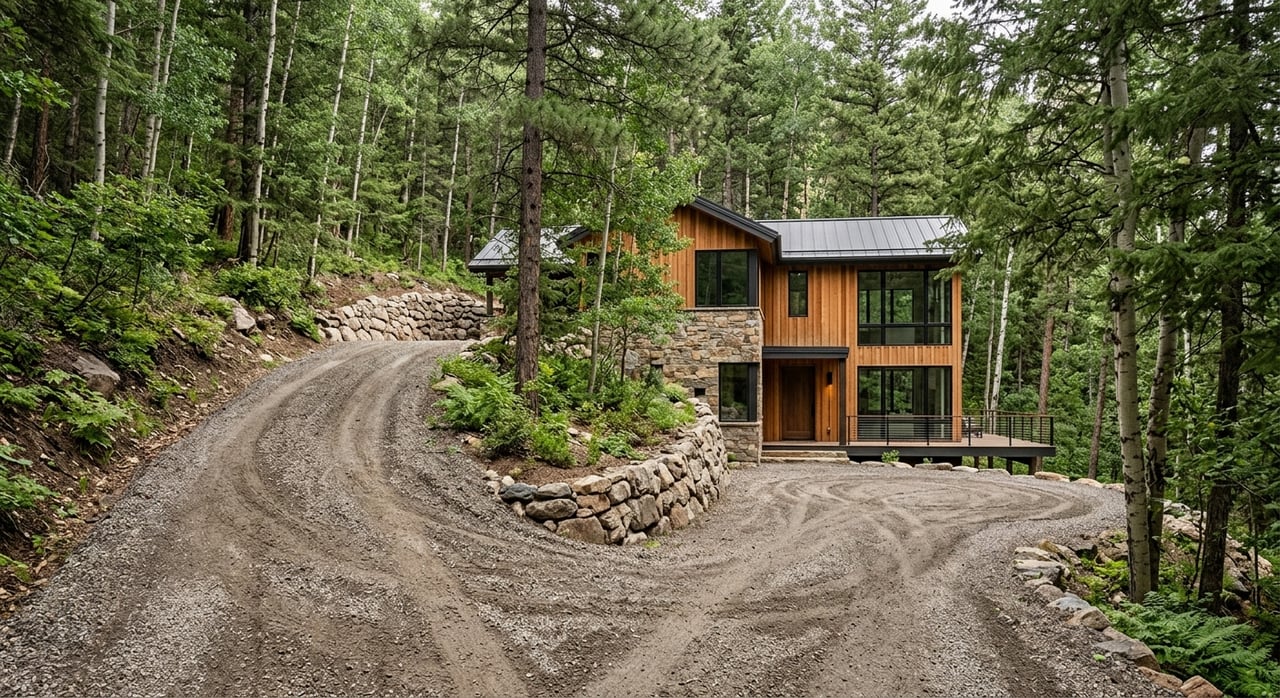
In practical terms, that means you will see a mix rather than a uniform subdivision pattern. Current and past homes in the area reflect mid-century influences, contemporary updates, cabin-style designs, and custom mountain homes.
Architecture Varies by Parcel
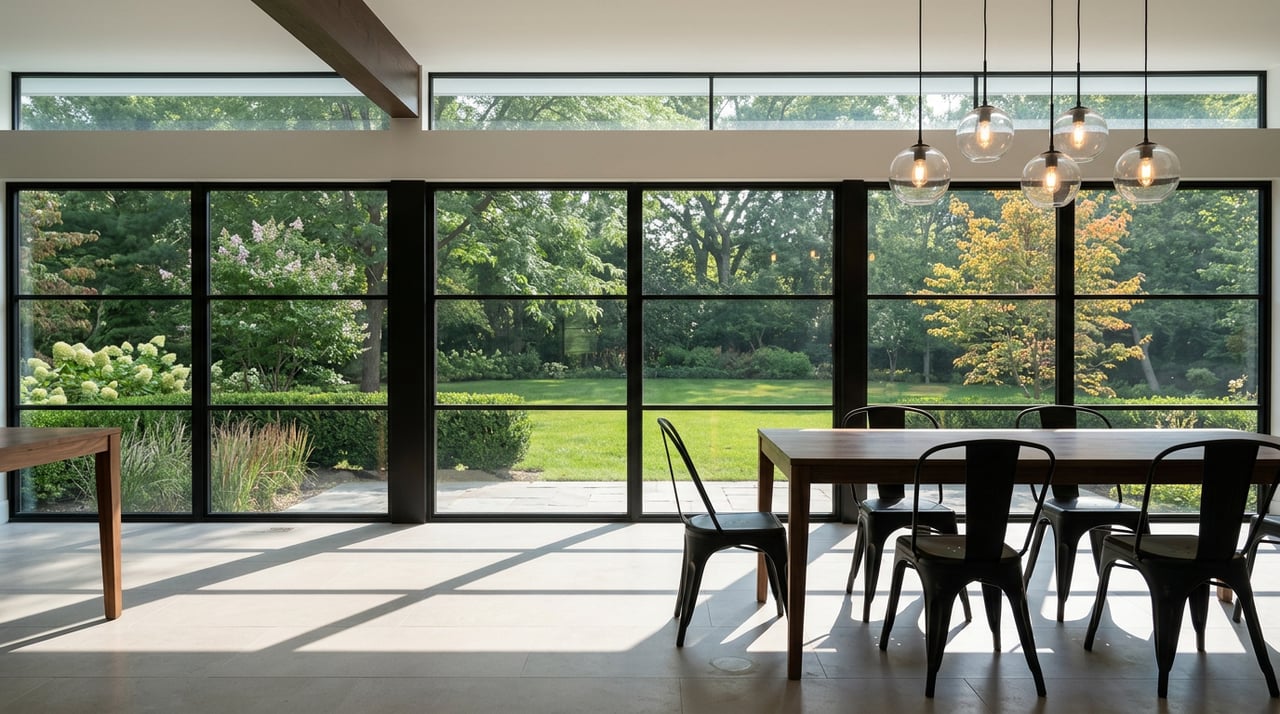
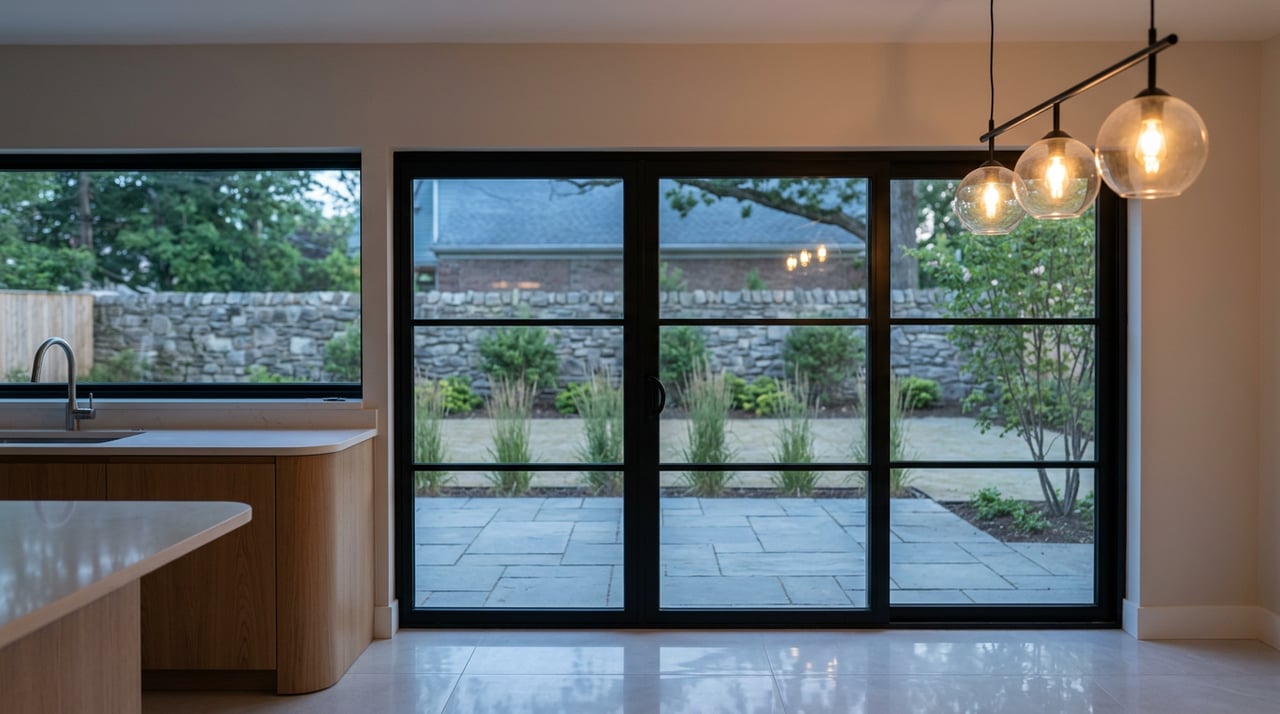
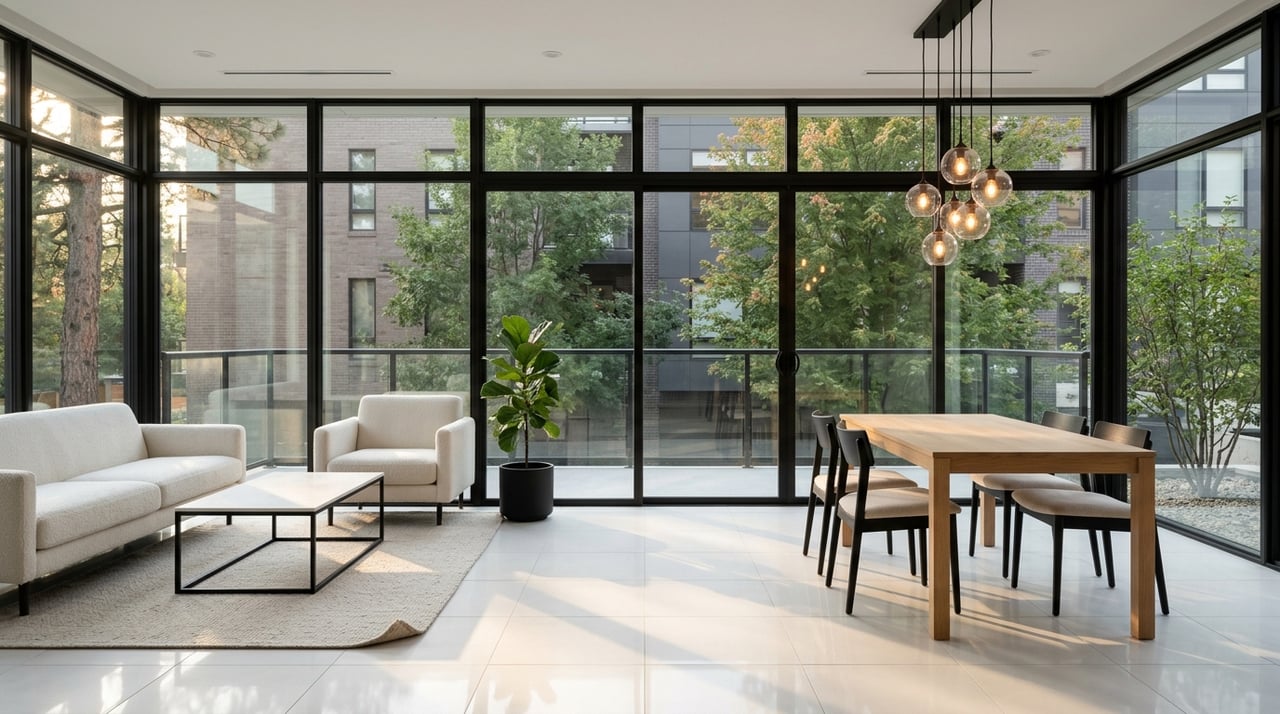
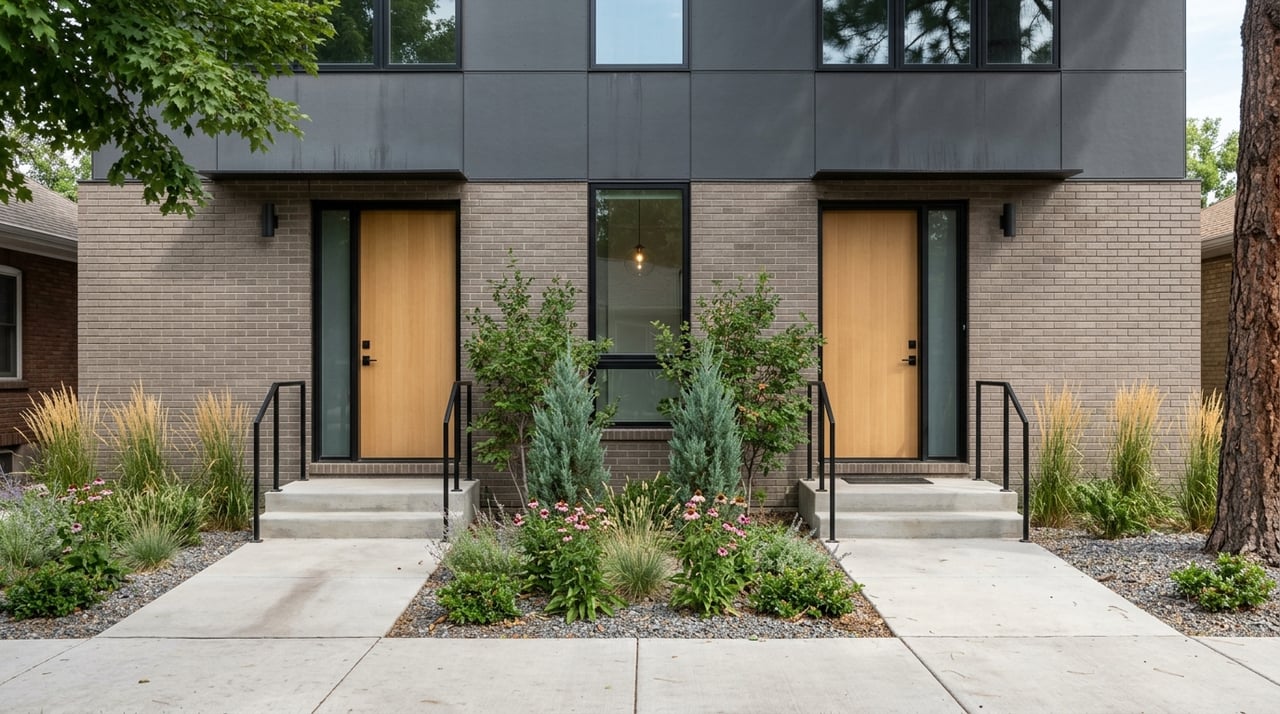
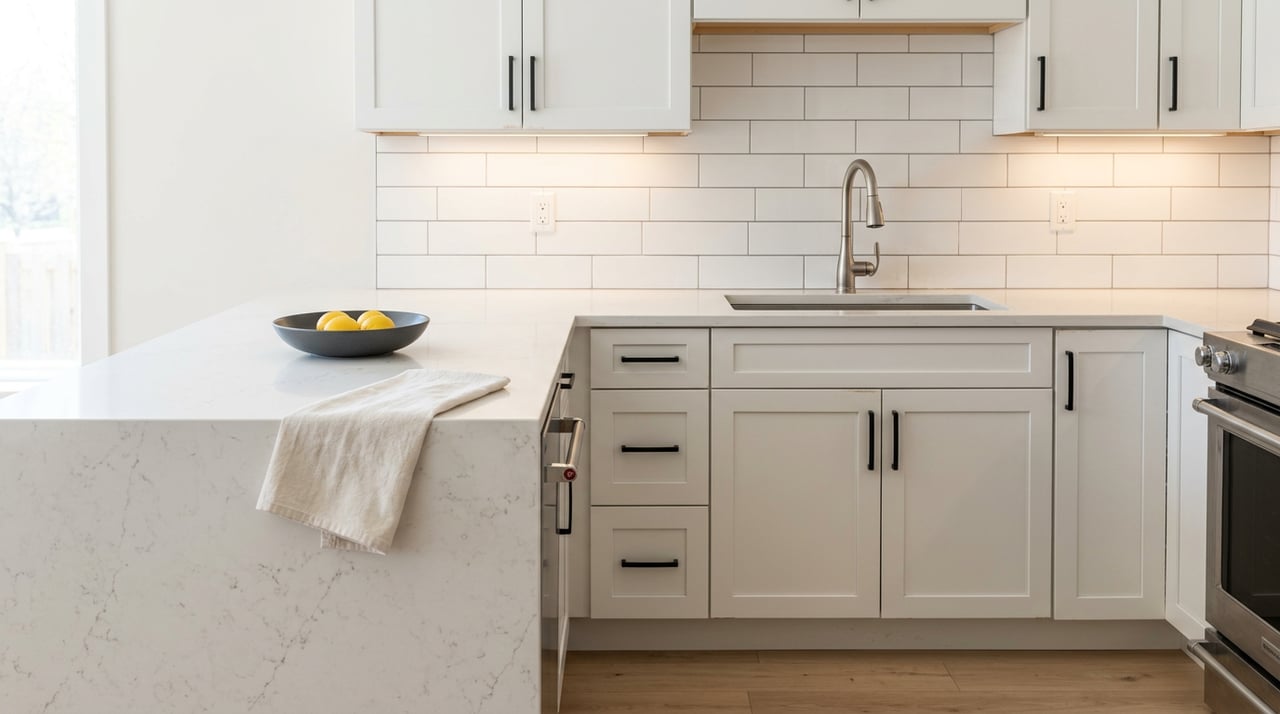
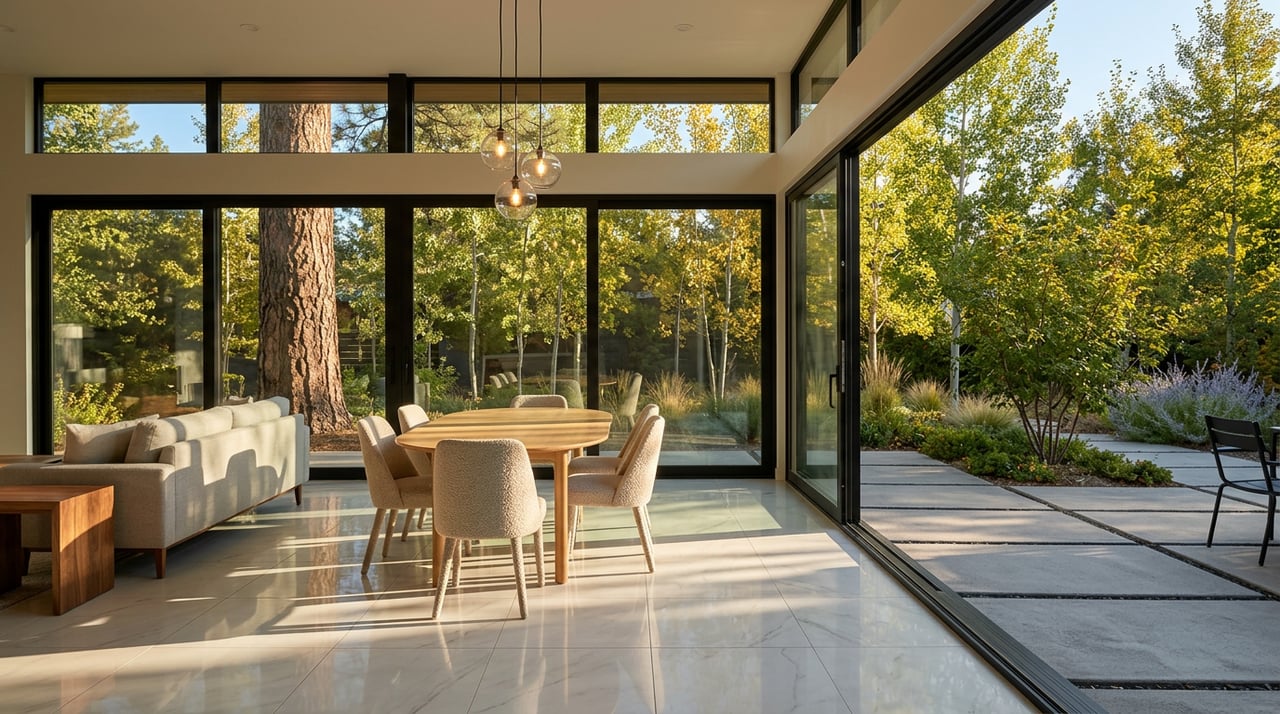
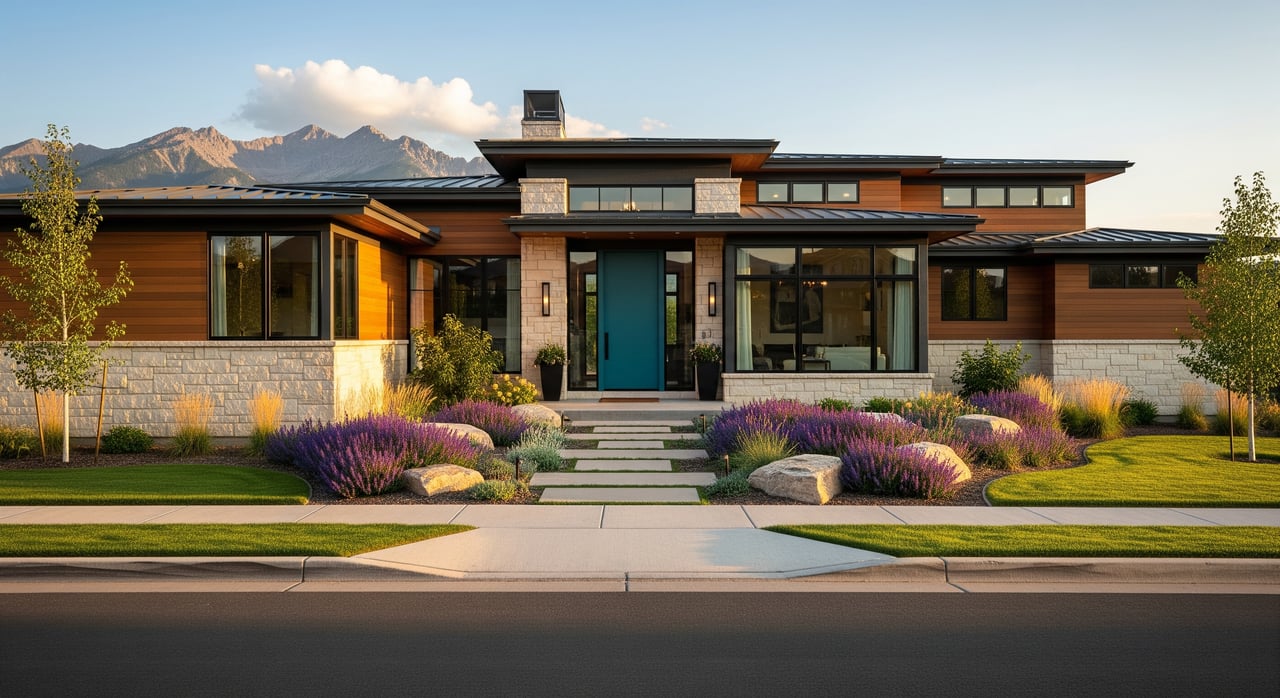
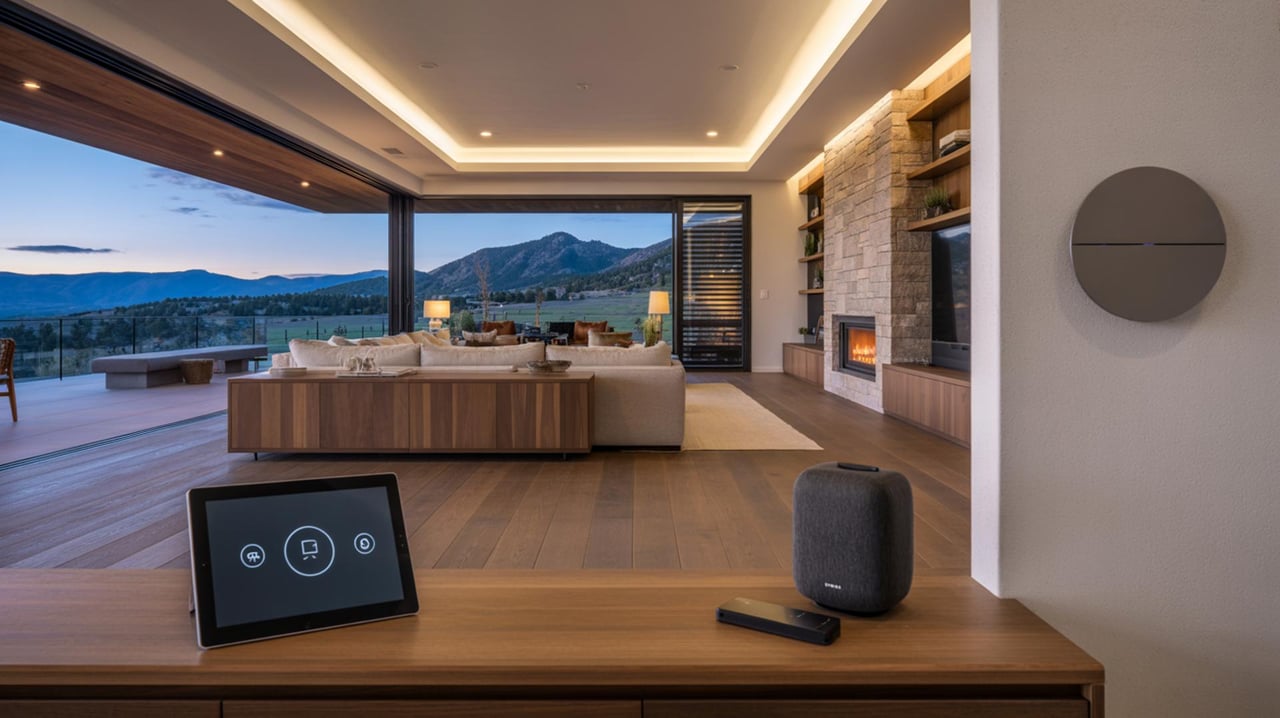
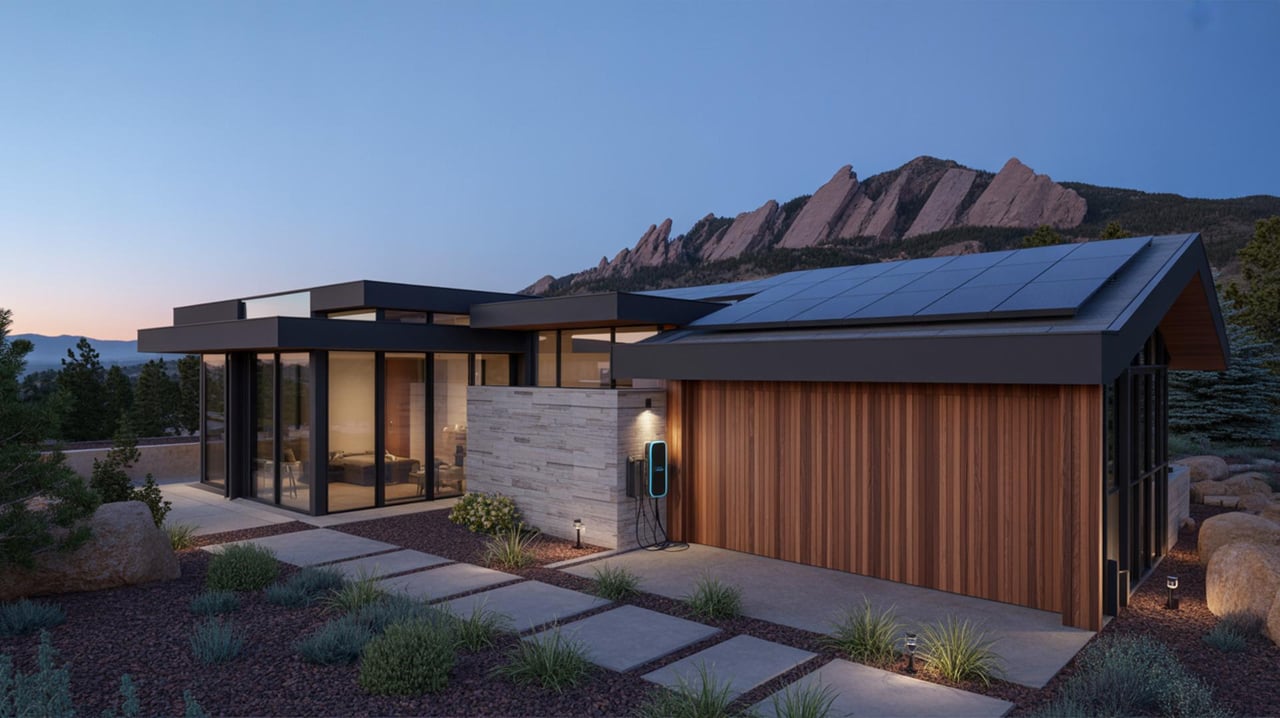
One of the most interesting parts of shopping in Boulder Heights is the variety. Some properties lean more rustic, while others feel architectural and design-forward, with updates that better match modern Boulder tastes.
That variety is important when you assess value. Two homes with similar square footage can feel completely different based on design, renovation quality, orientation, and how the house sits on the land.
Lot Size Drives Value
Boulder Heights is a lot-driven neighborhood. Reported median lot size is 56,192 square feet, and current listings commonly range from about 1.24 acres to more than 5 acres.
That is one of the biggest reasons buyers look here. In many cases, you are not paying for a smaller in-town lot with a premium price per square foot. You are paying for land, privacy, and a more expansive foothills setting.
Why Price Per Square Foot Can Mislead
In Boulder Heights, price per square foot only tells part of the story. A home with more acreage, stronger views, easier access, or better site conditions may command a higher price even if the interior square footage is not dramatically different from another listing.
Recent listings show just how much value can shift based on the parcel. A 1.24-acre property, a nearly 2-acre cul-de-sac lot, and a 5.09-acre parcel may all sit within the same broader neighborhood, yet offer very different ownership experiences.
Access Matters More Than You Think
Access is one of the most important things to evaluate before buying in Boulder Heights. Unlike in-town neighborhoods that rely on a standard street grid, this area depends on mountain-road access that can vary from parcel to parcel.
Boulder County’s road map is the official record for county road ownership, use, and maintenance. The county also notes that some roads are seasonal or not maintained for passenger cars, and roads designated as jeep roads may require four-wheel drive or high-clearance vehicles.
Commute Times Can Vary
Recent listings describe drive times to Boulder in a range from about 7 to 20 minutes depending on location. Those figures are marketing estimates rather than guarantees, but they still show an important point: your exact route and road conditions matter.
A home that feels close on a map may function differently in daily life based on elevation, road surface, curves, and winter weather. That makes test-driving the route at different times of day a smart step during your search.
Winter Road Conditions Are Part of Ownership
Snow removal is another key factor. Boulder County says high-volume and school-bus routes are cleared first, while lower-volume local-access roads are plowed after major routes are open.
For you as a buyer, that means winter convenience can vary based on where the home sits and who maintains the road. A beautiful property may still require more planning and a different comfort level with seasonal conditions.
Utilities Are Not Always Standard
One of the biggest differences between Boulder Heights and many city neighborhoods is infrastructure. Current listings show examples of septic systems, wells, cisterns, dirt or gravel roads, and homes with no HOA.
That does not make ownership harder by default, but it does mean you should verify every major system instead of assuming a typical city setup. Utility type, service access, and maintenance responsibilities should be reviewed parcel by parcel.
Questions Worth Asking Early
As you evaluate homes, focus on practical details like these:
- What type of water source serves the property?
- Is there a septic system, and what is its condition?
- Is the road paved, gravel, or dirt?
- Who maintains the road and how is that handled in winter?
- Are there easements or shared-access considerations?
- Is there an HOA, or are responsibilities handled privately?
These details shape both your day-to-day experience and the true cost of ownership.
Wildfire Readiness Is Part of Value
In the foothills, wildfire resilience is not a side note. It is part of how you evaluate a home’s readiness, maintenance needs, and future appeal to buyers.
The City of Boulder adopted the 2024 Wildland Urban Interface Code, which applies to building permits in the WUI area as of August 1, 2025. Boulder County also maintains wildfire mitigation programs focused on home hardening and defensible space, and Boulder Fire-Rescue offers free detailed home assessments for properties in higher-risk areas.
What Buyers Should Look For
When reviewing a Boulder Heights property, ask whether there has been recent mitigation work or whether the home has any wildfire-related certifications. One current listing in the area specifically highlights Wildfire Partners certification and mitigation improvements.
That kind of preparation can matter in everyday ownership and at resale. It also gives you a clearer picture of how seriously the property has been maintained in a foothills environment.
How Boulder Heights Compares on Price
Boulder Heights is not typically priced as a deep-discount alternative to Boulder. Third-party neighborhood trackers place its median sale price in the low-to-mid $900,000s, with average price per square foot around $402 to $431.
For comparison, Boulder citywide figures in the research show a median sale price in the mid-to-high $800,000s to low $900,000s depending on source and methodology, while city price per square foot runs higher. The broader takeaway is that Boulder Heights usually trades within Boulder’s general pricing range, but often offers more land and privacy per dollar.
The Real Value Equation
That value equation is why Boulder Heights continues to attract interest. If you are looking at the same budget in-town versus foothills, the decision may come down to what matters more to you: closer city convenience or more land, separation, and a stronger sense of retreat.
For many buyers, the answer is not just financial. It is lifestyle-driven. Boulder Heights can offer a version of Boulder living that feels more spacious and more immersed in the landscape, even when the price point remains competitive with town.
Due Diligence Should Be Parcel-Specific
This is not a market where broad assumptions work well. Boulder Heights is a parcel-based foothills market, so zoning, access, utility setup, and expansion potential can vary significantly from one property to the next.
Boulder zoning ties buildability to lot size and zoning district, and building coverage standards are intended to preserve open space, views, and privacy. Boulder County setback rules also vary by zoning district, subdivision status, and the date a lot was created, which means remodel or addition potential is highly specific to the parcel.
A Smart Boulder Heights Checklist
Before you move forward on a property, make sure you review:
- Road jurisdiction and maintenance
- Winter access conditions
- Water and wastewater systems
- Wildfire mitigation status
- Zoning and setback considerations
- Topography and usable outdoor space
- Potential limits on additions or expansion
In Boulder Heights, a great house is only part of the story. The land and the logistics matter just as much.
Who Boulder Heights Fits Best
Boulder Heights tends to make the most sense for buyers who value views, privacy, and a more independent foothills lifestyle. It can be an especially strong fit if you appreciate architecture, larger lots, and homes with a distinct relationship to the site.
It may be less ideal if you want a simple lock-and-leave setup or the predictability of standard city infrastructure. The right fit depends on how you balance access, maintenance, and the kind of daily setting you want your home to provide.
If you are considering Boulder Heights, the most helpful next step is to evaluate each opportunity with both design and data in mind. For tailored guidance on Boulder foothills properties and a smarter, parcel-specific buying strategy, connect with Emelie S Griffith.
FAQs
What makes Boulder Heights different from in-town Boulder neighborhoods?
- Boulder Heights is a foothills neighborhood where buyers often prioritize views, privacy, and lot size over walkability and standard city-grid convenience.
What should buyers check about roads in Boulder Heights?
- You should confirm road type, maintenance responsibility, winter access, and whether any route includes roads that are seasonal or not maintained for passenger cars.
What utility systems are common in Boulder Heights homes?
- Some properties may have septic systems, wells, cisterns, dirt or gravel road access, and no HOA, so utility and maintenance details should be verified for each parcel.
How does Boulder Heights pricing compare to Boulder overall?
- Research suggests Boulder Heights prices are generally within Boulder’s broader range, but the neighborhood often offers more land and privacy per dollar than many in-town options.
Why is wildfire mitigation important for Boulder Heights buyers?
- Wildfire readiness affects ownership, maintenance, and resale, so it is smart to review mitigation work, defensible space, and any relevant certification or assessment history for the property.
Why is due diligence more important in Boulder Heights real estate?
- Because this is a parcel-specific foothills market, factors like zoning, setbacks, access, utilities, and topography can vary widely and directly affect how a property functions for you.