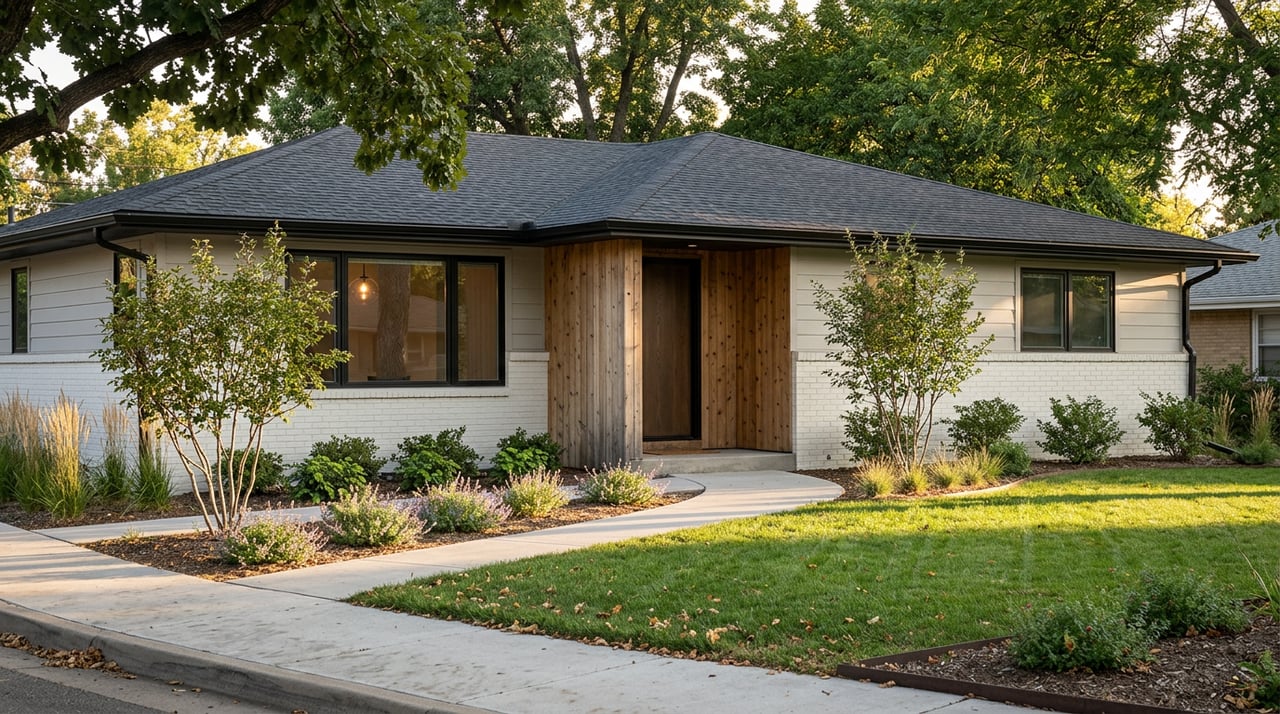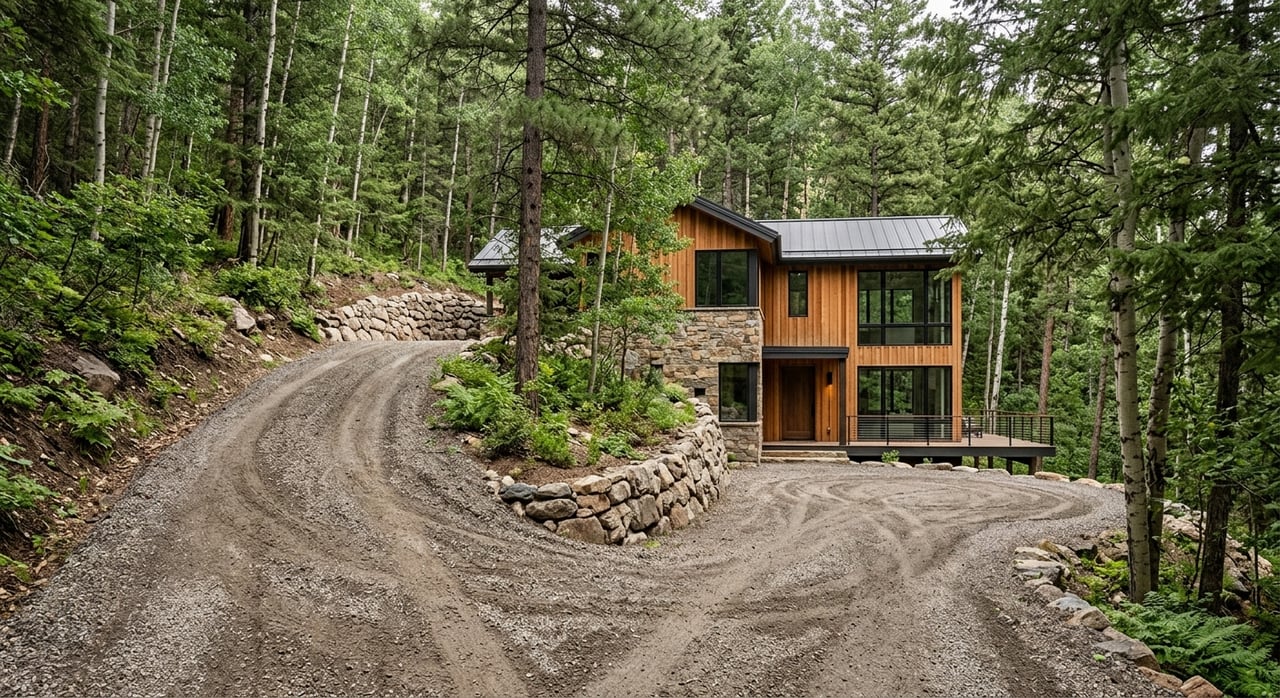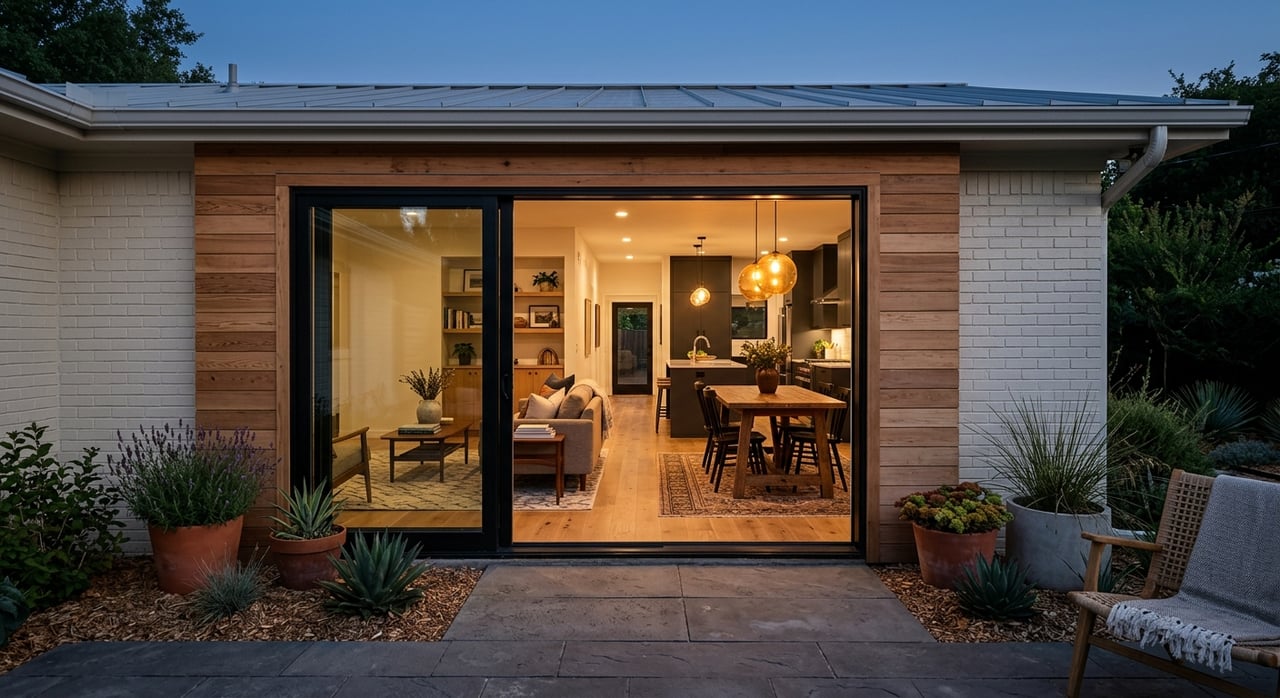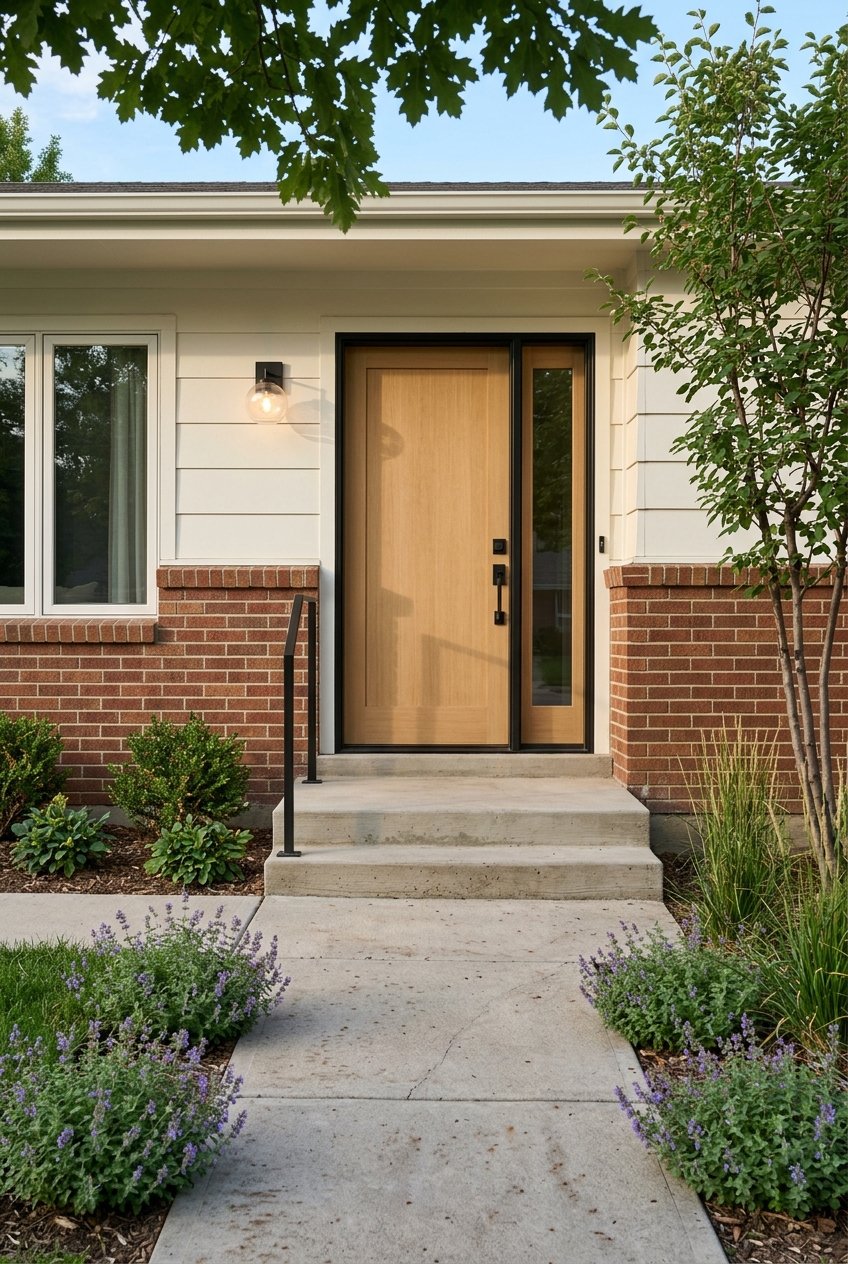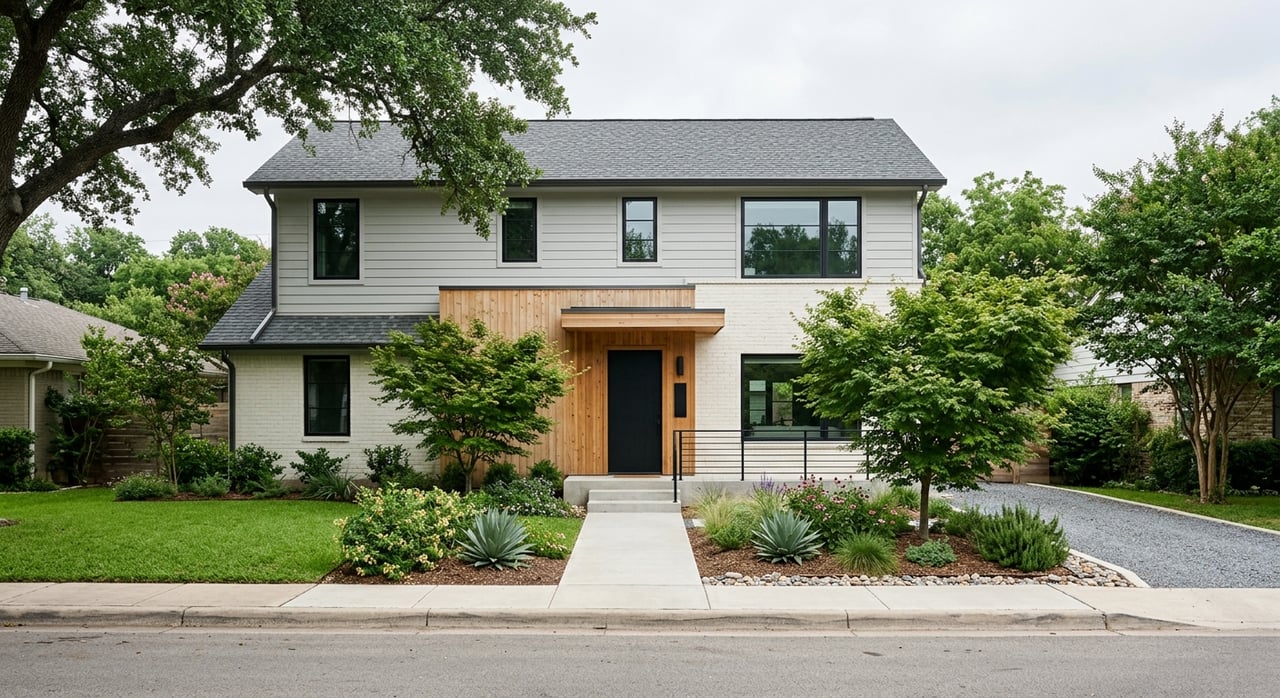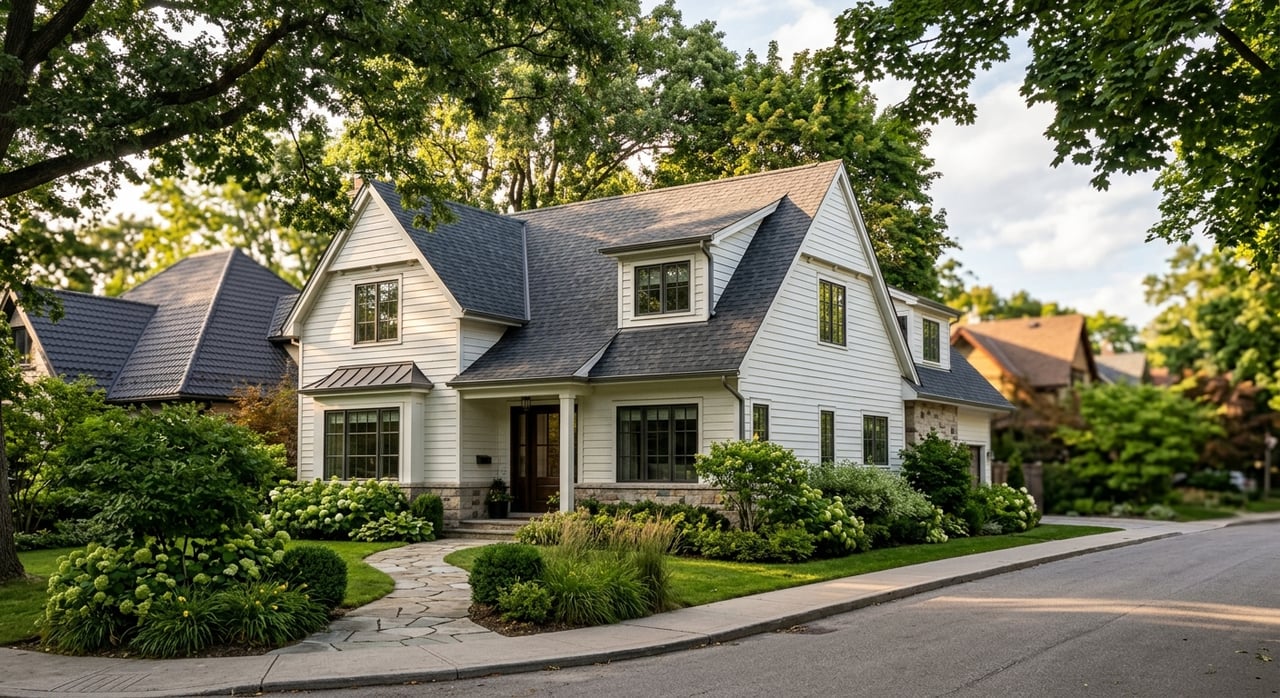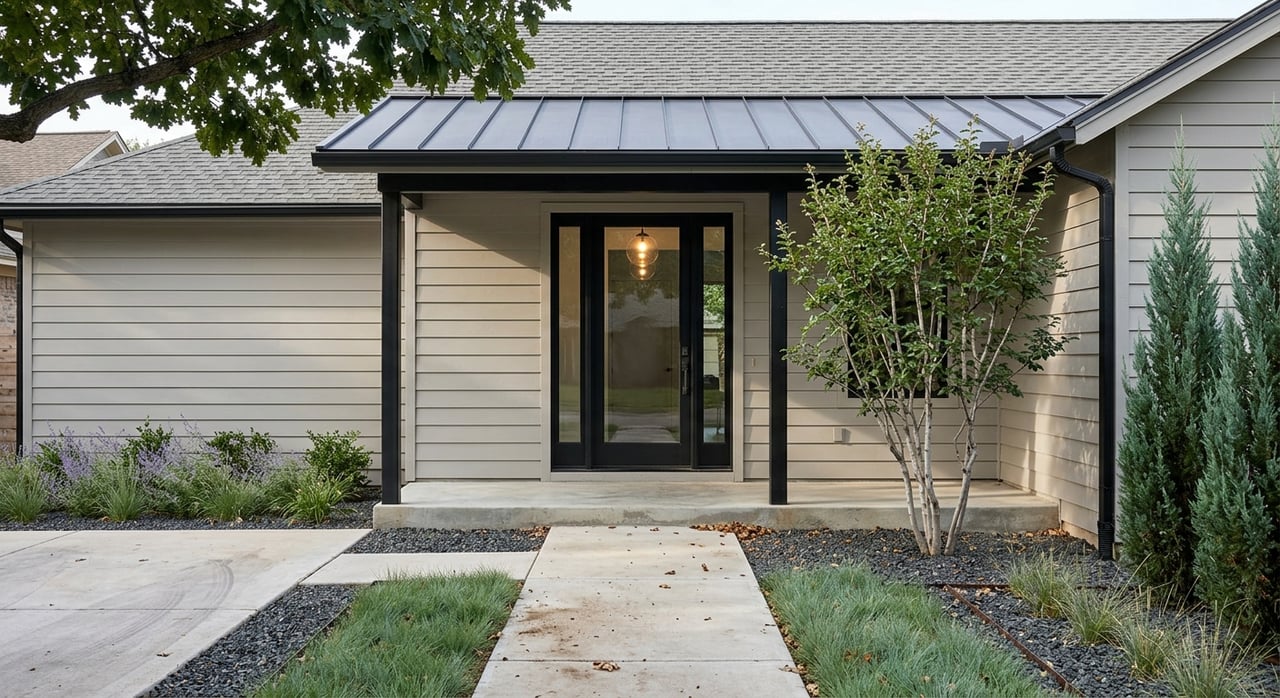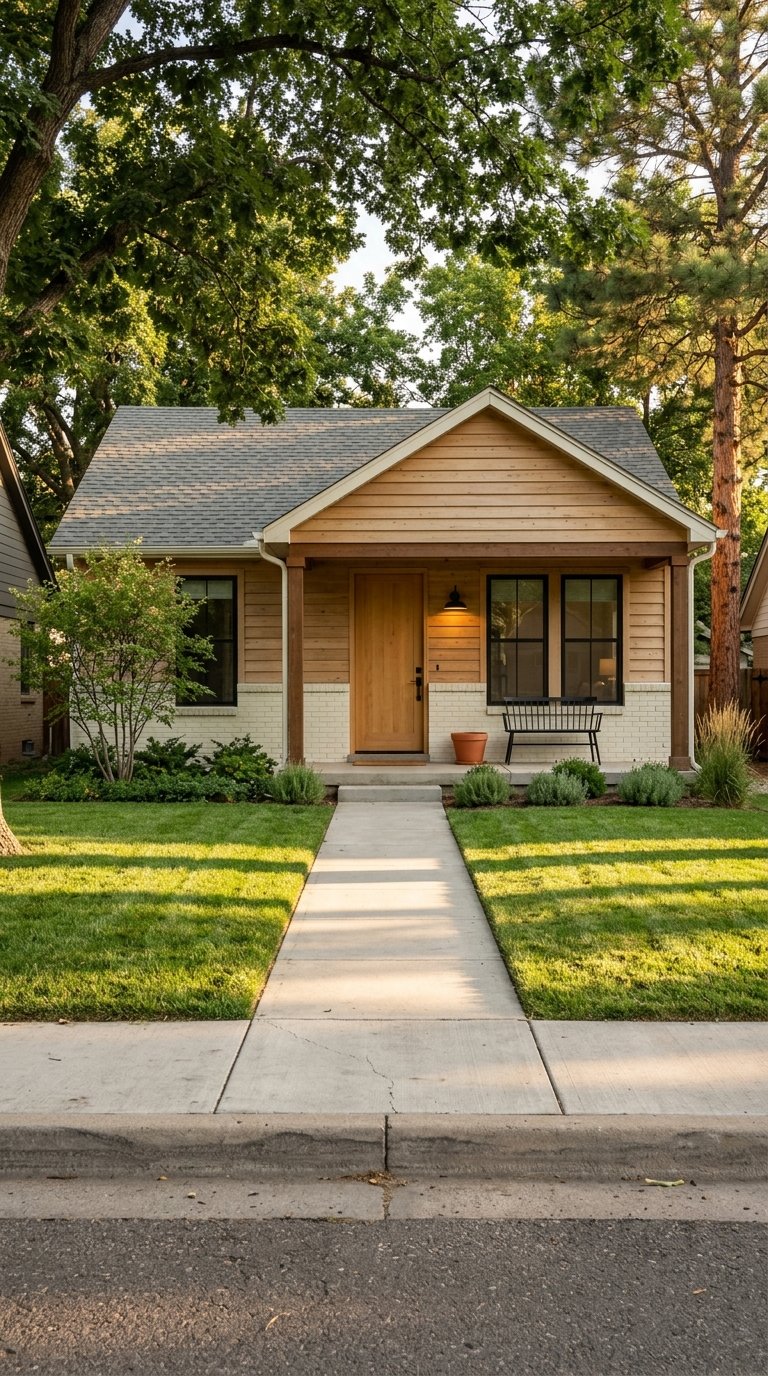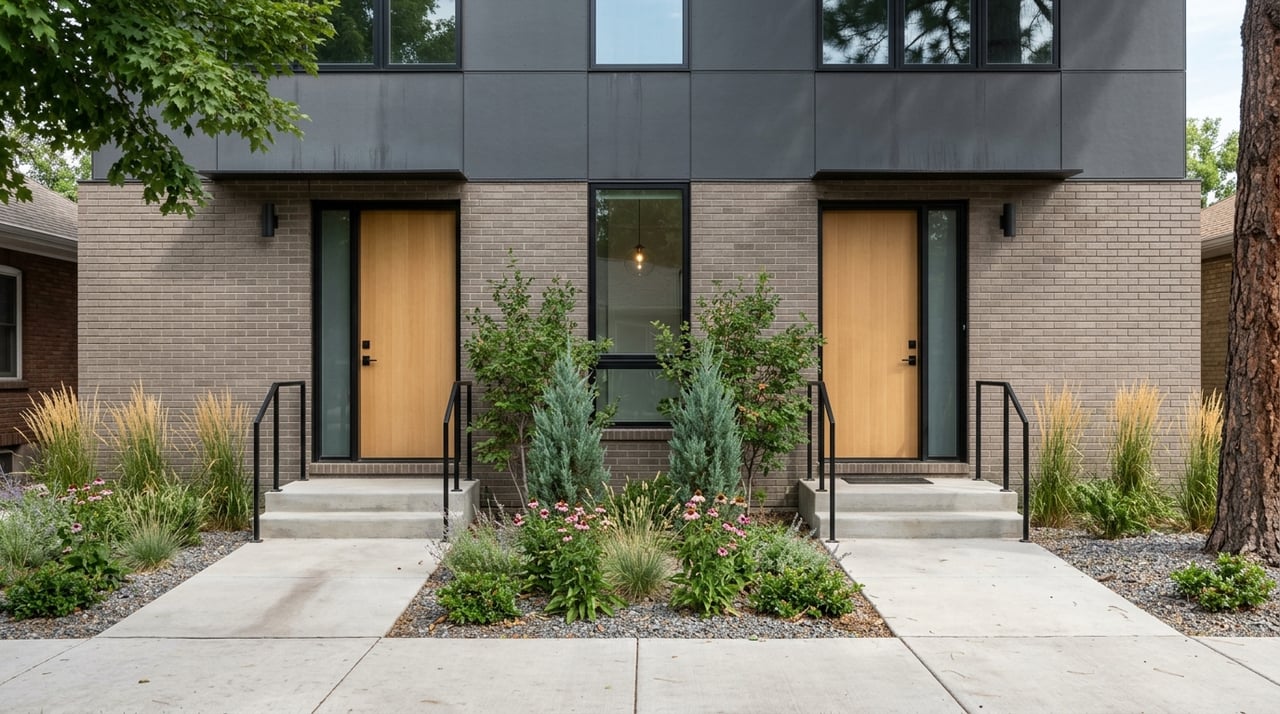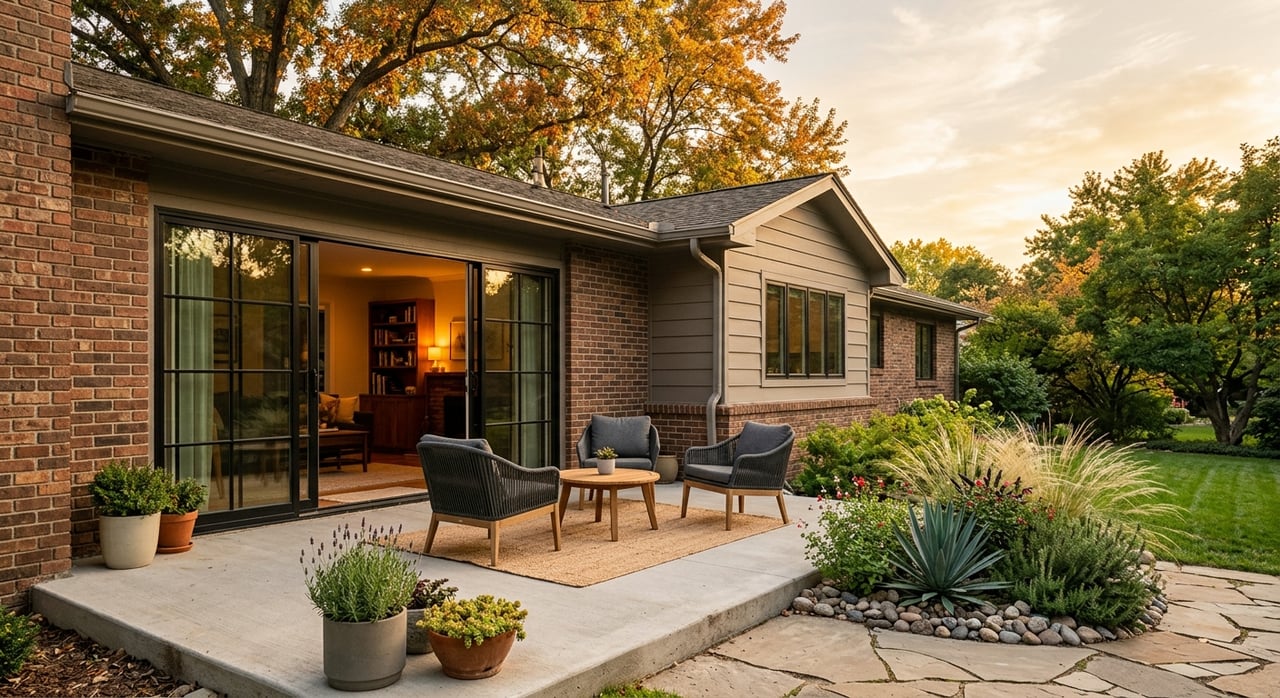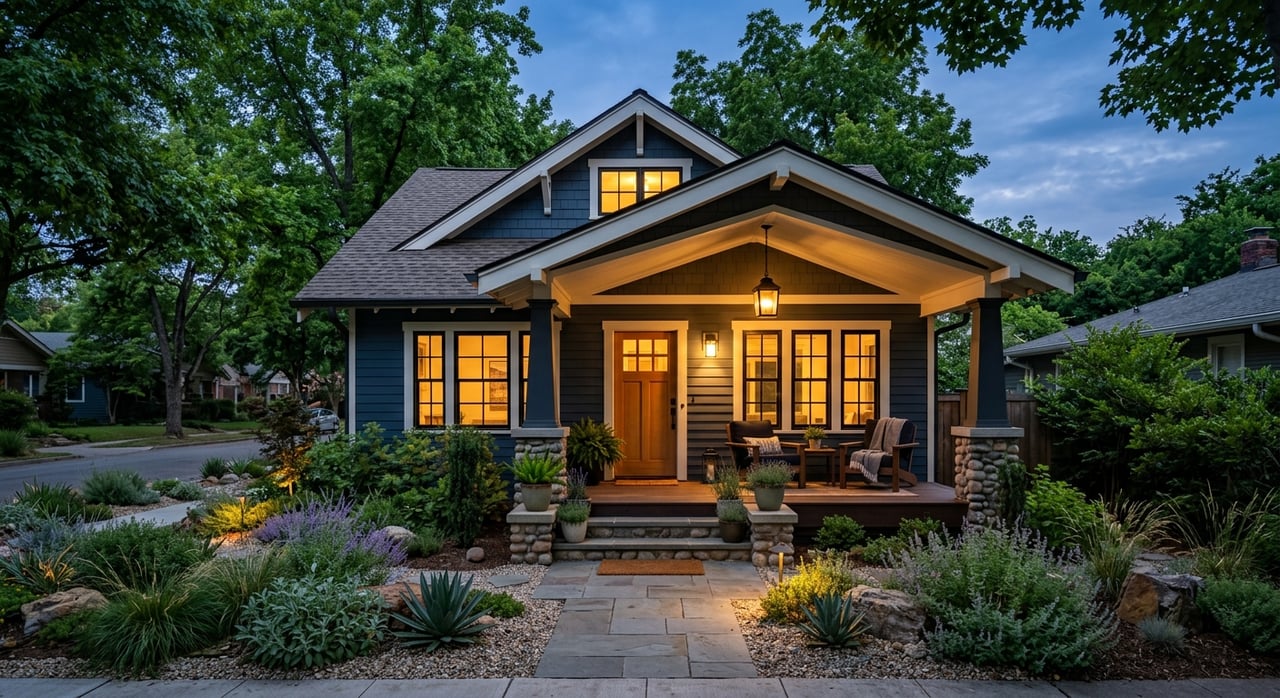
Choosing between Old Town Louisville and a newer Louisville neighborhood can feel like picking between charm and convenience, but the right fit depends on how you want to live day to day. You may love the idea of historic streets and quick access to downtown, or you may prefer a home with more modern planning, trail connections, and newer community features. If you are weighing both options in Louisville, Colorado, this guide will help you compare the real tradeoffs so you can move forward with more confidence. Let’s dive in.
What Old Town Louisville Means
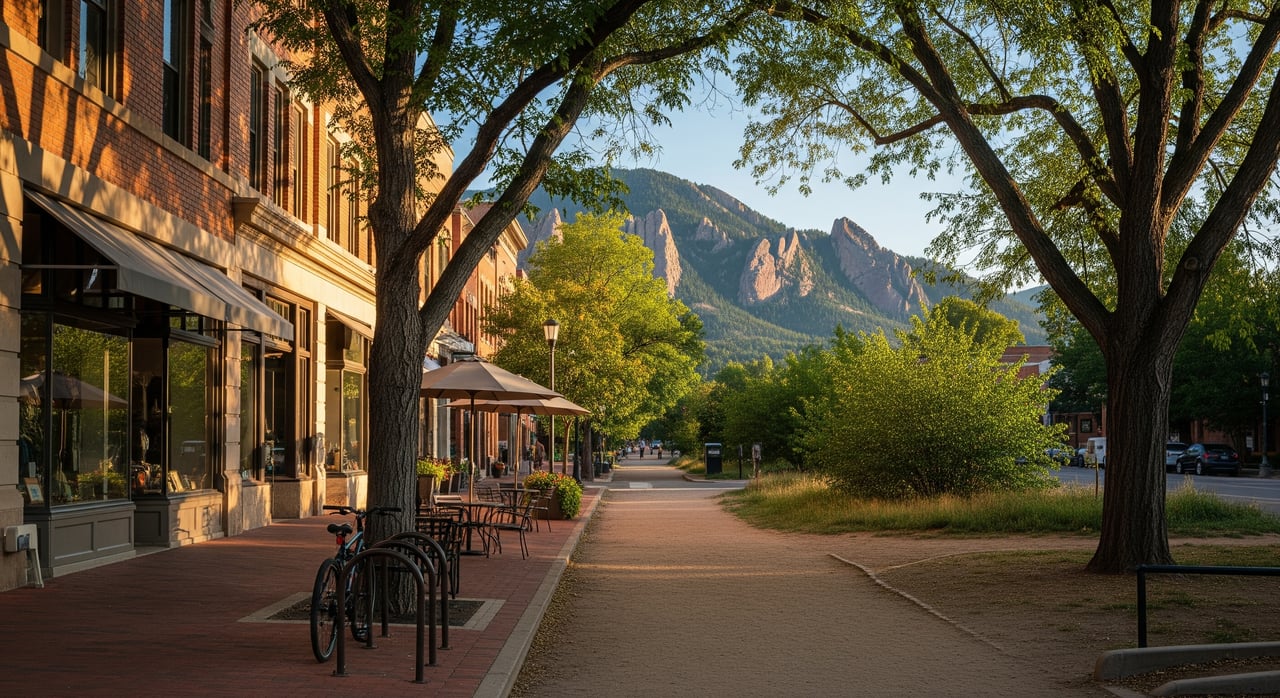
Old Town Louisville is the city’s historic residential neighborhood surrounding Downtown. The city describes it as an area with diverse architecture and distinct appeal, and it continues to study and update planning for the neighborhood through its Old Town zoning work.
That historic identity is supported by more than appearance alone. Louisville has active preservation policies, historic surveys, and landmarks that reflect the area’s long history, including the Louisville Historical Museum campus and the Jacoe Store, which is listed on the National Register of Historic Places, as noted in the city’s Old Town and preservation materials.
What Newer Louisville Neighborhoods Offer
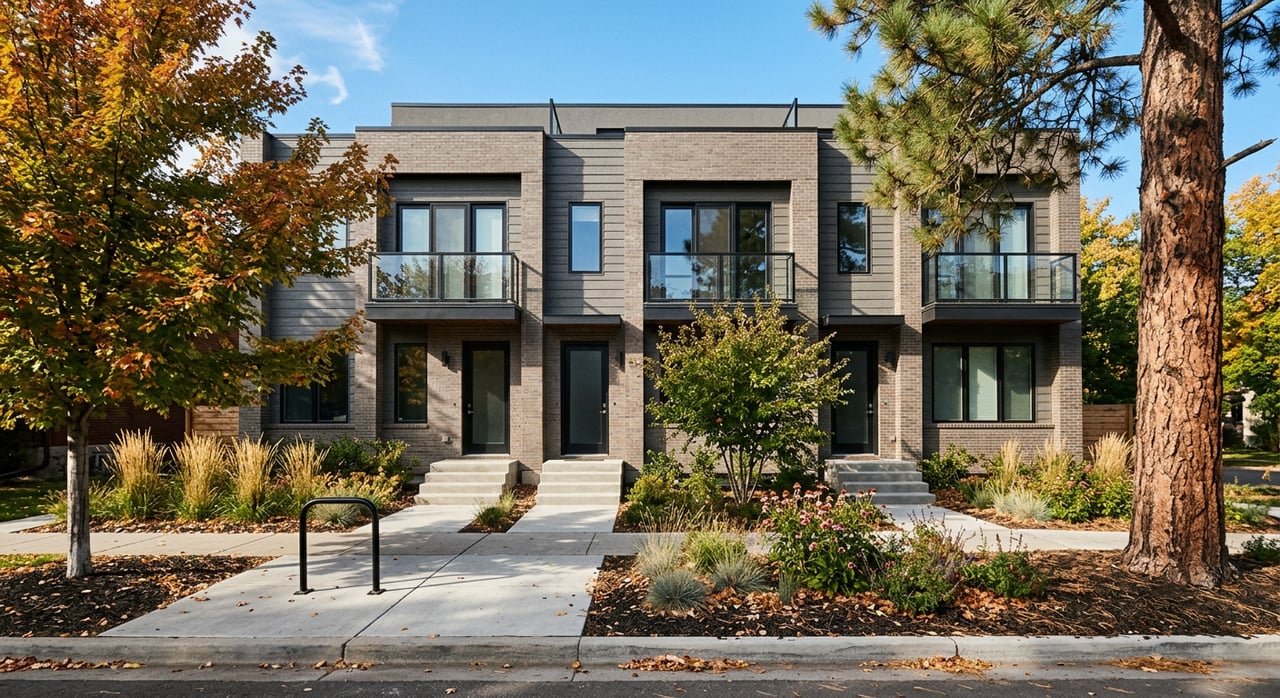
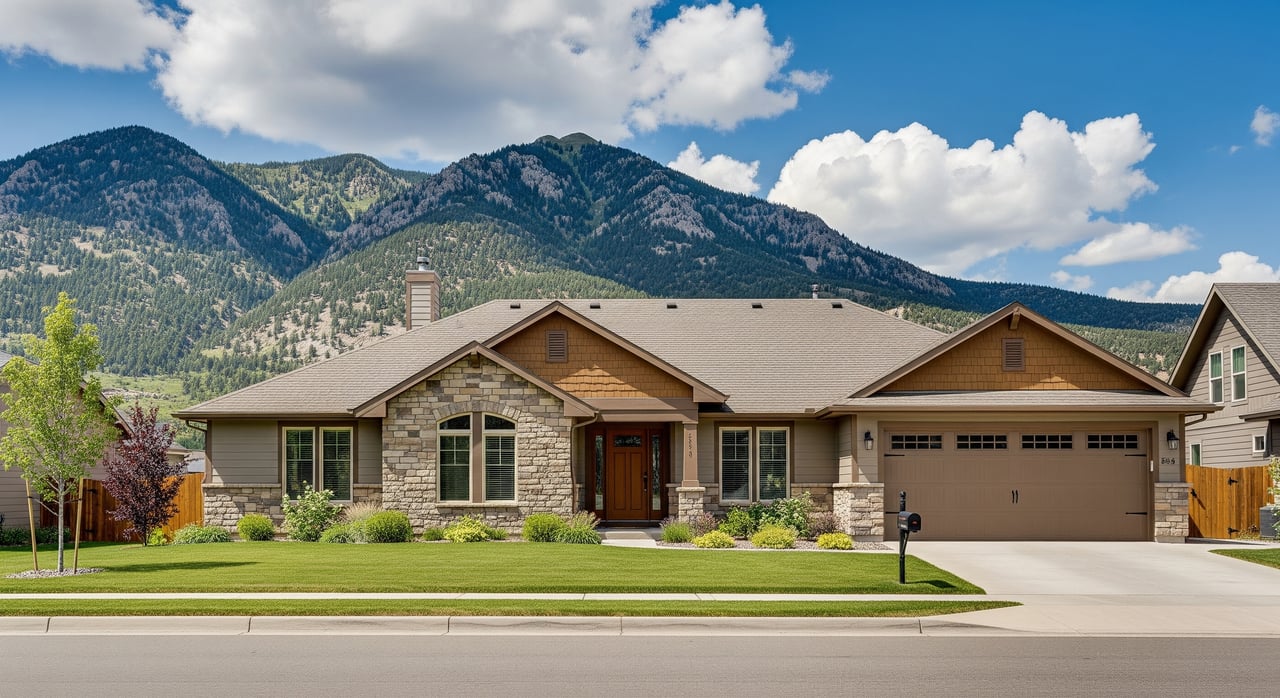
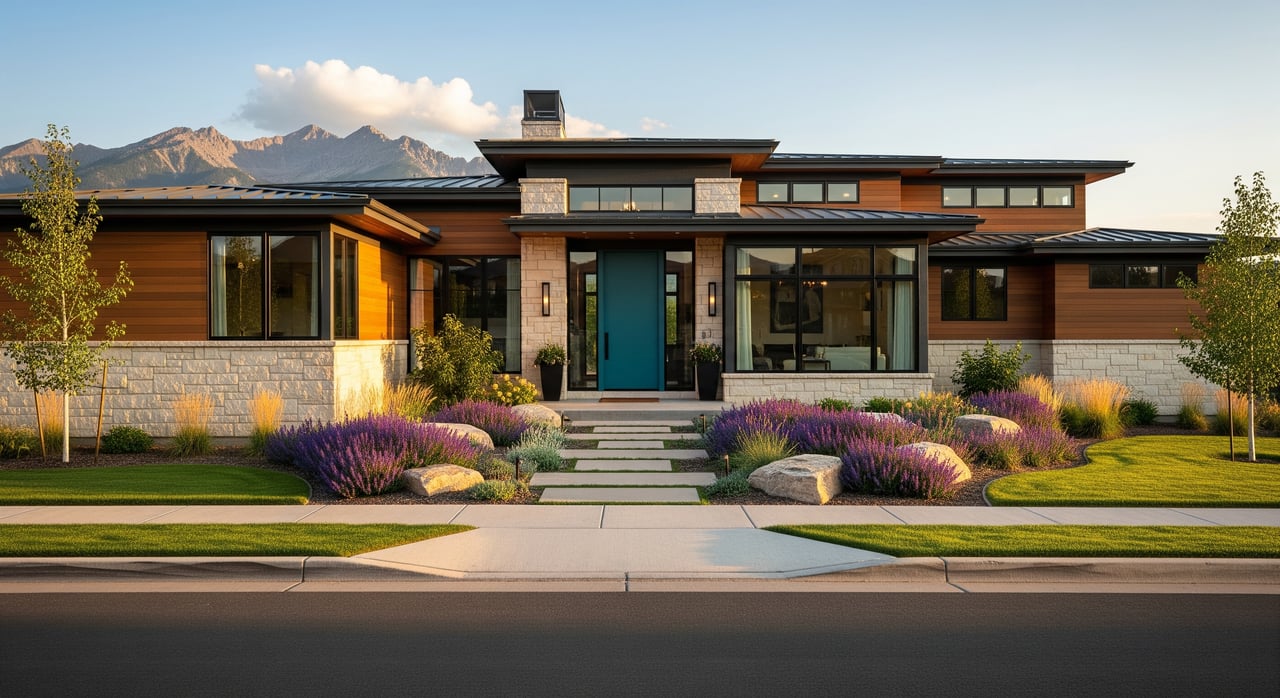
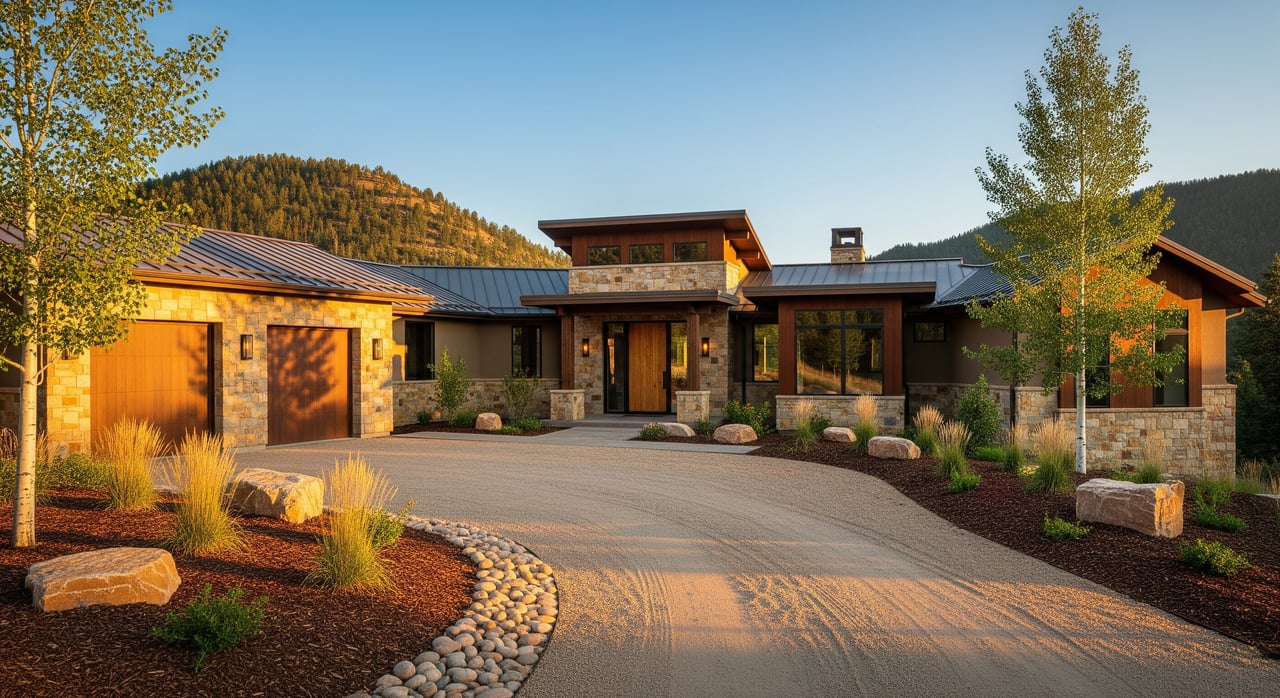
Newer neighborhoods in Louisville usually follow a different planning model. The city’s zoning framework relies heavily on Planned Unit Development overlays, and its zoning and design regulations are intended to clarify project goals and help maintain or enhance property values.
In practice, that means newer housing often appears in planned communities or redevelopment areas near existing services, transit, and commercial centers rather than in the historic core. Recent examples include Kestrel and other Louisville housing initiatives, as well as Downtown East Louisville, also called DeLo, which adds housing, retail, and office space.
Character Vs Predictability
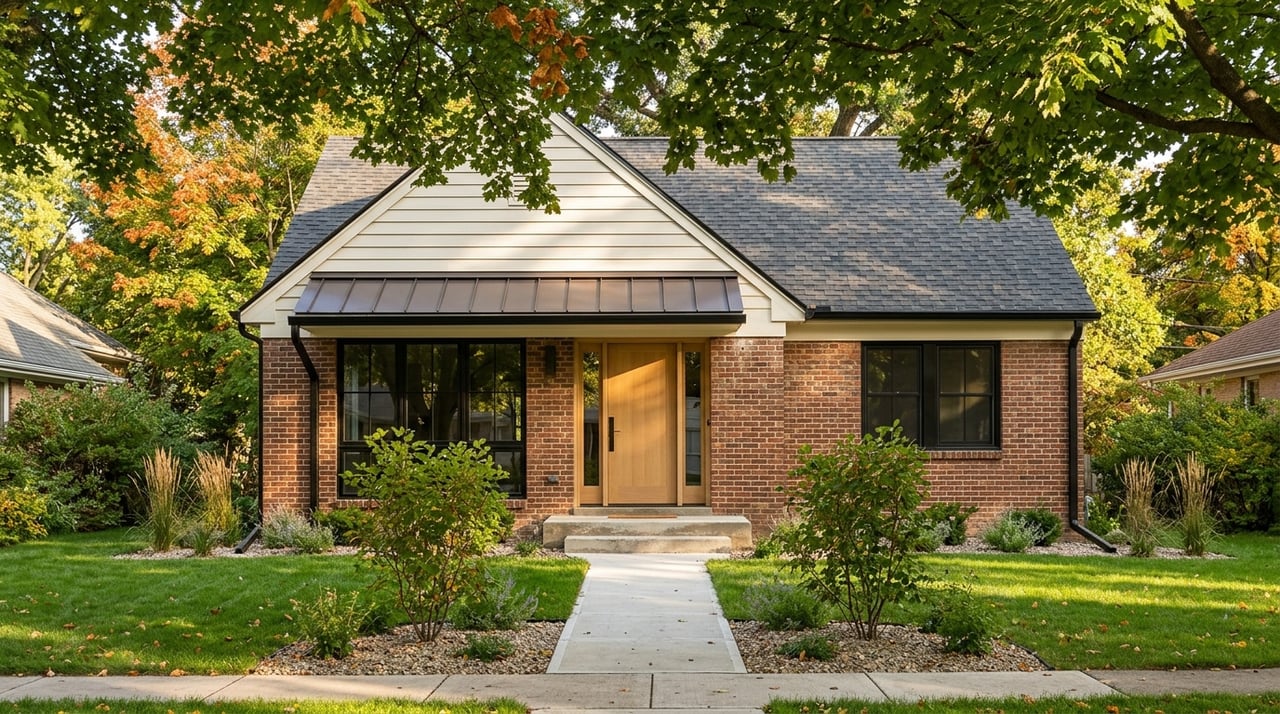
For many buyers, this is the heart of the decision. Old Town tends to offer the strongest sense of place, with historic streets, downtown proximity, and a neighborhood identity the city is actively preserving through its Old Town planning efforts.
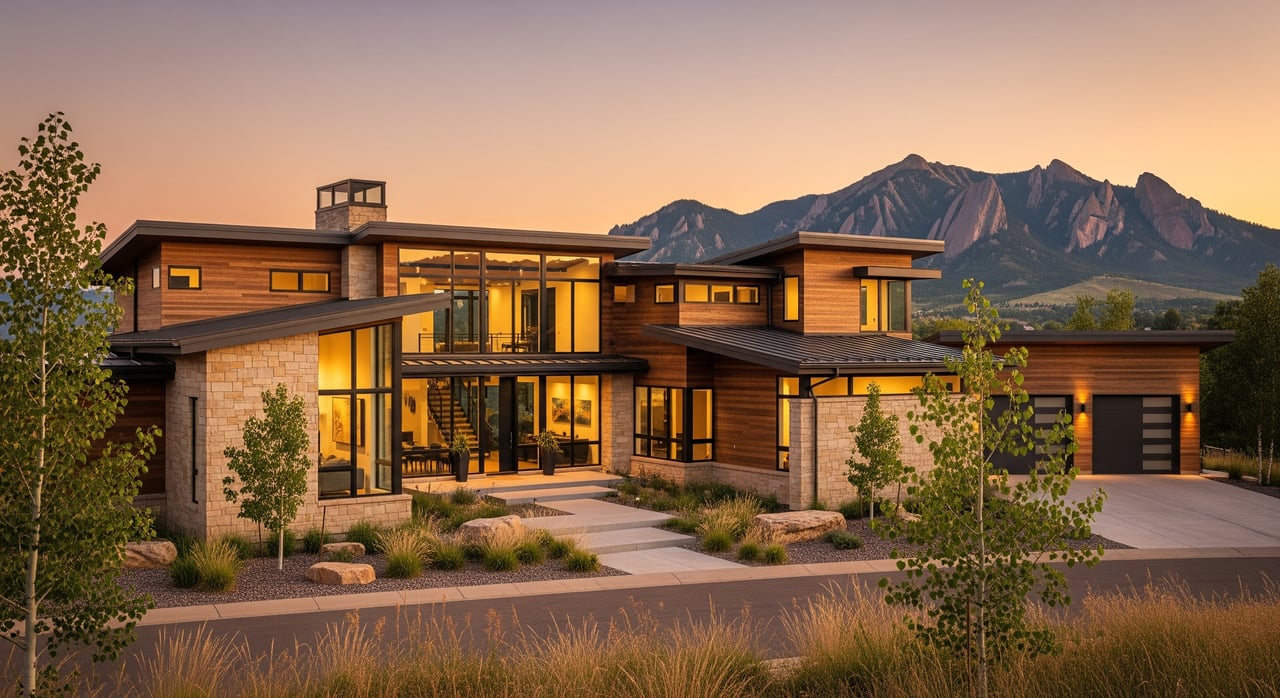
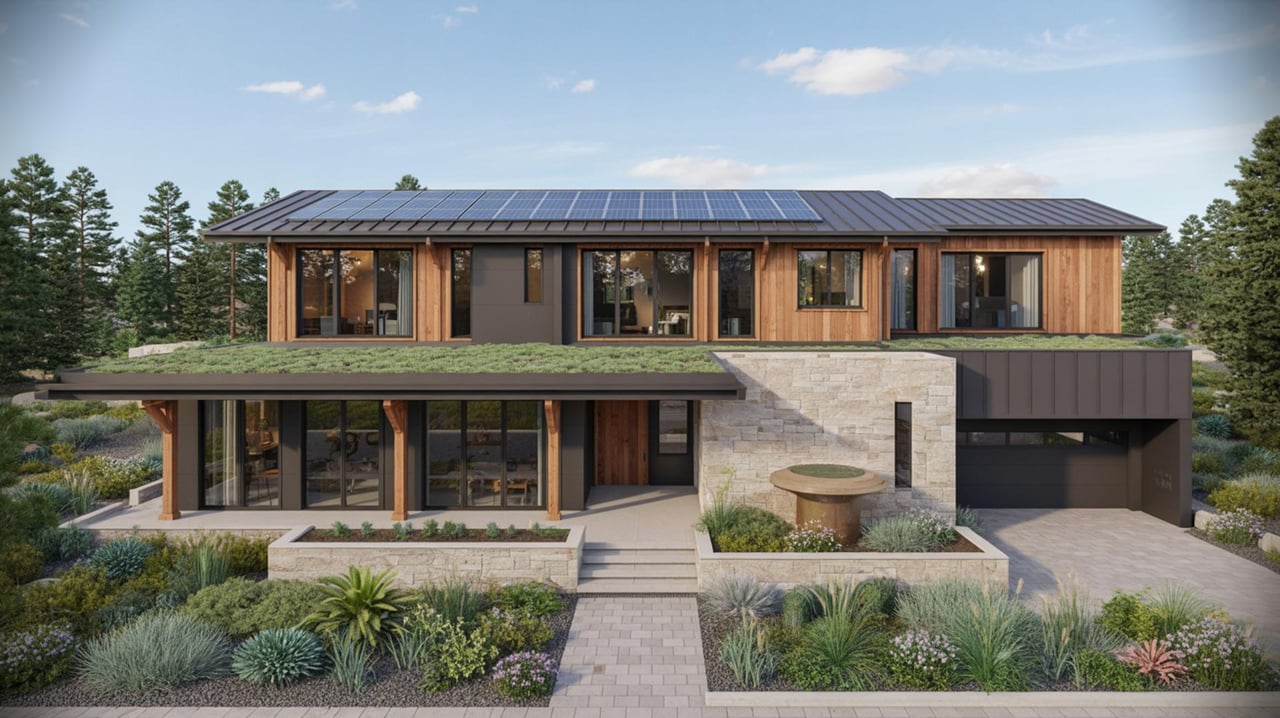
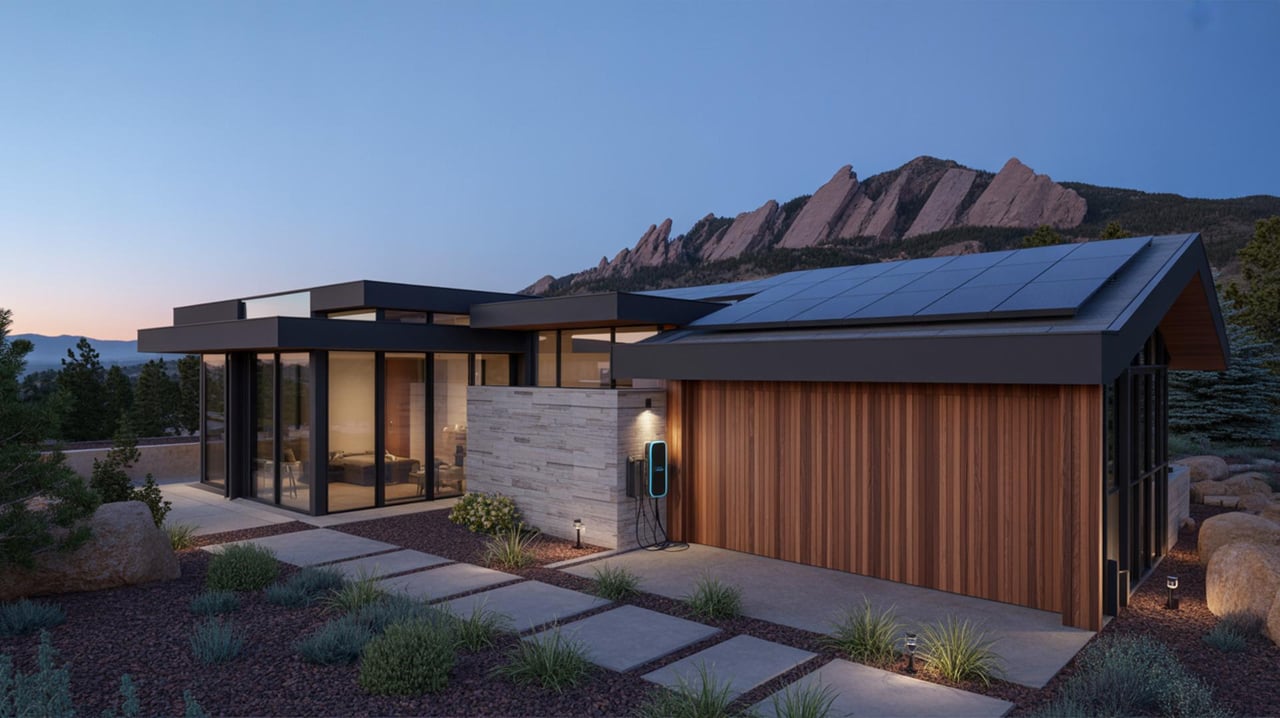
Newer neighborhoods often offer a more predictable layout and a more standardized feel. You may find modern community amenities, trail access, and development patterns shaped by current design standards instead of the older street grid and architectural variety found in Old Town.
Neither option is automatically better. The real question is whether you want a home that feels rooted in Louisville’s historic core or one that fits a more contemporary neighborhood pattern.
Renovation Freedom And Review
If you are thinking about updates, this is one of the biggest practical differences to understand. In Old Town, exterior work on designated historic sites or districts may require an Alteration Certificate, and demolition review can apply to structures built in or before 1955, according to the city’s historic preservation program.
That does not mean you cannot improve a property. It means you should go in with clear expectations about review processes, especially if you are drawn to older homes because you want to make visible exterior changes.
In newer neighborhoods, the rules are more likely to come from current code, subdivision standards, and development guidelines. Louisville also has a 2024-2026 fire-hardening code that applies to new construction and certain repairs or replacements, so newer does not always mean fewer rules. It usually means a different type of oversight.
Lifestyle And Daily Routine
Your daily routine may matter more than the age of the home itself. If you want to be close to downtown activity, Old Town puts you nearer to the historic core and the setting for city events such as Street Faire, the Farmers Market, Summer Concerts in the Park, and Old Town Skate, all part of Louisville’s broader community amenities.
At the same time, Louisville offers access to significant outdoor recreation citywide. The city has interests in 1,800 acres of open space and more than 32 miles of trails, which supports both historic and newer neighborhoods in different ways.
In a newer neighborhood, you may find that trail links, parks, and community features are built more directly into the development pattern. Kestrel, for example, was designed with trail access, transit access, parks, garden plots, a community center, and on-site resident services, according to the city’s housing overview.
Where Newer Growth Is Happening
If you are focused on newer or newer-style housing, Louisville’s planning documents provide a helpful clue. The city encourages higher-density housing near transit and commercial centers, directing growth toward areas served by existing infrastructure and services, as shown in the city’s planning framework.
In practical terms, that often points buyers toward areas near South Boulder Road, Highway 42, and redevelopment zones such as DeLo and Kestrel. These areas can appeal if you want a more recently built home, a more structured neighborhood plan, or easier access to newer mixed-use development.
Long-Term Enjoyment And City Investment
One helpful way to think about this choice is to look at where Louisville is investing. The city adopted its Downtown Vision Plan in November 2024, and the Front & Center project is the first implementation phase, with final design due in March 2026 and construction planned for later in 2026.
That suggests continued public investment in the downtown and Old Town area. If you are drawn to historic surroundings and walkable access to the center of town, that may reinforce Old Town’s long-term appeal, though you should also be prepared for the possibility of construction activity during implementation.
At the same time, Louisville continues to support newer housing and redevelopment patterns that align with current planning goals. That is good news if you prefer a home in a more recently built setting, because it shows that both historic areas and newer neighborhoods are part of the city’s long-term vision.
Questions To Ask Before You Choose
Before you decide, it helps to compare each option through the lens of your real routine, not just first impressions.
Ask yourself:
- Do you want historic character and downtown adjacency, or a more modern neighborhood layout?
- Are you comfortable with possible exterior review if you buy an older home in Old Town?
- Would trail access, parks, or planned community features make your daily life easier?
- Do you prefer the feel of an established historic street grid or a more recently planned setting?
- Are you looking for a home you can personalize heavily, or one with fewer unknowns in its layout and systems?
For Old Town homes, it is smart to verify whether a property is landmarked or located in a historic district and whether proposed exterior changes could trigger review through the Historic Preservation Commission. For newer neighborhoods, check the PUD context, design standards, and how well the location supports your routine.
Which Louisville Option Fits You Best
Old Town Louisville may be the better fit if you value historic context, varied architecture, and being close to downtown’s established identity. Newer Louisville neighborhoods may fit better if you want a home shaped by current planning, more standardized neighborhood design, and amenities integrated into newer development.
The best choice is the one that aligns with how you actually want to live, not just what looks best on paper. When you compare home style, location, future improvement plans, and day-to-day convenience together, the right answer usually becomes much clearer.
If you want help narrowing down the right Louisville neighborhood for your goals, Emelie S Griffith can help you evaluate the details that matter most, from location fit to long-term livability and market context.
FAQs
What is Old Town Louisville in Louisville, Colorado?
- Old Town Louisville is the city’s historic residential neighborhood surrounding Downtown, known for its diverse architecture and active preservation focus.
Are there special rules for homes in Old Town Louisville?
- Yes. Depending on the property, exterior changes may require city review, and demolition review can apply to structures built in or before 1955.
Where are newer neighborhoods in Louisville, Colorado?
- Newer growth is generally concentrated near transit and commercial areas, including places near South Boulder Road, Highway 42, and redevelopment areas like DeLo and Kestrel.
Are newer Louisville neighborhoods only traditional subdivisions?
- No. Louisville’s newer housing includes planned communities and redevelopment areas with combinations of housing, retail, office space, trail access, parks, and other amenities.
How do I choose between Old Town Louisville and a newer neighborhood?
- Compare your priorities around character, location, renovation flexibility, amenities, and how each neighborhood supports your daily routine.