Wondering what your South Boulder home would sell for right now? Pricing feels tricky when the market shifts and every house is unique. You want a number that attracts strong interest without leaving money on the table. In this guide, you will learn how to build a data-backed price range, how South Boulder’s unique features influence value, and how to adjust if the market speaks differently than expected. Let’s dive in.
How to price in South Boulder today
Pricing well starts with current local data. A realistic list price reflects what similar homes have sold for recently and what your active competition looks like today. In South Boulder, buyer demand often tracks outdoor access, views, and commute routes, so you need both numbers and neighborhood context.
Your goal is a price that gets strong traffic in the first two weeks, invites quality offers, and supports a clean appraisal. That takes a careful look at market signals and a property-by-property comparison.
Key market signals to watch
- Median and average sold price over the last 30 to 90 days and year-over-year trend.
- Inventory level and months of supply to gauge whether conditions favor sellers or buyers.
- New listings per week and the absorption rate to see how quickly homes are moving.
- Days on market for both recent sales and current actives at your price point.
- Sale-to-list price ratio to understand how aggressive pricing can be.
- Pending versus contingent ratios to measure how many contracts are making it to close.
- Price reductions and typical reduction amounts to guide contingency plans.
- Price band distribution at common thresholds so your home hits the right buyer searches.
- Mortgage rate and affordability context, which can expand or shrink the buyer pool.
Why price bands matter online
Most buyers set budget filters at round-number thresholds. If your home is priced just over a common band, you may miss a large group of searches. Pricing just under a key band can widen exposure and boost showings. Keep in mind that a small price change can move your home into a more active search set.
South Boulder value drivers
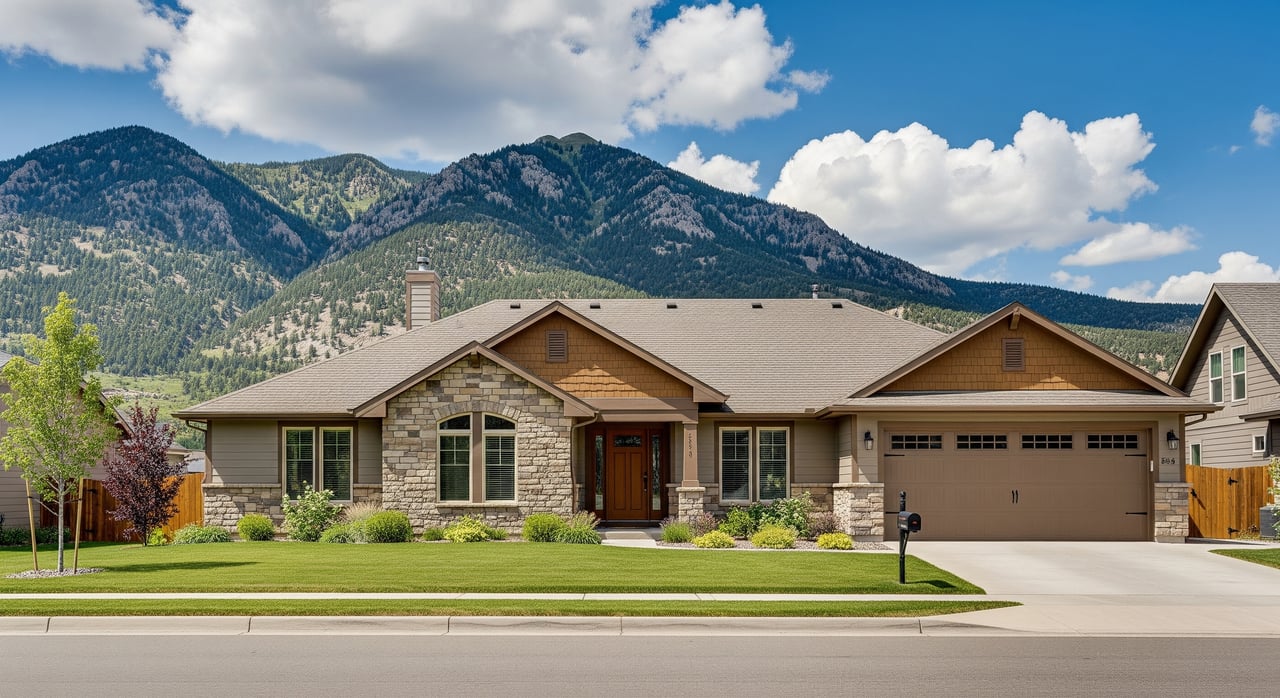
South Boulder’s character plays a major role in pricing. Views, proximity to trails, and the mix of ranches, bungalows, and hillside homes create very different value profiles within a small radius.
Neighborhood and geography
- Proximity to Open Space and trailheads often commands a premium, especially with easy access to the foothills.
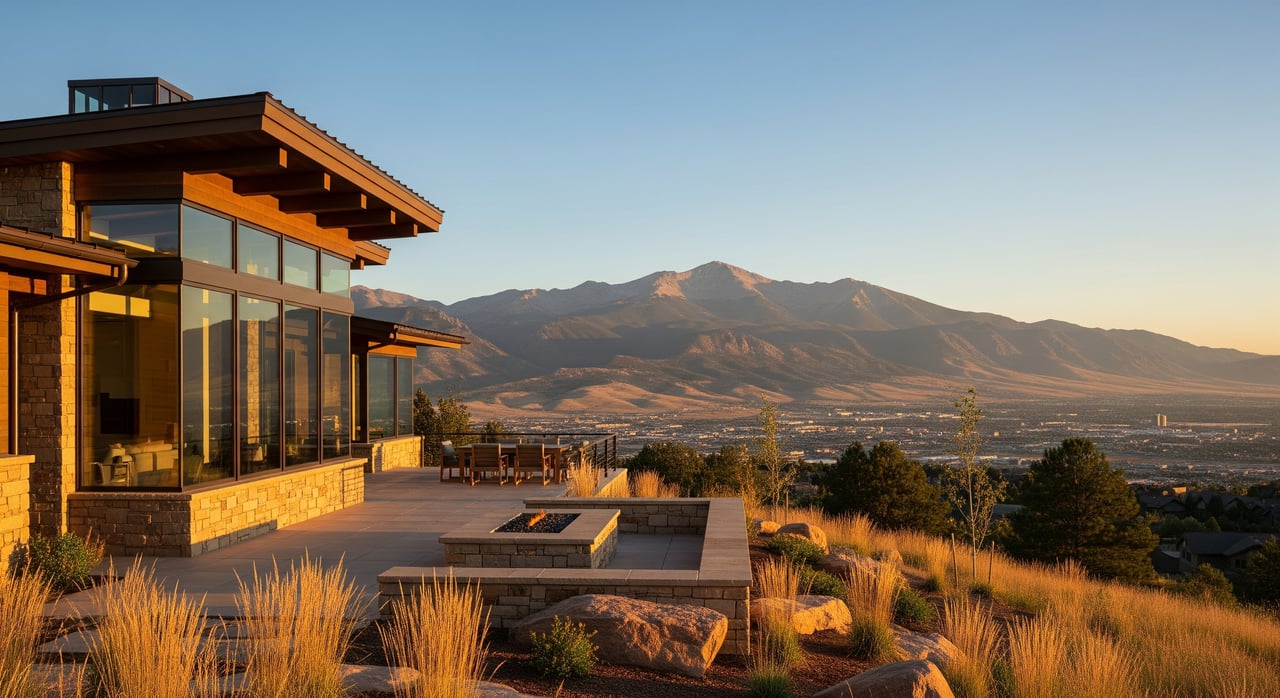
- Elevation and slope matter. Lots with wide views tend to sell at a higher price per square foot, while steep slopes can reduce usable yard space and add complexity for additions.
- Commute and transit access can influence demand. Convenient routes to central Boulder employers and the CU campus are meaningful to many buyers.
Property-level features
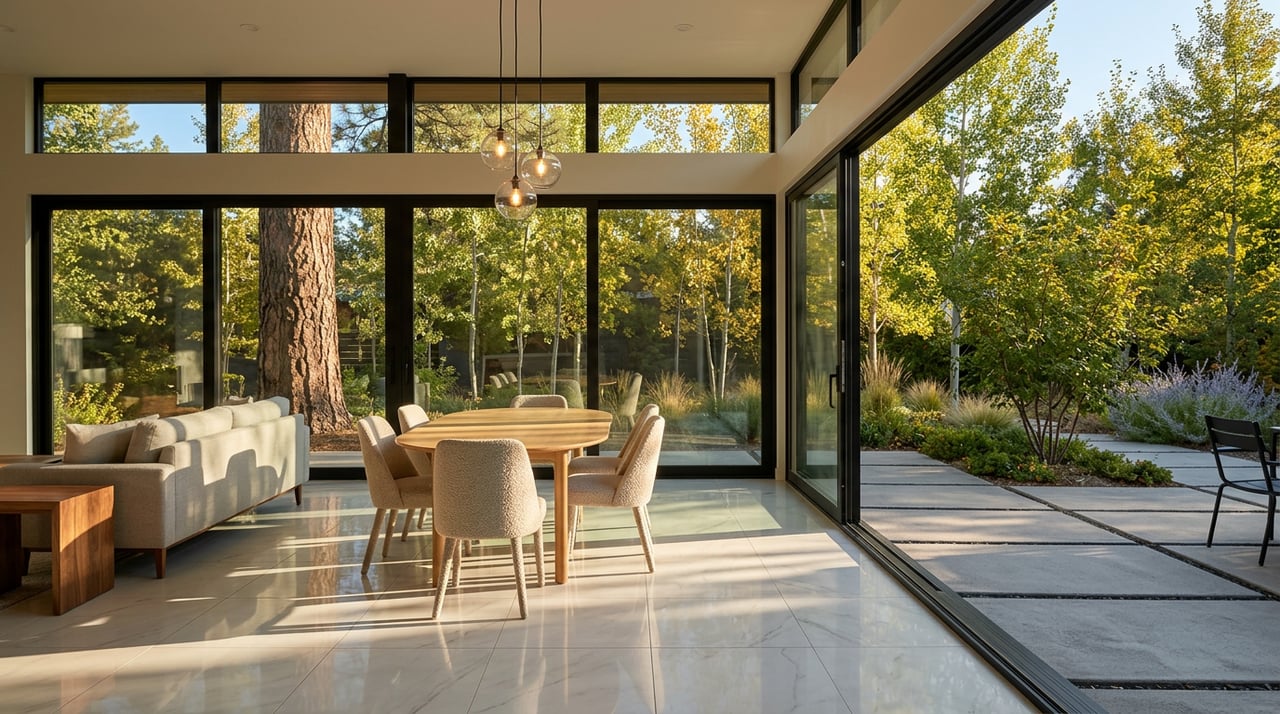
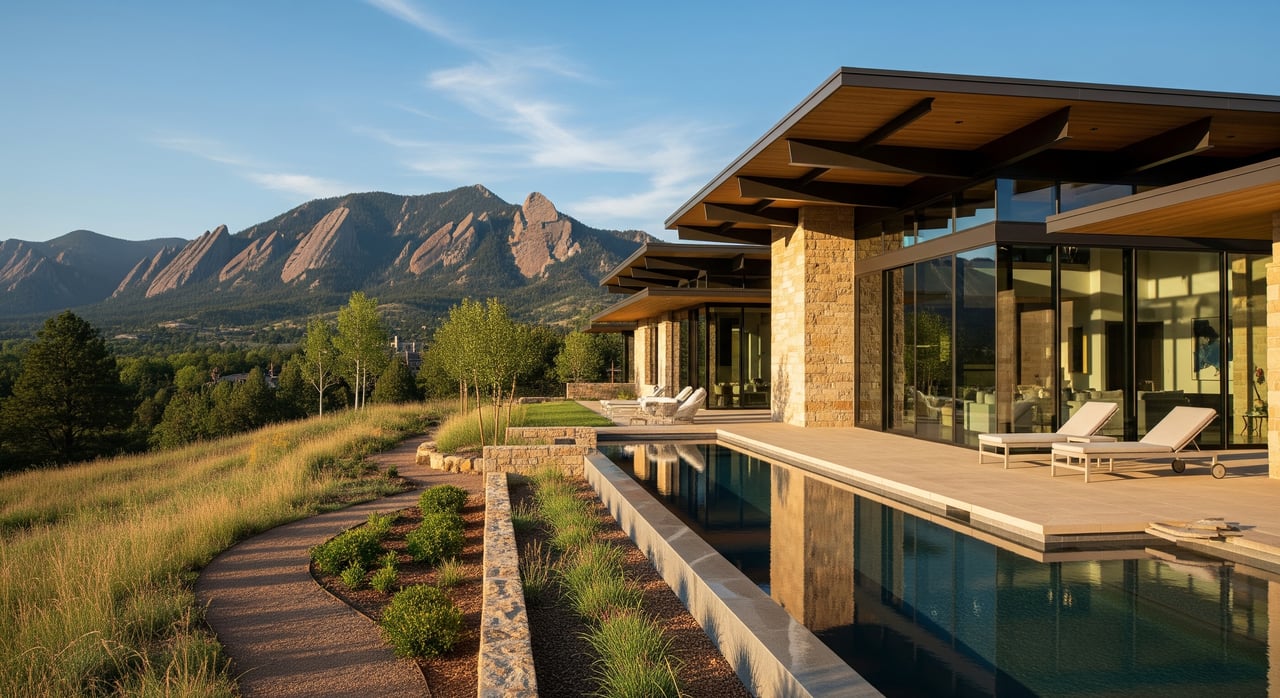
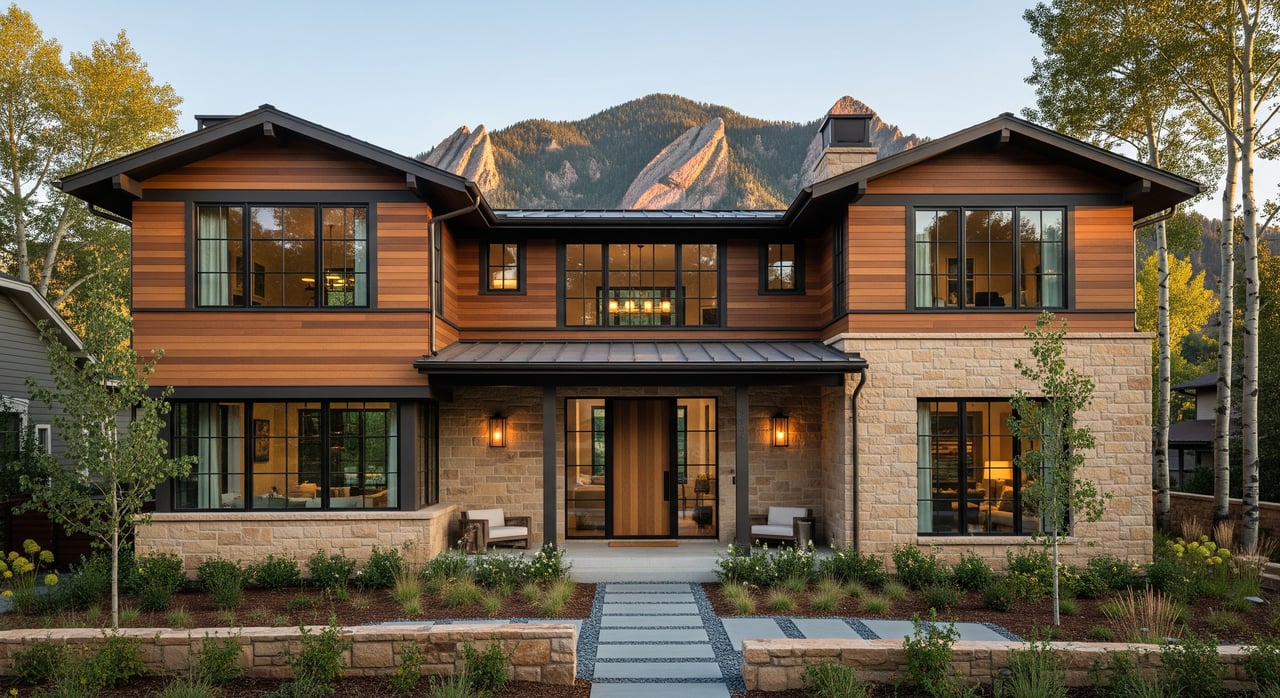
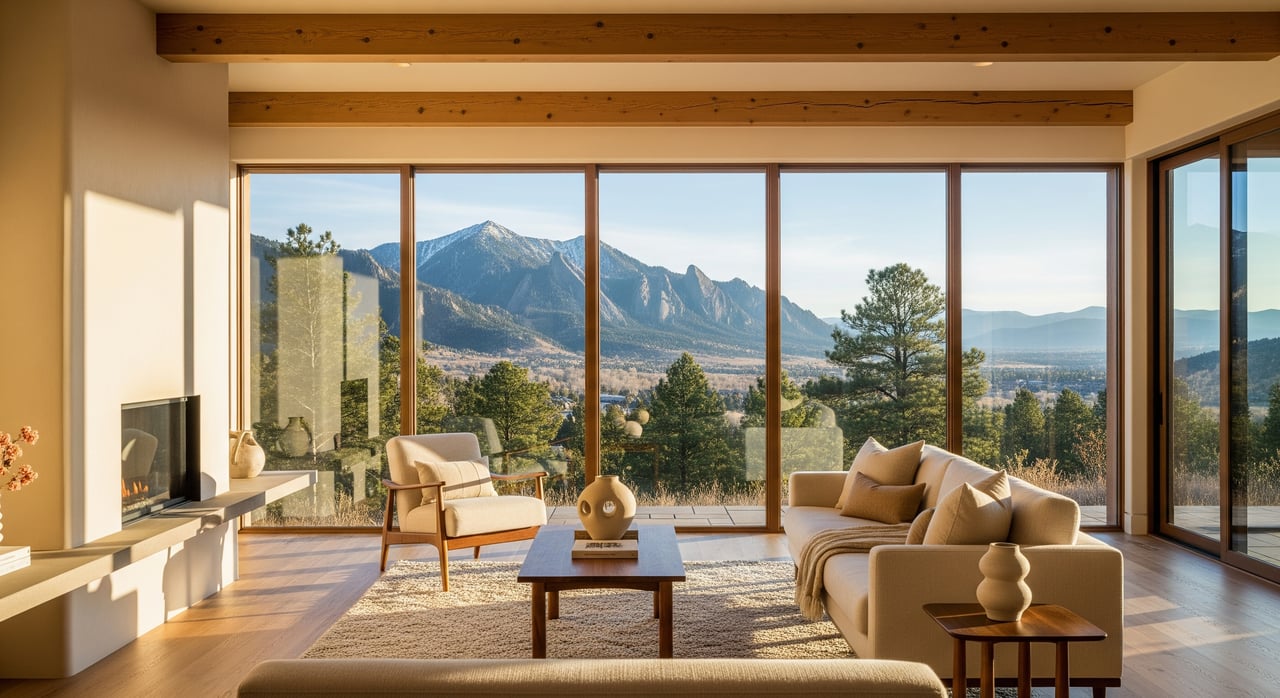
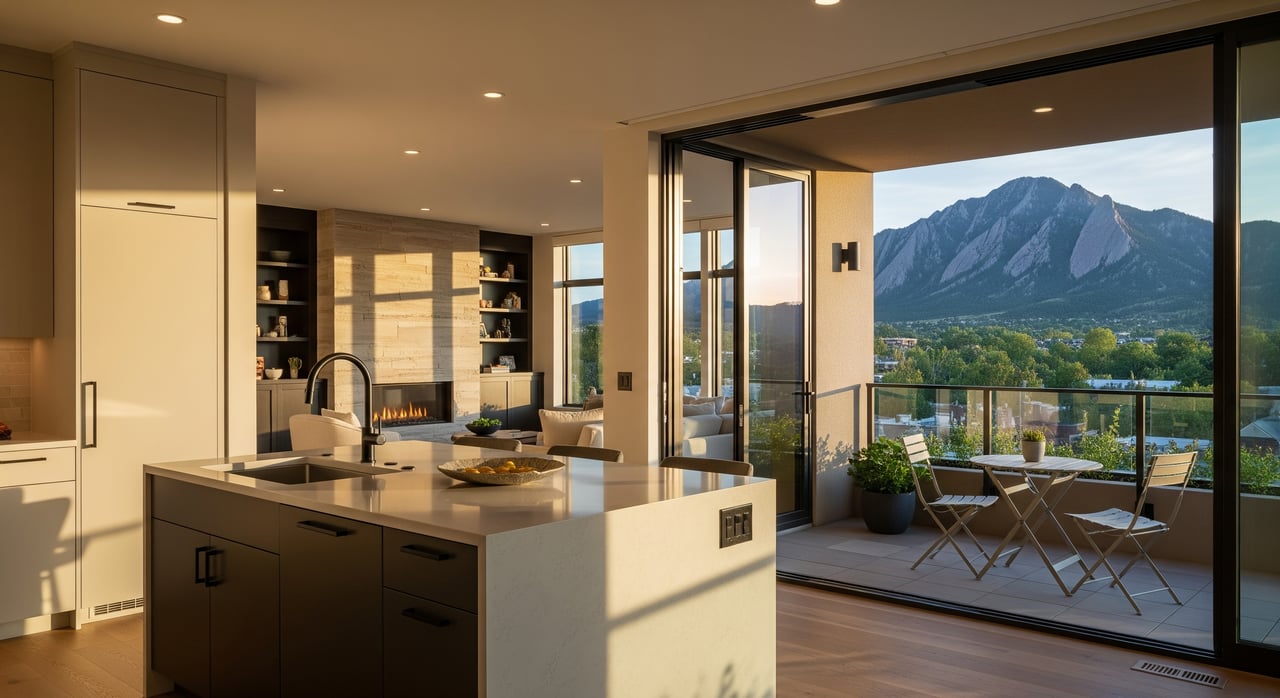
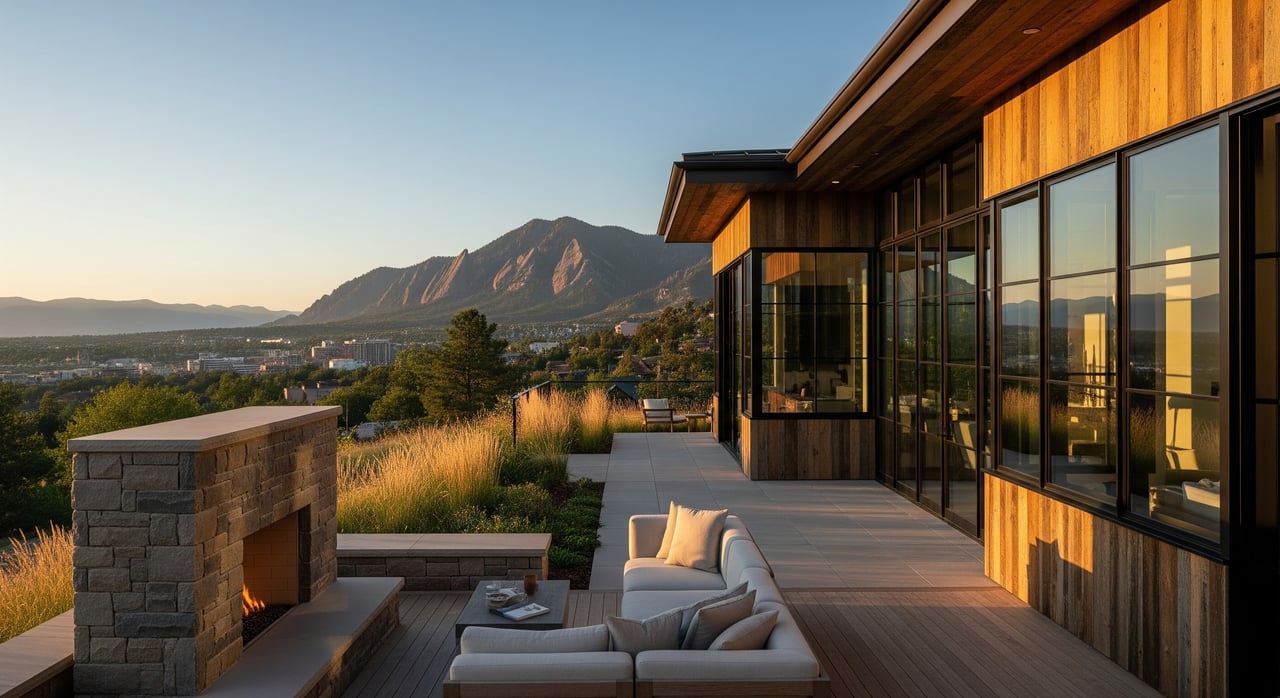
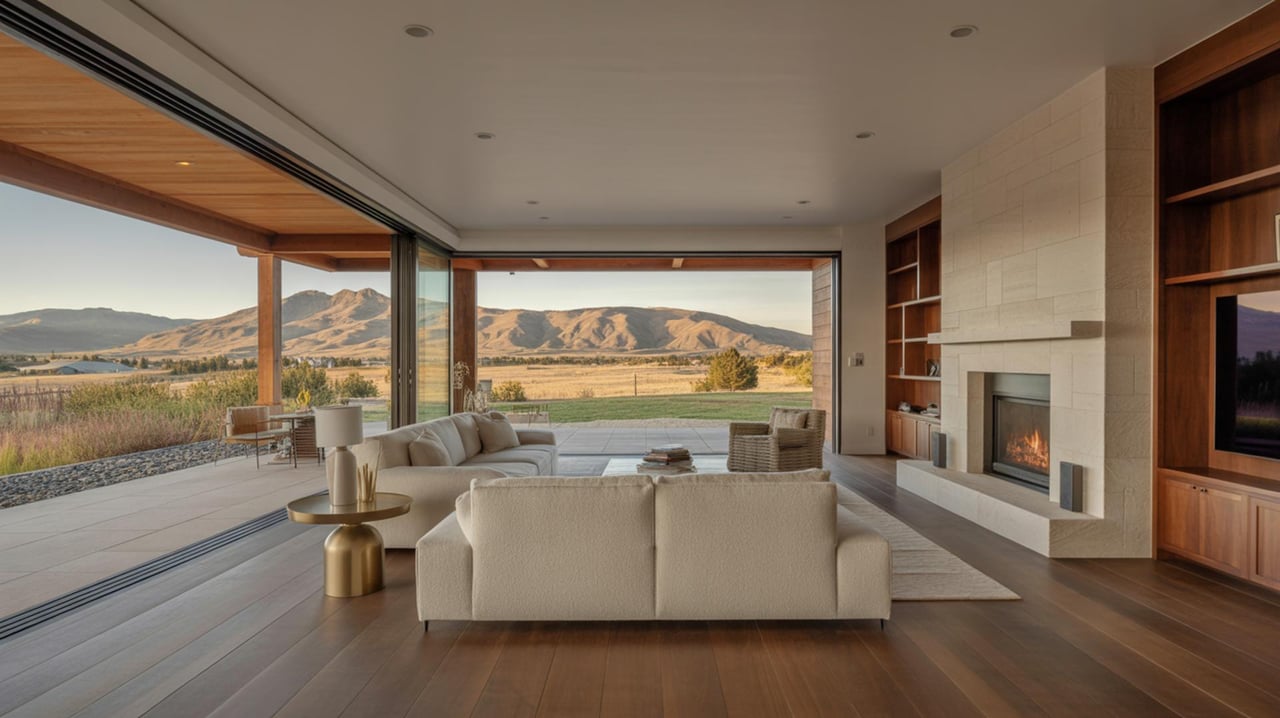
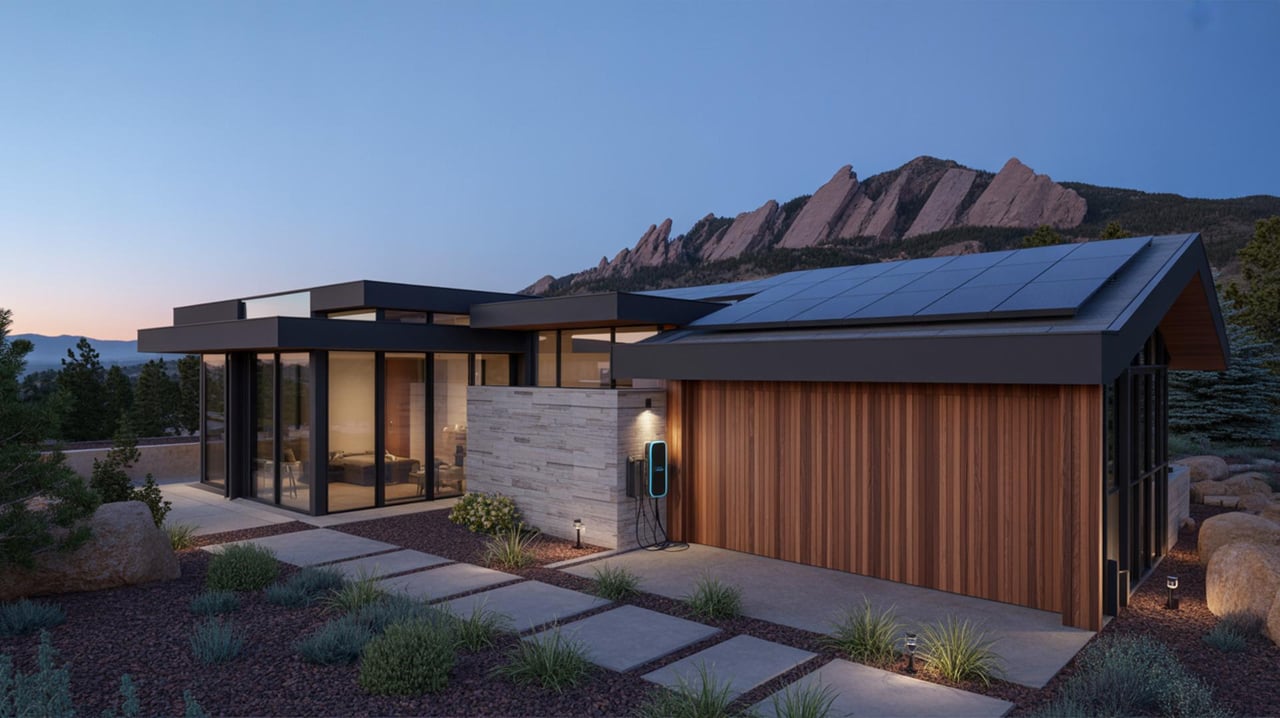
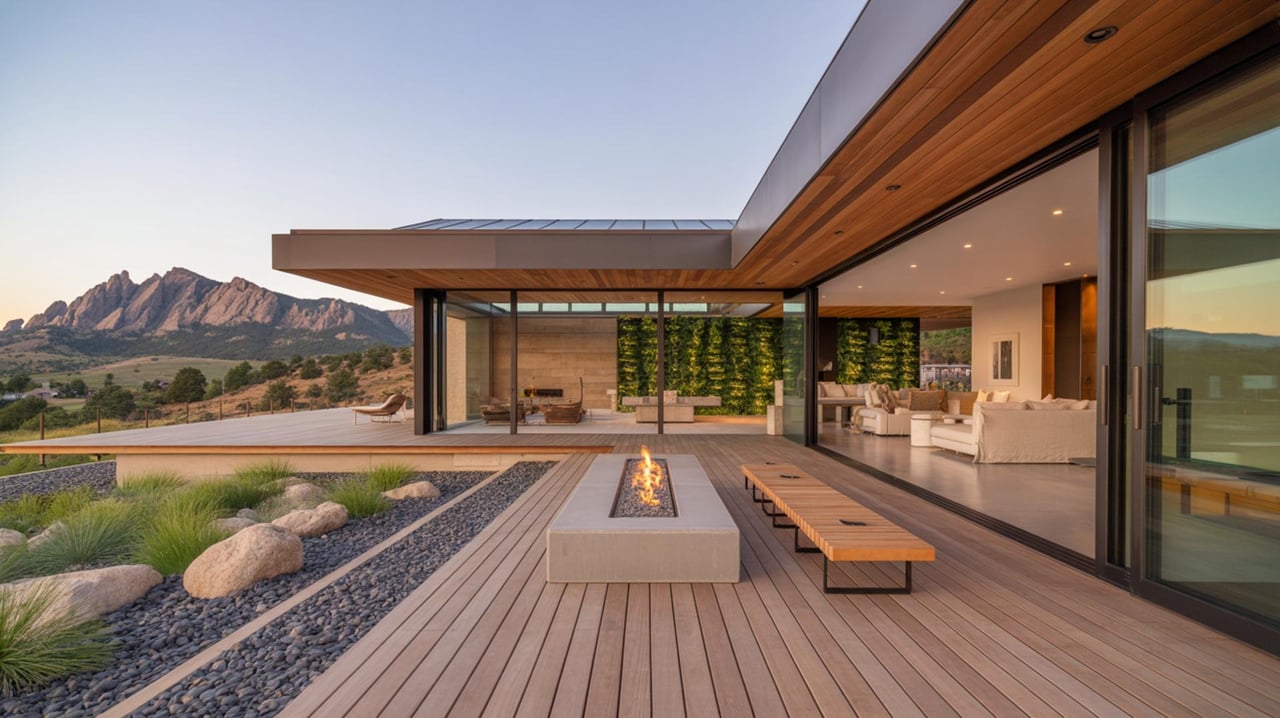
- Views and western exposure are highly sought after. Clear Flatirons views can lift value relative to similar homes without them.
- Lot size and usable outdoor space matter. Level yards near parks and trail corridors tend to attract more interest.
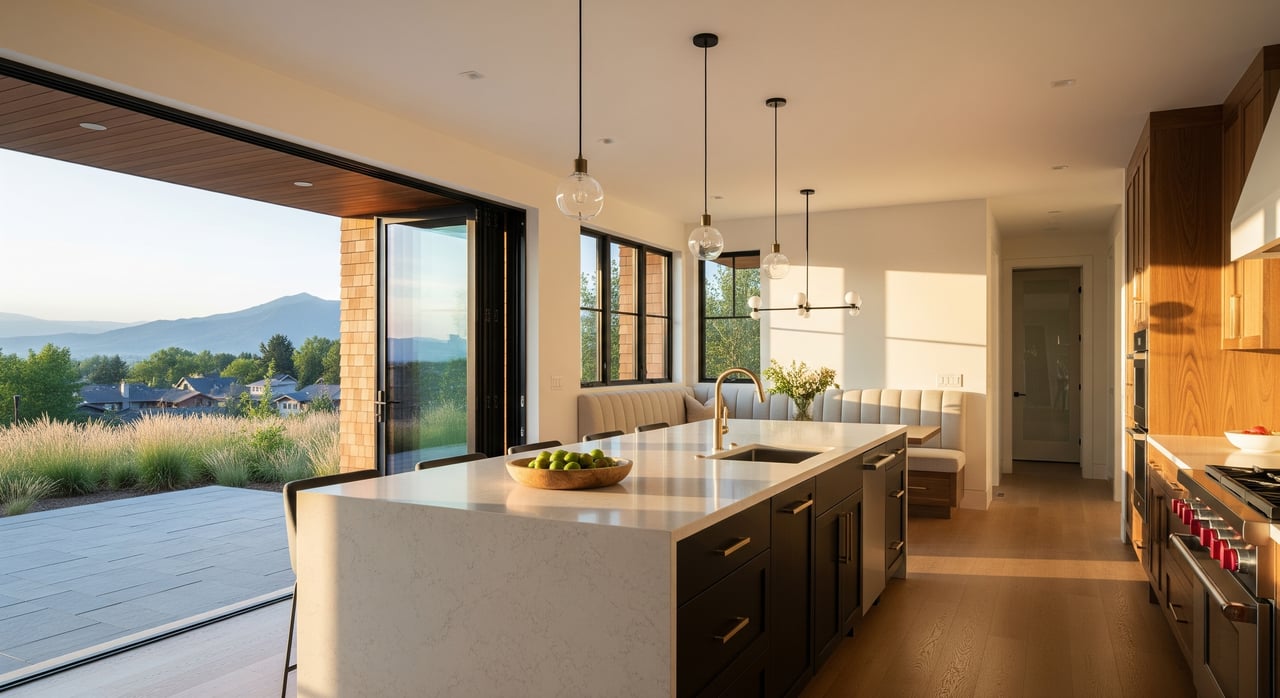
- Condition and updates carry weight. Kitchens, baths, roof, HVAC, and energy upgrades often justify stronger pricing.
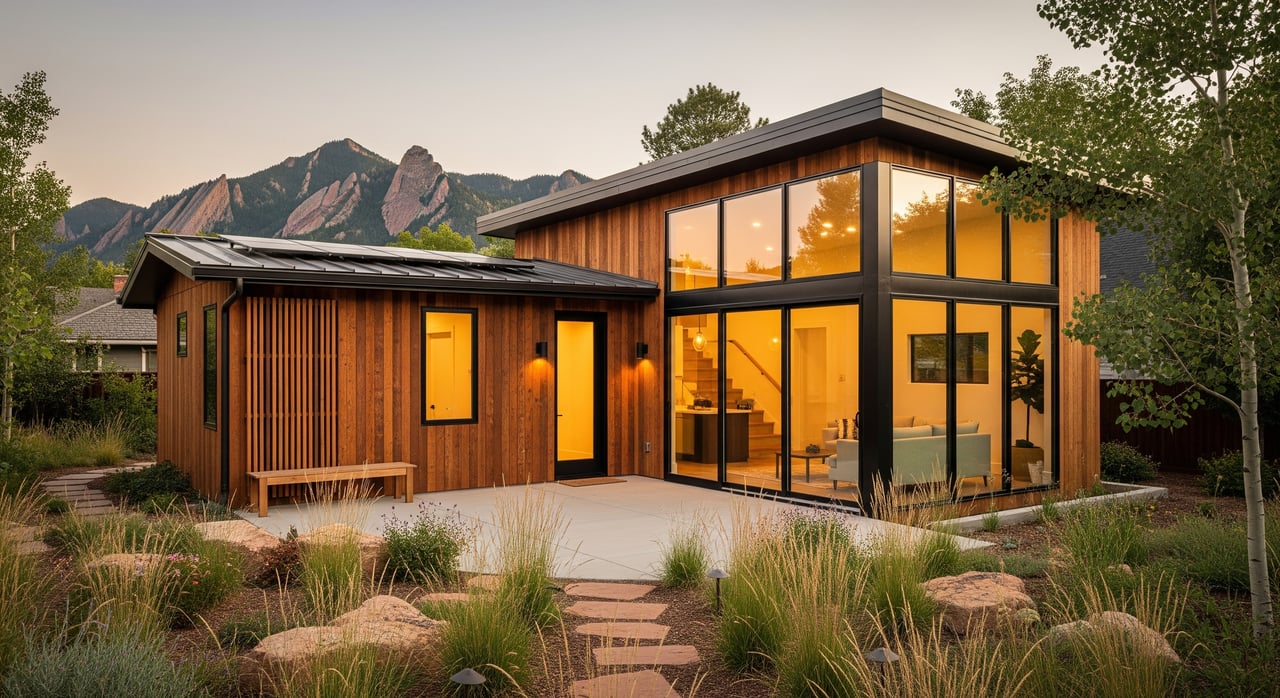
- ADUs and rental potential can add value where permitted. Confirm zoning and permits before marketing those features.
- Off-street and covered parking are important, especially during snow seasons and in areas with limited street parking.
Regulations to confirm
- Hillside zoning or building limits can cap expansion and influence maximum value.
- Historic districts or neighborhood covenants may limit exterior changes to older homes.
- City policies around sustainability and housing can shape buyer preferences and long-term plans. Always verify details with the City of Boulder and Boulder County before listing.
Build a data-backed price range
A Comparative Market Analysis, or CMA, is your roadmap. It compares your home to recent sales and current competitors, then adjusts for differences. The outcome is a price range with clear reasoning, not a guess.
Step-by-step CMA approach
- Select 3 to 6 sold comps that match property type, finished square footage, lot size, view, and condition within about a half to one mile. Expand the radius for unique properties.
- Prioritize recent closings within the last 60 to 90 days. If older, adjust for market direction.
- Include actives and pendings to understand how other sellers are positioning and what buyers are accepting right now.
- Adjust sold prices for key differences: square footage, bedroom and bathroom count, garage and parking, lot characteristics, views and exposure, age and major system upgrades.
- Document each adjustment so you can explain your price to buyers, appraisers, and agents.
Set a range, not a single number
Aim for a conservative-to-stretch range supported by your comps. The conservative end is where demand should materialize quickly. The stretch end tests whether a buyer will pay a premium for your unique features. Your final list price depends on current competition, the quality of your presentation, and your timeline.
Choose the right pricing strategy
- Market-price strategy: List at or slightly below fair market value to create strong initial interest and invite multiple offers. Works best when inventory is tight and days on market are low at your price point.
- Value-price strategy: List modestly below a key price band to capture more buyer searches and maximize showings, especially if you want a faster sale.
- Target-price strategy: List near the top of your justified range to test for a premium. This is best if your timeline is flexible and your home has rare features. Be ready to adjust.
- Anchor-and-adjust plan: Start bold with a predefined reduction timeline and amount if showings are light after 14 to 21 days. Communicate the plan and refresh marketing with each change.
Prepare your home to support your price
Presentation increases perceived value and strengthens your position during showings, appraisals, and negotiations. Focus on visible impact and clean documentation.
High-ROI prep
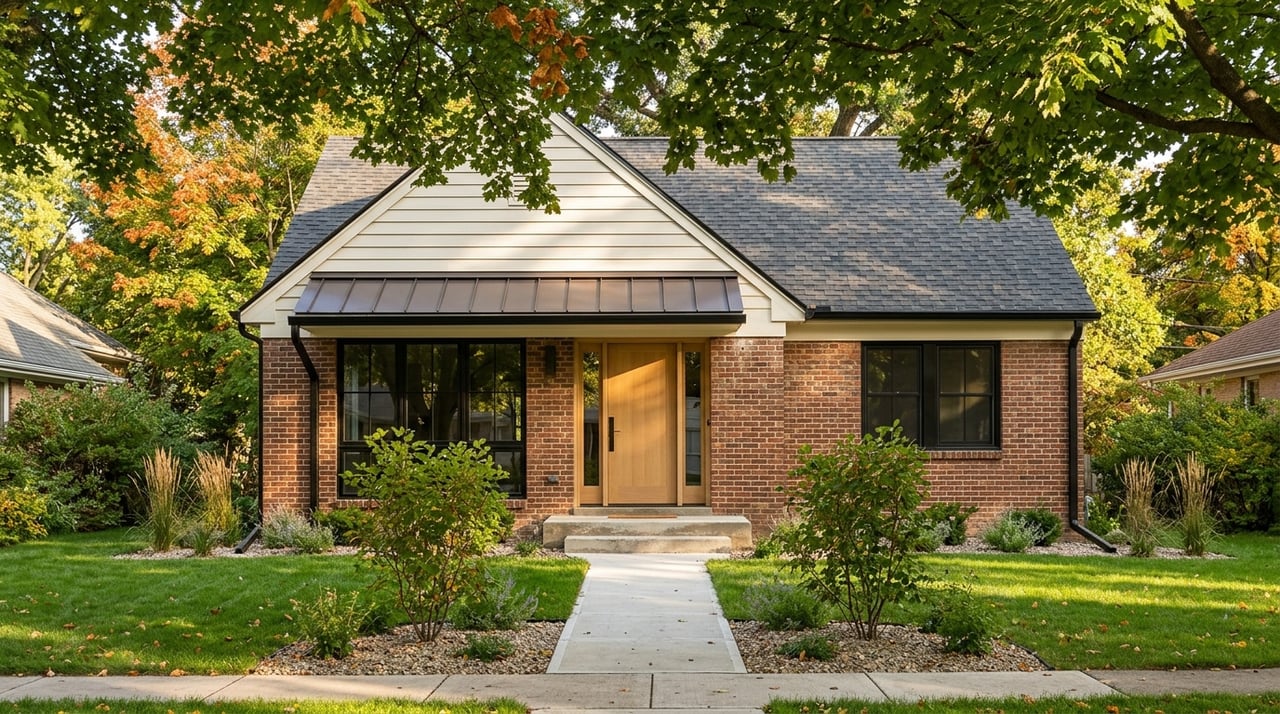
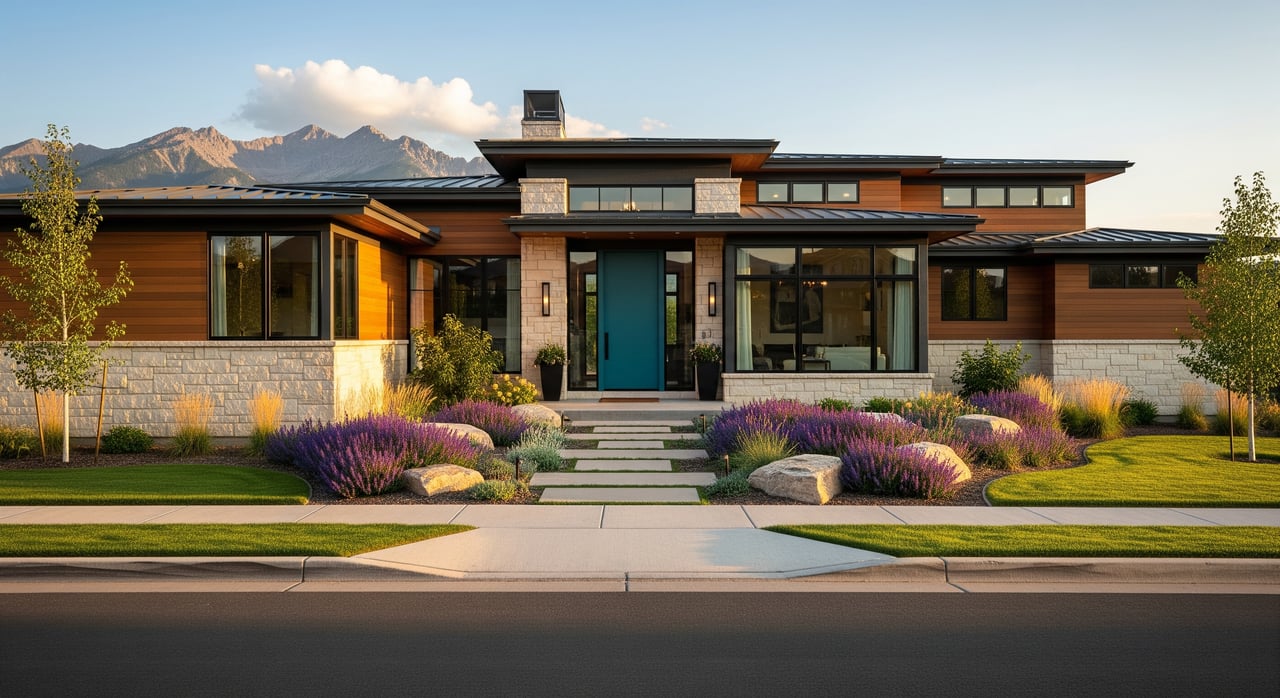
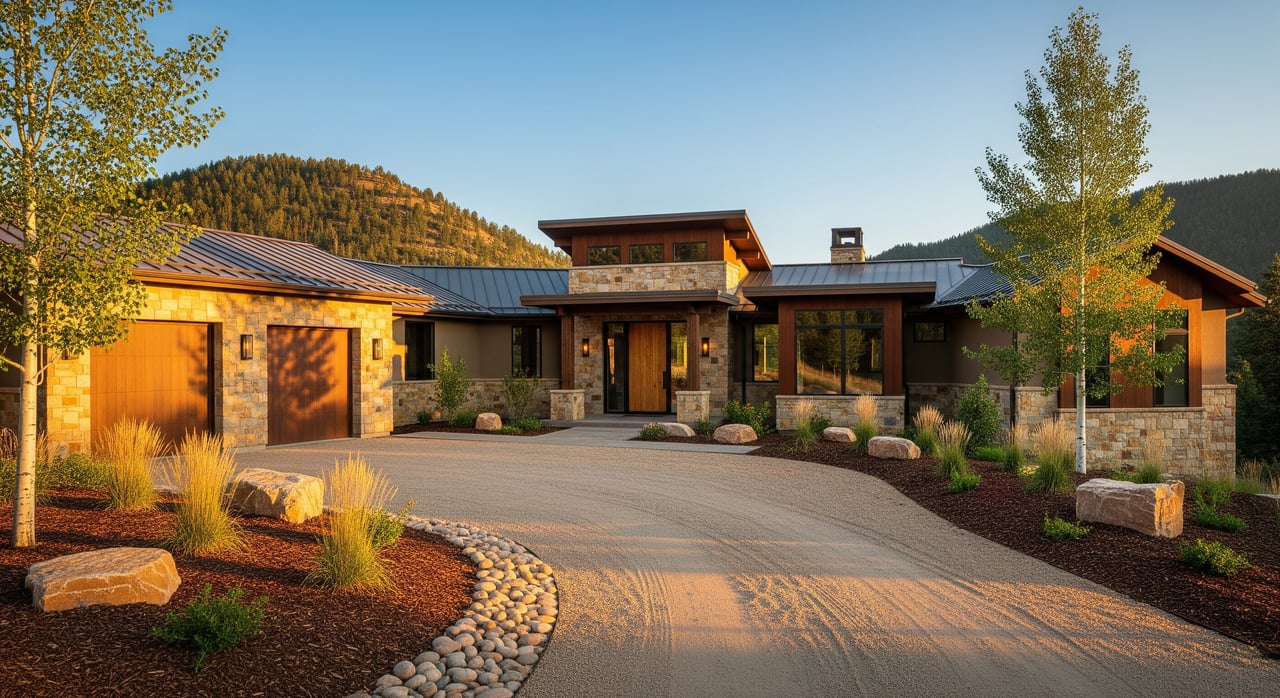
- Fresh paint, updated lighting, and simple landscaping for strong curb appeal.
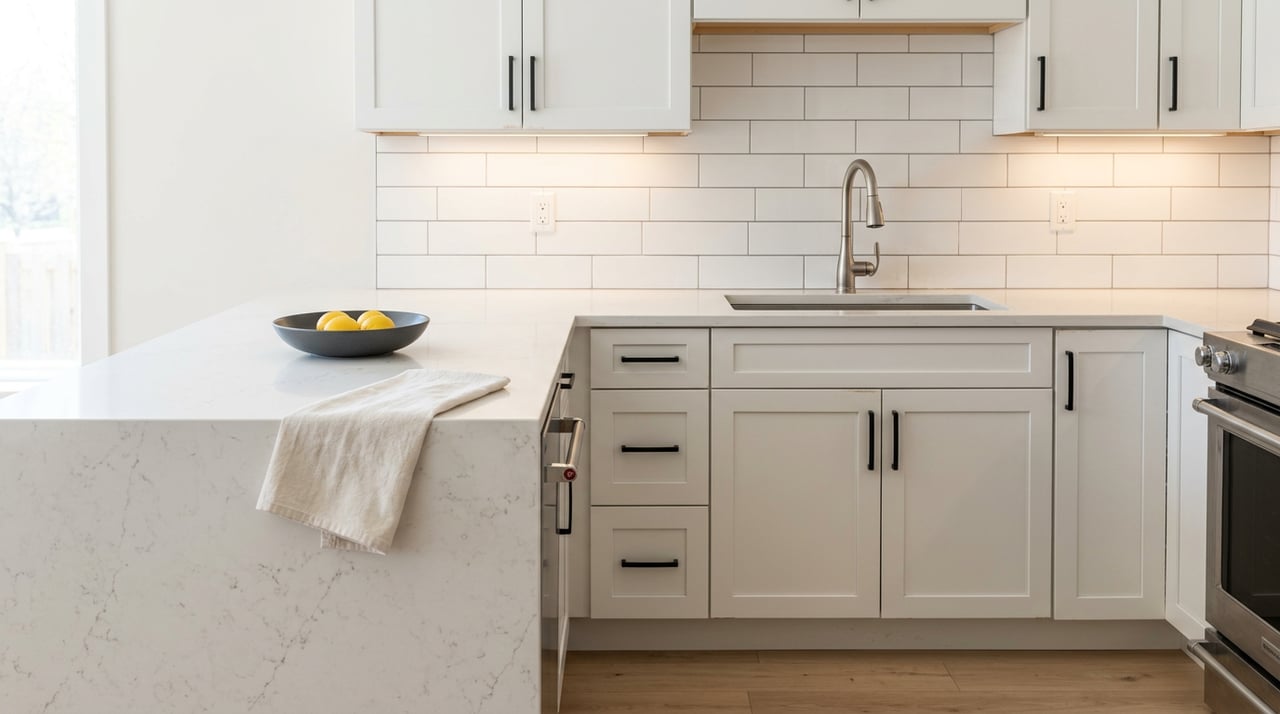
- Smart kitchen and bath touch-ups that align with your price band and buyer expectations.
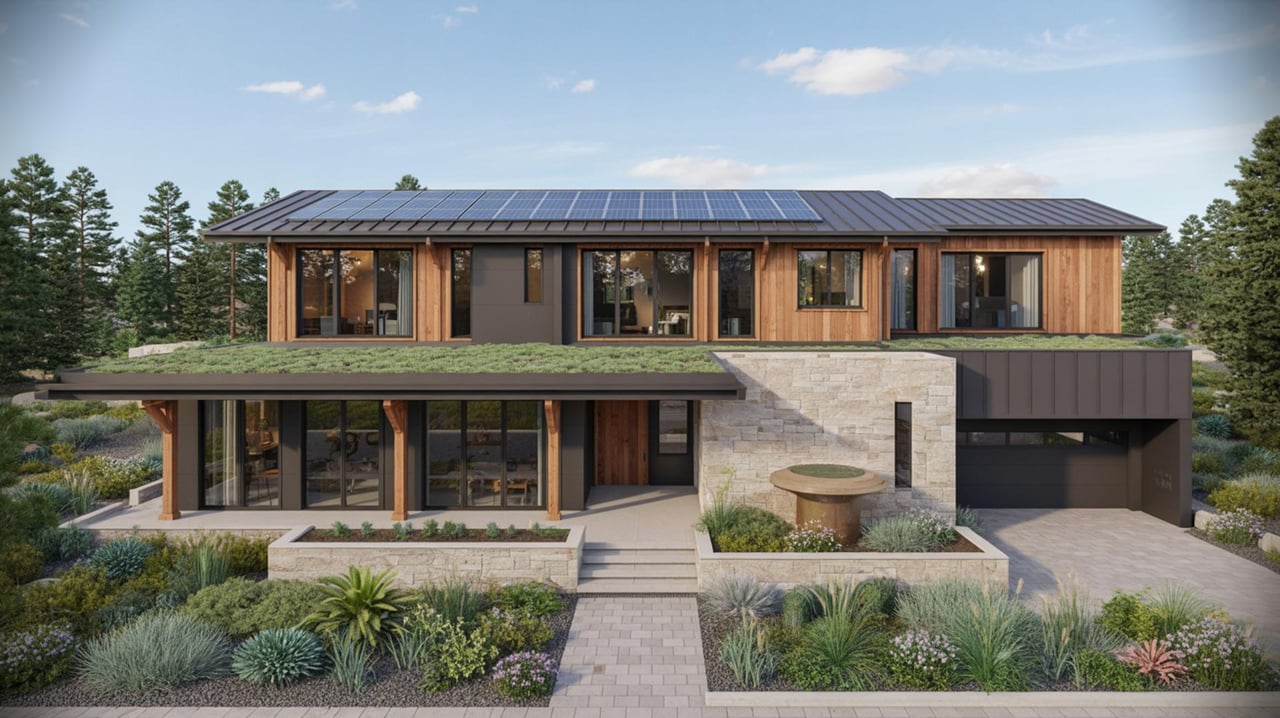
- Energy upgrades that many Boulder buyers value, such as insulation, efficient windows, or EV charging. Document features and any utility savings.
Visual presentation
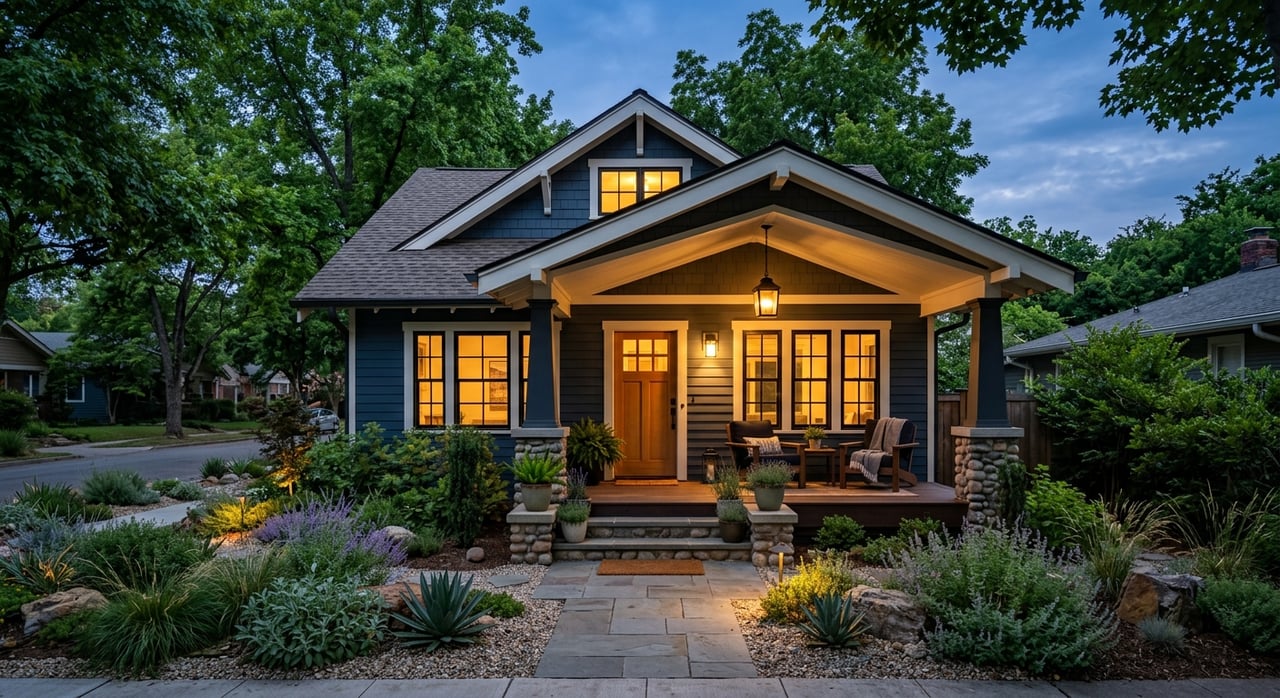
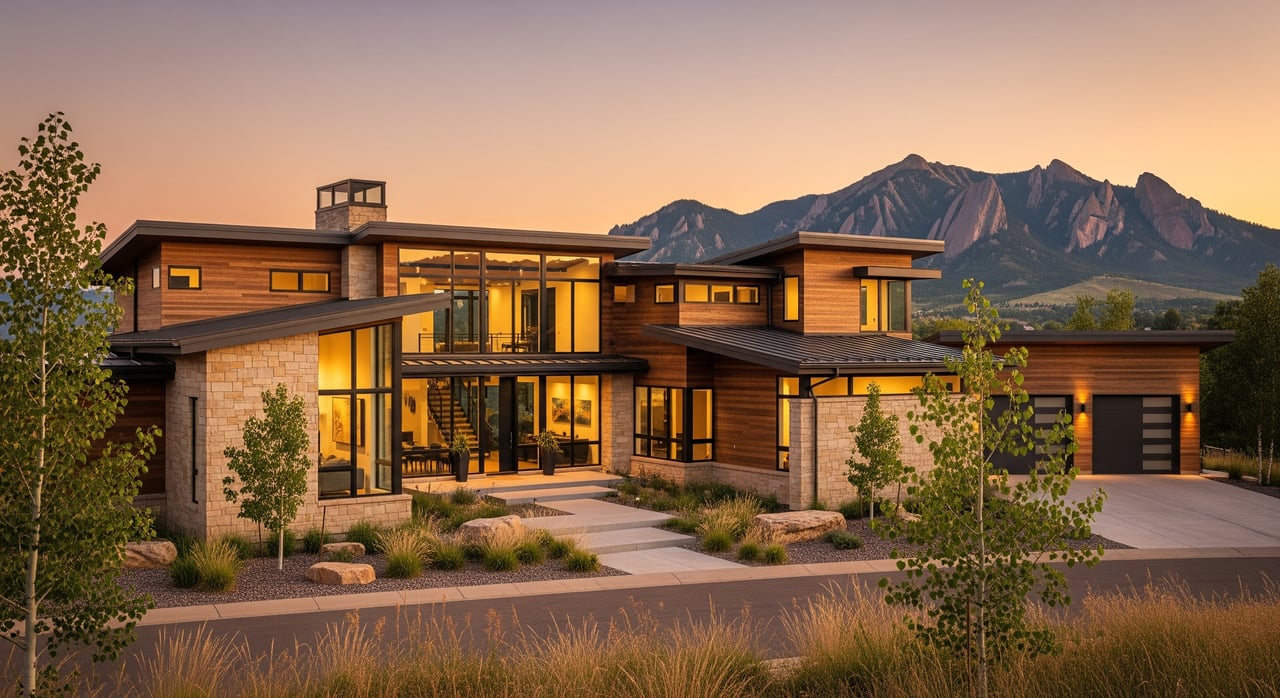
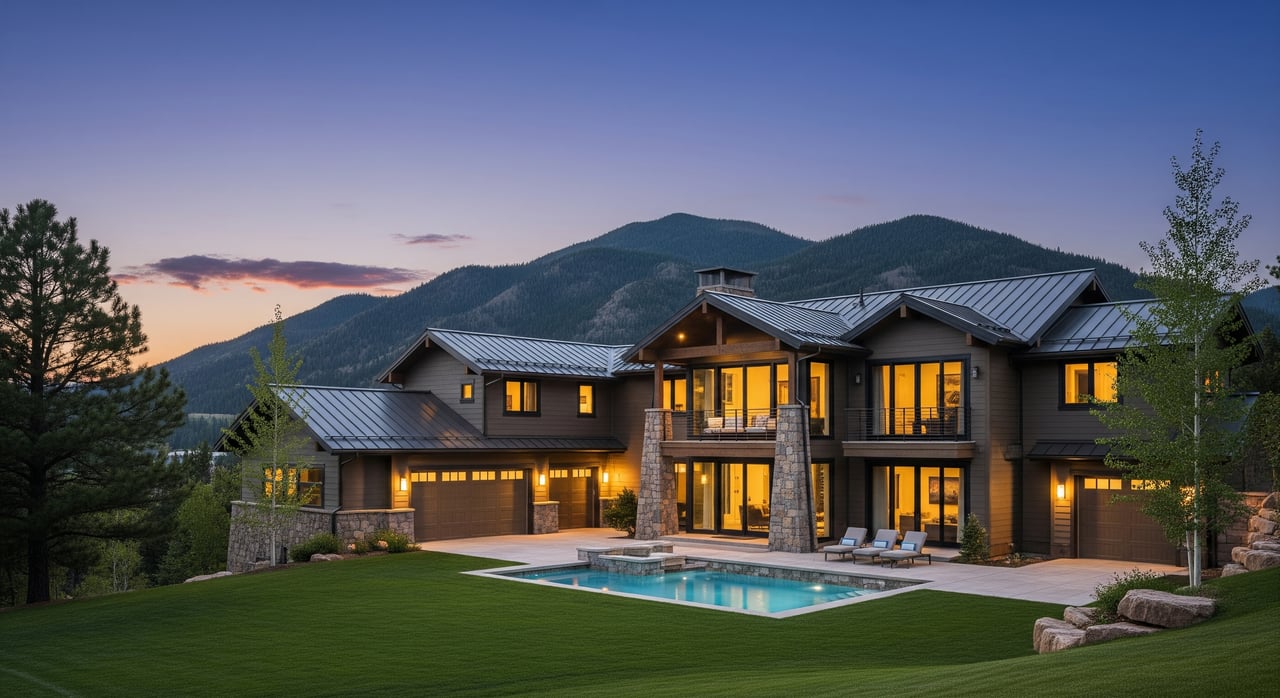
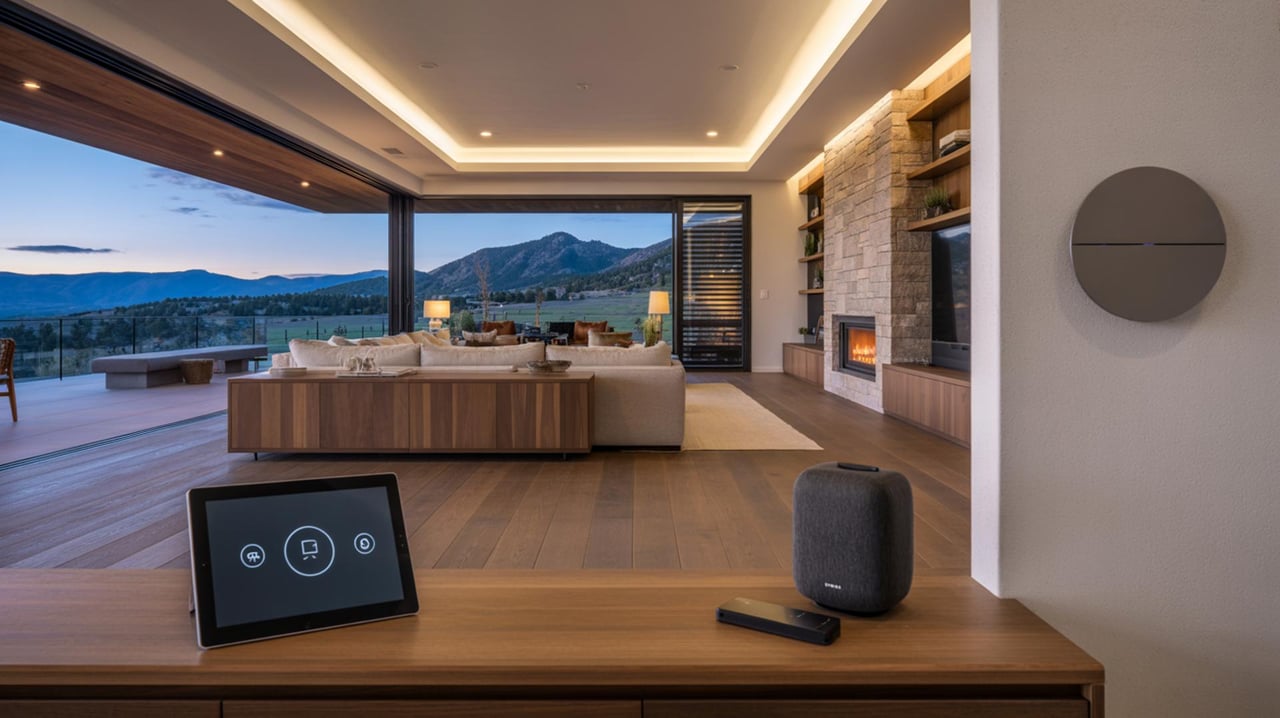
- Professional photography is essential. Use aerial angles for view homes and twilight shots to showcase mountain silhouettes.
- Virtual tours and measured floor plans help relocation buyers evaluate layout and flow before flying in.
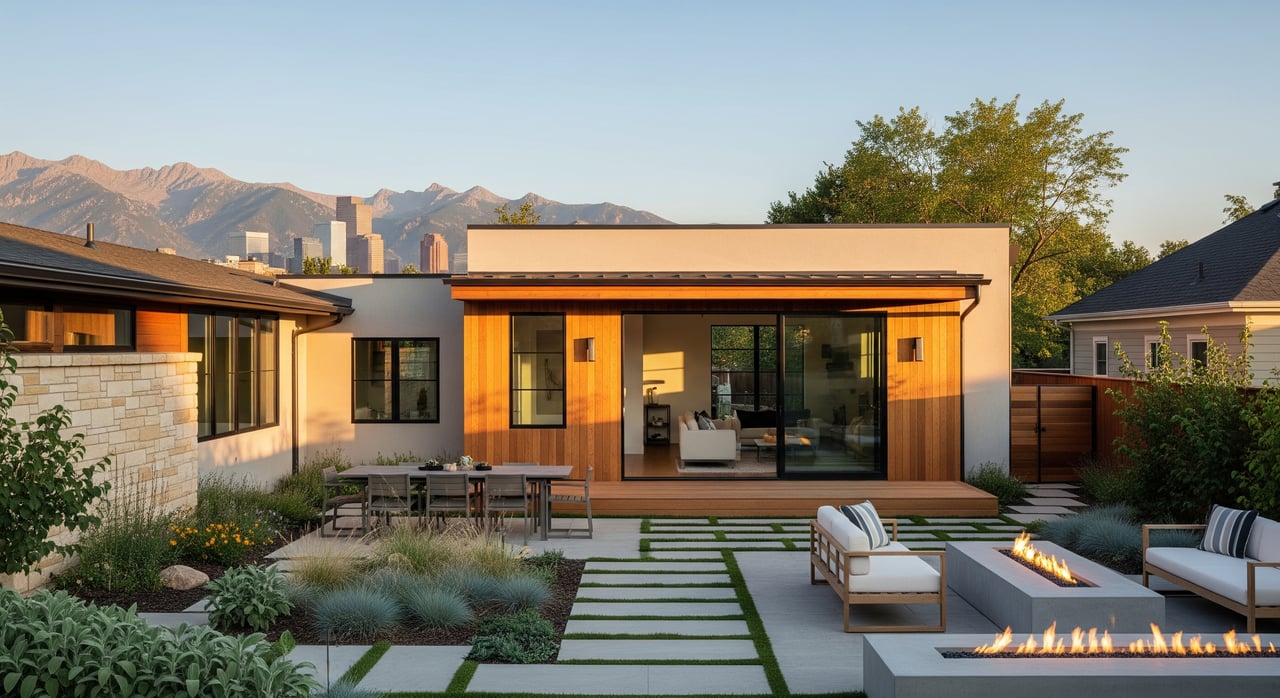
- Staging and art-direction polish the story your home tells, making it easier to justify top-of-range pricing.
Disclose and de-risk
- Provide recent inspection summaries when available and note any hillside, erosion, or water intrusion history for hillside properties.
- Share permit histories, service records, and utility bills to reduce uncertainty.
- If you have an ADU or rental history, include leases and proof of zoning and permits.
Appraisals, financing, and negotiations
Rapid shifts in the market can cause a gap between recent comps and a strong contract price. Prepare for appraisal variance with clear documentation of your adjustments and recent comparable activity. If you receive a premium offer, discuss strategies like appraisal gap provisions or timing your price changes to align with new comps closing.
Negotiation norms depend on supply and demand. In softer periods, buyers may request closing costs or appliance inclusions. When the market is tight, sellers often face fewer concessions. Let current data guide expectations.
When to adjust price
Price adjustments are tools, not failures. Consider reducing if your days on market exceed similar recent sales by a clear margin and showing feedback centers on price. Watch for nearby competitors that sell quickly at lower or similar prices. If you do reduce, stage reductions and pair each change with a fresh marketing push.
Seller checklist
- Order a local CMA with South Boulder-specific comps and current actives.
- Gather permits, service records, energy bills, and any rental or ADU documents.
- Complete high-ROI improvements and finalize staging.
- Schedule professional photos, drone, twilight, and a virtual tour or floor plan.
- Choose a pricing strategy, price band target, and a review period for adjustments.
- Launch a marketing plan that highlights views, outdoor access, and neighborhood context.
- Evaluate offers for price, financing strength, appraisal terms, inspection scope, and timing.
Quick notes for buyers in South Boulder
- Set your search with flexible bands. Consider homes just above your top filter to find price-reduction opportunities.
- Get pre-approved early and understand appraisal timelines, especially for homes with rare views or unique lots.
- Ask your agent how slope, exposure, and energy features are valued in nearby sales so you can write a confident offer.
What your next step looks like
If you are planning to list, the most important move is to get a fresh, South Boulder-focused CMA and a presentation plan that fits your goals. A thoughtful price range, high-impact visuals, and clear documentation will set you up for strong showings and a smooth appraisal.
If you want a data-backed valuation and a presentation strategy tailored to your home’s features and micro-neighborhood, connect with Emelie S Griffith. We will combine neighborhood intel, clear pricing logic, and elevated marketing so you can move forward with confidence.
FAQs
How is my South Boulder home value calculated today?
- A local CMA compares your home to recent sales and current competitors, then adjusts for differences like square footage, lot, views, condition, parking, and updates to create a justified price range.
Should I price below market in South Boulder to spark bids?
- It can work when inventory is tight and days on market are low, but the decision depends on current supply, your timeline, and price band dynamics in your segment.
How do Flatirons views and hillside lots affect pricing?
- Clear views and favorable exposure often add value, while steep slopes or limited usable yard can temper it. Adjustments should be supported by multiple comps with similar features.
How long might a South Boulder listing take to sell?
- It depends on your price band, condition, and current days-on-market trends. Track how fast similar homes at similar prices have gone under contract in the last 30 to 90 days.
Will my home appraise for the contract price in Boulder?
- Appraisals rely on recent comparable sales. If the market moved quickly or your home is unique, prepare detailed comps and consider appraisal gap language if your offer exceeds recent benchmarks.
Are energy features worth paying for in Boulder?
- Many buyers value efficiency. Clearly document insulation, windows, solar, EV charging, and utility bills so appraisers and buyers can account for the benefits.
What disclosures do South Boulder sellers need?
- Share known property conditions, permits, and any hillside or water-related history. Confirm current requirements with local city and county departments and your real estate professional.