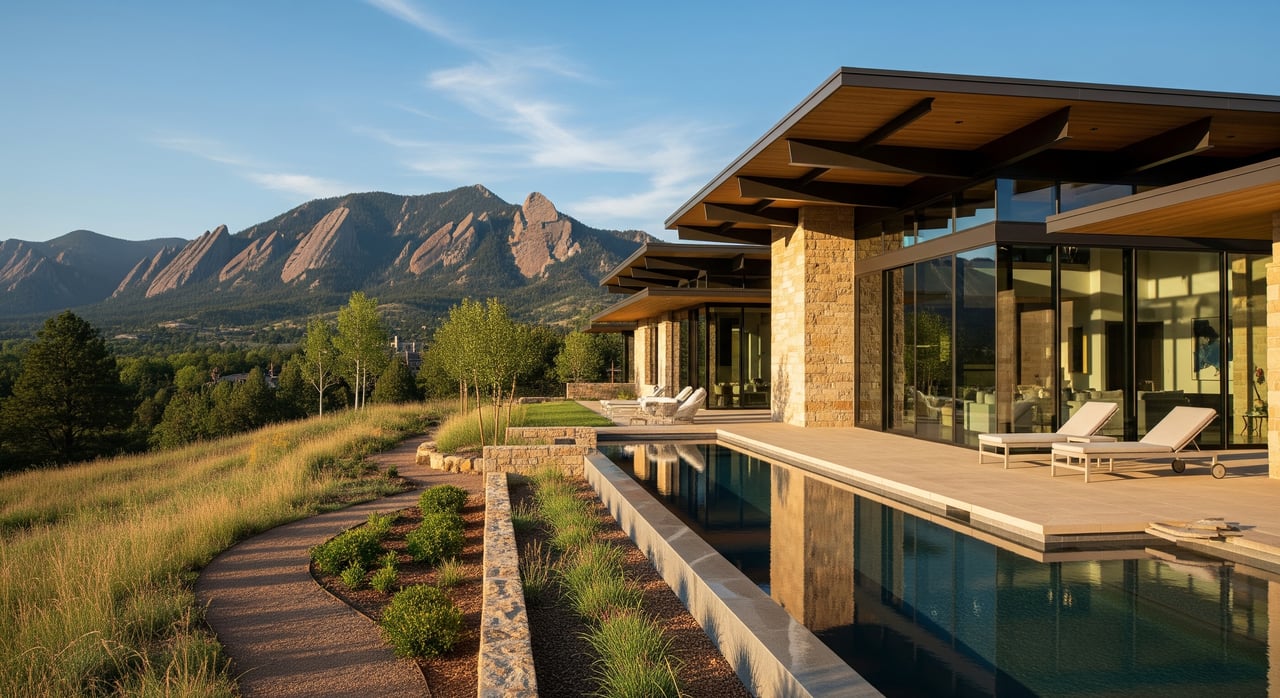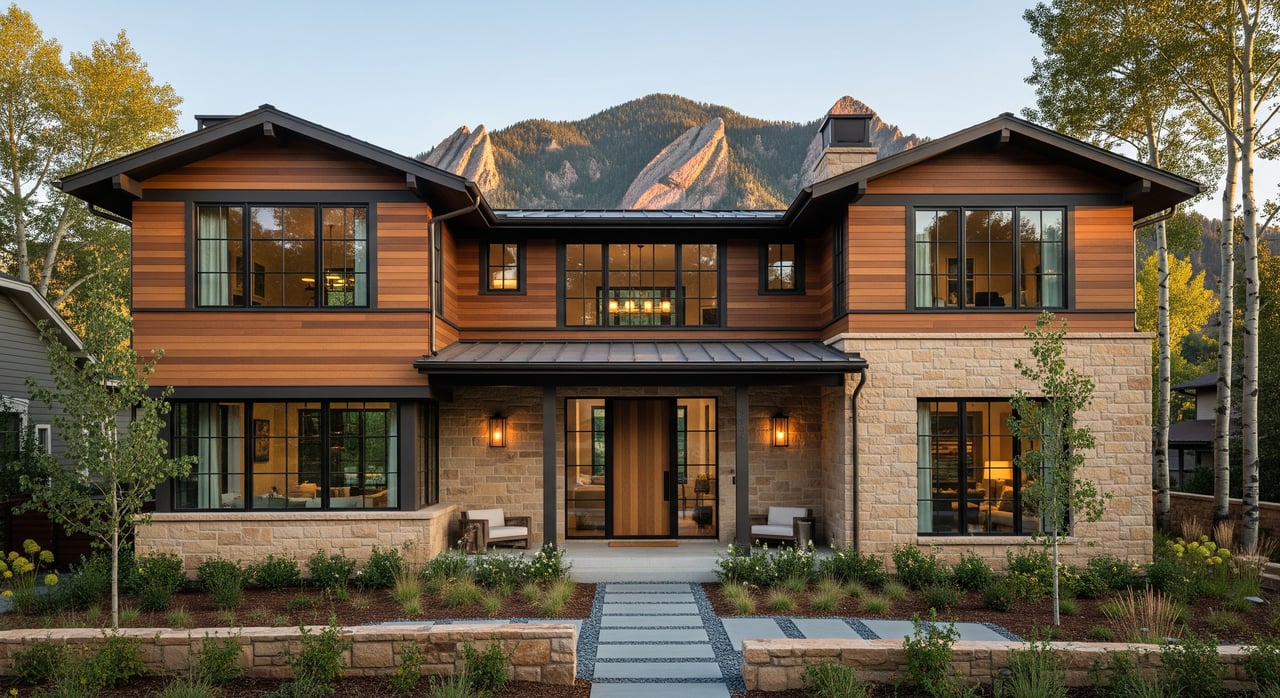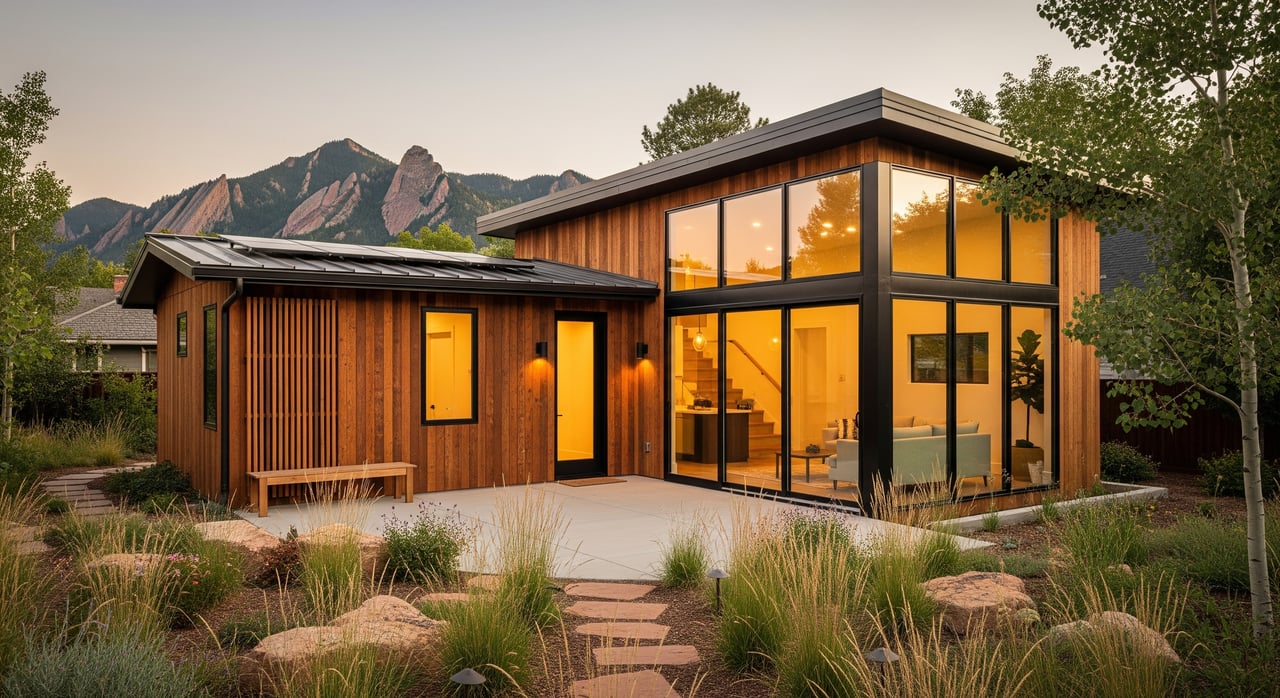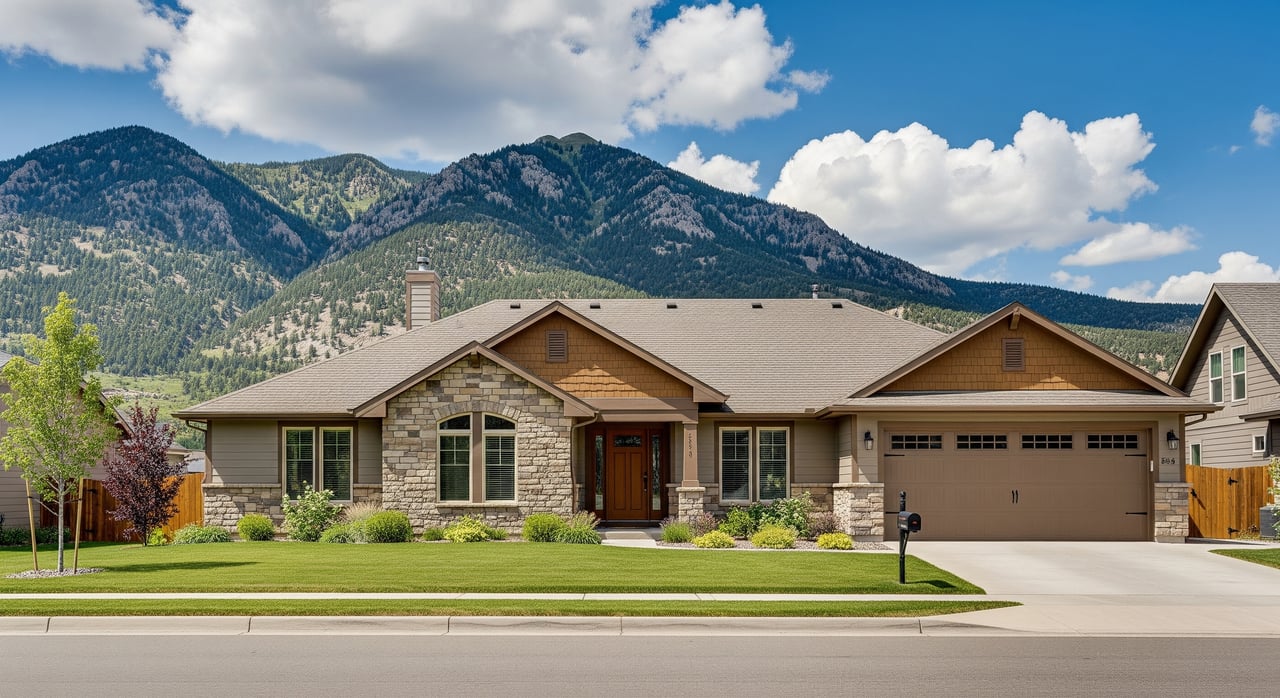
Are you comparing two Gunbarrel homes on the same street and wondering why one sold fast while the other sat? You’re not alone. Gunbarrel’s unincorporated setting and mix of property types create a true micro-market where small differences add up. In this guide, you’ll learn how Gunbarrel behaves, what drives premiums, which risks to check early, and how to use the right data to make a sharp offer. Let’s dive in.
Market snapshot and momentum
Gunbarrel sits just northeast of the City of Boulder and is shaped by Boulder’s limited supply, proximity to CU, and job hubs in Boulder and Longmont. After the rapid appreciation from 2020 through 2022, many Front Range submarkets, including parts of Gunbarrel, showed signs of normalization in 2023 into early 2024 as mortgage rates rose. Some pockets cool faster than others, especially older attached units, while well-located single-family homes on larger lots continue to command attention. Treat Gunbarrel as a set of micro-markets rather than one headline number.
When you look at data, break it down by property type and subarea. Track months of supply, days on market, and the sale-to-list price ratio for the last 3, 6, and 12 months. These metrics reveal whether you’re walking into a balanced segment or one where speed and terms matter more than price.
Housing types and price drivers
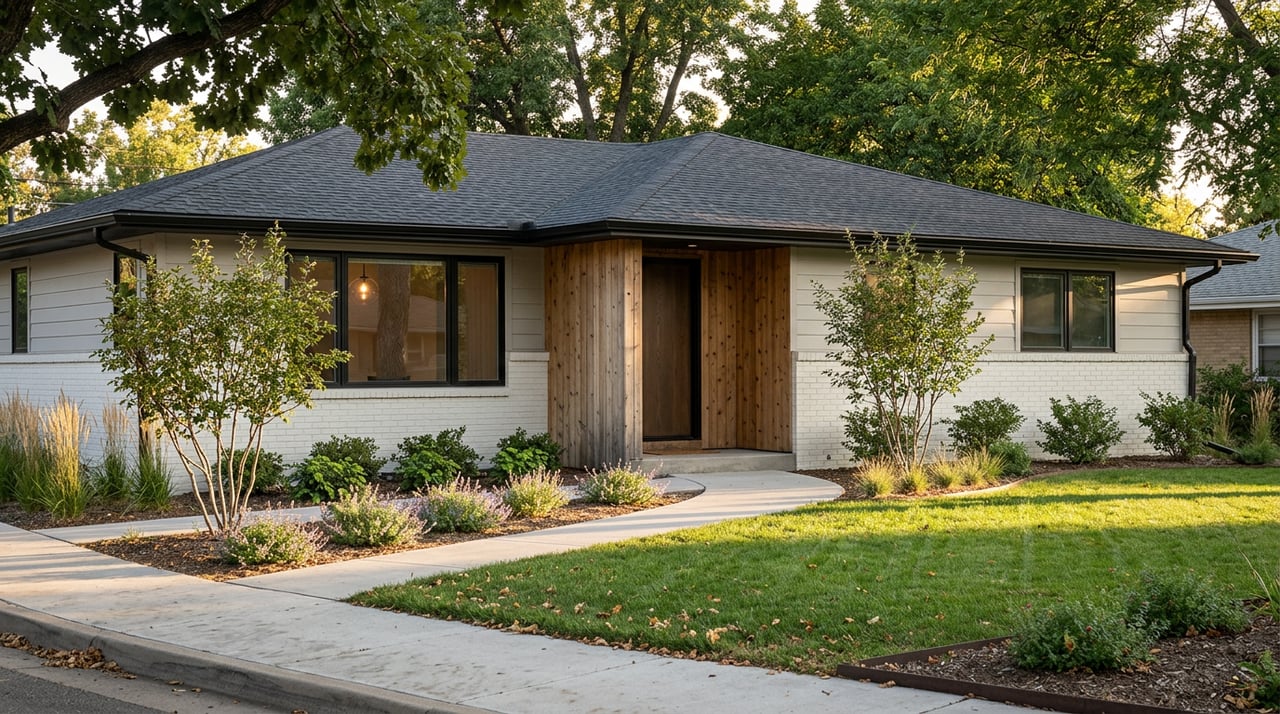
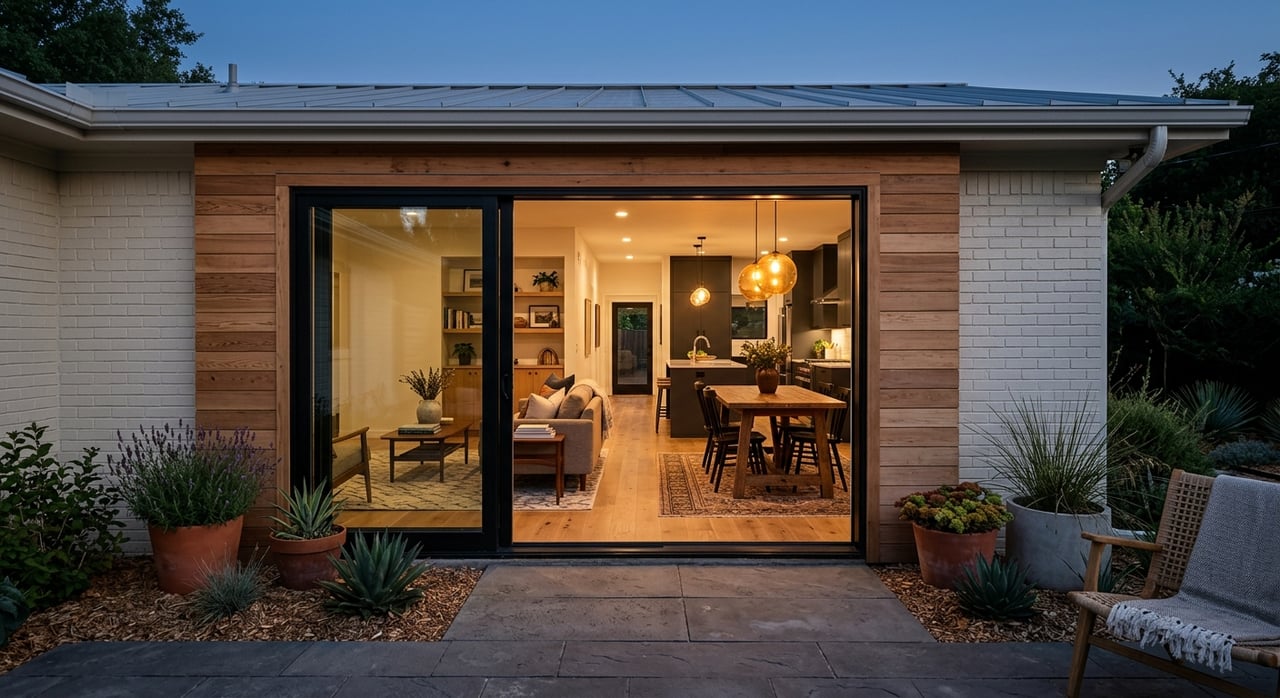
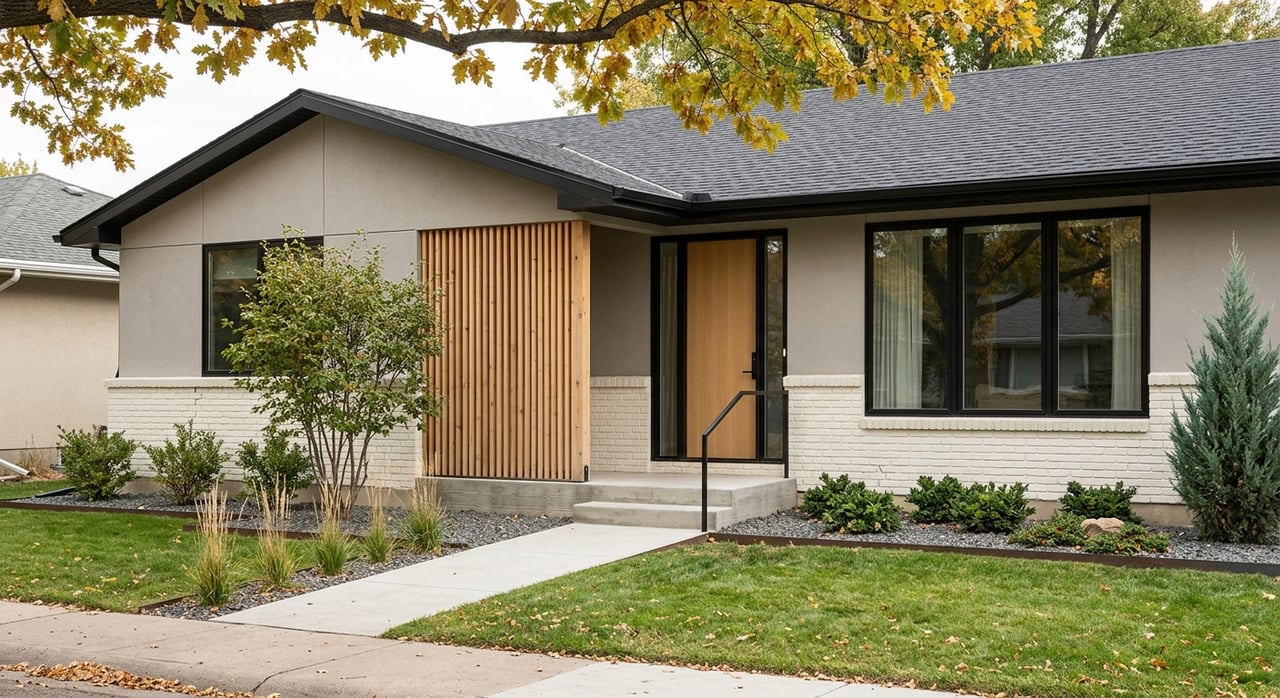
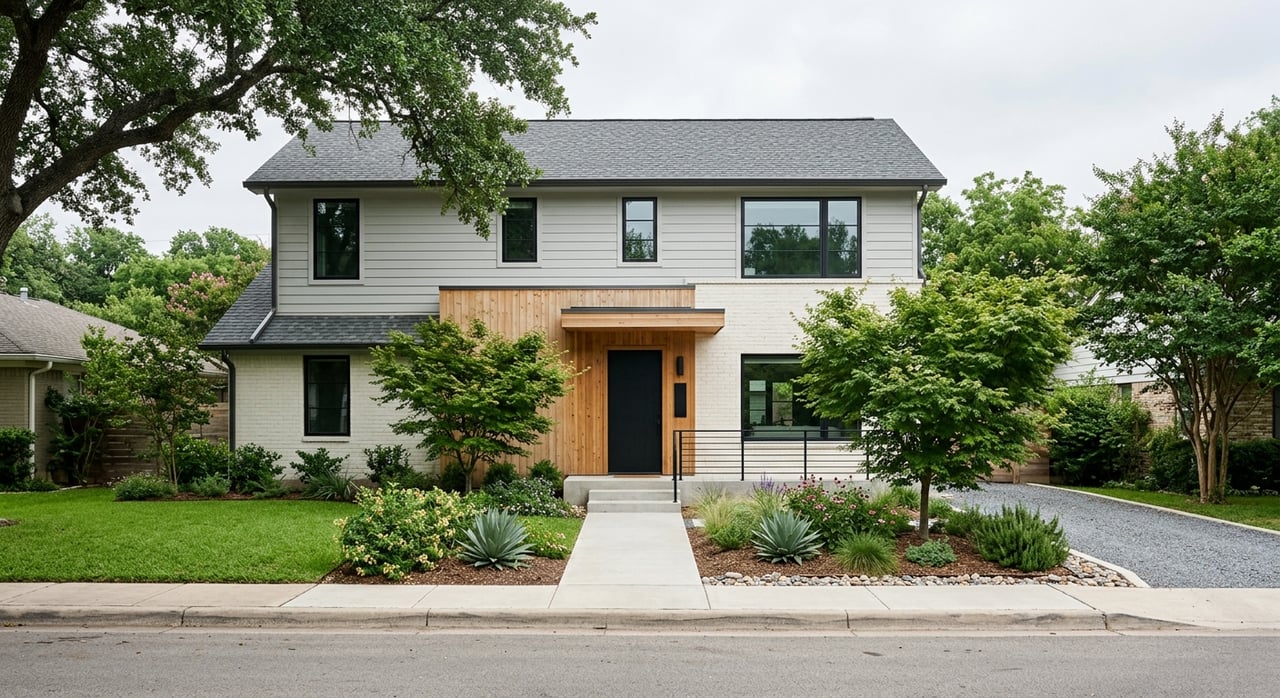
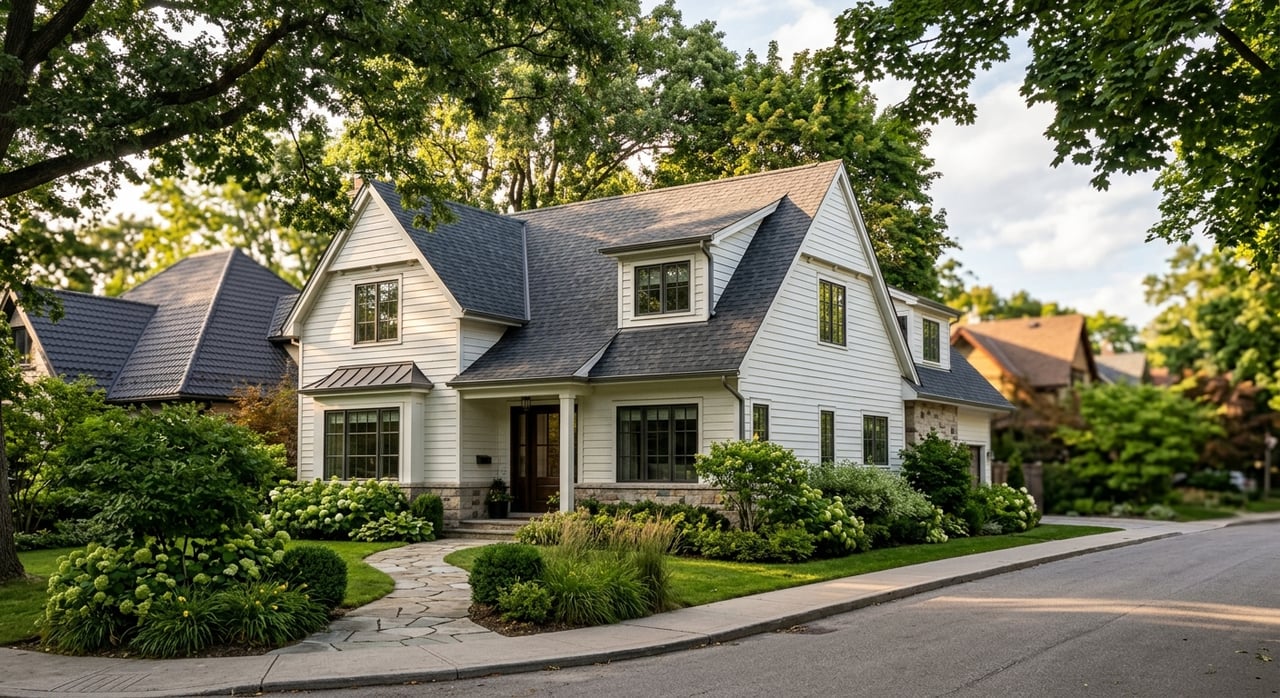
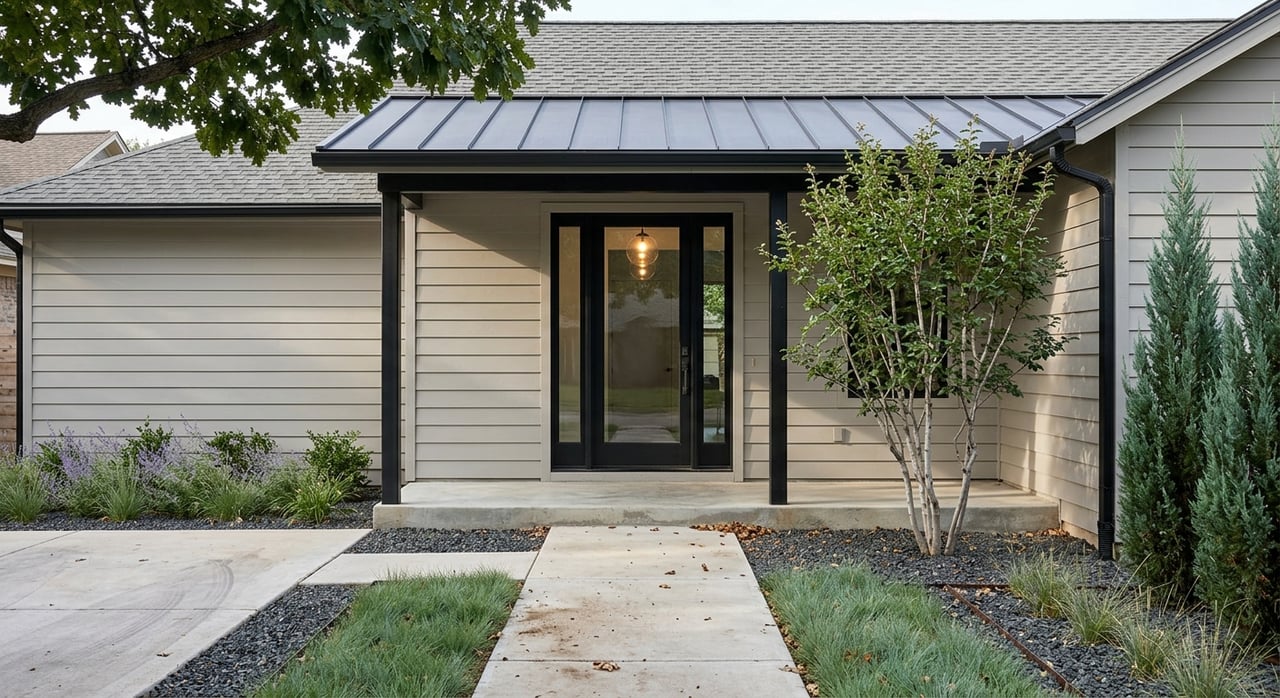
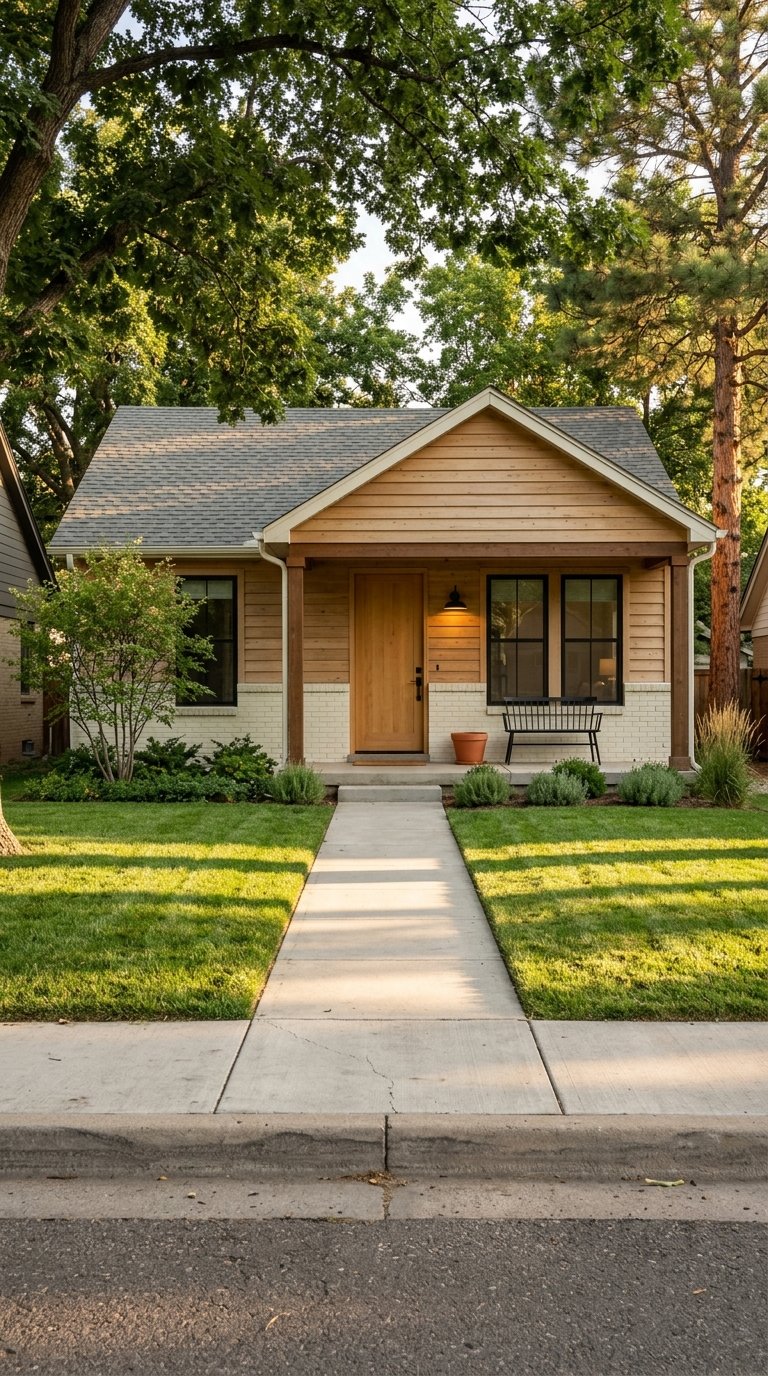
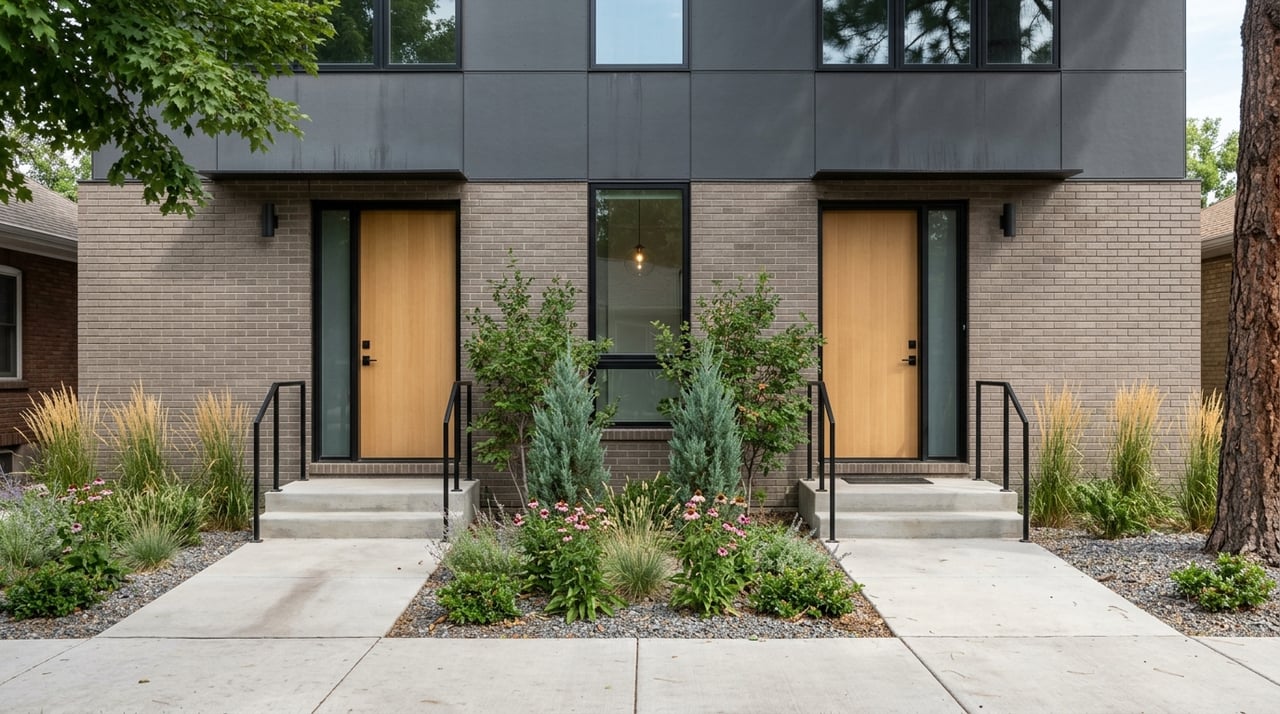
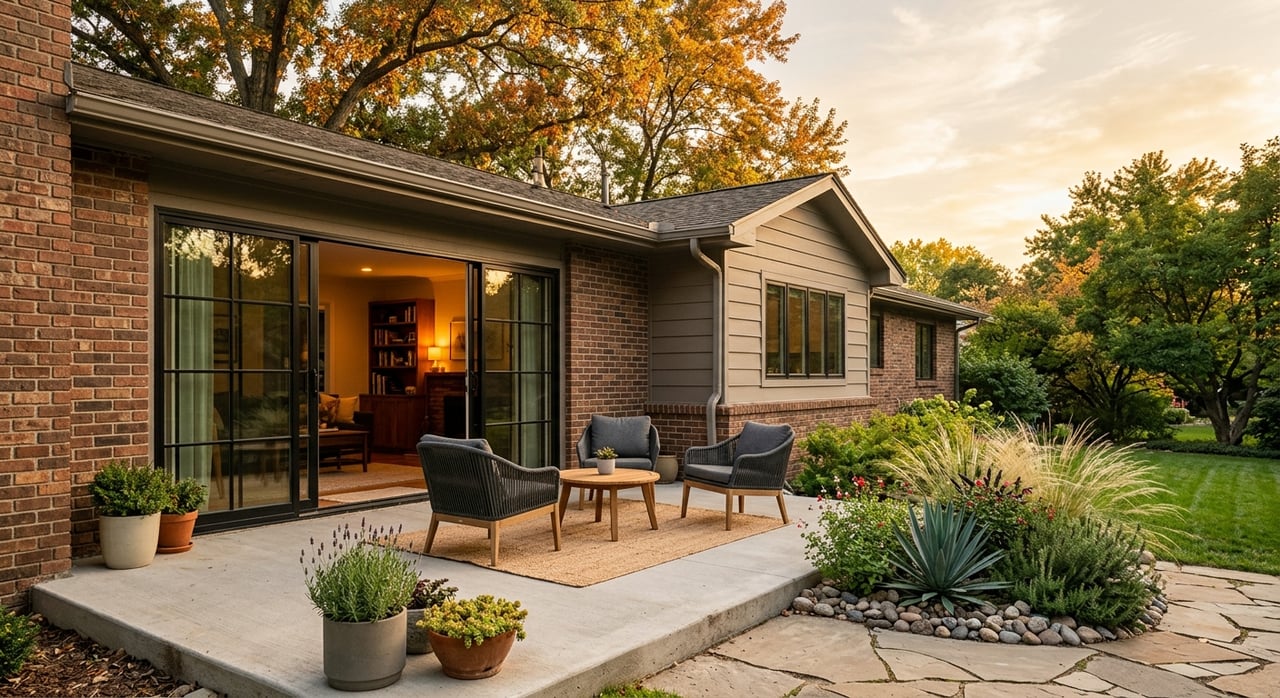
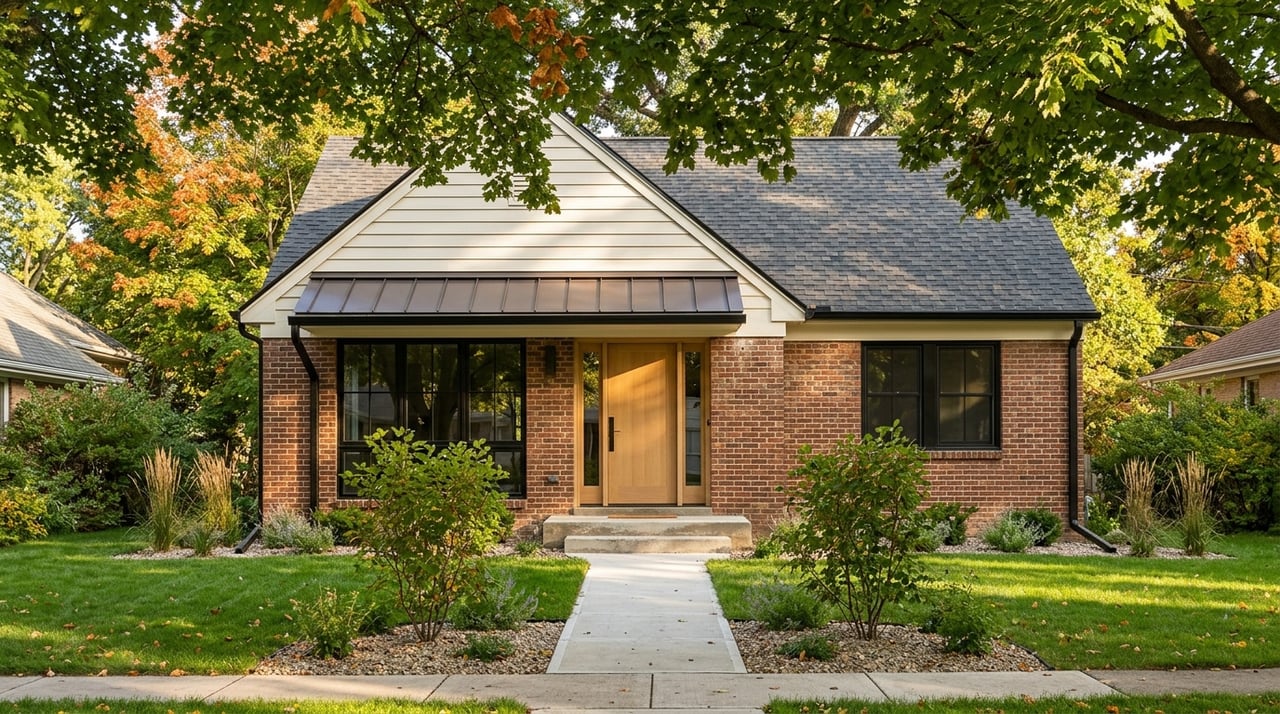
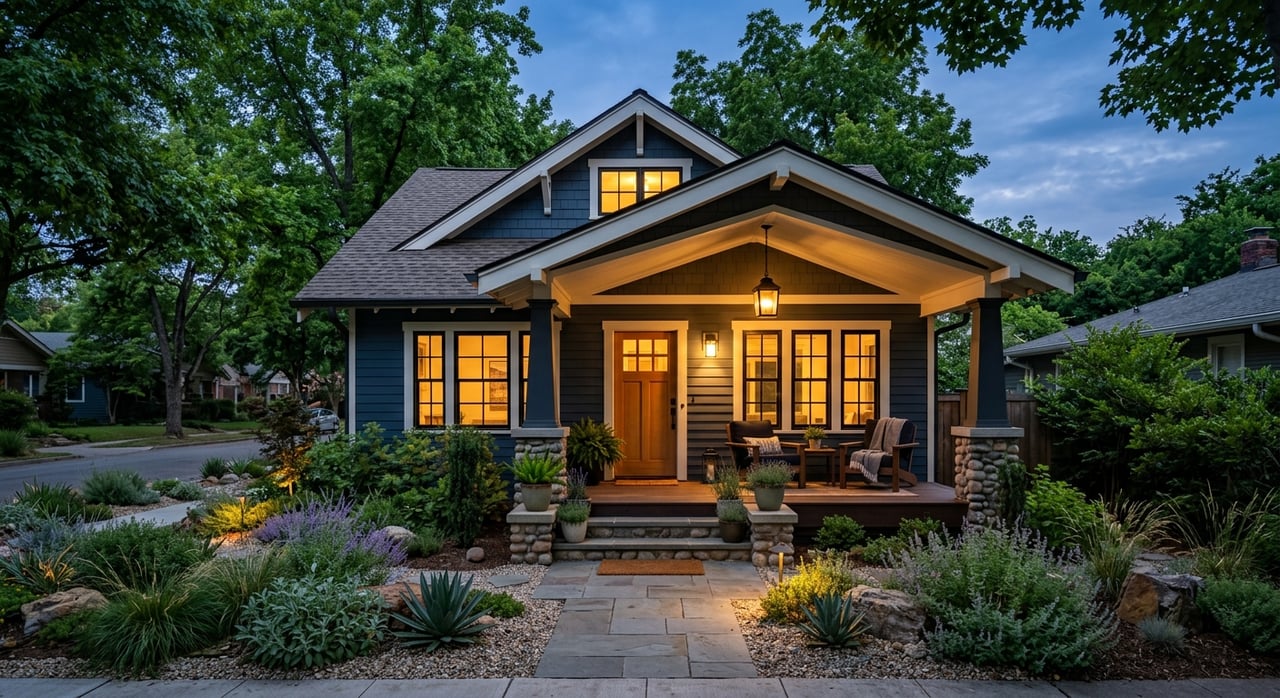
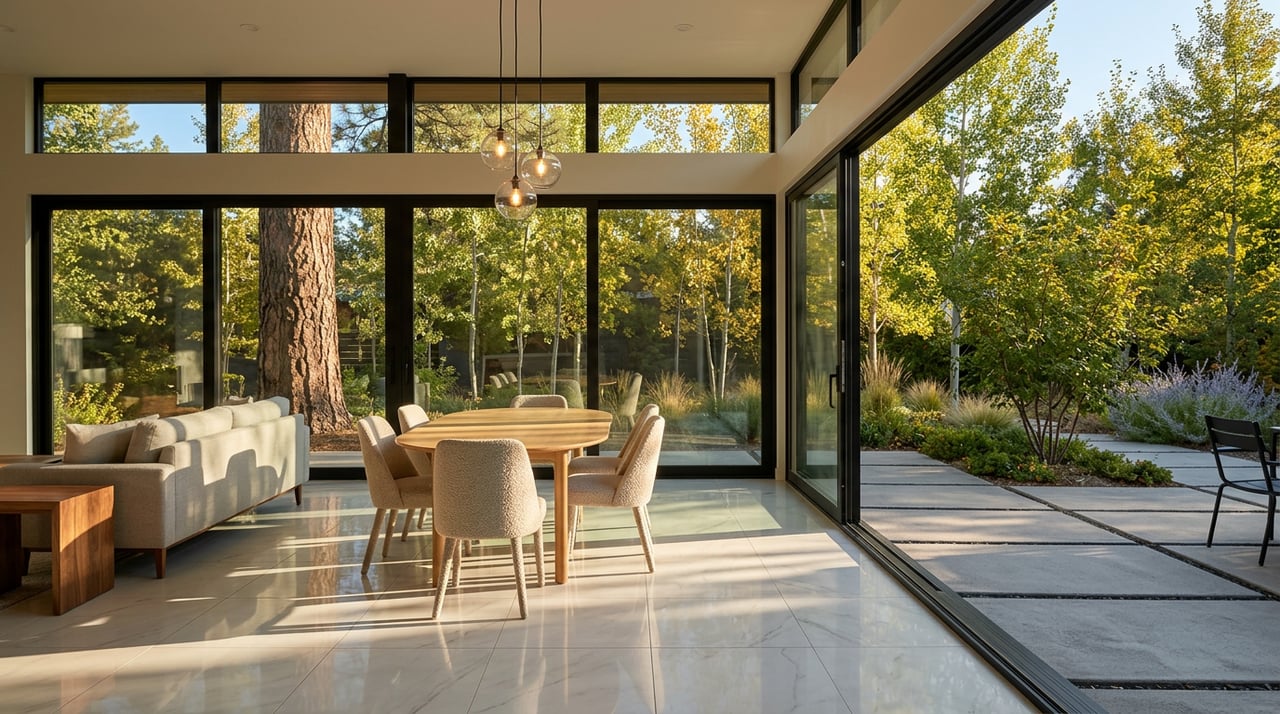
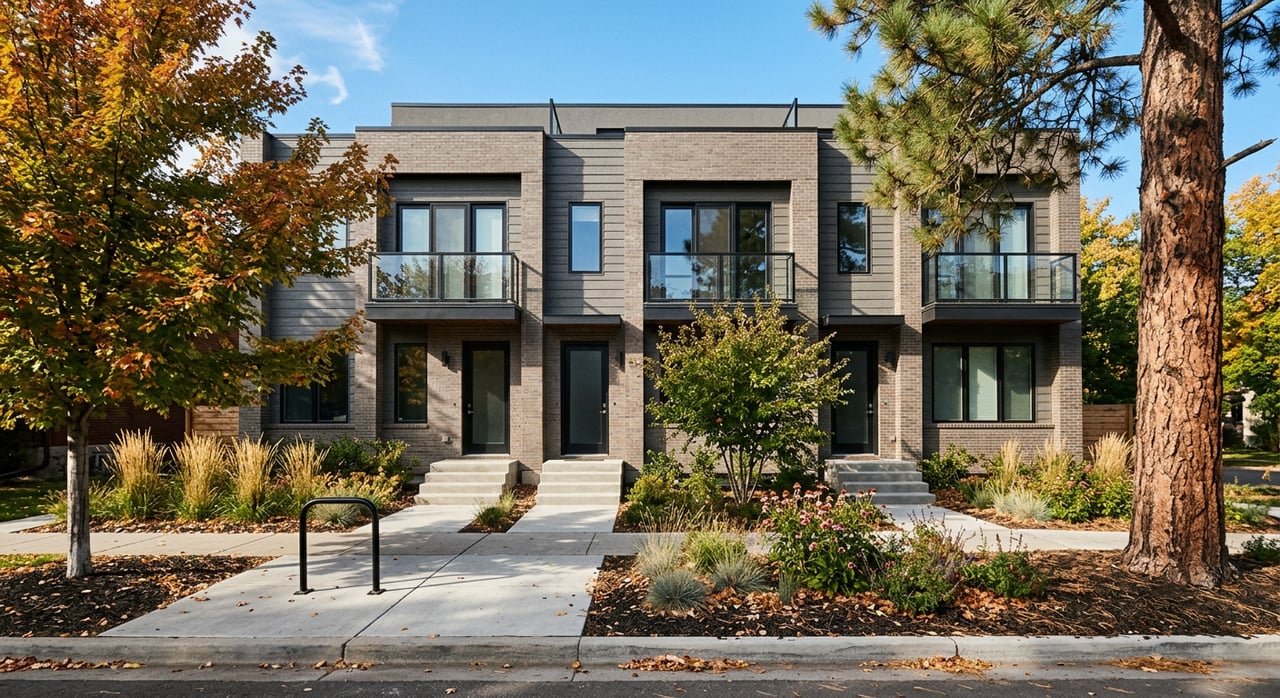
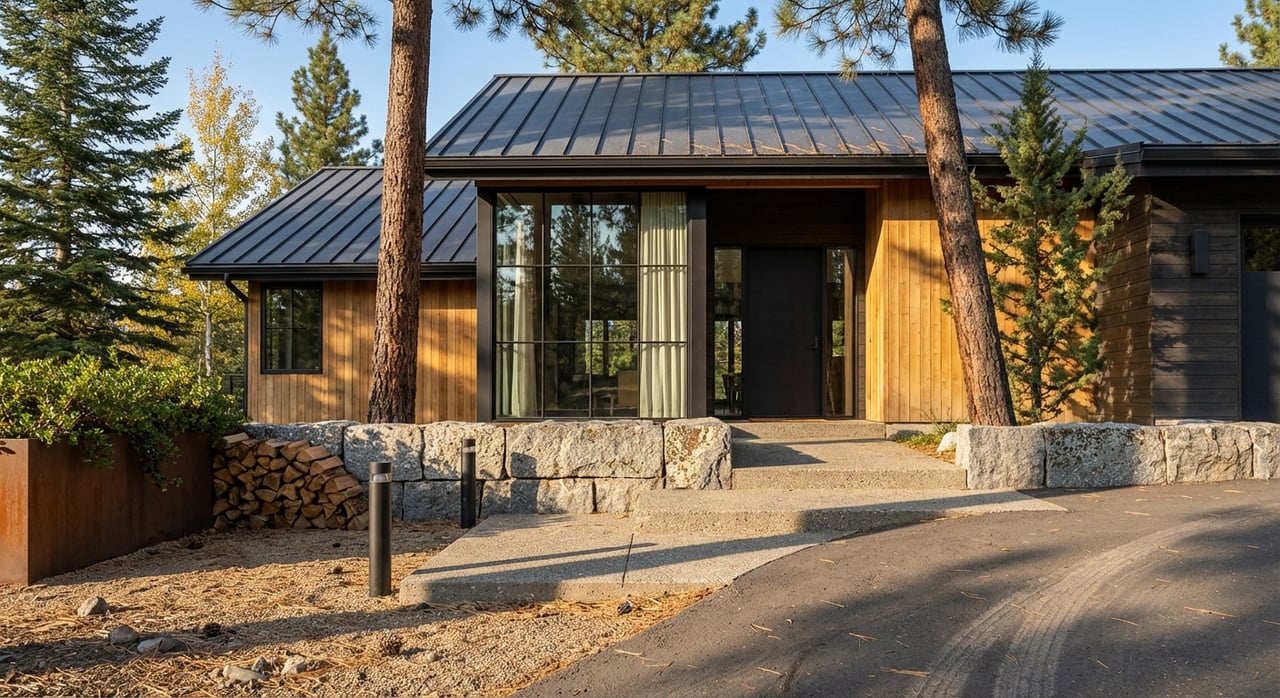
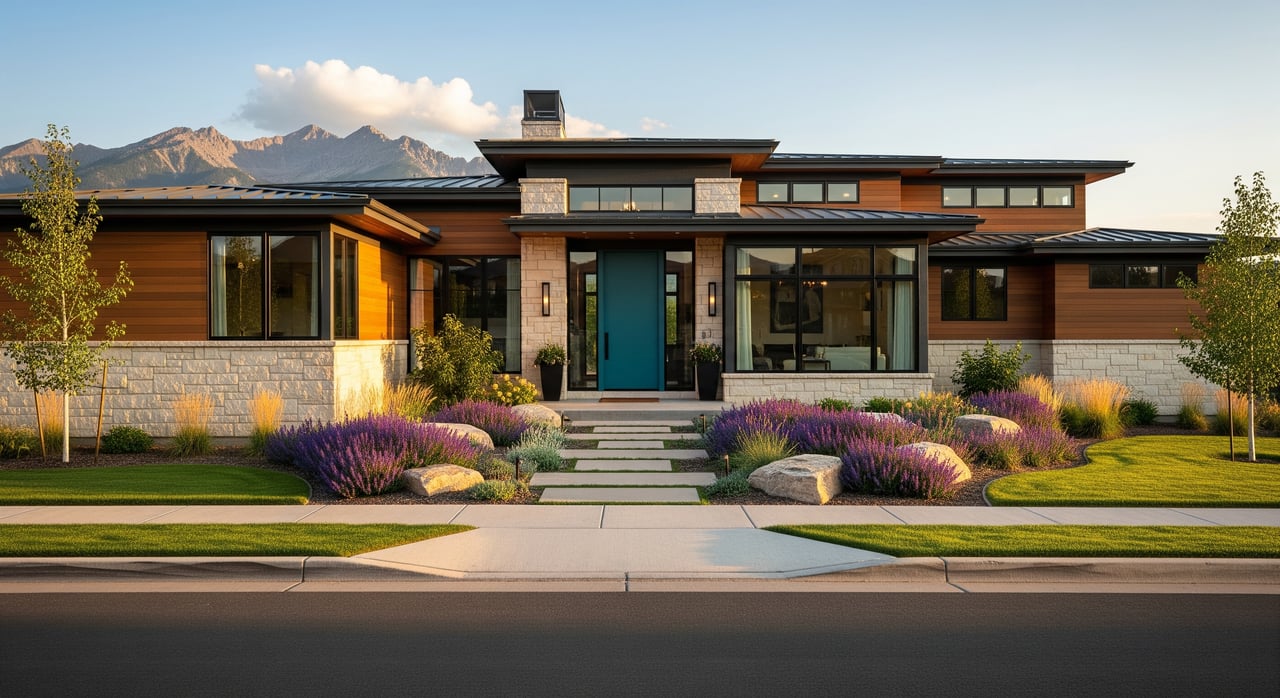
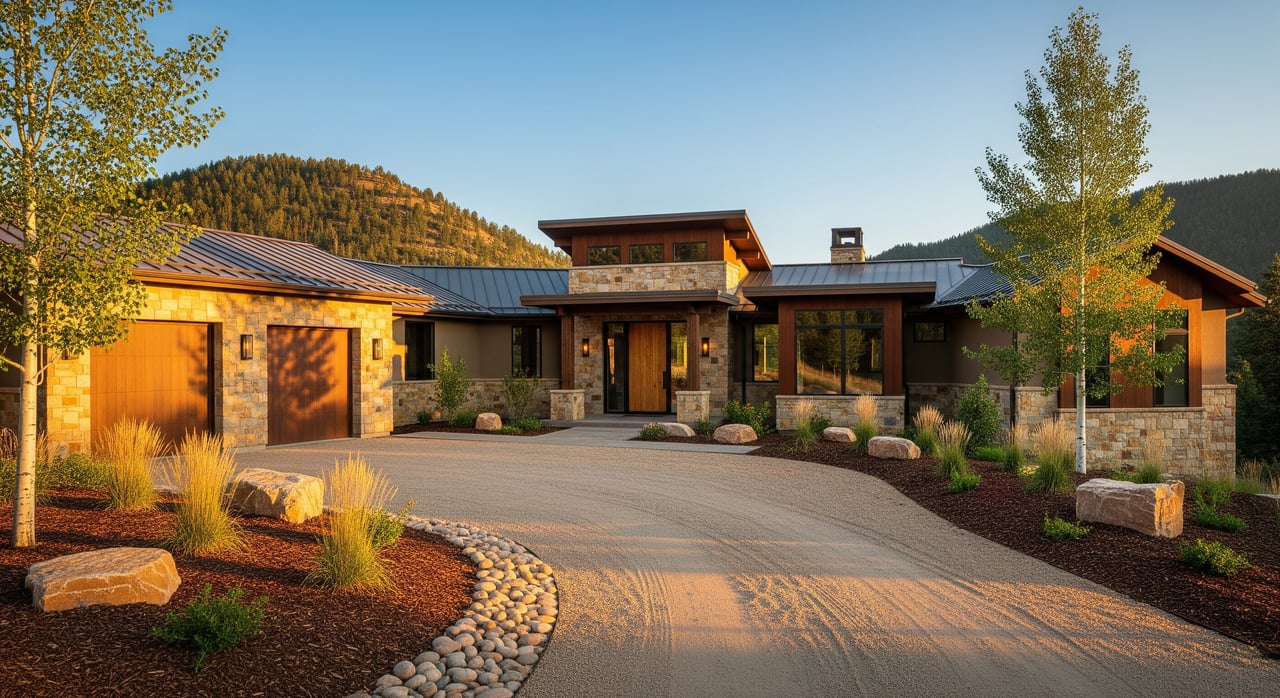
Gunbarrel offers a mix of single-family homes, townhomes, duplexes, and older condo-style buildings near commercial corridors. You’ll also find remodeled mid-century ranches alongside newer infill. Price per square foot varies widely by type and condition. A renovated 4-bed single-family on a quarter-acre lot is not a comparable for a two-bed townhouse, even if they are nearby.
Consider how features change value. Finished basements, garage capacity, outdoor living space, and quality of renovations are key in valuation. When you compare recent sales, prioritize the closest matches within 0.5 to 1 mile and 6 to 12 months, and adjust for upgrades with clear, documented reasoning.
Subareas and location premiums
Location inside Gunbarrel can swing pricing more than you might expect. Focus on these patterns:
- Near Boulder city limits and services. Closer access to restaurants, shops, and campus tends to broaden the buyer pool and support values.
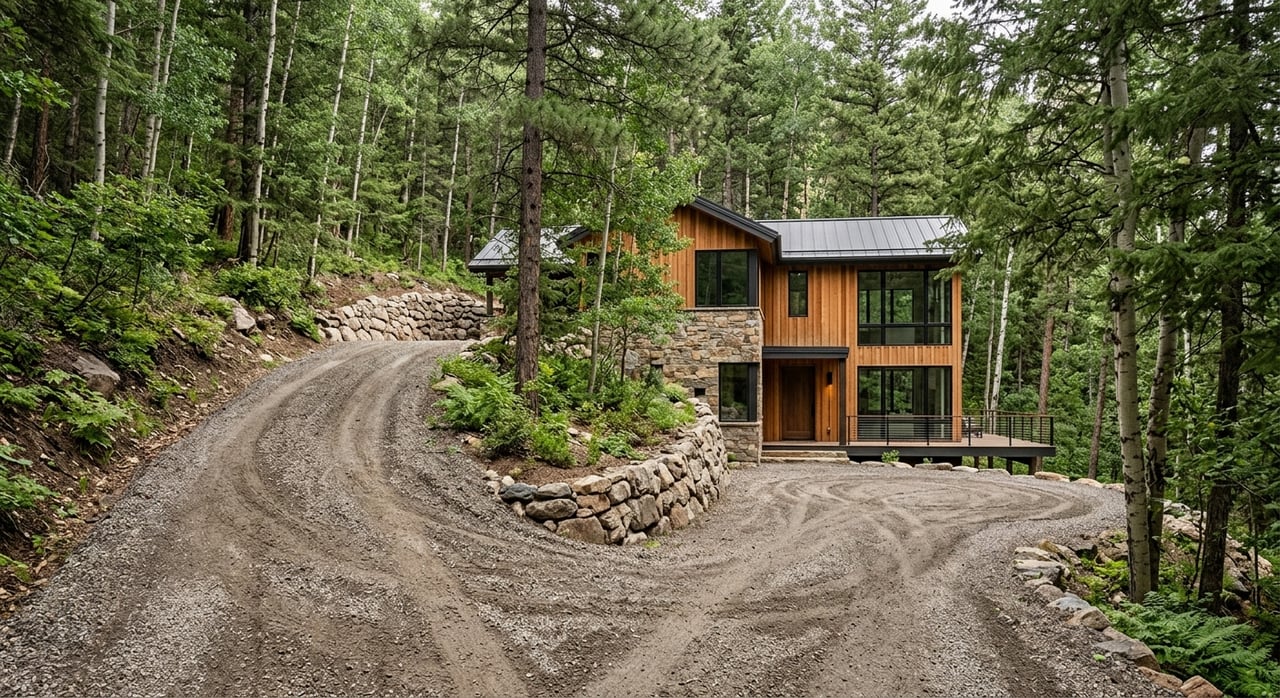
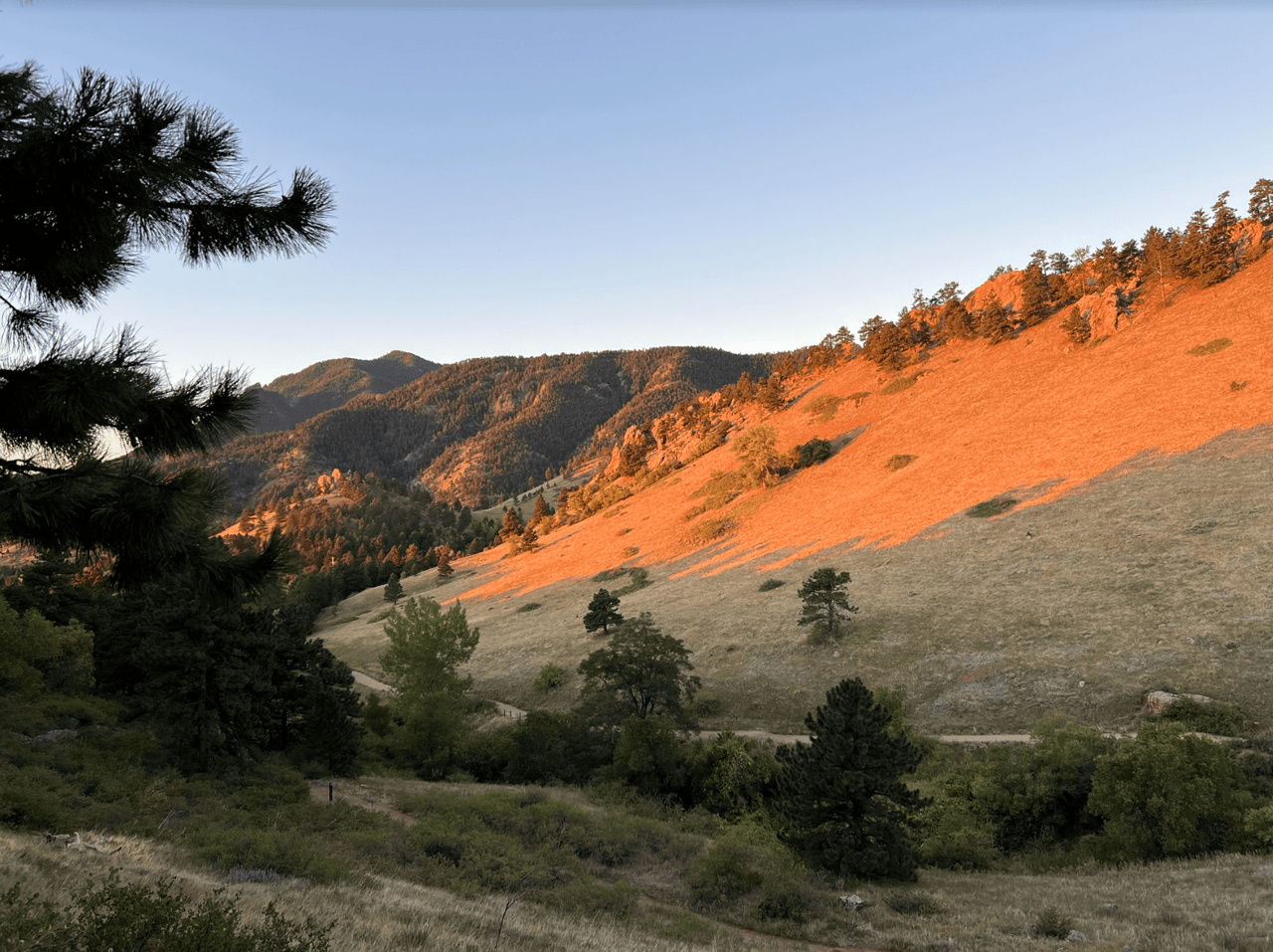
- Reservoir and open space access. Walkability to Boulder Reservoir and trails, plus foothills views, can add a premium.
- Commute corridors. Properties near CO-119/Diagonal and US-36 offer convenience for Denver and Longmont commutes, yet may introduce noise or traffic tradeoffs. A block or two can change your experience and your price point.
Walk the area at different times of day and test your commute. This is the simplest way to confirm if a subarea fits your lifestyle and budget.
Schools and boundary checks
Gunbarrel is served by the Boulder Valley School District. School assignment boundaries can change, so always verify a specific address before you write an offer. Use the district’s enrollment and locator tools to confirm the current assignment and options. Start with the district’s official pages for BVSD enrollment and school information.
Keep language about schools neutral and factual. Many buyers value proximity to certain programs or campuses, but the right fit depends on your needs. Confirm details directly through the district rather than relying on third-party sites.
Rules, taxes, and HOAs
Gunbarrel is unincorporated. That means land use and permitting go through Boulder County, which differs from the City of Boulder. If you plan to add an ADU, expand a footprint, or explore a home-based business, review county standards early with Boulder County Land Use.
Monthly costs go beyond your mortgage payment. Check the tax history and mill levies for any target property through the Boulder County Assessor. If an HOA is involved, review fees, reserve studies, covenants, rental policies, and any special assessments. These items can materially affect affordability and resale.
Infrastructure and daily services
Service providers vary. Some properties connect to municipal systems or special districts for water and sewer, and a few may have unique utility setups that affect future expansion. Internet matters too. Confirm broadband options early if you work from home. For mobility and commute planning, review local transportation initiatives and connections via the City of Boulder Transportation and Mobility resources.
Natural hazards and inspections to prioritize
Boulder County has exposure to wildfire. Use the state’s public tools to understand risk and best practices for defensible space. Start with the Colorado Wildfire Risk Viewer. For flood risk, check parcel-level details through the FEMA Flood Map Service Center. If a home sits in a mapped floodplain, your lender may require flood insurance.
For inspections, take a comprehensive approach. Standard home inspections, HVAC evaluation, radon testing, and a sewer scope are common. If the property is in a higher wildfire risk area, have the roof and defensible space reviewed. When market conditions are mixed, preserving appraisal and inspection contingencies helps you manage risk.
How to read the data like a local
A handful of metrics will tell you most of what you need:
- Median sale price by type. Separate single-family from townhome and condo segments. Look at 3-, 6-, and 12-month windows for momentum.
- Inventory and months of supply. Under roughly 3 months often favors sellers. Above that can create room to negotiate.
- Days on market and sale-to-list ratio. Lower DOM and higher ratios signal stronger demand. Cross-check with condition and location.
- Price per square foot by subarea. Use this only with tight comps and clear adjustments for features.
Validate comps with the local MLS through your agent and confirm physical and tax details with the Boulder County Assessor. For a macro view of where the broader Front Range market is heading, review the Colorado Association of REALTORS market trends alongside your hyperlocal MLS data.
Savvy buyer checklist
- Get preapproved with a lender experienced in Boulder County underwriting and discuss rate lock options.
- Verify taxes, HOA fees, insurance, and utility costs to confirm true monthly carrying costs.
- Map your commute and test drive peak hours for each subarea you like.
- Confirm school assignment using BVSD tools, then call to verify any program-specific questions.
- Pull parcel, zoning, and permit history with Boulder County Land Use.
- Check wildfire and flood risk early using the Colorado Wildfire Risk Viewer and FEMA maps.
- Prioritize inspections, including radon and a sewer scope, and plan for remediation as needed.
- Align your offer terms with the segment. Hot pockets may require faster timelines. Cooling pockets may allow for concessions.
Negotiation and timing tips
In balanced or cooling segments, strong but straightforward offers often win. Keep contingencies clean, set realistic deadlines, and request seller credits for repairs or closing costs if price flexibility is limited. In high-demand pockets close to trails or with views, speed and certainty can matter more than squeezing the last dollar.
Seasonality still plays a role. Spring often brings more listings and competition, while late summer or late fall can reveal motivated sellers. Watch the cadence of new listings and pendings to time your move.
Financing and affordability ideas
Discuss fixed versus adjustable products with your lender given the post-2022 rate environment. Some buyers consider local assistance programs when eligible; start your research with the Boulder County Housing Authority and state-level resources. Build a budget buffer for potential insurance changes related to wildfire or flood exposure.
Investors versus owner-occupants
If you are investing, study rent comps, vacancy patterns, and local landlord rules. Boulder has specific regulations for short-term rentals and occupancy; confirm jurisdictional rules based on whether a property is in unincorporated county or inside the city limits. For owner-occupants, lean into long-term quality-of-life factors: commute patterns, school logistics, outdoor access, and hazard risks.
Your next steps
Gunbarrel rewards careful homework. If you frame the market by property type and subarea, verify risks early, and align terms to the segment, you can buy with confidence. When you are ready for a live MLS snapshot, matched comps, and a street-by-street strategy, reach out to Emelie S Griffith for a data-forward, design-minded approach to buying in Gunbarrel.
FAQs
Is Gunbarrel more affordable than central Boulder?
- Generally yes, though premium pockets with larger lots, views, or trail access can approach city pricing depending on features and condition.
How do I verify a Gunbarrel home’s school assignment?
- Use the district’s official tools on the BVSD enrollment page and confirm directly with the school or district office.
What hidden costs should I factor into my Gunbarrel budget?
- Confirm property taxes, HOA fees, insurance, utility providers, and potential flood or wildfire insurance needs using county and FEMA resources.
How can I check wildfire and flood risk for a specific property?
- Review the Colorado Wildfire Risk Viewer and the FEMA Flood Map Service Center for parcel-level insights.
How competitive is inventory in Gunbarrel right now?
- Conditions change quickly; track months of supply, days on market, and the sale-to-list ratio in the MLS with your agent, broken out by property type and subarea.