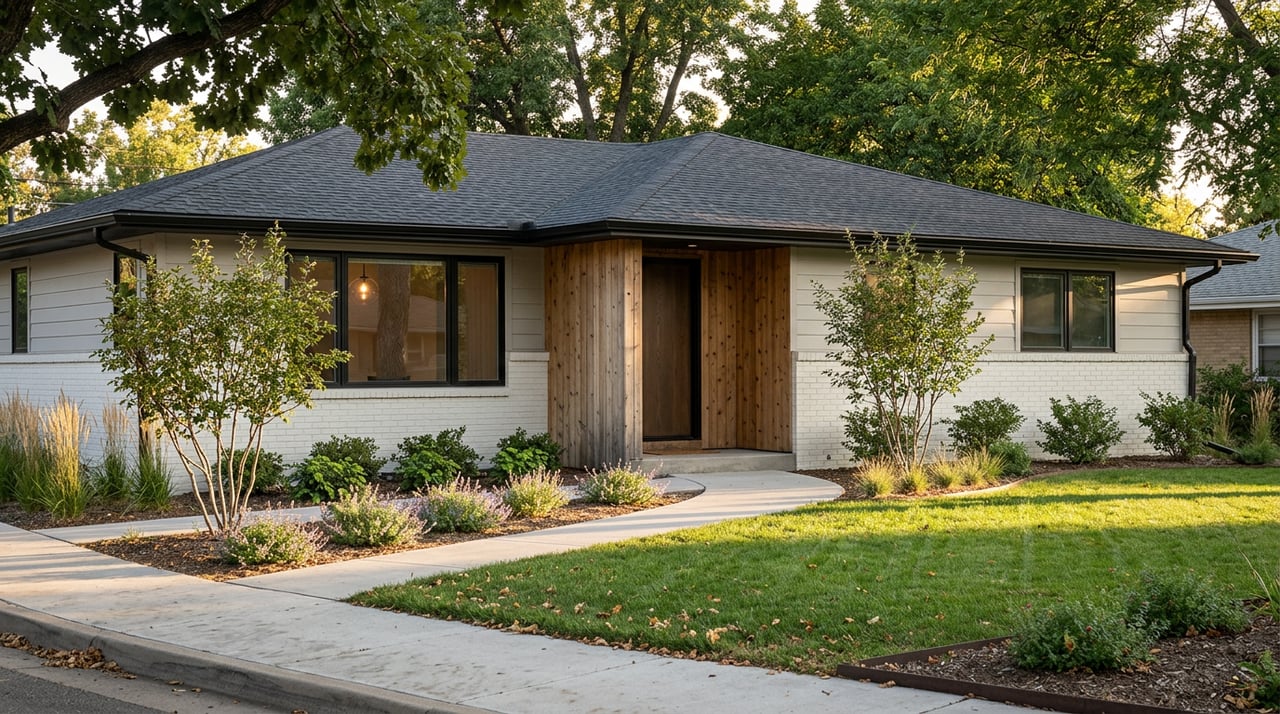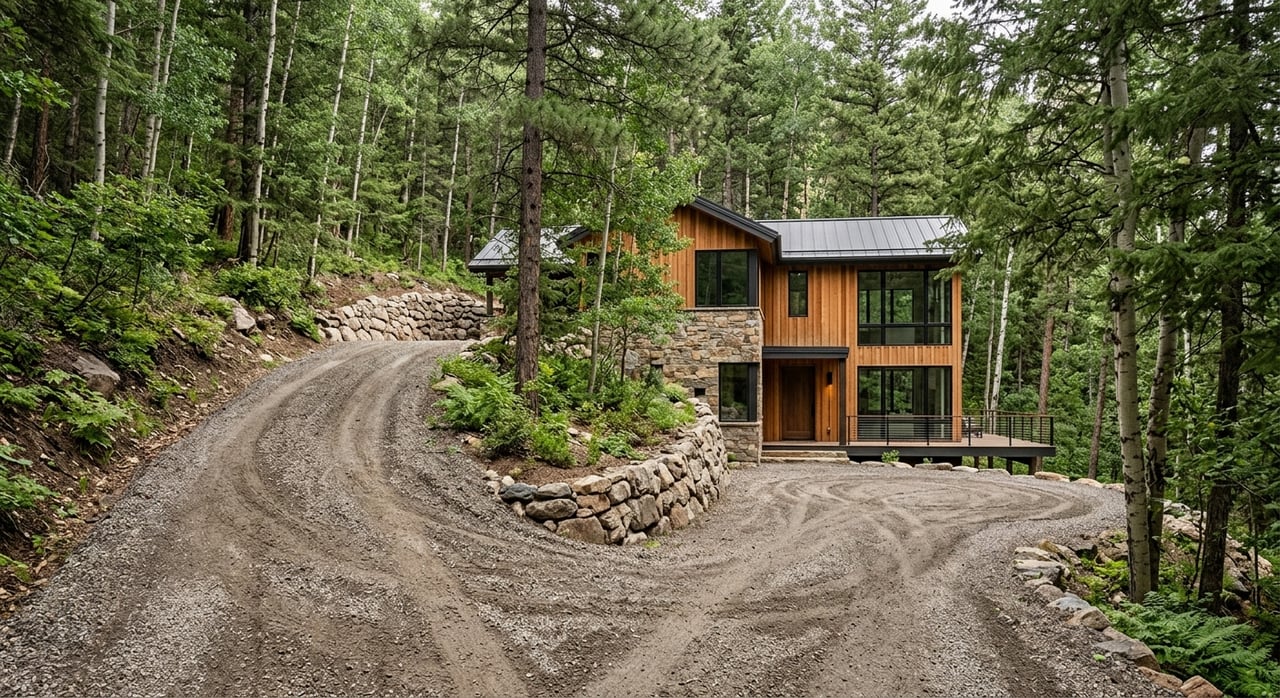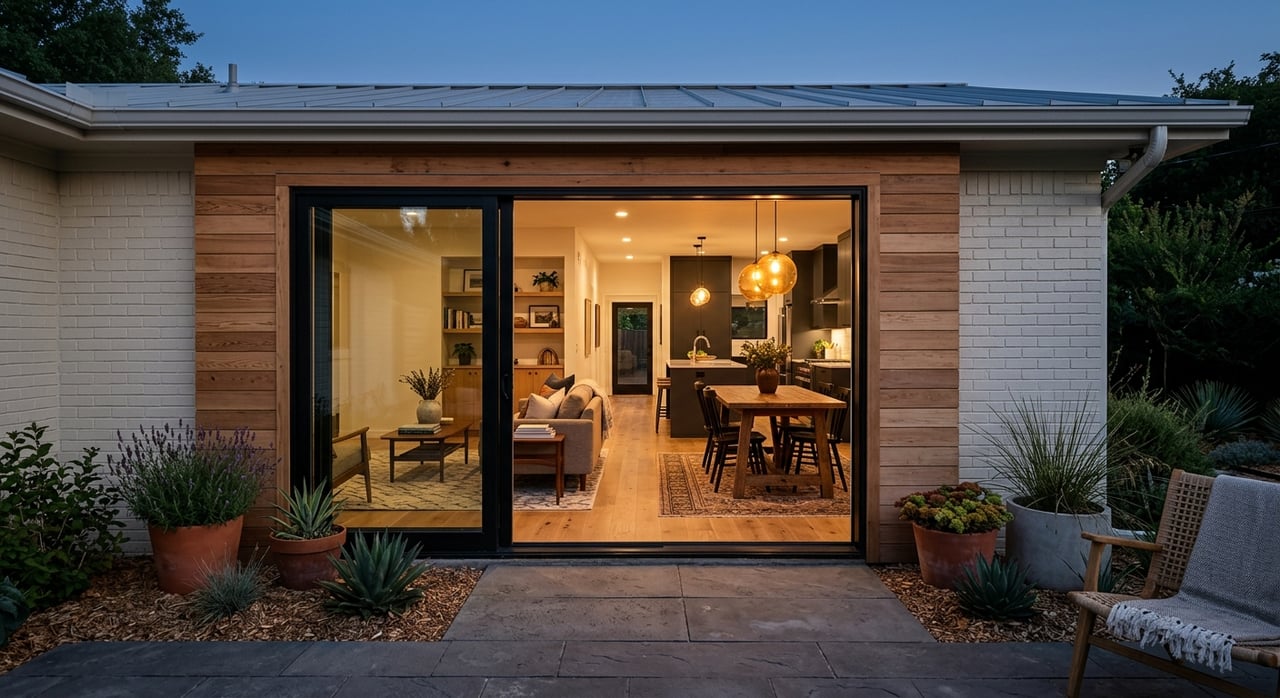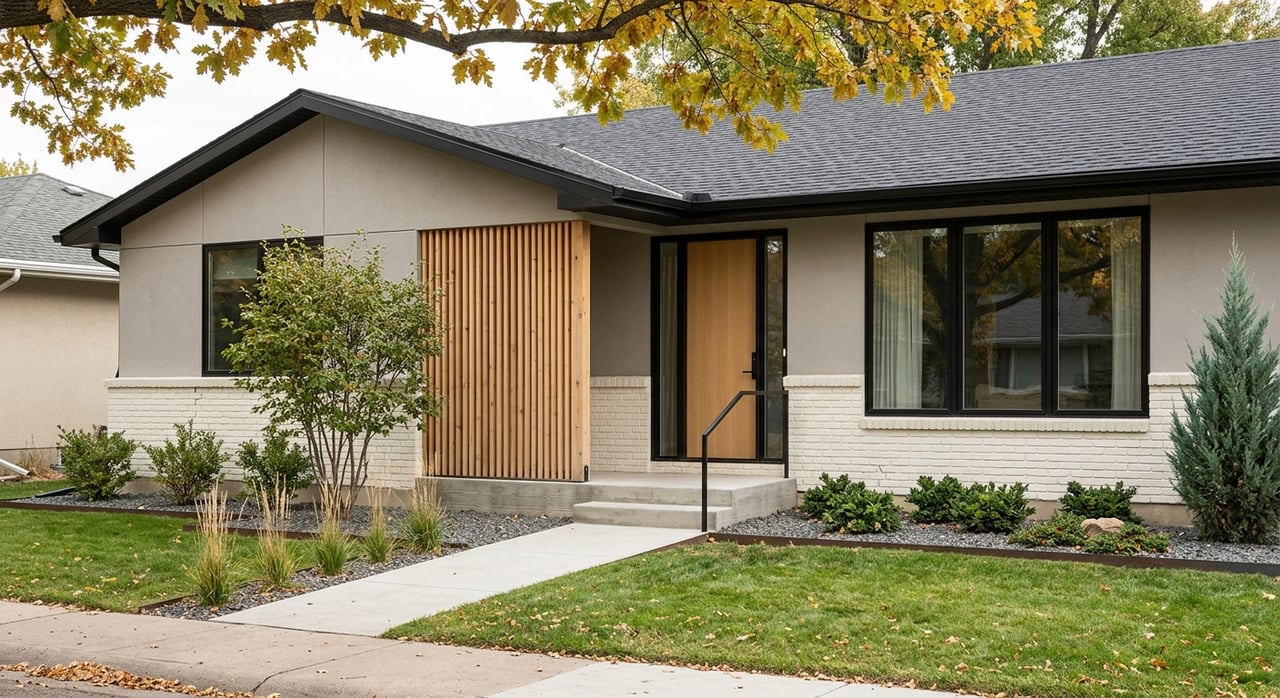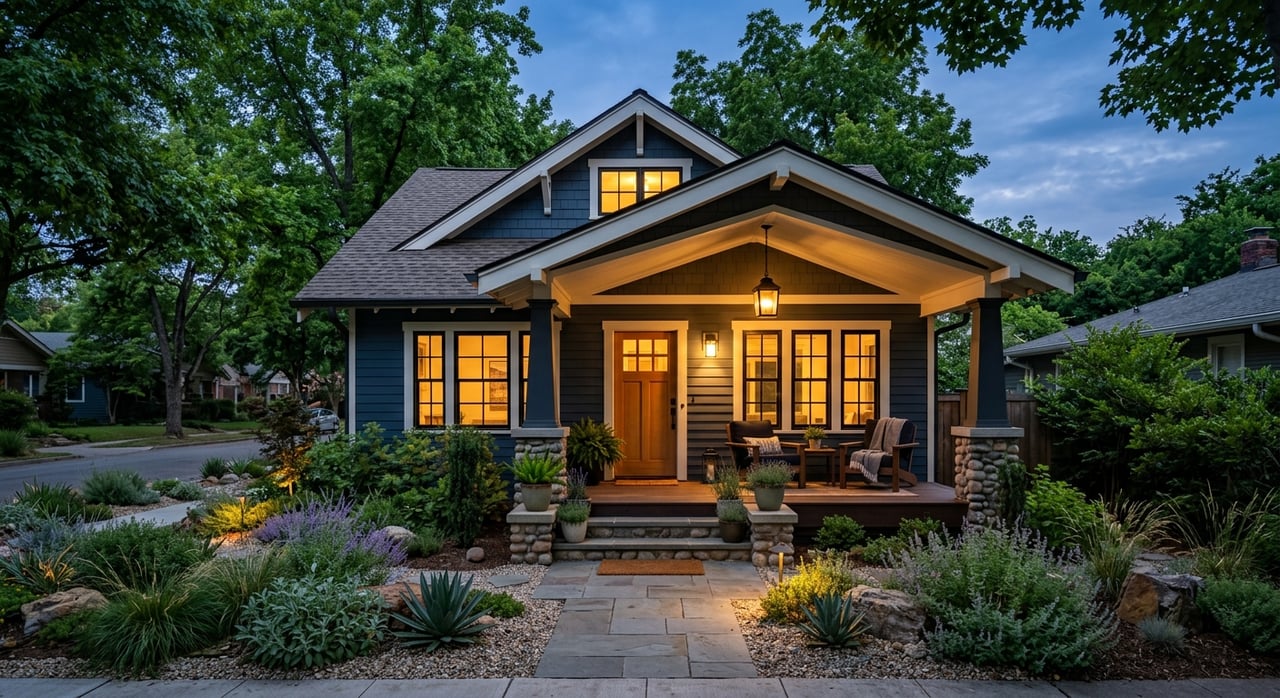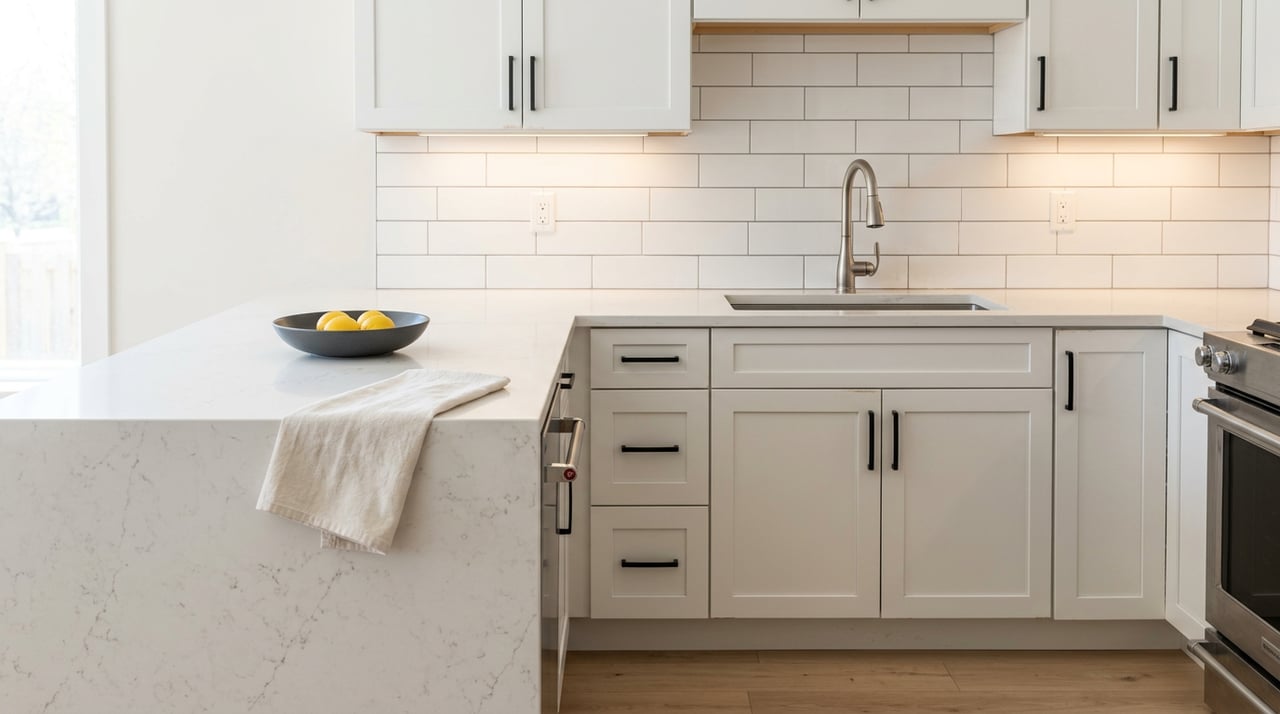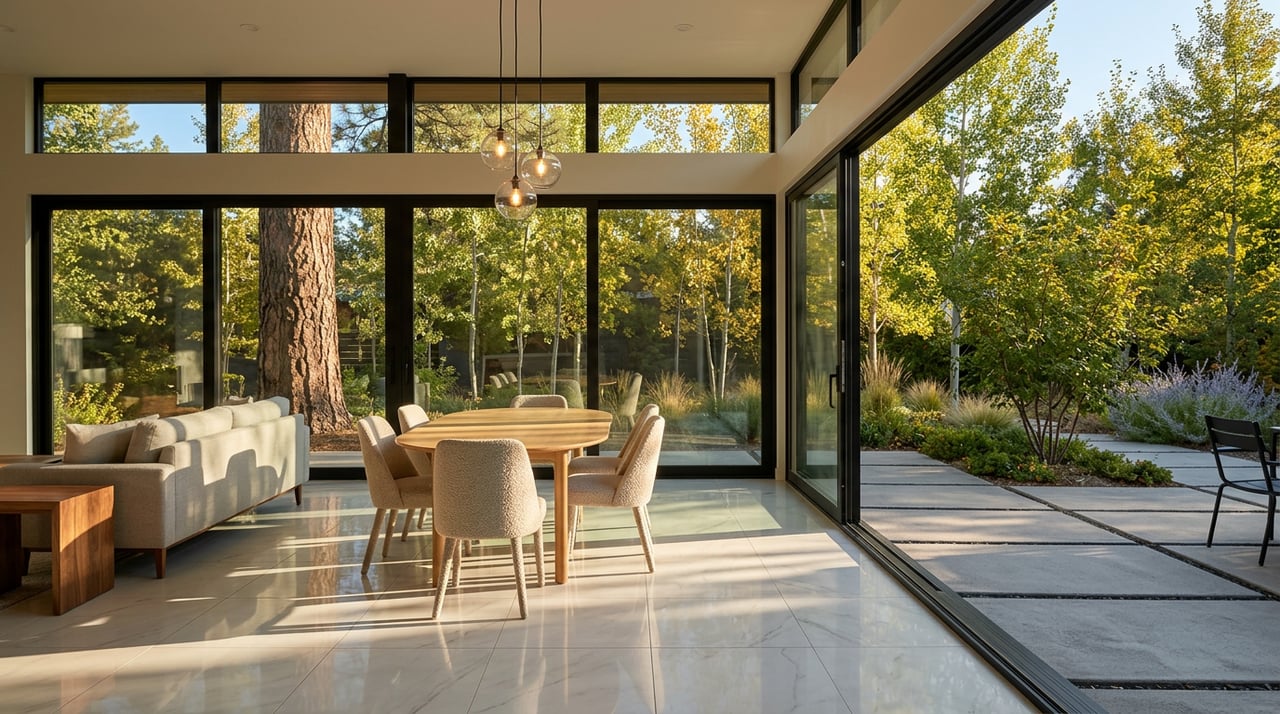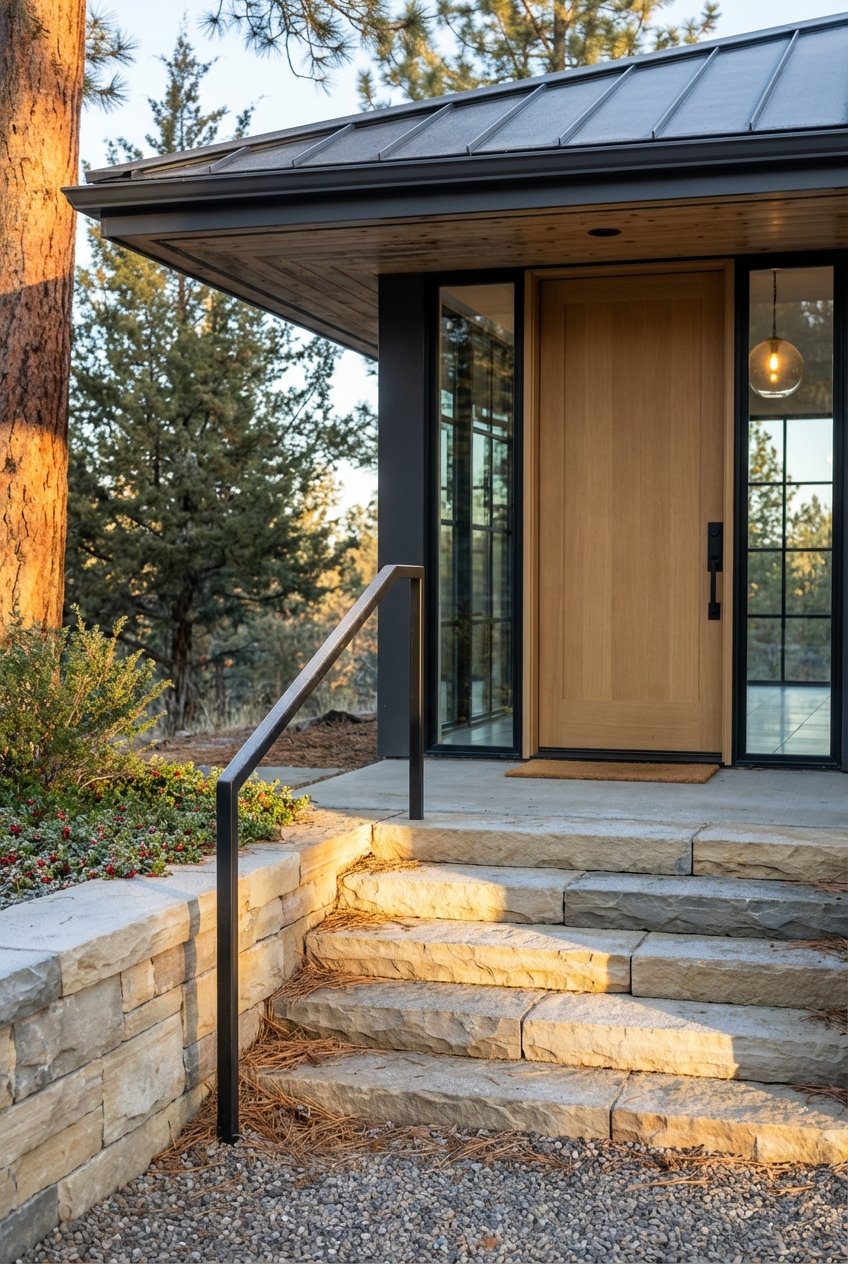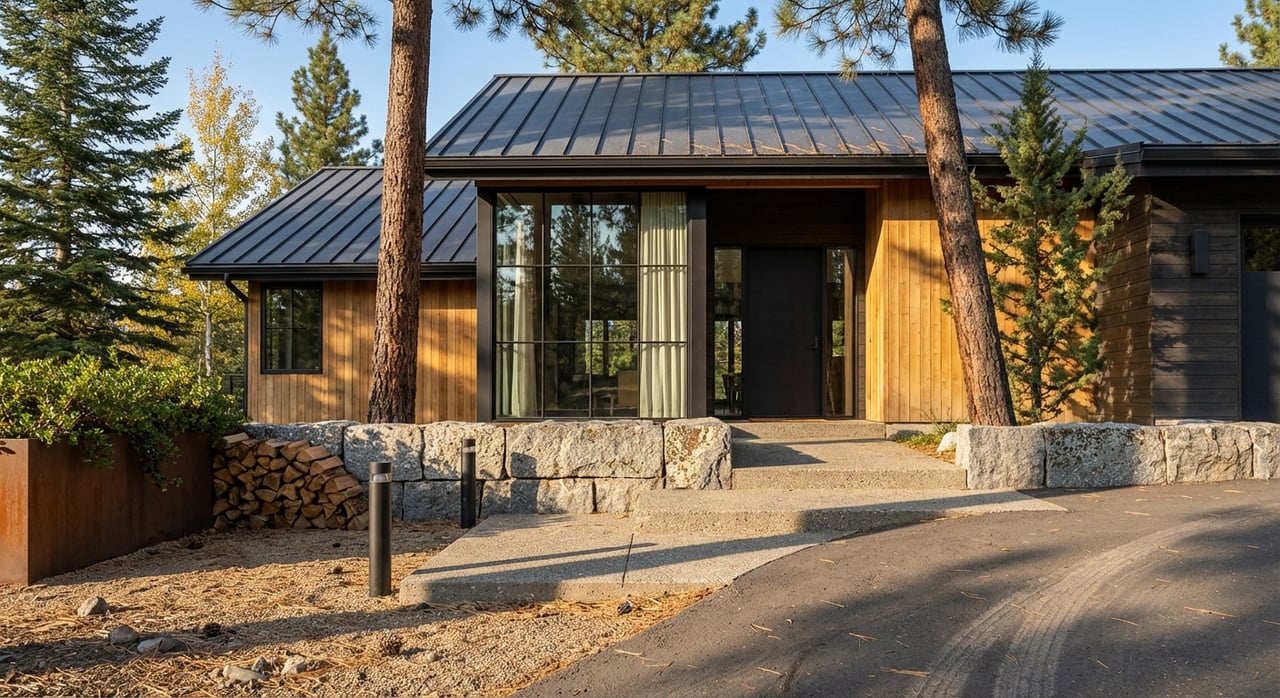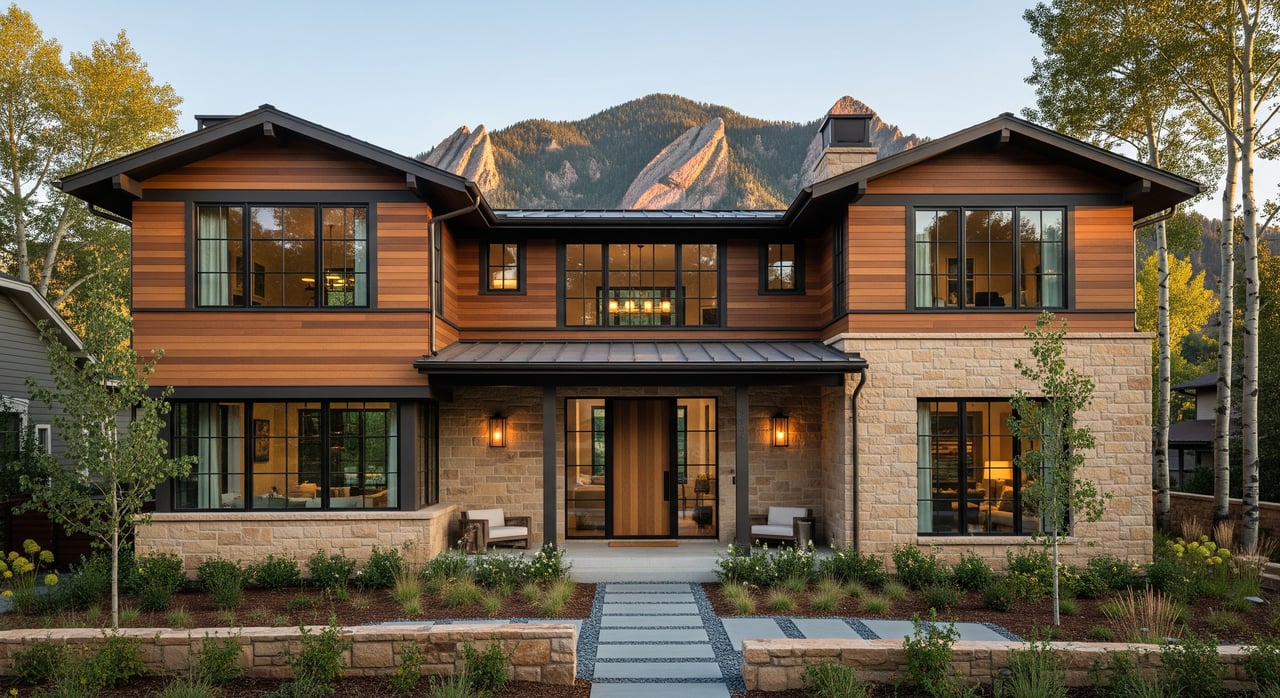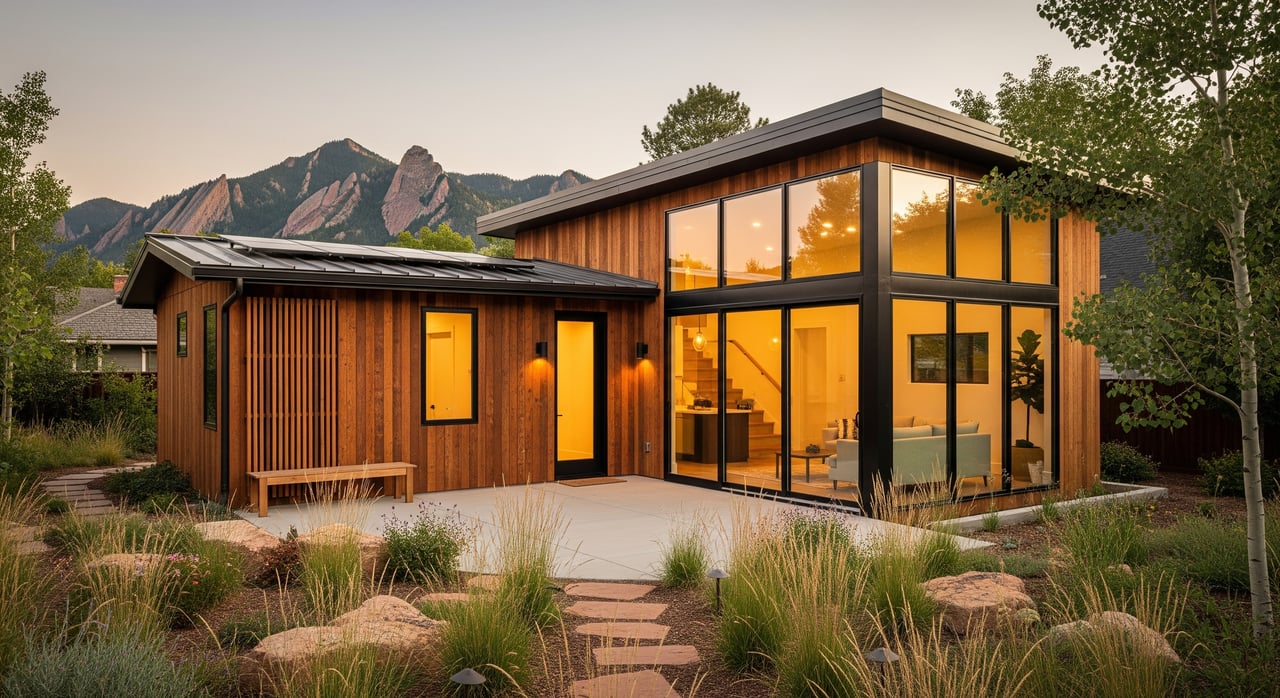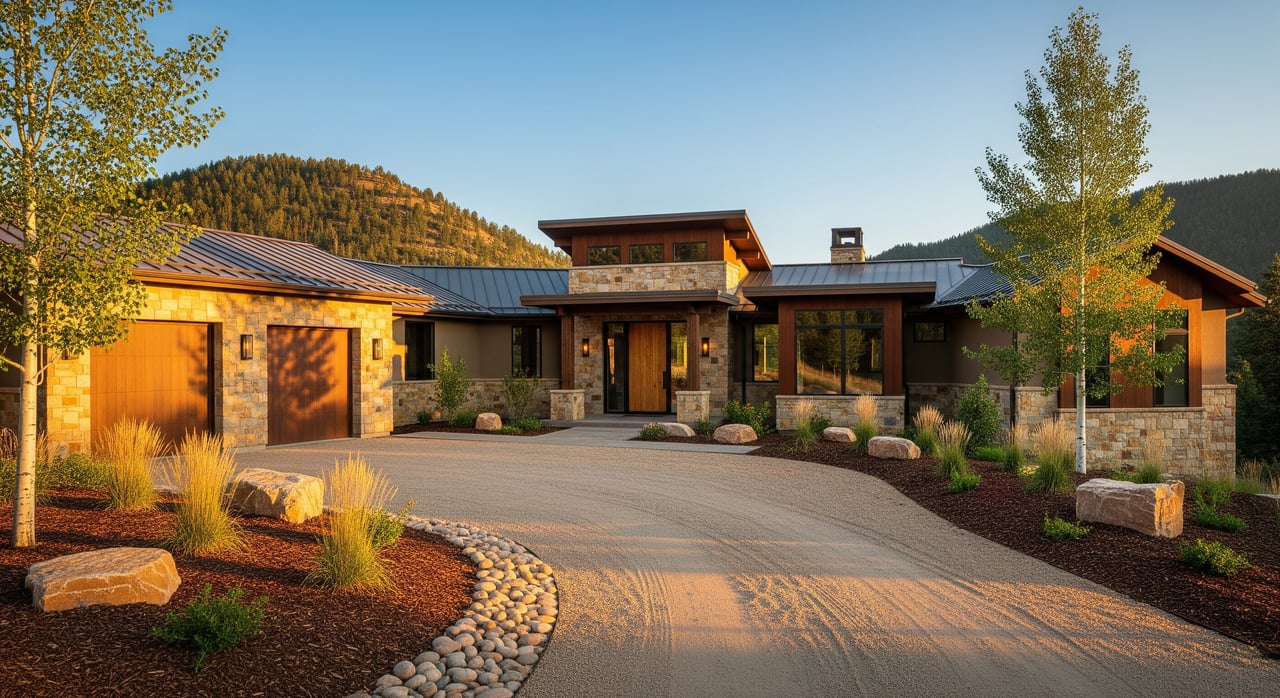
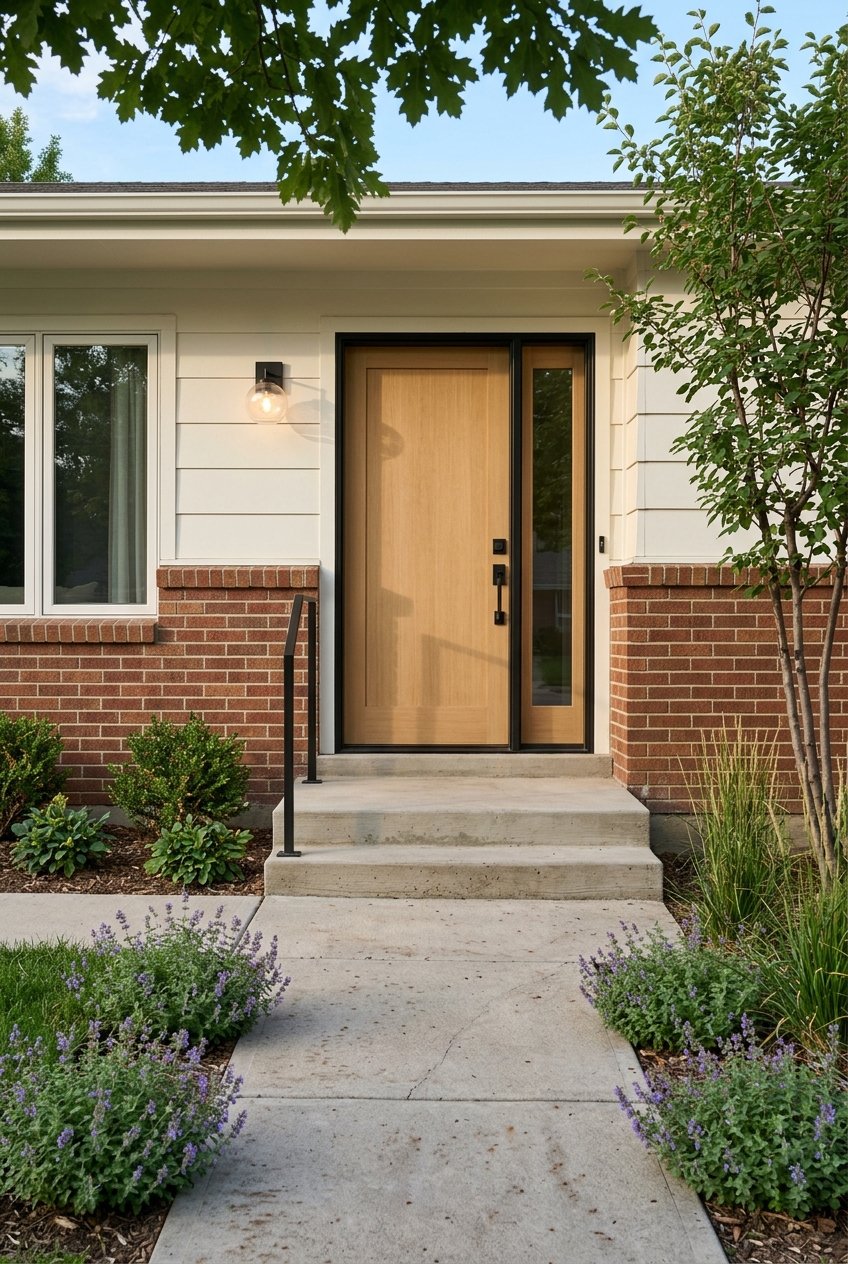
If you own an older home in Louisville, you are not just selling square footage. You are selling character, craftsmanship, and a place in one of Boulder County’s most established residential markets. That opportunity comes with a different playbook than a newer suburban listing, especially in areas where architecture and preservation matter. In this guide, you’ll learn how to position an older Louisville home with strong design appeal, smart preparation, and neighborhood-specific pricing so your listing feels intentional from day one. Let’s dive in.
Why older Louisville homes stand out
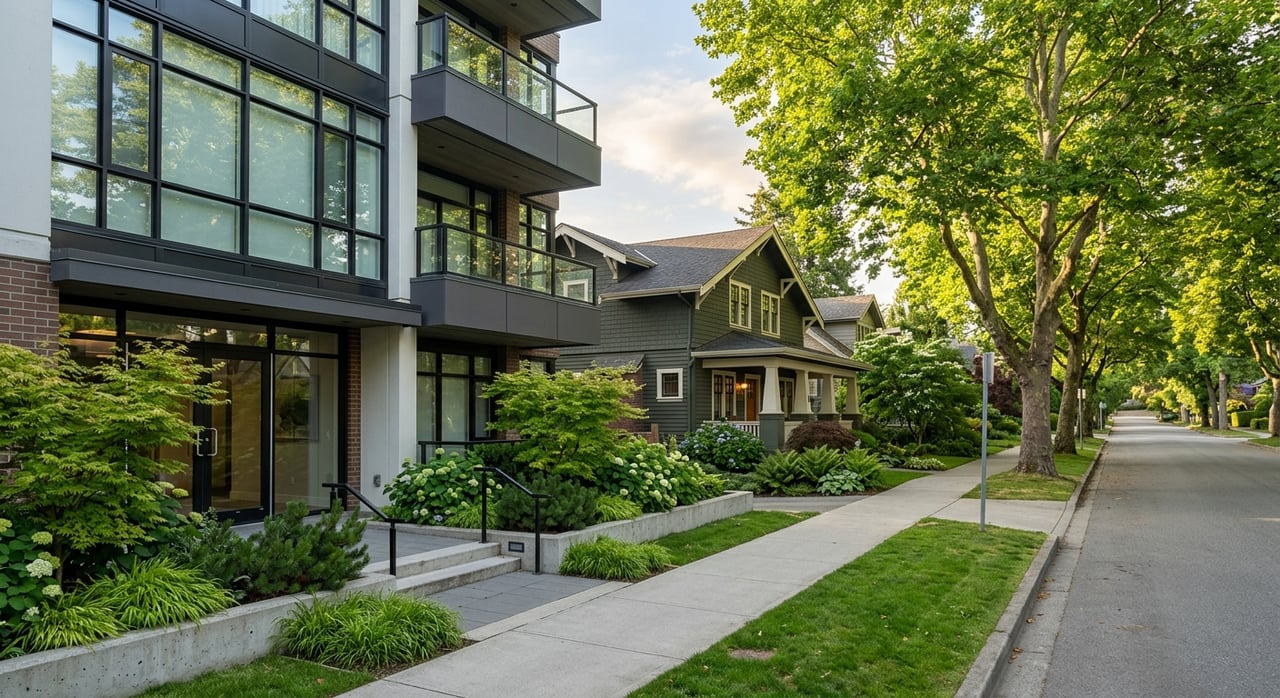
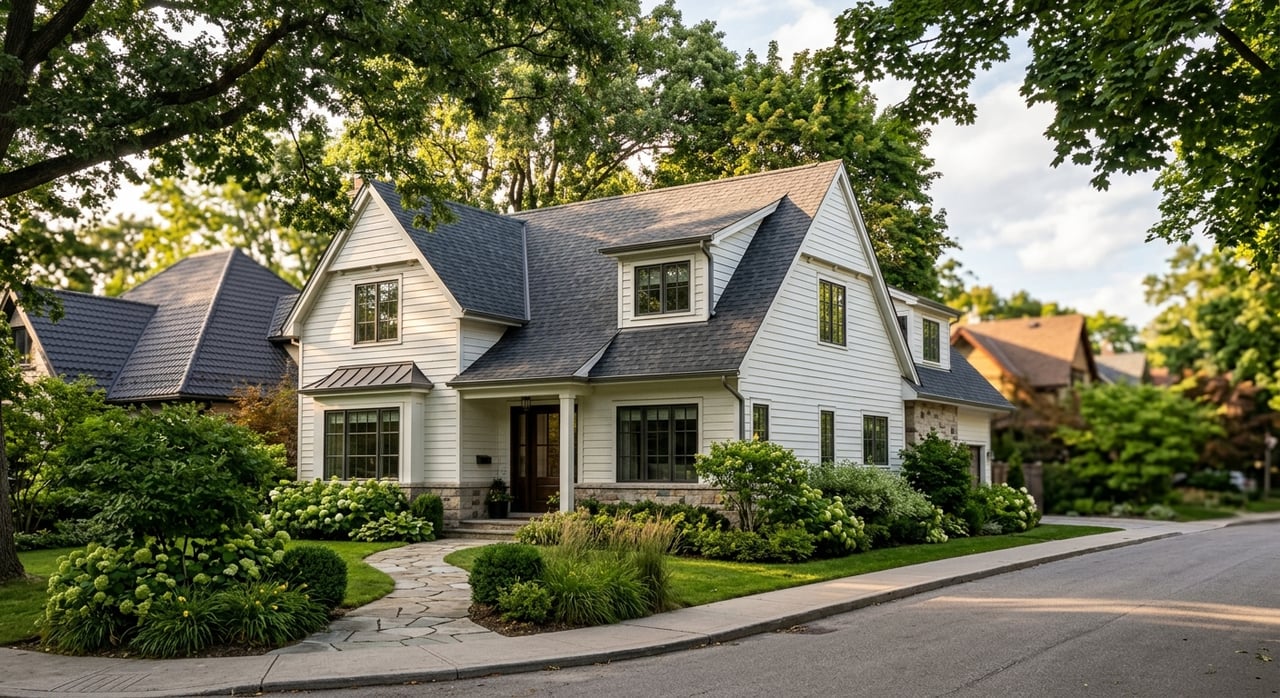
Louisville has deep roots as a mining town dating back to 1878, and Old Town remains a historic residential neighborhood surrounding Downtown with varied architecture. The city also has a voluntary preservation program covering more than 69 local landmarks, which reinforces how much value the community places on design character and architectural continuity.
That context matters when you list. In a market like Louisville, older homes often attract buyers because they feel distinct, lived-in, and visually memorable. Instead of presenting your property like generic resale inventory, you want it to read as a well-cared-for home with thoughtful updates and lasting appeal.
Louisville pricing requires context
Louisville is not a one-size-fits-all market. The Census Bureau estimates the median value of owner-occupied homes in the city at $883,900, while Realtor.com’s current market snapshot shows a median listing price of $945,000, about 100 active listings, and a median of 41 days on market.
Old Town tells a different story. Realtor.com reports a median listing price of $1,102,500 and a median of 66 days on market there, which suggests that older-home listings often need more careful positioning, stronger presentation, and disciplined pricing. If your home is in or near a historic area, neighborhood-specific comparables matter far more than broad citywide averages.
Design appeal starts with first impressions
Buyers respond quickly to what they can see and feel. According to the 2025 staging report from the National Association of Realtors, 83% of buyers’ agents said staging made it easier for buyers to visualize a property as a future home.
That same report found that the living room was the most important room to stage, followed by the primary bedroom and kitchen. Photos mattered to 73% of respondents, traditional staging to 57%, video to 48%, and virtual tours to 43%. For a Louisville seller, that means presentation is not a finishing touch. It is part of the pricing and marketing strategy.
Focus on the rooms buyers notice first
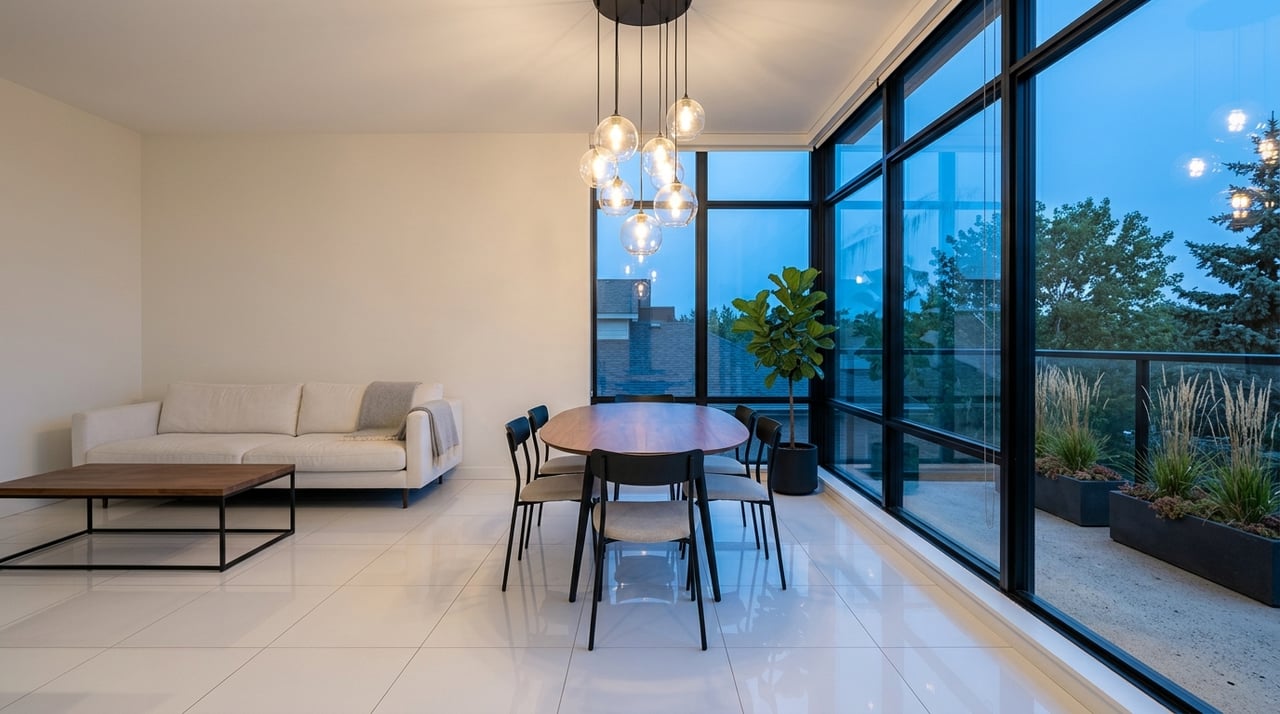
If you are preparing an older home for market, start where buyers form their emotional connection. In many homes, that means creating a bright, grounded living room, a calm primary bedroom, and a kitchen that feels clean and current, even if it is not fully remodeled.
You do not always need a major renovation to create that effect. Based on the staging research and Louisville’s preservation context, practical updates like maximizing daylight, refreshing paint, replacing visibly dated fixtures, and reducing clutter can do more for buyer perception than expensive work with less visual impact.
Living room presentation
Your living room often sets the tone for the whole showing experience. If the room feels dark, crowded, or overly personalized, buyers may miss the home’s architecture and flow.
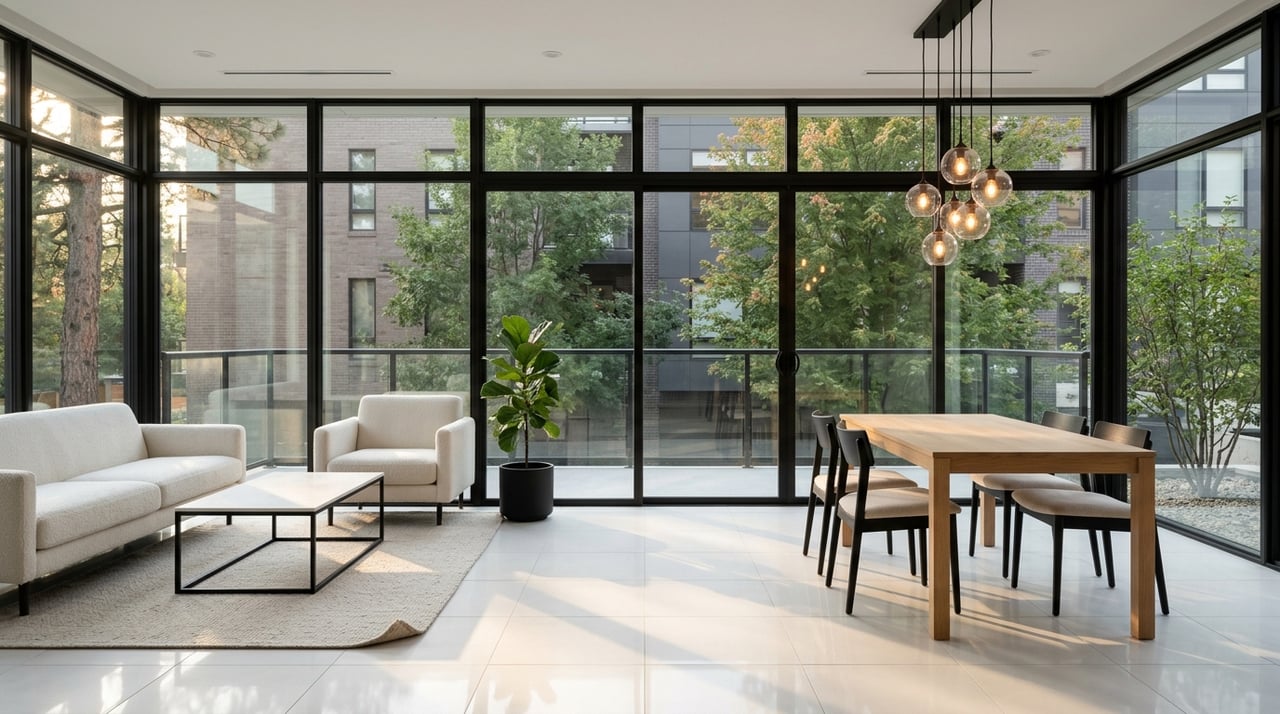
Aim for a layout that highlights natural light, windows, ceiling height, built-ins, fireplace details, or original trim if those features exist. A simple furniture arrangement and lighter styling can help older spaces feel open without stripping away their personality.
Primary bedroom presentation
Buyers want the primary bedroom to feel restful and easy to imagine as their own. Older homes can sometimes have smaller bedrooms or less dramatic layouts, so the goal is to create calm rather than force scale.
Fresh bedding, edited decor, and soft, balanced lighting usually go a long way. If the room has original woodwork or vintage details, keep them visible and clean so the room feels authentic instead of dated.
Kitchen presentation
The kitchen does not have to be brand new to show well. It does need to feel tidy, functional, and visually cohesive.
If your cabinets, counters, or lighting read as noticeably dated, small improvements may help the space feel more finished. Hardware, paint, fixture swaps, and countertop styling can often sharpen the look without changing the home’s overall character.
Keep vintage character, but make it feel current
Older Louisville buyers are not always looking for a fully erased past. The city’s preservation framework and the market’s design awareness both support the idea that original architectural features can add value when they are presented well.
That is especially relevant because the National Association of Realtors’ 2025 generational report says Gen Z and Younger Millennials purchase older homes than other buyers. For many of these buyers, original detail can be a selling point if the home also feels clean, bright, and move-in ready.
What to preserve
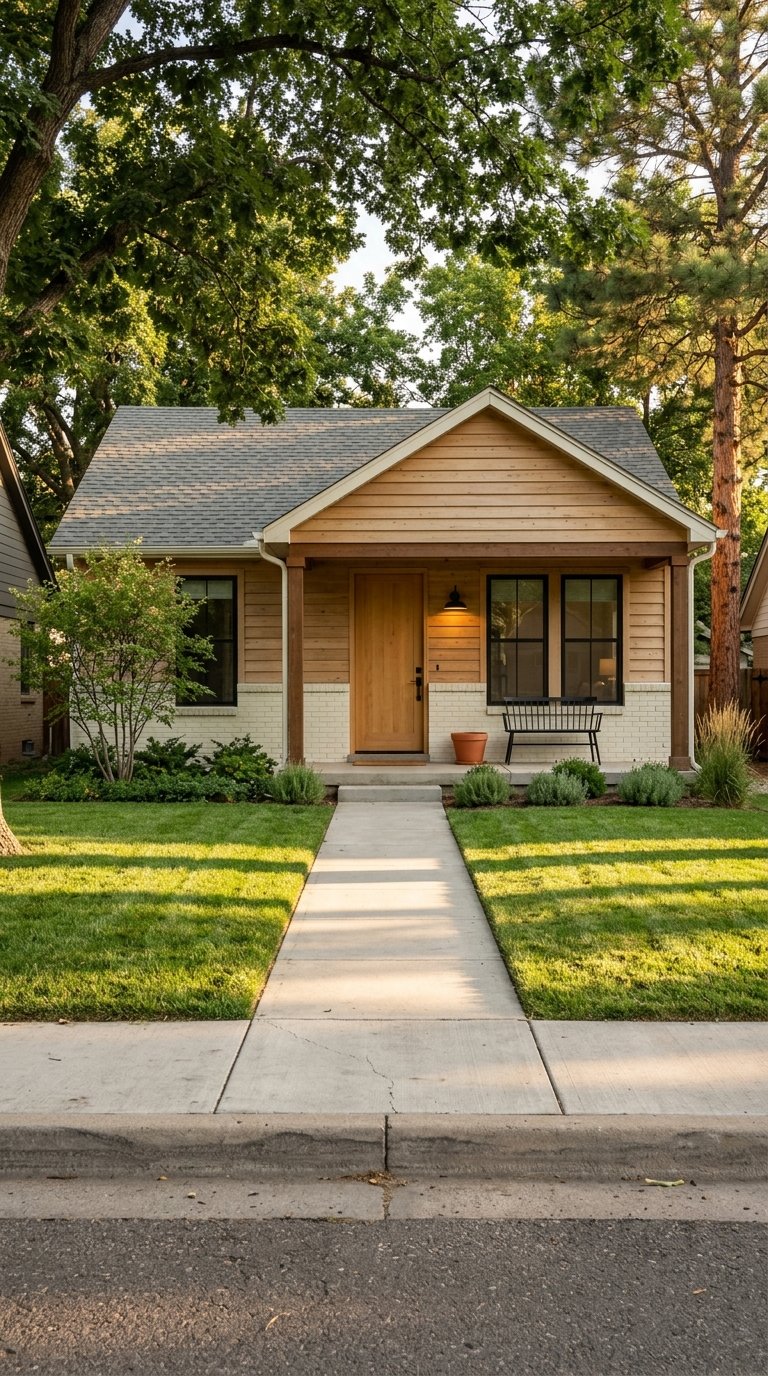
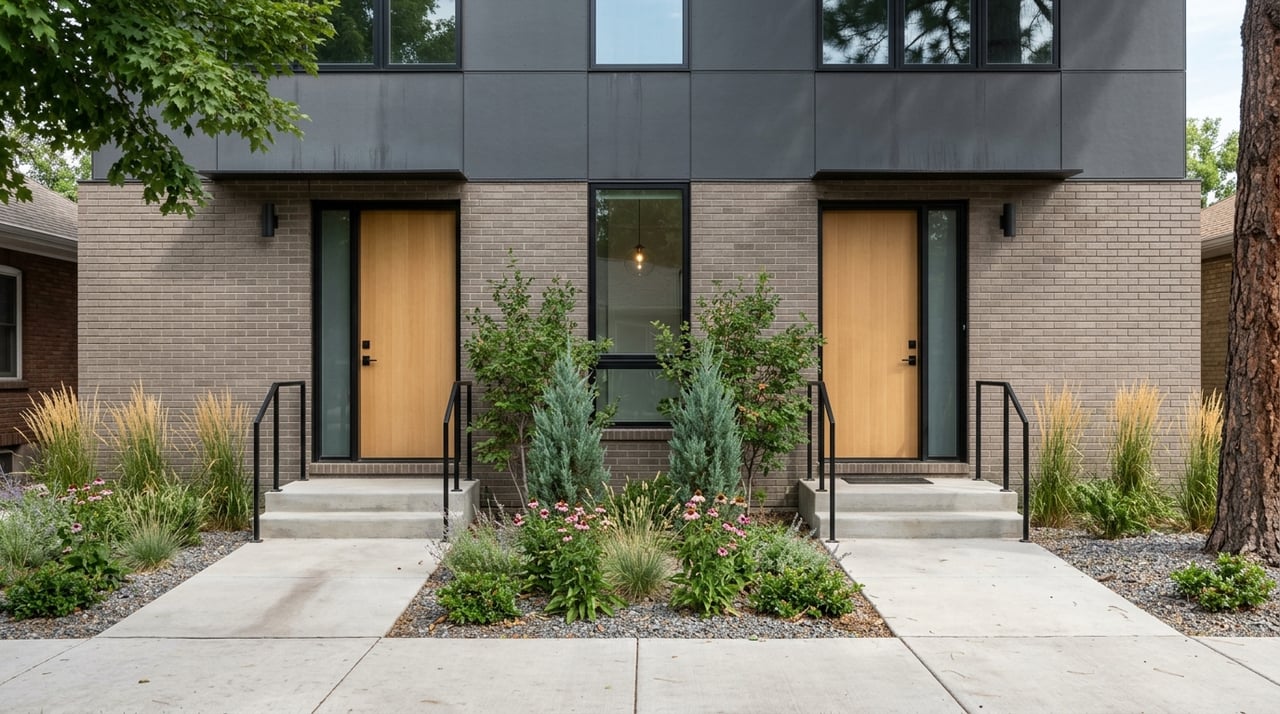
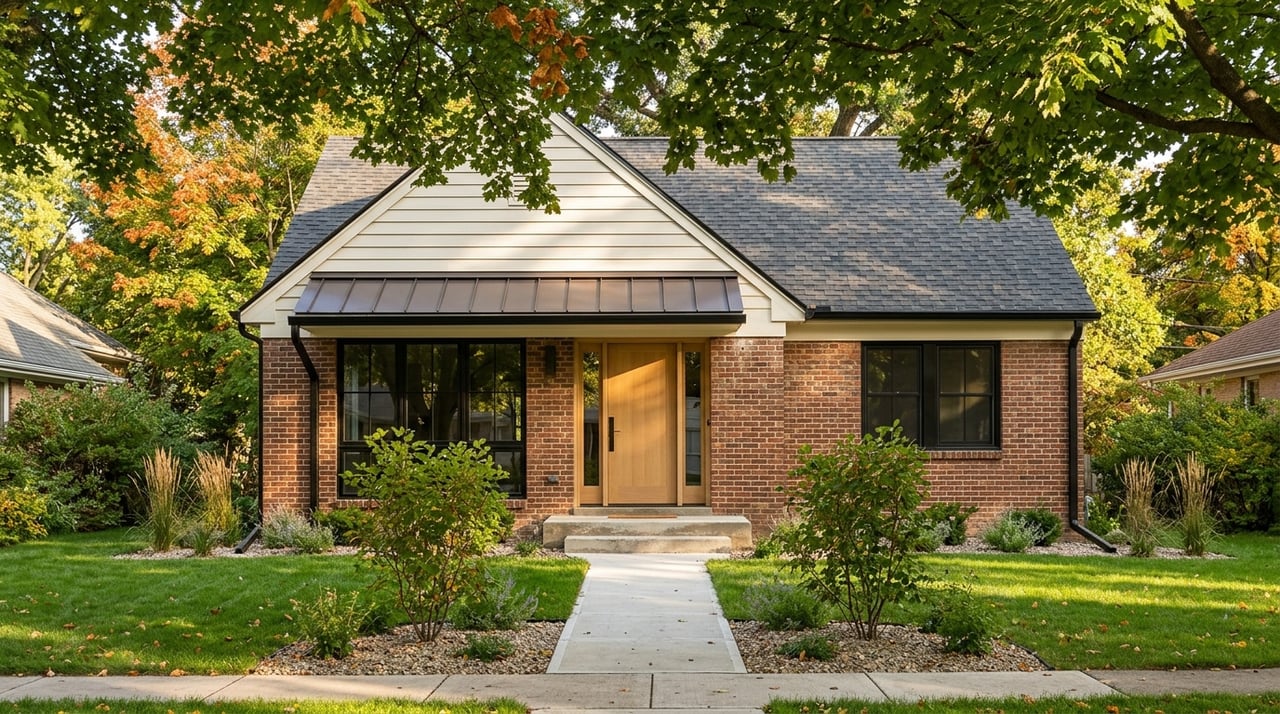
If your home has original elements that still read well, they may deserve emphasis rather than replacement. Examples can include front-facing architectural details, wood trim, porch character, vintage windows, or a recognizable façade shape.
In Louisville, preserving those features may also matter from a planning standpoint. The city’s rules include preservation bonuses for retaining a street-facing façade or obtaining landmark status in certain situations, which shows how strongly the local framework supports visible architectural continuity.
What to refresh
Not every old feature helps a sale. If something feels worn, dim, or obviously out of step with the rest of the house, a light cosmetic refresh may improve the overall impression.
For many sellers, the best upgrades are the least disruptive ones:
- Fresh interior paint
- Updated light fixtures
- Clean, simple hardware
- Repaired trim or surface wear
- Reduced visual clutter
- Better window treatment choices to increase daylight
These changes can help your home feel polished while still respecting its age and style.
Check Louisville preservation rules early
If your older home is in Old Town or may qualify under Louisville’s preservation framework, timing matters. The city’s Old Town overlay regulations address items such as height, roof pitch, lot coverage, setbacks, and garage placement.
The city also states that preservation bonuses were adopted to encourage retention of historic architectural features and street-level character. To qualify, a project must involve a house that is at least 50 years old and preserve the full width of the front façade plus a minimum amount of original sidewalls or features.
Exterior work may trigger review
If you are thinking about exterior painting, porch work, façade changes, a garage adjustment, or an addition before listing, check city requirements first. Louisville says landmarked properties that require an exterior permit need an alteration certificate.
The city also requires demolition review if a project removes street-facing elements or more than 50% of a structure that is over 50 years old. If you are planning your sale 6 to 12 months in advance, this is the kind of due diligence that can save time, money, and stress later.
Seller planning opportunities
Louisville also offers support in some preservation cases. The city notes that grants are available for historic structure assessments, along with grants and loans for certain landmarked-property projects, plus a $5,000 residential landmarking bonus if a landmark application is approved.
Not every seller will pursue those options, but they can be relevant if you are deciding how much pre-listing work to take on. The key is to understand the rules before making design decisions that affect the exterior.
A smart prep timeline for older homes
For many Louisville sellers, the strongest results come from doing the right work in the right order. Based on the research and local preservation context, a practical timeline often looks like this.
Six to twelve months before listing
Start with the fundamentals:
- Inspect the home and identify deferred maintenance
- Confirm whether the property falls within an overlay or landmark context
- Review any planned exterior work against city requirements
- Prioritize repairs that affect condition or buyer confidence
This phase protects your budget and helps you avoid cosmetic work that later needs to be revised.
Closer to market
Once maintenance and planning issues are handled, focus on cosmetic presentation:
- Refresh paint where needed
- Update dated but easy-to-replace fixtures
- Edit furniture and decor
- Improve light and flow in key rooms
- Complete staging only after the home is fully ready
That sequence matters. Staging and photography work best when the home is already clean, repaired, and visually settled.
Marketing older Louisville homes well
A design-forward older home deserves marketing that shows more than facts on a feature sheet. It needs visuals that communicate mood, layout, light, and the details that make the property memorable.
For sellers in Louisville’s mid- to upper-market price points, professional photography, virtual tours, staging, and strong storytelling can help buyers understand why your home stands apart. This is especially important in a submarket where days on market may run longer and where buyers are comparing style, not just size.
Pricing with presentation in mind
Presentation and pricing should support each other. If your home is prepared thoughtfully and marketed with clear visual strategy, buyers are more likely to understand its value relative to nearby homes.
The staging report also found that 17% of buyers’ agents said staging increased the dollar value offered by 1% to 5%, while the median spend on staging services reported by seller agents was $1,500. That does not mean every home needs the same budget, but it does show that targeted presentation can influence how buyers respond.
In Louisville, especially in Old Town and similar areas, the right pricing strategy should reflect condition, design appeal, location context, and how your home compares with truly relevant older-home listings. The goal is not to chase a citywide number. It is to position your home credibly and attractively in the segment where it belongs.
If you’re thinking about listing an older Louisville home and want a strategy that blends design, data, and local context, Emelie S Griffith can help you prepare, position, and market your property with intention.
FAQs
How should you price an older home in Louisville, Colorado?
- You should price it against neighborhood-specific comparable homes, especially if it is in Old Town or another character-driven area, rather than relying only on citywide averages.
What rooms matter most when staging an older Louisville home?
- The 2025 NAR staging report found the living room mattered most, followed by the primary bedroom and kitchen.
What updates help older Louisville homes show better?
- Light cosmetic improvements such as fresh paint, updated fixtures, reduced clutter, and better daylight can help an older home feel cleaner and more current.
What should you check before changing the exterior of an older Louisville home?
- You should confirm whether the property is affected by Old Town overlay rules, landmark status, alteration certificate requirements, or demolition review rules before starting work.
Why does presentation matter more for older homes in Louisville?
- Older Louisville homes often compete on character, design, and condition, and Old Town’s longer median days on market suggest that careful presentation and pricing can make a meaningful difference.