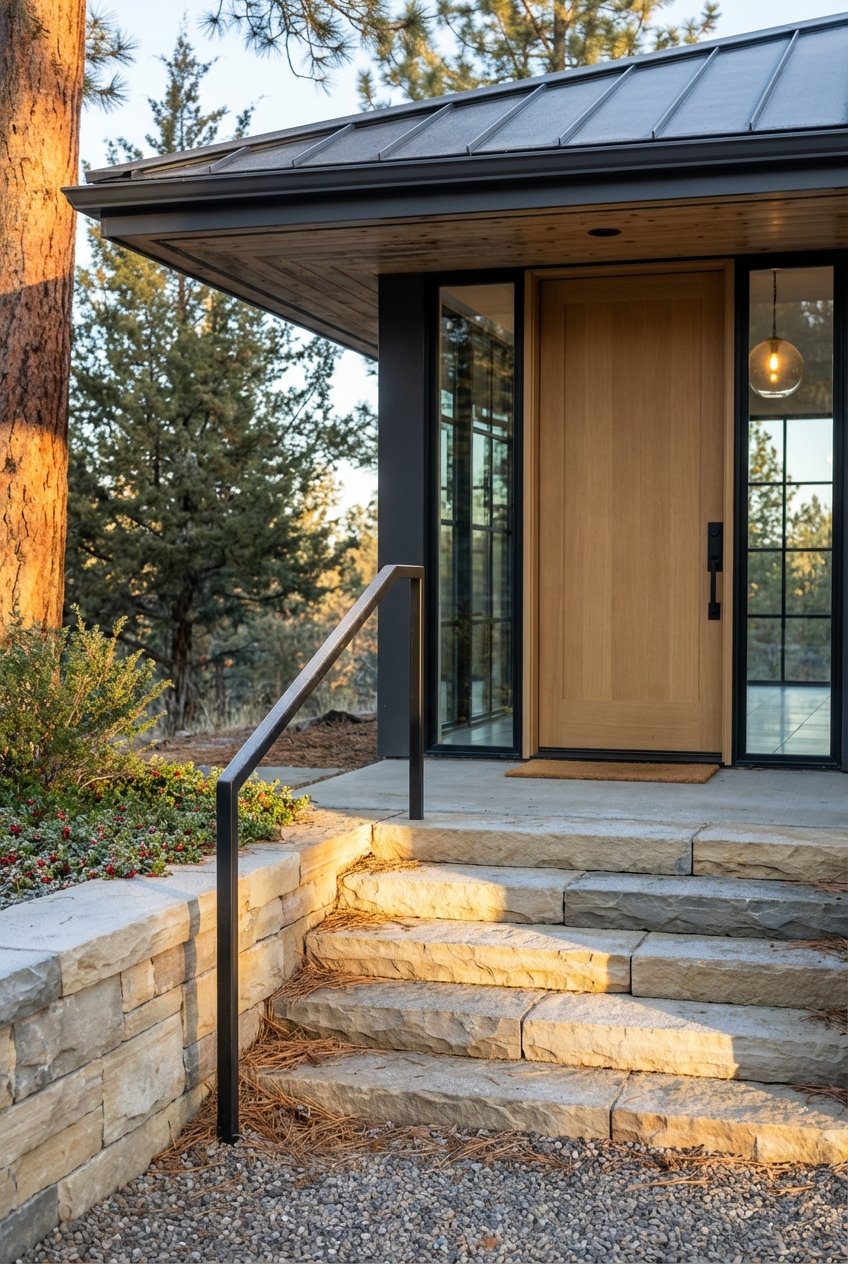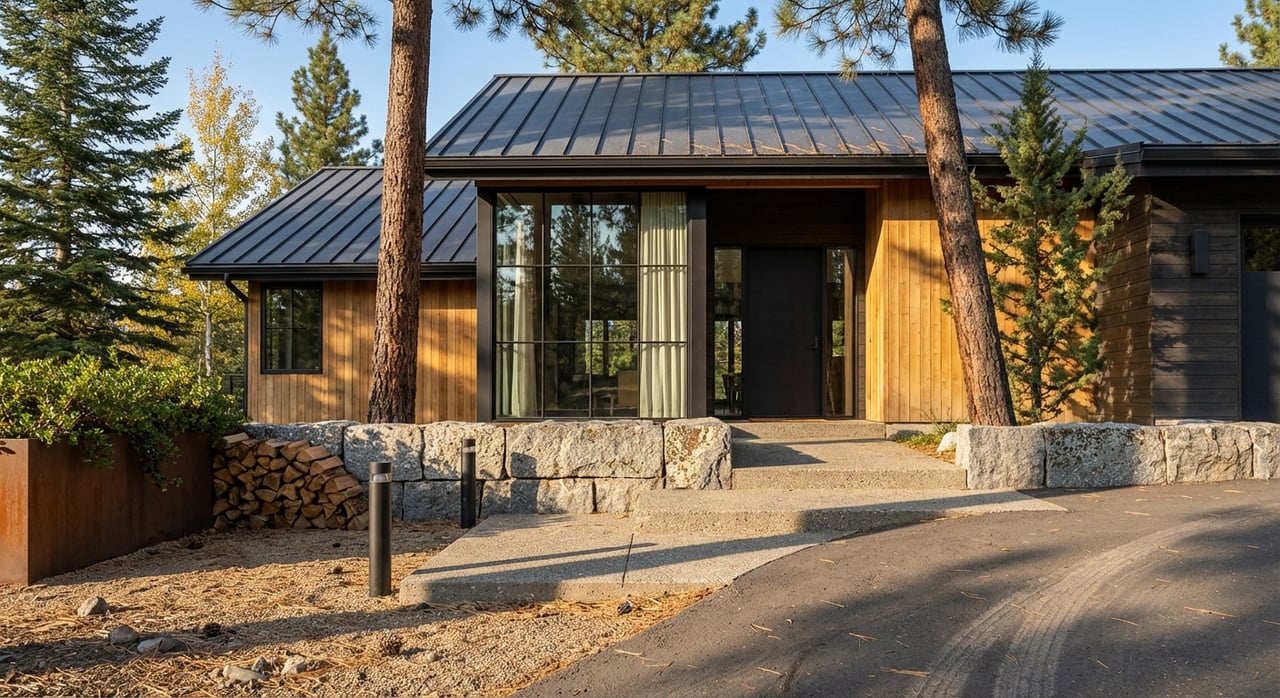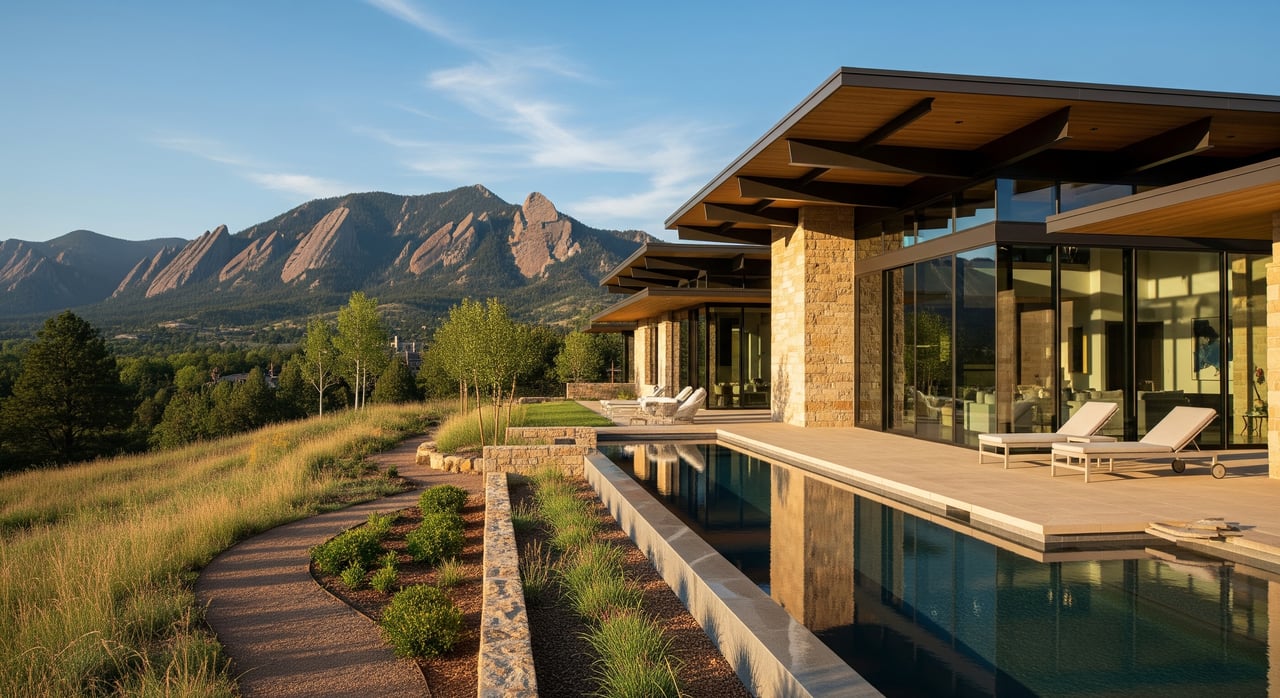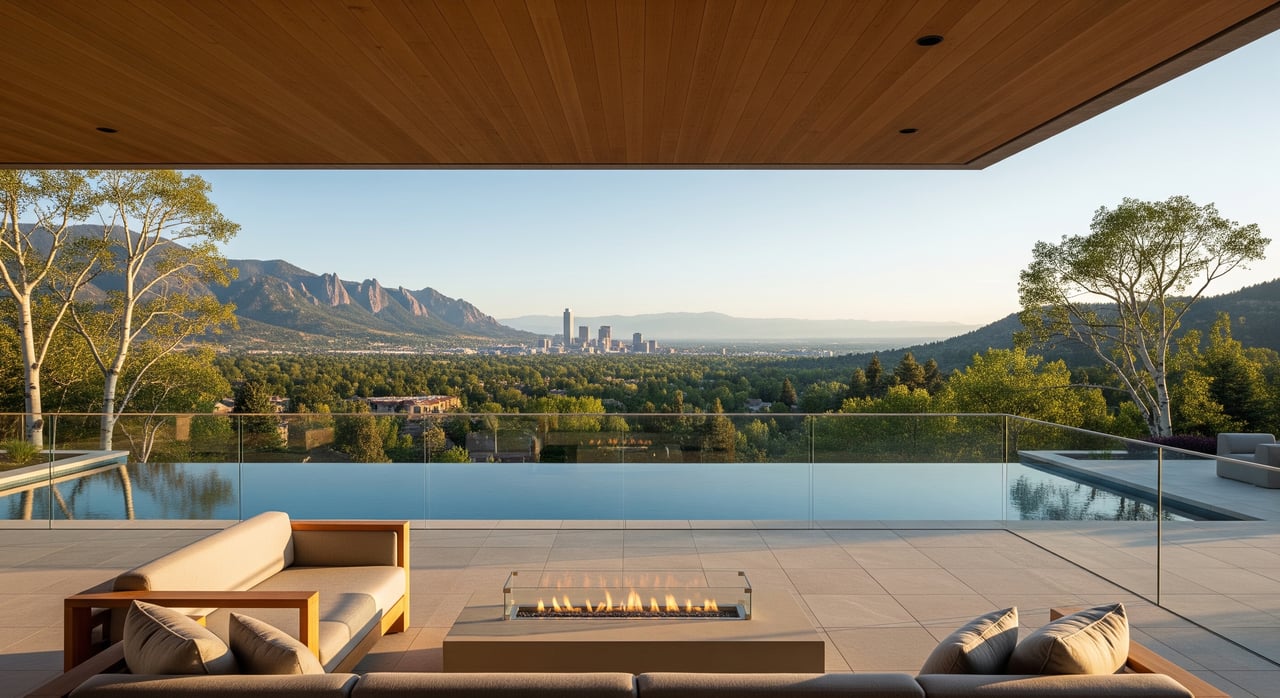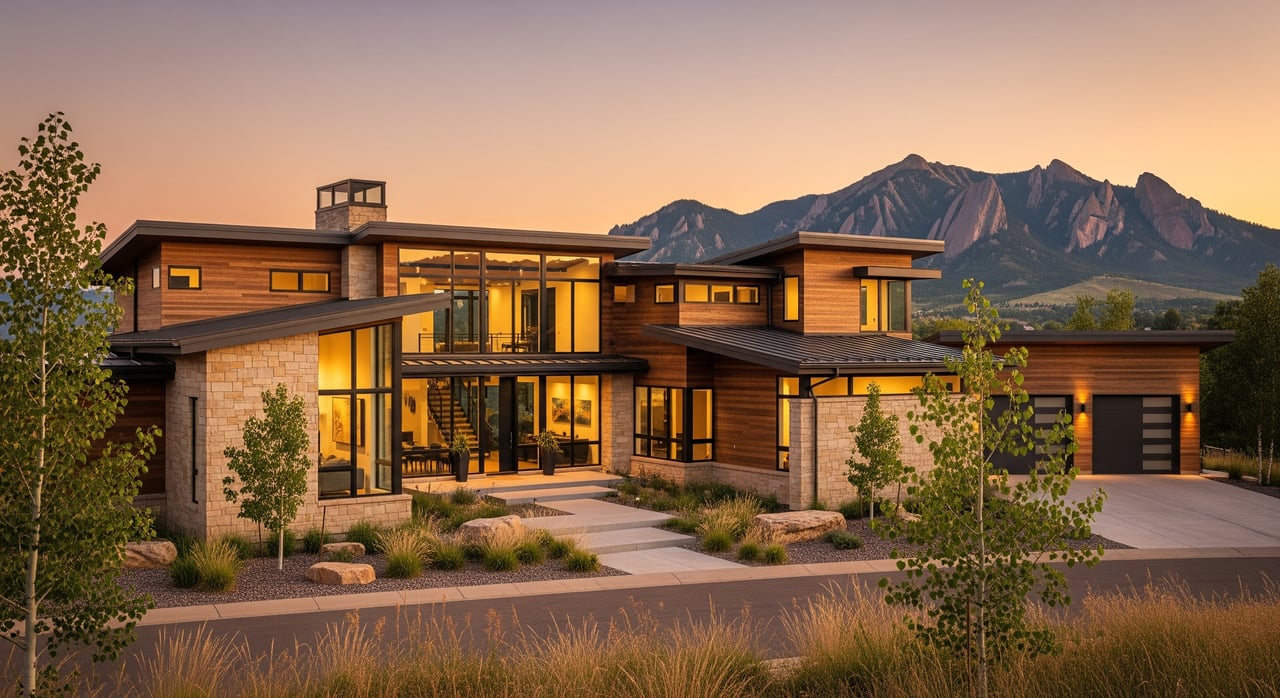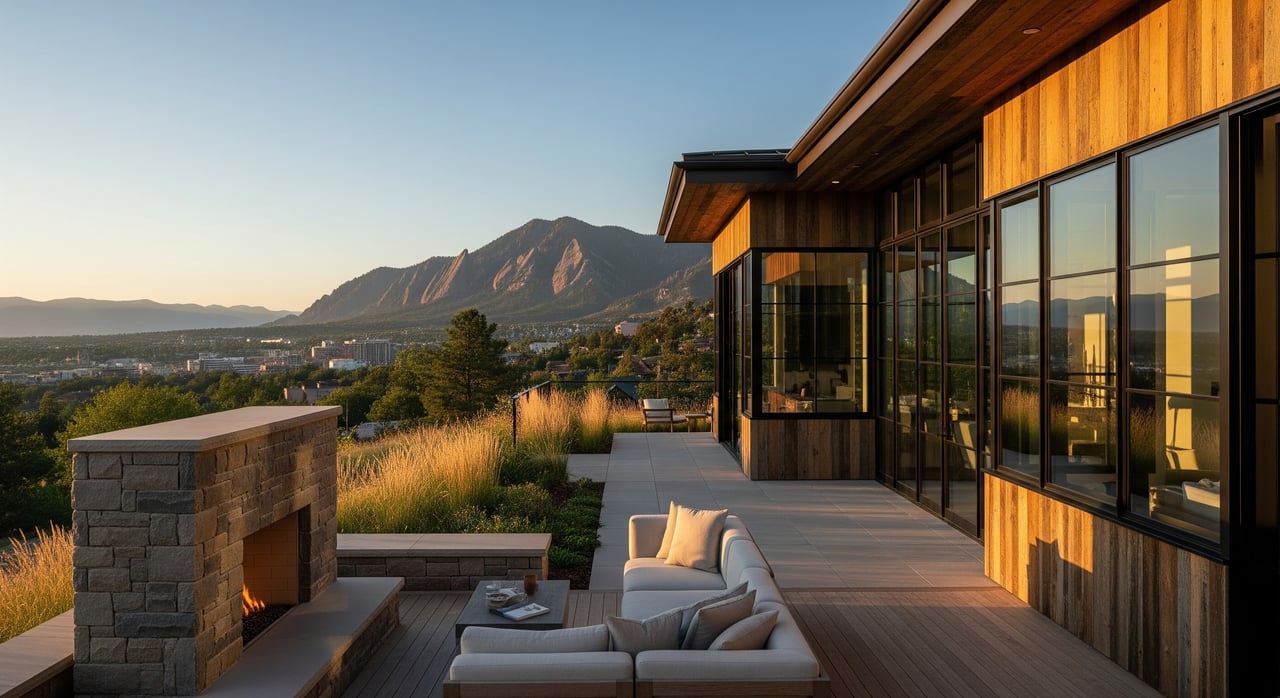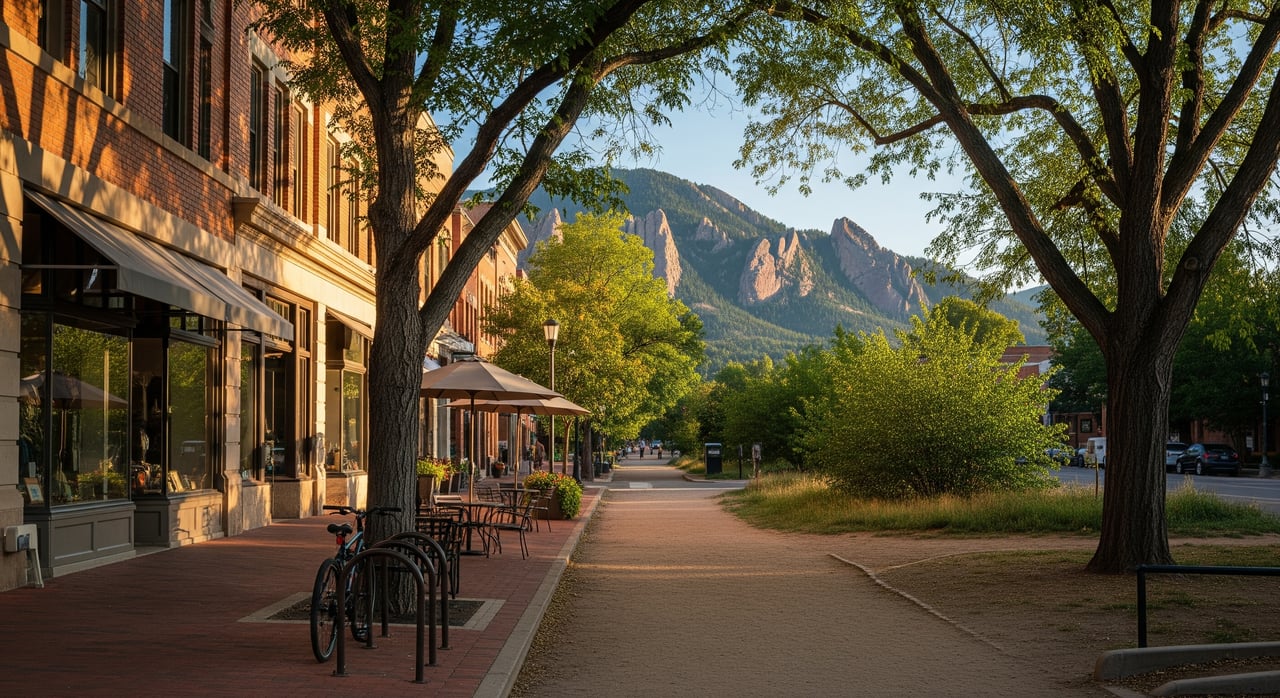
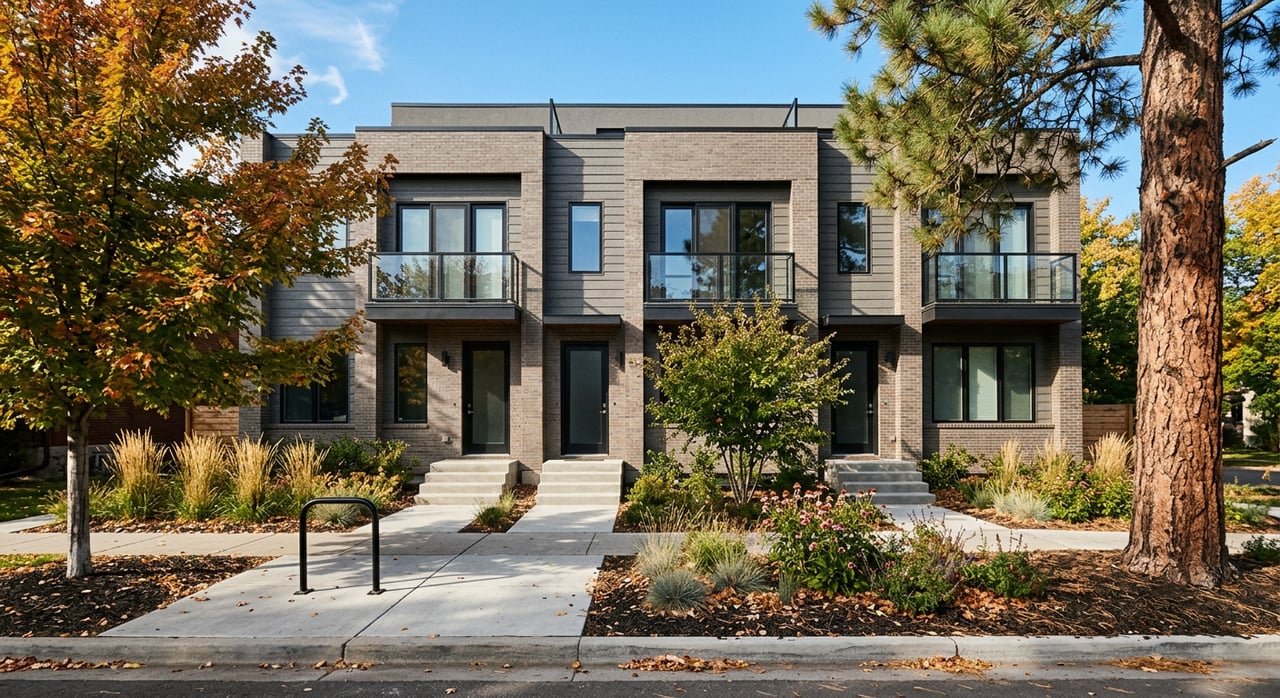
Imagine stepping out your front door and being minutes from Pearl Street’s cafes, the Boulder Creek Path, and your favorite market. If a walkable, low‑maintenance lifestyle is on your wish list, Central and East Central Boulder condos and townhomes deliver a compelling mix of convenience, design, and lock‑and‑leave ease. In this guide, you will learn the common building types, what to expect with parking and storage, key HOA and short‑term rental rules, and how these homes compare to nearby single‑family options. Let’s dive in.
Central Boulder at your front door
Downtown Boulder is the city’s pedestrian‑oriented core with the Pearl Street Mall at its heart. The city formally manages downtown, University Hill, and Boulder Junction as distinct commercial districts to support a lively, walkable environment. You can read how the city defines and plans these areas in its overview of Boulder’s commercial districts.
Boulder’s long‑range transportation strategy also leans into a car‑light lifestyle. The city’s Transportation Master Plan prioritizes walking, biking, and frequent local transit as part of building complete, 15‑minute neighborhoods. If you are aiming to ditch a second car, the Transportation Master Plan offers helpful context.
For a quick property‑by‑property gut check, many addresses near Pearl Street score very high for walkability and biking in public listings. You can see the pattern in an address‑level example on Pearl Street. Use Walk Score and the city’s interactive maps to confirm a given block.
What you will find: condo and townhome types
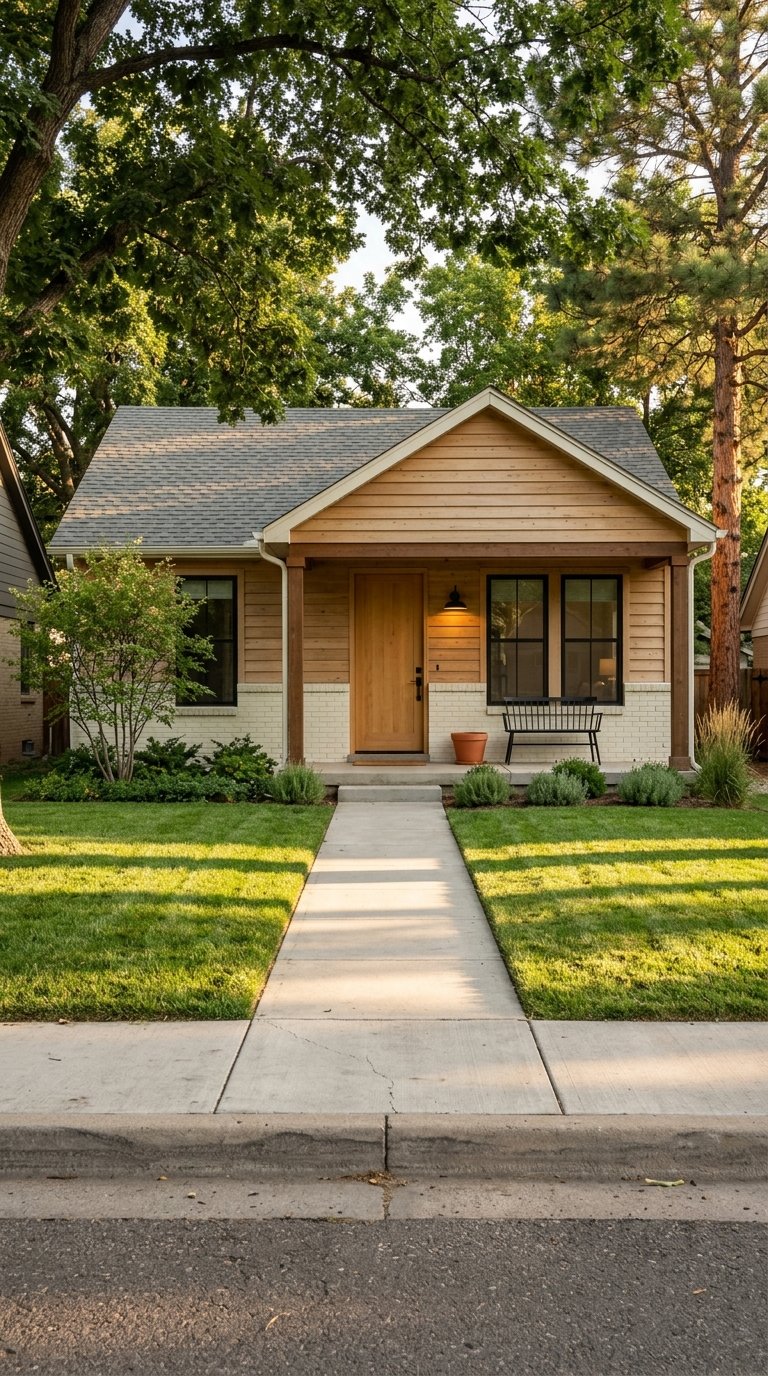
Central and East Central Boulder offer a spectrum of homes, from charming older conversions to sleek infill mid‑rises and modern townhomes. Here is what you will encounter most often.
Historic conversions and small walk‑ups
You will see early 20th‑century houses and small apartment buildings converted to individual condos near the downtown grid. Expect one‑ and two‑bedroom layouts, character details, and sometimes shared laundry. Parking can be limited or on‑street. These homes trade modern systems and elevators for immediate proximity to Pearl Street.
Mid‑century and larger multi‑unit complexes
Built from the 1960s through the 1980s, these low‑ to mid‑rise buildings and garden‑style complexes often include assigned parking, a community room, and sometimes a pool or underground parking. For a representative example, the 500 Manhattan community shows how these complexes present unit sizes, amenities, and recent sales.
Newer infill mid‑rises and contemporary townhomes
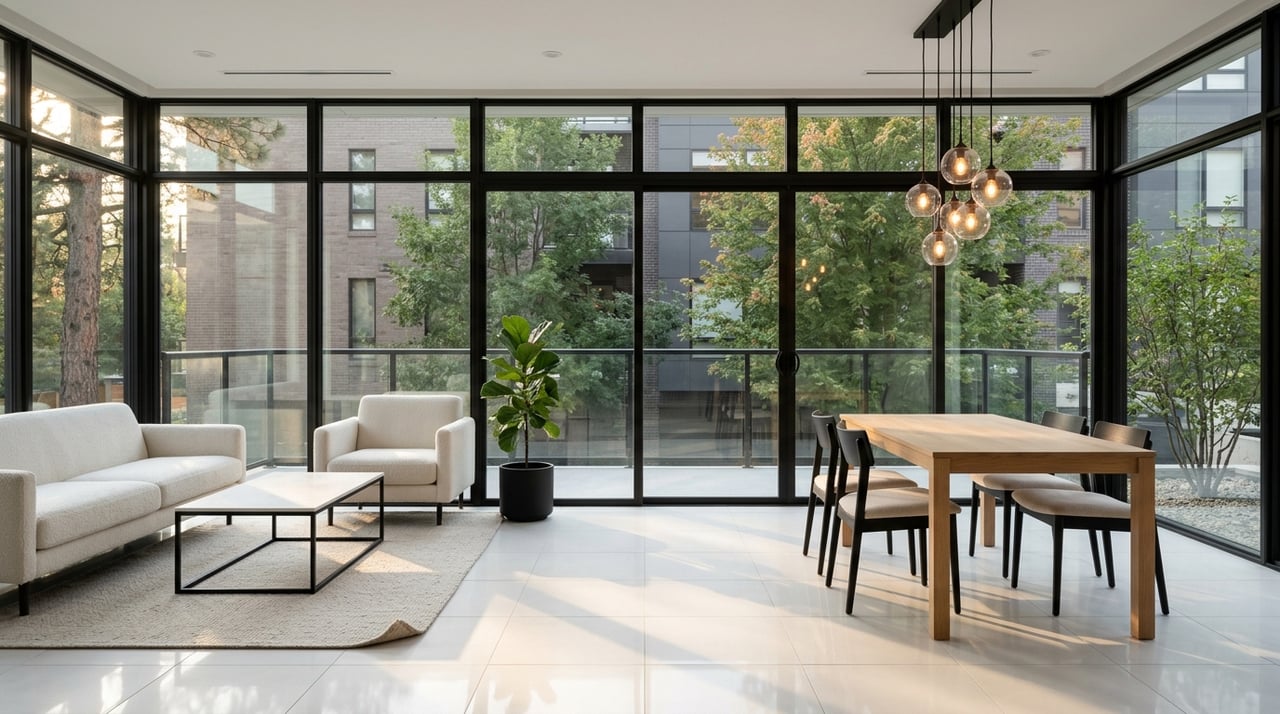
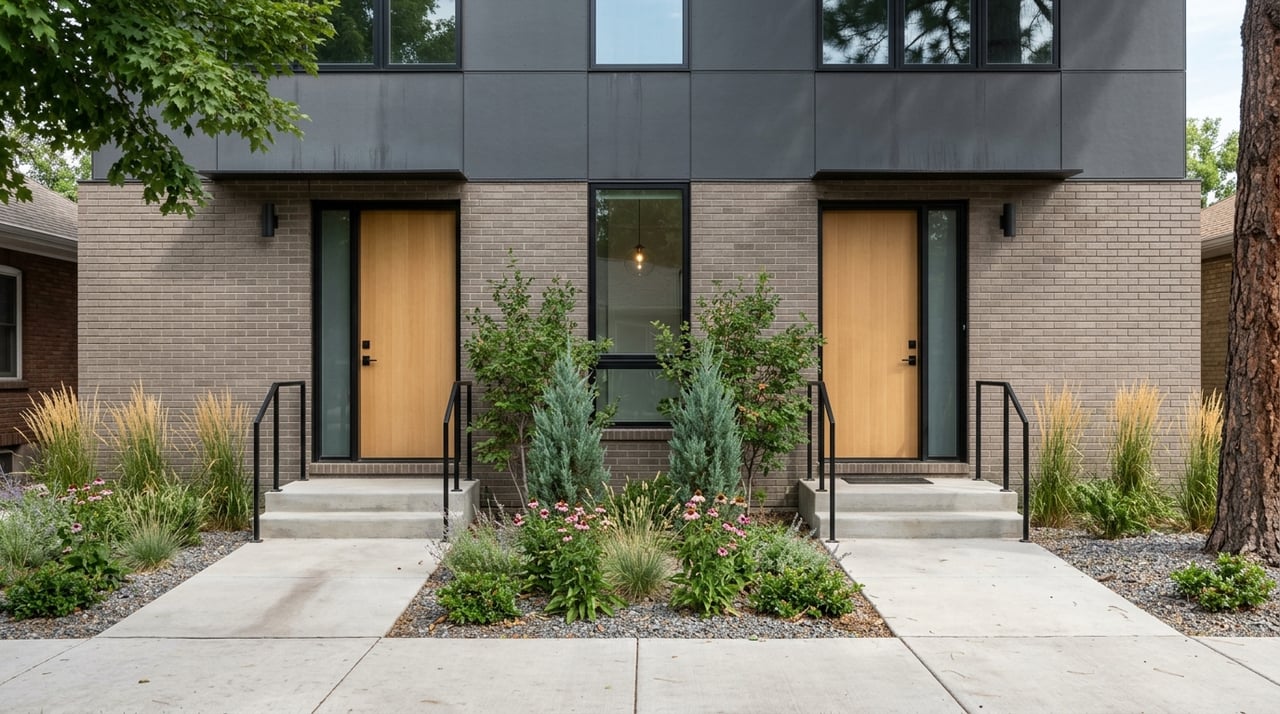
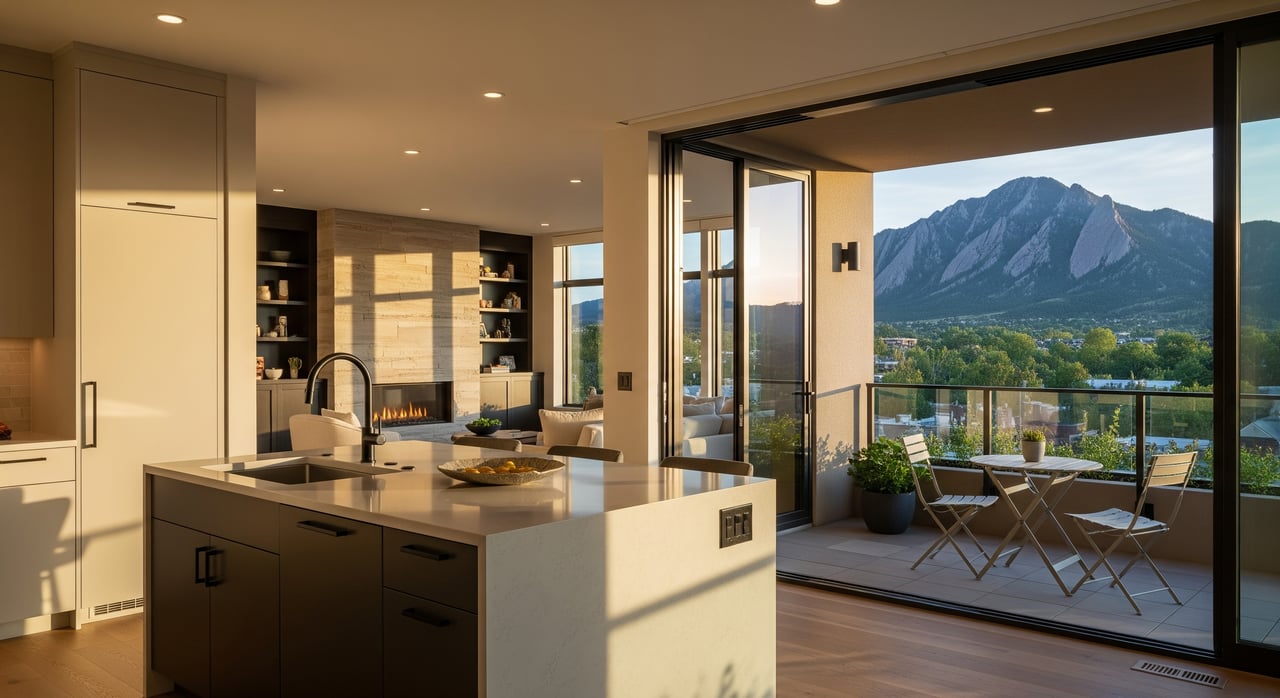
Recent infill near the Creek corridor and along east‑end Pearl delivers modern finishes, elevator access, bike storage, and sometimes rooftop decks. Townhome clusters often add private garages and outdoor living. A good illustration is PEARL 21, a Pearl‑area townhome community that highlights contemporary design and premium walkability. For mid‑rise context, 17 Walnut shows how newer elevator buildings market views, parking, and finishes.
Affordable and mixed‑income examples
Intentionally affordable or mixed‑income buildings near central areas expand the local housing spectrum and are often located close to transit and services. Boulder Housing Partners’ 30PRL is a useful reference for how recent affordable developments approach amenities and siting.
Floorplans, storage, and parking: set expectations
Most central condos span studios to two bedrooms in single‑level plans. Many newer one‑ to two‑bedroom units target buyers who want lock‑and‑leave living, while townhomes often provide two to three bedrooms across multiple levels for those needing more flexible space.
Older conversions can have tighter closets and limited storage. Newer infill tends to add built‑ins, bike storage, and sometimes a dedicated storage locker in a garage or lower level.
Parking varies widely. Some buildings provide underground or assigned surface spaces. Others have a mix of deeded and leased spots, or none at all. Always confirm whether parking is deeded, assigned, or leased, and whether guest parking is available. If you plan to go car‑light, map your routes to grocery, transit stops, and the Creek Path, and check building‑level bike storage.
Accessibility also differs by era. Conversions and small walk‑ups often lack elevators. Newer mid‑rises frequently offer elevator access and level‑entry units that can better support aging in place.
Amenities that support car‑light, lock‑and‑leave living
Amenities range from minimal to full‑service. Knowing what you want will help you weigh HOA dues against daily convenience.
- Minimal amenities: secure entry and a package area. Common in older conversions and smaller buildings.
- Mid‑tier amenities: underground or covered parking, bike storage, and a community room. Many mid‑century complexes, such as 500 Manhattan, fall in this zone.
- Higher‑end amenities: fitness rooms, rooftop decks, package lockers, EV charging readiness, and secure gear storage. Pearl‑area townhomes and newer mid‑rises often advertise roof decks and private patios as lifestyle highlights, as seen at PEARL 21 and 17 Walnut.
If you travel frequently, these features make a big difference. Secure entries, package lockers, and managed common areas support low‑maintenance ownership.
HOA 101 in Colorado: what to review
Most condos and many townhomes are part of a homeowners association. At a high level, an HOA maintains common areas, collects dues, enforces rules, and carries a master insurance policy. The Community Associations Institute is a reliable resource for what these associations do and which documents you should review.
When you are under contract, request a full HOA package and read:
- Declaration or CC&Rs, bylaws, rules and regulations.
- Current budget and monthly income and expense statements.
- The most recent reserve study.
- Insurance summary that clarifies what the master policy covers versus what you cover with an HO‑6.
- Meeting minutes for the past 6 to 12 months and any notices of litigation or special assessments.
- Management contract and board schedule.
Colorado also updated several HOA laws in 2024 that affect collections and foreclosure practices, and require more transparent policies. Ask whether the building’s collection policy reflects current state law. You can find a plain summary of the updates through the Division of Real Estate’s legislative update overview.
Two items can impact your bottom line most: monthly HOA dues and reserve funding. Higher amenities often mean higher dues, and underfunded reserves can lead to special assessments. Your agent should help you read these documents and flag risks.
Short‑term rentals: know the rules before you buy
If part of your plan includes short‑term rental income, check both city rules and the building’s governing documents. The City of Boulder requires a Short‑Term Rental license for owner‑occupied rentals and enforces a principal‑residence requirement. Non‑owner‑occupied units face stricter limits. Details are on the city’s Short‑Term Rental licensing page.
HOAs may be stricter than the city and can prohibit or limit short‑term rentals outright. Before you rely on STR income, verify the parcel’s licensing path and read the CC&Rs for rental language.
Condos and townhomes vs. nearby single‑family
- Cost and entry: Condos and townhomes often provide a lower entry point than single‑family homes in the same central neighborhoods, though premium locations can still command high prices.
- Maintenance: HOAs usually handle exterior maintenance and shared amenities. That convenience is balanced by monthly dues.
- Space and privacy: Single‑family homes typically offer more interior space and private yards. Condos and townhomes trade some privacy for walkability and ease.
- Parking and storage: Single‑family homes often have garages and driveways. Downtown and central condos can have constrained parking. Always verify deeded or assigned parking in listings, as modeled on community pages like 500 Manhattan.
Price snapshots: a few real‑world examples
Prices change quickly, but recent examples help you calibrate the range in Central Boulder:
- Pearl‑area townhomes: A contemporary community such as PEARL 21 showed recent sales with a median around 1.59 million dollars for 2024 to 2025 transactions. This reflects upper‑tier, walkable product near Pearl.
- Newer mid‑rise condos: 17 Walnut highlights how modern elevator buildings can span mid‑six‑figure to low‑seven‑figure pricing depending on size and view.
- Mid‑century complexes: 500 Manhattan shows recent sold figures in the low‑ to mid‑400s for smaller, older units.
Use these as orientation points and plan to check current MLS data for the latest numbers and days on market.
Your Central Boulder buyer checklist
- Confirm whether parking is deeded, assigned, or leased. Ask about guest parking and EV charging readiness.
- Check for elevator access and step‑free egress if accessibility is a priority.
- Clarify what HOA dues cover: insurance, water, gas, exterior repair, snow removal, and reserve contributions.
- Request the most recent reserve study, 12 to 24 months of financials and minutes, and ask about any pending special assessments or litigation.
- Review rental and pet policies in the CC&Rs. If you are considering short‑term rentals, ensure both city rules and the HOA allow it.
- Ask about noise, building envelope history, and past capital projects such as roofs, decks, and windows.
Ready to explore your options?
If you are drawn to a walkable, design‑forward life near Pearl Street, condos and townhomes in Central and East Central Boulder can be a smart fit. From character‑rich conversions to glass‑and‑steel mid‑rises with rooftop decks, you have range and flexibility. When you want a trusted local guide who pairs creative vision with clear market insight, reach out to Emelie S Griffith for personalized coaching and a tailored search.
FAQs
What counts as Central or East Central Boulder for condo shoppers?
- Generally, the pedestrian‑oriented downtown around Pearl Street and the immediately surrounding neighborhoods, with the city recognizing downtown, University Hill, and Boulder Junction as managed commercial districts.
How hard is parking to secure with a Central Boulder condo?
- It varies by building and era; many central condos offer one assigned or deeded space, some have leased or shared parking, and a few have none, so verify the exact parking terms before you write an offer.
Are elevators common in Central Boulder condo buildings?
- Older conversions and smaller walk‑ups often lack elevators, while most newer mid‑rises built in the 2010s or later typically provide elevator access and level‑entry units.
Can I operate an Airbnb in a Central Boulder condo?
- Only if both city rules and the HOA allow it; Boulder requires a Short‑Term Rental license for owner‑occupied rentals with a principal‑residence requirement, and many HOAs restrict or prohibit STRs.
What do HOA dues usually cover in Boulder condos?
- Dues often include common‑area maintenance, master insurance, and some utilities, but coverage varies, so read the budget, insurance summary, and CC&Rs to confirm exact inclusions.
How walkable is East Central Boulder for daily errands?
- Very walkable in many blocks near Pearl Street, with high walk and bike scores and access to the Boulder Creek Path and local transit, though you should check each property’s specific location and routes.