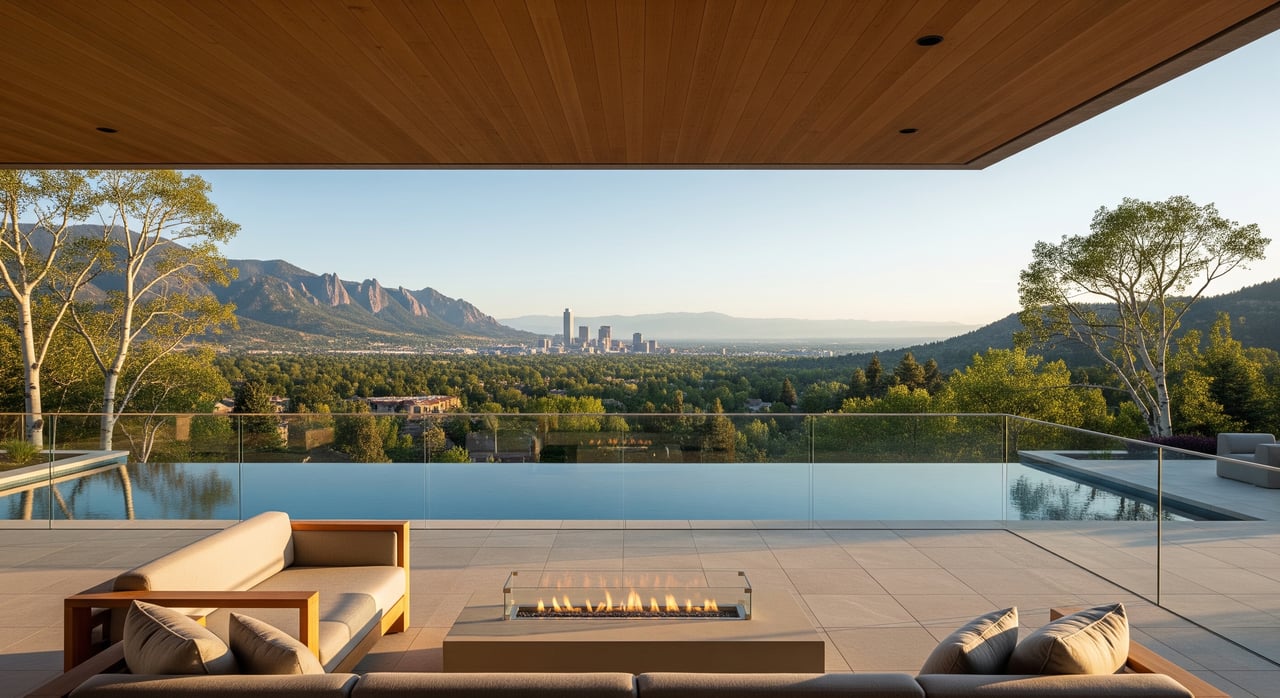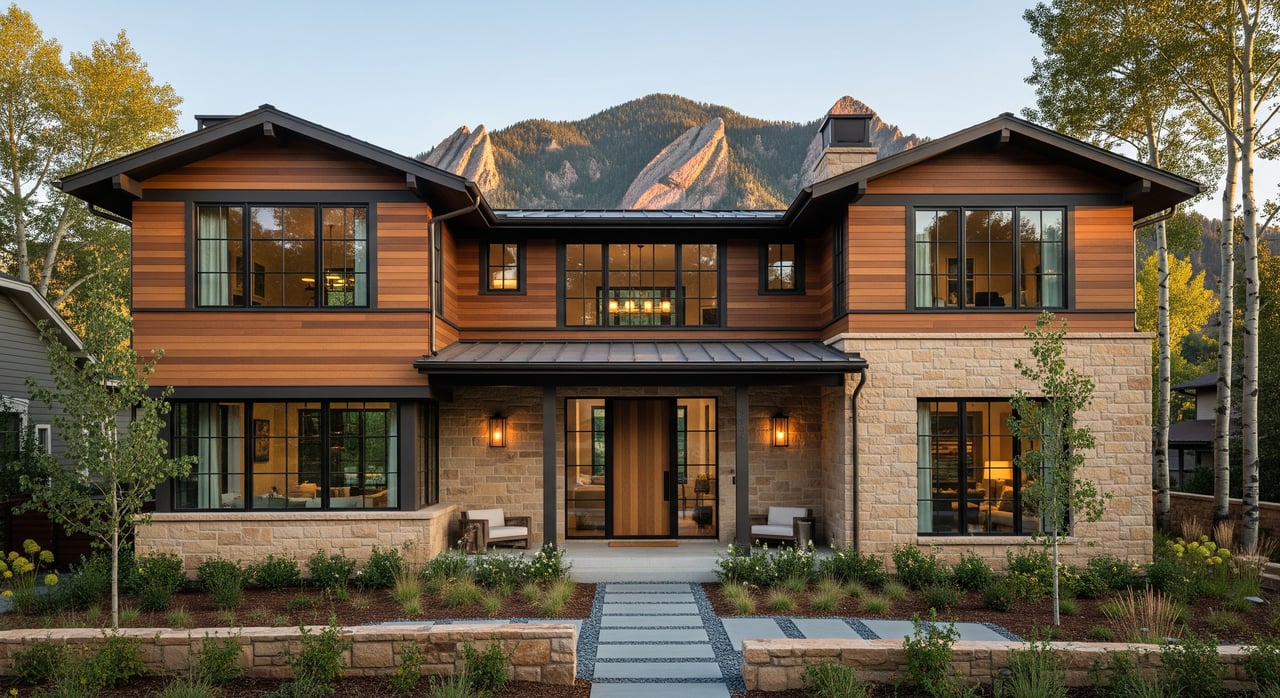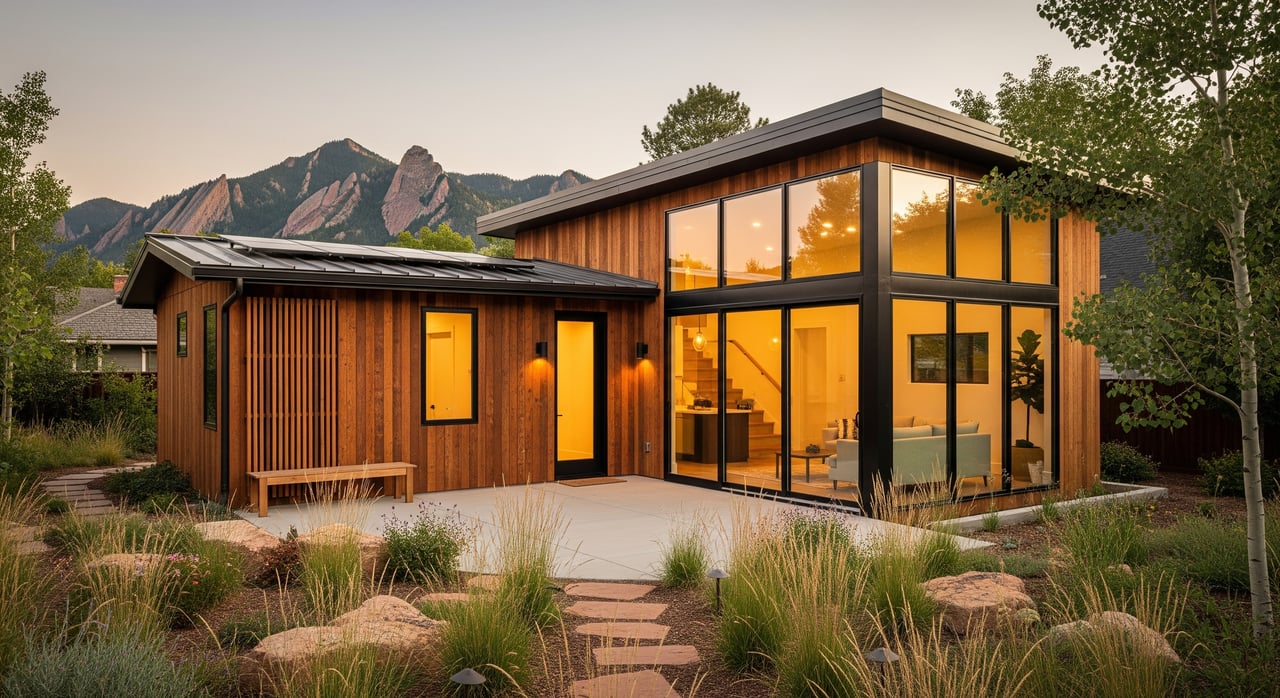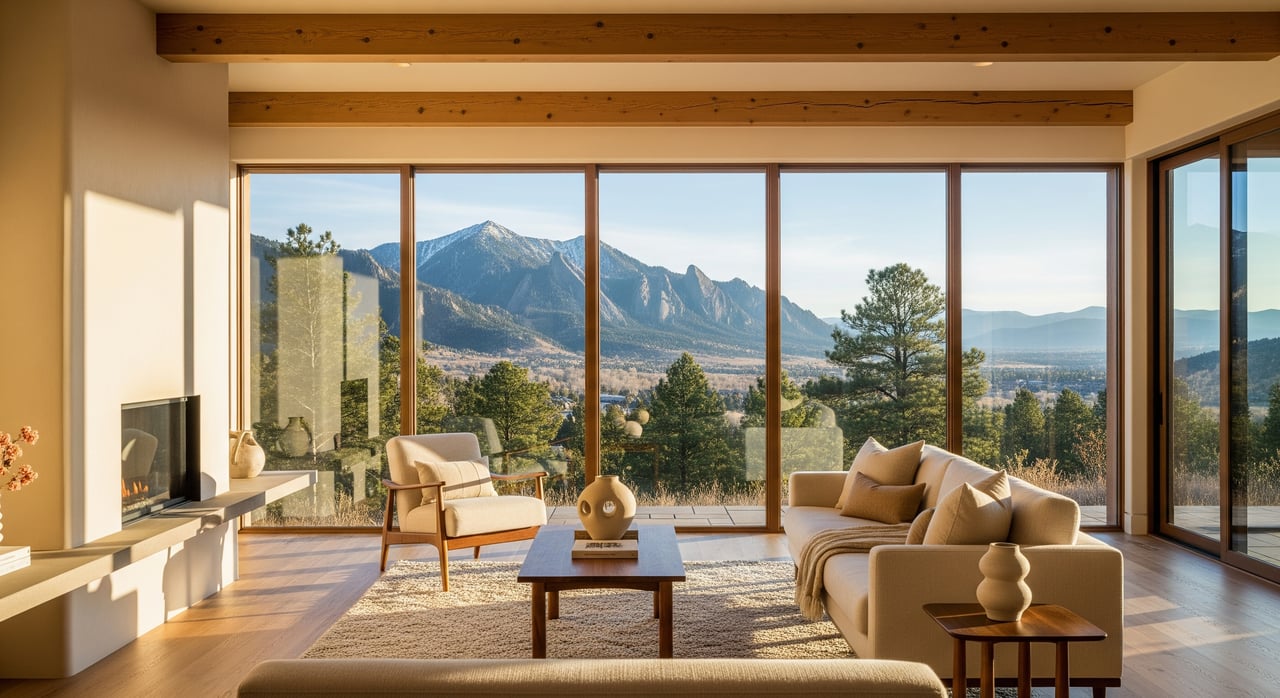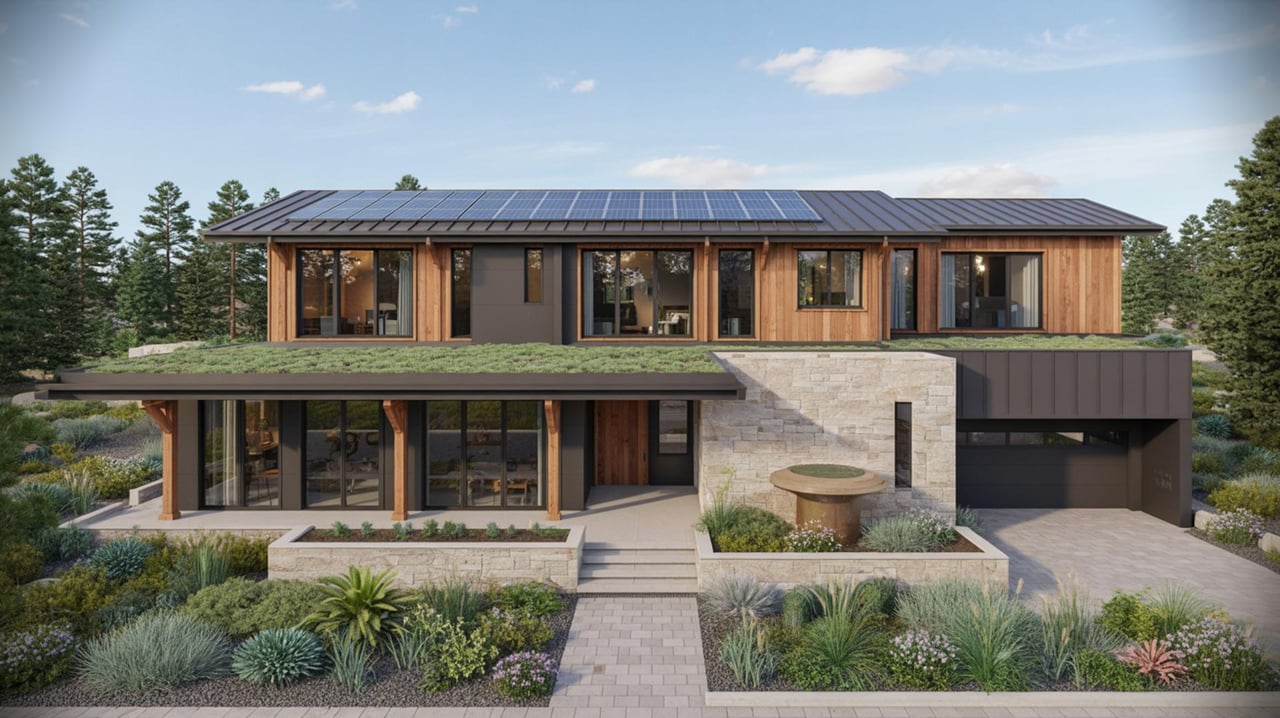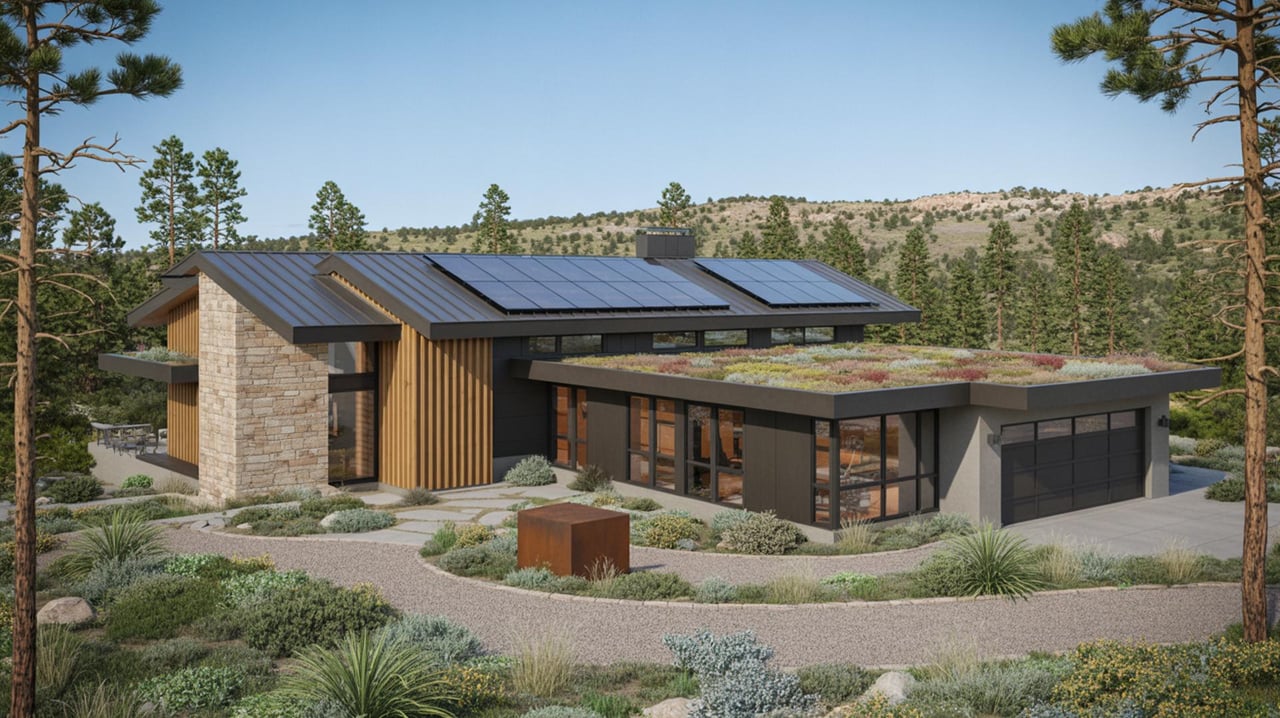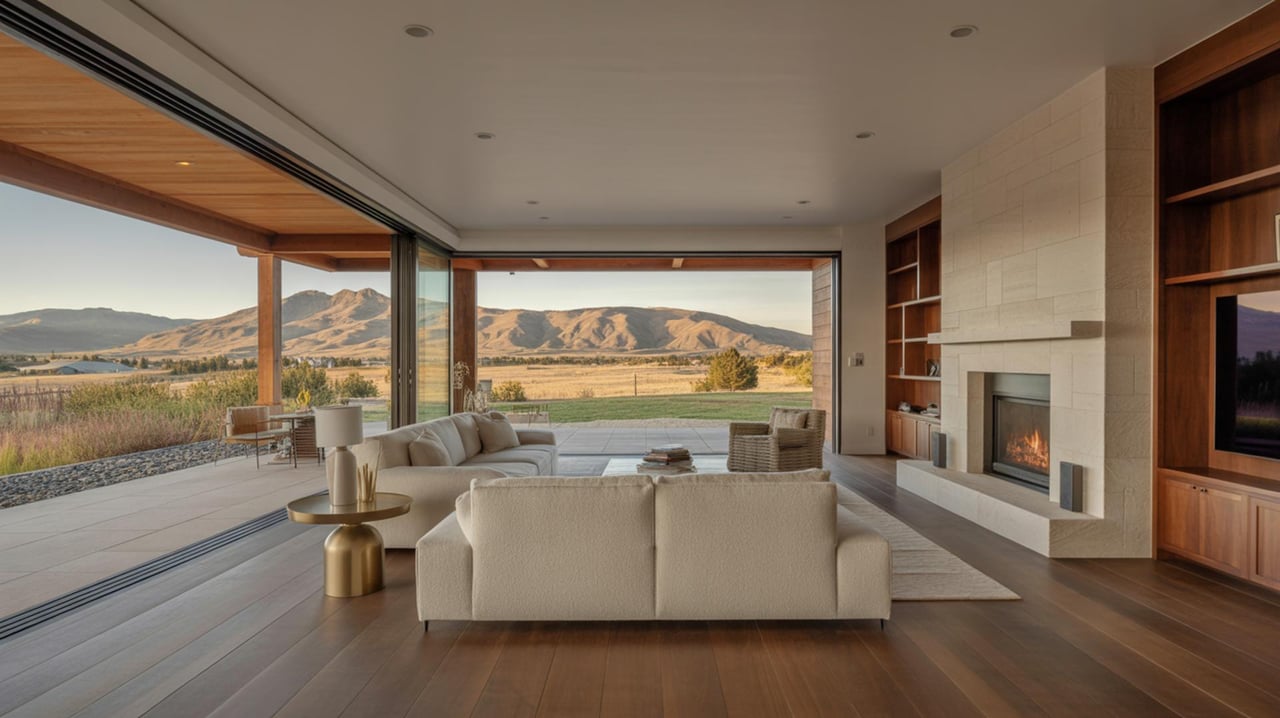
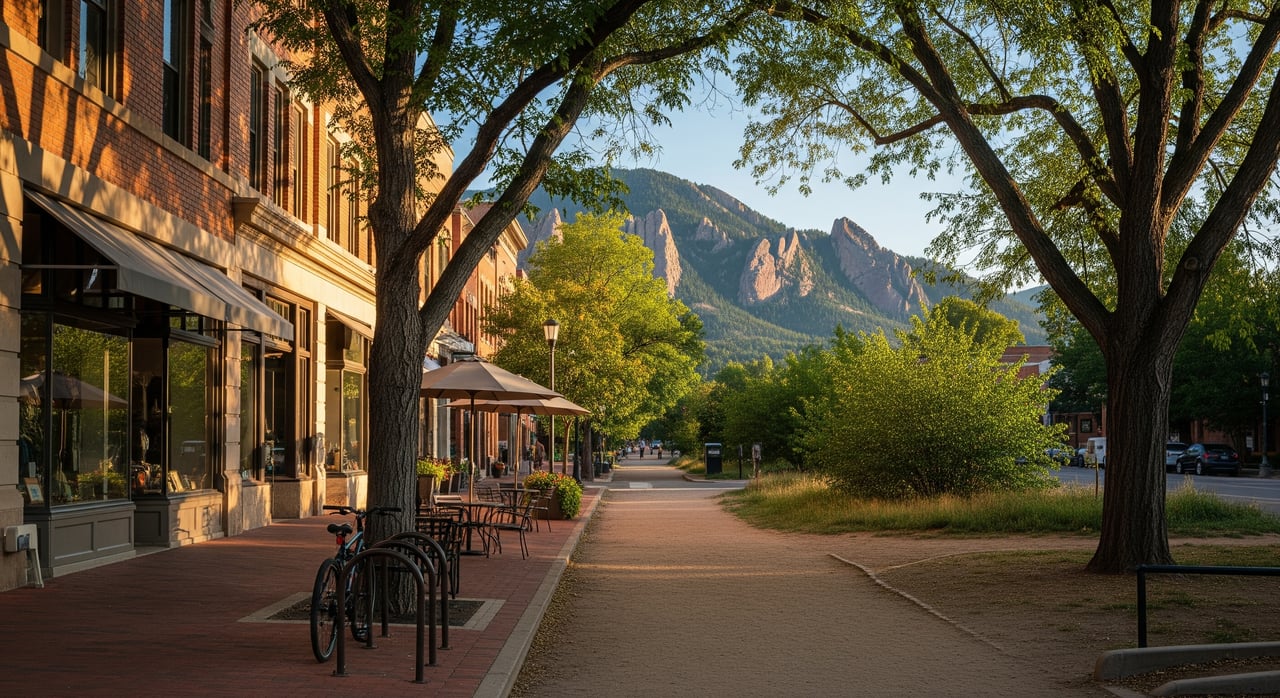
Wish you could step out your door for coffee on Pearl in the morning and a trail run by late afternoon? Central Boulder makes that lifestyle possible. If you’re weighing the tradeoffs of a car-light life near downtown, you’re not alone. In this guide, you’ll get a clear picture of what “walkable” really means here, where the trailheads begin, how transit and parking work, and what to consider when buying or selling in this sought-after corridor. Let’s dive in.
What counts as Central Boulder
Central Boulder for this conversation spans the Pearl Street and downtown core and the immediately adjacent residential streets that climb toward the foothills. Think the blocks surrounding the Pearl Street Mall, the Canyon Boulevard corridor, and the transitions toward Mapleton Hill, University Hill, Chautauqua, Mount Sanitas, and Mesa Trail connections.
The downtown grid is mostly flat and compact. As you head west and uphill, streets get steeper and more residential, and you move quickly toward open space. That quick shift is the magic of the area: dense urban amenities on one side and foothill trailheads on the other.
Everyday walkability on Pearl
Pearl Street Mall is Central Boulder’s pedestrian heart, with shops, restaurants, public art, and regular events. Adjoining blocks blend residential and mixed-use buildings, so you can often handle daily errands within a short walk.
Walkability is strongest in the commercial core, where sidewalks are continuous and crossings are frequent. As you move uphill, walking effort increases with slope, even if the distance is short. In winter, snow and ice can affect sidewalks, so it’s smart to notice how a building or HOA handles snow clearance to keep routes safe and convenient.
Boulder Creek Path and parks
Running parallel to downtown, the Boulder Creek Path provides a linear route for walking and biking along the water. It connects to riverside parks and serves as a low-stress way to reach errands, recreation, and civic facilities like the public library. If you plan to live car-light, this path can feel like an everyday artery.
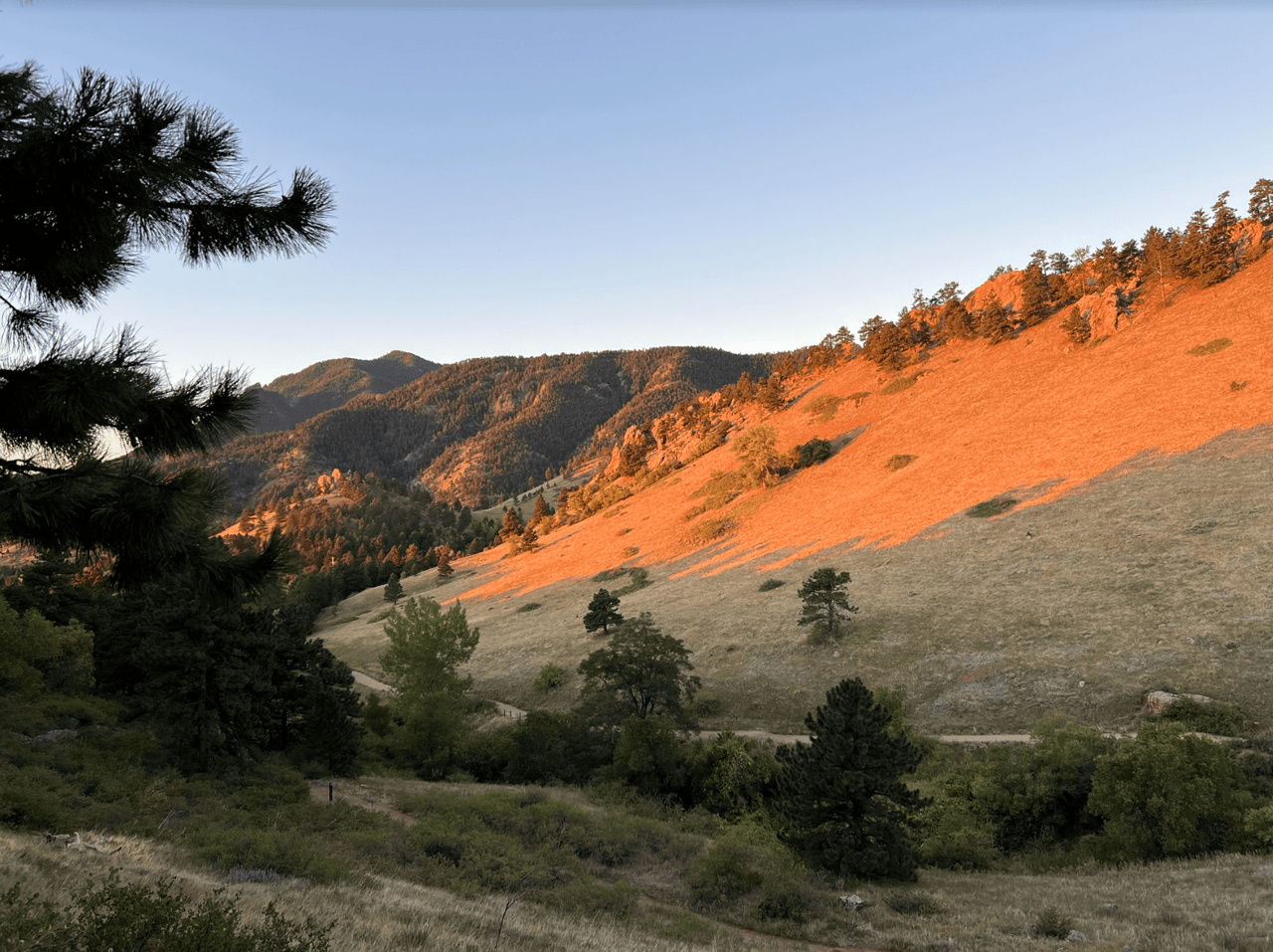
Trails at your doorstep
If outdoor access is a top priority, you’ll find several beloved trailheads within easy reach of Central Boulder:
- Chautauqua Park and Trailhead for Flatirons hikes, cultural events, and a large network of trail connections.
- Mount Sanitas Trail for a close-in, steeper workout and trail-running routes.
- Mesa Trail segments along the foothills, linking multiple access points for longer outings.
Trail use and rules are managed by the City of Boulder Open Space & Mountain Parks (OSMP). Popular trailheads can be busy on weekends and during peak seasons. If you’re considering a home near an access point, weigh the benefits of immediate recreation against noise, privacy, and visitor parking patterns. Always check OSMP for current conditions, seasonal closures, and whether trails allow dogs or bikes.
Transit, bikes, and shuttles
Central Boulder is well served by regional and local buses, including connections to Denver via RTD routes. Short-distance circulators and downtown services can reduce the need for quick car trips around the core. Biking is also common, with a mix of on-street lanes and protected segments in parts of town.
For car-light living, combine transit with the Boulder Creek Path and designated bike lanes to cover most daily needs. If you work hybrid or remote, this setup can be especially appealing.
Parking and driving realities
Downtown offers a blend of metered street spaces, municipal garages, and neighborhood permit zones. Event nights and weekends can be busy, so your personal parking setup matters.
If you’re buying, look closely at:
- Whether a spot is deeded, assigned, or first-come-first-served.
- HOA rules for resident and guest parking.
- Any nearby time-limited parking or loading zones that affect curb access.
- Options for monthly garage parking if needed.
If you’re selling, be direct and precise about what you have: number of spaces, location, and any fees. In a walkable district, clear parking details can make your home stand out.
Homes and building types
You’ll find a range of property styles in Central Boulder, each with its own walkability profile:
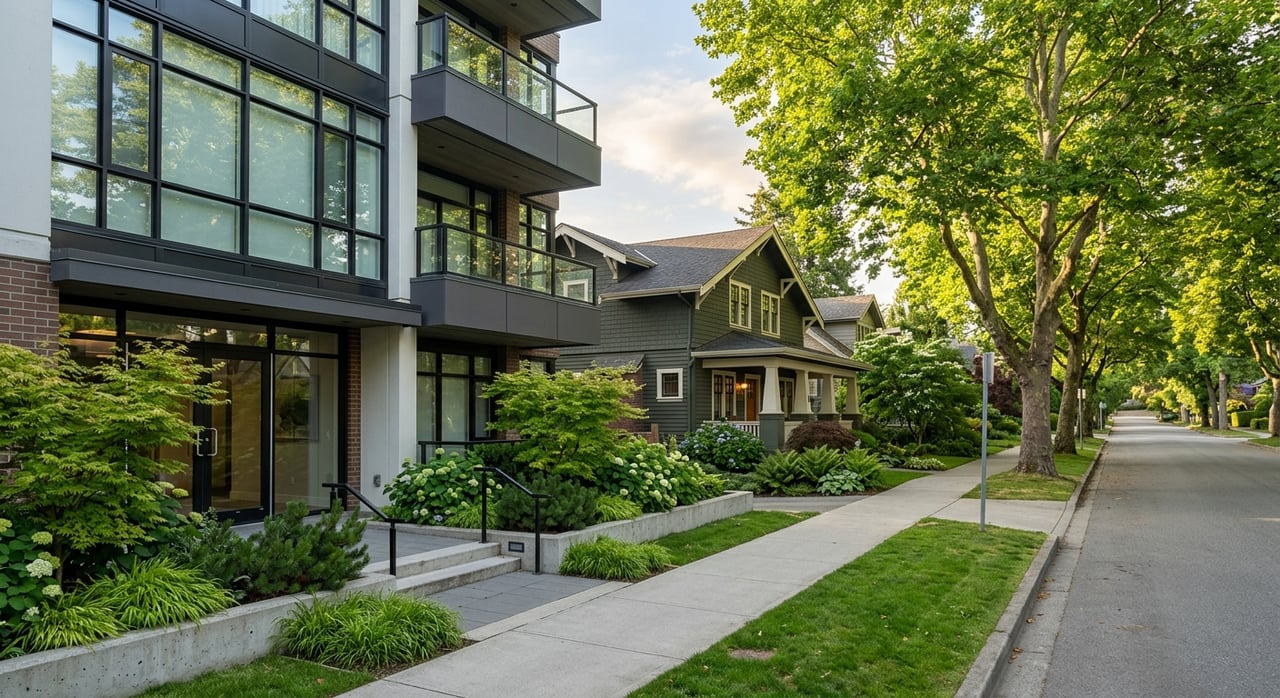
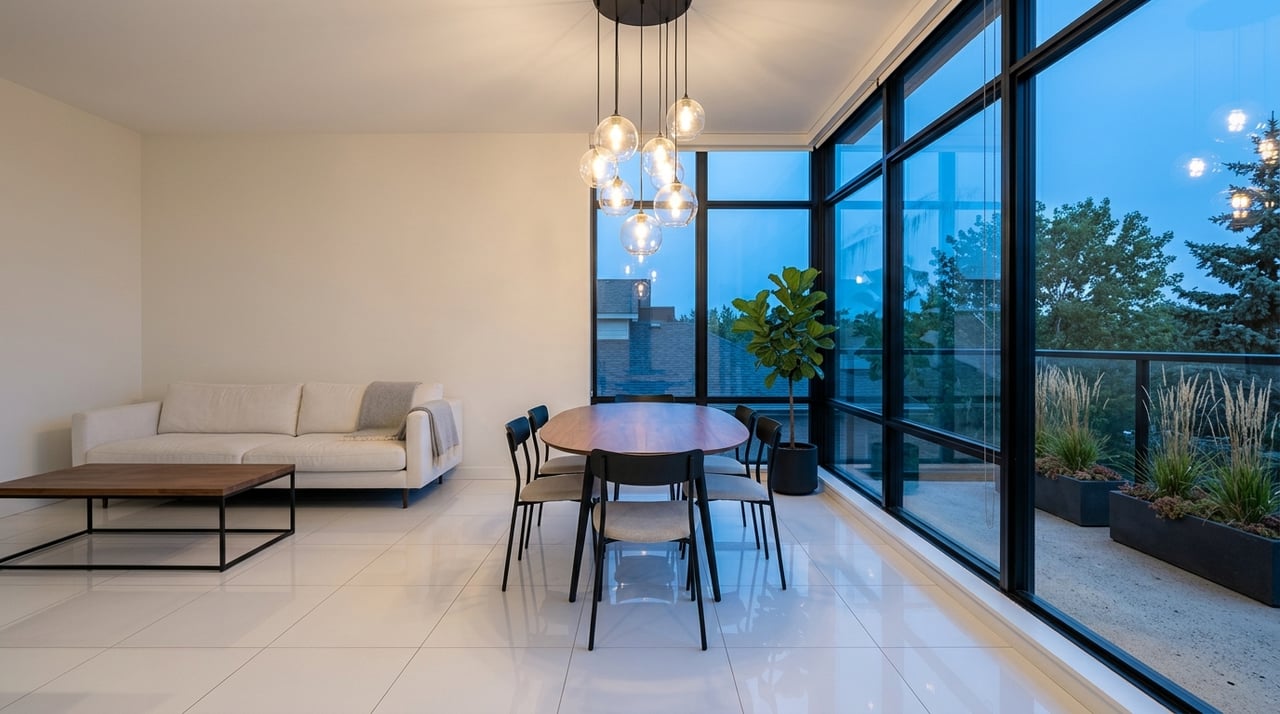
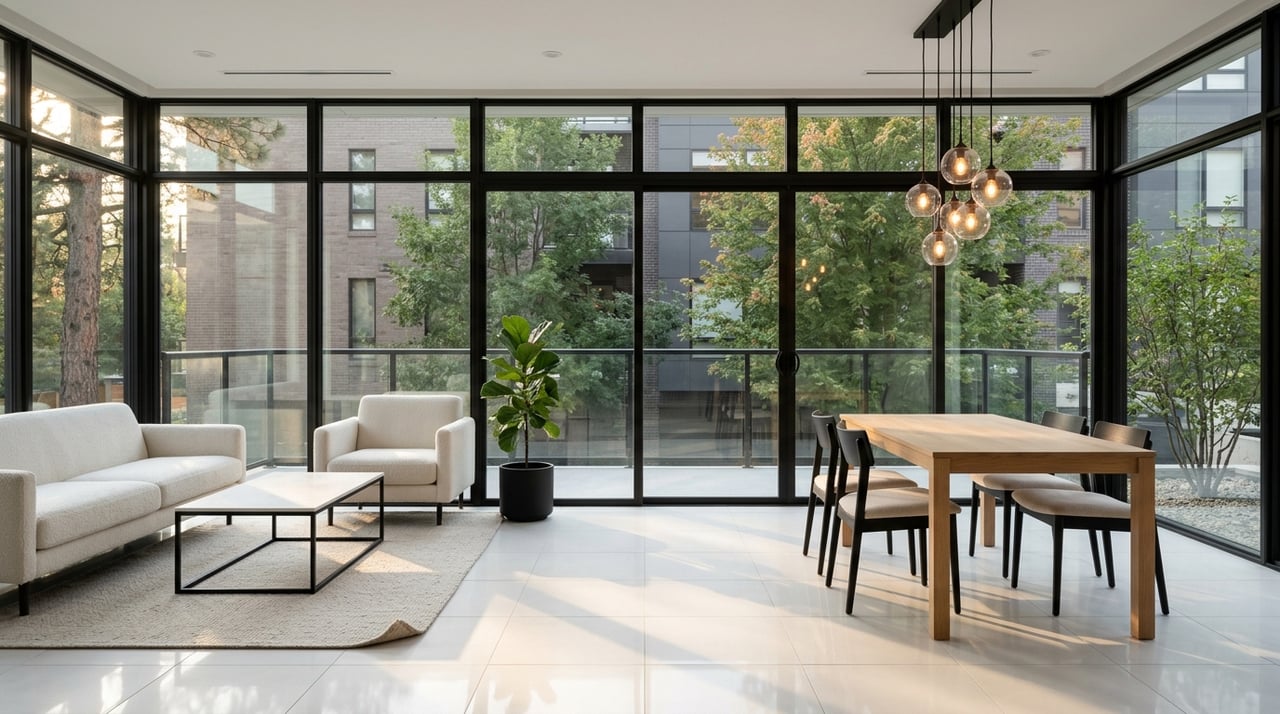
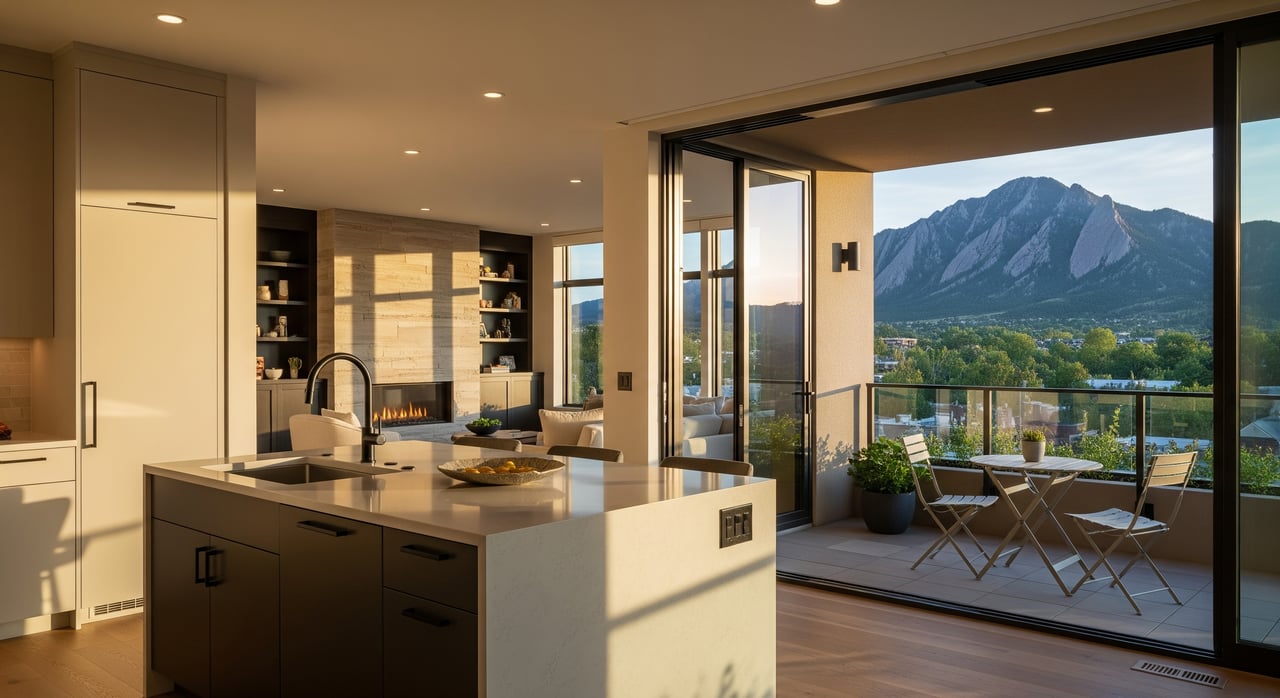
- Downtown condos and lofts near Pearl with strong access to restaurants, shops, and transit.
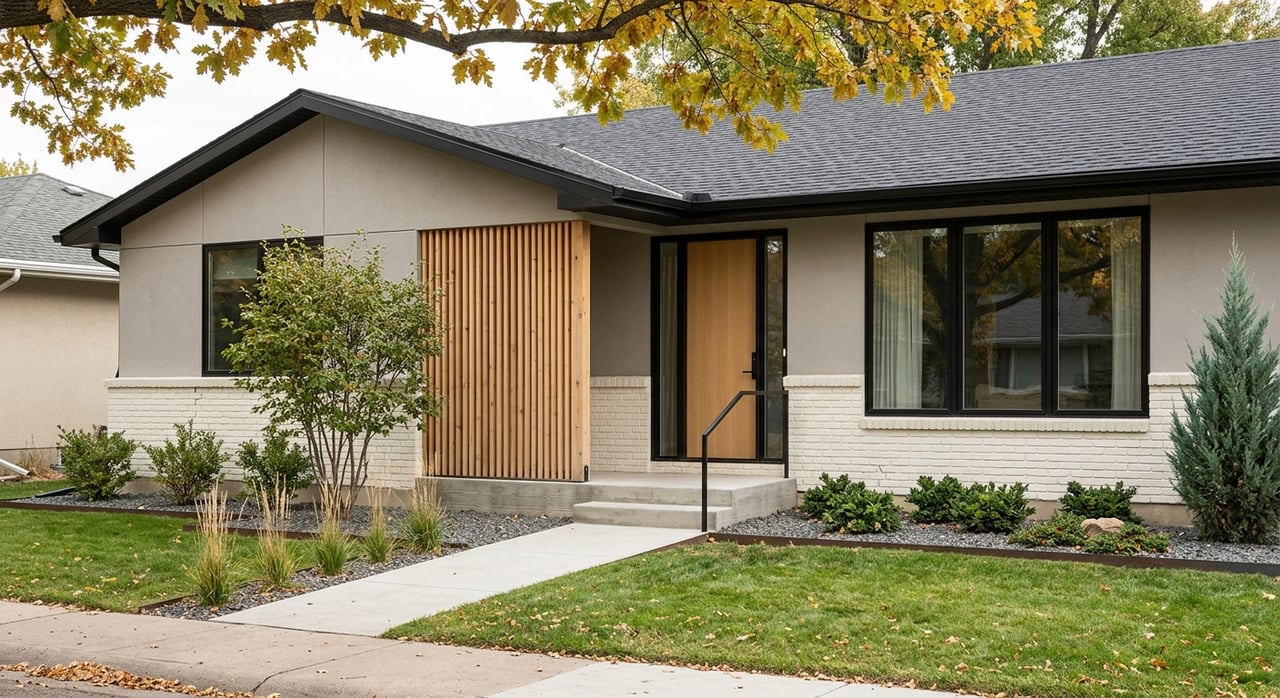
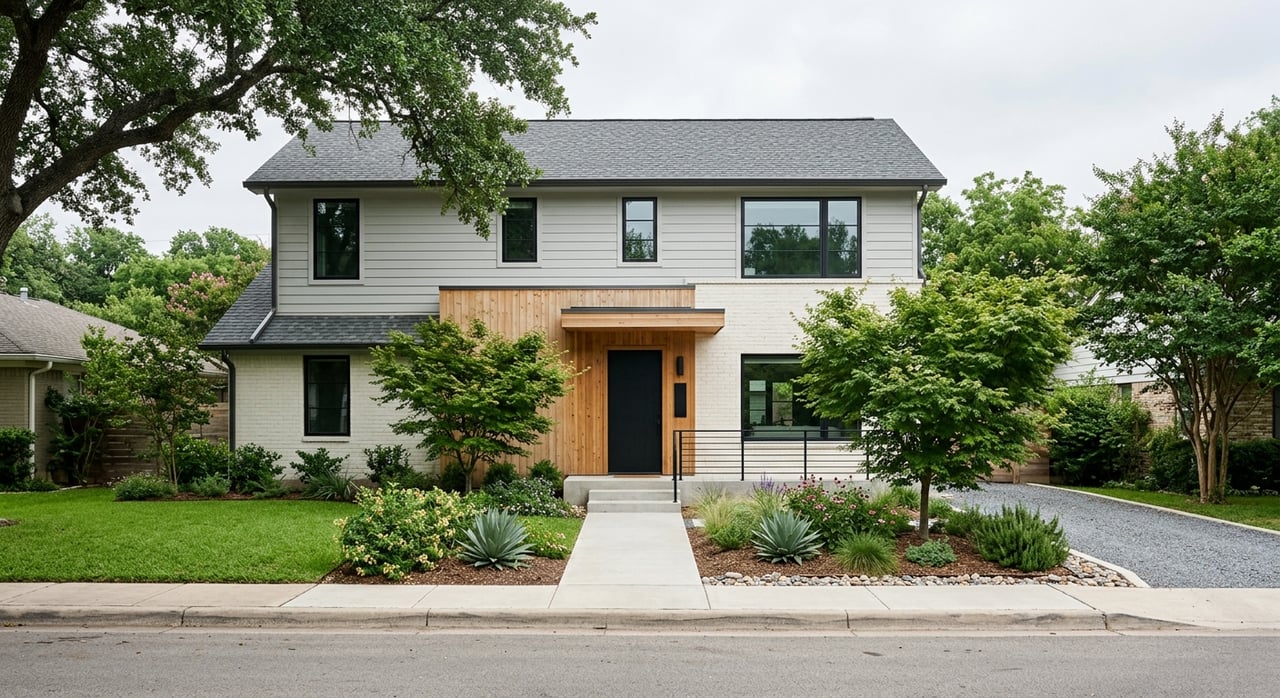
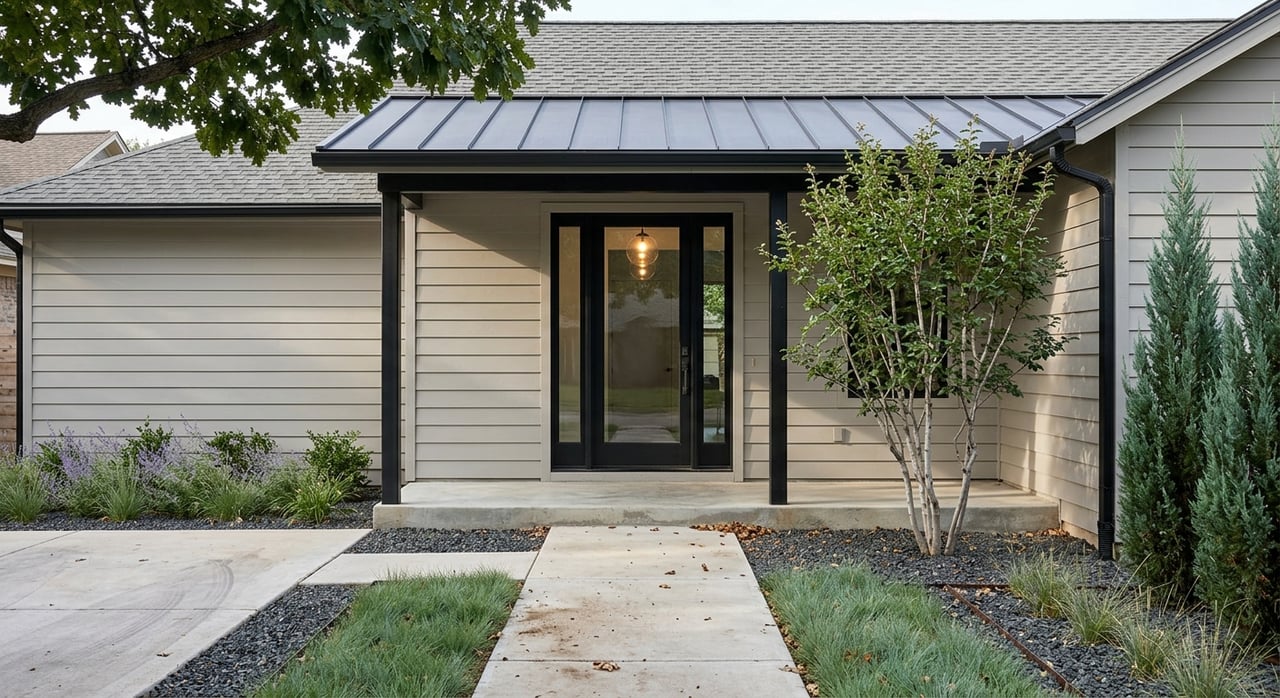
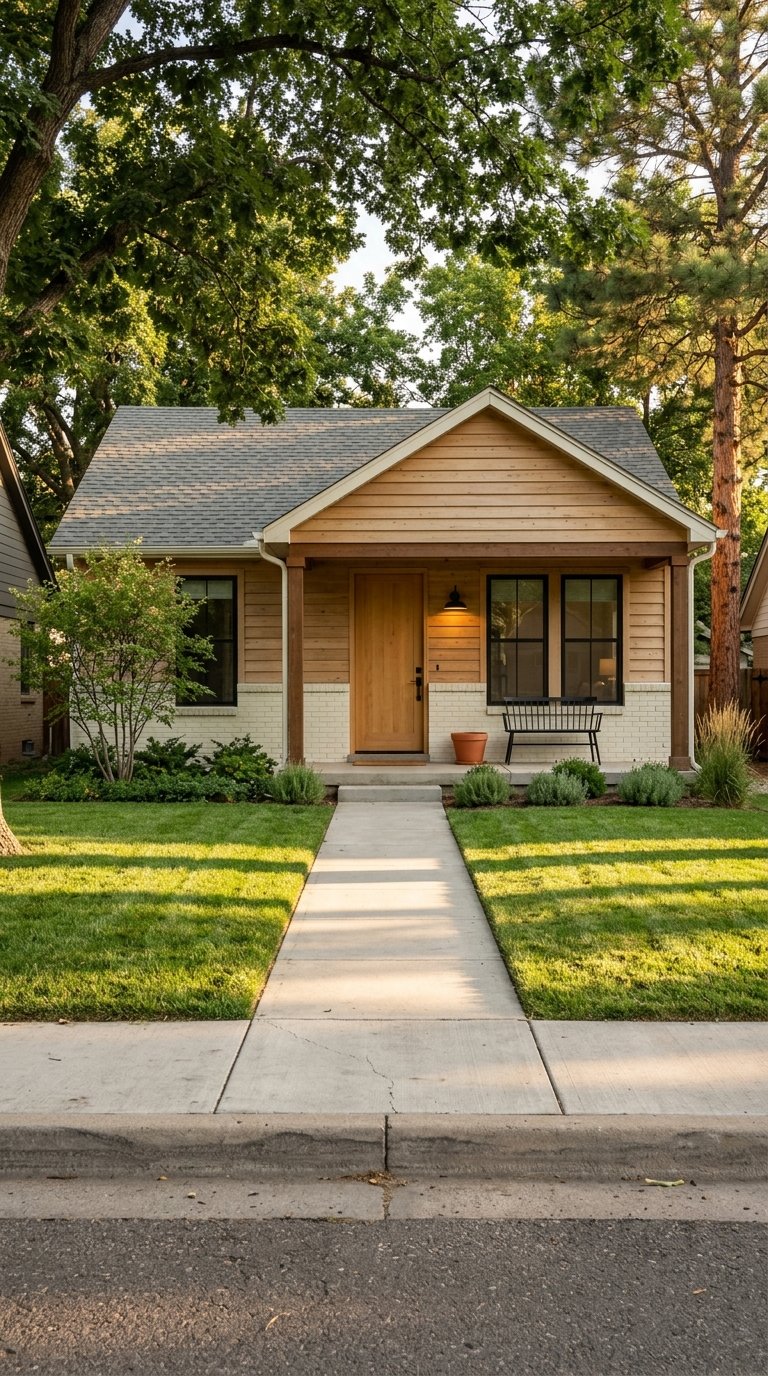
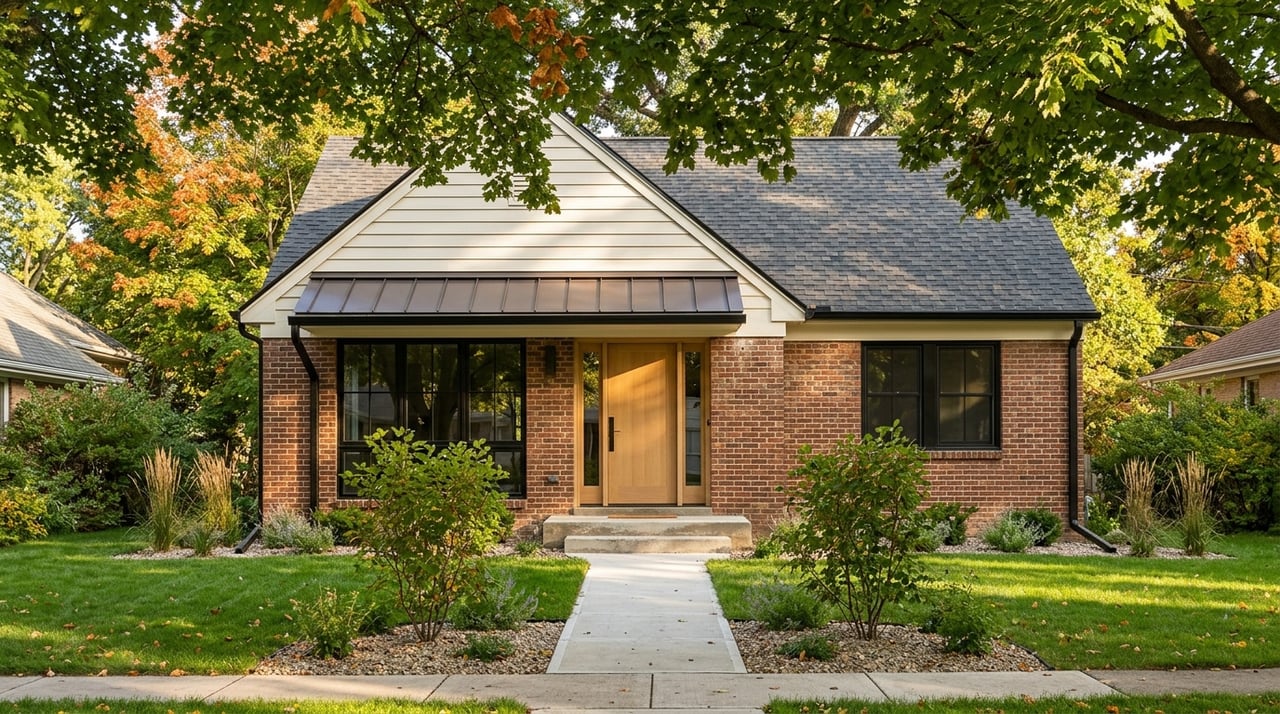
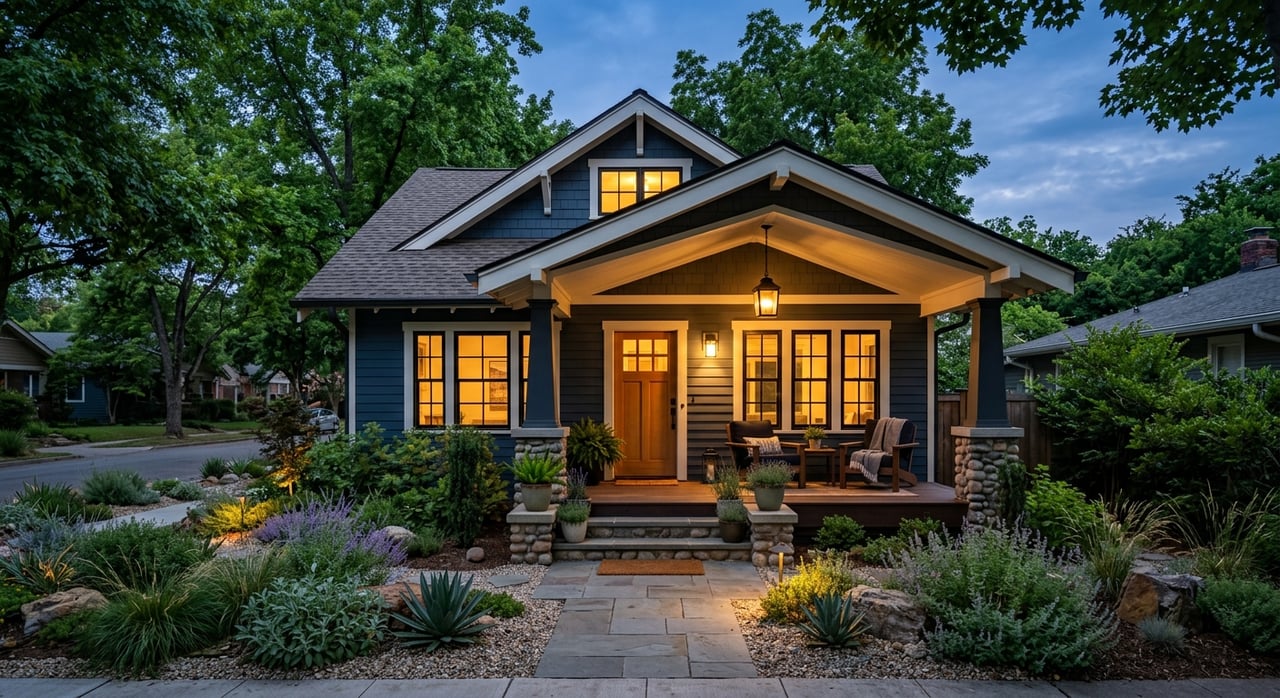
- Historic bungalows and cottages just off the core that blend character with proximity.
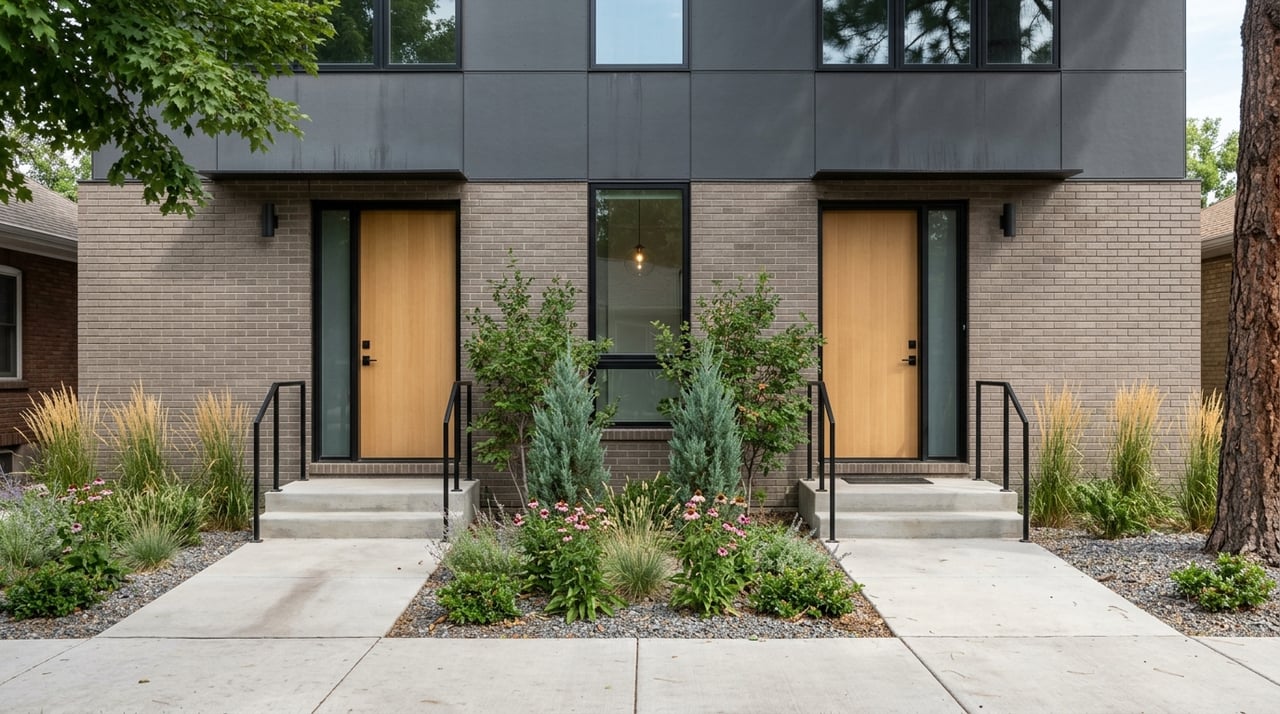
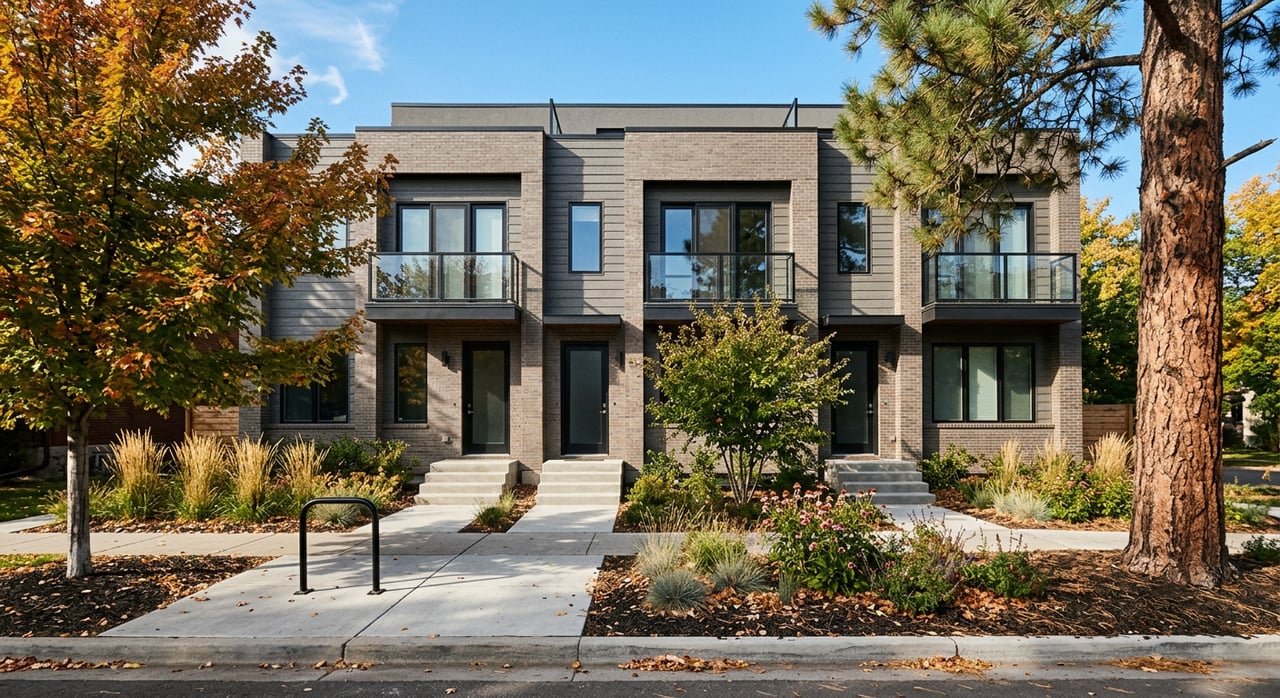
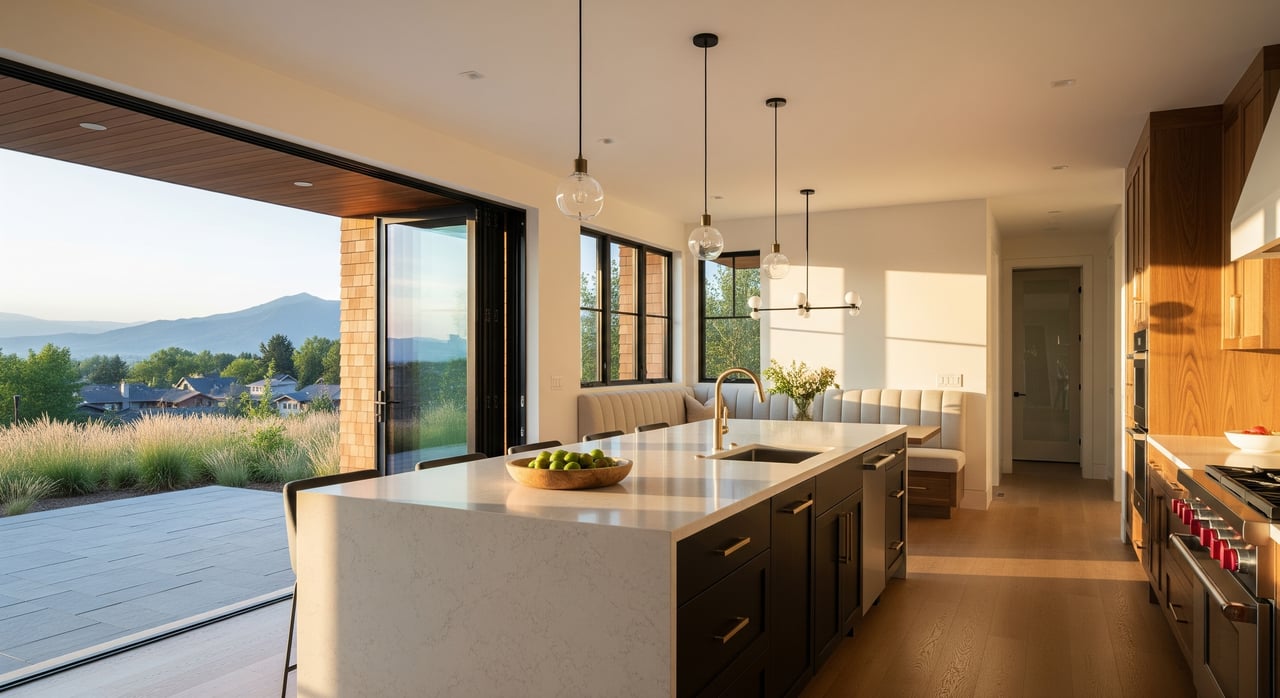
- Modern infill townhomes offering contemporary features and efficient footprints.
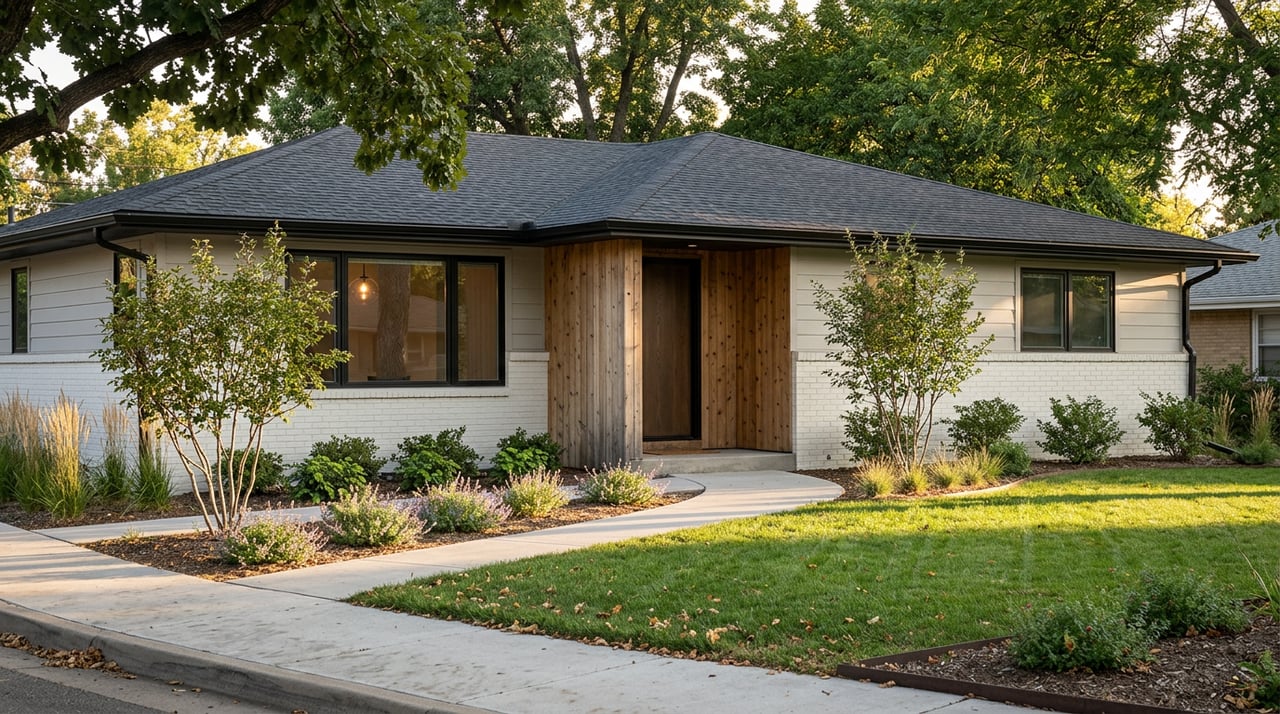
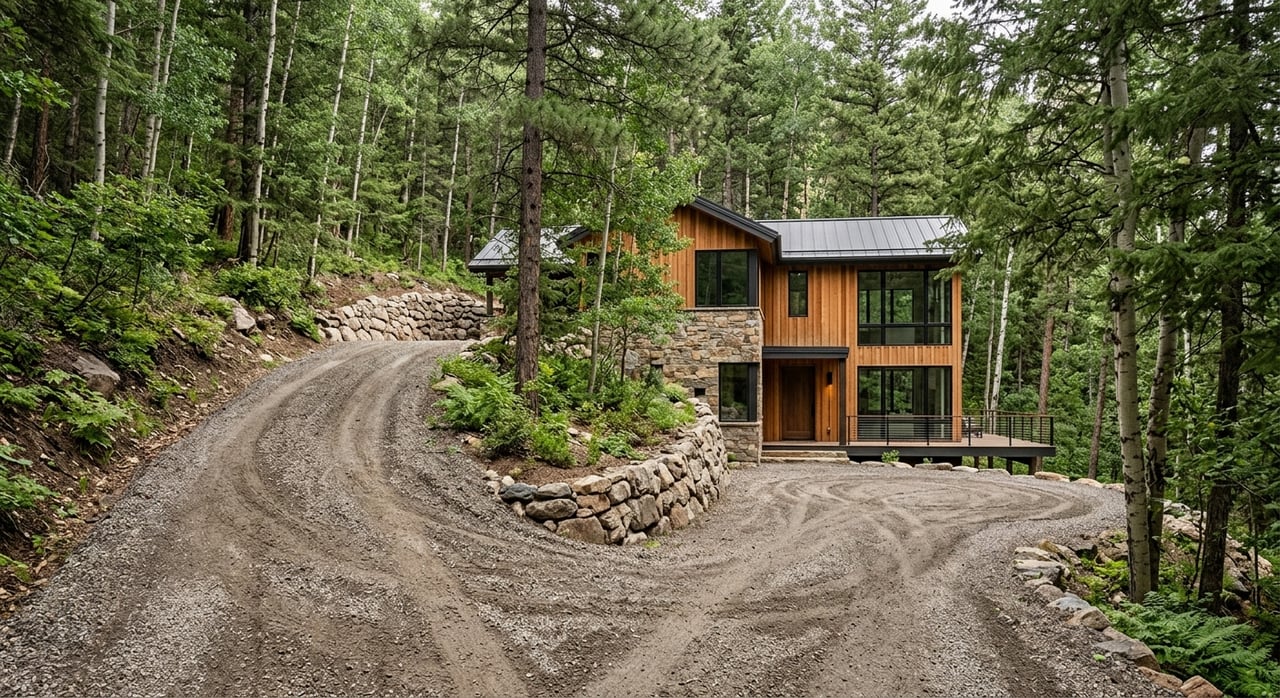
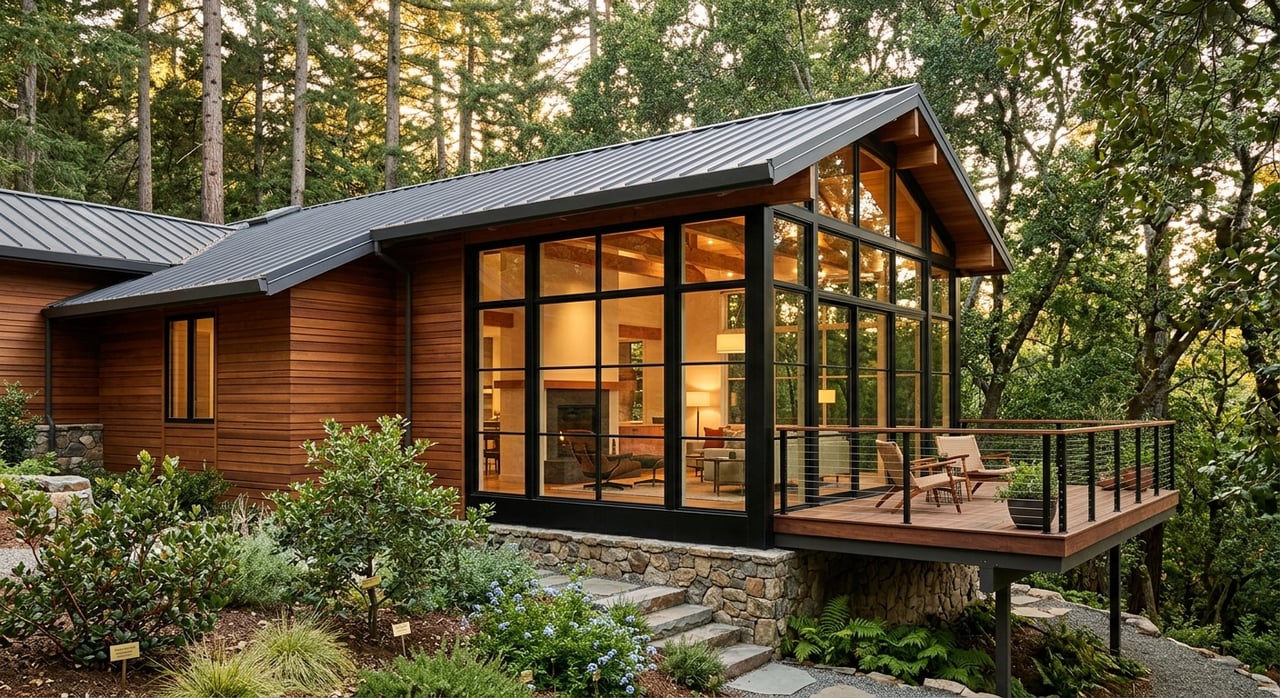
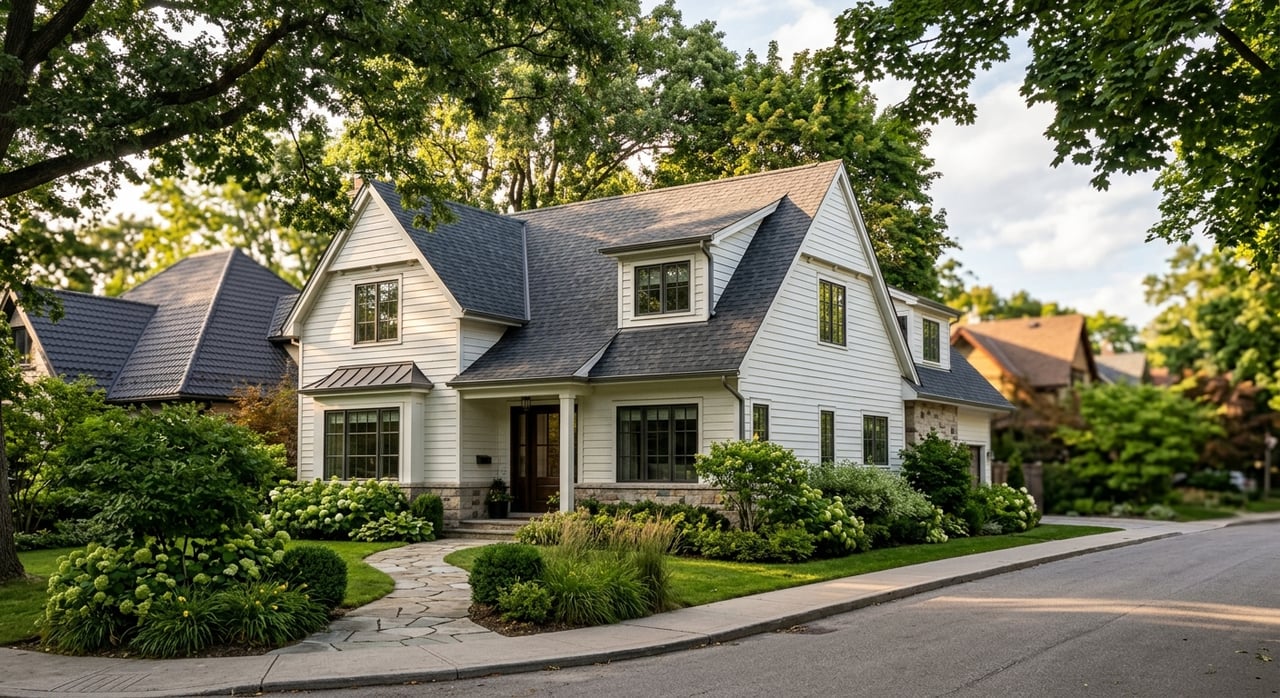
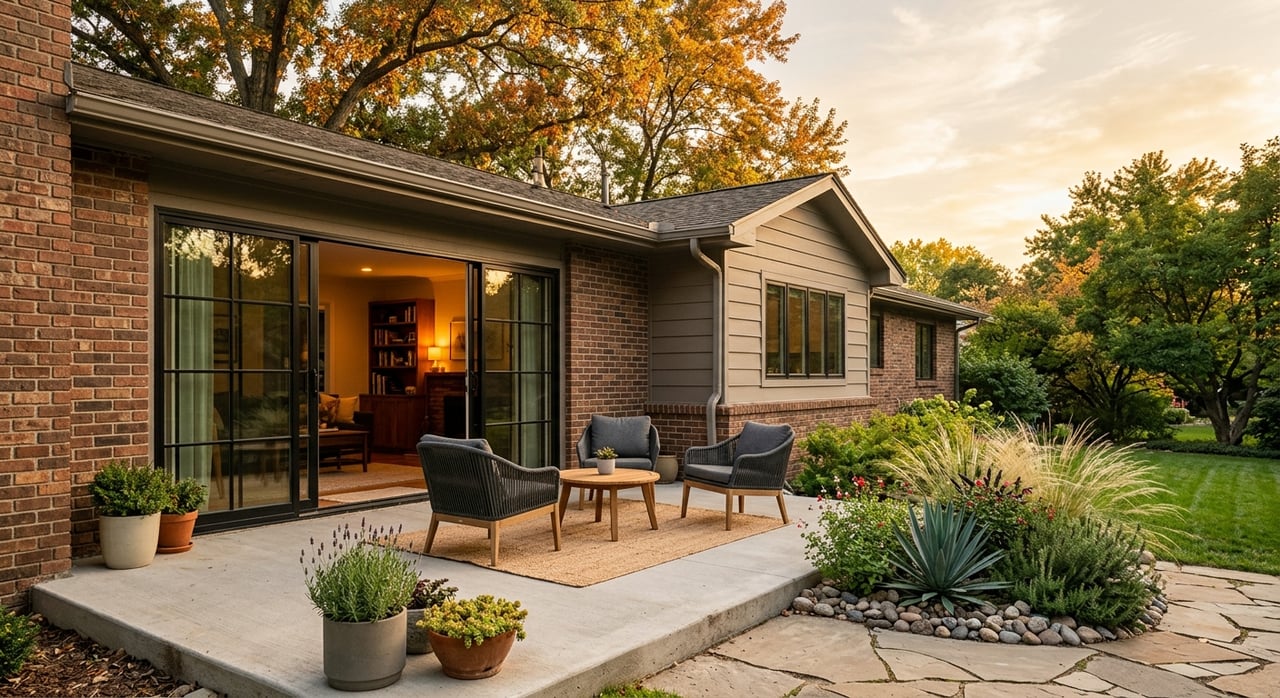
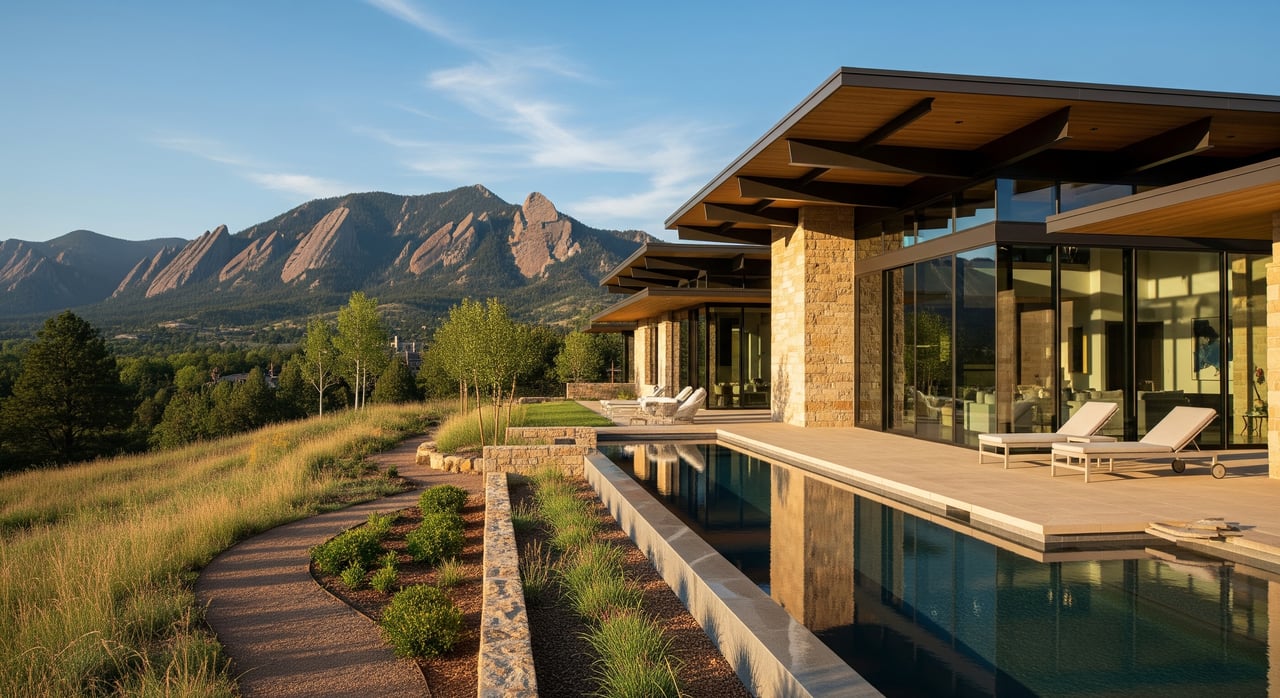
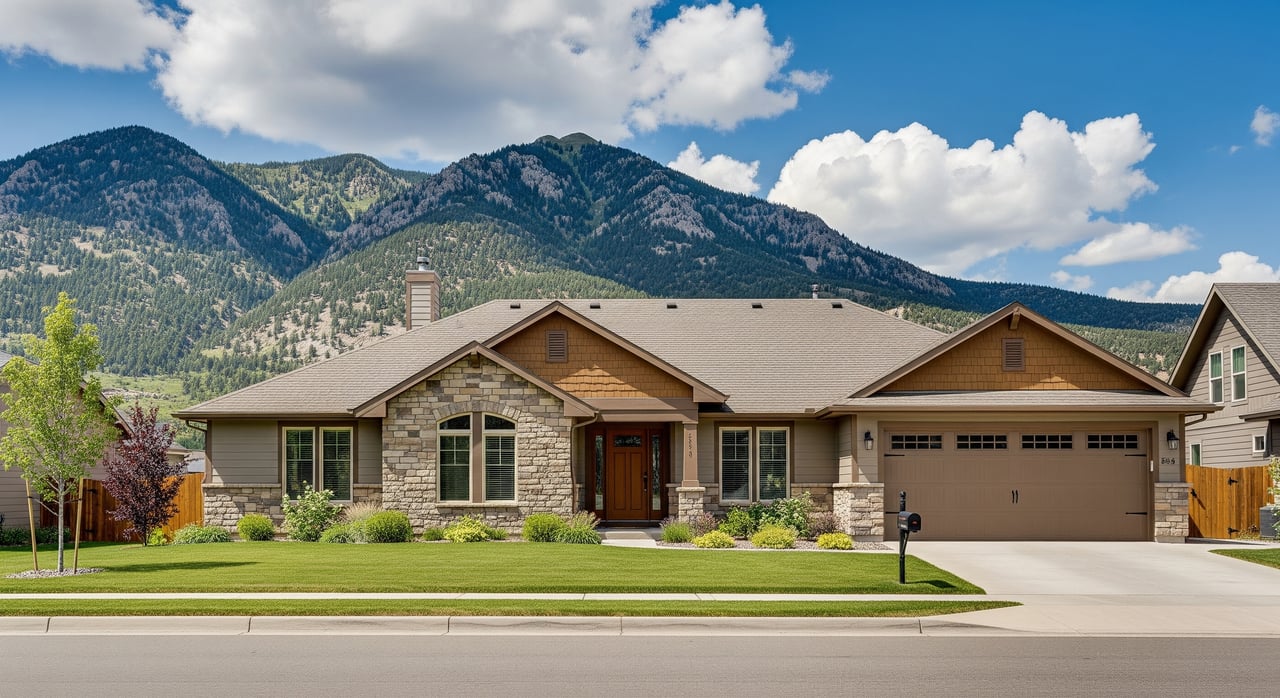
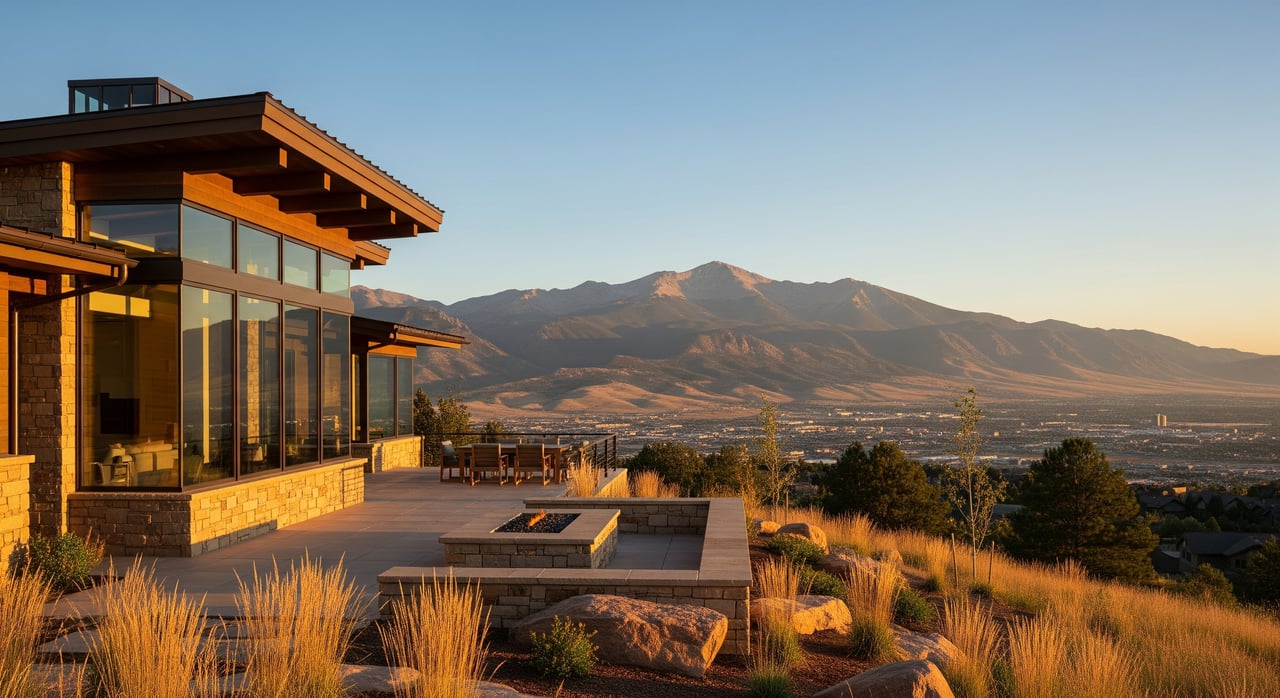
- Single-family homes closer to the foothills in areas like Mapleton Hill and the west side, often with excellent trail access.
When evaluating listings, consider sound insulation if a unit faces high-traffic streets, elevator access in older multi-story buildings, storage for bikes and gear, and the status of parking. Also note any proximity to floodplains or wildfire mitigation zones, as these can affect insurance and resale.
Costs, value, and resale
Walkability tends to support strong demand in Central Boulder. Buyers consistently prioritize access to Pearl Street, the Boulder Creek Path, and nearby trailheads. Those features often command a premium over more car-dependent locations.
That said, value is still property-specific. Parking availability, building condition, and regulatory overlays all influence price and time on market. For sellers, highlighting objective accessibility factors can help: walk times to key amenities, proximity to transit, the existence of a deeded garage spot, and convenient storage for bikes.
Lifestyle tradeoffs to weigh
Living steps from downtown has clear perks, and there are tradeoffs to consider. Here are the most common ones buyers surface:
- Vibrancy and convenience vs noise and event crowds in the core.
- Small private yards vs instant access to parks, paths, and trail systems.
- Limited on-site parking vs shorter commutes and lower car dependence.
- Flat, fast walks downtown vs steeper walks in west/uphill pockets.
Your perfect fit depends on how you balance daily quiet with access, and how much you want to rely on a car.
Safety, hazards, and due diligence
Boulder’s setting at the foothills brings natural beauty and a few risks to understand:
- Wildfire: Homes near open space can carry higher risk. Look for defensible-space work, ongoing mitigation, and insurer requirements.
- Flood: Areas along the Boulder Creek corridor have a history of flooding. Confirm whether a property sits in a floodplain and what that means for insurance and construction.
- Trails and terrain: Steep grades and seasonal weather affect outdoor use. Note trail difficulty and maintenance updates, and plan gear and footwear accordingly.
Before you write an offer, verify current hazard overlays, insurance implications, and any city requirements that apply to your specific address.
Buyer checklist for Central Boulder
Use this quick list to align your lifestyle with the location:
- Map your typical week: groceries, coffee, gym, transit stop, office, and favorite trailhead.
- Walk the routes at different times and in different weather to feel slope, noise, and foot traffic.
- Verify parking: deeded vs assigned, HOA rules, guest options, and permit zones.
- Check for hazard overlays and confirm insurance quotes early.
- Review building access: elevator, stair count, and bike storage.
- For car-light living, explore transit choices and nearby bike routes.
Seller tips that resonate with buyers
Central Boulder buyers value facts they can use. Strengthen your listing with:
- Clear walking times to Pearl Street Mall, Boulder Creek Path access, and specific trailheads.
- Parking details: exact number and type of spaces, location, and any fees.
- Storage solutions: bike rooms, in-unit storage, or lockable cages.
- Sound improvements: window upgrades or insulation that reduce street noise.
- Safety work: defensible space, mitigation steps, or floodproofing where applicable.
These details help buyers picture daily life and support your pricing strategy.
Schools and university context
The University of Colorado Boulder anchors the broader area with academic and cultural offerings. Nearby University Hill includes student-oriented amenities and entertainment. If you’re considering a home in these pockets, factor in event schedules and evening activity patterns when you visit.
Regulations to keep on your radar
Short-term rentals have specific rules in Boulder, including permitting and taxation. If you’re exploring hosting or investment possibilities, review the municipal code before planning revenue around short stays. Downtown and adjacent areas can also be subject to design review and public input for certain projects. Always confirm the latest regulations and overlays with the city and county.
The bottom line
Central Boulder offers a rare blend of urban convenience and trail access. If you want to walk for coffee in the morning and hit a foothill trail by sunset, this corridor delivers. The key is understanding micro-location dynamics: slope, parking, building access, and local rules. With the right due diligence, you can choose a home that fits your lifestyle and supports long-term value.
Ready to explore homes that balance Pearl Street energy with foothill serenity? Reach out to Griffith Home Collective to learn what’s on the market, get neighborhood-level insights, and Get your personalized home valuation.
FAQs
How walkable is Central Boulder from Pearl Street to nearby homes?
- Walkability is strongest in the downtown grid, where daily errands are close. As you move west and uphill, the walk remains short in distance but can feel steeper, which affects effort and timing.
Which neighborhoods are best for daily trail access near downtown?
- Areas north and west of the core, including the transitions toward Mapleton Hill, Chautauqua, and Mount Sanitas, generally offer the quickest connections to trailheads.
Will living near a trailhead create parking or noise issues?
- Popular trailheads can be busy on weekends and peak seasons; it’s wise to visit at different times, review street signage or HOA rules, and plan for guest parking patterns.
How does walkability influence resale value in Central Boulder?
- Strong walkability and proximity to trails often support demand and pricing, but specifics like parking, building condition, and regulatory overlays play an important role in final value.
Are there good options if I want to be car-light but still drive sometimes?
- Many residents mix walking and biking with bus service, use municipal garages or monthly parking when needed, and rely on car-share or ride-hailing for occasional trips.
What safety or environmental checks should I do before buying?
- Confirm whether the property lies in a floodplain or wildfire mitigation zone, understand any insurance implications, and review current city and OSMP guidance for the immediate area.