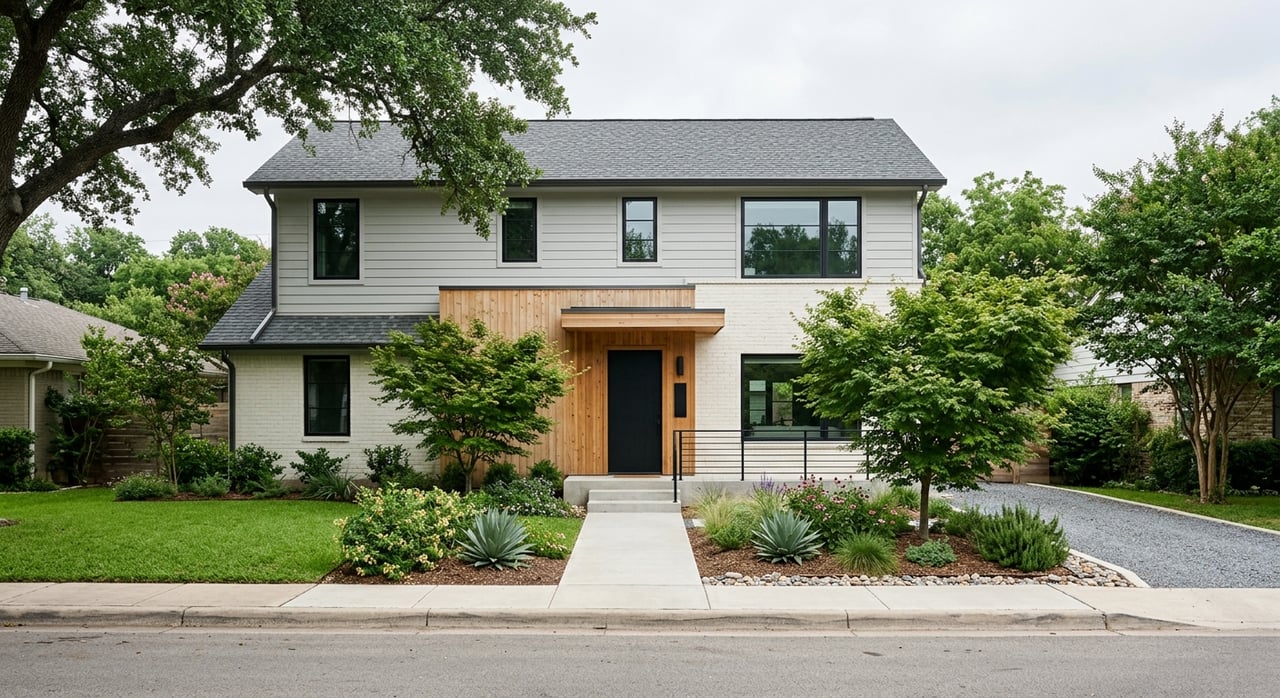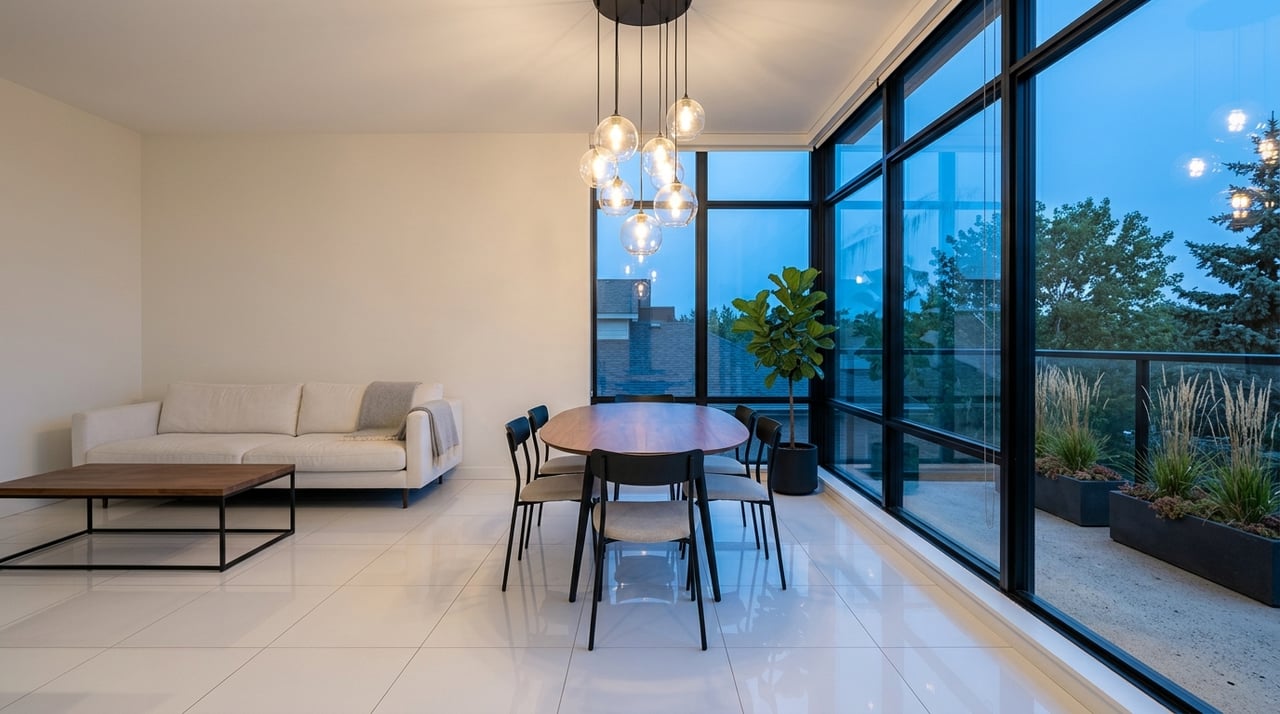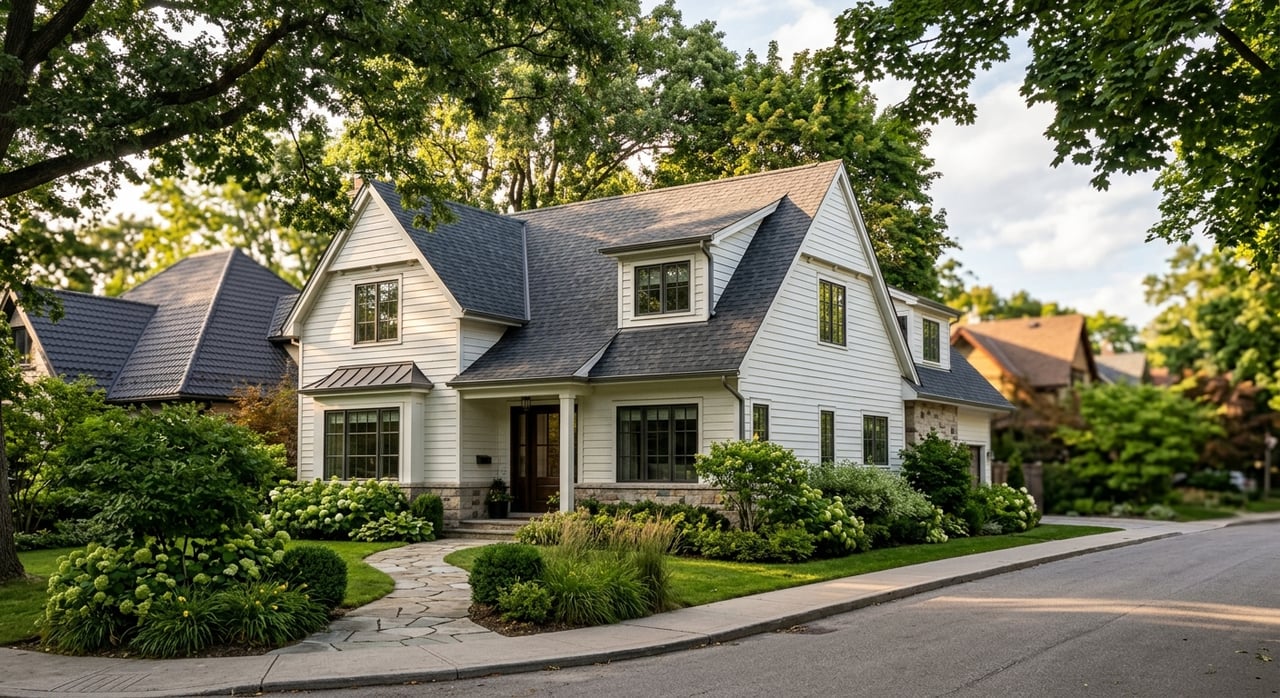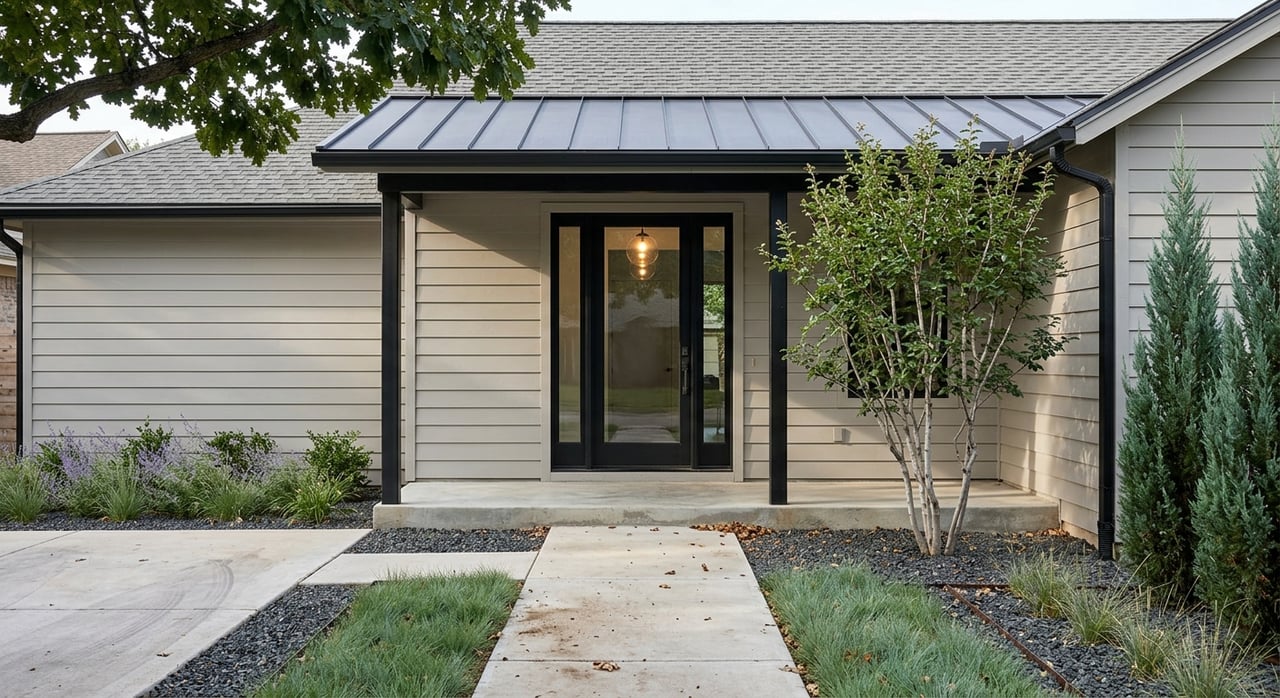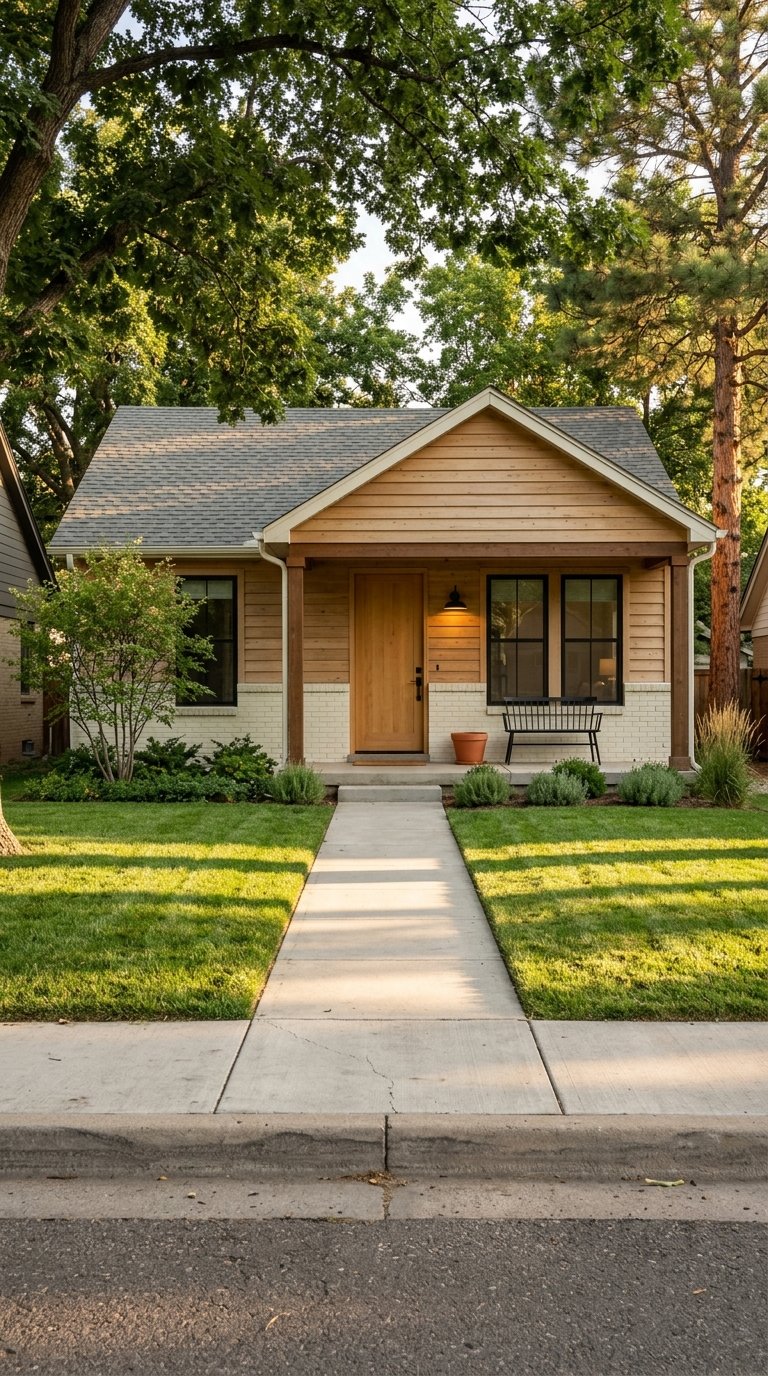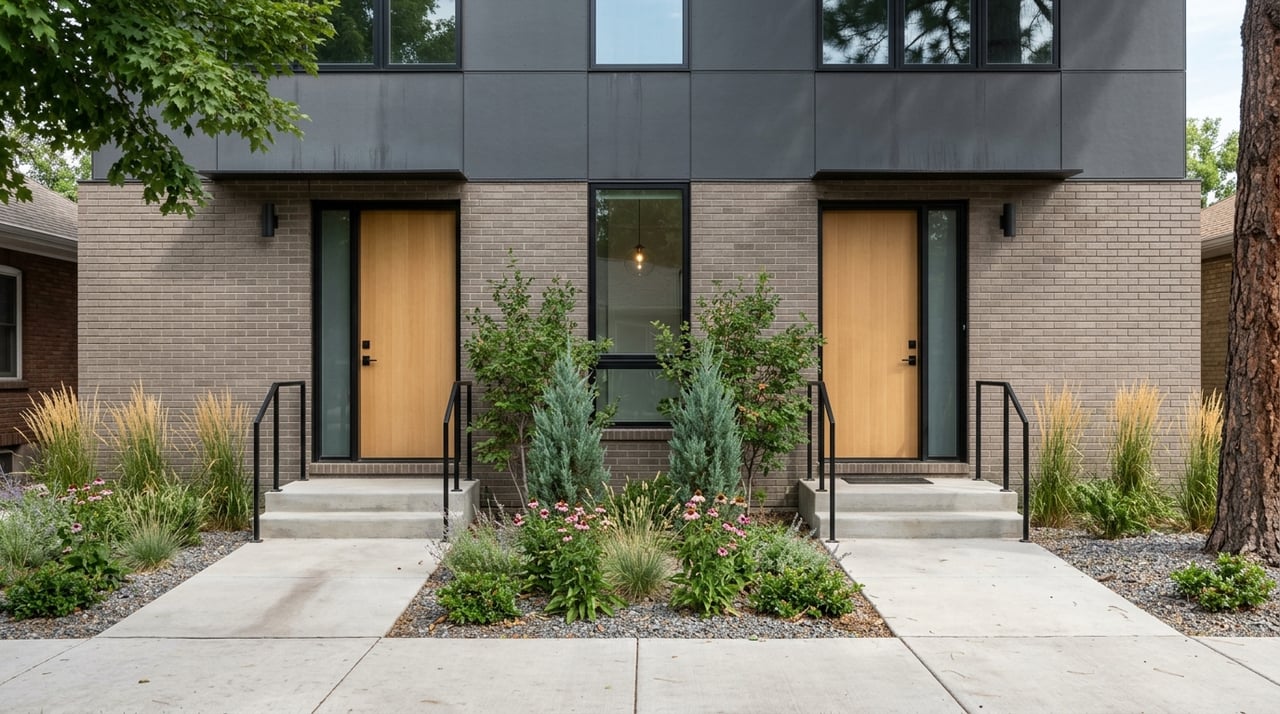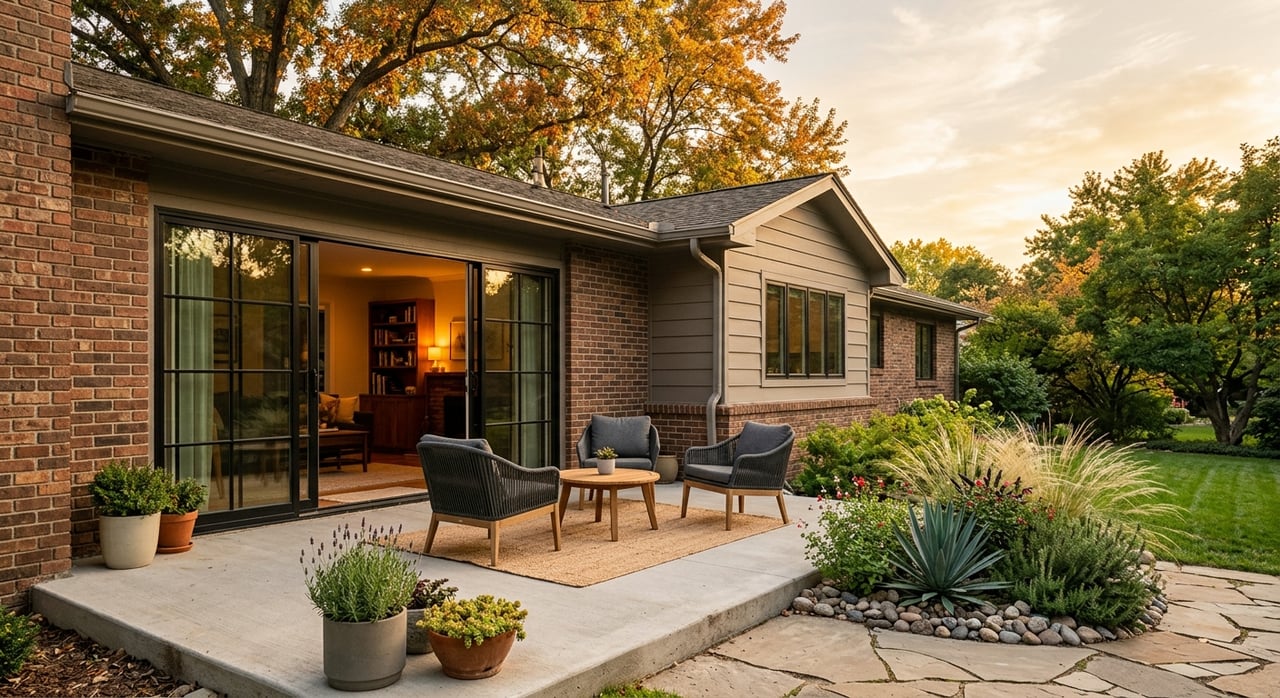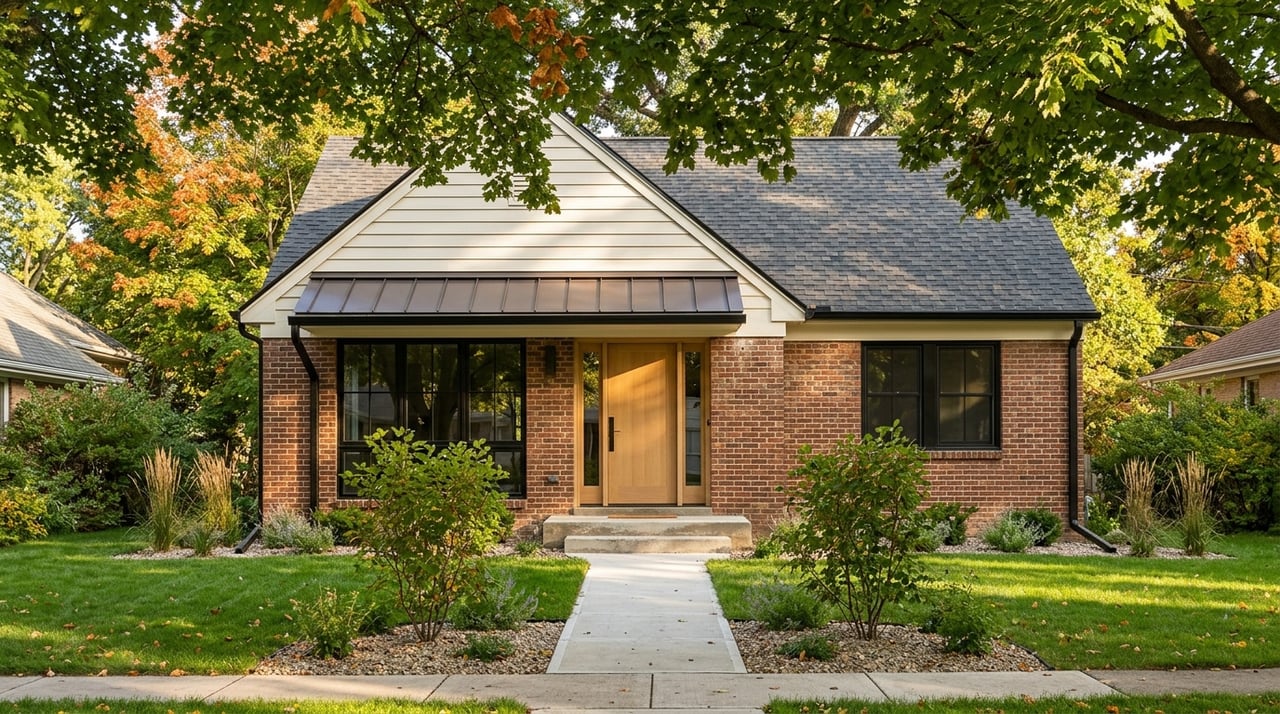

What could your Boulder home actually sell for if you listed it today? If you are trying to time a move, plan a remodel, or just want clarity, guessing will only add stress. You deserve a clear, defensible value range based on the way buyers shop in Boulder right now, not last year. In this guide, you’ll learn how pricing really works here, which local factors move value most, where to find reliable data, and the exact steps to get an accurate estimate. Let’s dive in.
What “sell for today” really means
When you ask what your home could sell for today, you are looking for a market-supported range based on three things: recent comparable sales, current competing listings, and buyer demand at this moment. Short-term shifts over weeks or months can nudge that range up or down.
A credible estimate compares your home to nearby properties that closed recently, then weighs actives and pendings to see how buyers are behaving now. The result is a value range with a recommended list price, not a single number. You will tighten that range as fresh comps close and as buyers respond to your price and presentation.
Boulder market signals to watch
You can read the temperature of the market by watching a few key indicators:
- Median sale price and price trend. Check month-over-month and year-over-year movement to see direction and momentum. Regional snapshots from the Colorado Association of REALTORS market trends and national context from NAR Research and Statistics provide helpful baselines.
- Inventory or months of supply. Low supply points to a seller-leaning market. Higher supply can give buyers more leverage.
- Median days on market and list-to-sale price ratio. These show speed and how close closed prices are to asking.
- New listings vs. pending sales. When pendings outpace new listings, demand is absorbing supply.
Always date the data you use. Conditions shift with seasonality and interest rate moves.
Why micro-markets matter here
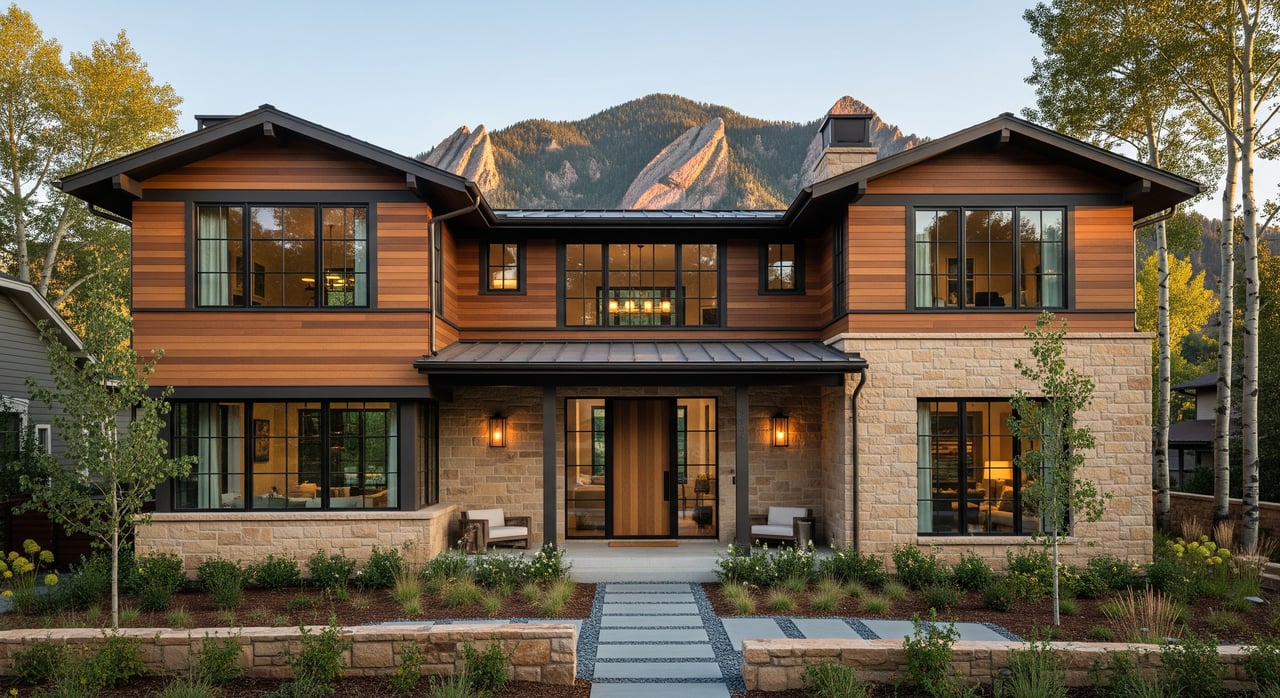
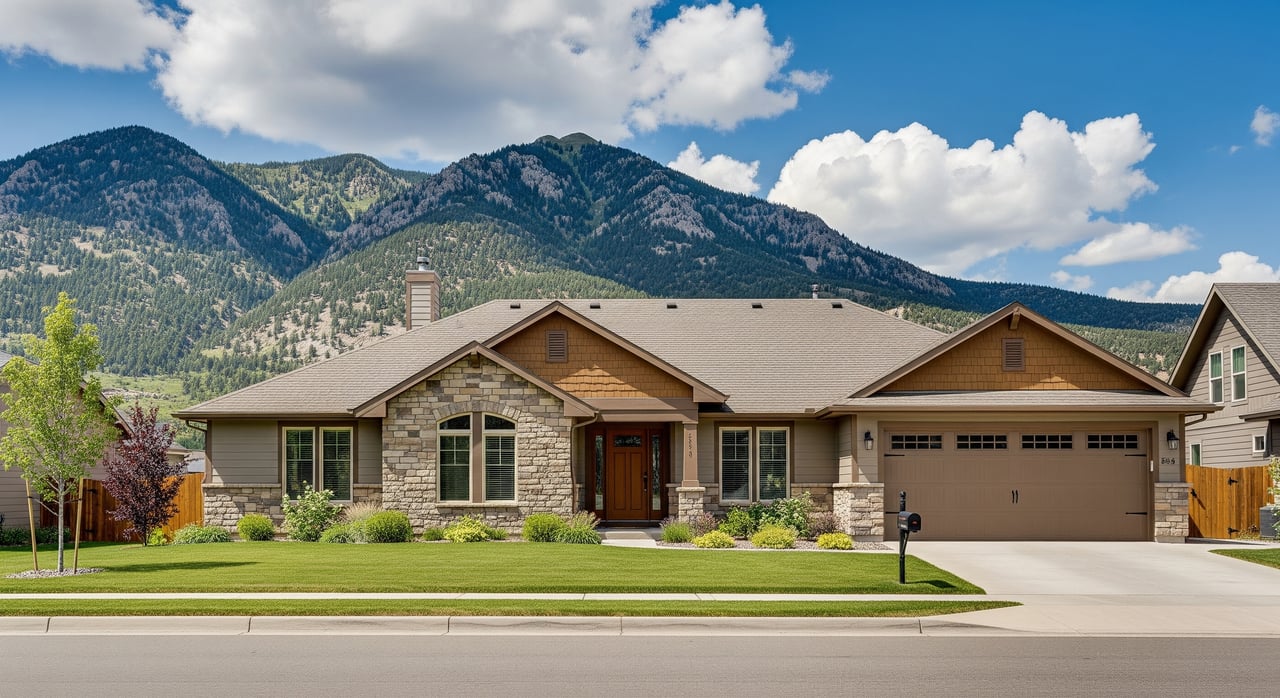
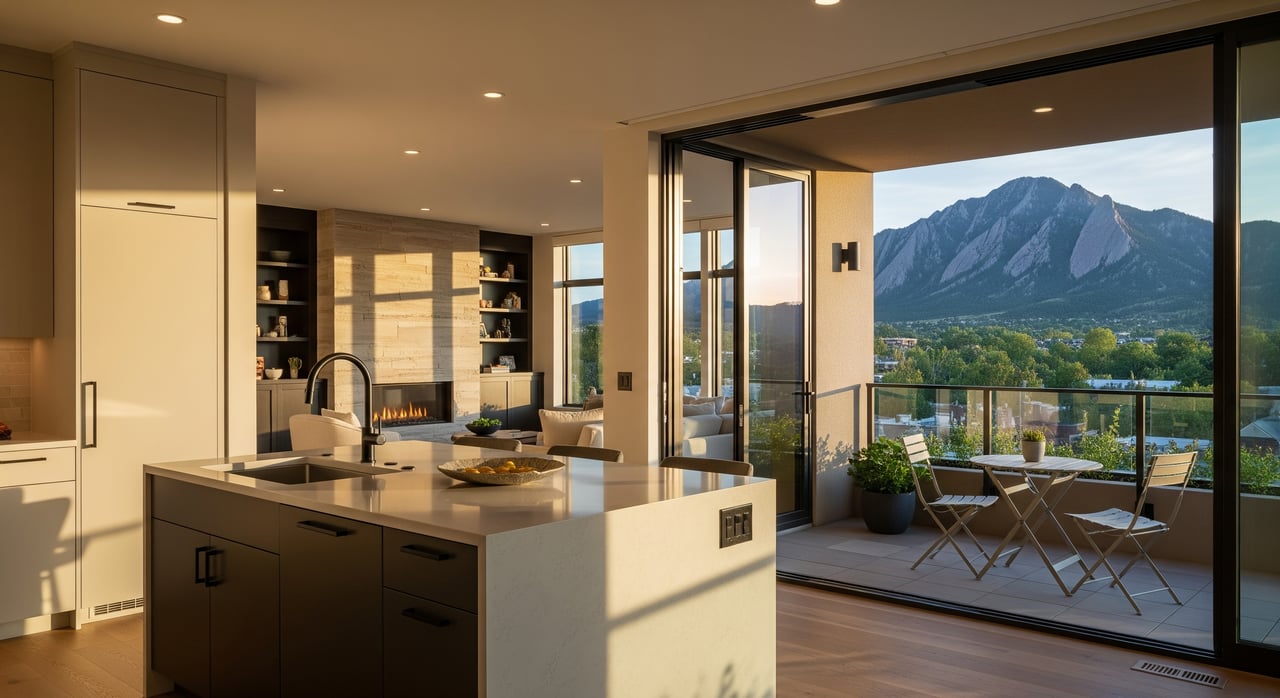
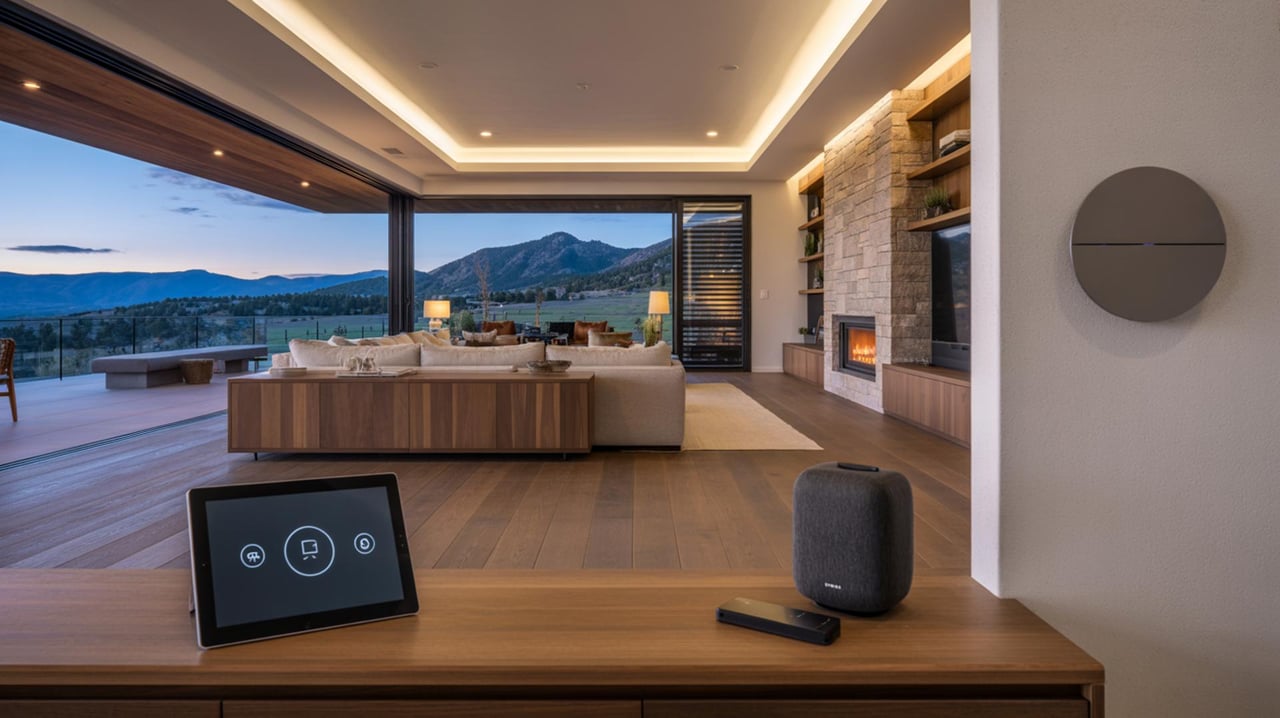
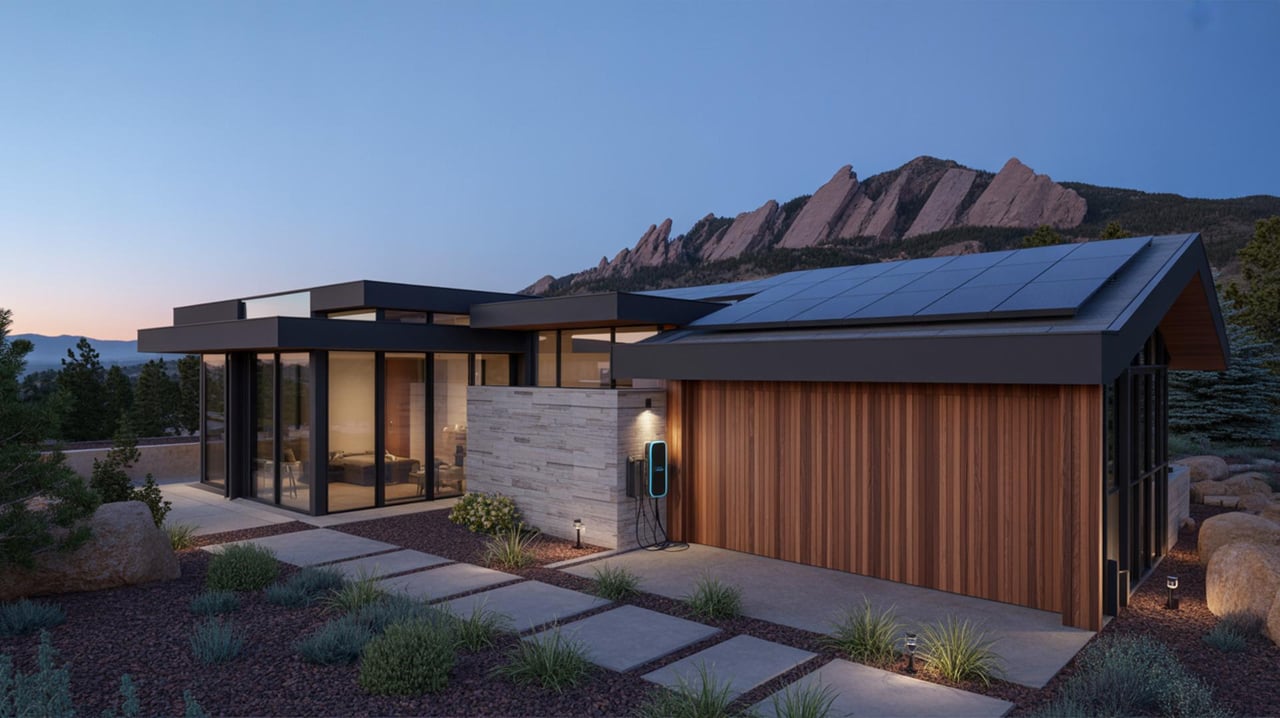
Boulder behaves like a collection of micro-markets. Proximity to CU Boulder, downtown Pearl Street, open space, and trailheads adds demand. Homes with Flatirons or foothills views often command premiums. On the flip side, properties with higher wildfire exposure, steep lots, floodplain considerations, or adjacency to industrial zones may trade at discounts.
Local zoning, preservation overlays, and open-space protections also limit new supply, which can support higher prices per square foot compared with nearby communities. Seasonality still exists, with spring historically bringing more listings and buyers, but tight supply can soften those seasonal swings.
Methods to price your home
There are a few ways to estimate value. Each has strengths and limitations.
Comparative Market Analysis (CMA)
A CMA is the standard, agent-produced estimate. It reviews closed comps from the past 30 to 90 days near your address, plus current actives and pendings. Adjustments account for differences in size, beds and baths, lot features, condition, views, parking, age, and recent updates. You receive a value range and a suggested list price.
- Strengths: local, current, and fast. Great for deciding how to price and launch.
- Limitations: depends on comp quality and thoughtful adjustments. Thin data widens the range.
Appraisal
A licensed appraiser values your home using comparable sales, and in some cases cost and income approaches. Lenders use appraisals for financing.
- Strengths: independent and defensible.
- Limitations: takes longer and costs more than a CMA. In fast markets, the appraised value can lag buyer sentiment.
Automated Valuation Models (AVMs)
Online estimates are free and fast. They are useful for a ballpark check, especially in tract neighborhoods with frequent sales. They struggle with unique homes, major updates, and micro-market dynamics. Treat them as a starting point, not a pricing plan.
Broker Price Opinion (BPO)
A shorter, appraisal-like estimate by an experienced broker. It is more detailed than many AVMs and faster than an appraisal.
Local factors that move value
Every Boulder home is a unique blend of attributes. Here are the levers that most often shift price up or down.
- Location and views. Proximity to CU Boulder, downtown, transit, trails, and open space increases appeal. Mountain and Flatirons views typically add value.
- Lot and orientation. Flat, usable yards, privacy, and southern exposure tend to attract buyers.
- Condition and updates. Kitchens, baths, roof and HVAC, window and insulation upgrades, and finished lower levels or ADUs are high-impact.
- Energy and sustainability. Solar, efficient systems, insulation, and EV infrastructure resonate with Boulder’s environmentally focused buyers. Documented utility savings help.
- Zoning and use. ADU possibilities, short-term rental rules, and HOA restrictions can affect income potential and buyer pools.
- Environmental risks. Floodplain mapping, wildfire risk, steep slopes, or conservation easements can reduce marketability. Confirm lot and hazard details through county resources as you price.
To verify basics like parcel details, lot size, and year built, use the Boulder County Assessor records. Accuracy here matters for comps.
What it could cost to sell
Budget for the costs that come with listing and closing. Exact numbers vary by transaction, but here are common items:
- Agent commissions. Often around 5 to 6 percent of the sale price total, split between listing and buyer representation. All rates are negotiable.
- Seller closing costs. Title and escrow fees, prorated taxes and HOA dues, any negotiated credits, and payoff-related charges. For local recording details, visit the Boulder County Clerk & Recorder, Recording Division.
- Prep, repairs, and staging. Minor cosmetic updates, paint, landscaping, and professional staging can provide strong ROI in Boulder’s presentation-sensitive market.
For an overview of typical closing cost categories, see the CFPB explanation of closing costs.
Taxes and disclosures at a glance
- Capital gains. Many sellers of a primary residence may exclude up to $250,000 of gain if single or up to $500,000 if married filing jointly, if the ownership and use tests are met. Review the current rules in IRS Publication 523, Sale of Your Home and consult a tax professional.
- Colorado disclosures. Colorado requires statutory property disclosures. You can review current state forms and guidance via the Colorado Division of Real Estate contracts and forms.
Timeline from list to close
Speed depends on price point, competition, and how well your home is positioned. Listing to contract can be days in a tight segment or longer when supply grows. Once under contract, expect about 30 to 45 days to close with mortgage financing, subject to appraisal and inspection timelines. Cash deals can be faster.
Steps to get your price estimate
Here is a practical path to a reliable number and a strong launch.
- Gather essentials
- Full address and parcel ID
- Recent property tax bill and utility statements
- List of renovations with dates and receipts
- Room counts and square footage source
- HOA documents and contact if applicable
- Zoning, lot, and any hazard documentation
- Request CMAs from two or three local experts
- Ask for the exact comps, adjustments, and a value range.
- Request a plan for pricing, marketing, and buyer sourcing.
- Decide whether to order a pre-listing appraisal
- Helpful when comps are sparse or for unique homes.
- Use AVMs as a cross-check only
- Do not set a list price based on an online estimate alone.
- Consider a pre-listing inspection
- Identify issues early so you can fix or disclose upfront.
- Prep for presentation
- Declutter, deep clean, paint in neutral tones, freshen landscaping.
- Invest in professional photography, floor plans, and virtual tours. Boulder’s mid to upper market rewards polished visuals.
Example: quick net proceeds math
Example only. Your numbers will differ.
- Hypothetical sale price: $1,000,000
- Less agent commission: assume 5.5 percent = $55,000
- Less seller closing costs: assume 1.0 percent = $10,000
- Less mortgage payoff: example $450,000
- Less prep and repairs: example $8,000
- Less recording and misc. fees: example $1,000
Estimated net proceeds: $1,000,000 − $55,000 − $10,000 − $450,000 − $8,000 − $1,000 = $476,000
Formula to use for your scenario: Net proceeds = sale price − mortgage payoff − commission − seller closing costs − repairs/improvements − outstanding liens/assessments − transfer/recording fees.
How we help you price and win in Boulder
To earn top-of-market results here, presentation and pricing must work together. You want visuals that stop buyers from scrolling and a price anchored in neighborhood data. Our approach pairs both: creative, design-forward listing prep with a rigorous, hyper-local CMA.
- Data-driven pricing. We analyze recent sales, actives, and pendings, and tailor adjustments to your home’s unique features.
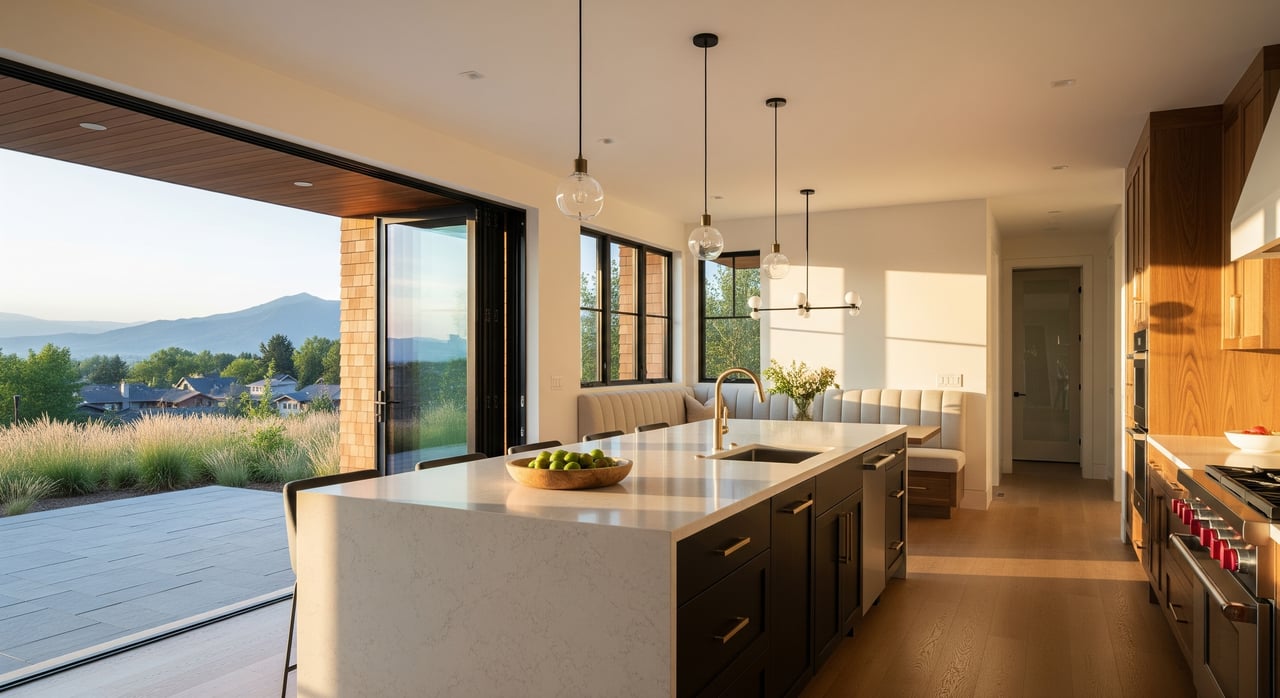
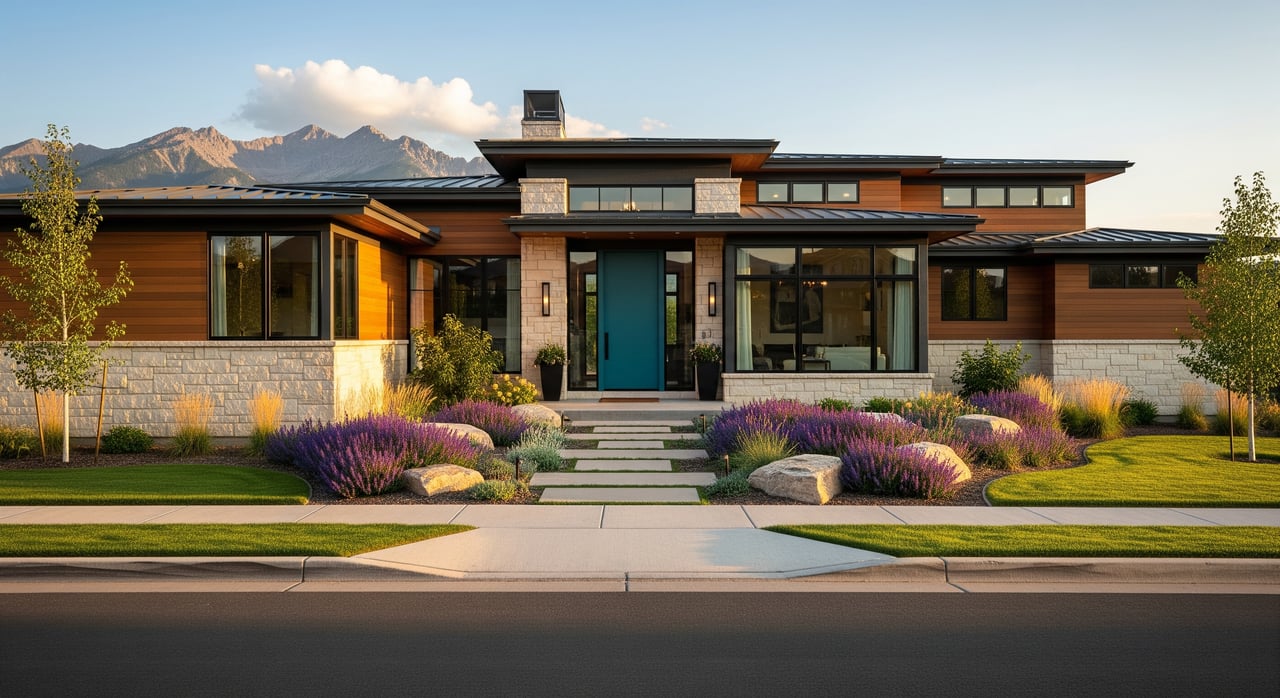
- Best-in-class presentation. Professional photography, floor plans, virtual tours, and thoughtful staging help your home compete in Boulder’s premium segments.
- Clear coaching. We model scenarios so you understand timing, pricing strategy, and likely net proceeds.
Ready to see what your home could sell for today and how to maximize it with smart prep and polished marketing? Reach out to Griffith Home Collective to get your personalized home valuation.
FAQs
How accurate are online home estimates for Boulder?
- Online estimates are a quick starting point, but they can be off for unique homes and micro-markets. Use them for ballpark context, then get a local CMA and consider an appraisal if you need a highly defensible value.
What documents should I gather before a Boulder home valuation?
- Collect your parcel details, recent tax bill, utility history, renovation list with dates and receipts, square footage source, HOA documents, and any zoning or hazard info. Verify parcel facts with the Boulder County Assessor.
How long does it usually take to sell a home in Boulder?
- Timing varies by price bracket and competition. Use current months of supply and days on market from MLS or the CAR market trends report as a guide. Pricing and condition are the biggest speed drivers.
Should I get a pre-listing appraisal for my Boulder home?
- It can be helpful if your home is unique or comps are sparse. It costs more than a CMA and takes more time, but it provides an independent, defensible opinion that can reduce renegotiation risk.
What seller costs should I expect at closing in Boulder?
- Expect agent commissions, title and escrow fees, prorated taxes and HOA dues, payoff-related charges, and any negotiated credits. Recording details are handled by the county. See the Clerk & Recorder’s Recording Division. For general cost categories, review the CFPB closing cost guide.
Do I need to repair everything before I list?
- No. Prioritize safety items, material defects, and anything likely to reduce offers. Light cosmetic updates and staging often deliver strong ROI in Boulder’s presentation-savvy market. Review required Colorado disclosures on the DORA contracts and forms page.