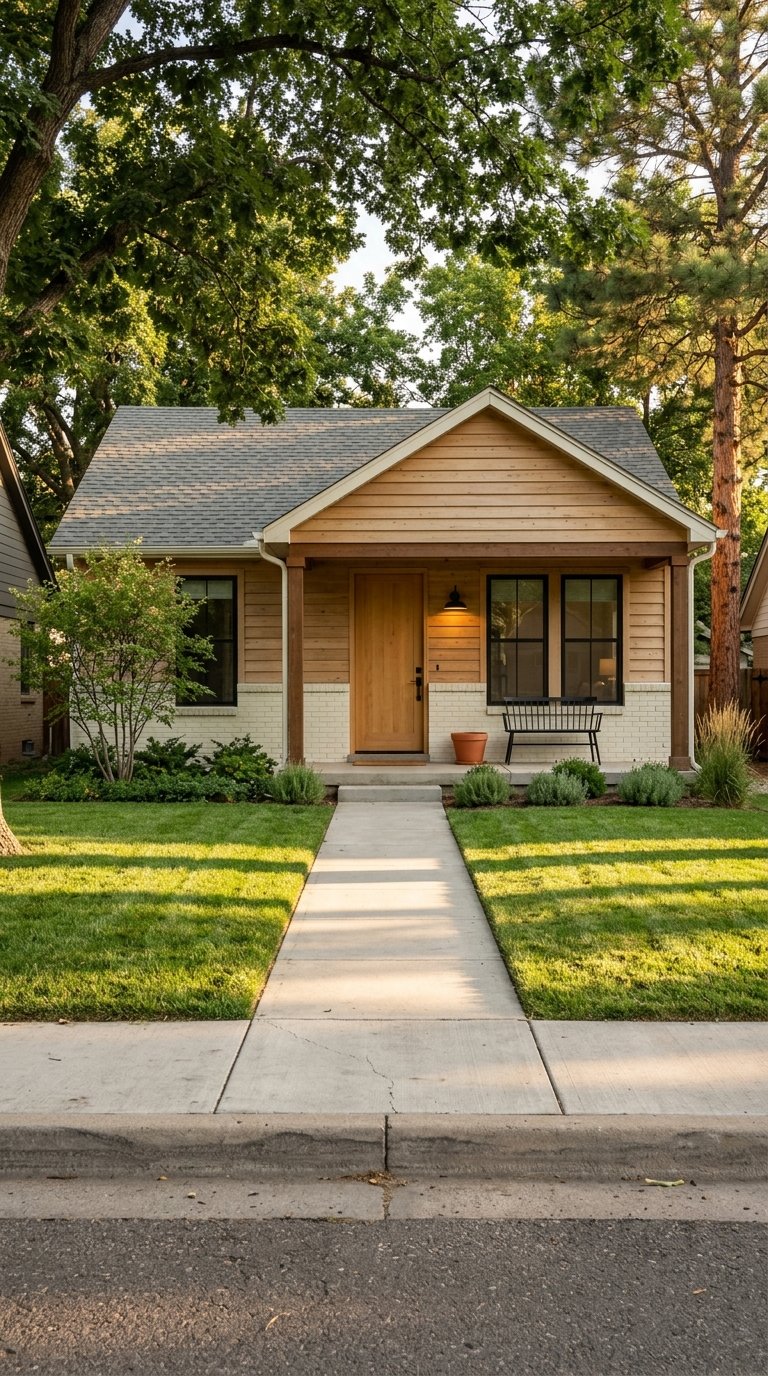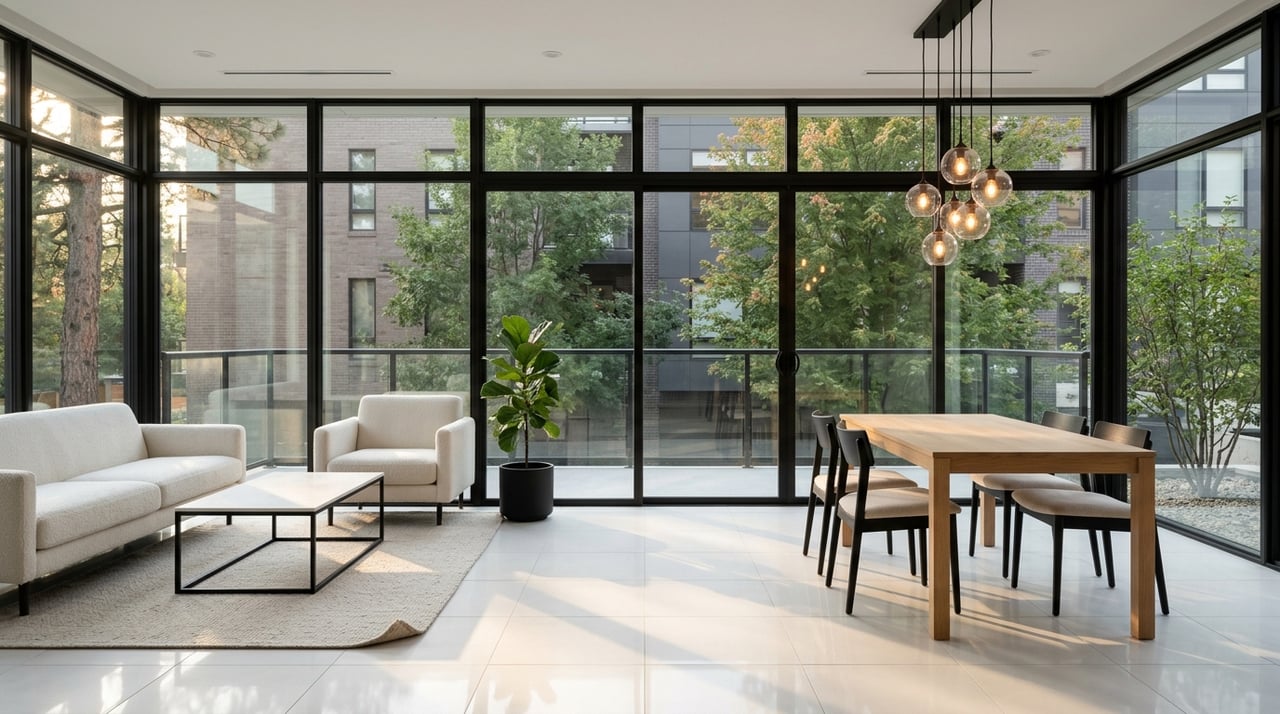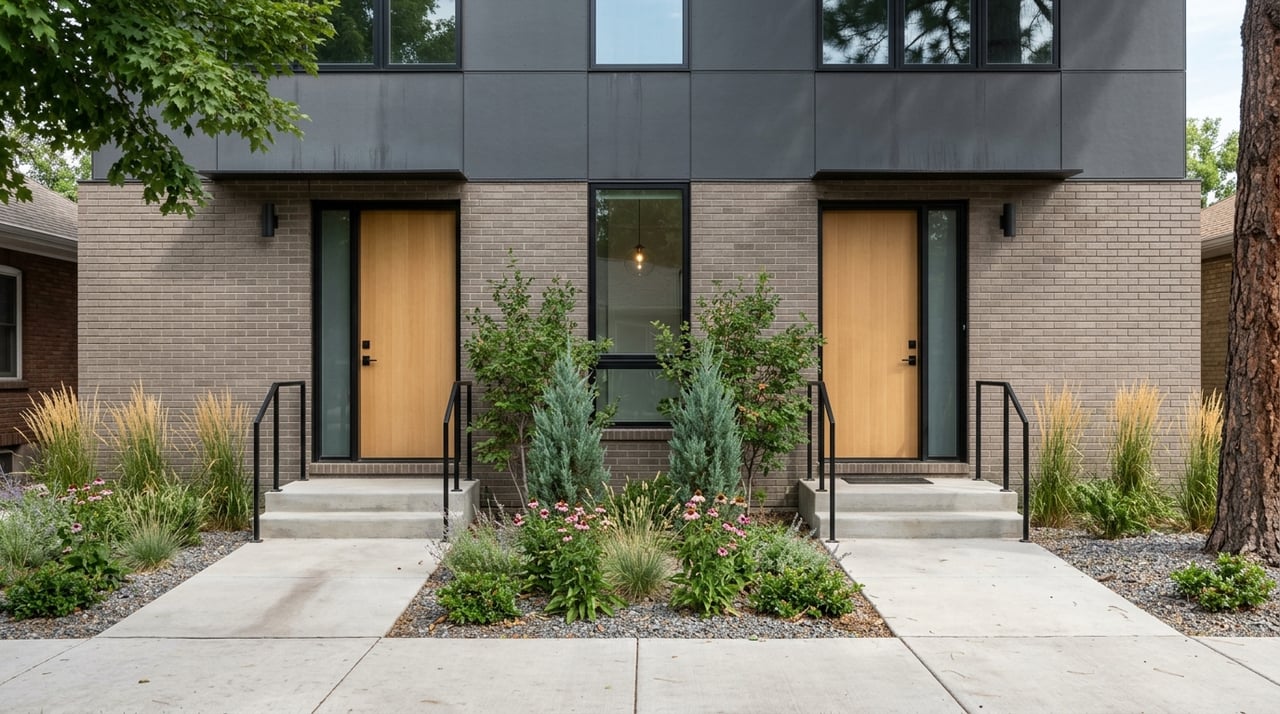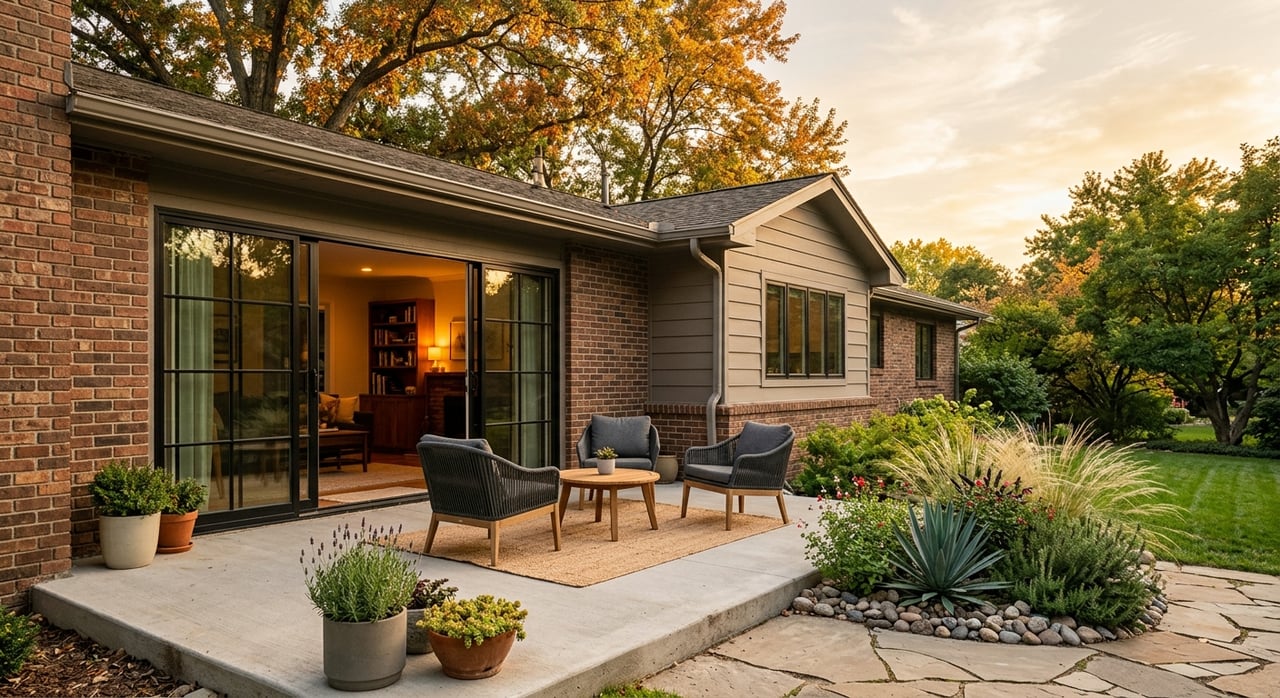

If you own or plan to buy in Denver, the city’s new accessory dwelling unit rules just changed the playing field. You want to know whether an ADU could boost your home’s value, help with rental income, or shift buyer demand in your neighborhood. In this guide, you’ll learn what changed, how value is actually created, and what to watch in Denver’s market. Let’s dive in.
Denver’s ADU rules: what changed
Denver City Council approved a citywide ADU zoning update in November 2024, effective December 16, 2024. The change expands where ADUs are allowed from about 36 percent to roughly 70 percent of residential land and aligns local rules with state law. You can review the city’s update in the official announcement from Community Planning and Development.
At the state level, Colorado’s HB24-1152 took effect May 13, 2024. It requires many cities and counties to allow one ADU where single-unit detached homes are allowed, limits certain restrictions, sets administrative approval paths, and creates grant and financing programs through DOLA and CHFA. Jurisdictions have a compliance deadline of June 30, 2025. You can read the bill summary and text on the Colorado General Assembly page.
If you are planning a project, Denver’s permitting guidance covers approvals, design standards, and contractor requirements. Start with the city’s ADU permits page.
Value drivers to watch
Rental income and appraisal
A legally permitted ADU can generate rental income, and some lenders or appraisers may consider a portion of that income in qualification or valuation. The uplift depends on realistic neighborhood rents, vacancy, and operating costs. When rents soften, the value bump from income typically softens too.
Added space and flexibility
An ADU can increase usable living area and give buyers options for long-term guests, multigenerational living, or a studio. Permitted and well-documented units usually appraise more reliably than informal conversions.
Neighborhood context
Local demand matters. Areas close to jobs or transit often see stronger rent potential. Streets with limited parking or many short-term rentals may see mixed buyer reactions. Expect valuation to vary by block and by property.
What the evidence shows
The research is mixed. A credible repeat-sales study of Ogden, Utah, found no statistically significant change in nearby home values after ADU rental legalization, suggesting that legalization alone does not automatically push prices up or down. You can review the study summary in the Journal of Housing Research via Taylor & Francis.
Industry summaries sometimes note sale price premiums for homes with ADUs, but results vary by city, ADU type, and permitting status. Treat percentage uplift figures as market-sensitive heuristics, not guarantees. See an overview of reported ranges in this data-driven industry analysis.
Denver market factors now
- Home prices: Local reporting shows a high-price baseline with signs of moderation in 2025. A more balanced market can make it harder to recoup full construction costs at resale in the short term. Get a snapshot from this recent Denver market overview.
- Rents and vacancy: Denver saw rising apartment vacancy near 7 percent in early 2025. Softer rents can reduce how much ADU income gets capitalized into price. See context in Axios Denver’s rental vacancy update.
Practical checklists
If you plan to build an ADU before selling
- Run the numbers: get build quotes and compare against likely sale-price uplift plus long-term rent potential. Prior reporting put many Denver ADUs in the low hundreds of thousands, with ranges like 236,000 to 310,000 dollars depending on scope. See background on costs in Axios Denver’s coverage.
- Permit everything: permitted, code-compliant ADUs are far more financeable and marketable. Follow the city’s ADU permits checklist.
- Budget for taxes: new living area usually triggers reassessment of market value. Review rates and examples on the Denver Assessor’s page.
If you’re buying a home with an ADU
- Verify legality: confirm permits, final inspections, and whether the unit meets current standards. Ask for plans, utility details, and any lease on file.
- Check financing: ask your lender how they treat ADU income. Some programs tied to HB24-1152 implementation may emerge through DOLA or CHFA. Track updates on the state’s ADU grant program page.
- Review HOA rules: HB24-1152 limits many prohibitions, but association bylaws can still influence operations. Read the documents and confirm with counsel when needed. See the bill page for the framework.
If you’re pricing and marketing a home with an ADU
- Start with local comps: prioritize sales of permitted ADU properties in your neighborhood, then triangulate with realistic rents and vacancy. The Ogden study linked above is a helpful example of neutral aggregate effects.
- Set expectations: industry uplift ranges exist, but Denver outcomes will vary. Use the industry analysis as context, not a promise.
- Document everything: provide permits, plans, rent history, and utility info to help buyers and appraisers underwrite the ADU’s contribution.
Bottom line for Denver values
The citywide allowance dramatically expands the potential for ADUs in residential neighborhoods. Whether that translates into higher prices on a given street will depend on your micro-market, construction and financing costs, and the direction of rents and vacancy. If ADUs scale up across the city, they add to rental supply, which can ease rent growth and moderate how much income gets priced into values over time. The smartest move is to pair careful financial modeling with current local comps and clear documentation.
If you want help reading the market and positioning your property, connect with Emelie Griffith for a data-savvy, design-forward plan tailored to your goals.
FAQs
Will Denver’s ADU legalization lower single-family values in my neighborhood?
- Mixed evidence so far, and one rigorous study of a similar policy in Ogden, Utah, found no significant impact on nearby home values after legalization; track local sales data and review the study summary.
How will an ADU affect my property taxes in Denver?
- Adding a permitted ADU typically increases assessed market value, which can raise taxes; see rates, examples, and contact info on the Denver Assessor page.
What does HB24-1152 change for homeowners?
- The state law requires many jurisdictions to allow one ADU for single-unit detached homes, restricts some local barriers, and creates DOLA and CHFA programs to support ADUs; read the bill summary.
How much do ADUs cost to build in Denver right now?
- Prior local reporting shows many projects in the low hundreds of thousands, with ranges like 236,000 to 310,000 dollars depending on design and site; see Axios Denver’s overview.
Where can I start if I want to permit an ADU?
- Begin with Denver’s official ADU permits page for requirements and checklists, and watch the state’s grant program updates for potential assistance.