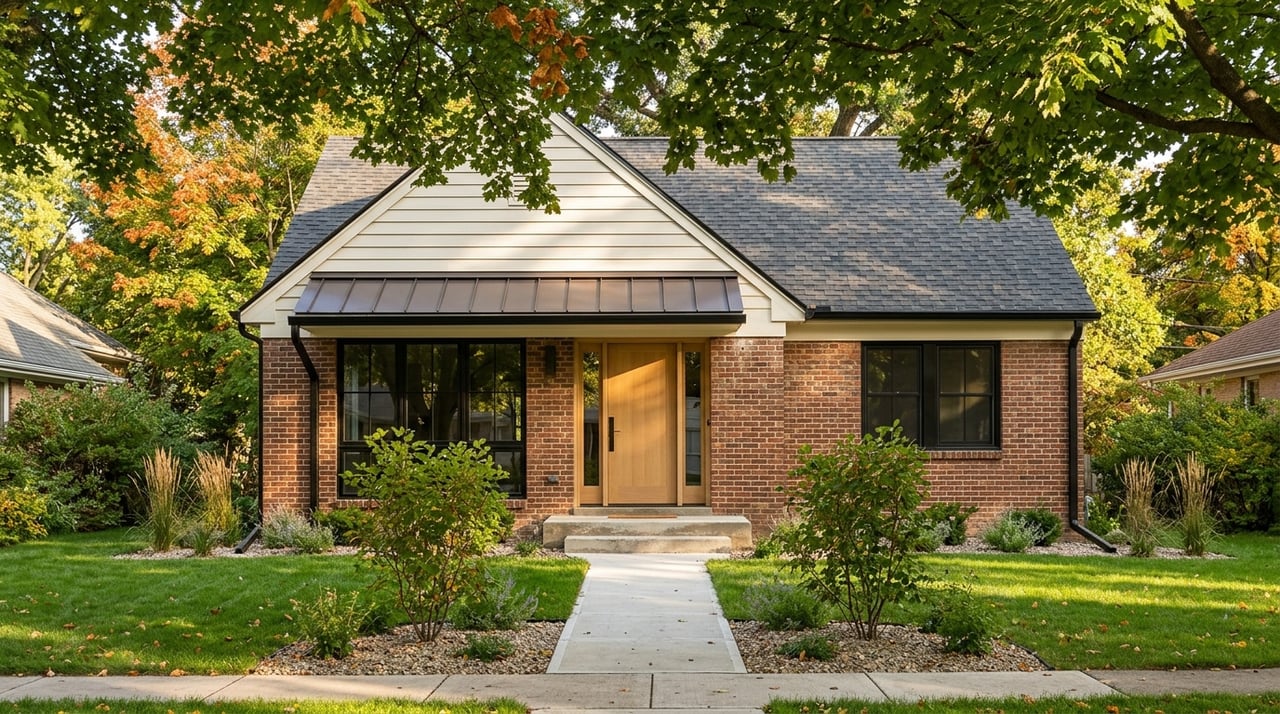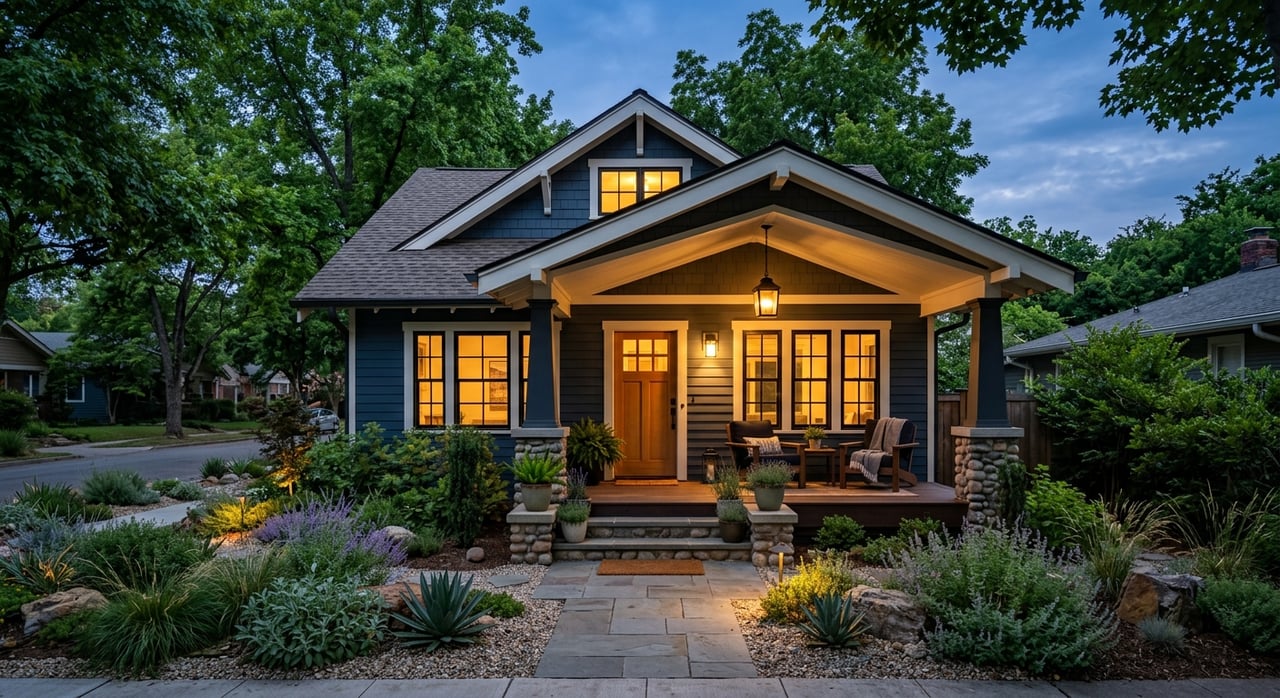
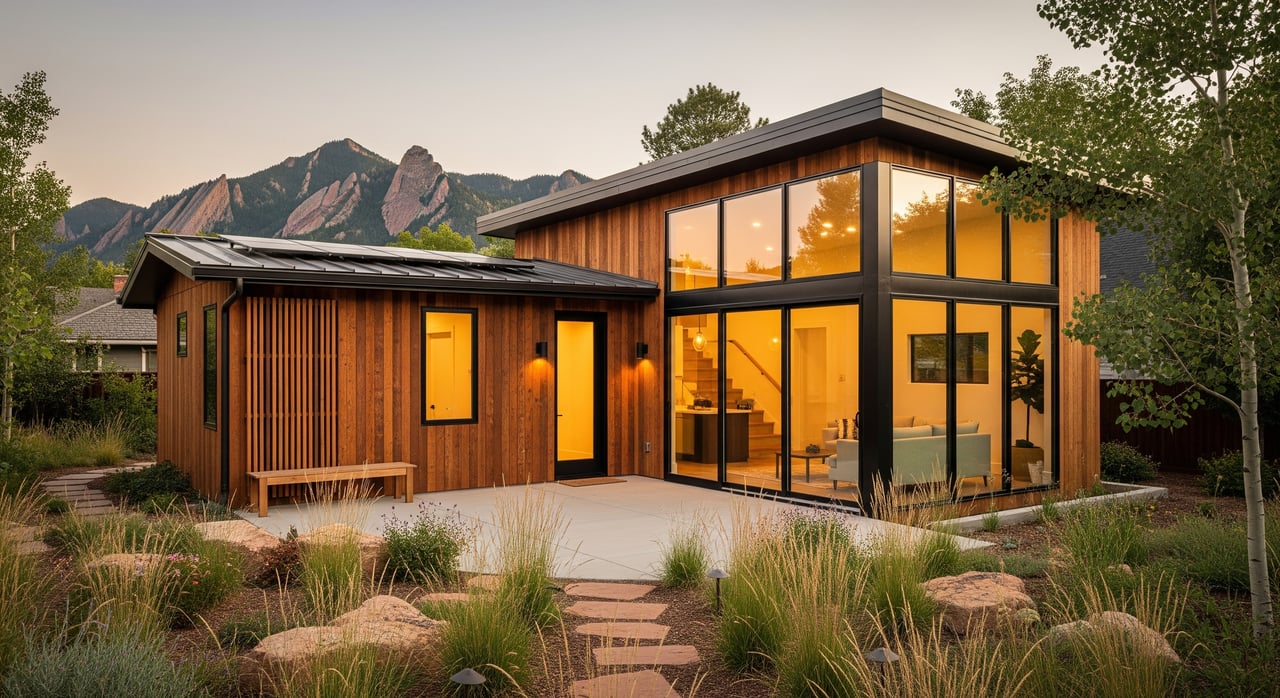
Thinking about buying in North Boulder and wondering if an ADU could help you offset your mortgage or create space for family? You are not alone. With strong rental demand and limited smaller units, accessory dwelling units are a smart way to add flexibility and value. In this guide, you will learn what to look for, how Boulder’s rules work, and how to plan your numbers with confidence. Let’s dive in.
Why ADUs matter in North Boulder
North Boulder sits within the City of Boulder’s jurisdiction, so city zoning, building permits, utilities, and rental rules apply. Older single-family homes, garages, and alley lots make the area a prime place to find existing ADUs or to add one. Strong demand from students, professionals, and downsizers means well-designed ADUs can support long-term rental income or multi-generational living.
ADUs may improve resale by broadening your buyer pool and increasing functional living space. They also change how a property is assessed and insured, so it is important to evaluate both benefits and obligations before you buy.
What zoning allows
ADUs generally come in three forms:
- Internal conversions within the existing home.
- Attached additions connected to the main dwelling.
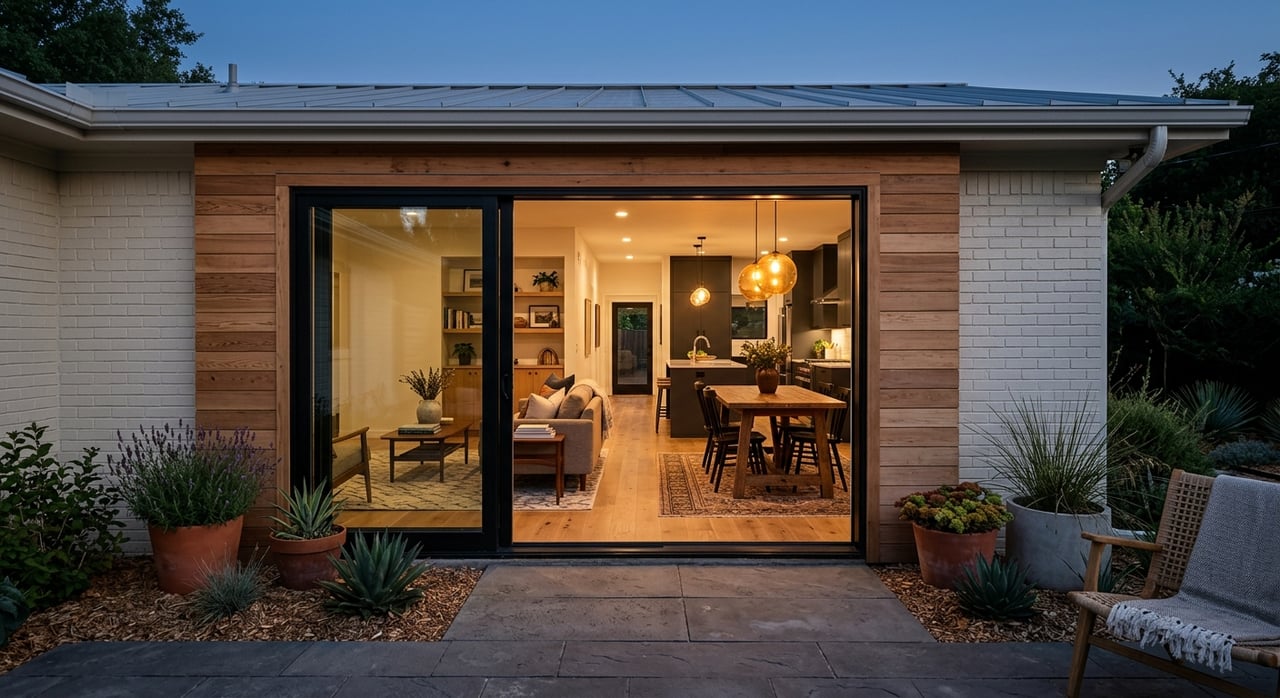
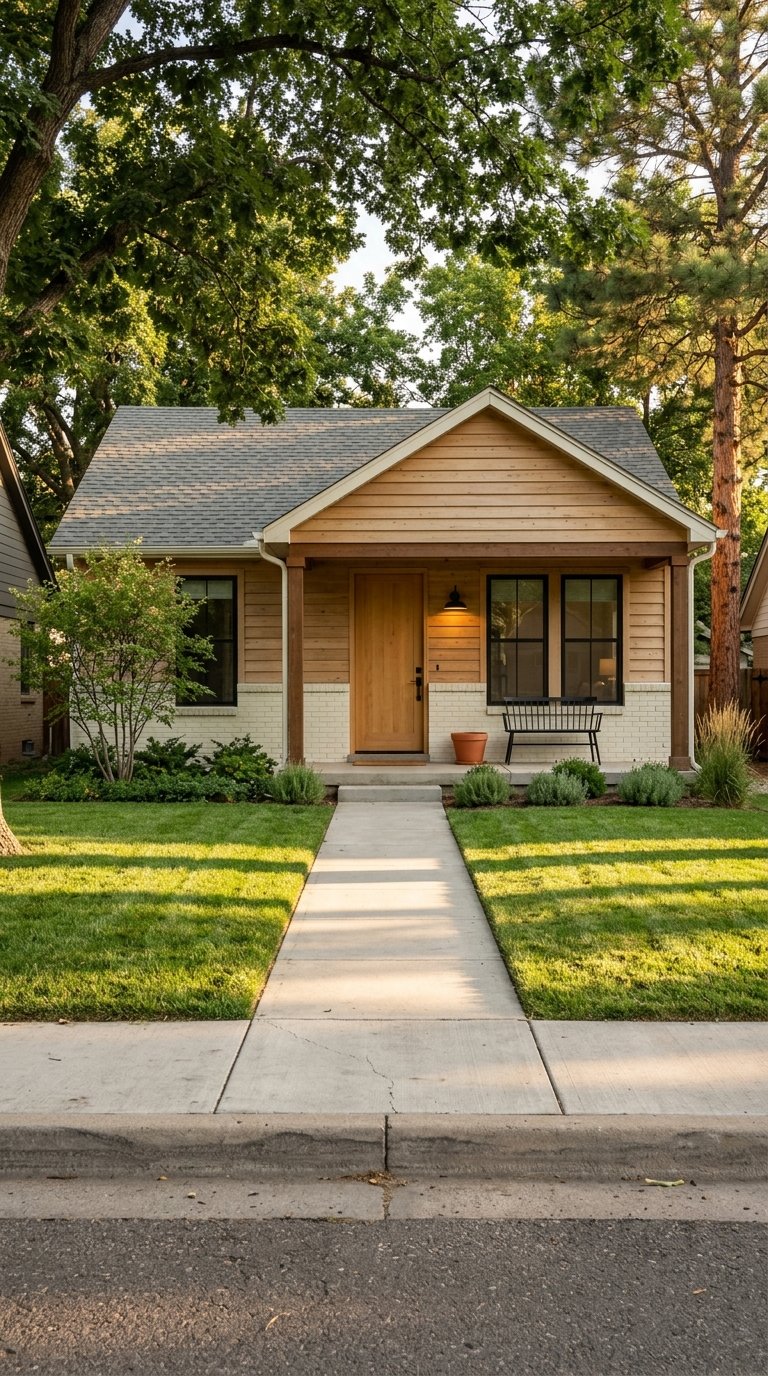
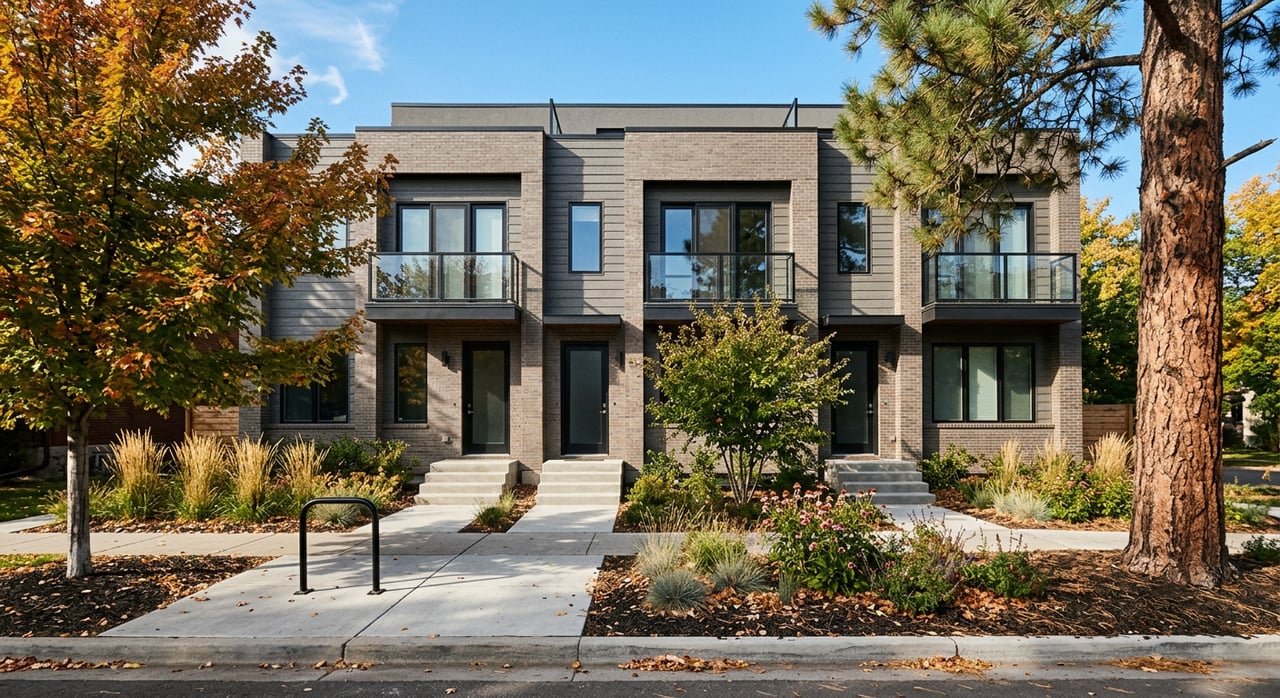
- Detached backyard cottages or converted garages.
What is allowed depends on the City of Boulder zoning district for the parcel. Rules can include maximum unit count per lot, setbacks, lot coverage, and size limits by square footage or as a percentage of the main house. Because details shift by district and can change, confirm current allowances with City of Boulder Planning & Development Services before moving forward.
Parking and neighborhood fit
Off-street parking requirements vary by zone and proximity to transit. Some locations may qualify for reduced parking. Ask the city what applies to the property you are considering, and review any HOA rules or historic restrictions that could limit exterior changes.
Permits, codes, and approvals
Most ADU projects require a building permit and plan review. Expect review of life-safety items such as egress windows, smoke and carbon monoxide detectors, electrical and plumbing permits, and fire separation between units. Energy-efficiency standards in Boulder can be higher than state minimums, so plan for insulation and systems that meet local code.
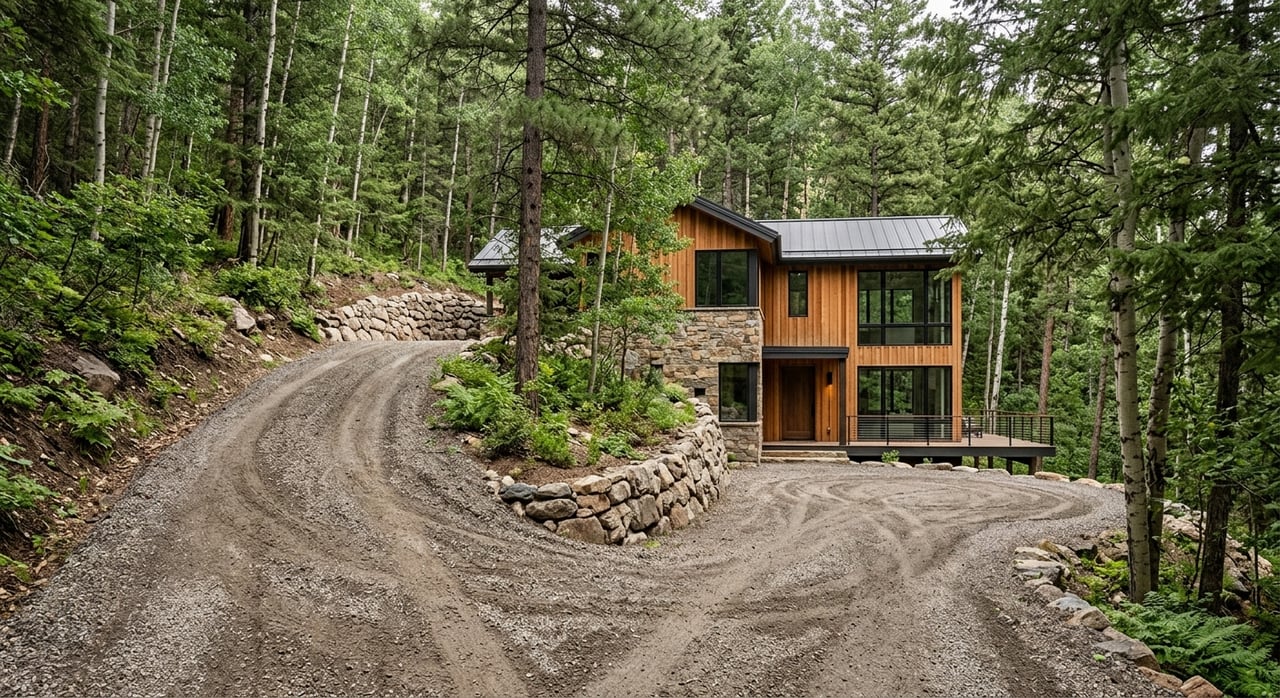
If you are in a hillside or foothills-adjacent area of North Boulder, wildfire-resilience and slope considerations may influence design and materials. Boulder Fire-Rescue can advise on defensible space, ember-resistant construction, and vegetation management requirements.
Utilities and metering
Utility connections are a key cost and schedule driver. Policies for separate meters versus a single account differ by provider and city rules. Clarify water, sewer, gas, and electric connection options and any fees with City of Boulder Utilities and local providers before you finalize your budget.
Short-term rental and occupancy rules
Boulder regulates short-term rentals. Do not assume you can use an ADU for short-term stays without confirming current licensing and registration requirements. Some rules also address owner occupancy or the number of unrelated occupants. Verify the latest standards directly with the city to avoid surprises.
What to check before you buy
Use this quick due diligence checklist:
- Confirm the property is inside City of Boulder limits and note the zoning district.
- Ask for ADU permits, as-builts, final inspections, and the certificate of occupancy for any existing unit.
- Review recorded covenants, HOA rules, and any historic-district or design overlay restrictions.
- Order a title search for easements that may affect a detached ADU or utility routing.
- If planning a new detached unit, obtain a site survey to verify setbacks, lot coverage, and utility locations.
- Speak with Planning & Development Services about what ADU types and sizes are currently allowed on the parcel.
- Contact the Boulder County Assessor for property tax implications of an existing or future ADU.
- Consult Boulder Fire-Rescue for wildfire mitigation requirements.
- Get multiple bids and timelines from local architects and contractors with ADU experience.
- Pull current rental comps through local property managers or listing services if you plan to rent.
- Confirm insurance coverage and costs with an insurer familiar with Boulder and wildfire risk.
Costs and timelines
Costs vary widely by ADU type and site conditions:
- Internal or garage conversions often cost less per square foot and move faster to permit.
- Attached additions are mid-range and require foundation work and system integration.
- Detached cottages tend to be the most expensive due to new foundations, utilities, grading, and standalone systems.
As a planning range in Colorado urban markets, projects can run from low five figures for basic garage conversions to mid or high six figures for larger detached units. Boulder’s labor and materials typically run above national averages, so local bids are essential. Timelines range from a few weeks for simple interior conversions to many months for detached new builds, depending on design, site constraints, and plan review workload.
Financing your ADU
You have several options:
- Cash or savings.
- Home equity line of credit or home equity loan.
- Cash-out refinance.
- Construction or renovation loans, including certain lender construction-to-perm products.
- Some buyers use FHA 203(k) or Fannie Mae Homestyle renovation loans. Underwriting for ADUs varies, and some lenders may consider projected long-term rental income. Speak with local mortgage pros who understand Boulder ADU projects.
Insurance, taxes, and value
Adding or buying a property with an ADU will likely change your insurance and taxes. Update your homeowners policy to cover the additional dwelling and any rental liability. Expect assessed value to increase when an ADU is added or formalized. For a clear investment picture, model higher property taxes, insurance, utilities, maintenance, and vacancy against realistic rent projections.
Design and use ideas
Think about how you will use the space over time. For multi-generational living, plan for step-free entries, wider doors, and a full bath. For long-term rentals, favor durable finishes, efficient heating and cooling, and good natural light. In foothills-adjacent areas, consider ember-resistant materials and thoughtful landscaping that supports defensible space.
Rental market basics
North Boulder ADUs often appeal to one-bedroom and efficiency renters. Check current comps through local property managers and listing services, and assume management, turnover, utilities, and routine maintenance in your net income. Your lease-up plan should align with Boulder’s occupancy and rental rules.
A simple buyer roadmap
- Define your goal: family use, rental income, or both.
- Identify candidate properties and confirm zoning and STR rules.
- Verify any existing ADU’s legality and permit history.
- Scope the project with an architect or contractor and request line-item estimates.
- Confirm utilities, metering approach, and connection fees with the city and providers.
- Speak with a lender about HELOC, cash-out, or renovation loan options.
- Model cash flow with taxes, insurance, management, and a vacancy reserve.
- Build a schedule with plan review time, construction, and lease-up.
Local contacts to call
- City of Boulder Planning & Development Services for zoning, ADU rules, and permits.
- City of Boulder Building Services for code compliance and plan review.
- City of Boulder Utilities for water, sewer, and electric connection policies.
- Boulder Fire-Rescue for wildfire and defensible-space guidance.
- Boulder County Assessor for property valuation and taxes.
- Local lenders and mortgage brokers experienced with ADUs in Boulder.
- Local architects, contractors, and property managers with ADU portfolios.
Ready to evaluate an ADU property?
If you want a clear, local plan for buying in North Boulder with an ADU strategy, let’s map it out together. From zoning and permit history to contractor intros and rent comps, you will get a practical path forward and design-minded advice that fits your goals. Reach out to Emelie S Griffith to start your ADU-focused search.
FAQs
What is an ADU in North Boulder?
- An ADU is a smaller second dwelling on a residential lot, such as an internal suite, an attached addition, or a detached backyard unit, regulated by the City of Boulder.
Are detached ADUs allowed on every North Boulder lot?
- No. Allowance depends on the property’s zoning district, setbacks, lot coverage, and size limits. Confirm with City of Boulder Planning & Development Services for your specific parcel.
Can I use an ADU for short-term rentals in Boulder?
- Boulder regulates short-term rentals and may require licensing or prohibit certain uses. Do not assume STRs are allowed without checking current city policies.
How much does it cost to add an ADU in Boulder?
- Costs vary by type and site. Many projects range from low five figures for simple garage conversions to mid or high six figures for larger detached units. Get local bids for accuracy.
How long does ADU permitting and construction take?
- Simple interior conversions can move in weeks, while detached units may take many months due to design, plan review, and construction schedules. Build in extra time for revisions.
Will an ADU increase my Boulder County property taxes?
- Very likely. Adding an ADU typically increases assessed value. Contact the Boulder County Assessor to understand how improvements are evaluated.
Do I need extra parking for an ADU in North Boulder?
- Possibly. Parking requirements vary by zoning and may have reductions near transit. Check parking rules with the city for the specific property.