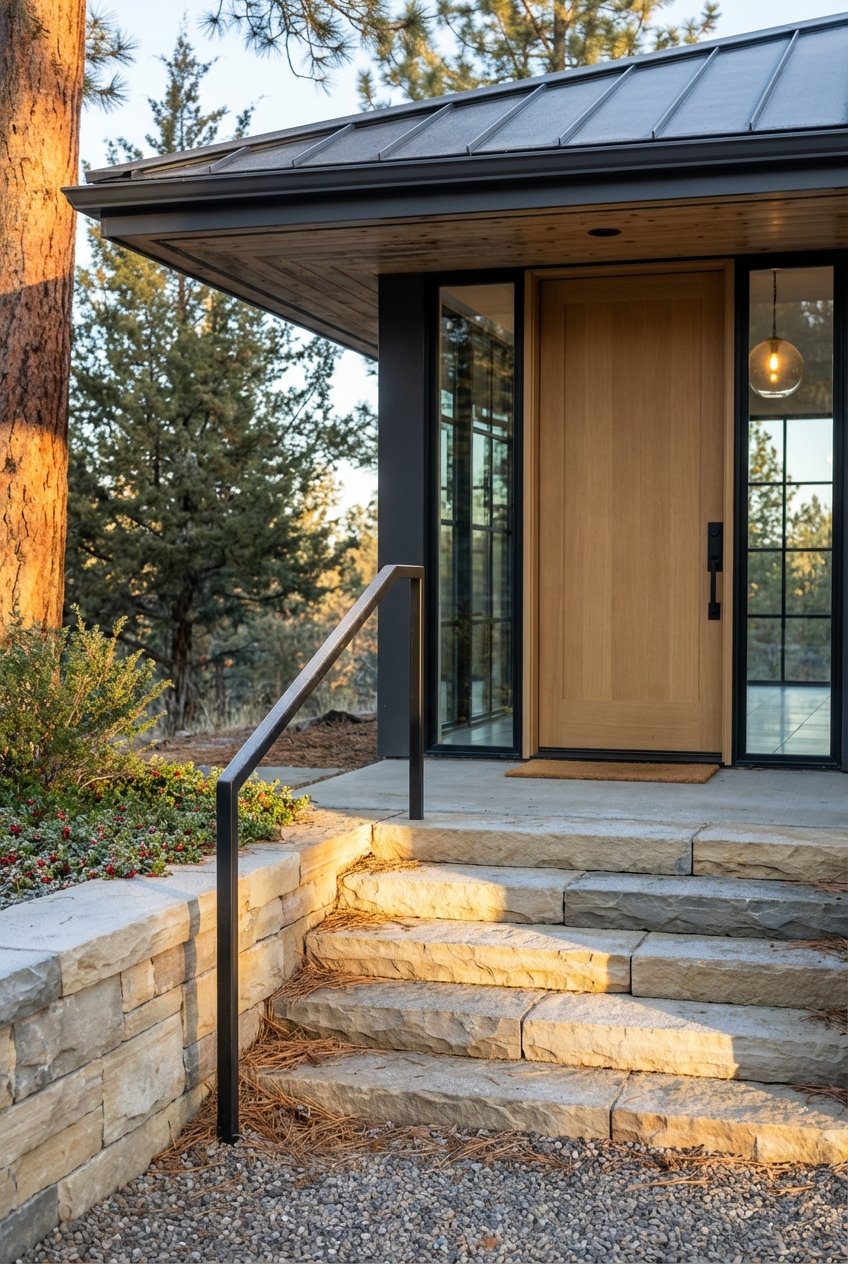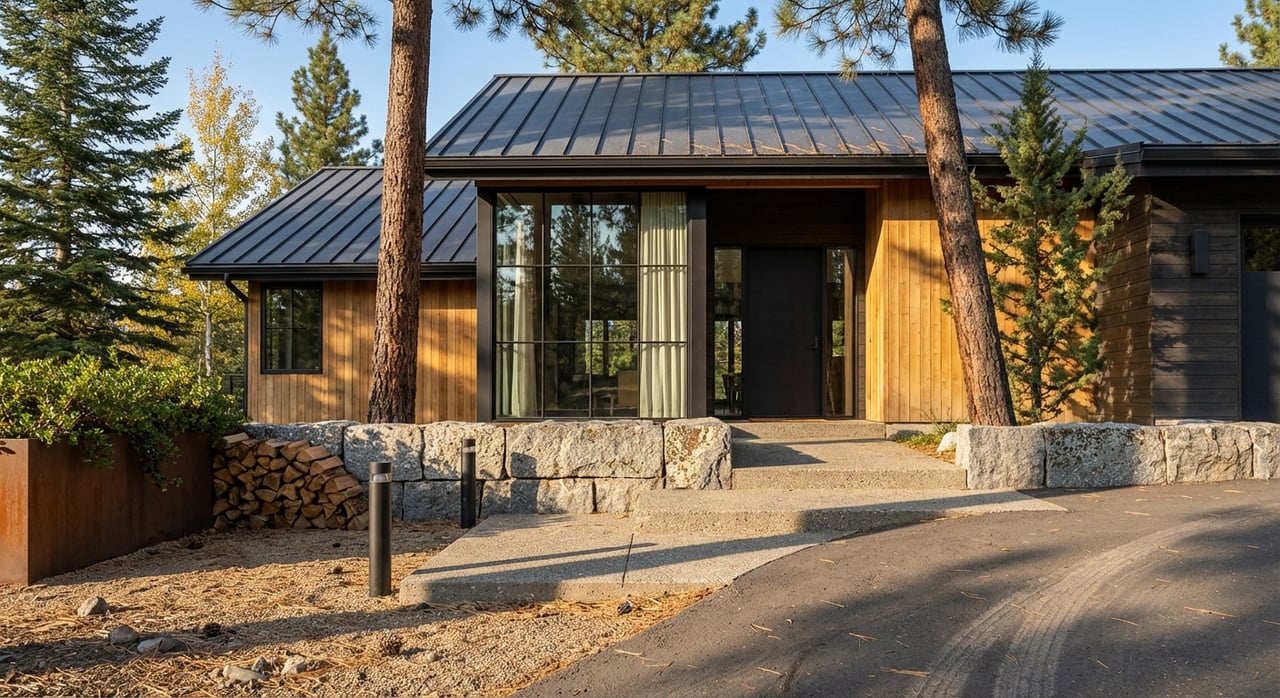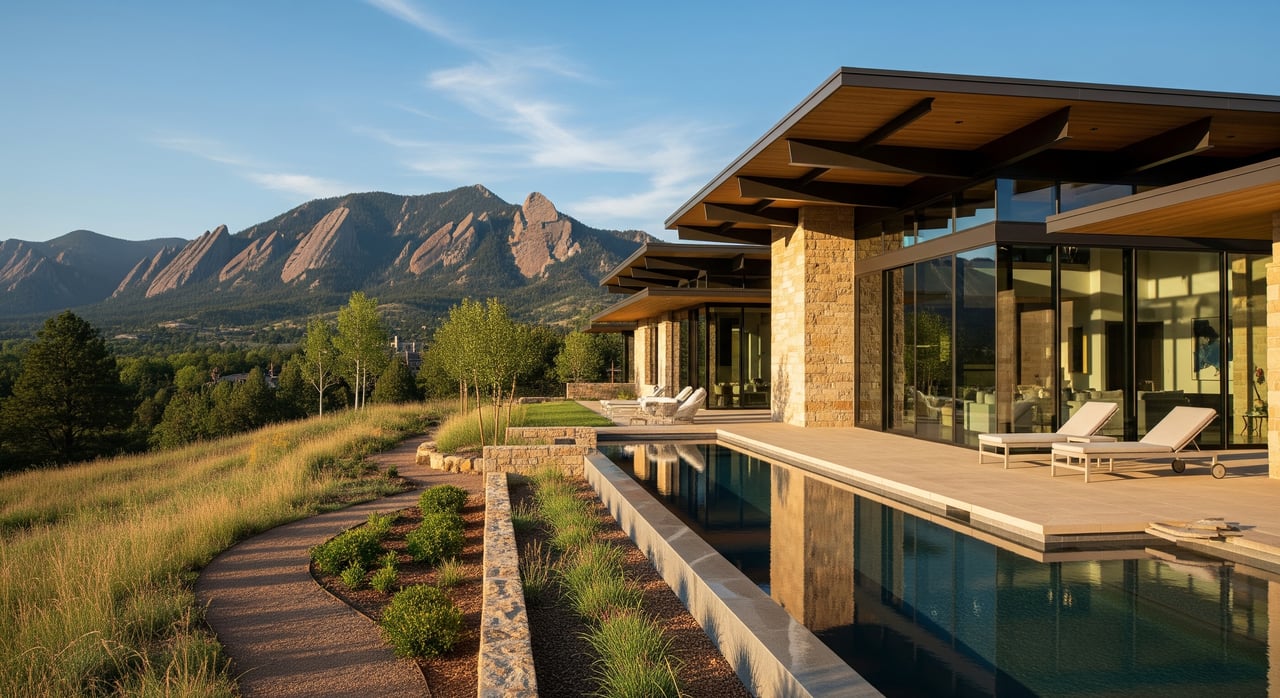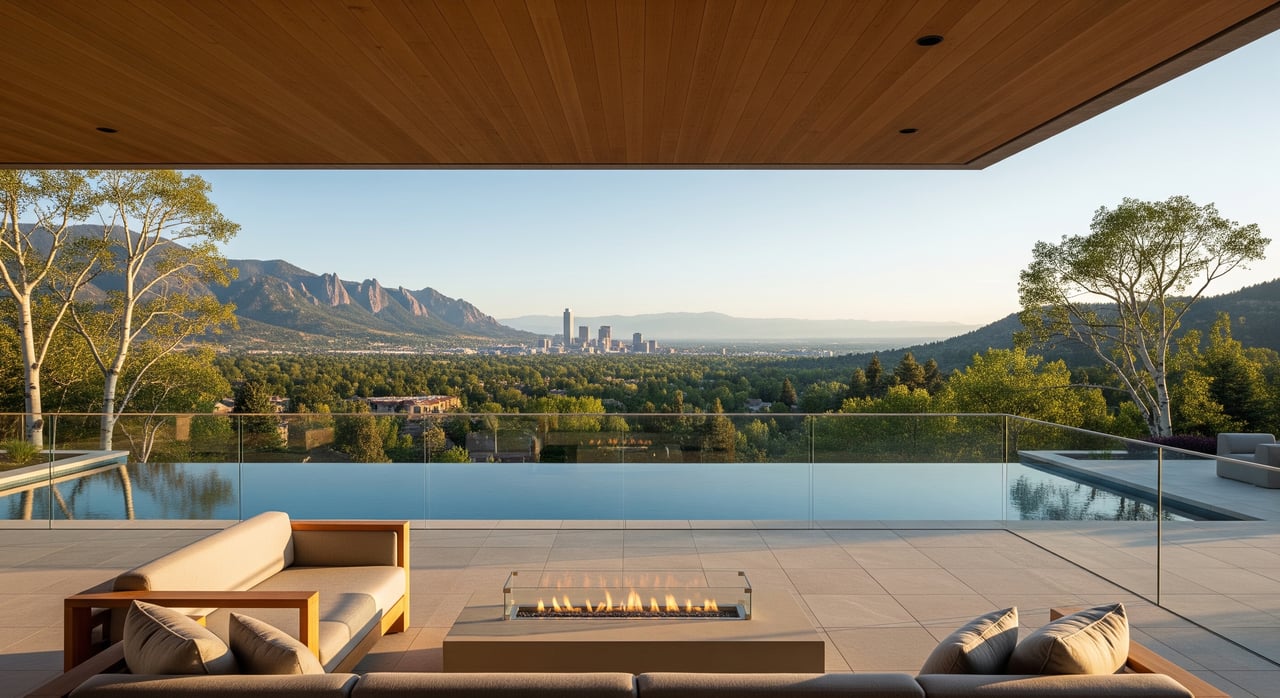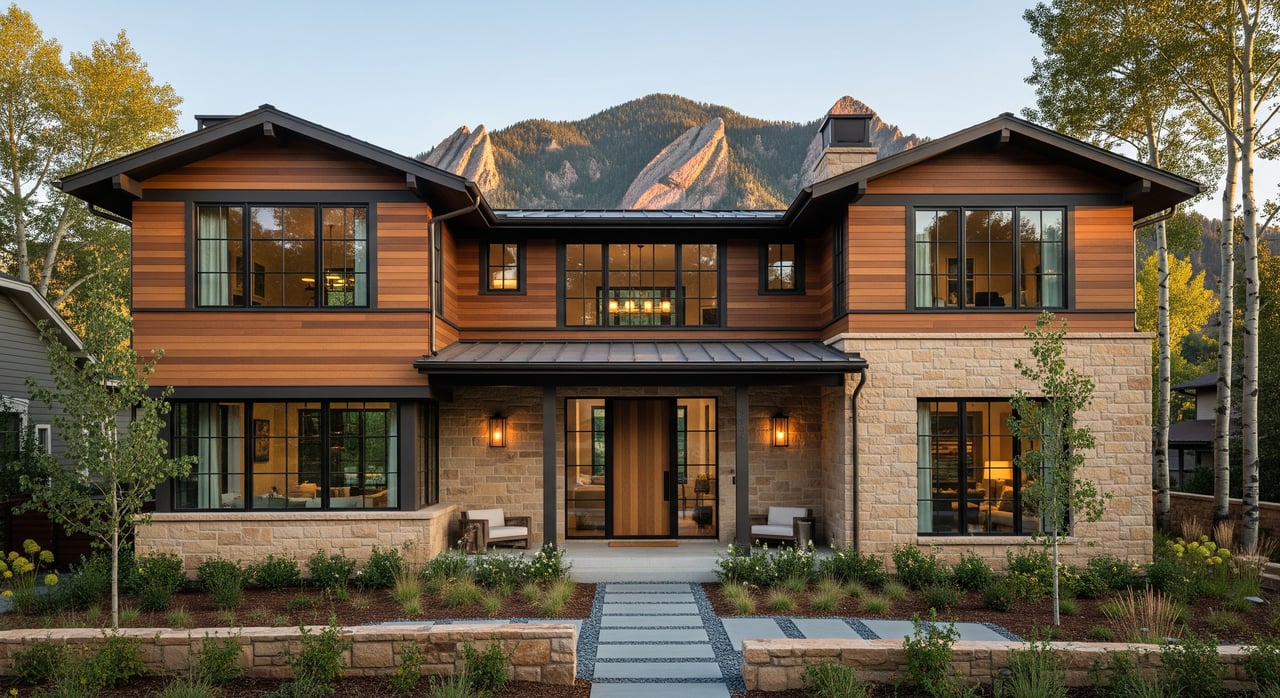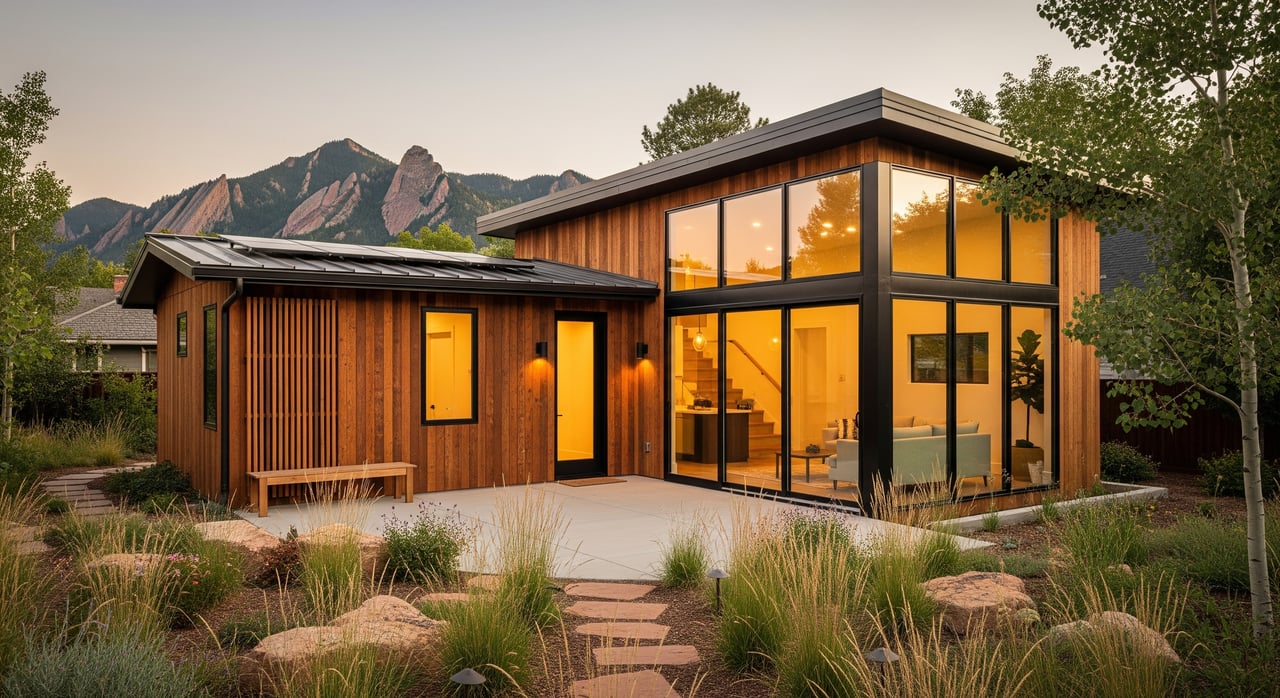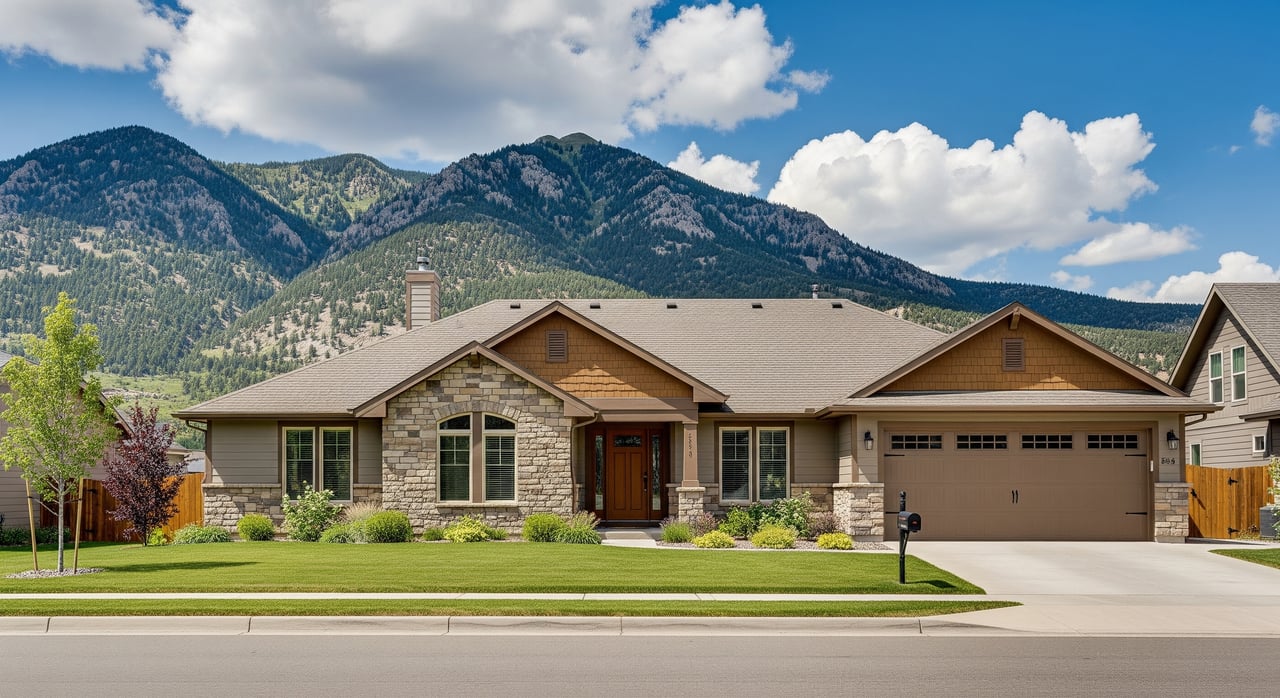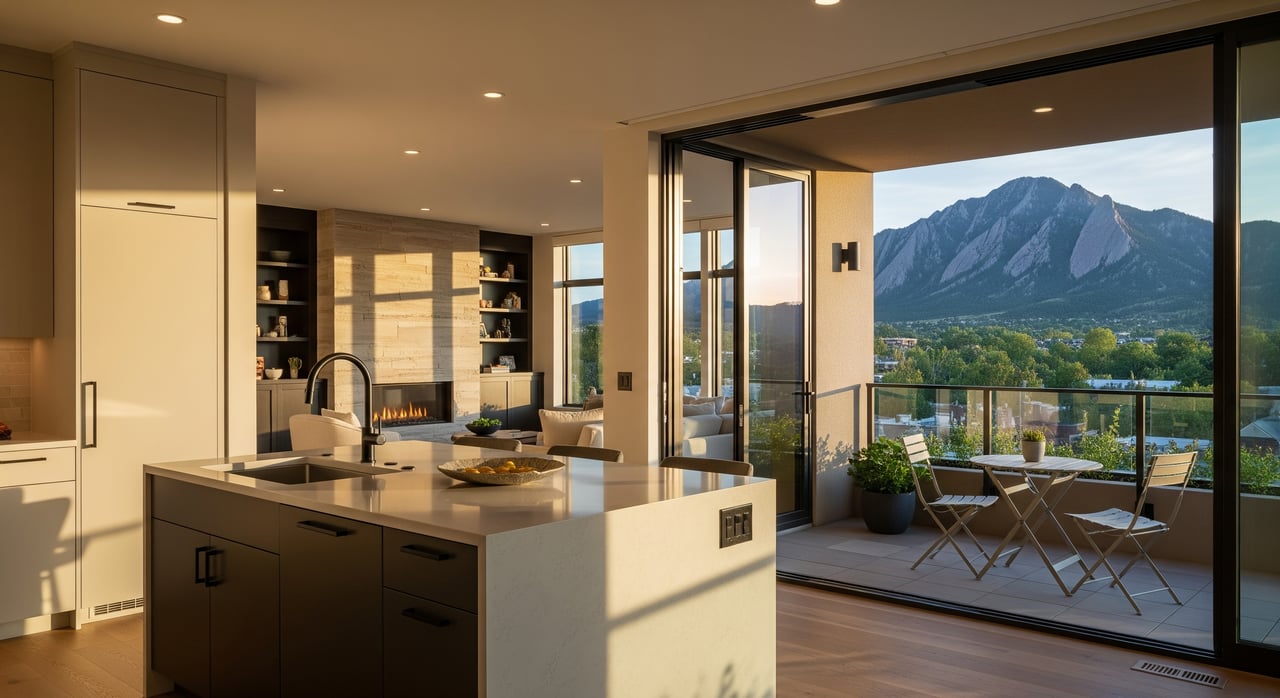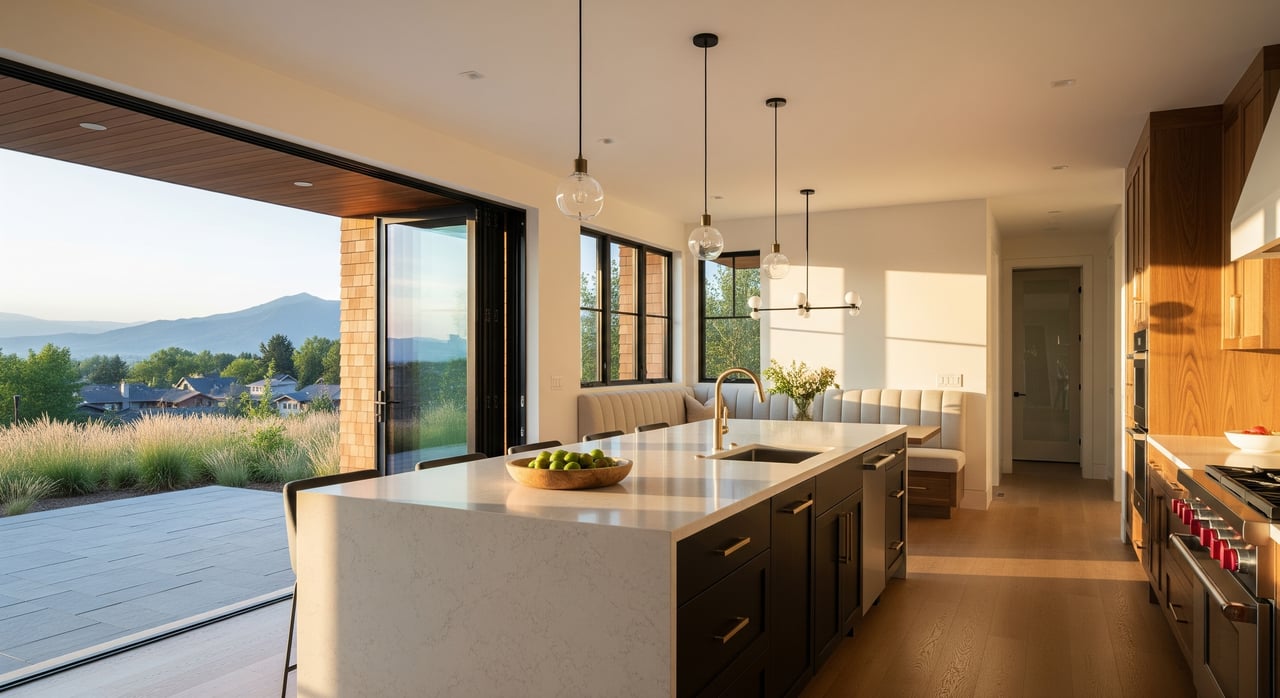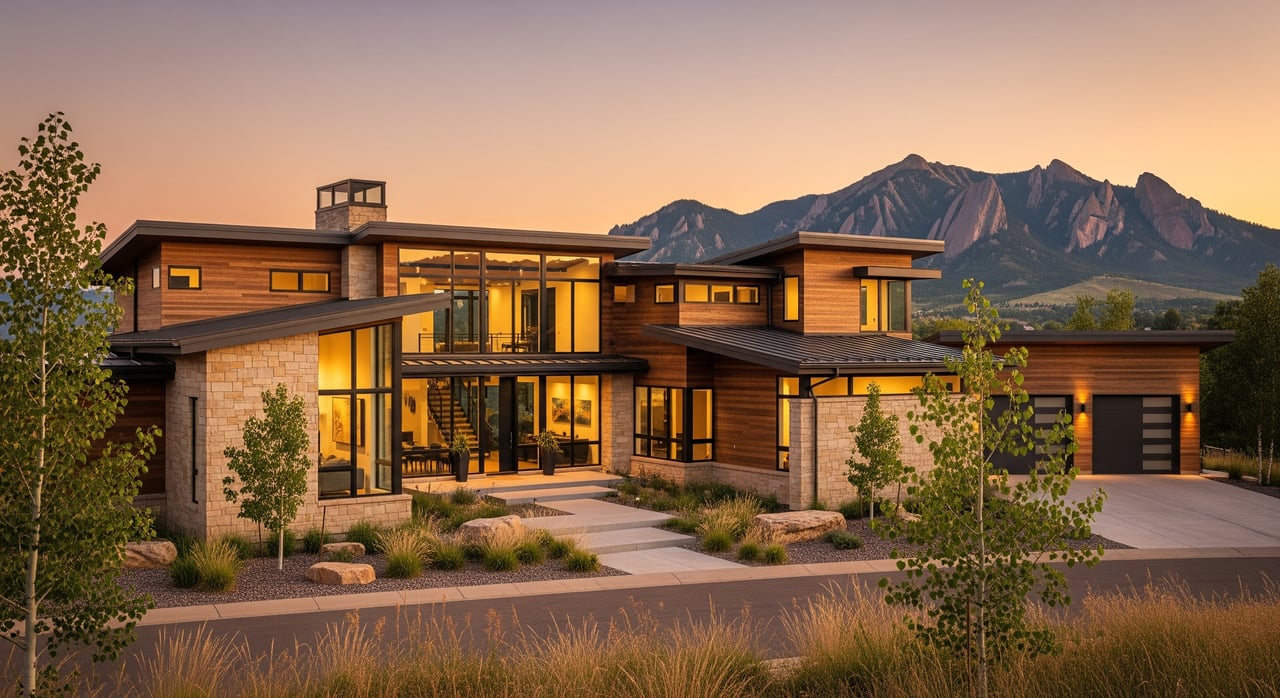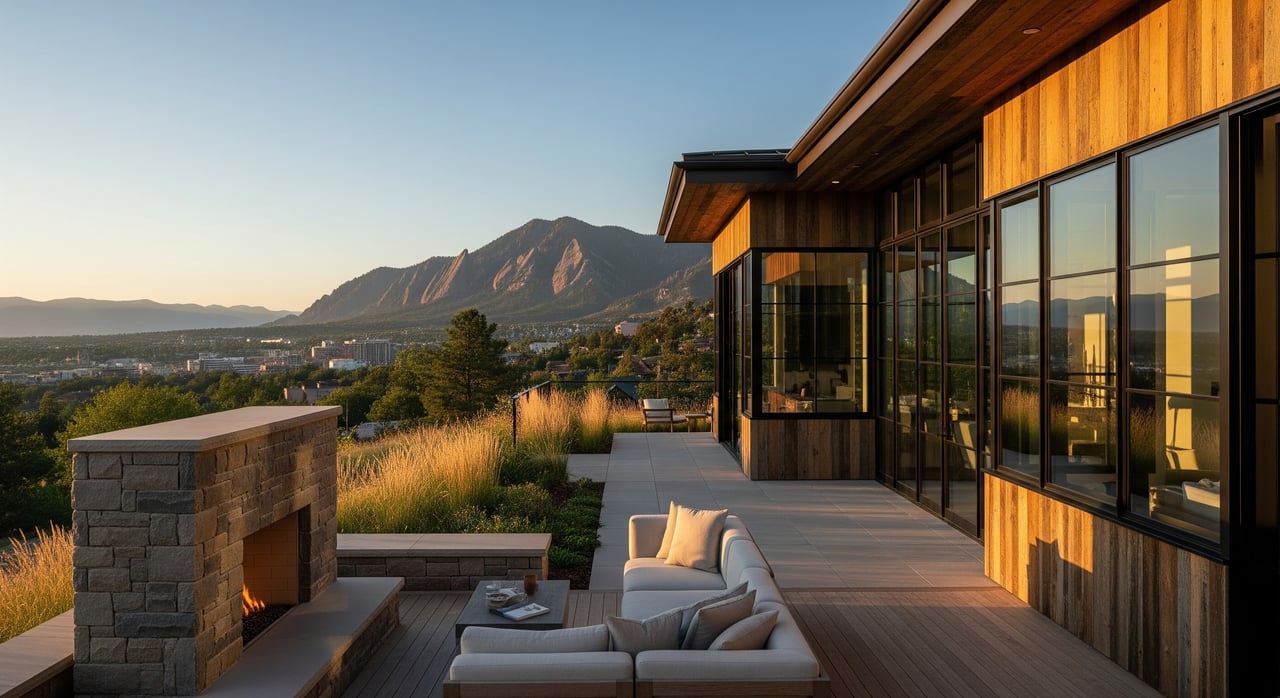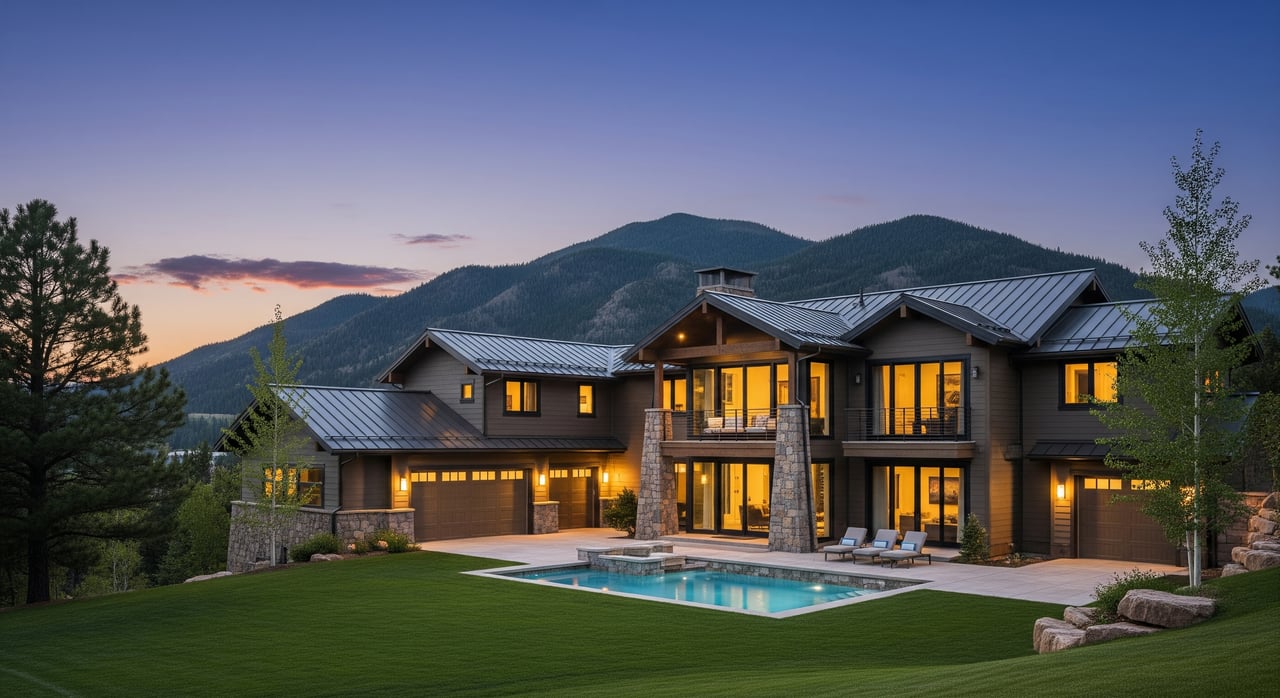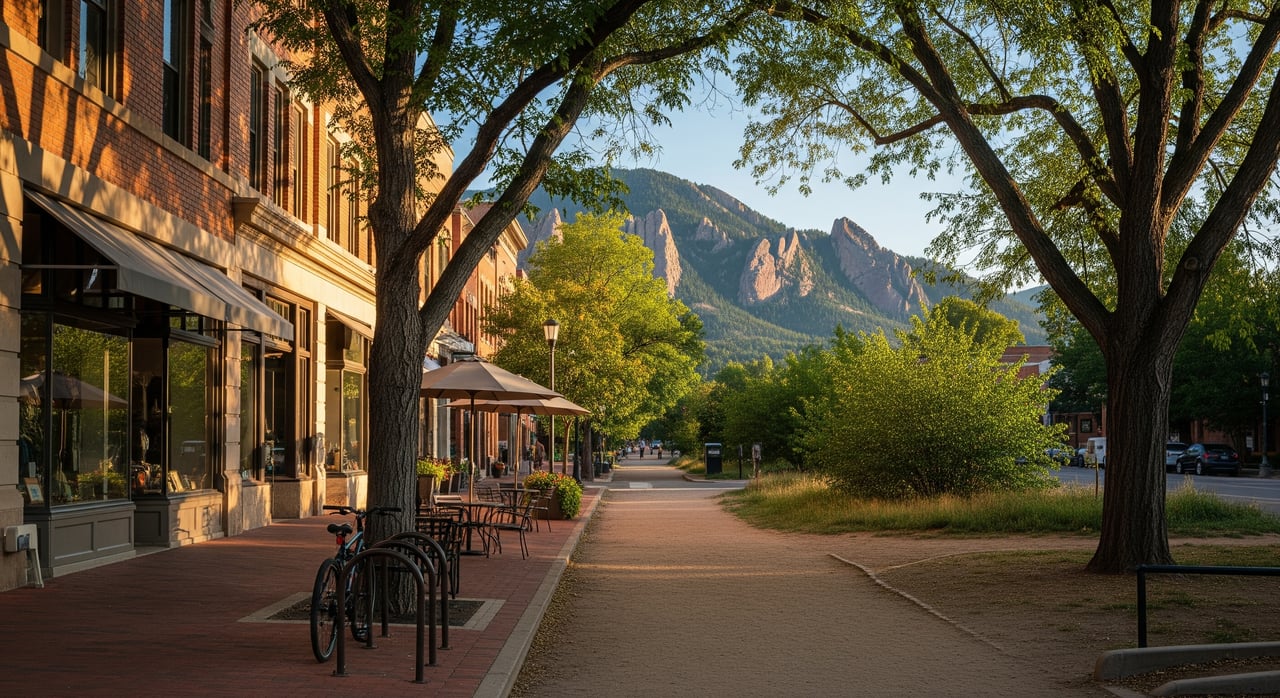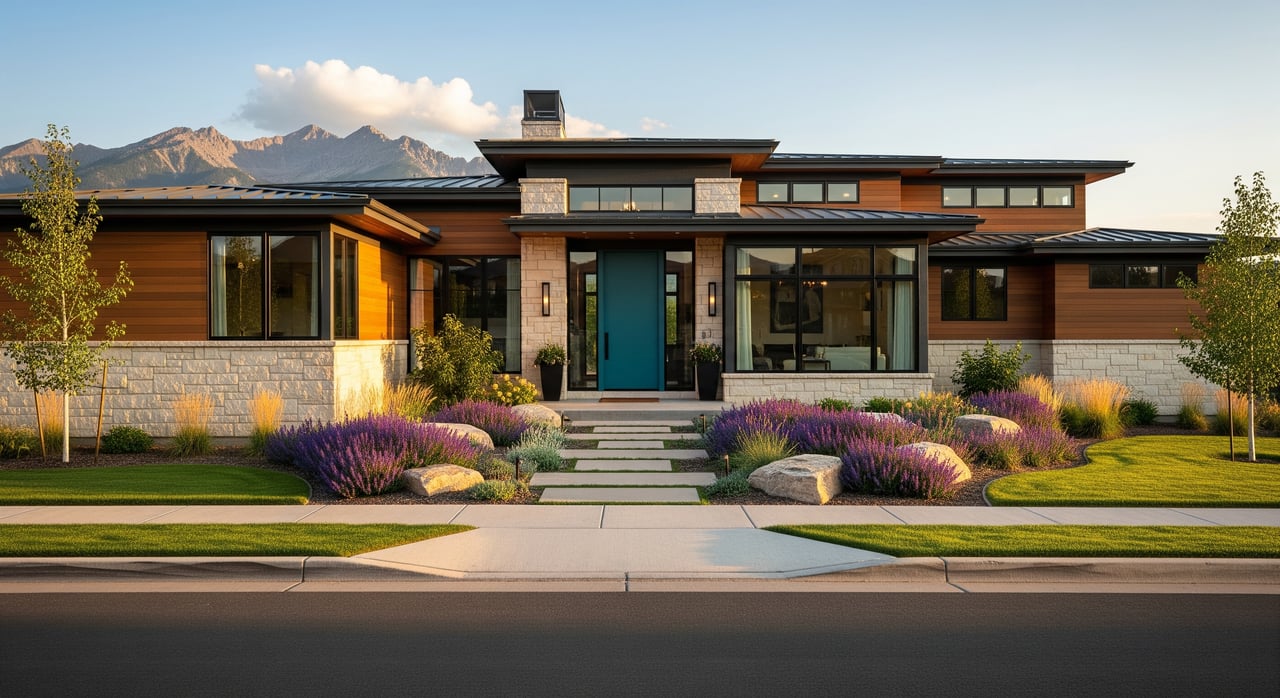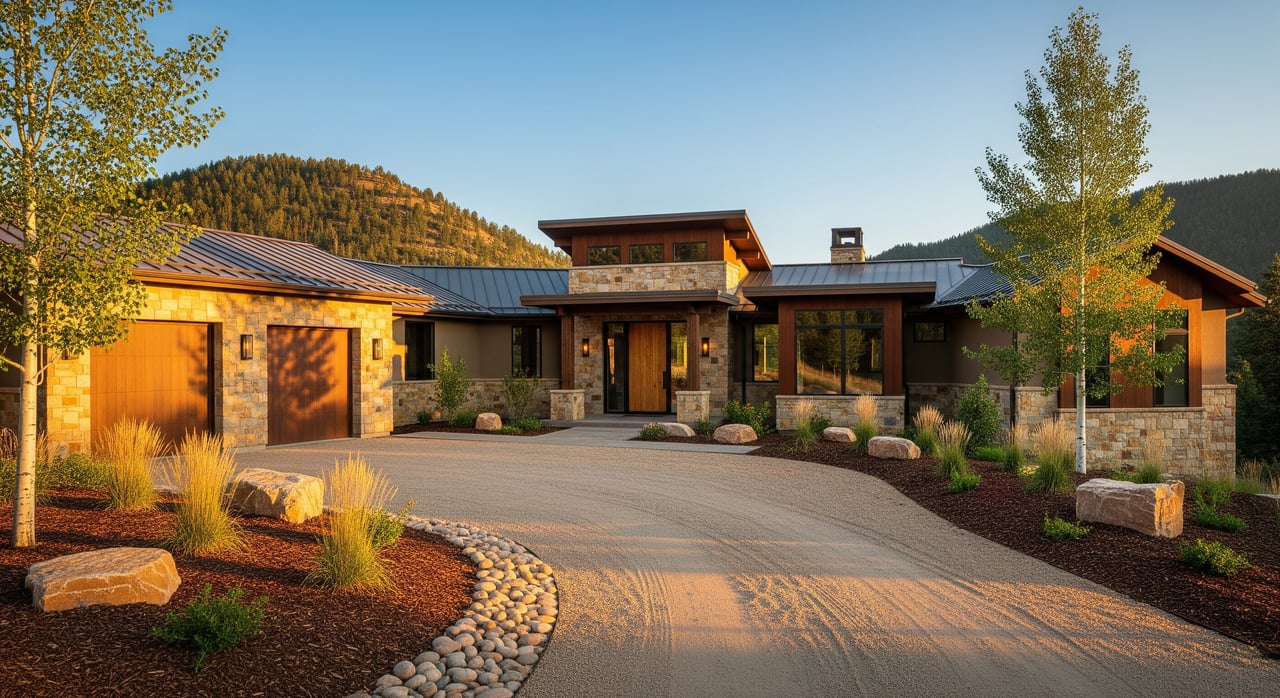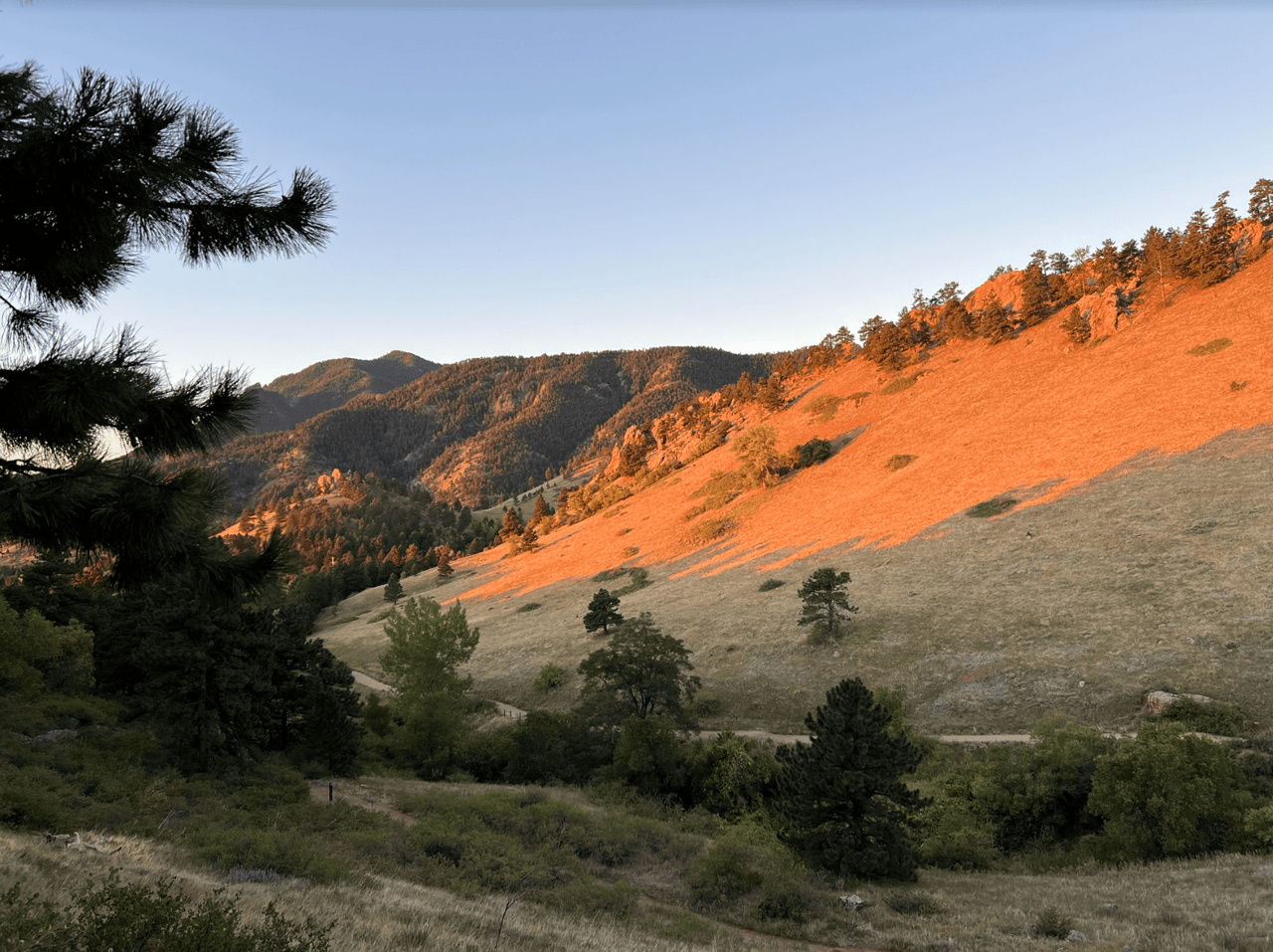
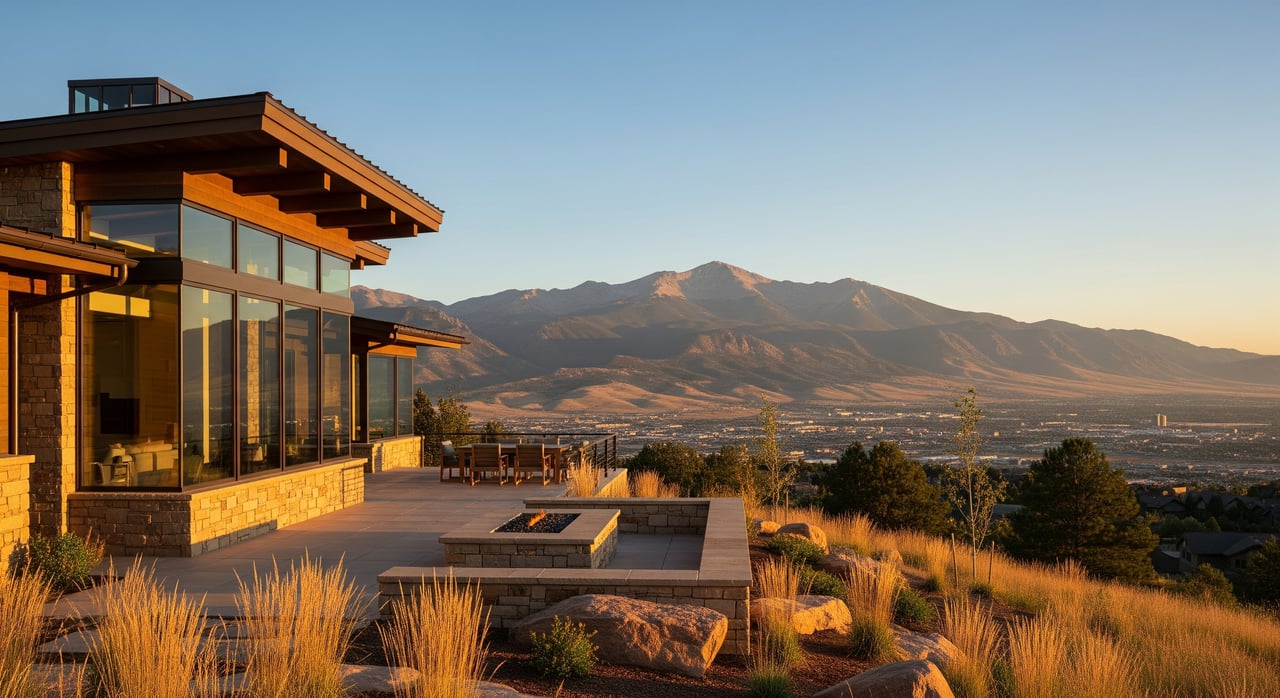
You want mountain air, big pines, and trailheads close by without giving up easy access to Boulder. If that sounds like you, a close-in foothills home could be the sweet spot. Buying in the mountains is different from buying in town, though. You will weigh road access, wells and septic, wildfire risk, and insurance as much as floor plans and views. This guide breaks down what to know so you can shop with confidence and enjoy the lifestyle you have in mind. Let’s dive in.
What “close-in” means near Boulder
Close-in typically means foothills or lower mountain communities within roughly 15 to 35 miles of central Boulder. Drive times vary with road type and weather. Key corridors include CO 119 through Boulder Canyon to Nederland, CO 7 toward Lyons and Allenspark, and connecting mountain roads that can ice over or close during storms. In winter, plan for slower travel and occasional delays from rockfall or debris.
Quick town snapshots
Nederland
Nederland sits roughly 15 to 20 miles west of Boulder and offers year-round services plus quick access to Eldora Mountain Resort. You will find a mix of cabins and larger homes. Winter driving is a factor, but the community has amenities that make full-time mountain living practical.
Lyons
Lyons sits at a lower elevation with more services and easier road access to the plains. Many buyers like the canyon feel with a faster commute to Boulder and Longmont. Expect a range of property types along scenic corridors.
Gold Hill and Sugarloaf
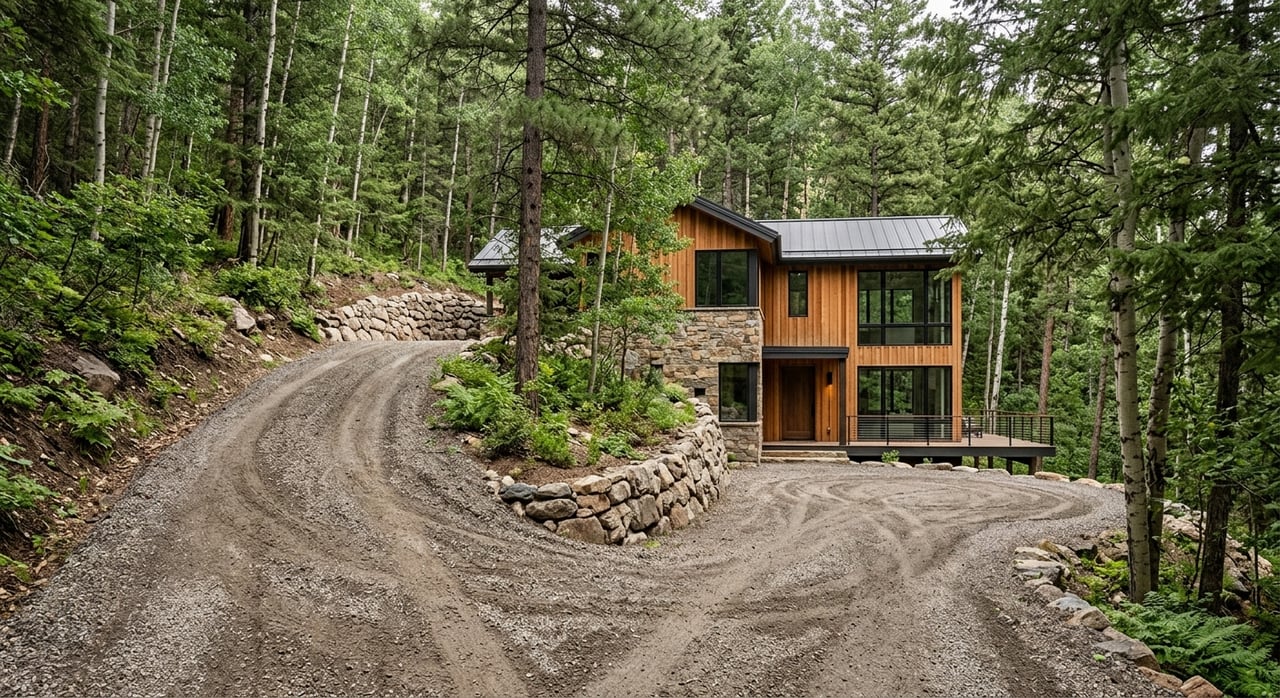
These higher-elevation areas feel more rustic with private roads and limited services. Road quality and winter access vary by street and exposure. Confirm maintenance agreements and expect more self-reliance.
Jamestown and Allenspark
Both are small historic towns surrounded by trails and national forest. Services are limited, so many residents stock essentials in Boulder or Longmont. Verify emergency service response times for your specific address.
Ward and the Eldora area
Ward has a more remote character and more pronounced winter access issues. The Eldora area is primarily recreation oriented near the ski resort. Buyers who want quick ski access often prioritize this pocket but should plan for winter travel and parking realities.
Access and winter reality
Mountain access shapes daily life and resale value. Before you fall for a view, confirm the basics.
- Find out if your road and driveway are public or private and who maintains them.
- Ask for the winter plowing history and typical costs or assessments.
- Test the commute during your normal hours, especially in winter conditions.
- Verify emergency service response and your fire district.
Water, septic, and utilities
Many close-in properties rely on private wells or springs. In Colorado, water is a separate property right, so you will want to confirm well permits, allowed uses, and any augmentation requirements with the appropriate state and local agencies. Some homes connect to local water and sanitation districts, which can simplify ownership.
Septic systems are common. Older systems may not meet current standards and replacement on steep or rocky sites can be expensive. Plan for a full septic inspection and records review.
Electric service varies by location. Propane, wood, or pellet stoves are common heat sources in more remote areas. Internet and cellular coverage can be spotty, with fixed wireless or satellite often filling the gap. Always test service at the property.
If you plan to build or remodel, confirm whether the home is in unincorporated Boulder County or inside a town boundary. Permits, wildfire mitigation requirements, driveway approvals, and setbacks depend on the governing jurisdiction.
Hazards, inspections, and insurance
Wildfire risk is a central consideration in the foothills. Look for homes with defensible space, ember-resistant vents, and fire-resistant roofing and siding. Some insurers require mitigation work to issue or maintain coverage, and availability can vary by risk zone.
Flooding and debris flow are possible in canyon bottoms or near steep slopes. After the 2013 floods, hazard maps were updated in many areas. A standard FEMA flood map is a start, but localized debris flow or rockfall risk may call for additional reviews.
A typical home inspection is not enough in the mountains. Consider:
- Septic inspection and permit or record review
- Well yield and water quality testing
- Geotechnical or slope stability review for steep lots
- Wildfire vulnerability assessment
- Roof, chimney, and heating system inspections for snow and freezing conditions
Ask for inspectors who work mountain properties regularly and hold recognized certifications.
Financing and valuation
Most buyers use conventional, FHA, or VA loans for improved mountain homes. Lenders may add conditions for properties with wells and septic, homes on private roads, or unique foundations. Appraisals can be challenging because comparable sales are sparse. Features that reduce risk, such as approved septic, good year-round access, and fire-resistant materials, can support value.
Ongoing costs to expect
Budget for more than the mortgage.
- Property taxes vary by county and special districts
- Private road maintenance or HOA fees for plowing and repairs
- Propane and fuel storage, plus seasonal chimney or stove service
- Septic pumping and maintenance, plus possible well service
- Insurance for homeowner, wind or hail, and flood where applicable
Rules that affect use
Short-term rental rules vary by town and county, and many areas restrict or limit STRs. Always check the exact address for current regulations before you buy. Water rights, augmentation obligations, and recorded conservation or access easements can also affect what you can build or how you can use the land.
Buyer checklist
Before you write an offer
- Verify road status, plowing responsibilities, and emergency access
- Confirm water source and obtain well permits or reports
- Order a septic inspection and permit or record review
- Pull wildfire and county hazard maps for the parcel
- Check short-term rental rules and zoning for your intended use
- Get insurance quotes that reflect wildfire or flood risk
- Request utility bills, maintenance records, and any HOA or road agreements
- Visit during winter commuting hours if possible
After you are under contract
- Schedule specialized inspections for septic, well, slope stability, roof, and chimney
- Review title for easements, rights of way, and water rights
- Confirm permits for past work and address any unpermitted items
- Verify property tax assessments and special district fees
Boulder vs. Colorado Springs at a glance
If you are comparing Boulder’s close-in foothills with Colorado Springs and the Pikes Peak corridor, expect differences in commute patterns, typical price points, and specific hazard profiles. County permitting and local fire districts also differ. Water rights and well permitting follow statewide rules, but they are administered locally. Compare county resources, fire services, road access, and any local short-term rental rules in the area you prefer.
Work with a local, design-savvy guide
Buying in the foothills blends lifestyle and logistics. You want a clear-eyed plan and a home that tells your story. Griffith Home Collective pairs design-forward presentation with data-driven guidance so you can shop smart, negotiate confidently, and land a home that works in every season. Ready to talk strategy or tour a few mountain towns? Reach out to Emelie S Griffith for a personalized game plan.
FAQs
What counts as a close-in mountain home near Boulder?
- Homes in the foothills or lower mountains within roughly 15 to 35 miles of central Boulder, with drive times that depend on road type and weather.
How tough is winter access on private roads?
- It varies by road grade, exposure, and maintenance agreements. Many private roads require 4WD and regular plowing. Always verify who maintains the road and how often it is plowed.
Can you run a short-term rental in these towns?
- Possibly, but rules vary by town and Boulder County. Some areas restrict or heavily regulate STRs. Always check the exact address for current requirements before you buy.
How do wells and water rights work in Colorado?
- Many mountain homes use private wells, and water is a separate property right. Confirm well permits, allowed uses, and any augmentation needs with state and local authorities during due diligence.
What inspections are must-haves for mountain properties?
- In addition to a standard inspection, plan for septic, well, roof and chimney, and wildfire vulnerability reviews. Steep lots may need geotechnical or slope stability evaluations.