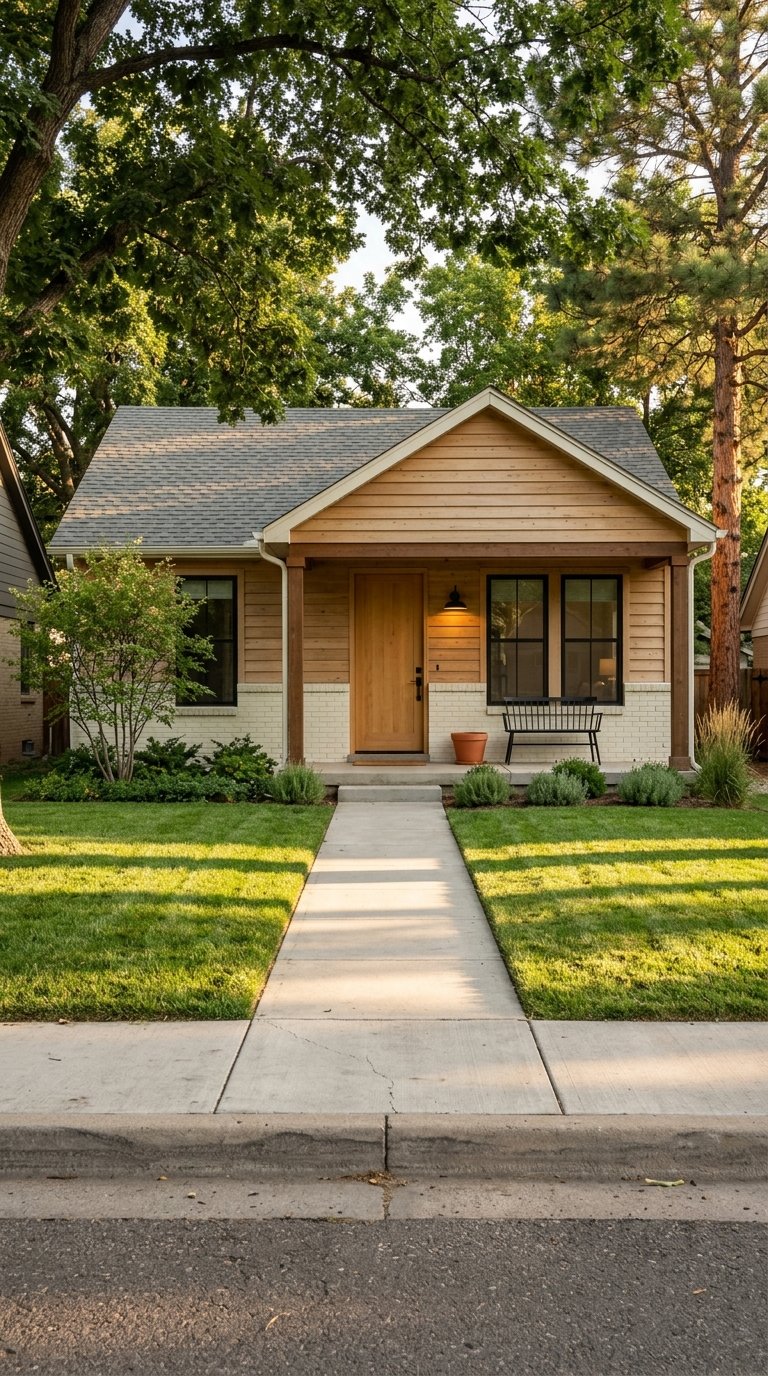
What makes a Pine Brook Hills home feel effortless on a steep, view-filled lot? It is the way the architecture frames the ridgelines, manages sun and snow, and blends modern materials with the mountain setting. Whether you are planning updates before you list or you are shopping for a foothills home, you want a style that lives beautifully and performs well here. In this guide, you will learn the architectural styles that shine in Pine Brook Hills, why they work on hillside sites, and how to prioritize design-forward choices that add value. Let’s dive in.
Pine Brook Hills context and rules
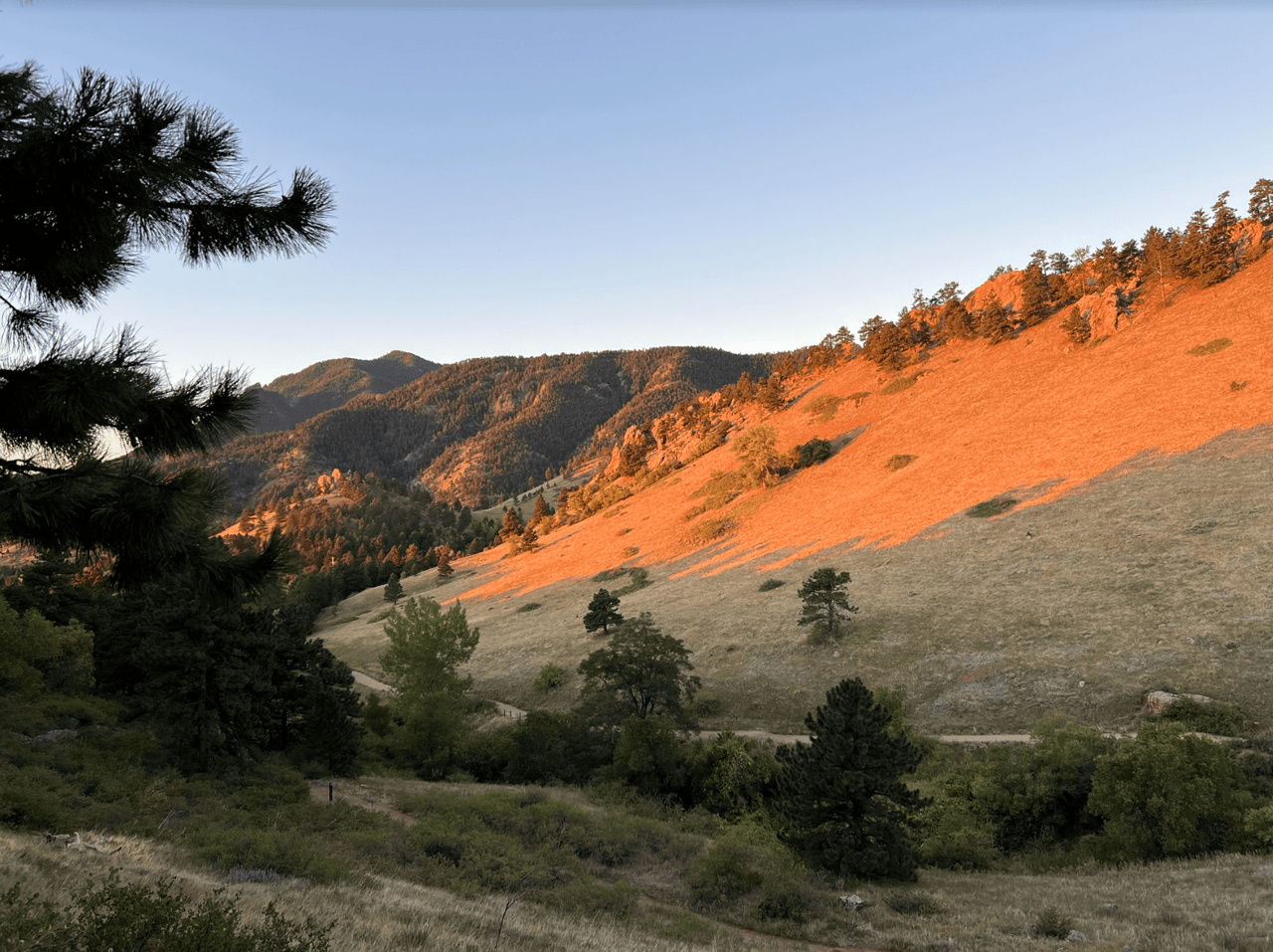
Pine Brook Hills is an unincorporated foothills community just west of Boulder with roughly 400 homes on generous lots, often 1 to 5 acres or more. Development began in the 1960s and 1970s, so you see a mix of original cabins and split-levels alongside major contemporary remodels and custom new builds. Elevations range from about 5,800 to 6,950 feet, which means dramatic siting on wooded, sloped parcels with long views. A voluntary HOA supports Architectural Review, Roads, Firewise and Forest Health efforts, so it is a key resource for neighborhood standards and expectations. You can learn more about community programs on the Pine Brook Hills HOA site.
Because PBH sits in unincorporated Boulder County, county permits and land-use rules apply to most additions and all new construction. Boulder County is updating site-plan and hillside review rules to preserve neighborhood character and manage development on steep terrain, so timelines and scope can vary by parcel. Before you assume expansion potential, start with the county’s building permit guidance and the Land Use Code update for site-plan review, which took effect on May 13, 2025, under DC-24-0003. The Pine Brook Water District supplies potable water and manages a local reservoir that supports drought and fire resilience, which is helpful context for buyers; see recent updates on the Pine Brook Water District news page.
Wildfire awareness also shapes exterior materials, decks and landscape choices throughout the foothills. Expect ignition-resistant construction details and visible defensible-space work to be part of both marketing and inspection conversations here. You will see those themes woven into the style and update recommendations below.
Styles that shine in Pine Brook Hills
Mountain contemporary
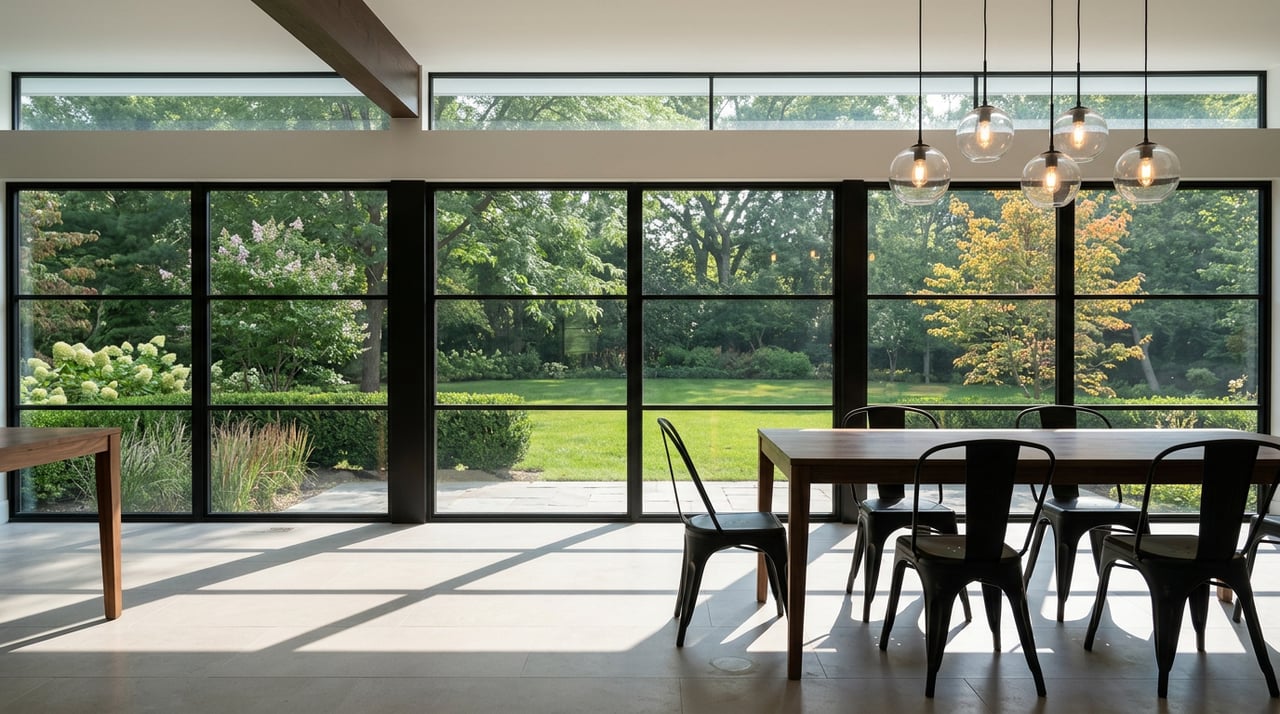
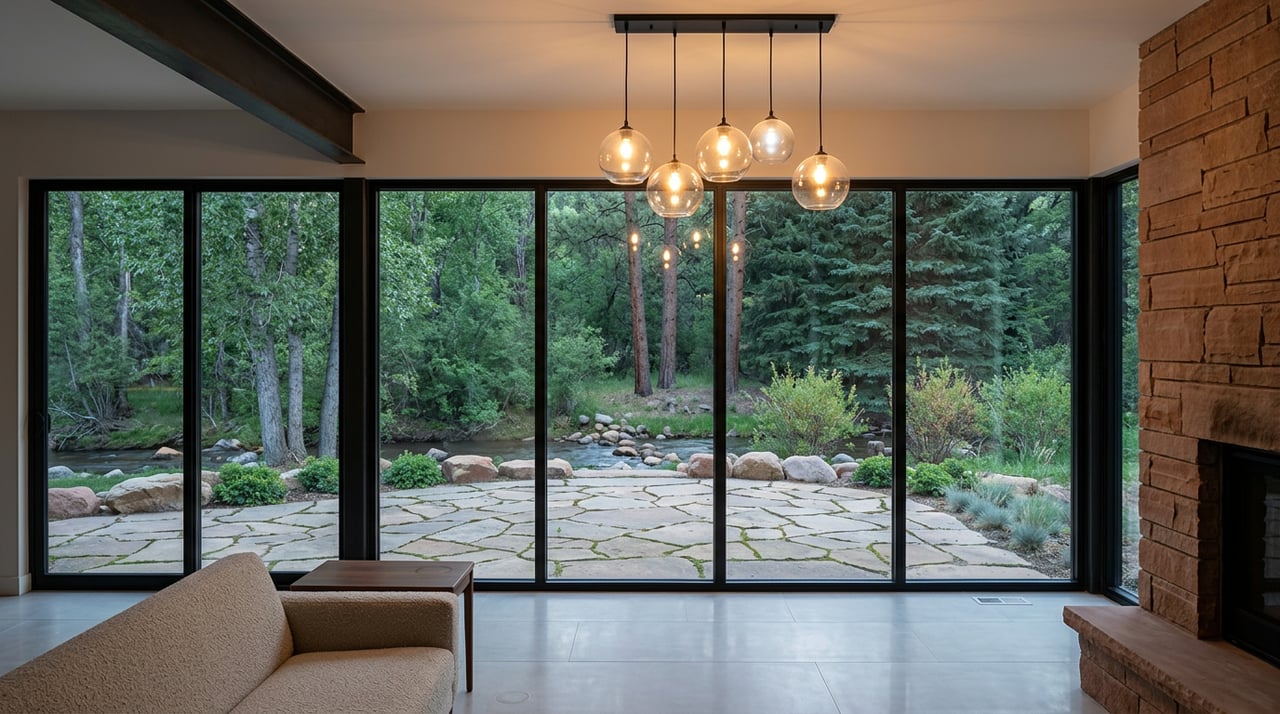
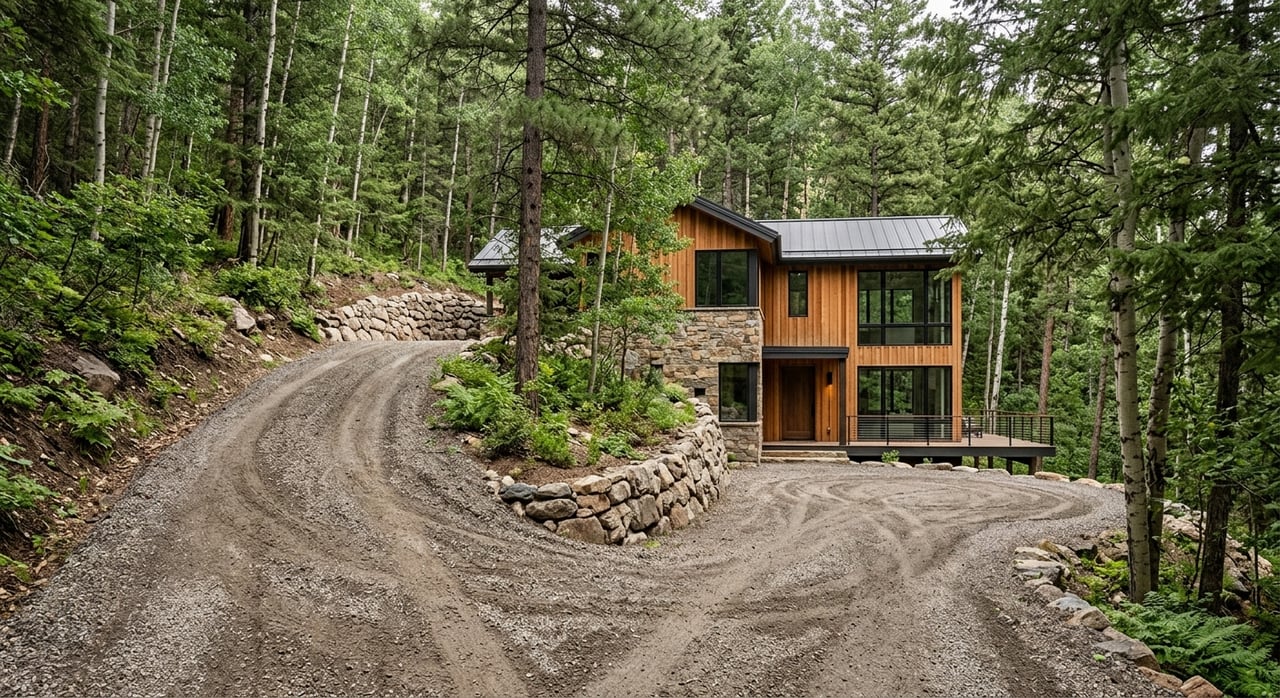
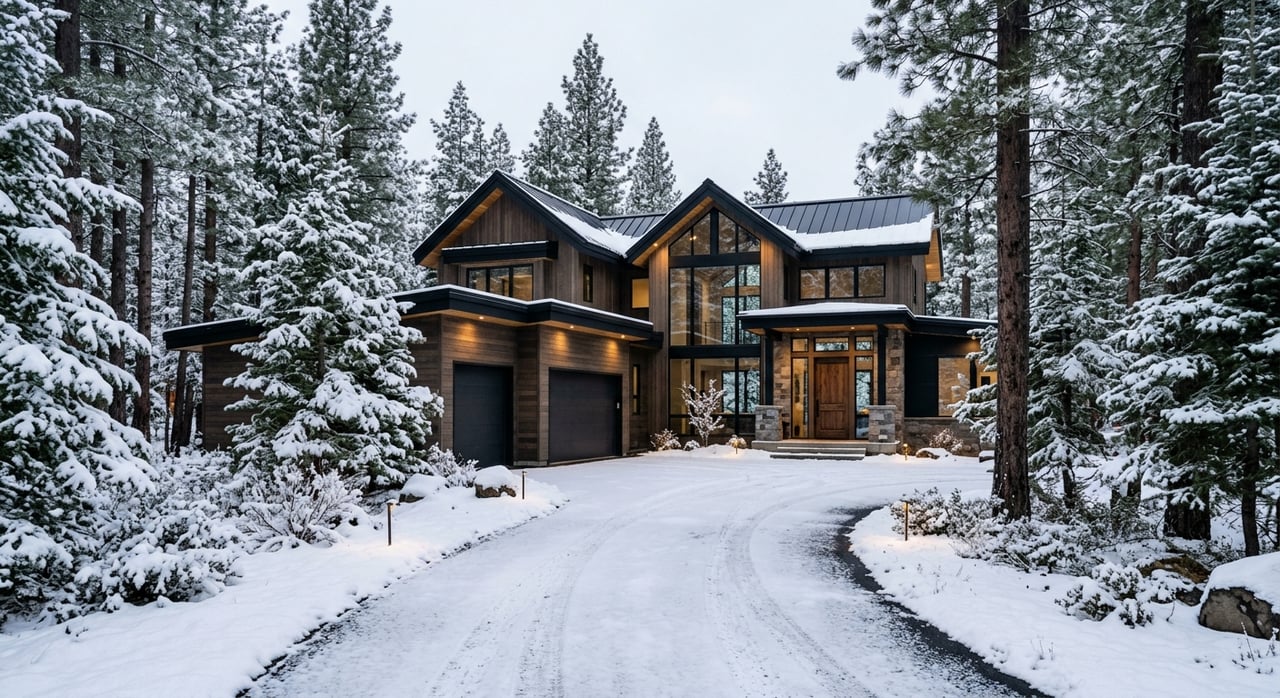
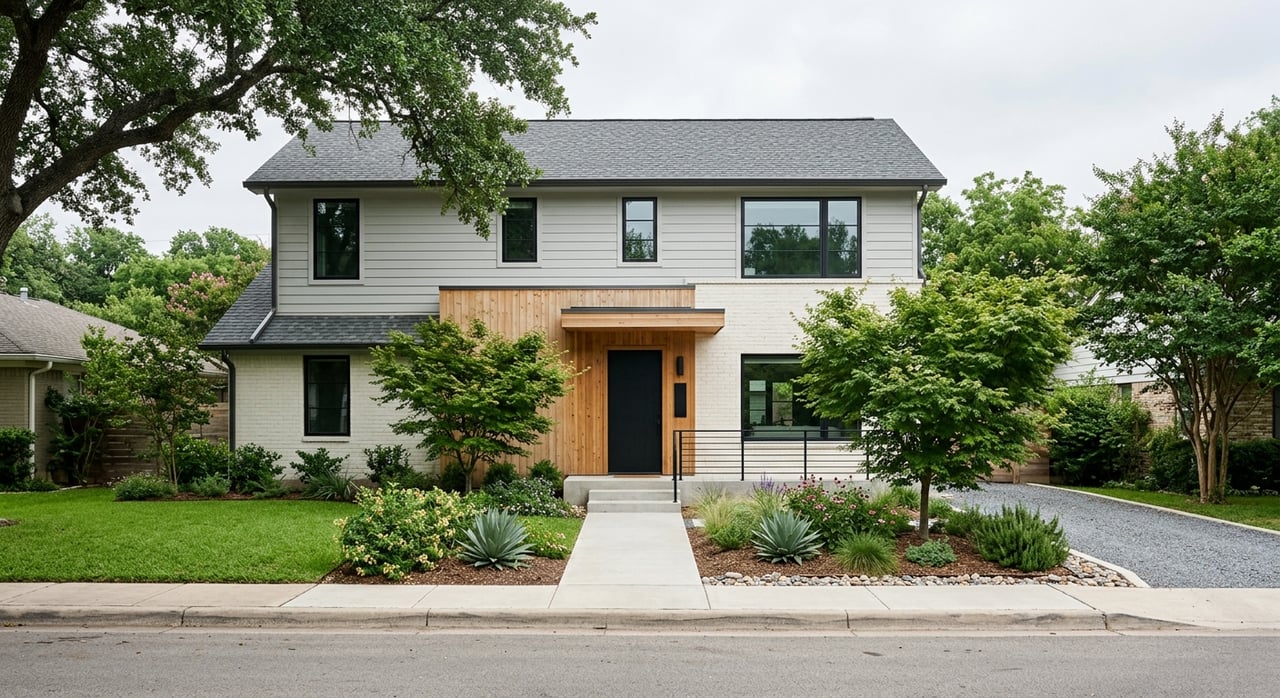
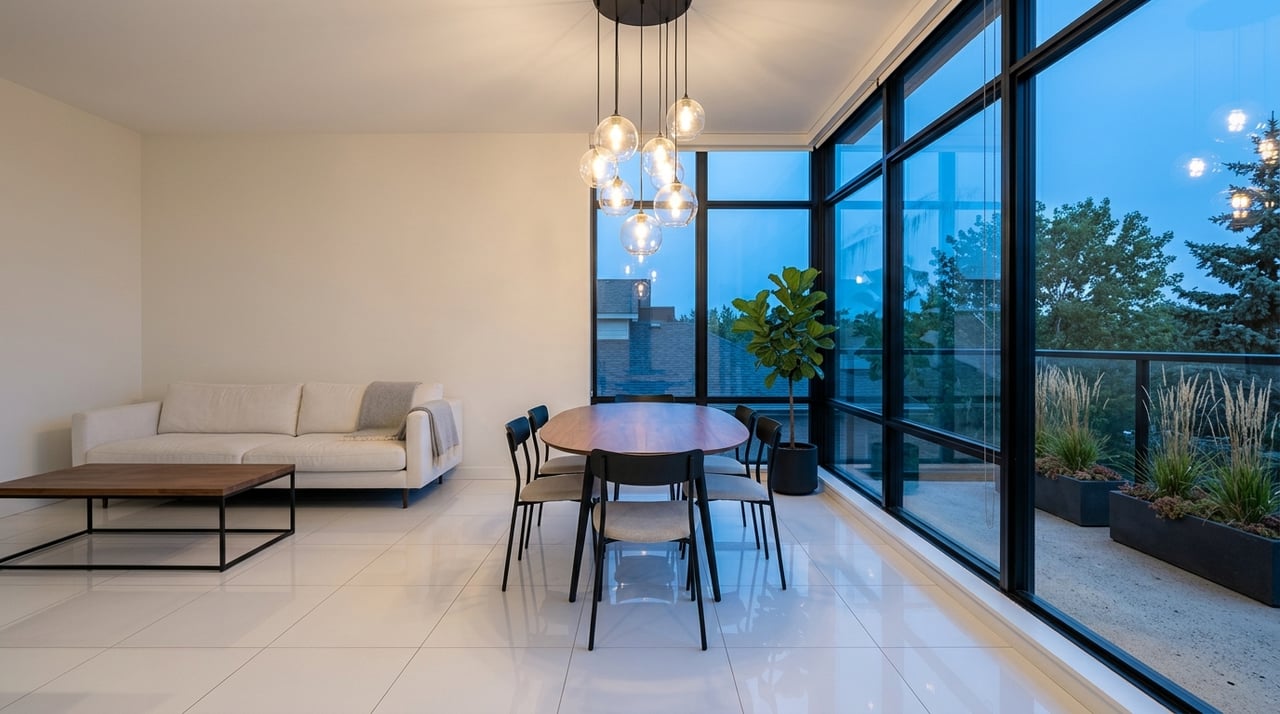
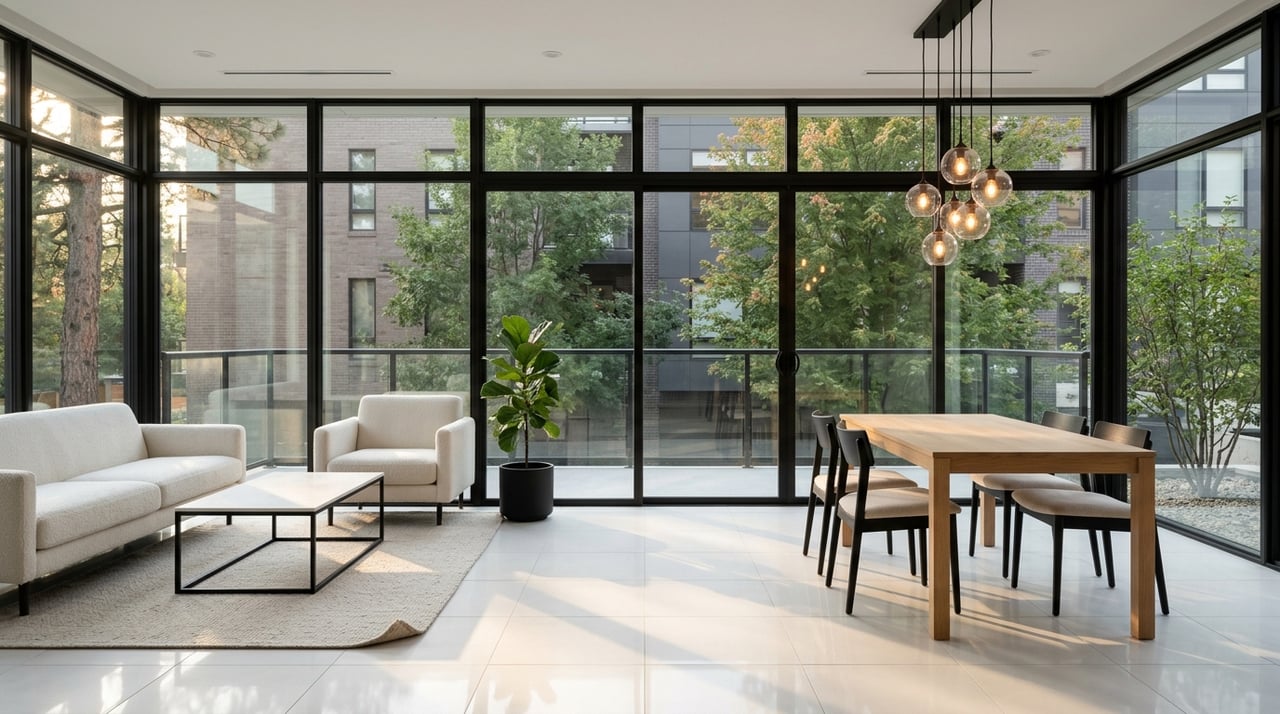
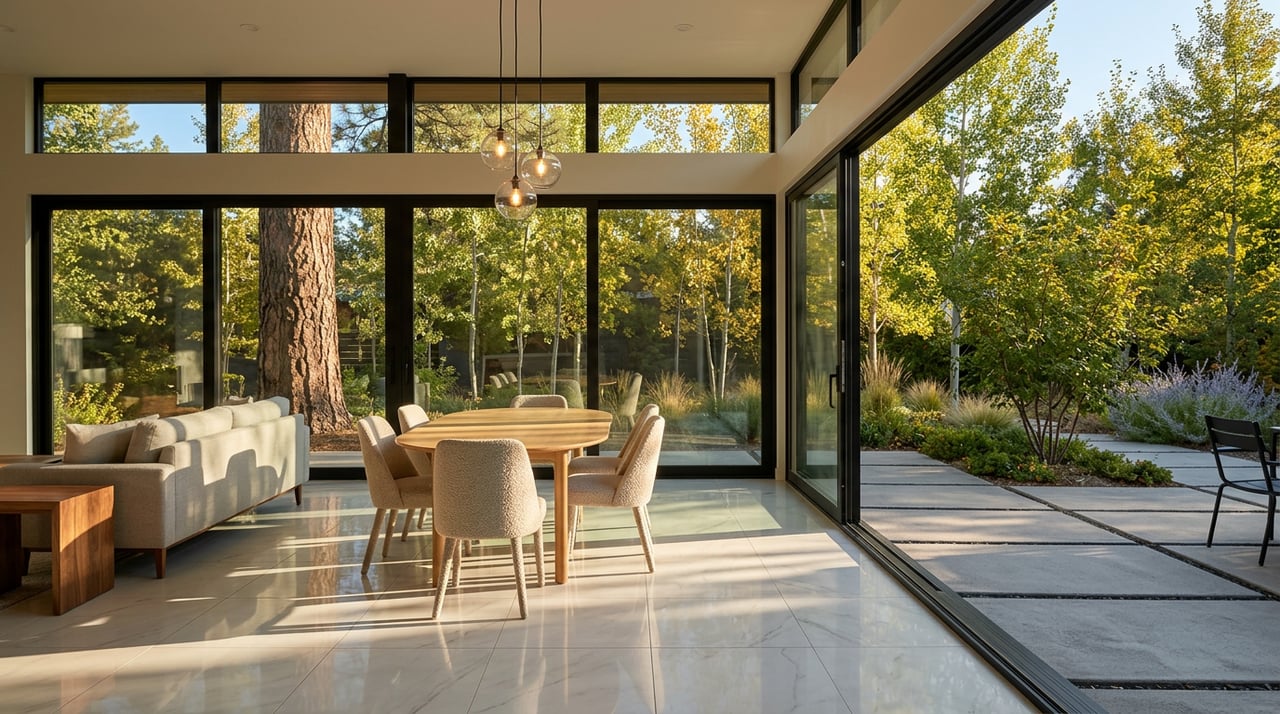
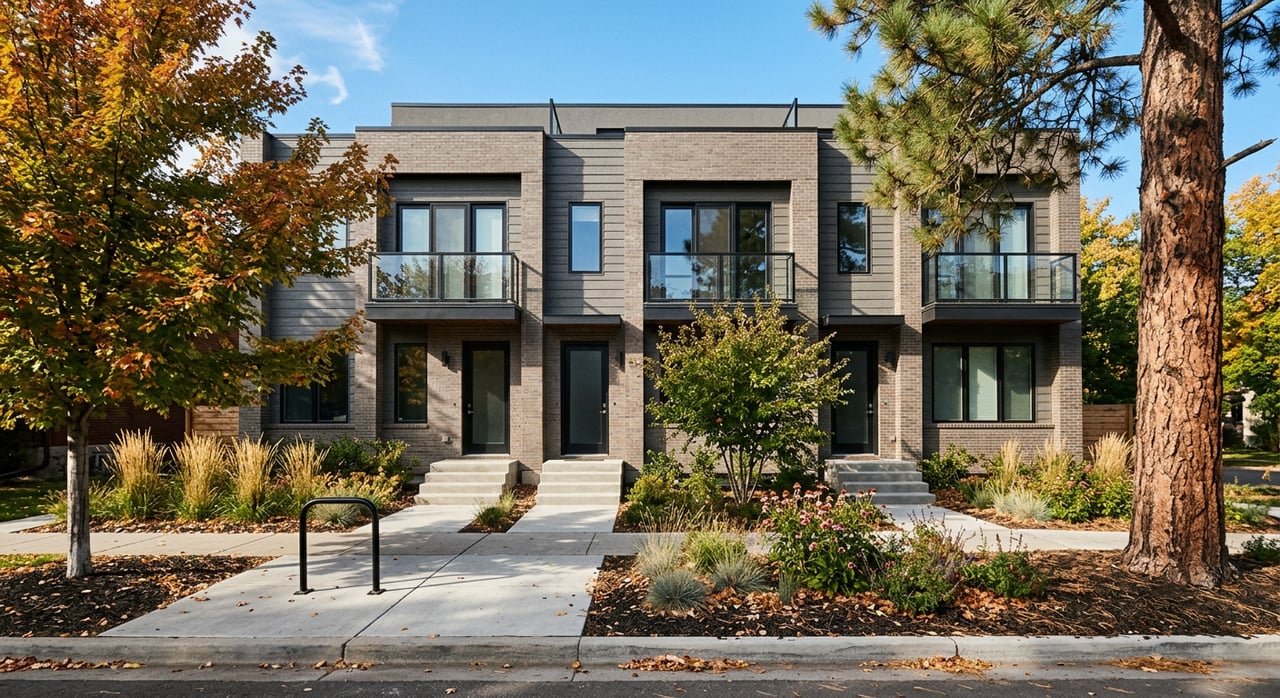
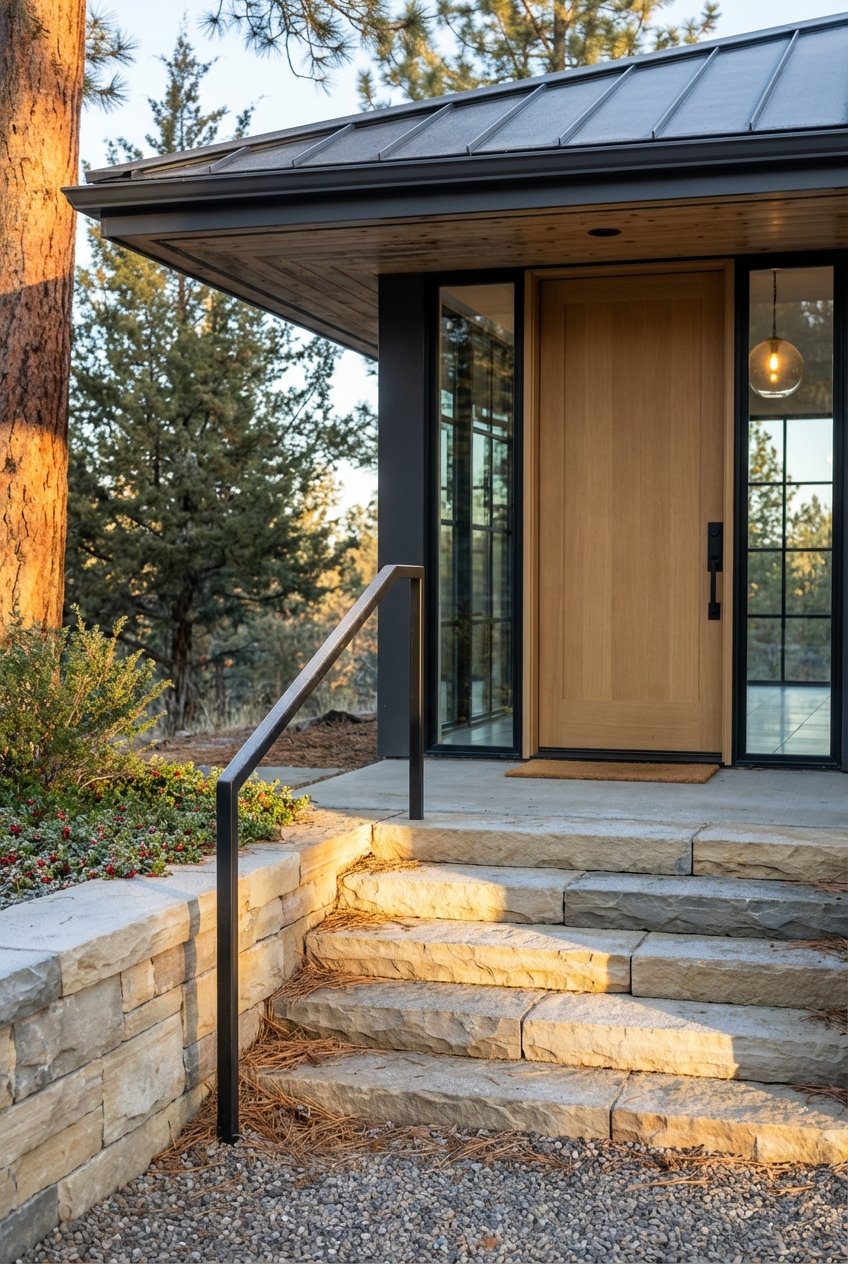
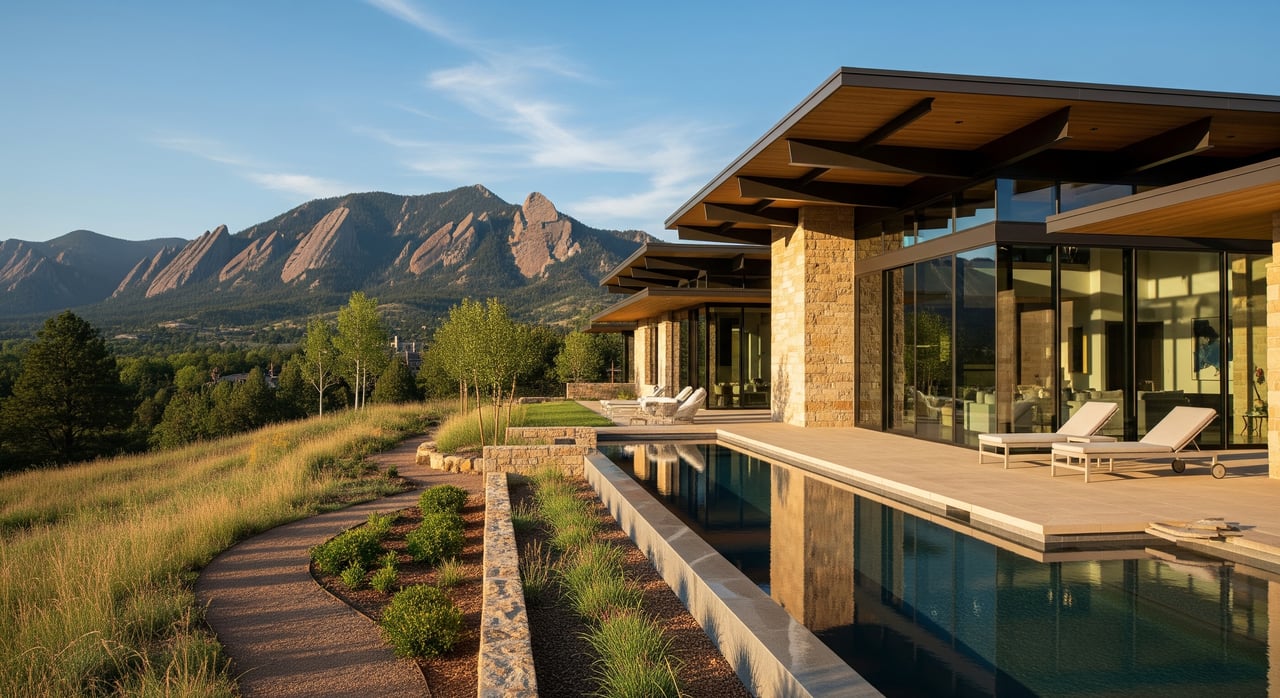
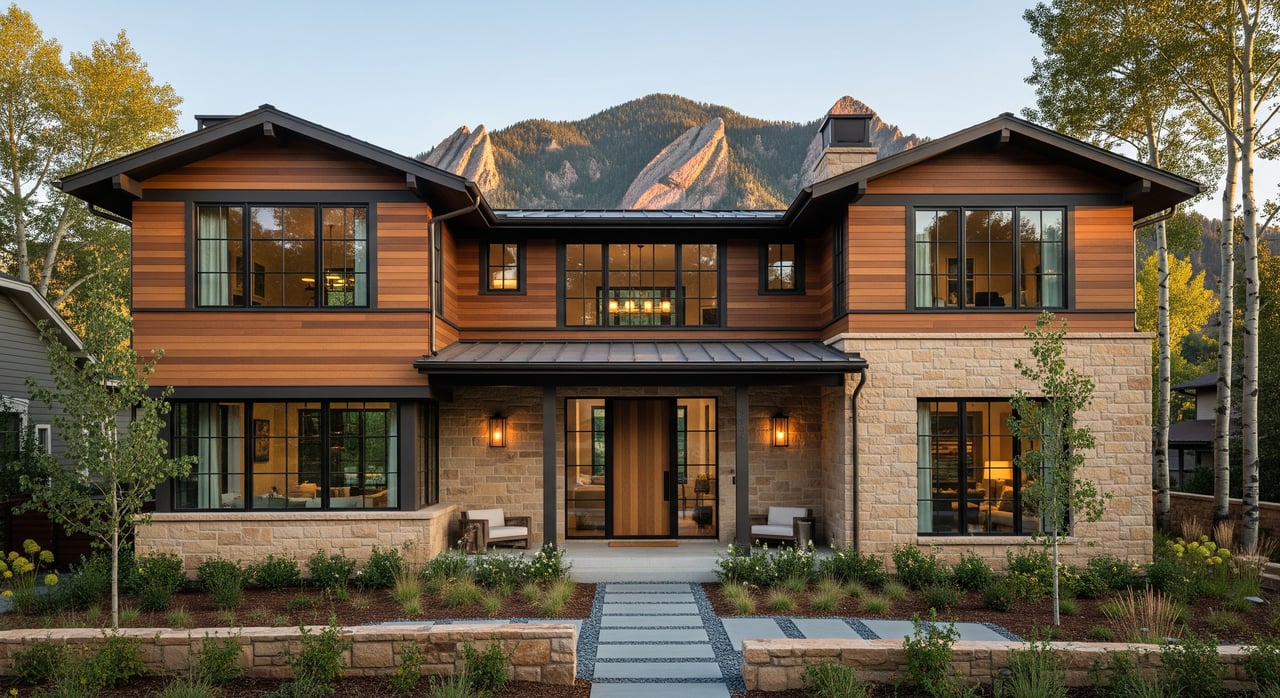
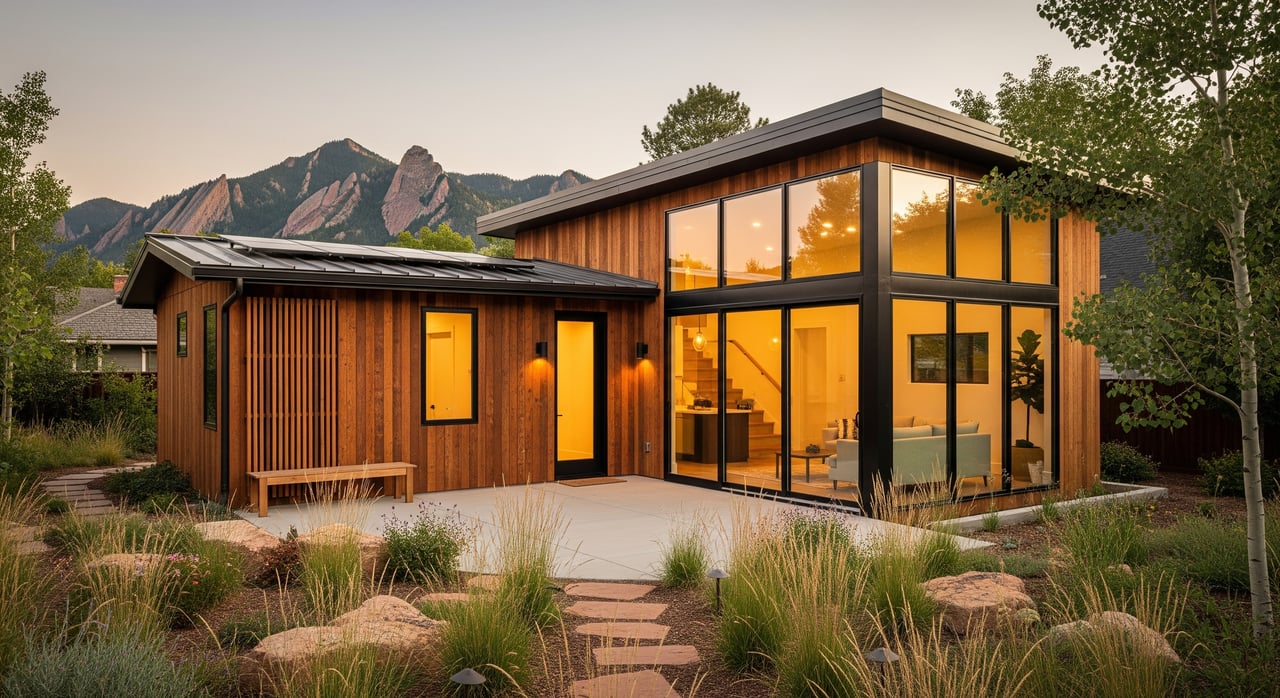
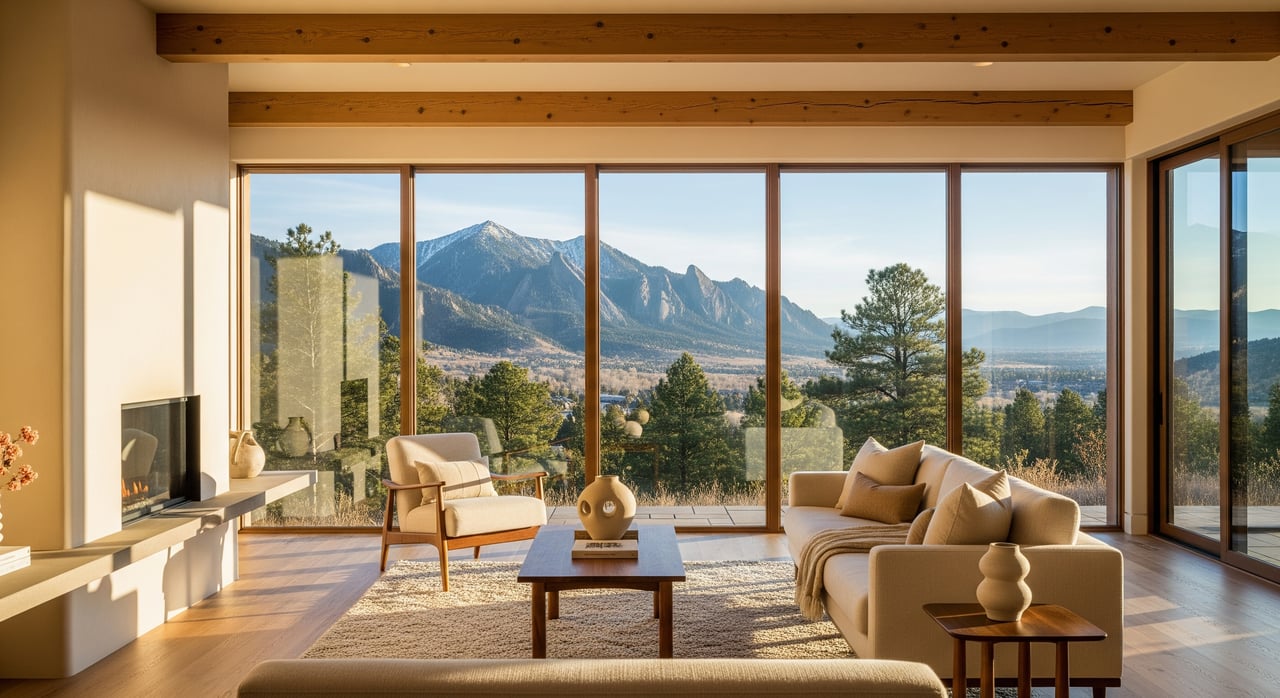
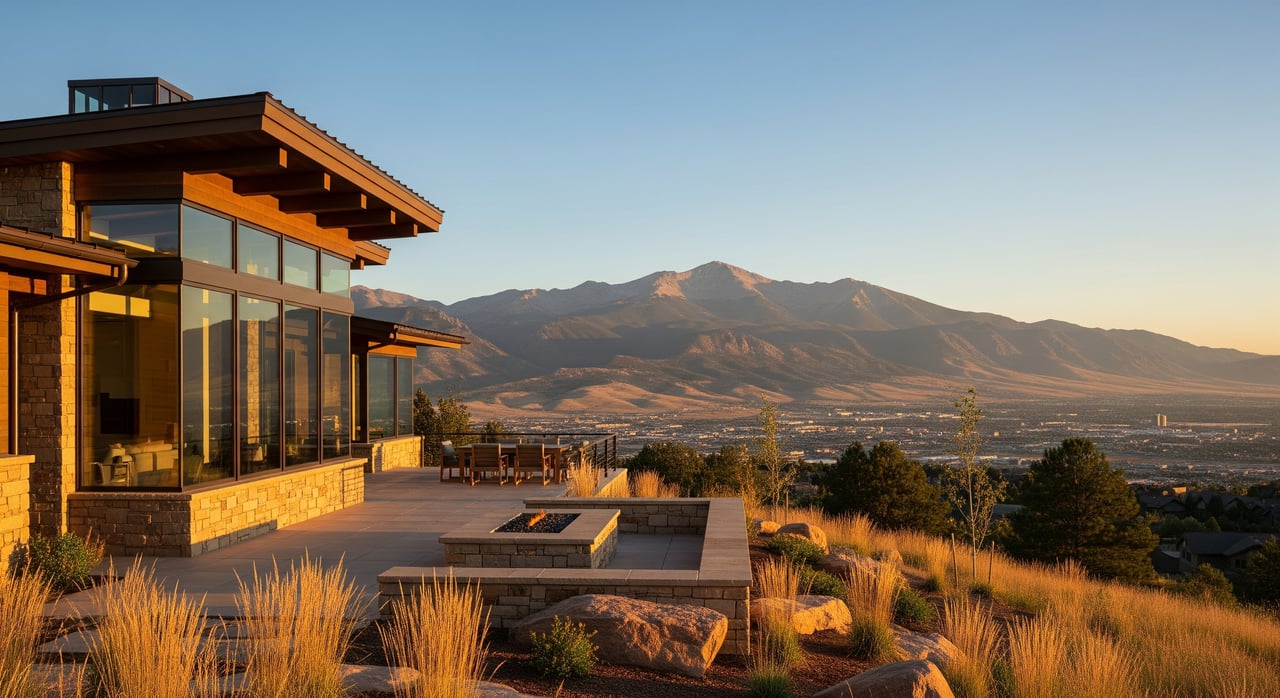
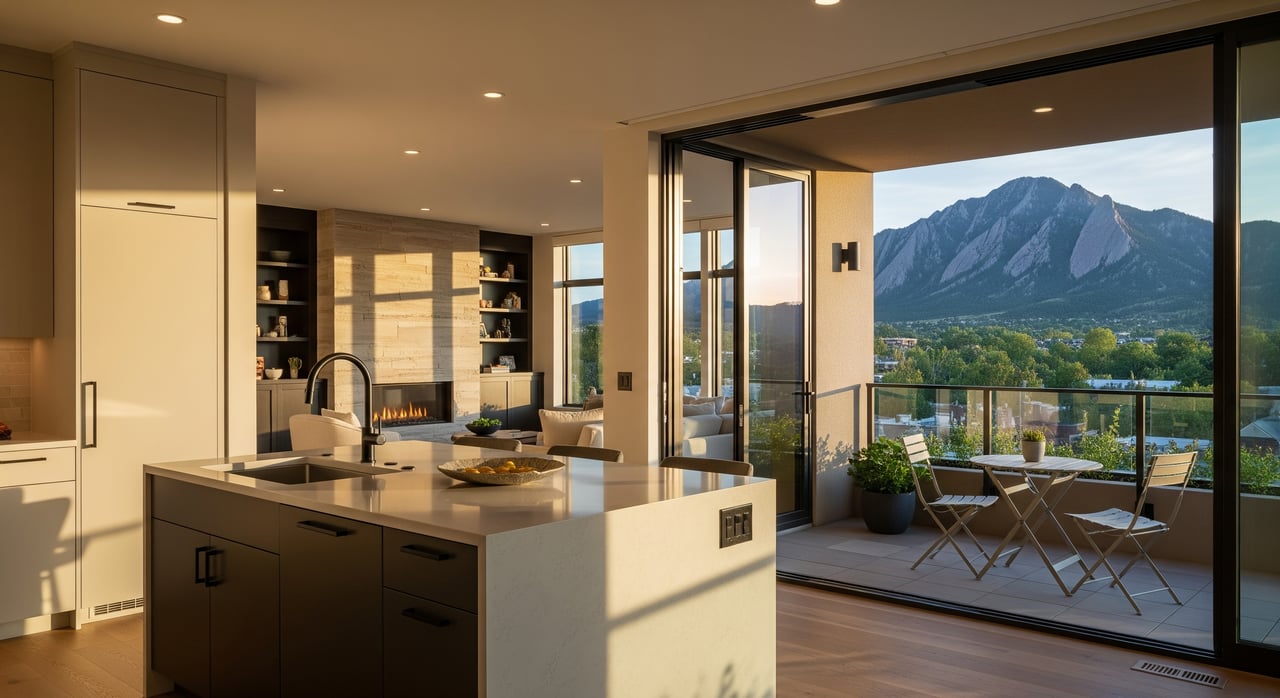
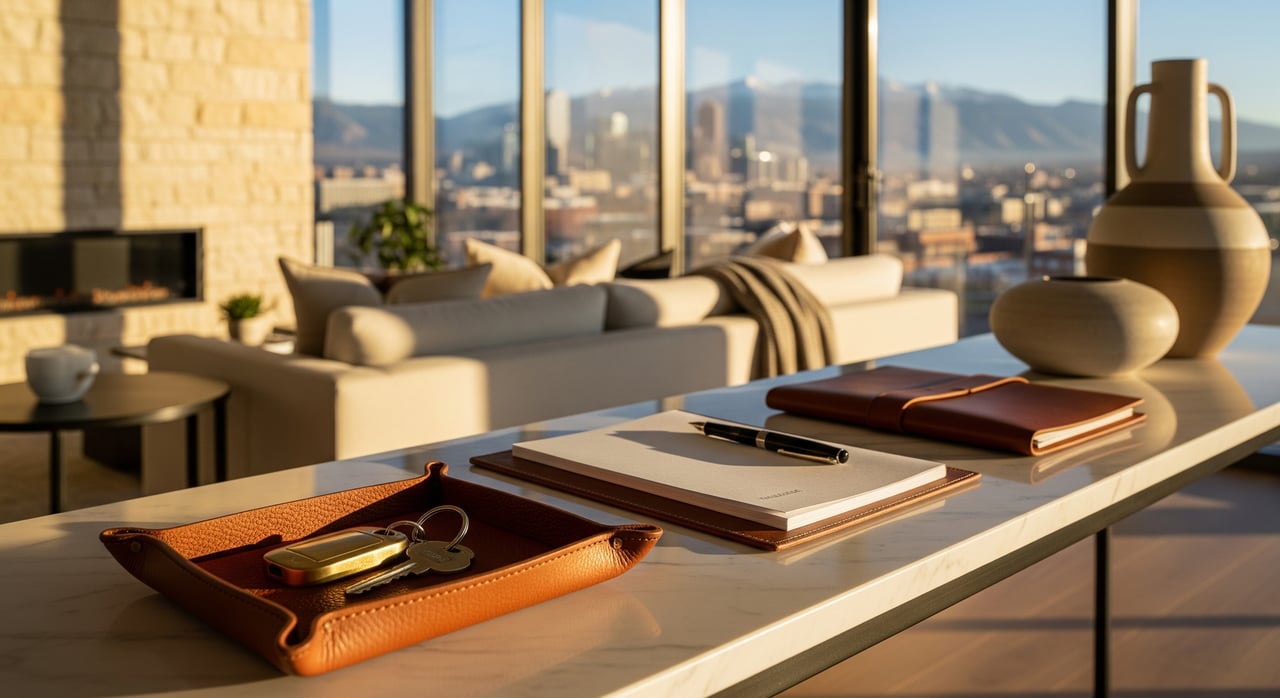
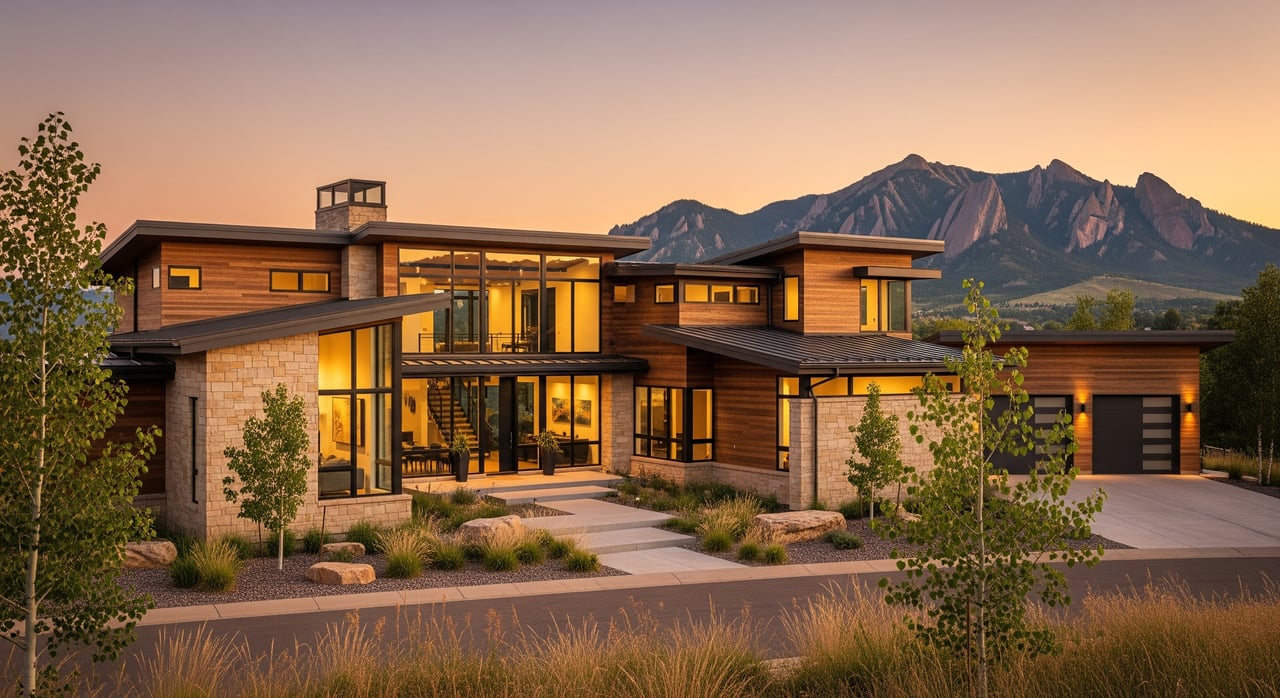
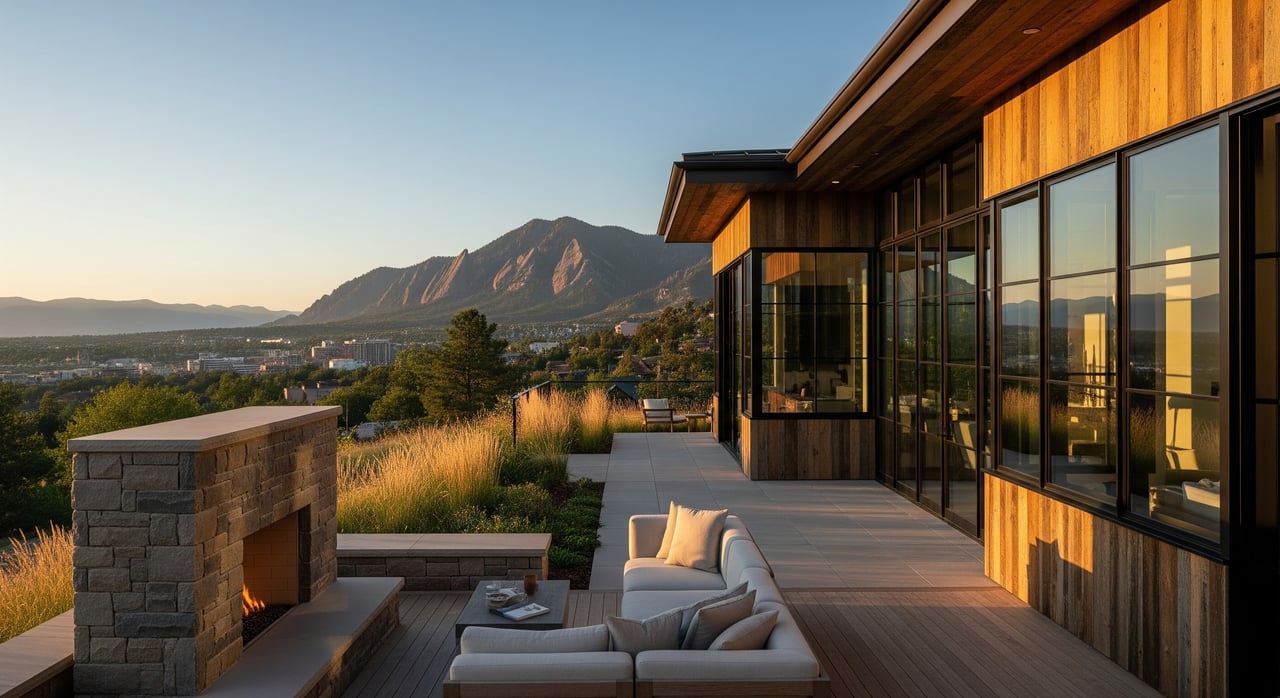
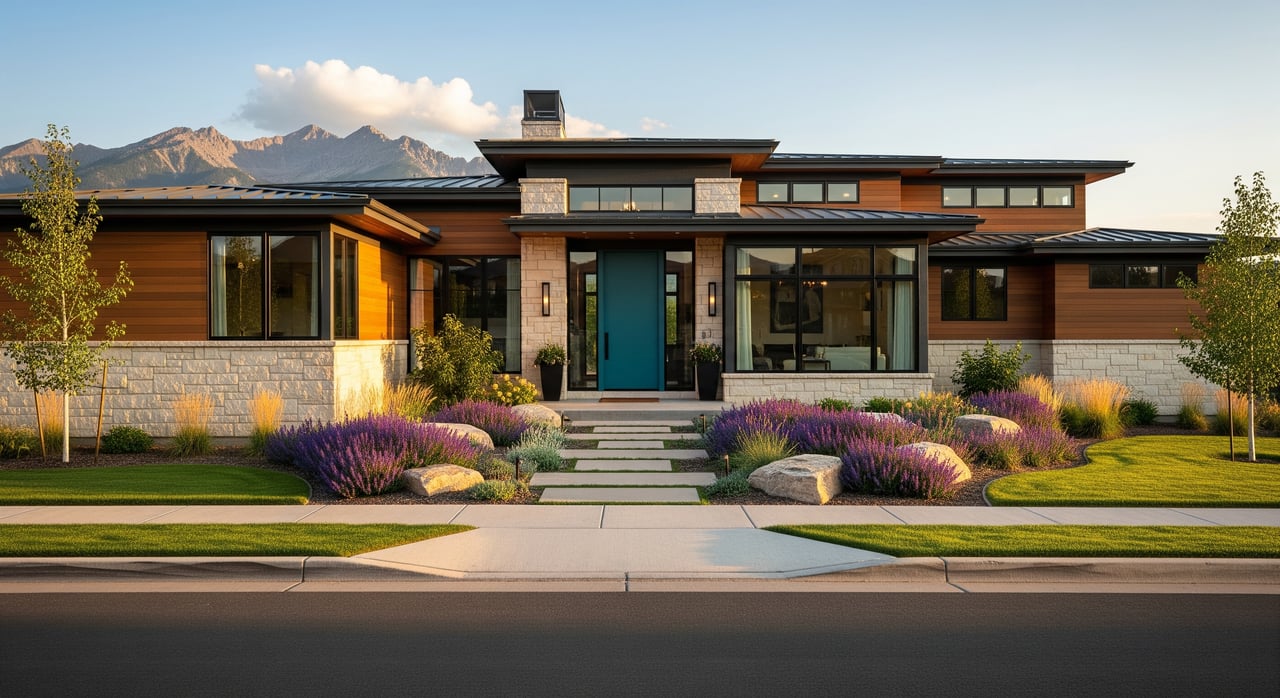
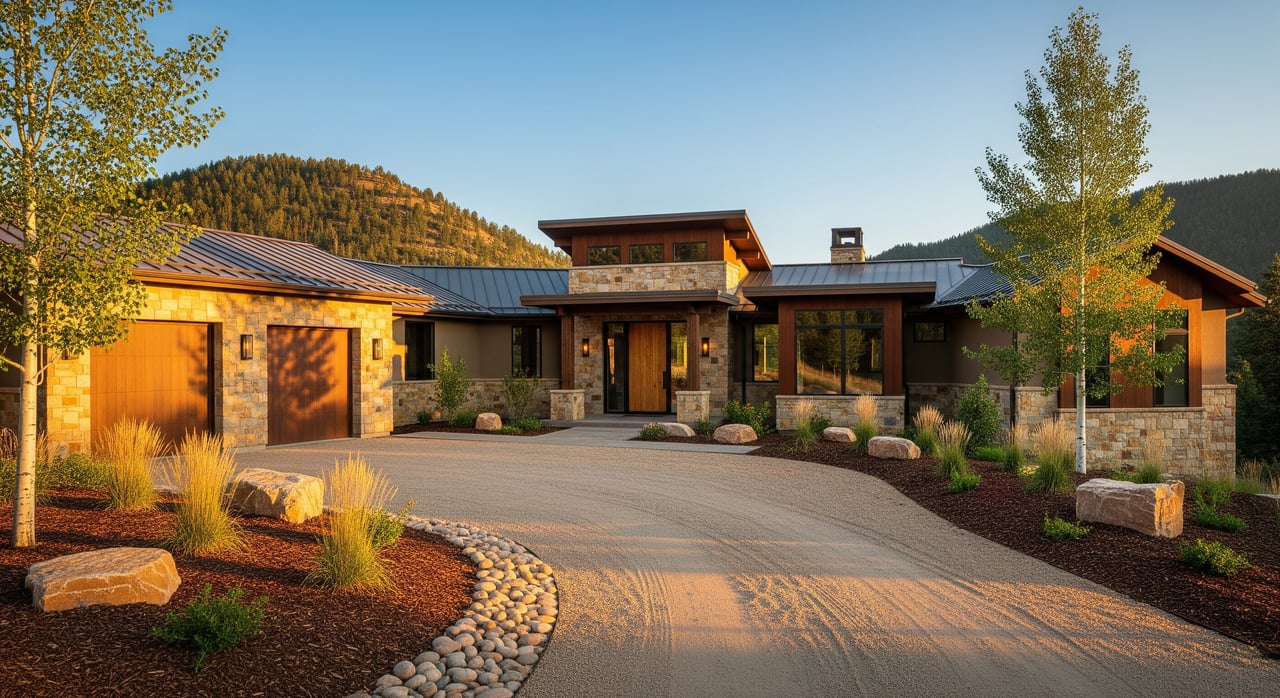
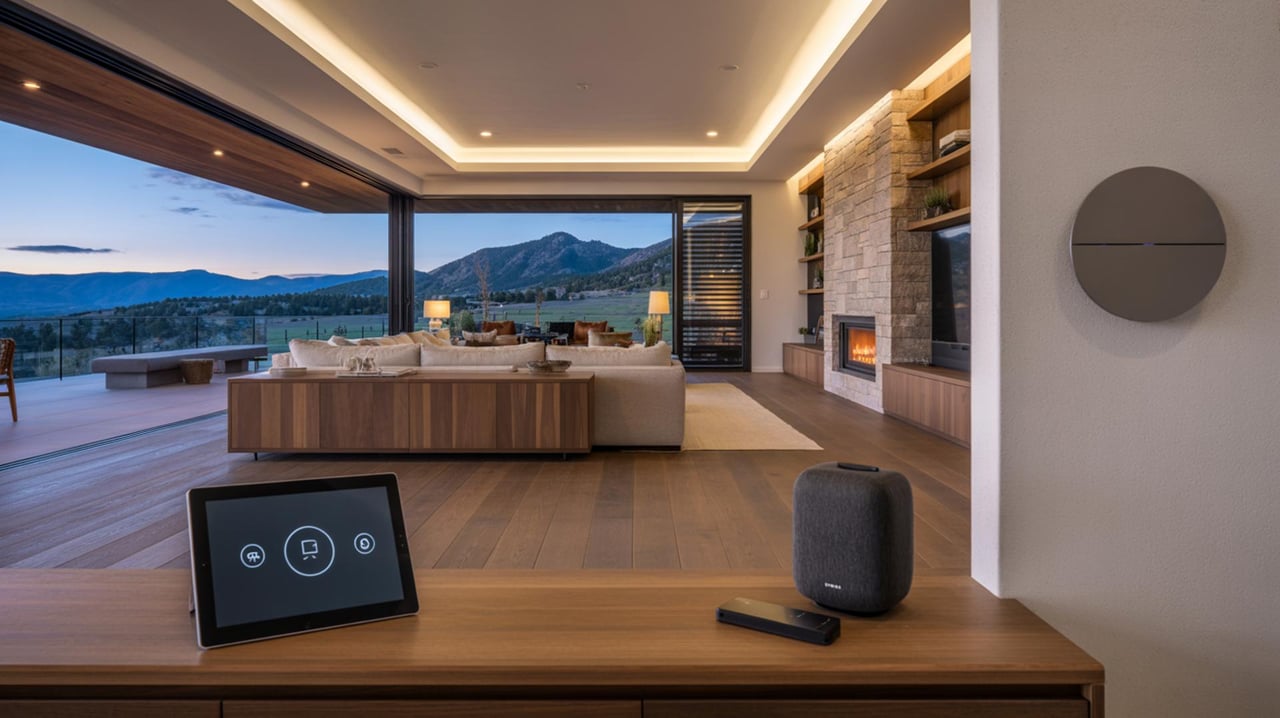
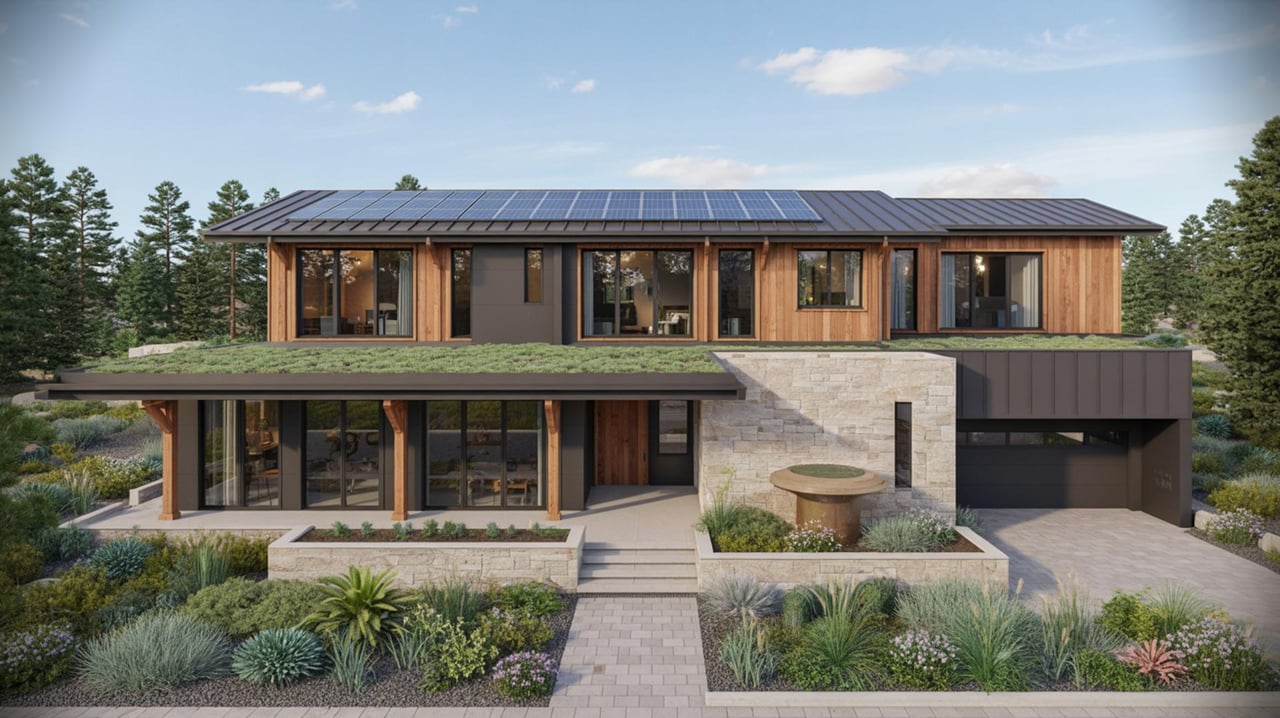
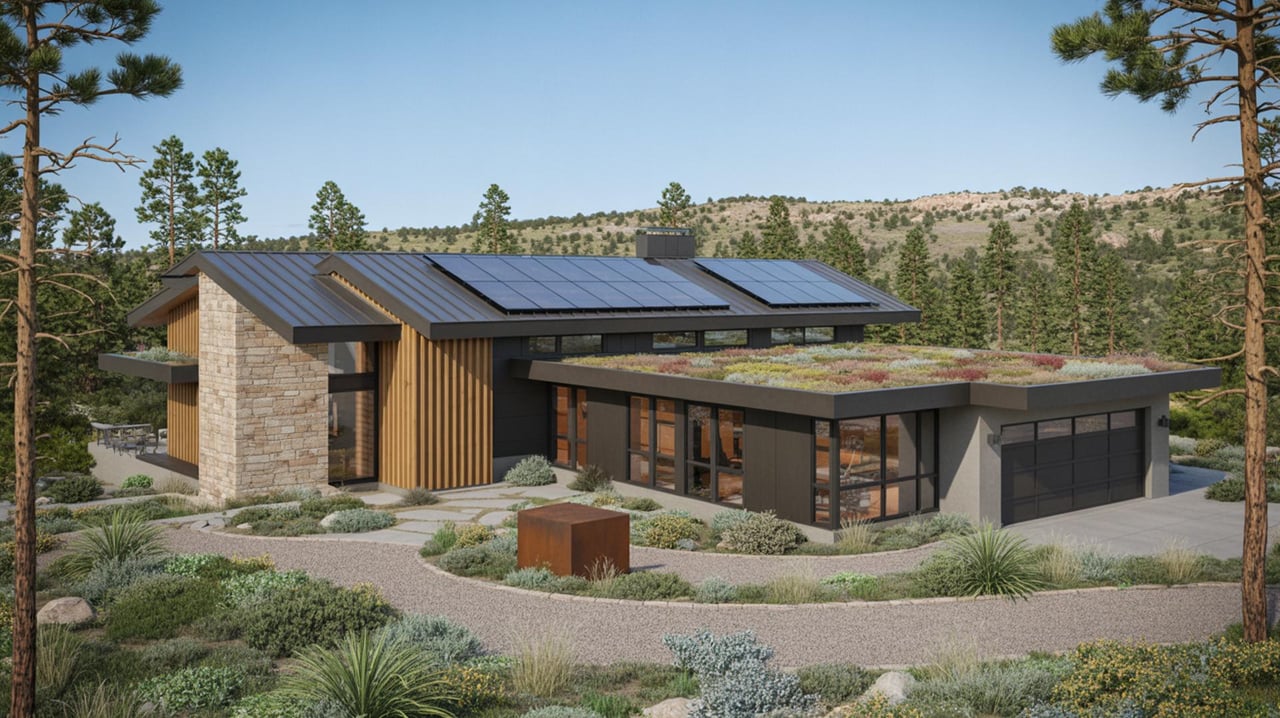
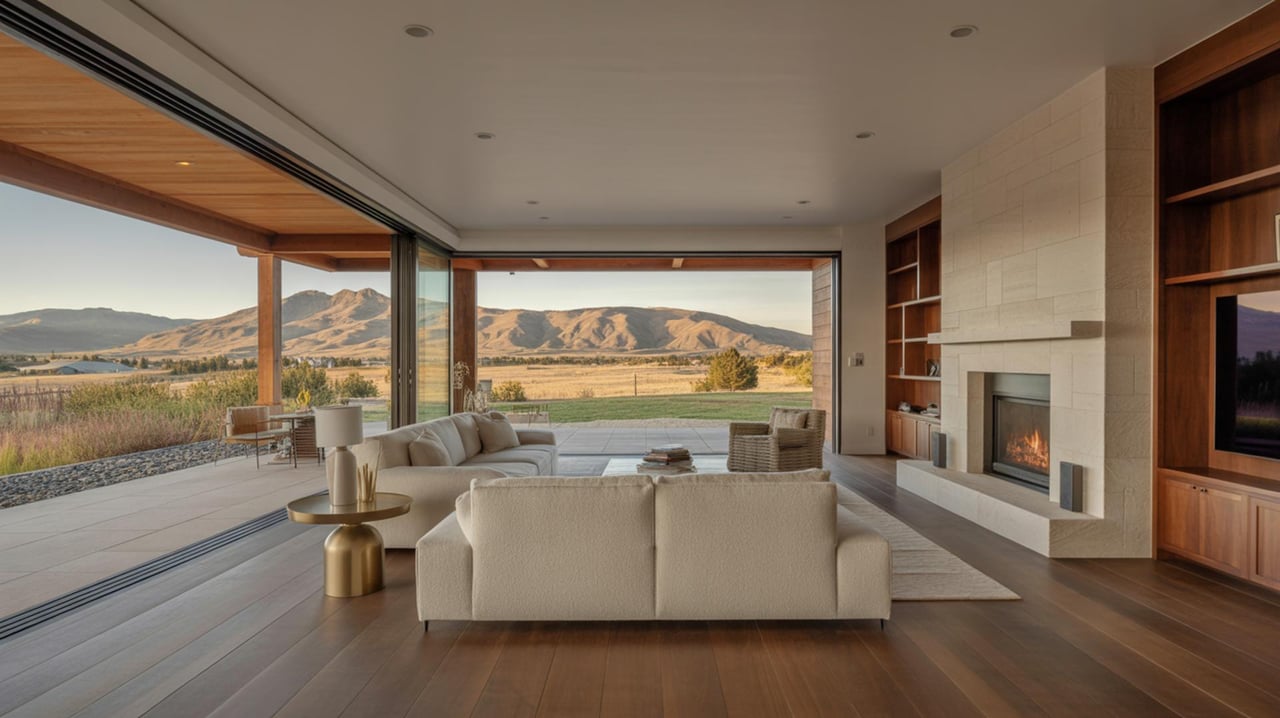
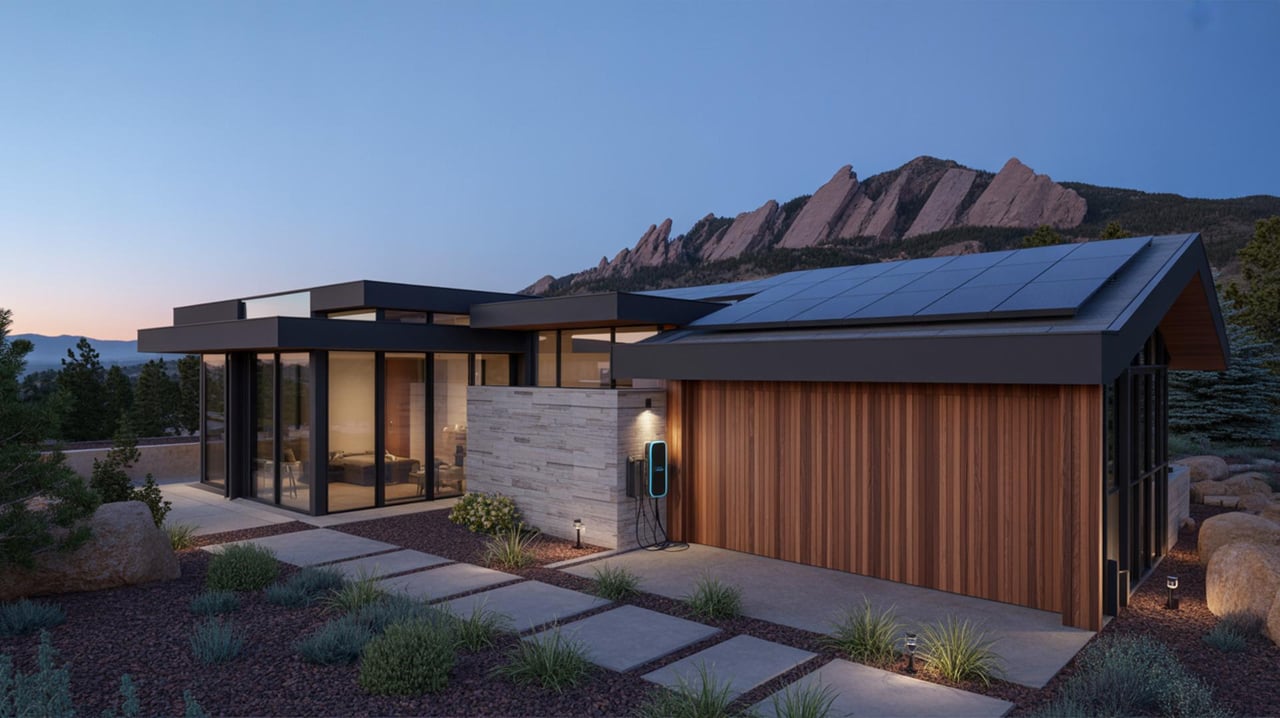
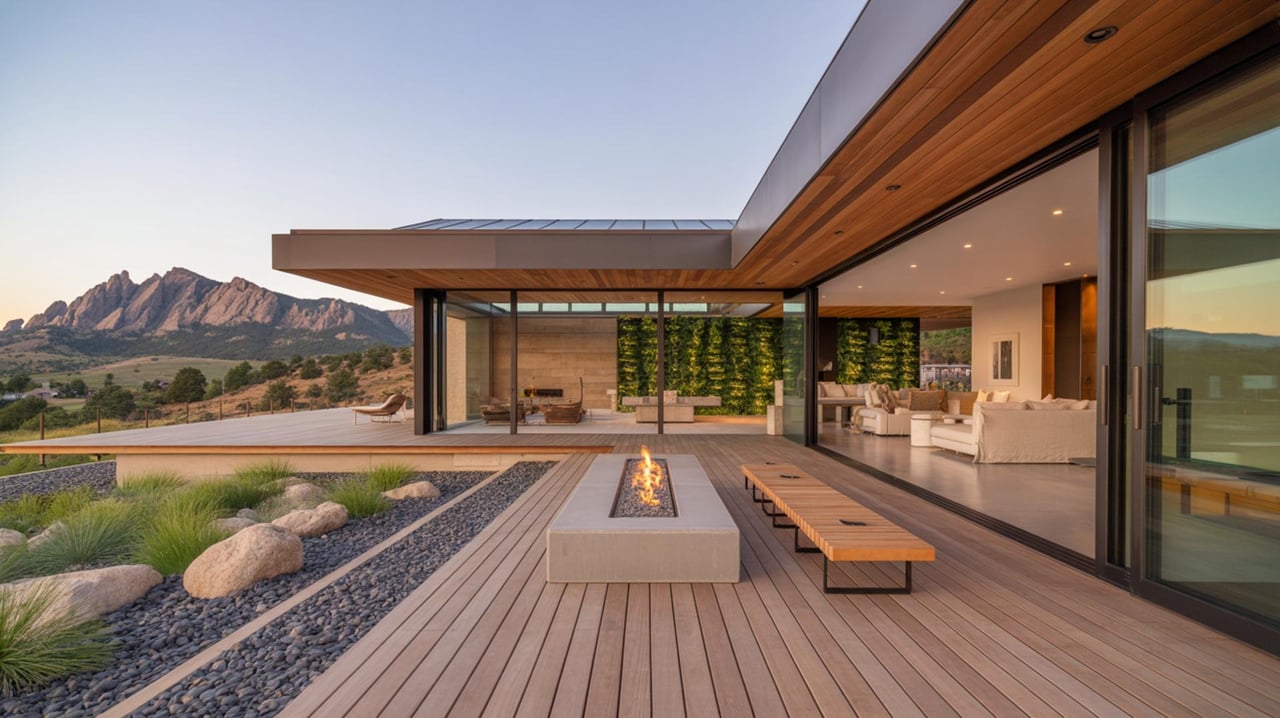
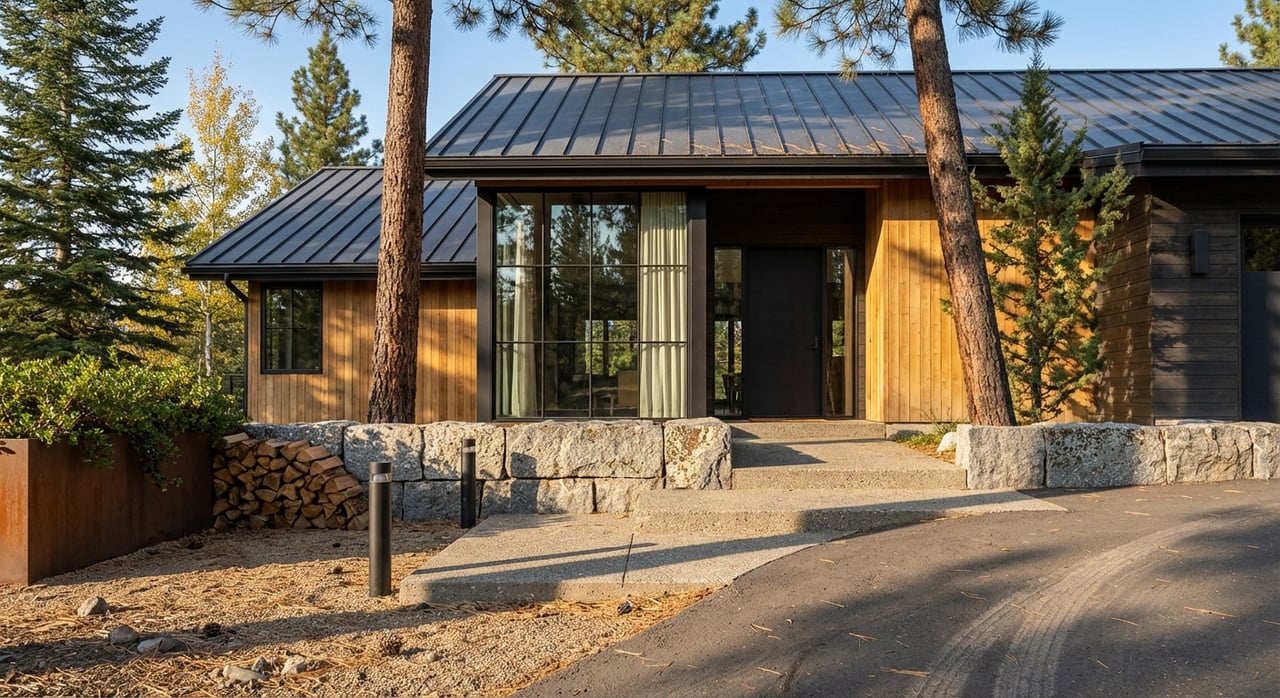
Mountain contemporary, often called mountain modern, features clean lines, large window walls, clerestories, and a mix of natural stone and warm wood teamed with steel or metal accents. Interiors tend to be open and view-forward, with exposed beams and neutral palettes that let the landscape lead. In Pine Brook Hills, you often see tall glazing aimed at Continental Divide or city-light views, tiered or cantilevered decks, and fiber-cement or stone cladding that feels grounded to the slope. For design inspiration, note how mountain modern projects use materials and detailing to stay refined while still reading as Colorado rooted. A helpful primer on this vocabulary is the modern-mountain overview from Rocky Mountain Hardware.
Mid-century lines and 1970s modernisms
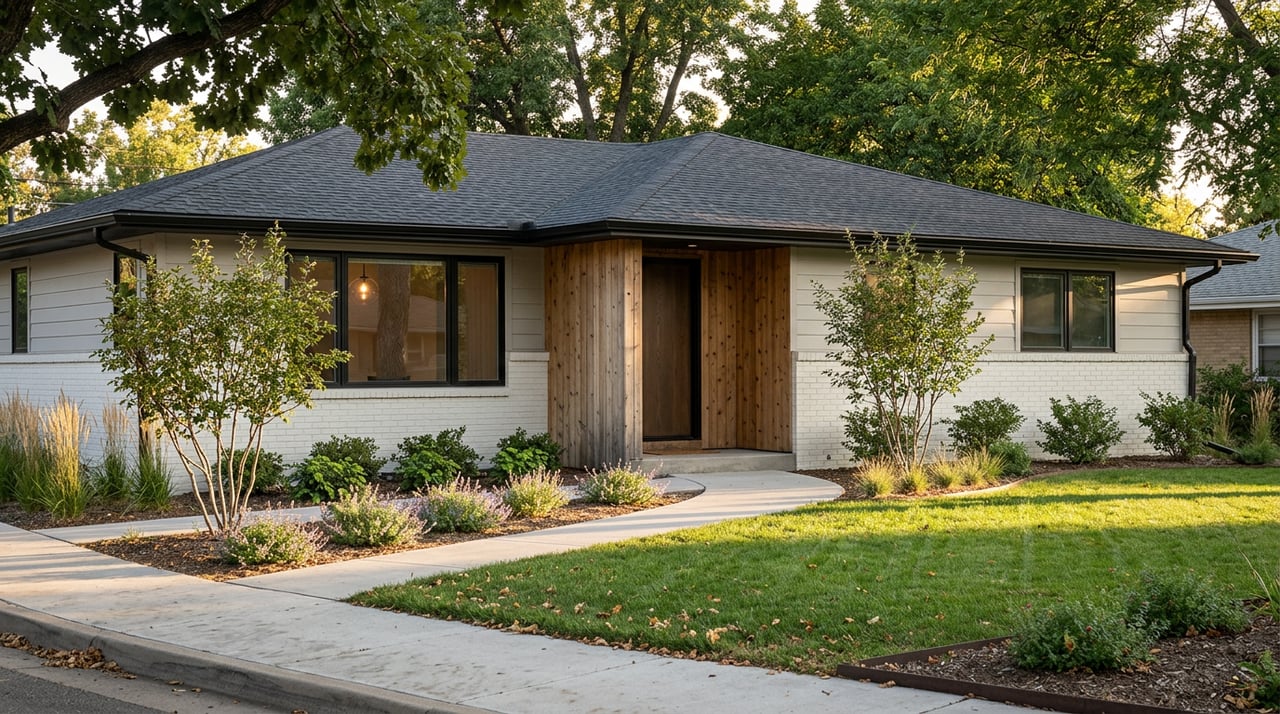
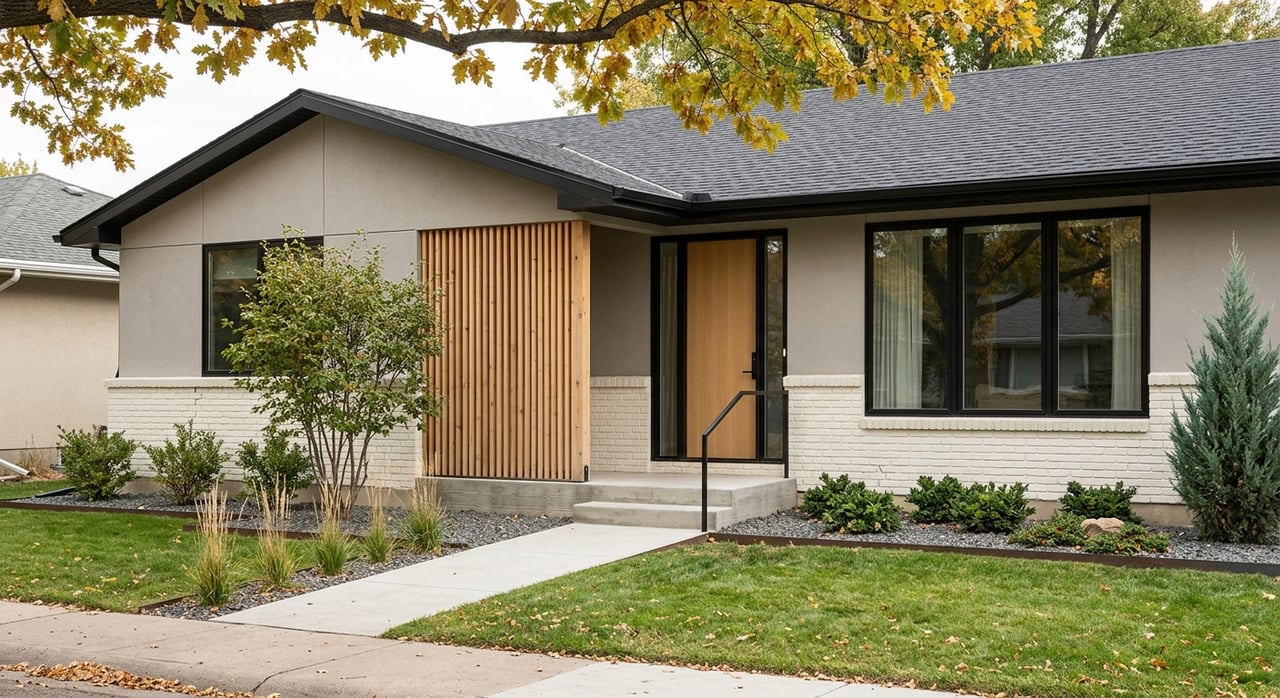
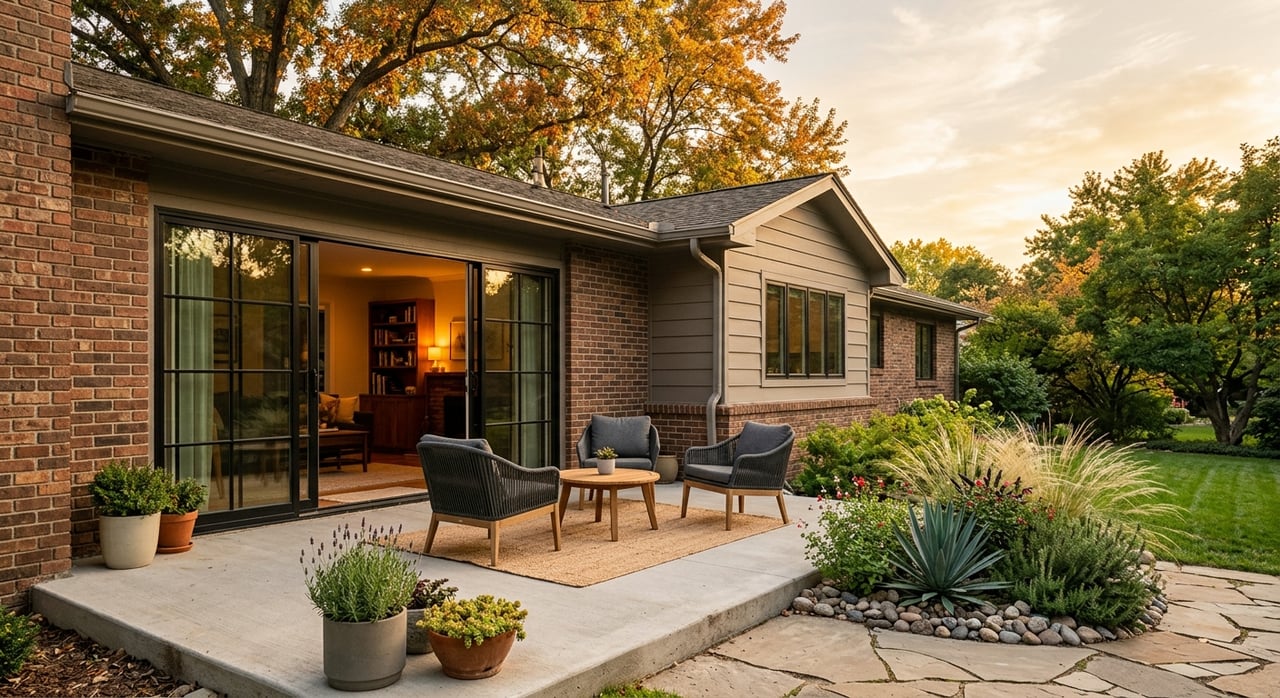
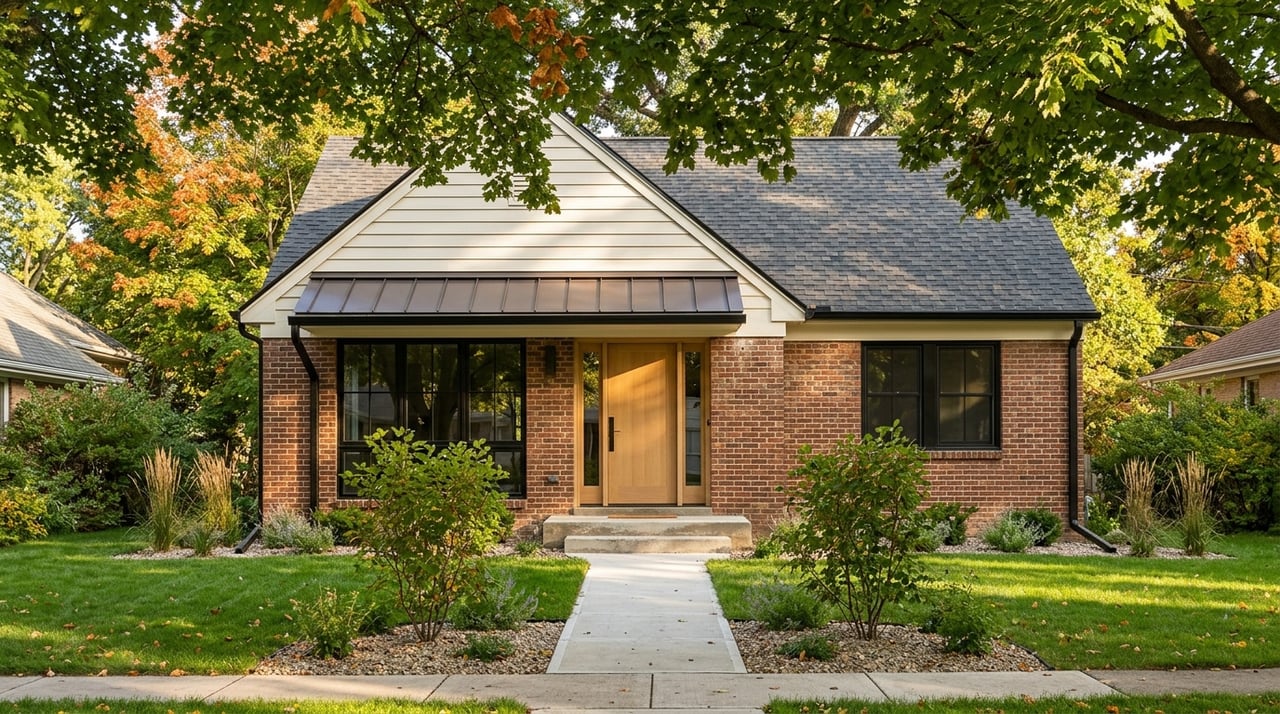
Many PBH originals were built from the mid-1960s through the 1970s. You will find single-story or split-level plans with horizontal rooflines, ribbon windows and clerestories, and a strong indoor-outdoor flow. Buyers respond well when these homes keep hallmark features like built-ins and open layouts while upgrading systems and windows for comfort and efficiency. In short, preserve the character where you can, refresh smartly, and let the views and daylight do the selling.
Updated rustic, also called rustic-modern
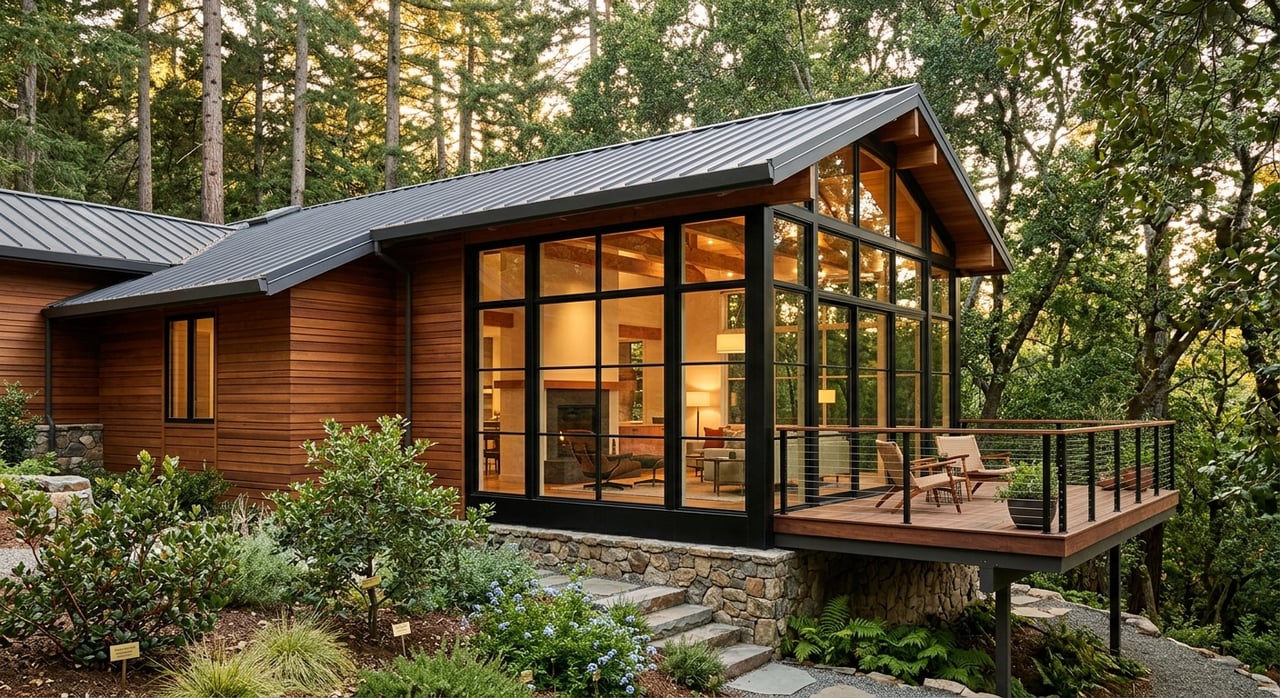
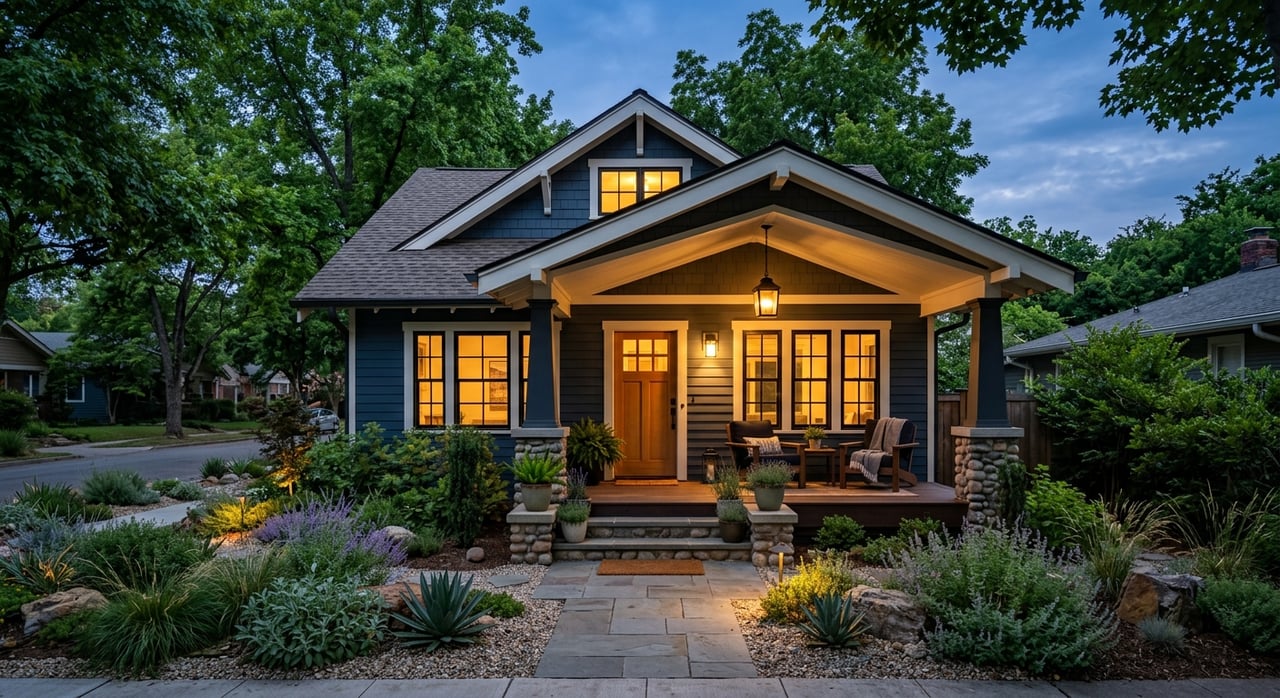
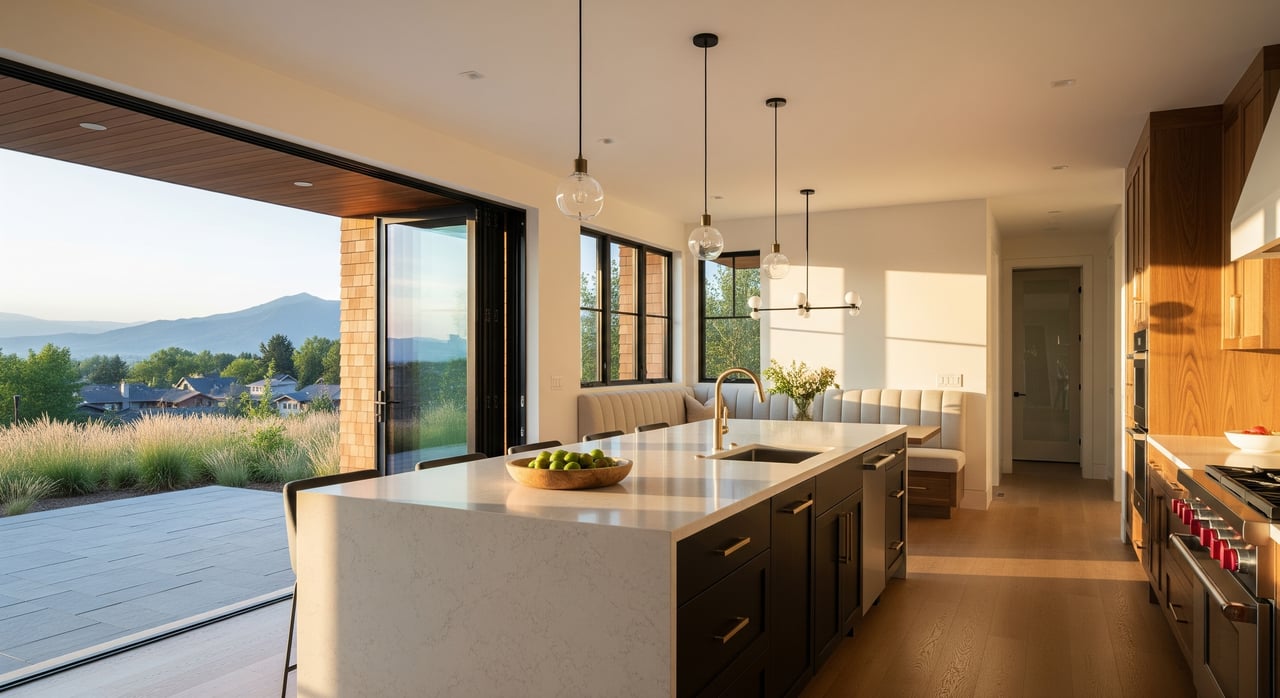
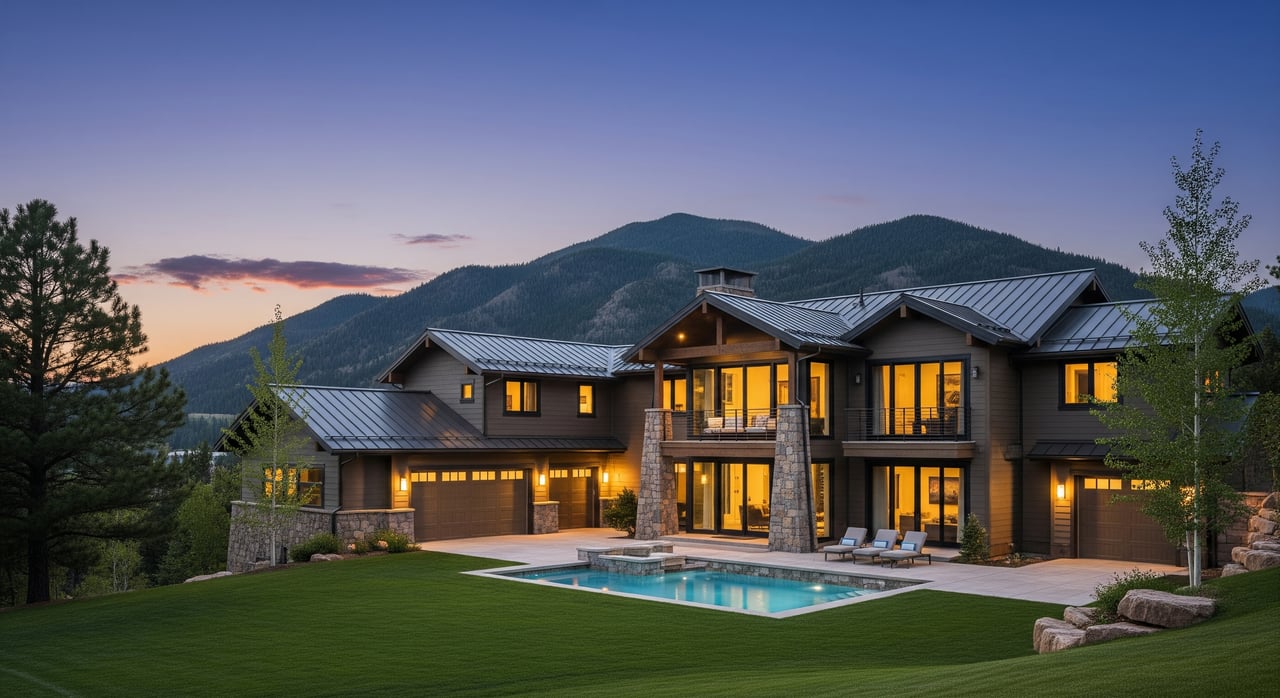
Updated rustic blends classic cabin elements like timber beams, hand-cut stone and a vaulted fireplace with sleek kitchens, black metal windows and engineered stone surfaces. In PBH, this look respects the mountain-cabin feel while adding modern systems and lower-maintenance exteriors. Recent remodels show how steel siding or high-performance cladding can pair with stone and wood to deliver a warm, contemporary cabin that lives easily year-round.
Stock 1970s split-levels and raised ranches
Across the neighborhood, you will see practical split-levels and raised ranches tucked into slopes with walkout lower levels. Some have been updated in stages, while others are strong candidates for larger interventions that improve daylight and indoor-outdoor flow. Buyers often evaluate these homes through a renovation lens, weighing their cost to rework sightlines, decks and glazing against the price of newer, statement builds.
High-statement custom contemporary homes
PBH also hosts architect-designed custom homes that make bold moves on ridgelines, integrate rock outcrops, or use strong cantilevers to float over grade. These houses often require deeper design, geotechnical and permitting work, and they can set the tone for what is possible on dramatic sites. The neighborhood’s terrain and view corridors lend themselves to bespoke solutions, which is part of PBH’s appeal to design-minded buyers.
How PBH homes capture views, light and steep lots
Framing the view
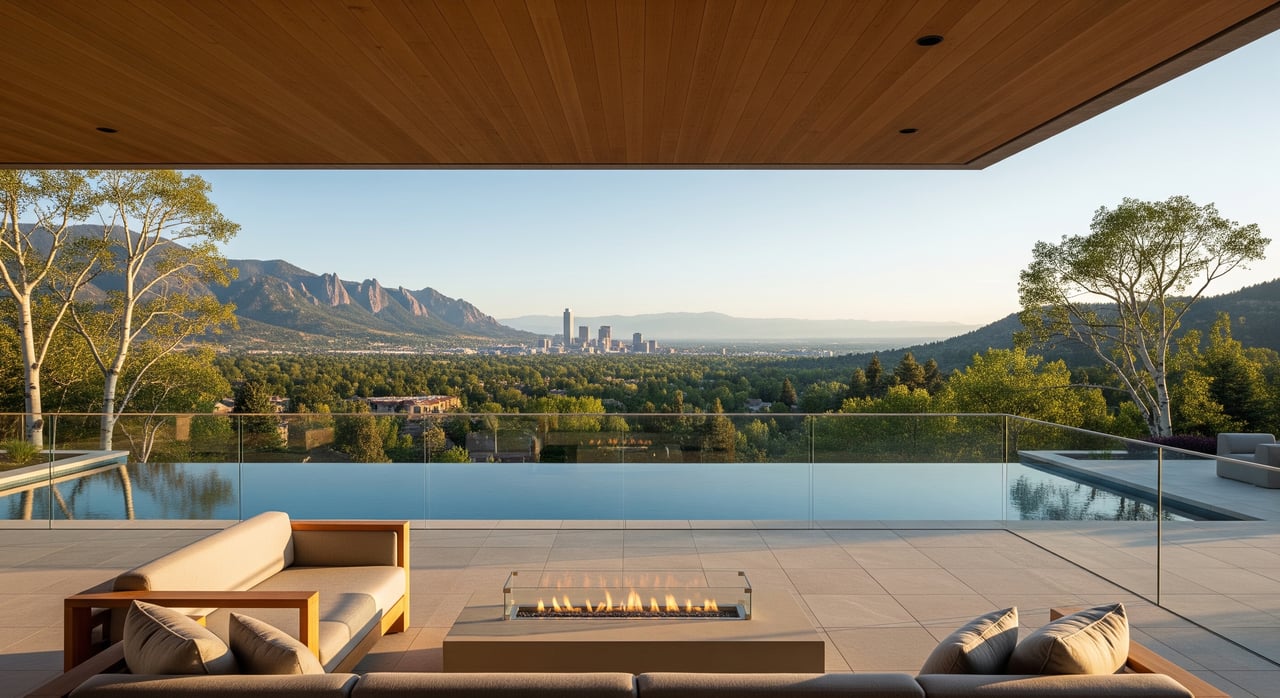
The best PBH homes create a clear visual axis from entry to living spaces and out to the long view. Window walls, longitudinal bands of glass and high clerestories pull in sky and ridgeline while service spaces sit to the uphill side. Remodels often add a corridor that links interior circulation to view terraces and light wells, which both expands living and makes the home feel brighter. A local case study shows this strategy in action in the Pine Tree House project by Follow Architecture.
Daylight and solar control
Foothill homes balance generous glazing with smart solar control. South-facing glass captures winter sun, while east and west exposures benefit from smaller openings or shading to avoid summer overheating. These are classic passive-solar moves that improve comfort without giving up the view. For a concise guide to placement and shading, review the passive-solar overview from Energy.gov.
Foundations, terraces and drainage on slope
Sloped sites drive structure and layout. Common solutions include walkout basements and floorplates that step with the terrain, pier or caisson systems that let the home hover over hillside, or stepped footings with engineered retaining walls where a cut pad is needed. Each path trades excavation and site disturbance against cost and aesthetics, and many projects require geotechnical reports. For a practical primer on how soil and structure interact, see this foundation overview from Cotality. Larger earthwork typically triggers county permits as well, so align timelines with Boulder County’s building permit expectations.
Outdoor living and decks
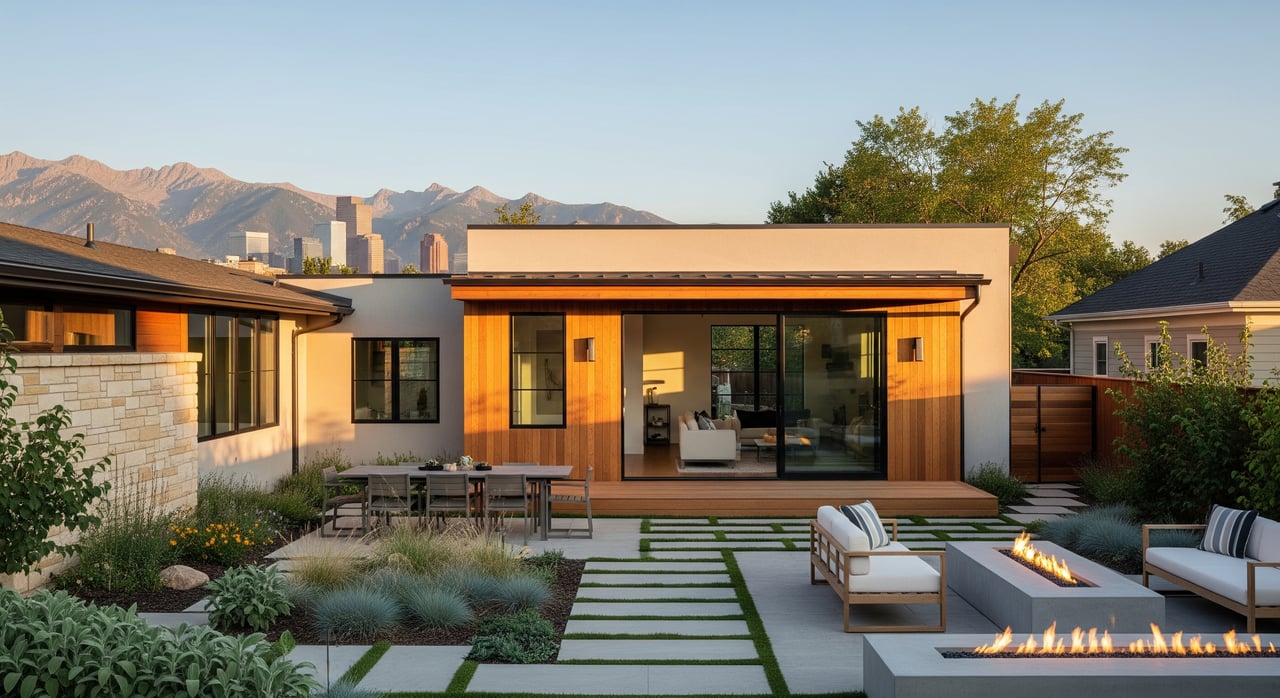
Multi-level decks and terraces are a PBH hallmark because they extend living rooms out to the slope. Materials and detailing matter in the foothills, especially in wildfire seasons. Choose durable, ignition-resistant assemblies, enclose under-deck areas where appropriate, and present neat, well-planned terraces. The community’s Firewise program outlines home-hardening and defensible-space practices; it is a helpful reference for both safety and marketability. Explore guidance from the PBH Firewise committee.
Seller playbook: design choices that sell in PBH
Lead with the view and outdoor tiers. Stage and photograph the rooms and decks that face the primary view axis. If a floorplan steps down the slope, show the sequence from living space to terrace to lower deck. Buyers shop with their eyes first, so clear sightlines and panorama shots do real work for your listing.
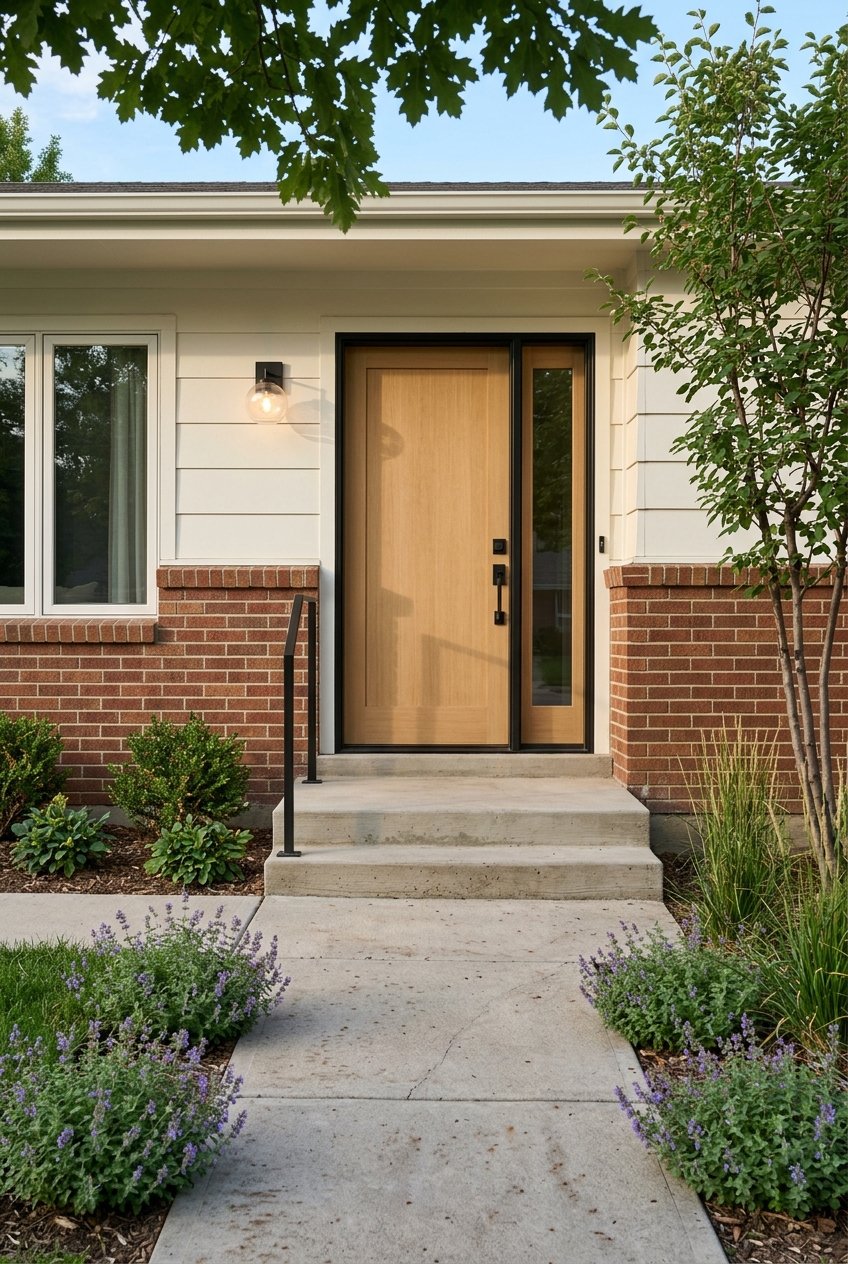
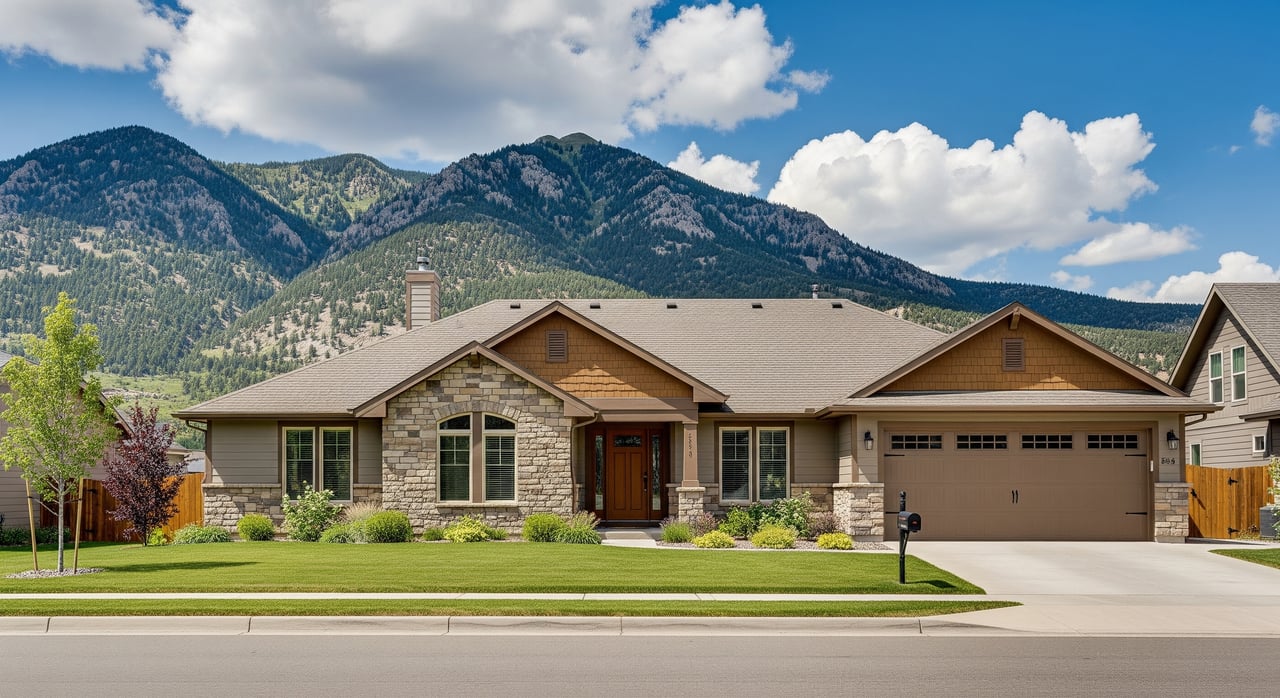
Prioritize exterior, low-risk ROI updates. National cost-versus-value data consistently shows exterior projects at the top of recoup lists. A new garage or entry door, selective manufactured stone veneer, refreshed fiber-cement or wood-look siding, and deck repairs often return strongly while boosting curb appeal. Review the 2024 benchmarks at JLC’s Cost vs Value.
Make fire-aware material choices visible. Use noncombustible or ignition-resistant roofing and siding where required, protect vents and gutters from embers, and replace combustible mulches close to the home. In photos and showings, highlight limbed trees, cleared gutters and tidy near-home zones to reassure buyers. The PBH Firewise resources can guide your prep and help document mitigation work.
Upgrade glazing with comfort in mind. Larger, high-quality window openings sell the view, but comfort keeps offers strong. Double or triple glazing, operable shading and targeted solar control on east and west exposures support four-season living and reduce energy use.
Refresh landscape for slope and drought. Terraced plantings, native or drought-adapted species, rock mulch in near-home zones, and well-built retaining edges read as both practical and refined. Tidy, defended space also photographs better and supports buyer confidence in hillside markets.
Connect safety to value. Many wildfire-resistant upgrades do double duty for resale, combining lower risk with lower maintenance. Research shows that building and remodeling with wildfire-resistant approaches is cost effective over the long term. For a deeper look at the economics, see the analysis from Headwaters Economics.
Buyer checklist: what to verify on a PBH hillside home
Site, slope and structure. Ask for permits and engineering for retaining walls, piers or caissons, and any additions that changed the foundation. Request any geotechnical studies tied to major work.
Drainage and erosion control. Confirm gutter and downspout performance, swales or French drains, and that hardscape directs water away from the foundation. On sloped parcels, poor drainage accelerates problems.
Wildfire hardening and defensible space. Verify roof and siding types, ember screens at vents, and maintenance within the 0 to 5 foot perimeter. Ask whether work is documented in PBH Firewise records and check insurance early.
Utilities and service. Confirm Pine Brook Water District service and any recent system upgrades tied to the property. Clarify septic versus any public sewer connections through county records and understand winter access, driveway grade and snow clearing responsibilities.
Decks and outdoor areas. Inspect deck structure, connections, and guardrails carefully, and review any permits for recent additions. Multi-level decks are a feature in PBH, so safety and longevity matter.
Putting it together: match style to your goals
If you love clean lines, open plans and dramatic glass, mountain contemporary often delivers the clearest view and daylight strategy. If you want warmth and texture with modern comfort, updated rustic blends cabin character with performance materials. If you see potential in an original mid-century or split-level, thoughtful preservation of signature elements combined with system upgrades can create a home that feels both authentic and current.
Across styles, the winning theme in Pine Brook Hills is design with place in mind. Frame the view, manage sun, respect the slope and use resilient materials. If you balance these ingredients, you get a foothills home that feels easy every season and shows compellingly when it is time to sell.
Ready to position your PBH home or to shop with a design-smart plan? Reach out to Emelie S Griffith for a personalized strategy that blends presentation, pricing and local know-how.
FAQs
Is Pine Brook Hills inside Boulder city limits?
- No. Pine Brook Hills is an unincorporated community just west of the City of Boulder, so Boulder County permits and land-use rules apply.
Which permits affect remodels and additions in Pine Brook Hills?
- Most additions and new construction require Boulder County building permits, and hillside work can trigger grading or site-plan review. The county updated site-plan rules effective May 13, 2025 under DC-24-0003.
What architectural styles do buyers often seek in PBH?
- Mountain contemporary and updated rustic are highly visible in recent projects, while well-kept mid-century and split-level homes appeal to buyers who value authenticity and renovation potential.
Are wildfire rules a big factor in PBH home design?
- Yes. Wildfire-related requirements influence exterior materials, decks and landscaping, and visible defensible-space work can improve both safety and buyer confidence.
What exterior updates usually deliver the best resale value in PBH?
- Low-risk exterior projects like a quality garage or entry door, selective stone veneer, refreshed siding and deck repairs often rank high for return and curb appeal based on national Cost vs Value data.
What should I ask an inspector to focus on for a sloped lot in PBH?
- Request documentation and condition checks for retaining walls, drainage and run-off control, deck structure and connections, and any foundation elements like piers or caissons.
How reliable is the water supply in Pine Brook Hills?
- The Pine Brook Water District serves the neighborhood and manages a local reservoir. Buyers often review district updates and any property-level improvements during due diligence.